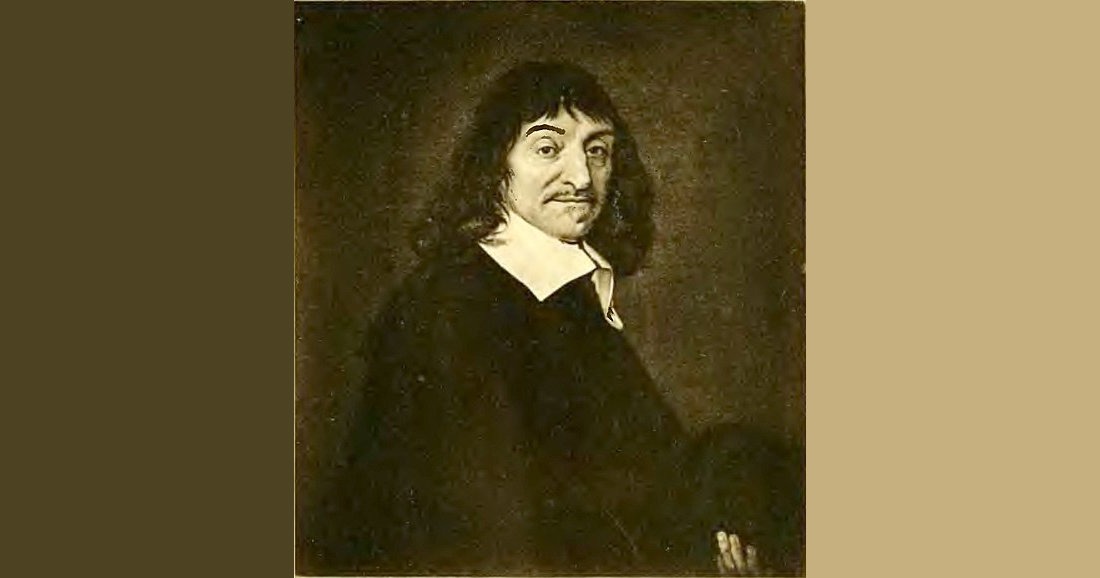
Rene Descartes
Descartes used disciplined doubt to strip uncertain knowledge away and rebuild from the certainty of conscious thought. His mind-body dualism then divided reality into thinking mind and physical matter.


Descartes used disciplined doubt to strip uncertain knowledge away and rebuild from the certainty of conscious thought. His mind-body dualism then divided reality into thinking mind and physical matter.
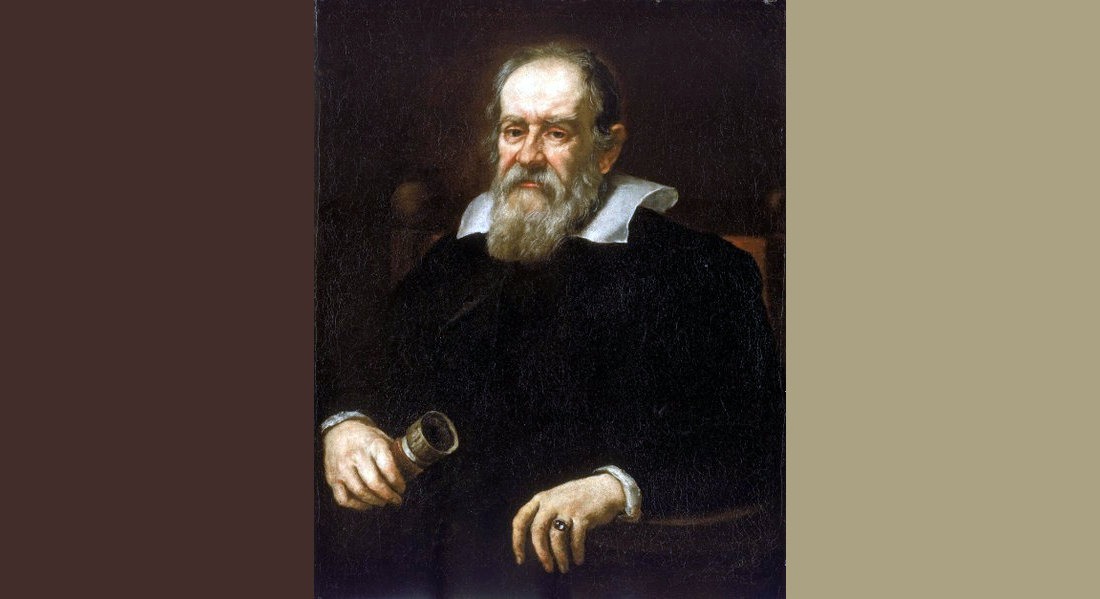
Galileo, the Father of Modern Physics, showed that careful observation and math could overturn ancient certainty.
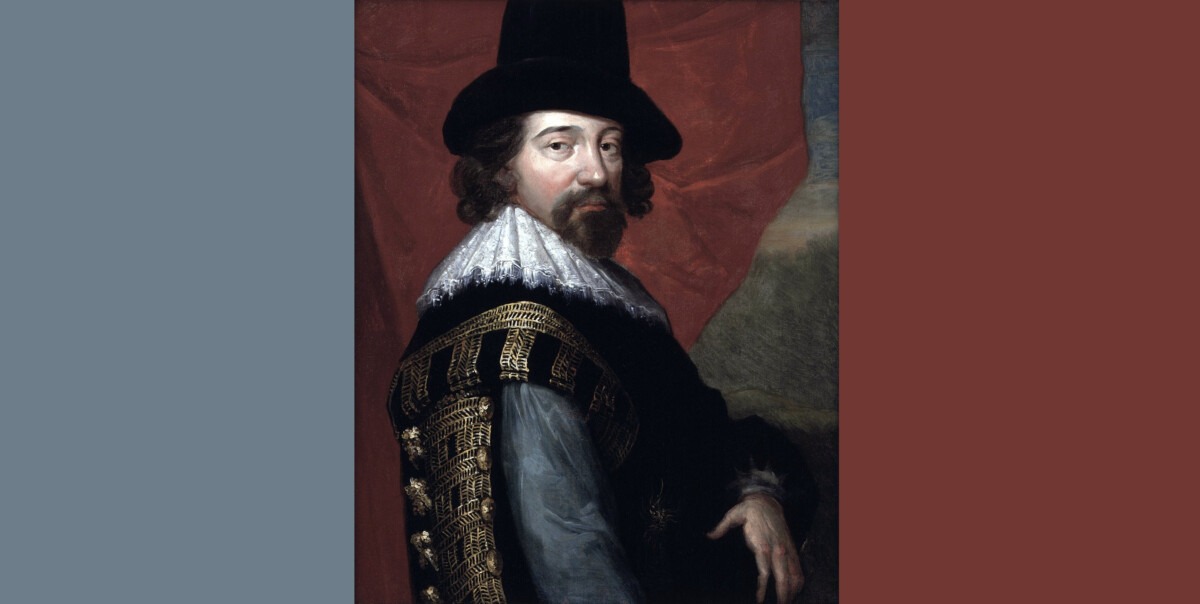
18 Generations Ago 30 Phil, Chapter 20: Francis Bacon and the Scientific Method Francis Bacon was born on January 22, 1561, in London to a prominent and influential family. The young Francis Bacon received a comprehensive education, attending the prestigious Trinity College, Cambridge, at the age of 12. Bacon is the Father of the Scientific
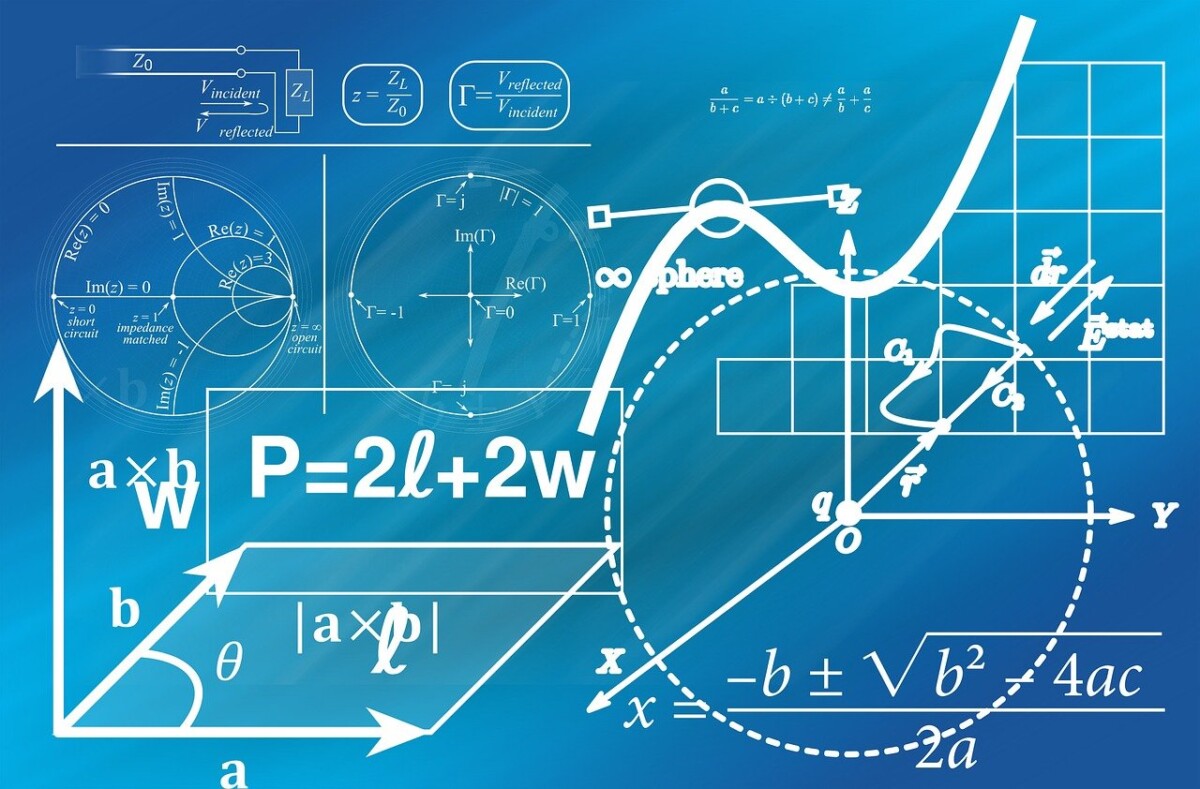
Invented by Newton in the 1660s (pub. 1687) and independently by Leibniz in the 1680s (pub. 1684). Both built on Galileo’s popularizing the idea of the infinitesimal. Calculus, the mathematical study of continuous change, introduced the concepts of differentiation and integration, providing tools to model and analyze motion, growth, and the infinitesimal. Newton, working primarily
The Invention of Calculus Read More »
From Baroque music and paintings to sculptures and archicture. The dawn of the 17th century witnessed the birth of the Baroque era, marking a transformative period in the history of art that spanned from circa 1600 to 1750 CE. Originating in Italy and spreading across Europe, the Baroque movement represented a significant evolution in artistic
The Birth of Baroque Art Read More »
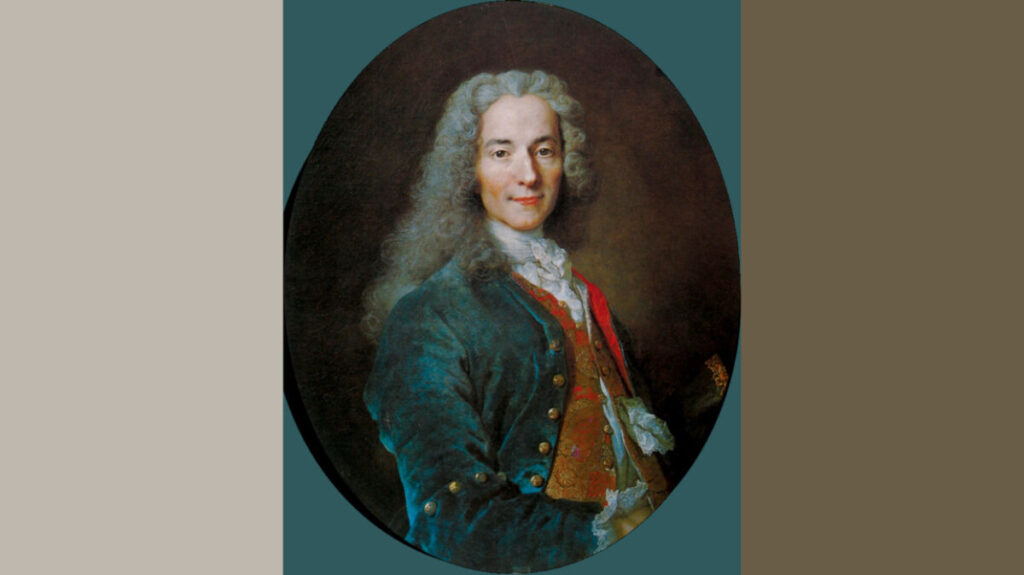
Free societies need people who can publicly challenge rulers, institutions, and accepted ideas without fear of censorship.
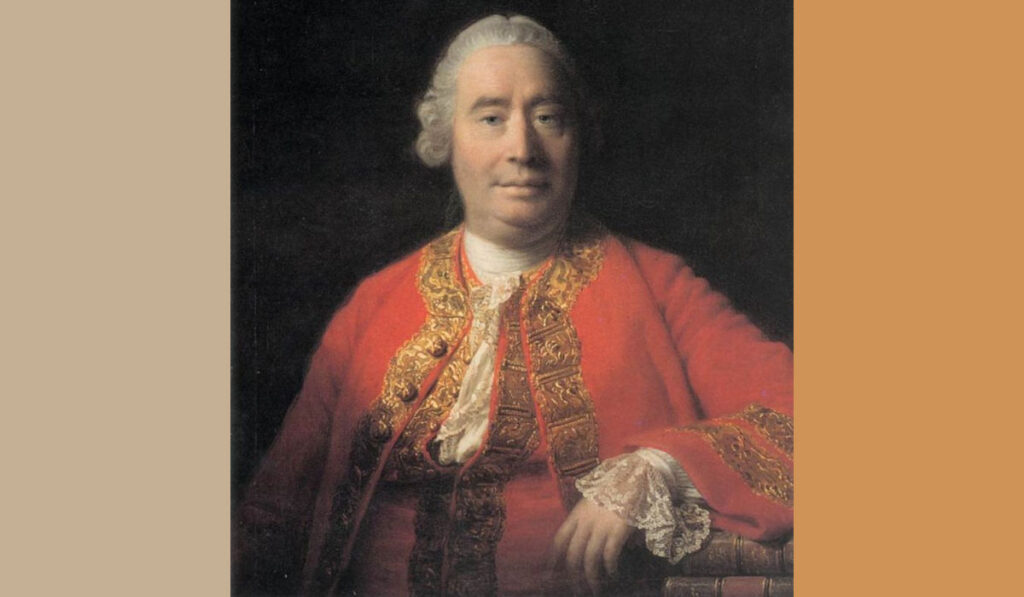
Hume is important to history because he taught us that belief should be earned. Let confidence rise with evidence, logic, testing, and lived experience.
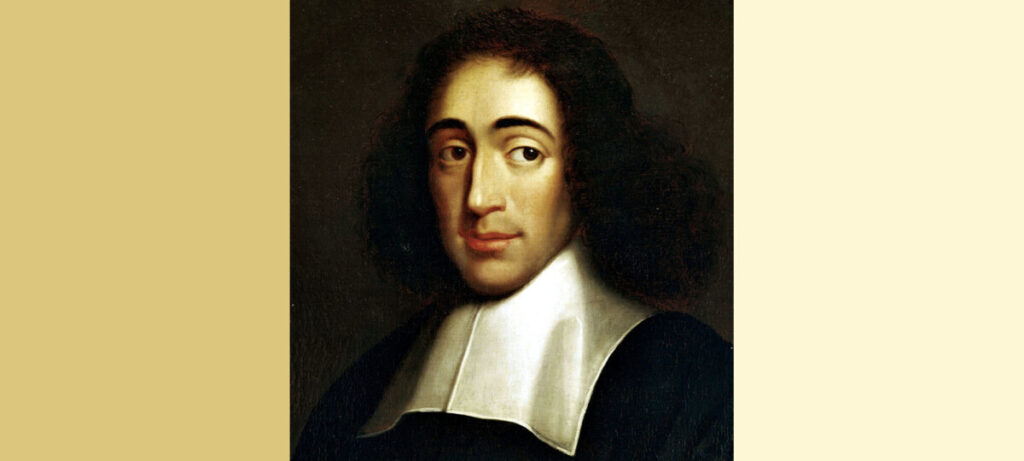
16 Generations Ago 30 Phil, Chapter 25: Spinoza and Monism The Dutch philosopher Spinoza was a lens grinder by profession, a proponent of Rationalism, and an early founder of Enlightenment. My favorite concept of Spinoza’s is that God is nature, and nature is God. For me, whenever I read God in prayers and such I
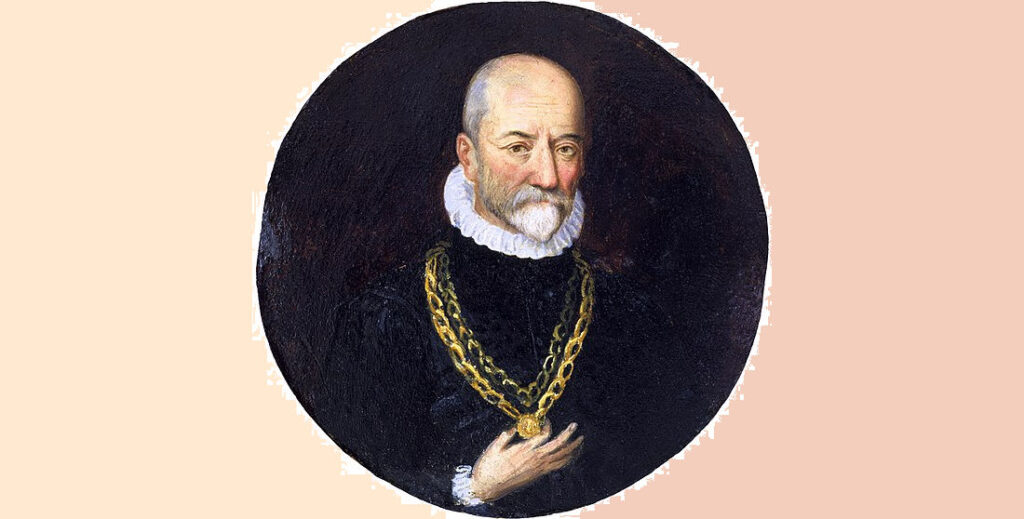
20 Generations Ago (from 2020 CE) Montaigne was one of the most significant philosophers of the French Renaissance. In addition to furthering skepticism, he also extended stoicism. He also extended literary style by promoting the essay format and by breaking norms of his day. For example, talking about himself in his own writing. My favorite translated Montaigne
Michel de Montaigne (1533-1592) Read More »
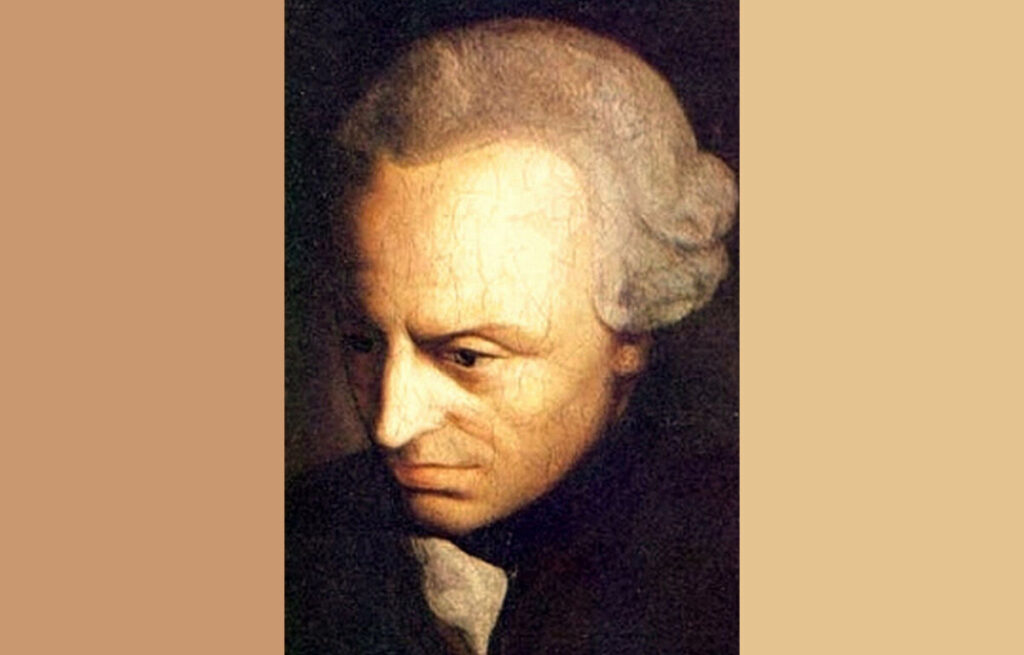
12 Generations Ago 30 Phil, Chapter 28: Kant and Kantianism The German philosopher Immanuel Kant (22 April 1724 – 12 February 1804) was a central figure of the Enlightenment which put reason as the tool of choice when discussing God, nature, and humanity. Some of my favorite translated quotes include: All our knowledge begins with

Starting in 1931 with the invention of the electron microscope, the nanoworld became visible to us. The nanoworld contains items as small in diameter as 1 micrometer (1 micron) to a diameter 1,000 times smaller, a diameter of 1 nanometer. The nanoworld includes the smallest single celled organisms, the smallest bacteria as well as viruses,
Electron Microscope = Nanoworld Discovered! Read More »

With the invention of the microscope, humanity became aware of the microworld which is defined as 1 to 1000 microns. A micron is equal to one thousands of a millimeter. A cell is about 10 microns wide. Paper is about 100 microns thick. The unaided human eye can see items as small as 50 microns,
Microscope Invented = Microworld Discovered! Read More »

5 Generations Ago In 1905, radiometric dating was discovered. It is a method used to date rocks and other objects based on the known decay rate of radioactive isotopes. This technique is used to date rocks. Paleontologists regularly order discoveries in chronological order and estimate their age. Knowing the age of rocks allows paleontologists to assign known
Radiometric Dating Read More »

In 1946, Willard Libby created the method for dating organic materials by measuring their content of carbon-14, a newly discovered radioactive isotope of carbon. This dating technique provides objective age estimates within a few decades for carbon-based objects that originated from living organisms.
Radiocarbon Dating Read More »
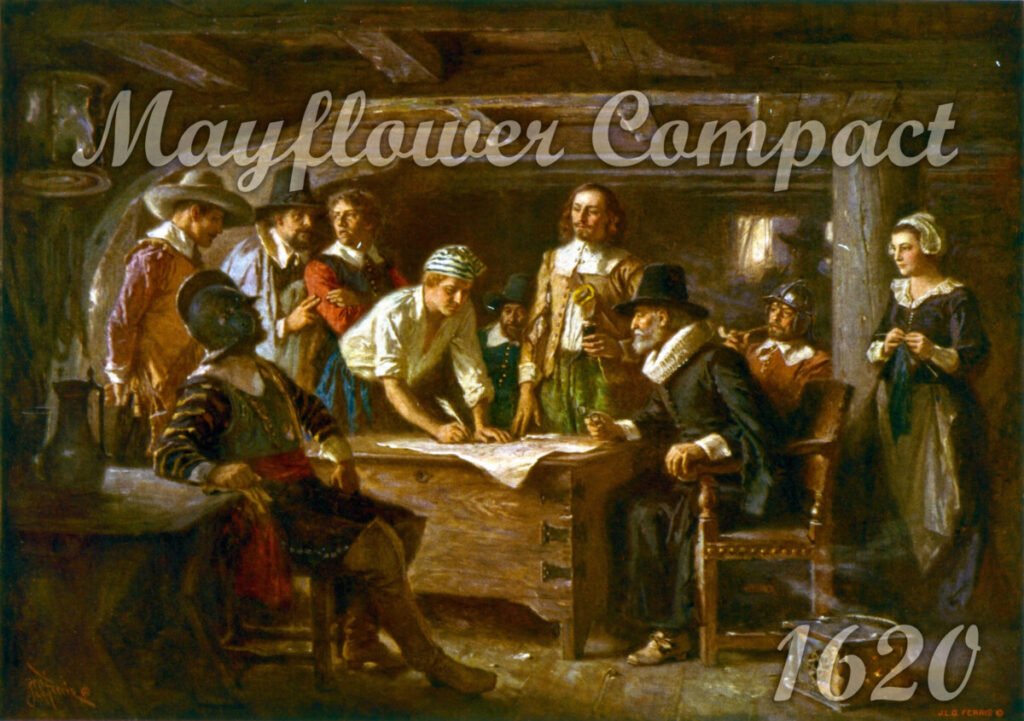
The Mayflower Compact set out rules for self-governance for the English settlers who traveled to Colonial America aboard the Mayflower ship in 1620. Of the 102 passengers aboard the Mayflower only 41 were Pilgrims. It was this minority body that established the rules for which they tried to force on all. The majority of passengers
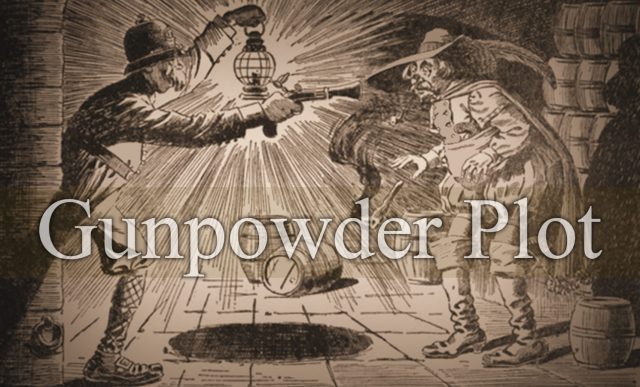
The Gunpowder Treason Plot is the name of the Roman Catholic conspiracy to blow up Parliament including King James I, the queen, and his eldest son. The conspirators were zealous Roman Catholics angered by the King’s refusal to grant more religious toleration to Catholics. They hoped the confusion that would follow the murder of the king,
Gunpowder Treason Plot Read More »

You can believe another person is deeply wrong, argue your case forcefully, and still defend their right to disagree.
The Great Quaker Debates! Read More »
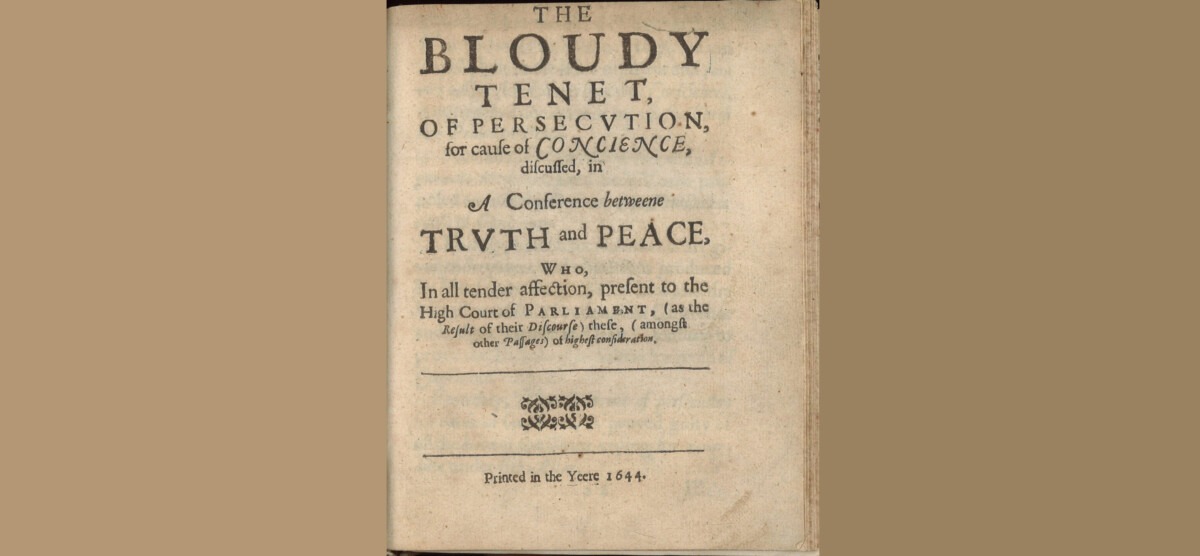
Roger Williams argued that government should protect freedom of conscience, not enforce religious belief. Separating church and state protects citizens from persecution while also protecting religion from political corruption.
Book: The Bloudy Tenent of Persecution Read More »
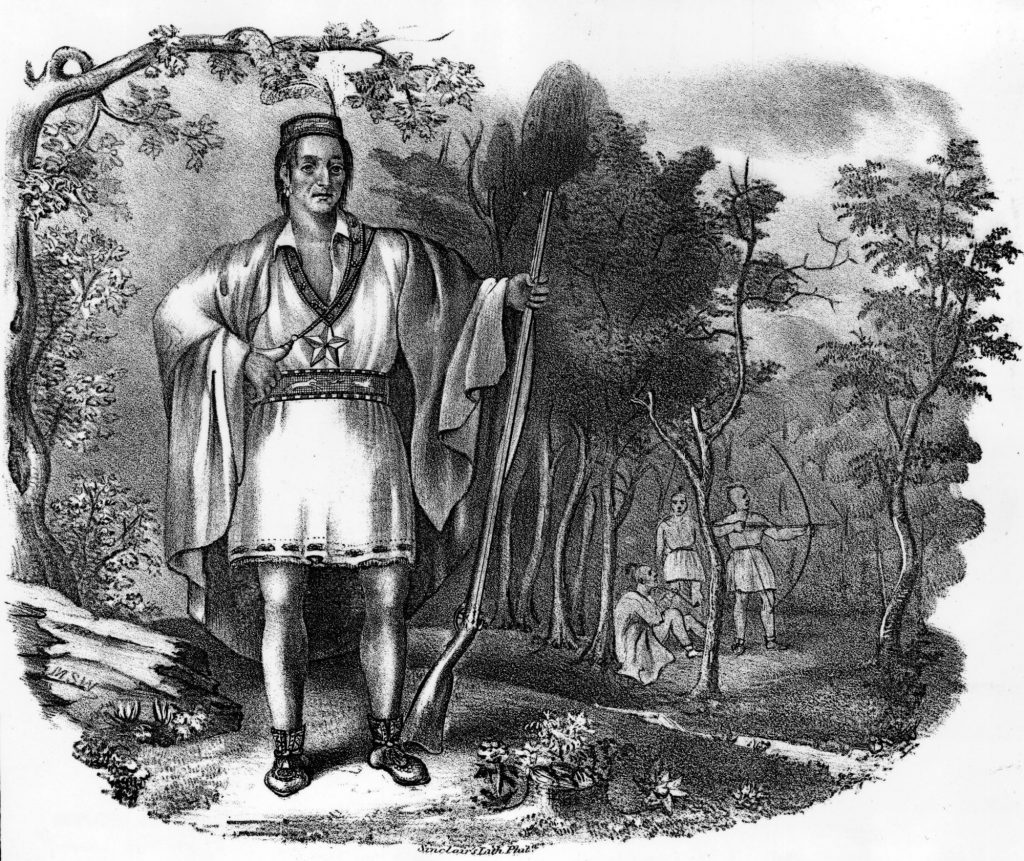
The King Philip’s War started on Jun 20, 1675, and ended on Apr 12, 1678. An elderly Roger Williams played a key role in the conflict. At the urging of Roger Williams, the Narragansett natives maintained neutrality during the early months of King Phillip’s War. Later in 1676, a large army of about 3,500 native warriors led by chief
1675-1678: The King Philip’s War Read More »