

In evolutionary order, reproduction systems came first; bodies came later.
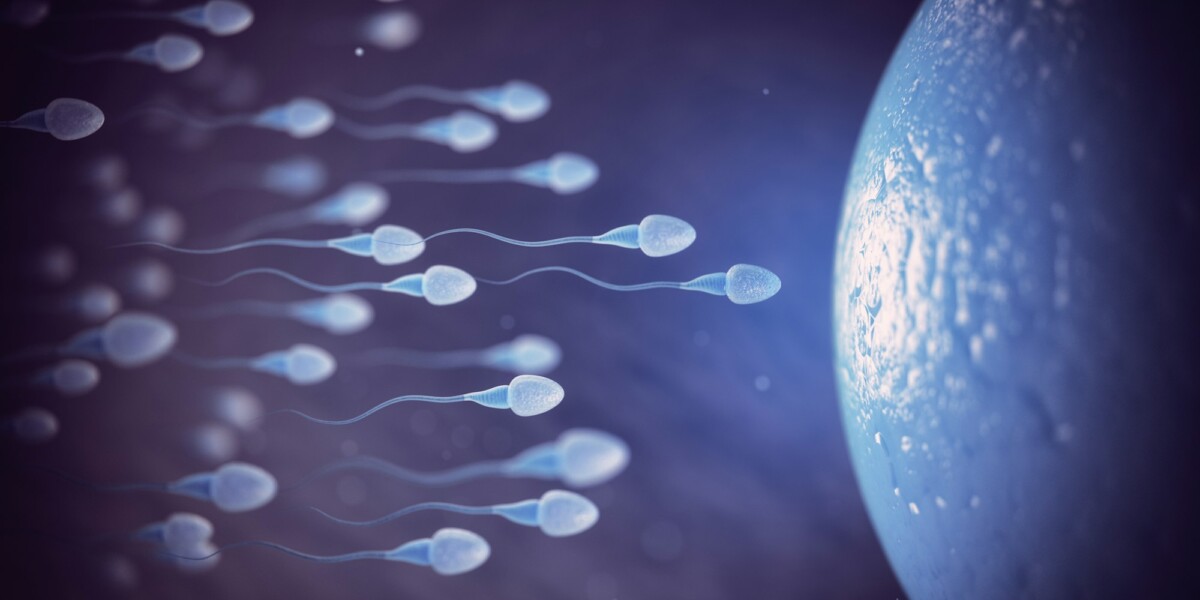
Around 1.1 billion years ago, some single-celled eukaryotes evolved gamete specialization. Instead of two similar cells fusing, one became small and motile (sperm-like) while the other became larger and nutrient-rich (egg-like). These were not separate organisms but reproductive forms of single-celled life. Hundreds of millions of years later, in certain lineages, cells began remaining attached after division. Multicellular bodies emerged — and they inherited this ancient gamete system.
Sexual reproduction (the mixing of DNA from two parents) emerged early in eukaryotic evolution, long before animals. This required core eukaryotic innovations: a nucleus containing chromosomes, and meiosis — a specialized cell division that halves chromosome number and reshuffles genetic material. These innovations likely date back to the last eukaryotic common ancestor (LECA), over 1.5 billion years ago.
Later, in several lineages, gametes became specialized. A smaller, typically motile cell delivered DNA, while a larger cell retained resources. This form of sexual reproduction — oogamy — likely evolved independently multiple times. Similar sperm–egg differentiation appears in plants and some protists, suggesting strong evolutionary pressure toward size asymmetry in gametes.
