

If we define the age of giant-necked sauropods as beginning at about 20 meters, or roughly 65 feet, then these giants seem to emerge after the Toarcian environmental crisis around 183 million years ago, and in multiple parts of the world. These giants included diplodocids in North America and mamenchisaurids in China. I think that is a clue worth keeping in mind.
These giants included Diplodocus, Apatosaurus, and Brontosaurus, all members of the diplodocid family. They are best known from western North America, though diplodocid fossils as a broader family have also been found in Europe, Africa, and even Early Cretaceous South America.
When we talk about a Diplodocid LCA, we are talking about a last common ancestor reconstructed from later fossils and family relationships, not a dinosaur we can point to by name. Paleontologists can see that Diplodocus, Apatosaurus, and Brontosaurus belong to the same larger diplodocid family, so they must trace back to an earlier shared ancestor. But the fossil record for early sauropod evolution is patchy, which means this ancestor is better treated as a likely evolutionary stage than as a known skeleton in a museum.
The 10-million-year window here begins with the Toarcian environmental crisis around 183 million years ago, a major episode of warming, carbon-cycle disruption, and ocean deoxygenation. The diplodocid LCA could have lived before that event, but for now this range gives us a meaningful Jurassic landmark as we watch paleontologists refine the story.
Sauropods as a broader group had already evolved well before this window, and the 2018 description of Lingwulong placed an early diplodocoid at about 174 million years ago.
The lineage leading to that shared ancestor reaches back into the broader sauropodomorph story. The first sauropodomorphs began as earlier, more primitive relatives, and true sauropods emerged in the Early Jurassic. So the Diplodocid LCA was not the beginning of giant-necked dinosaurs, but one later branching point within a much older trend toward large-bodied, four-legged, long-necked plant eaters.
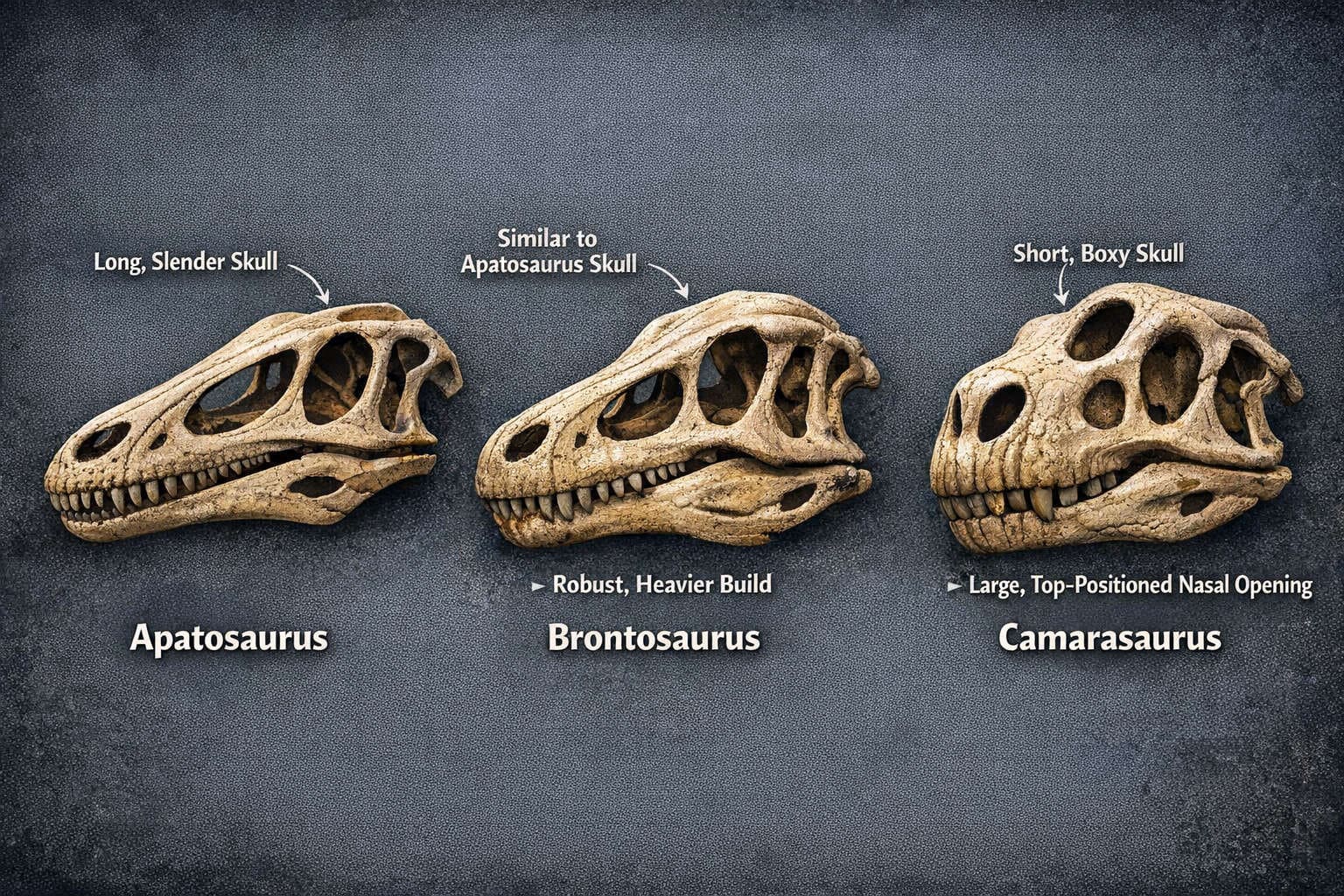
From that shared ancestor, later branches spread into the classic giant-necked forms people know best. One branch led toward the slimmer Diplodocus. Another led toward the heavier Apatosaurus and its slimmer cousin, Brontosaurus. Diplodocoids as a whole extended from the Middle Jurassic into the Early Late Cretaceous. By the time of the K–Pg extinction 66 million years ago, however, the classic diplodocid giants were gone, while other sauropod lines outside Diplodocidae, especially titanosaurs, carried the broader sauropod story to the end of the dinosaur age.

