


History by historical land mass is yet another wonderful lens into knowledge. These insights are the backbone to Mike‘s articles and his longer effort books. A part of his lifelong commitment to study. While they are not complete, they are useful.
History of the Lands: Europe
Terra Amata Site, France
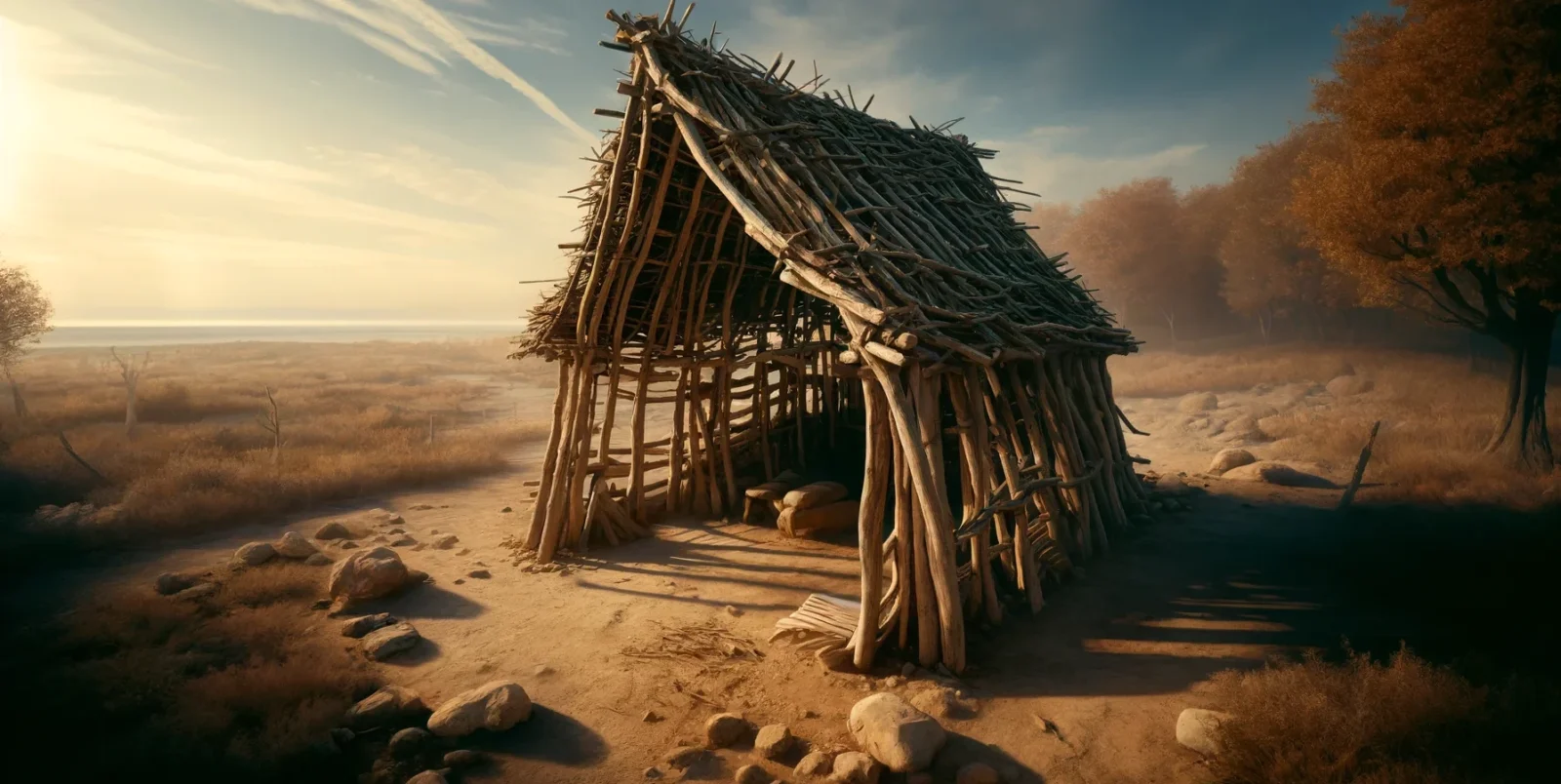
Imagined imaged of the 400,000-year-old structure likely built by Homo heidelbergensis in France located on the coast at the Terra Amata site in Nice, France. The shelter is estimated to be around 4-5 meters (13-16 feet) wide and 6-7 meters (20-23 feet) long. It's believed to have been constructed using a simple framework of wooden posts, with branches and leaves used to create a roof and walls.
circa 400,000 Years Ago
Nice, France
Hominin World Population: 2 Million (maybe)
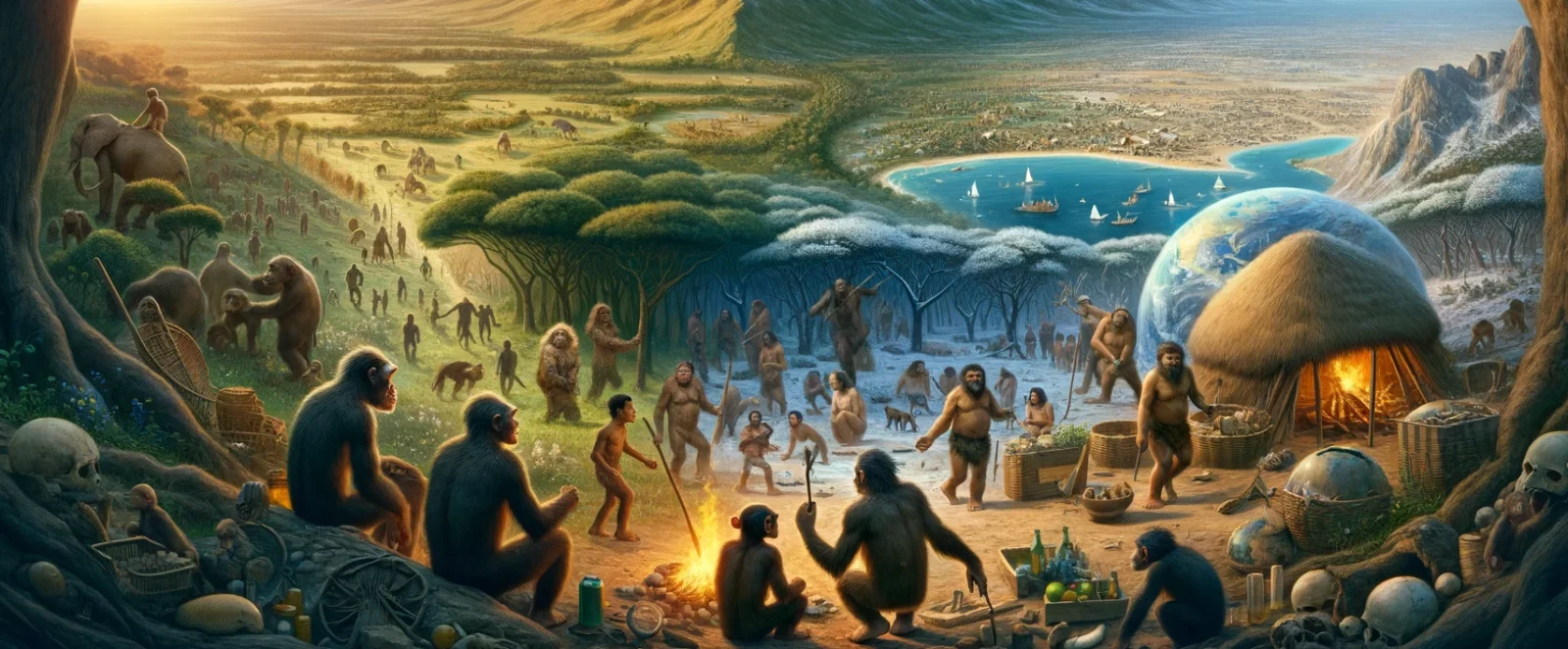
300,000 BCE
Very speculative.
Extinction: Homo heidelbergensis
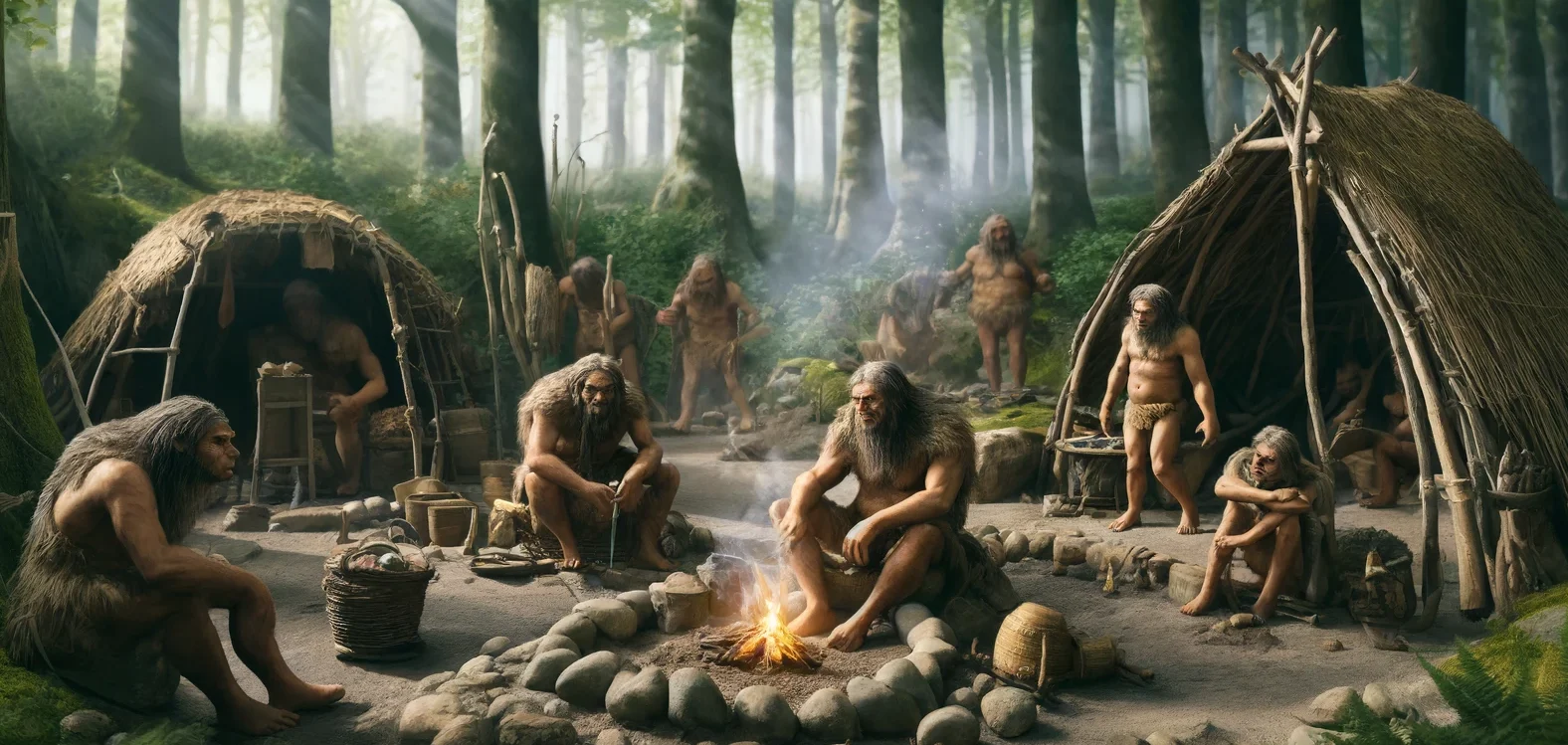
Imagined image: the last of the Homo heidelbergensis, circa 200,000 BCE.
200,000 Years Ago
World Population: 1.5 Million
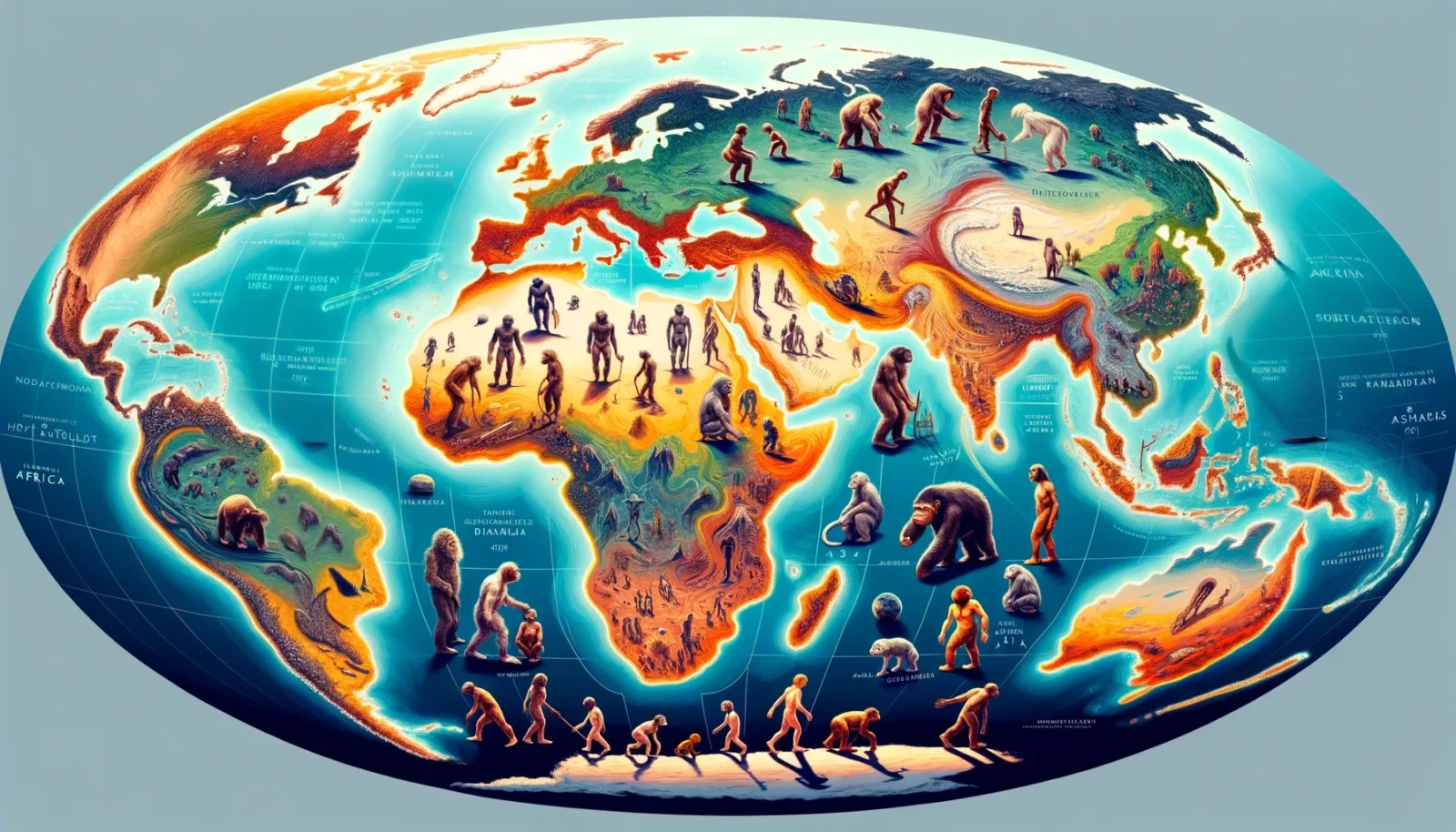
By 70,000 BCE
Divje Babe Flute

50 to 60 Thousand BCE
Upper Paleolithic Cave Art with Symbols
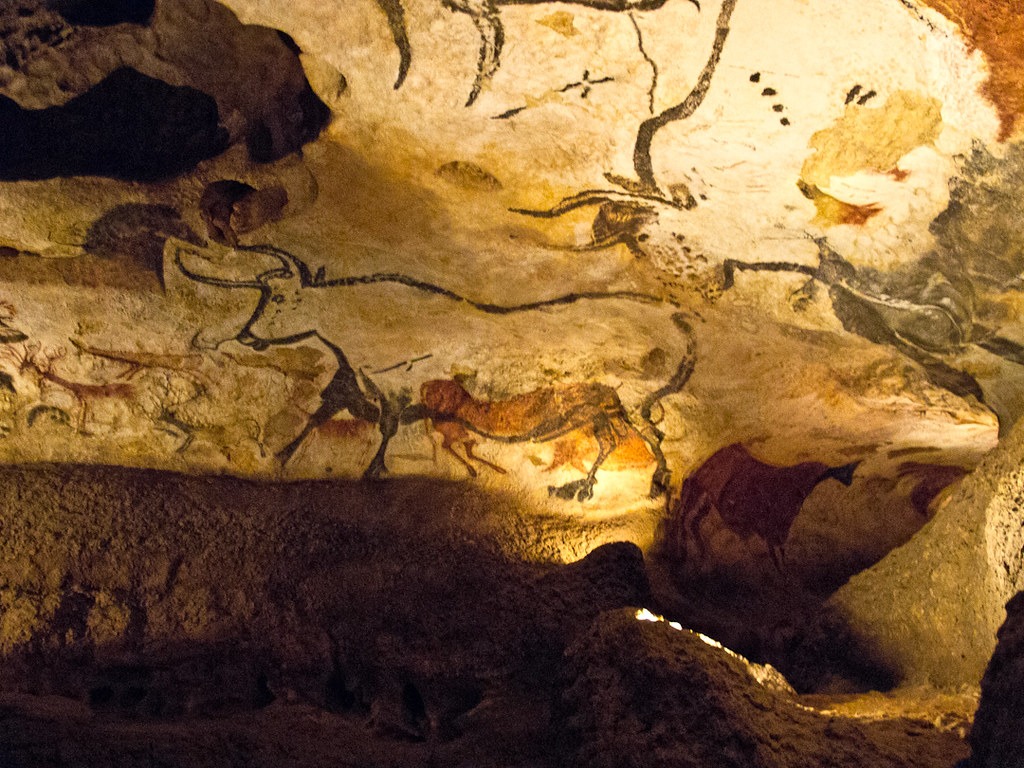
"<a href="https://www.flickr.com/photos/50193753@N02/5961953059" target="_blank" rel="noopener noreferrer">Lascaux II - Hall of The Bulls</a>" by <a href="https://www.flickr.com/photos/50193753@N02" target="_blank" rel="noopener noreferrer">Adibu456</a> is licensed under <a href="https://creativecommons.org/licenses/by-nc/2.0/" target="_blank" rel="noopener noreferrer">CC BY-NC 2.0</a>
circa 40,000 BCE
Spain & France
Bone Flute
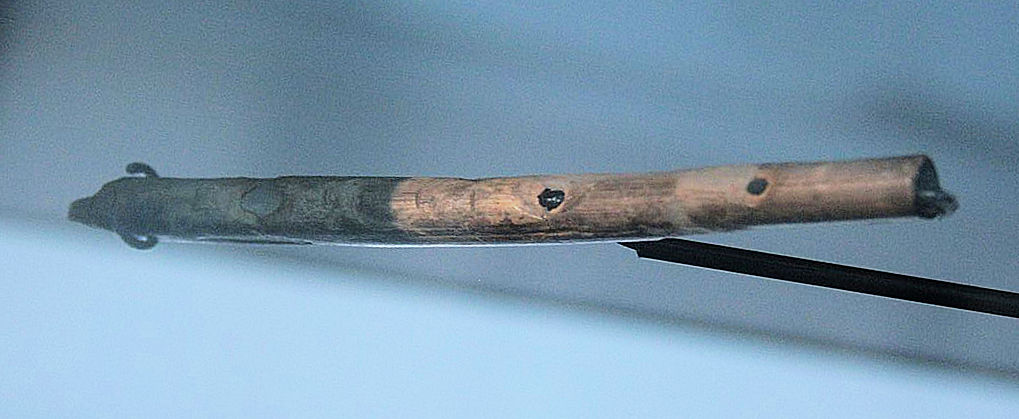
38,000 BCE
38,000 to 33,000 BCE
Extinction: Neanderthals
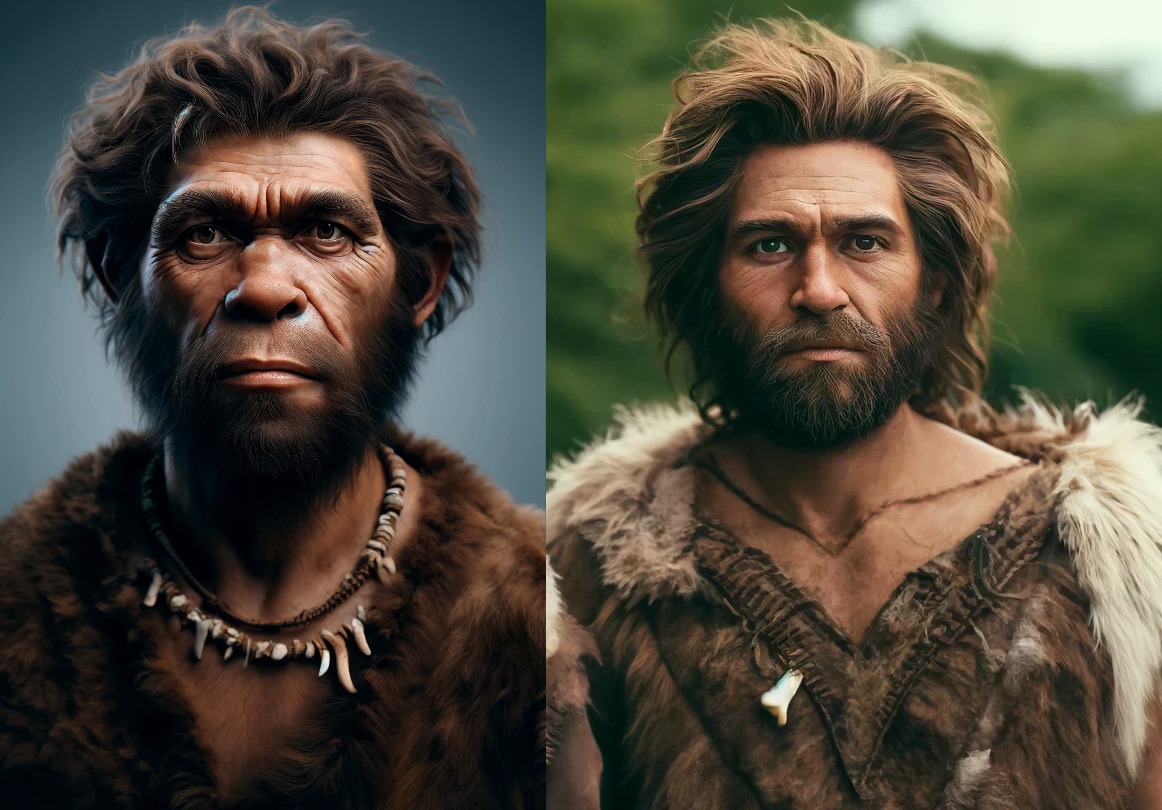
Imagined image, circa 29,000 BCE. Left is a neanderthal; right is a Homo sapien.
38,000 BCE
Extinction range: 38,000 BCE to 22,000 BCE
Czeck: Dolní Věstonice Community

Around 30,000 years ago, the Dolní Věstonice community in the Czech Republic thrived. They built huts from mammoth bones and animal hides, crafted ceramic figurines, and engaged in hunting and daily activities.
30,000 BCE
29 to 32 thousand years ago.
Sunghir Burial Site

30,000 BCE
32,000 Years Ago
Modern Skin Color Variety Emerges

By 25,000 Years Ago (+/- 10,000 years)
Earliest Known Domesticated Animal: Dogs
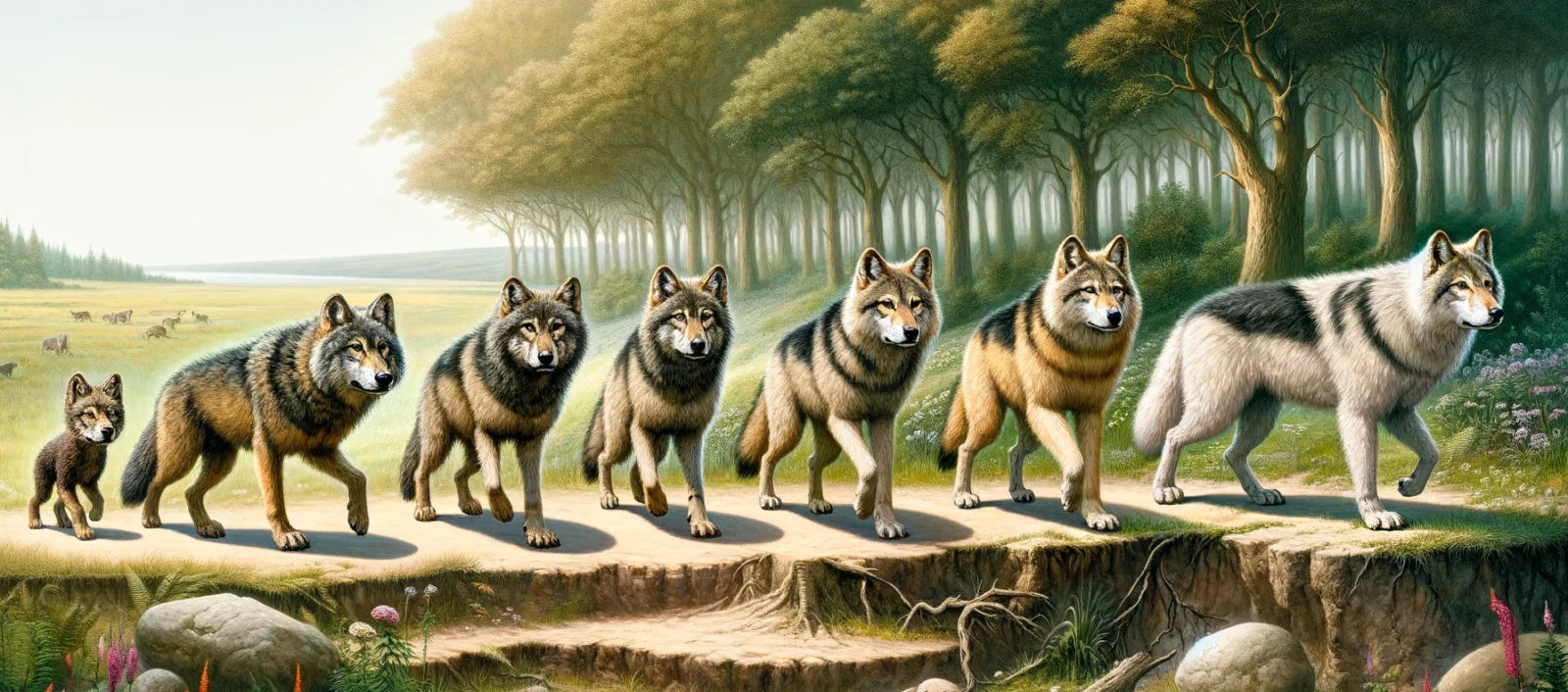
Wolves were domesticated between 15 to 40 thousand BCE and evolved to a subspecies. Dogs (Canis lupus familiaris) are generally considered the same species as wolves (Canis lupus) but are classified as a subspecies.
By 20,000 BCE
Seasonal Settlements at Franchthi Cave

20,000 BCE
From circa 20,000 to 3,000 BCE
Ukraine: Mezhyrich Community

Mezhyrich archaeological site, 15 to 20 thousand years ago.
18,000 BCE
15 to 20 Thousand Years Agao
World Population: 4 Million

10,000 BCE
Estimates range from 2 to 5 million
Neolithic Revolution

Trevethy Quoit a Portal Dolmen in Cornwall
9,700 BCE
Start of "our" Holocene geological epoch
Phenotype Variation: Blue Eyes

Photo by <a href="https://www.pexels.com/@valeriya?utm_source=instant-images&utm_medium=referral" target="_blank" rel="noopener noreferrer">Valeria Boltneva</a> on <a href="https://pexels.com" target="_blank" rel="noopener noreferrer">Pexels</a>
8000 BCE
Genetic Mutation from the Neolithic Era
Greece: Sesklo Culture (Agrarian)
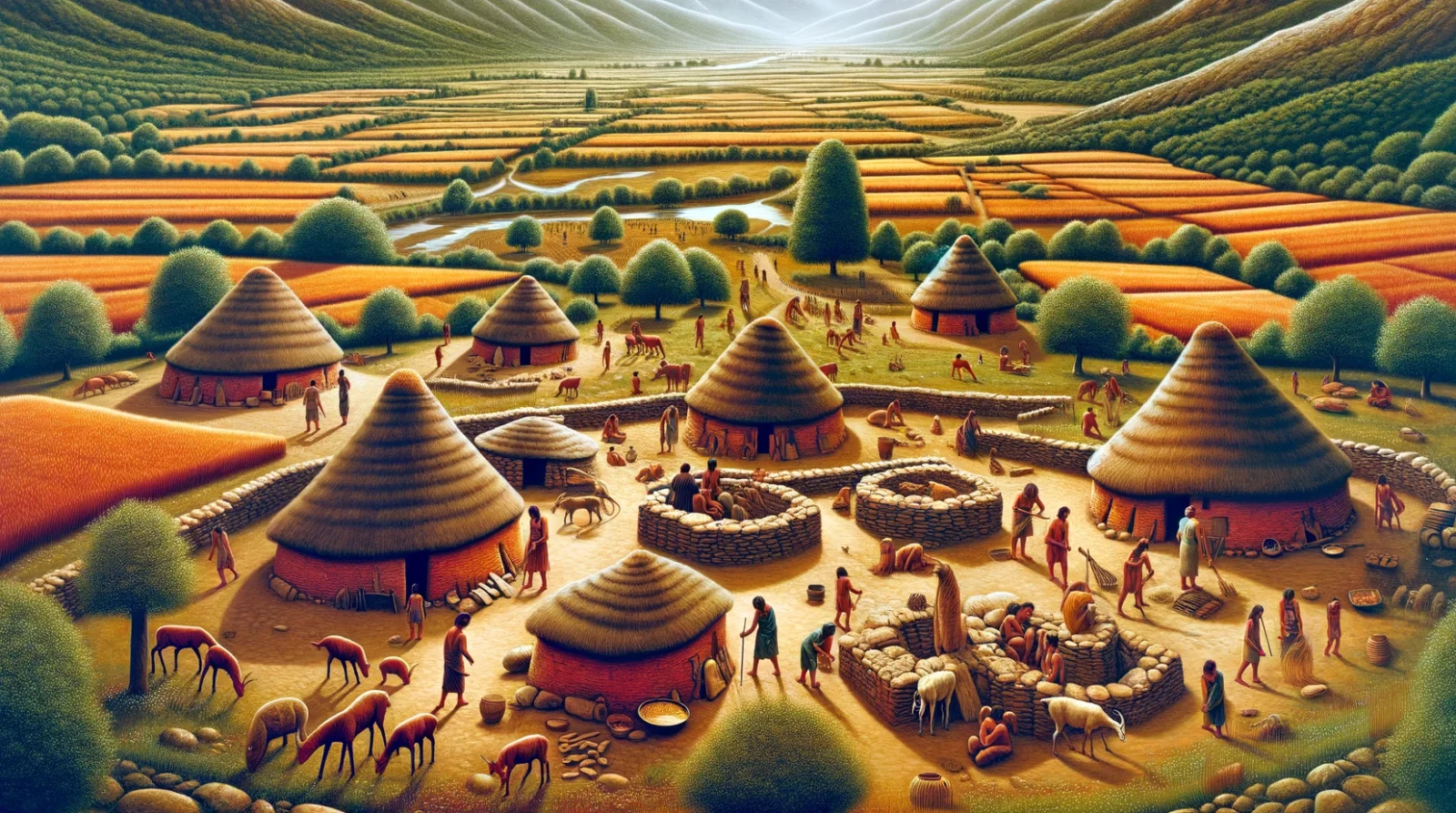
circa 7500 BCE
Europe/Mediterranean Agrarian Society
Cheese

Delicious Cheese board. Assortment of cheese, camembert, brie, Gorgonzola, parmesan, olives
Before 5500 BCE
Poland
Dispilio Tablet: European Proto-Writing

This ancient wooden tablet, etched with intricate symbols, dates back over 7,000 years, making it one of the oldest examples of proto-writing ever found.
circa 5,260 BCE
7,260 Years Ago
Vinor Circular Building: a roundel

Roundel, the Vinor Circular Building, featuring a modest height typical of Neolithic construction, a thatched roof, and entrances appropriate for the time. The image includes a cutaway to reveal the interior details.
4900 BCE
Up to 7,900 Years Ago (Neolithic)
Skara Brae Scottish Village
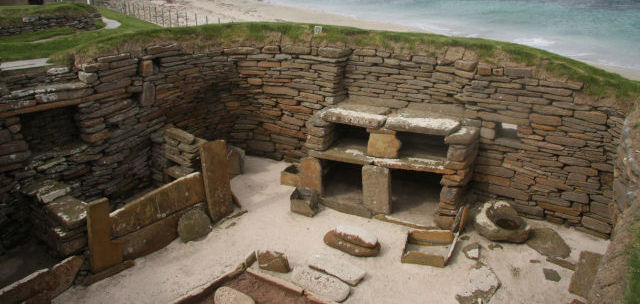
3180 BCE
3180 to 2500 BCE
World Population: 15 Million

3000 BCE
Estimates range from 9 to 16 million
Cretan Hieroglyphic script: Greek Island
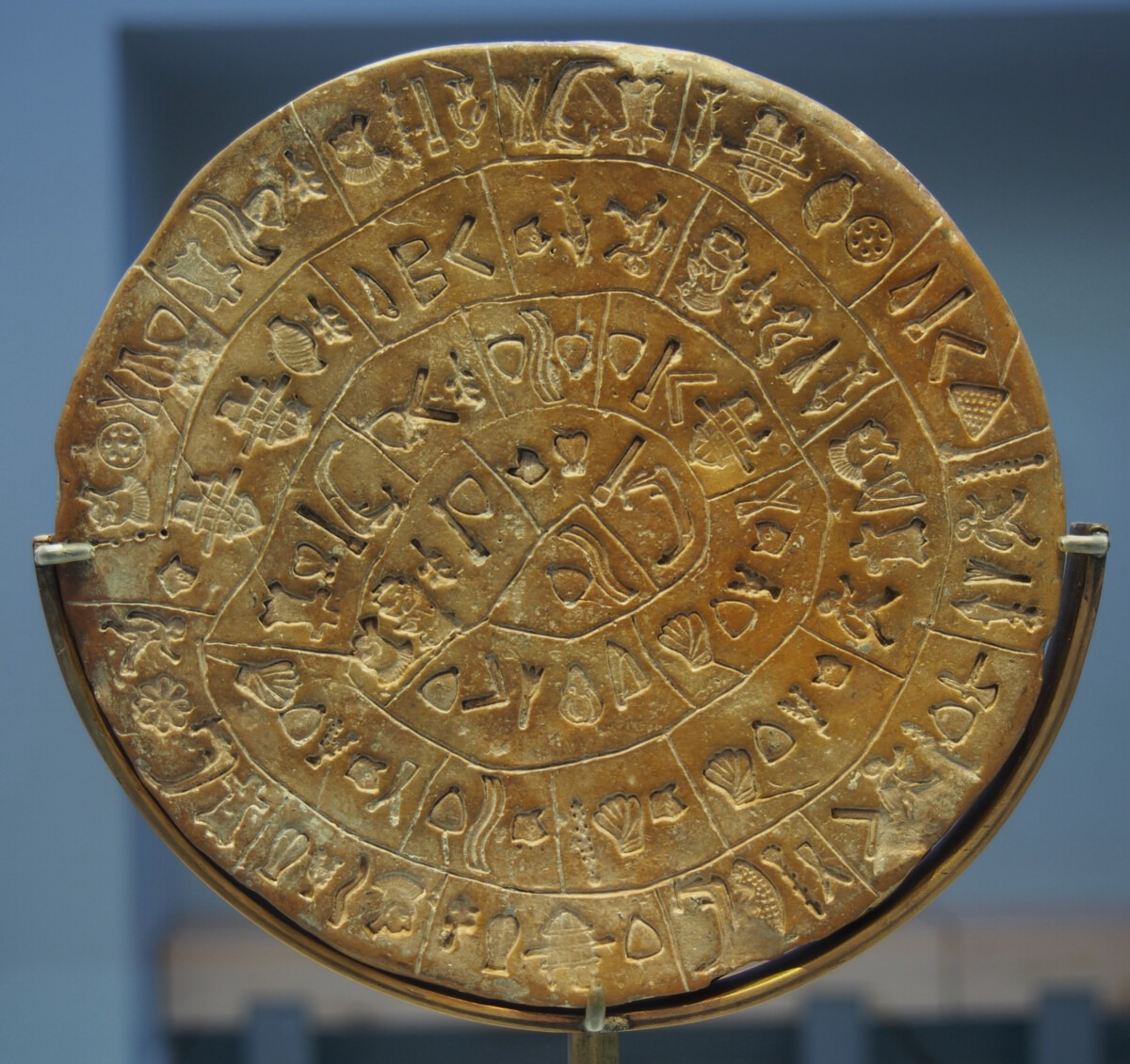
"<a href="https://commons.wikimedia.org/w/index.php?curid=141943738" target="_blank" rel="noopener noreferrer">Phaistos Disc - Side B - 6381 - crop1</a>" by <a href="https://commons.wikimedia.org/wiki/User:C_messier" target="_blank" rel="noopener noreferrer">C messier, edit by Bammesk</a> is licensed under <a href="https://creativecommons.org/licenses/by-sa/4.0/" target="_blank" rel="noopener noreferrer">CC BY-SA 4.0</a>
1900 BCE
from circa 1900 BCE to 1700 BCE
Dragons: Early Dinosaur Fossils

Mythical Creatures and Fossil Discoveries: The Roots of Ancient Legends. Many various ancient mythical creatures were likely inspired by fossil discoveries including Chinese dragons, Greco-Roman giants, griffins, cyclopes, and other mythical beasts.
By 1600 BCE
The Birth of Logic

624 BCE
Circa 624-546 BCE
Pythagoras (570-495 BCE)
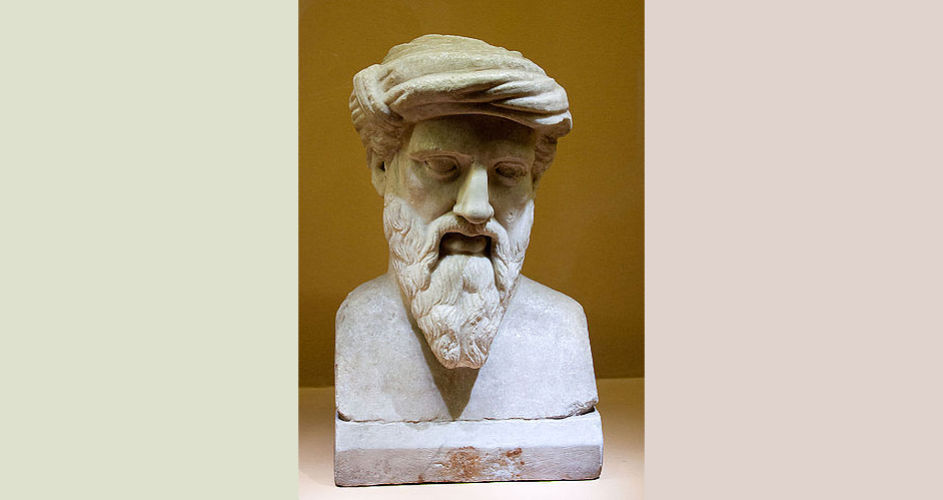
Pythagoreanism
Father of Mathematics
Heraclitus
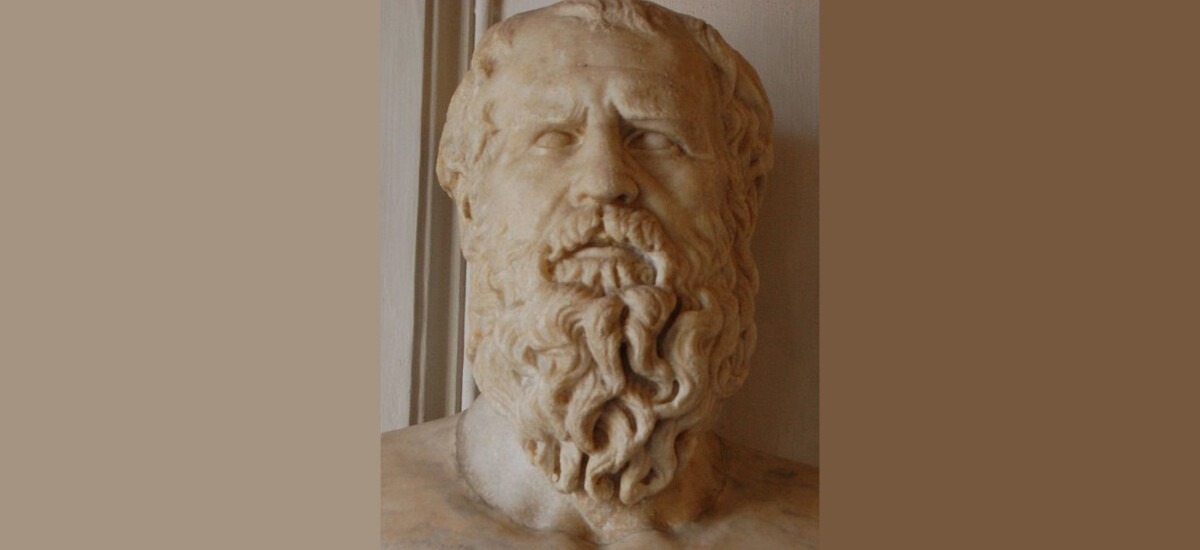
Impermanence is the idea that things do not stay the same forever. Becoming is the process of changing, growing, and unfolding over time.
born circa 535 BCE
circa 535 to 475 BCE, likely aged about 60 years old
Anaxagoras (circa 500-428 BCE)

500 BCE
circa 450 BCE
Socrates (469 – 399 BCE)

Portrait of Socrates. Marble, Roman artwork (1st century), perhaps a copy of a lost bronze statue made by Lysippos
Socratic Questioning
Father of Western Ethics
Democritus (460 BCE – circa 370 BCE)

Two and a half millennia ago, Democritus imagined atoms in the void — long before microscopes, equations, or particle accelerators confirmed the intuition.
Atomist
The Laughing Philosopher
Law of the Twelve Tables
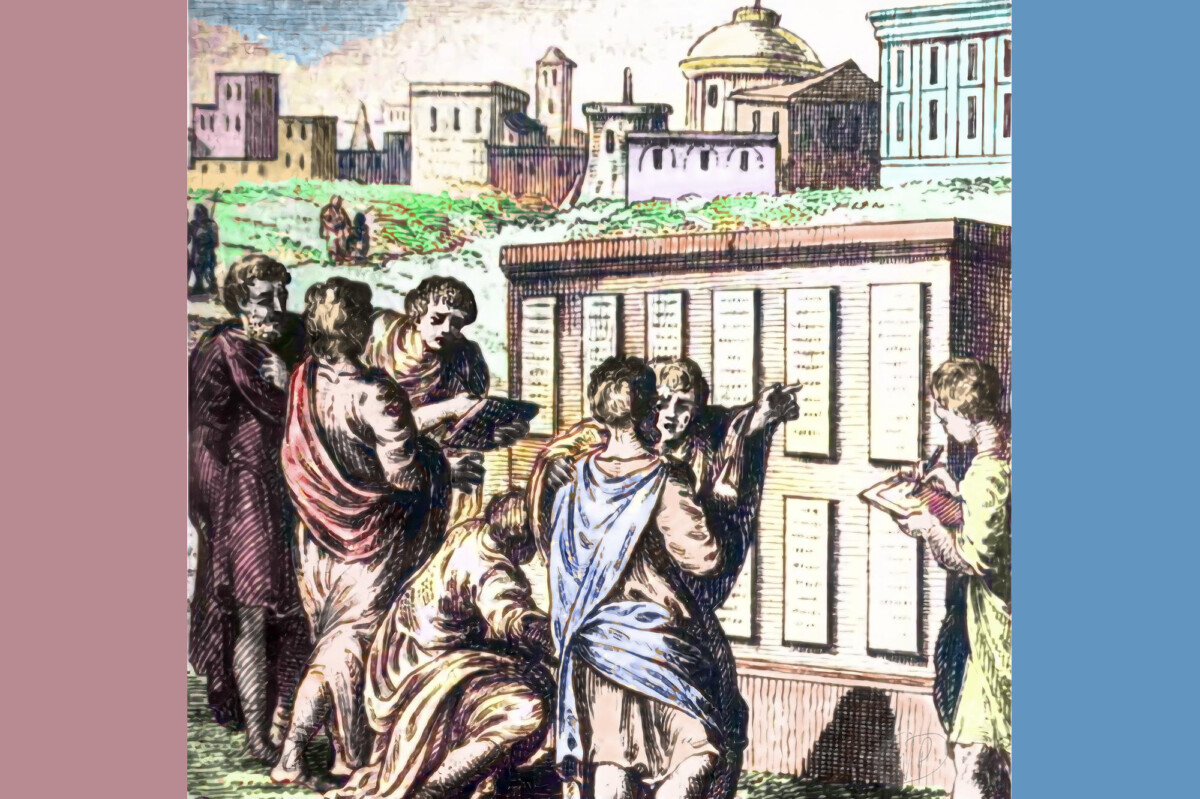
451 BCE. Law of the Twelve Tables. Think well by remembering that law is not just rules. It is one of society’s great methods for forcing claims into the open.
451 BCE
Plato
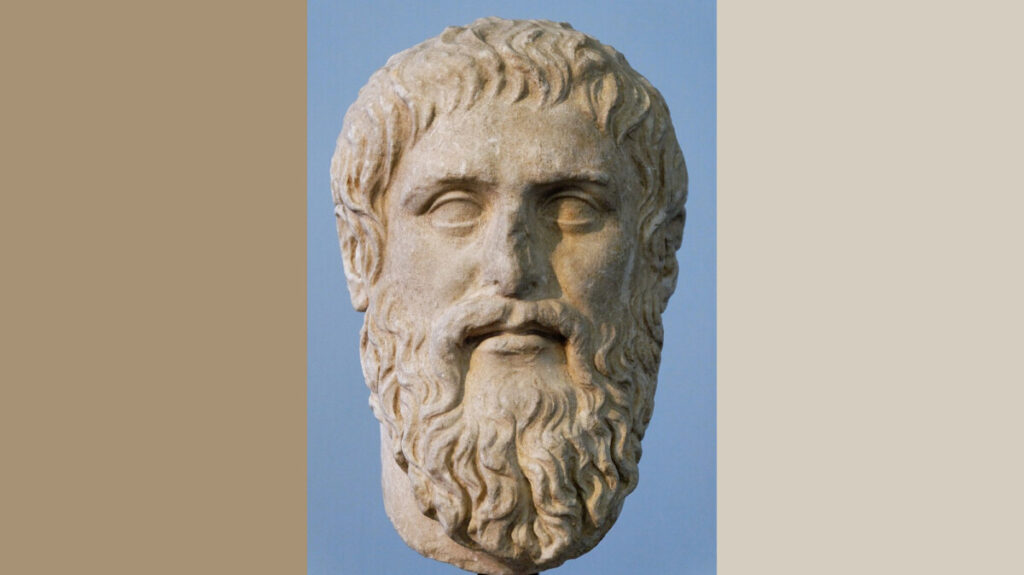
Plato pushed philosophy beyond what we can immediately see and touch. Even if we reject his literal Realm of Forms, his deeper insight remains useful: appearances can mislead, while concepts help us organize reality. Wisdom means understanding both the world before you and the ideas you use to interpret it.
Lived from 428 to 347 BCE, aged 80.
98 Generations Ago.
Aristotle
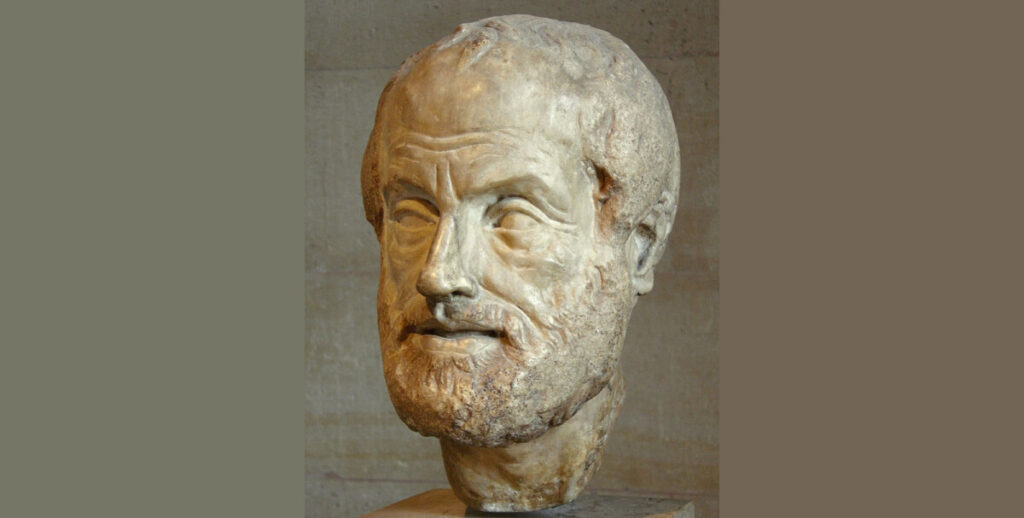
Portrait of Aristoteles. Copy of the Imperial era (1st or 2nd century) of a lost bronze sculpture made by Lysippos
Born 384 BCE, lived to 322 BCE, aged 62.
96 Generations Ago.
Pyrrho of Elis
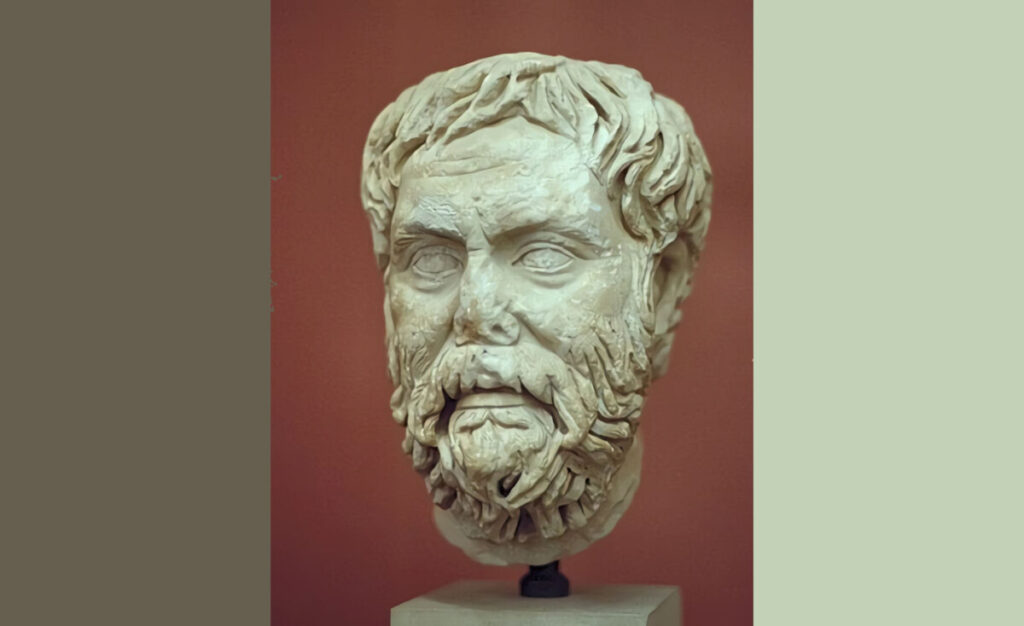
b. 360 BCE
360 to 270 BCE
Epicurus
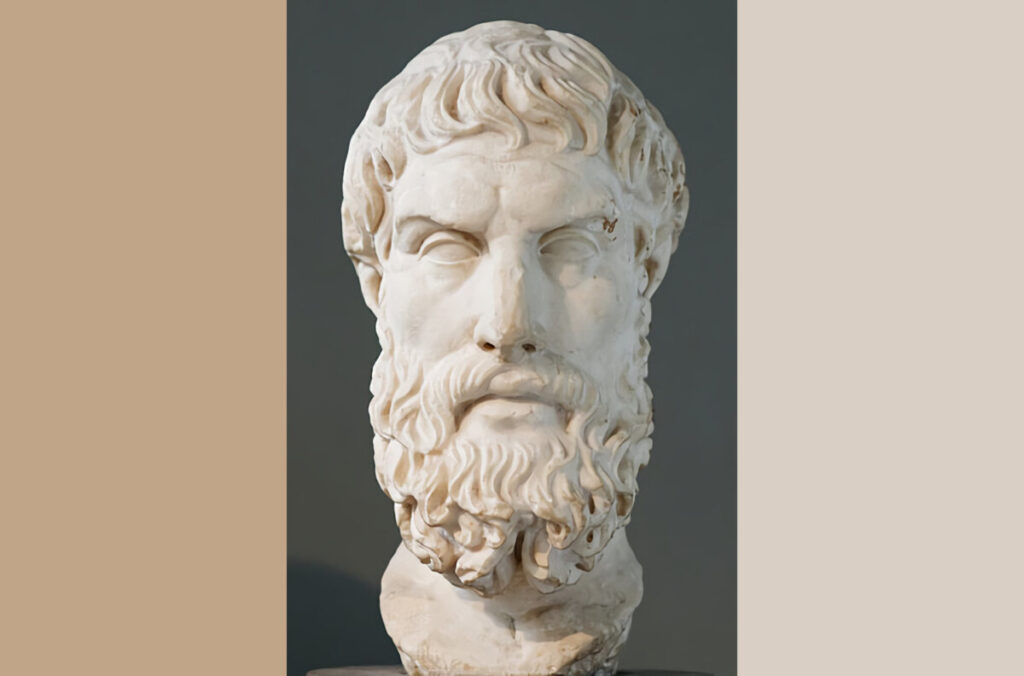
Roman marble copy of a 3rd-century BCE Greek original, likely created before 1st century CE.
b. 341 BCE
341 to 270 BCE
Zeno of Citium (334-262 BCE)
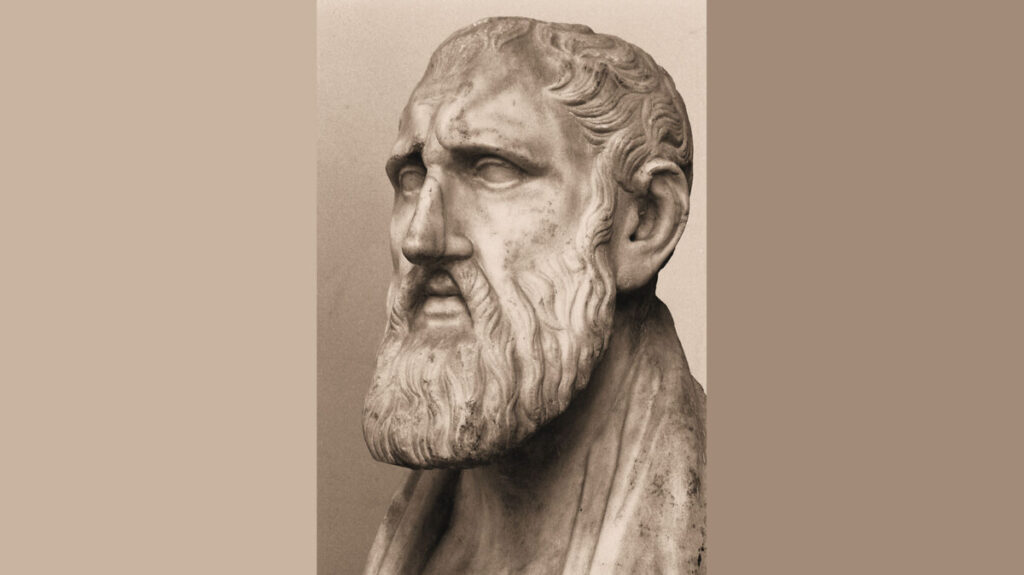
Stoicism
Father of Stoicism
Cicero (106-43 BCE)
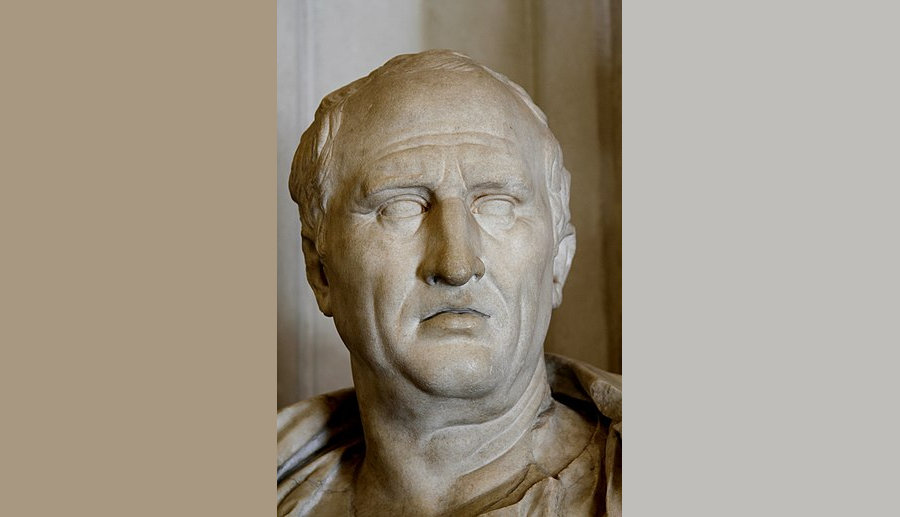
106 BCE
84 Generations Ago
Seneca the Younger (4 BCE – 65 CE)
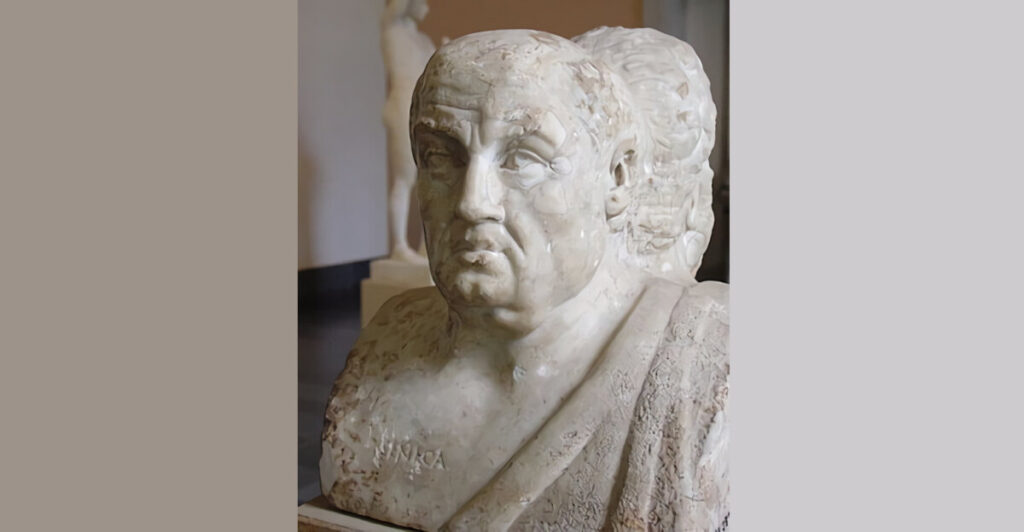
Stoic Tradition
Roman Stoic Statesman
Epictetus (50-135 CE)
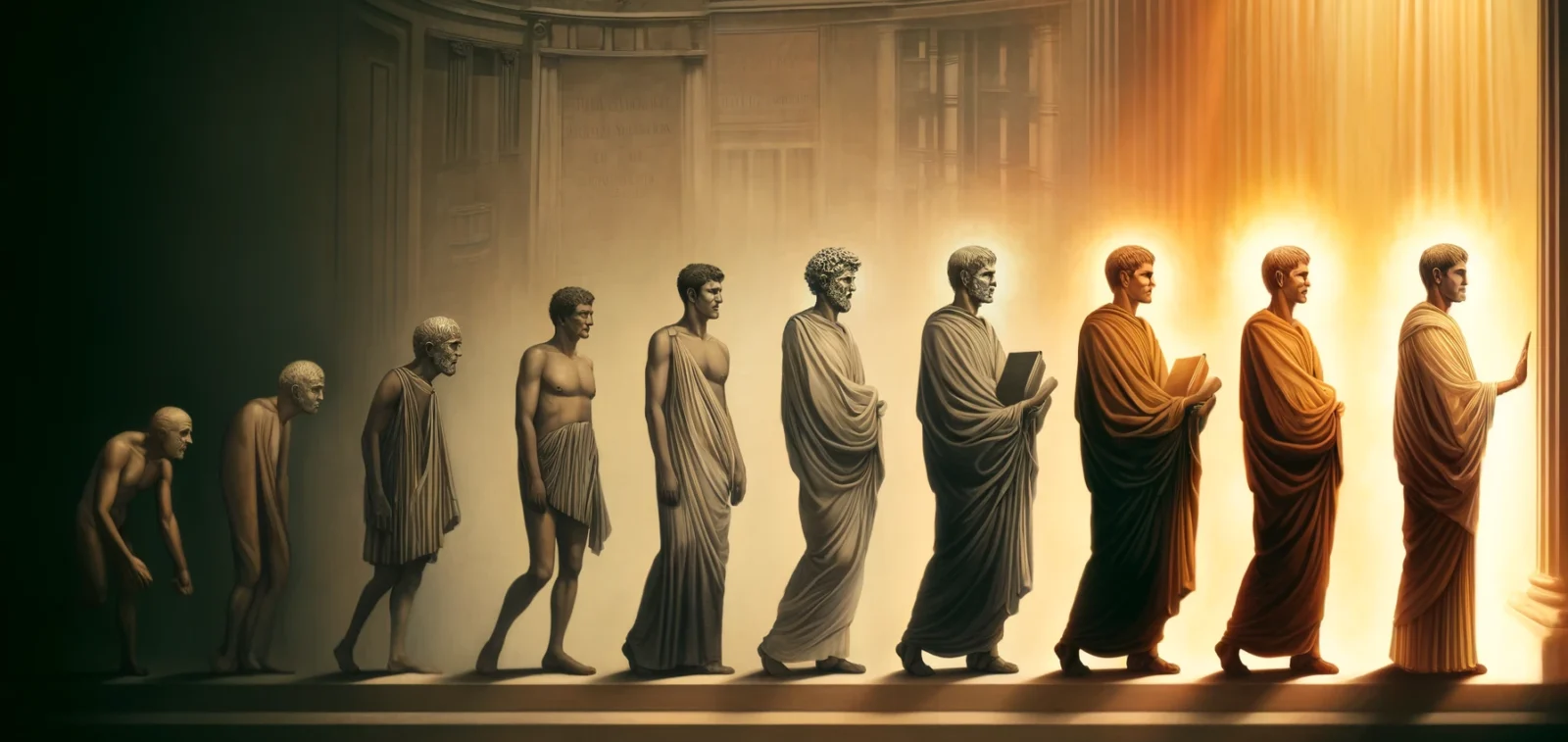
Epictetus taught that freedom begins by distinguishing what is within your control from what is not. Focus your effort on your judgments, choices, and actions, and learn to accept the rest.
circa 100 CE
78 Generations Ago
Marcus Aurelius
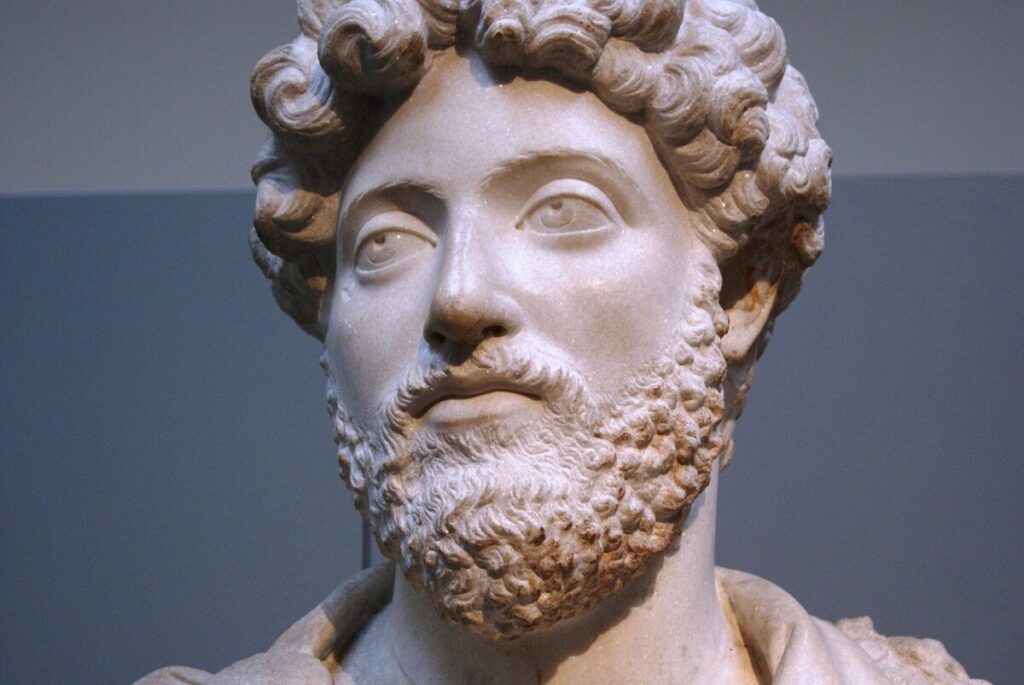
Marcus Aurelius inherited centuries of Stoic thought and put it to work in the difficult reality of governing an empire. His life reminds us that Stoicism is not about controlling the world. It is about governing yourself within it—your judgments, intentions, choices, and actions—while striving to act with virtue.
born 121, died 180 CE.
76 generations ago.
Word-Spacing
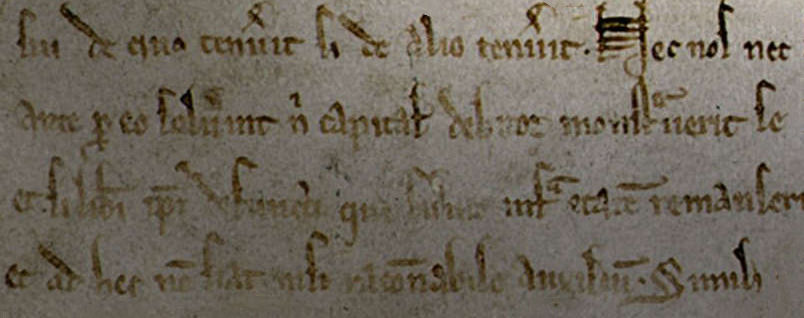
Use grammar to strengthen clarity, not to suffocate communication. Before about 1,000 CE, we didn't even have spaces!
1000 CE
Bernard of Chartres (circa 1070 – 1130)

There are no surviving images of
Bernard of Chartres. As a scholastic, the best we can do is an artistic representation of scholasticism.
Neoplatonist
French Philosopher
Peter Abelard
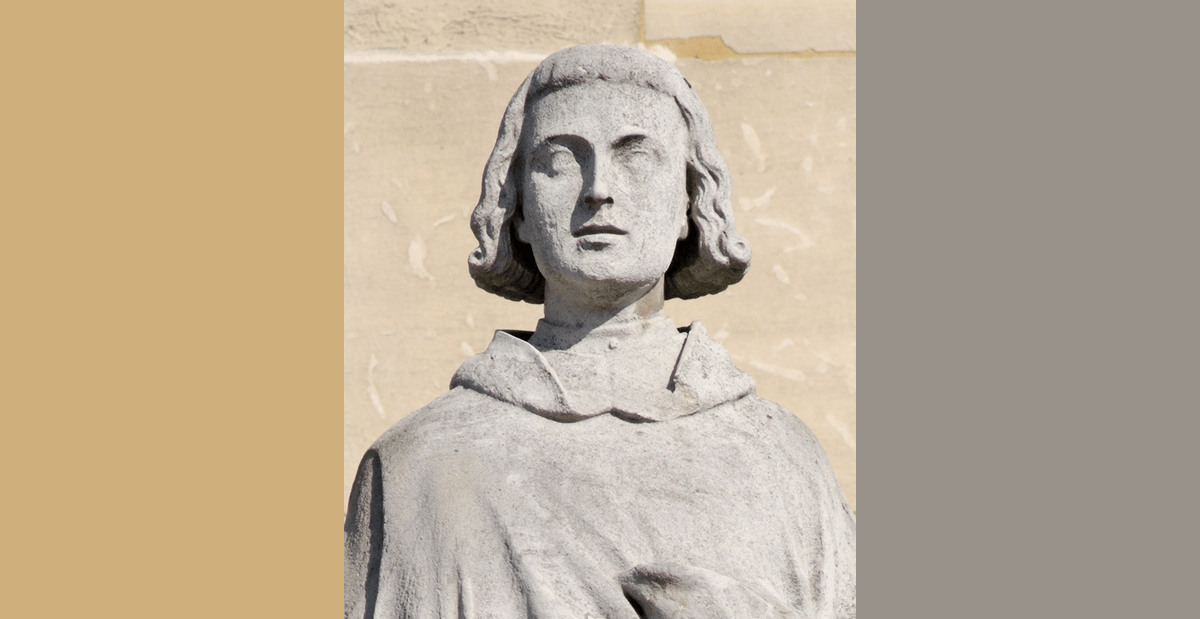
born 1079
1079 to 1141
Magna Carta
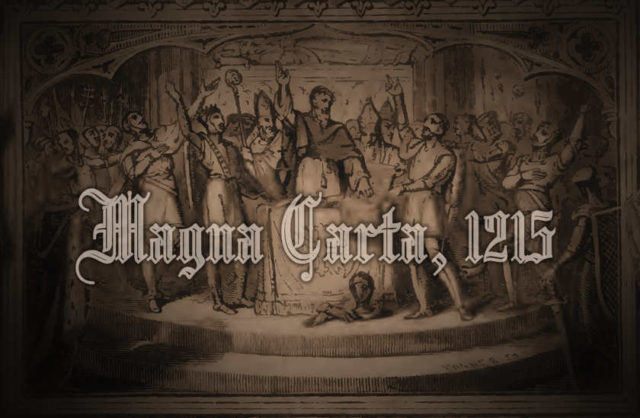
1215
Upper and Lowercase Starts

On the Revolutions of the Celestial Spheres by Nicolaus Copernicus, 1543. By this groundbreaking book, the widespread adoption of modern punctuation had evolved.
1300 CE
Hourglass

Hourglass on the Beach
1400
Printing Press Invented

The printing press gave journalism reach, making public scrutiny possible at a larger scale.
1440
Germany
Michel de Montaigne (1533-1592)
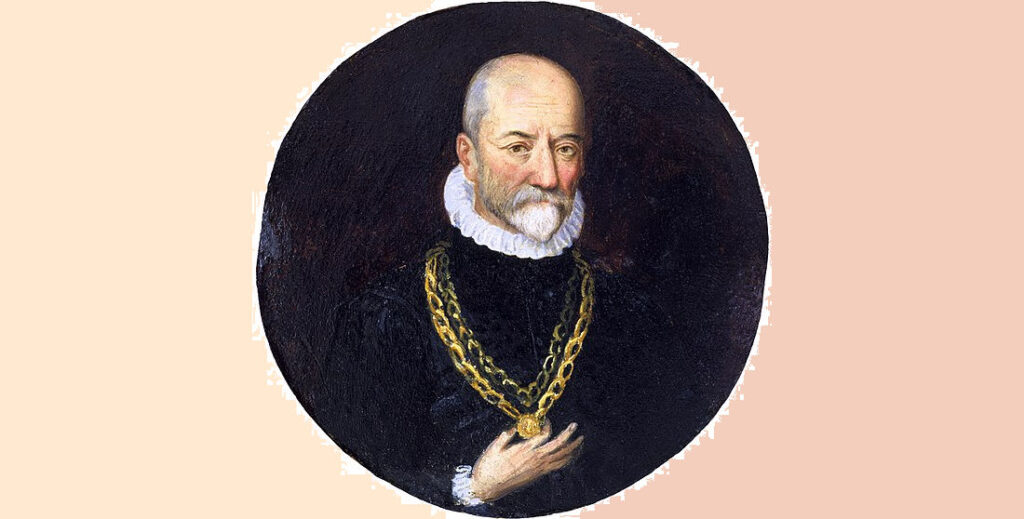
28 Feb 1533
Francis Bacon
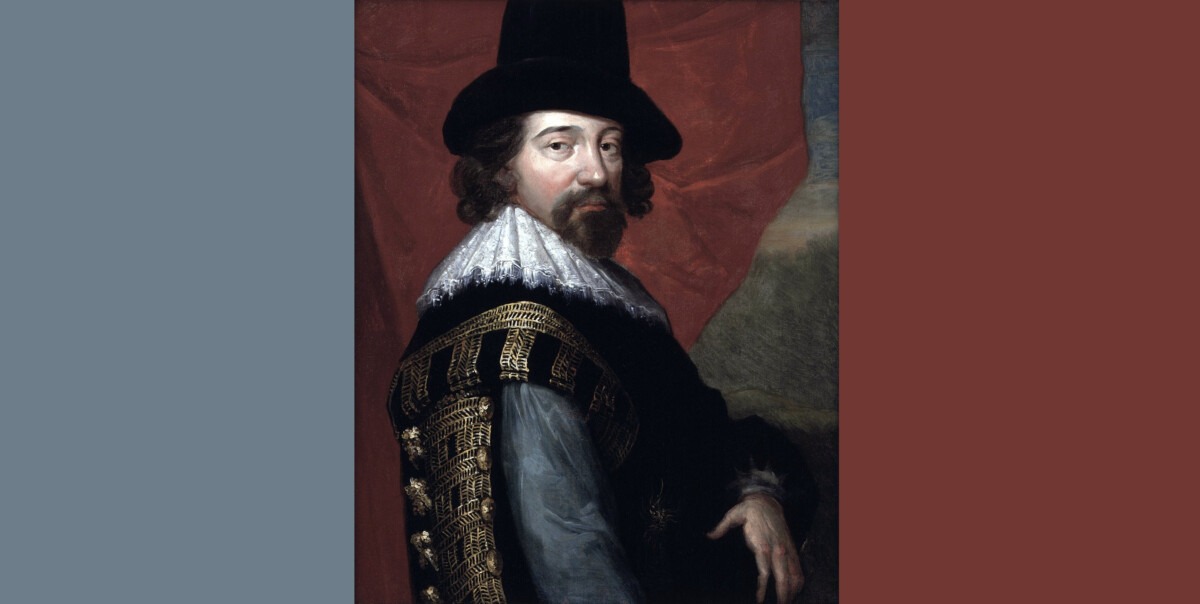
born 1561
1561 to 1626
Galileo Galilei
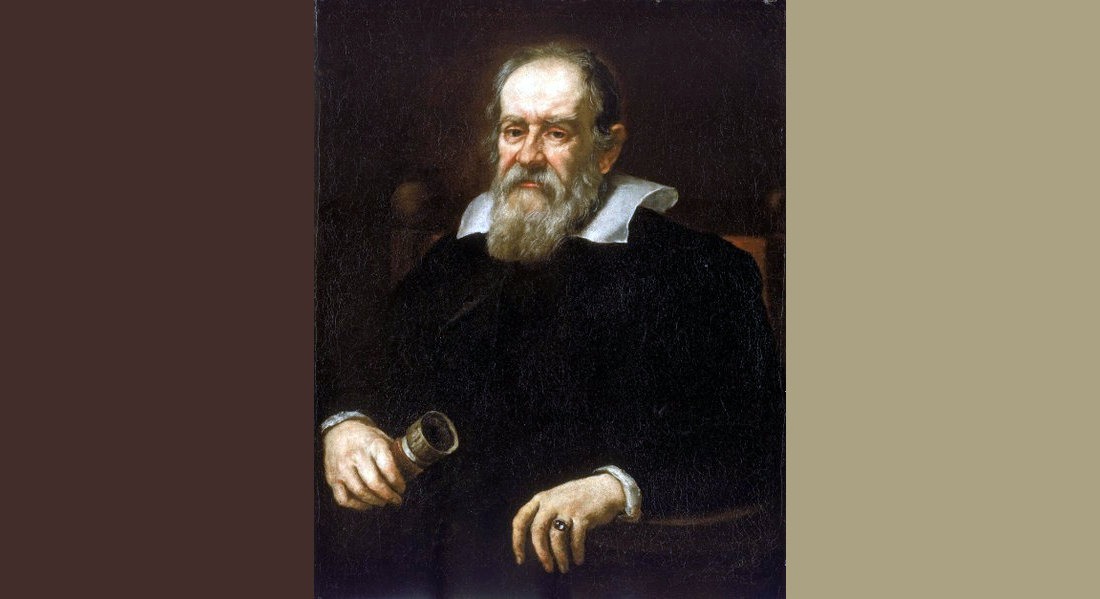
Portrait of Galileo at about 74. He included a copy in his 1638 Two New Sciences book.
born 1564.
Lived from 1564 to 1642, aged 77.
Microscope Invented = Microworld Discovered!

Various bacteria cells in microscope. Streptococcus pneumonia, p
1590 to 1640 CE
Rene Descartes
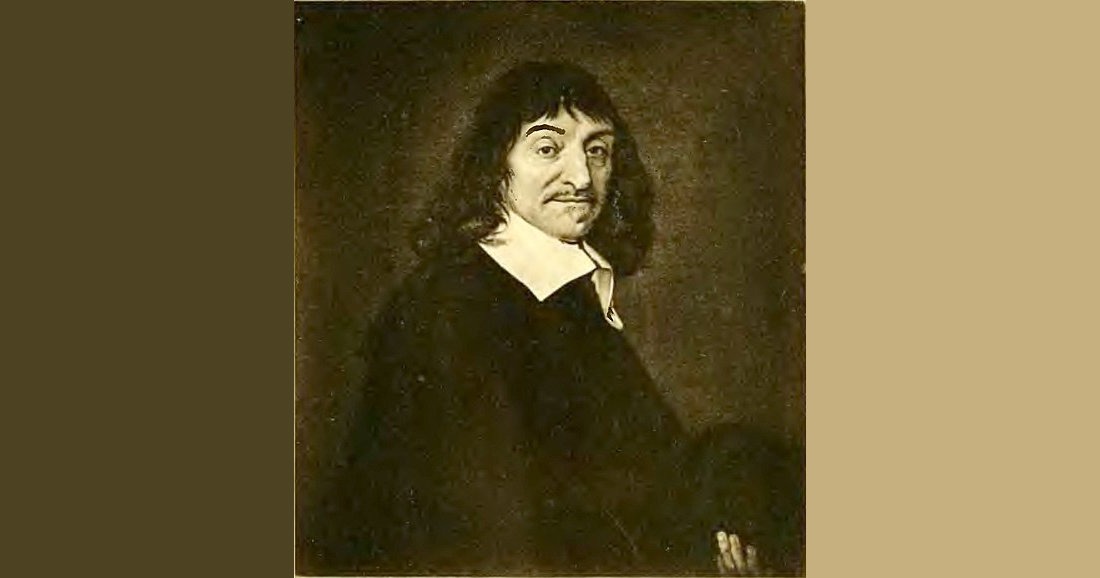
René Descartes was born into minor nobility in the Kingdom of France on March 31, 1596. In 1637, Descartes published "Discourse on the Method," he sought to identify certain knowledge by using doubt to strip away uncertain beliefs. Cartesian Skepticism is a system of doubt aimed at identifying certainties by dismissing all beliefs susceptible to even the slightest uncertainty. On February 11, 1650, in the presence of a small circle of friends, he exhaled his last breath.
Lived from 1596 to 1649.
17 Generations Ago.
The Birth of Baroque Art
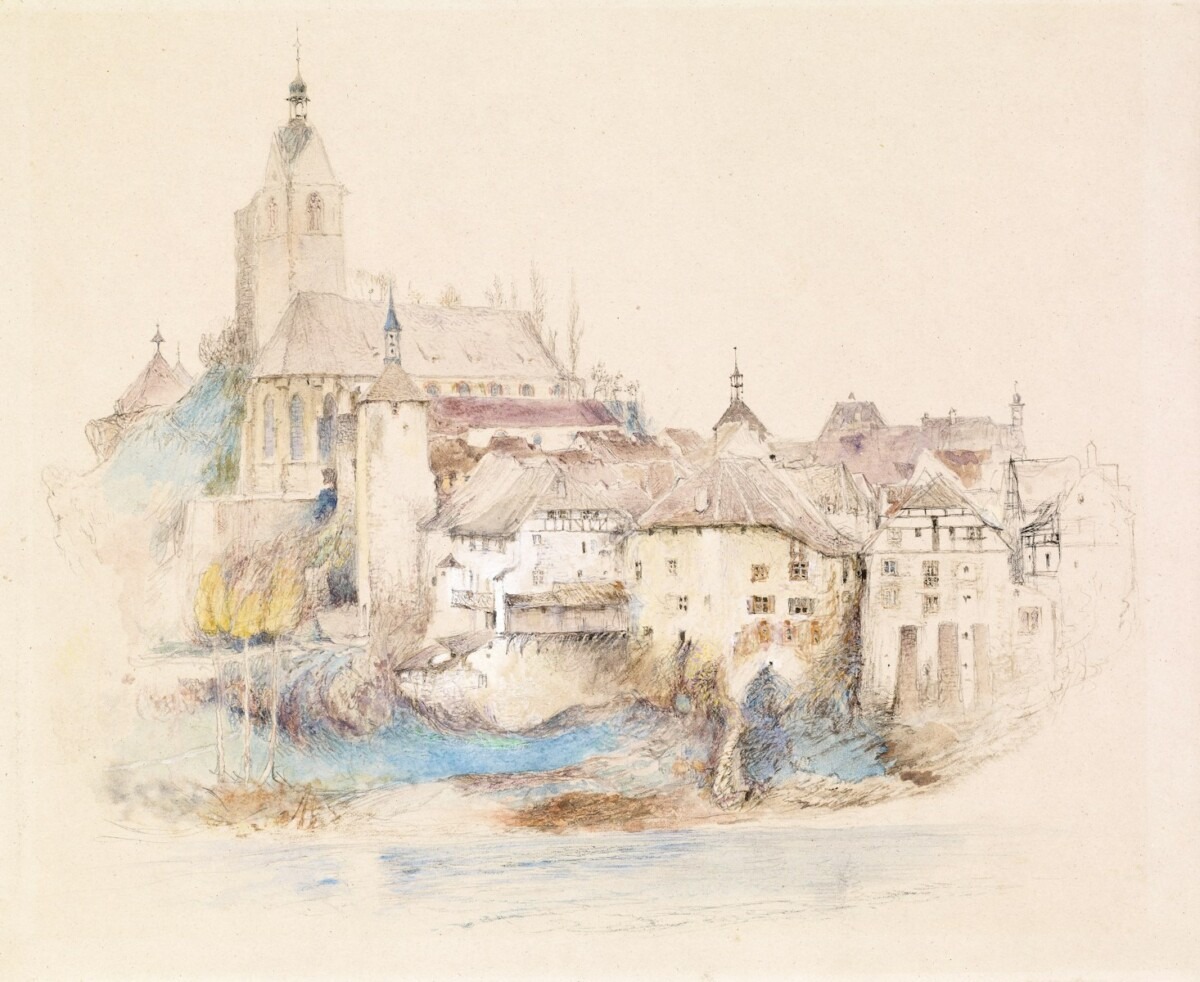
Photo by <a href="https://unsplash.com/@birminghammuseumstrust?utm_source=instant-images&utm_medium=referral" target="_blank" rel="noopener noreferrer">Birmingham Museums Trust</a> on <a href="https://unsplash.com" target="_blank" rel="noopener noreferrer">Unsplash</a>
circa 1600 CE
Late 16th to Early 18th Century
King James Bible Published
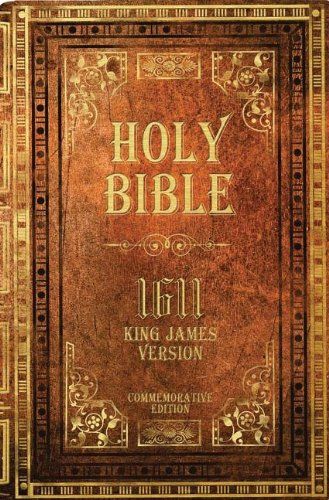
1611
Bartholomew Legate Burned at the Stake
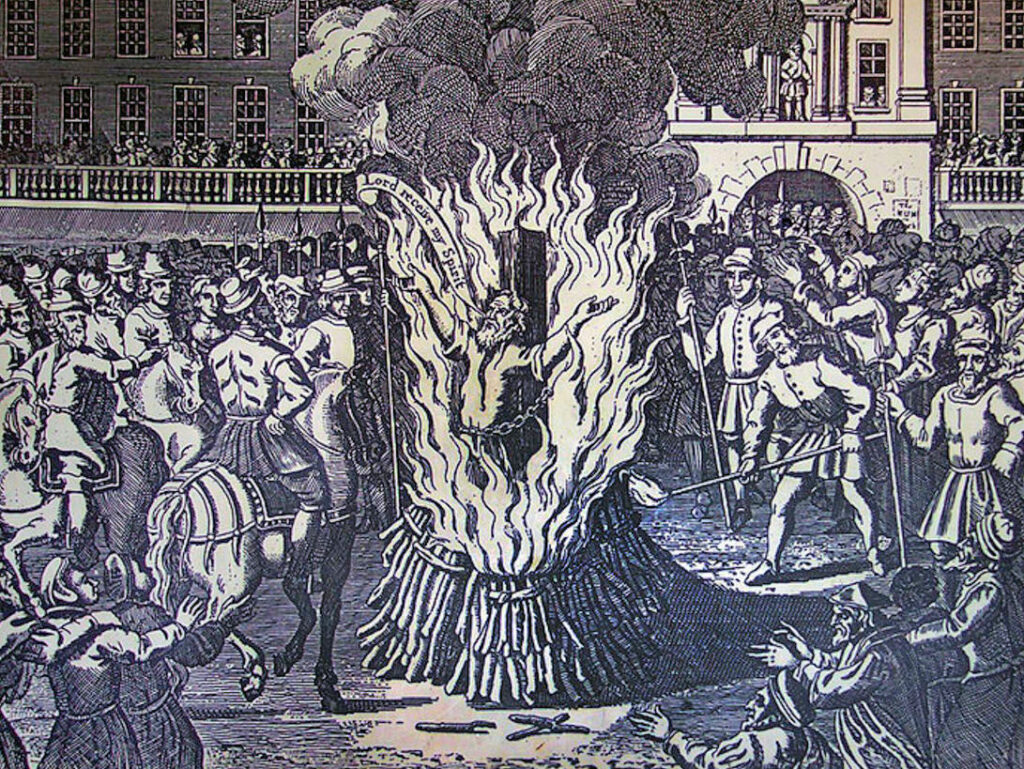
18 Mar 1612
John Locke
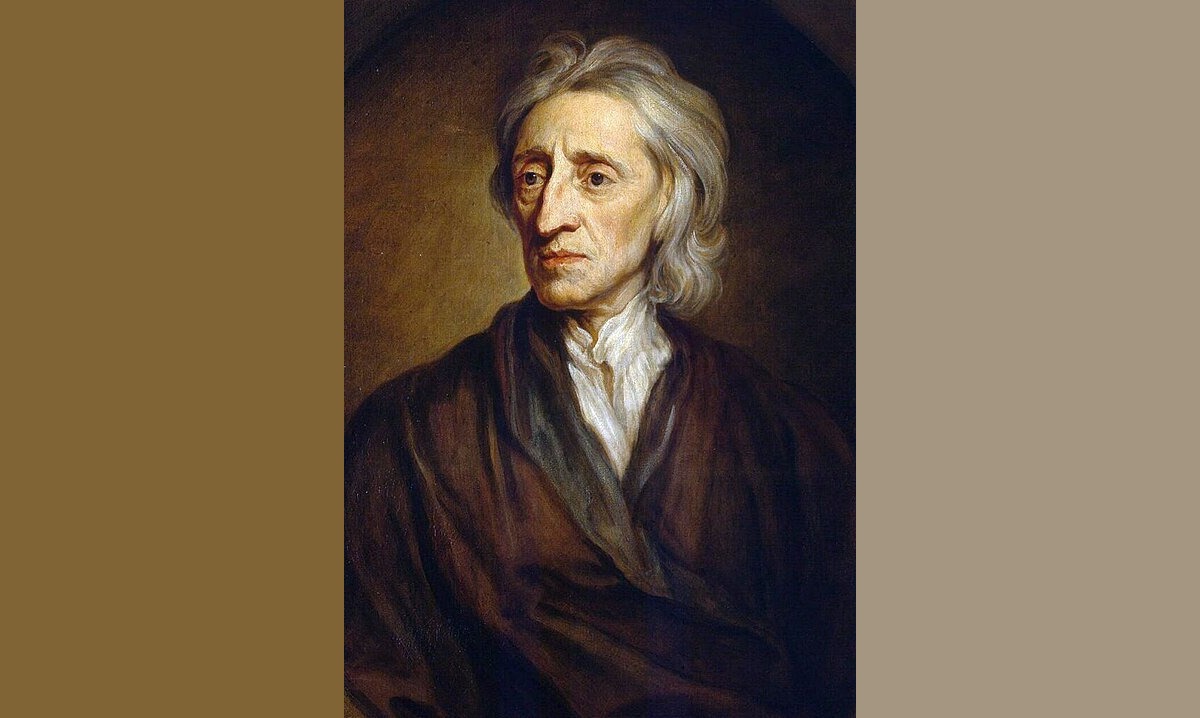
John Locke argued that we are not born with ideas already written into us—we acquire knowledge through experience. His concept of tabula rasa, developed in An Essay Concerning Human Understanding, reshaped how we think about learning, freedom, and rights. If minds begin blank, then no one is born destined to rule—or obey.
Born 1632, died 1704.
16 Generations Ago
Baruch Spinoza
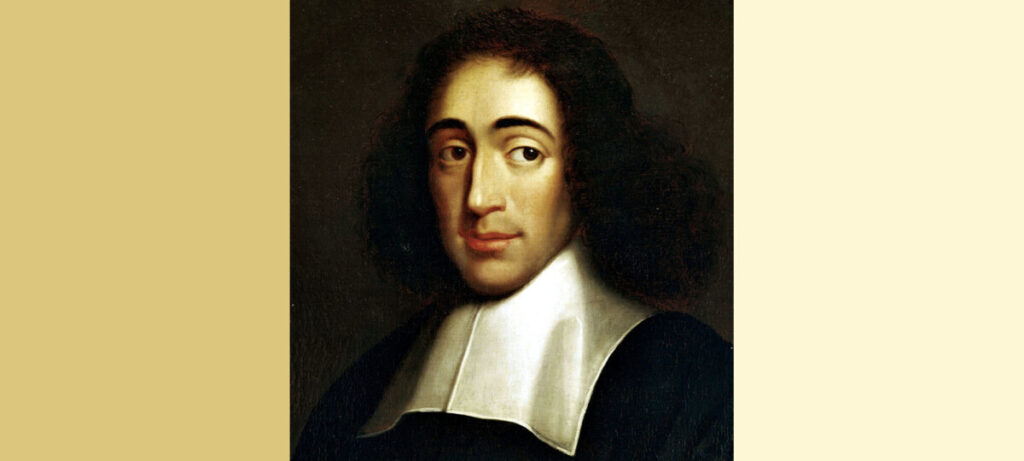
born 1632
1632-1677, aged 44
The Invention of Calculus

Photo by <a href="https://pixabay.com/users/geralt-9301/?utm_source=instant-images&utm_medium=referral" target="_blank" rel="noopener noreferrer">geralt</a> on <a href="https://pixabay.com" target="_blank" rel="noopener noreferrer">Pixabay</a>
5 Jul 1687
Voltaire
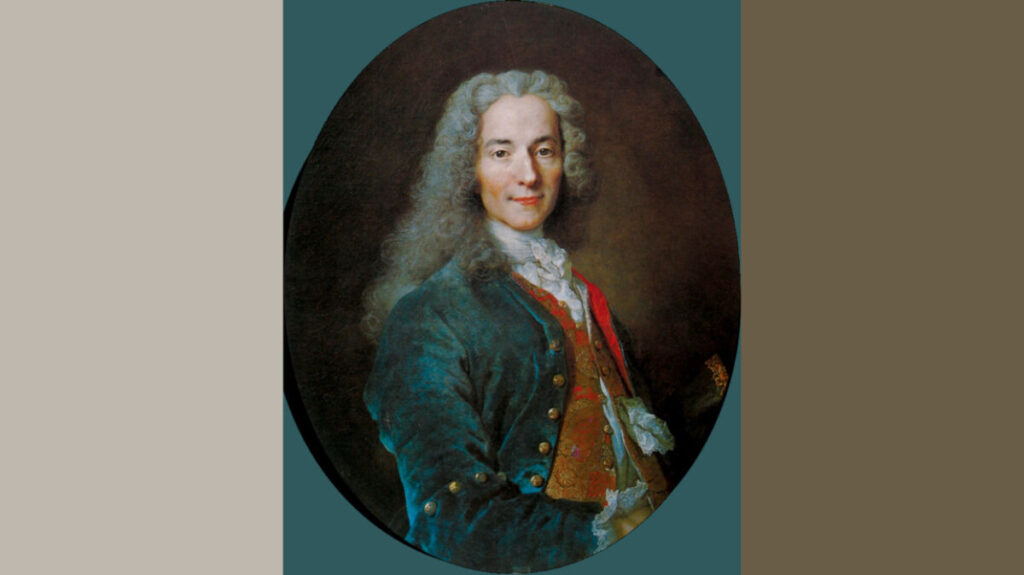
The transformation of François-Marie Arouet into Voltaire: From a budding scholar in Paris, to a prisoner of ideas in the Bastille, to a celebrated playwright whose words ignited the Enlightenment.
Born 1694, lived until 1778.
13 Generations Ago
David Hume
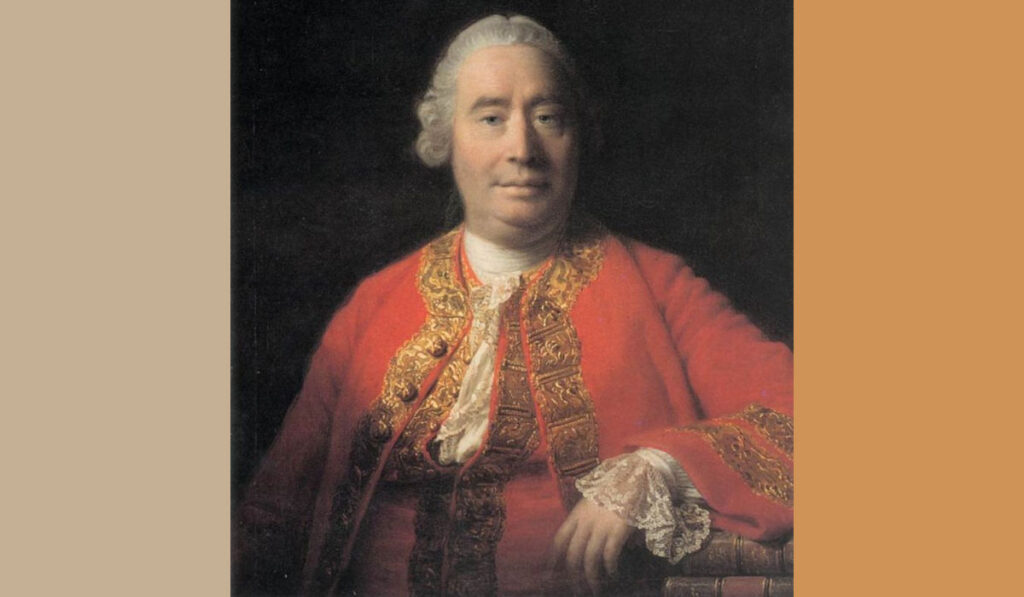
The Scottish Enlightenment philosopher and historian Hume was a leading exponent of empiricism. The belief that all human knowledge derives solely from experience.
Born 1711.
Lived from 1711 to 1776. 12 Generations Ago.
Immanuel Kant
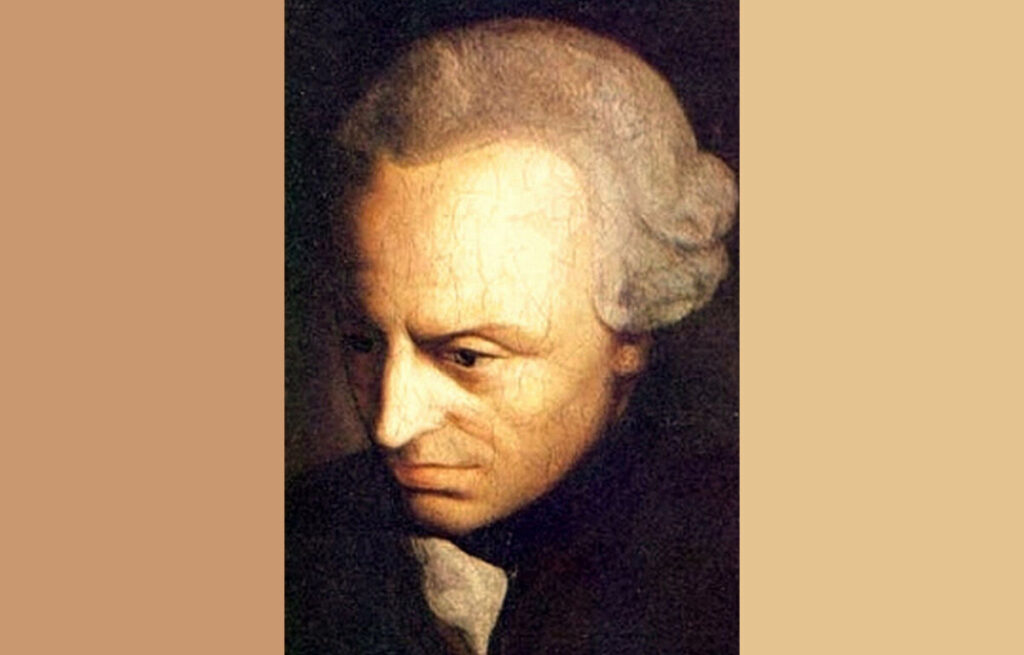
born 1724
1724-1804
John Stuart Mill
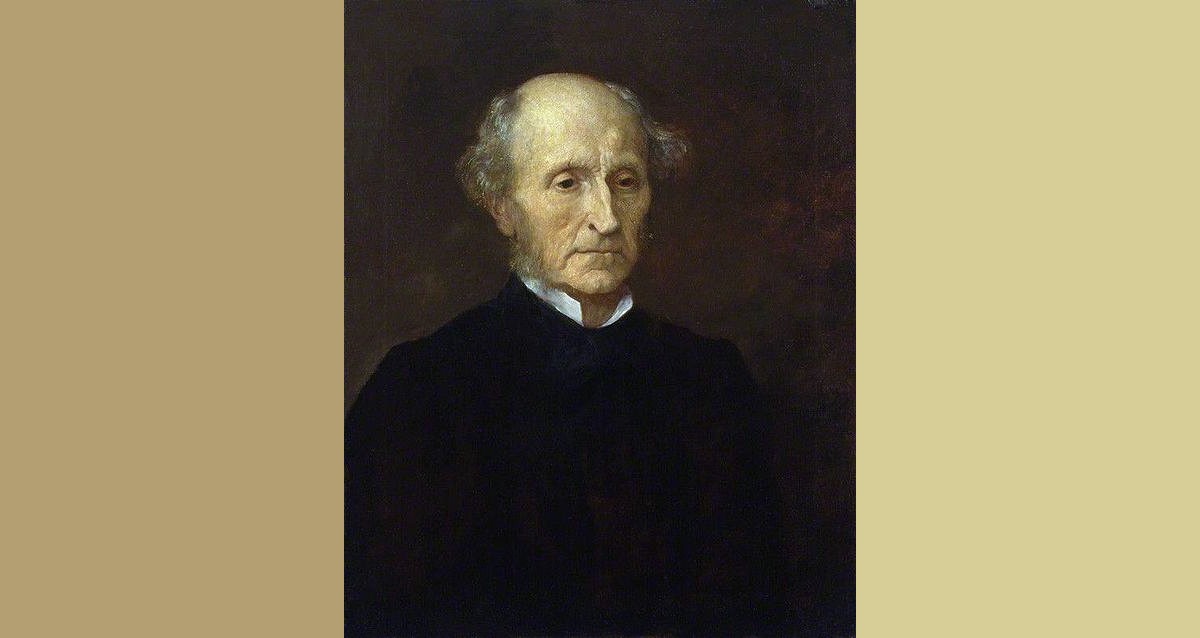
John Stuart Mill. Choose the action that produces the greatest good for the greatest number. Morality should aim at the greatest overall happiness.
Born 1806, he lived to see 1873.
9 Generations Ago
Charles Darwin (1809-1882)
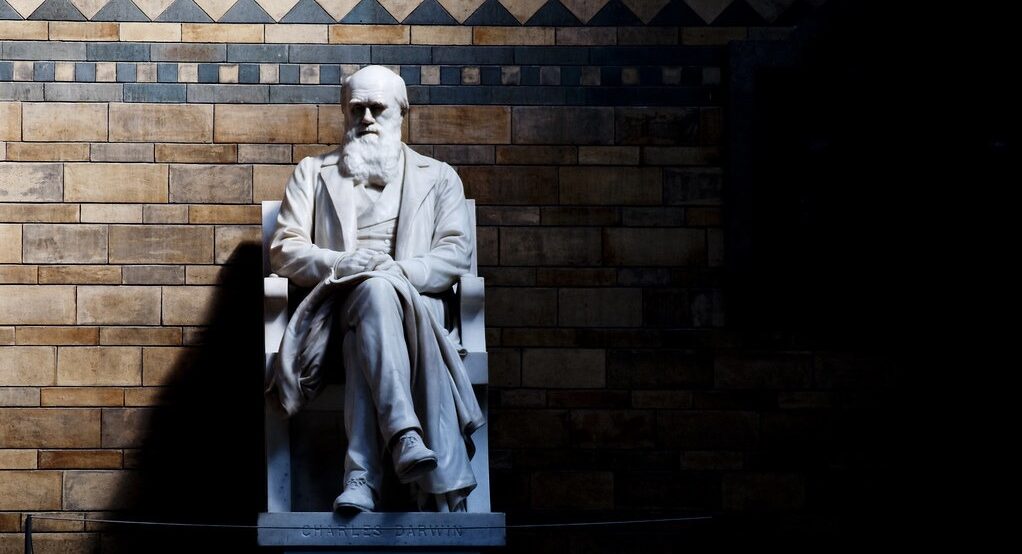
British Naturalist
Alfred Russel Wallace (1823-1913)

British Naturalist and Explorer
Father of Biogeography
Friedrich Nietzsche
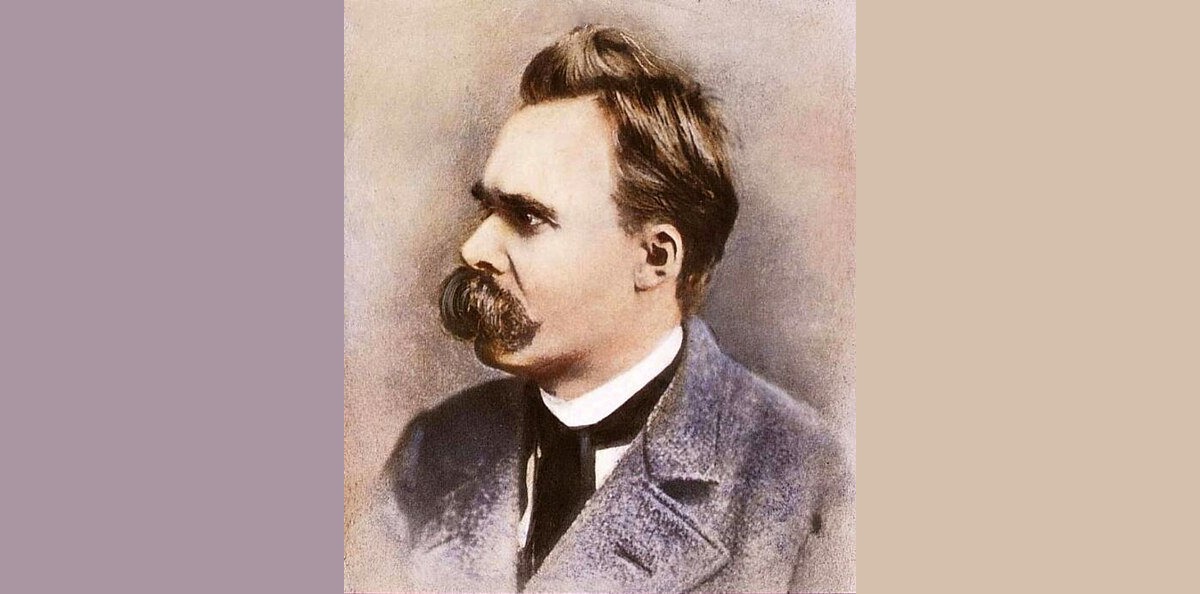
Chapter 30 in "30 Philosophers" explores Nietzsche's story and philosophy.
Born 1844.
Born 7 Generations Ago in 1844, lived until 1900.
Electromagnetic Radiation Theory

1864
Jean-Paul Sartre
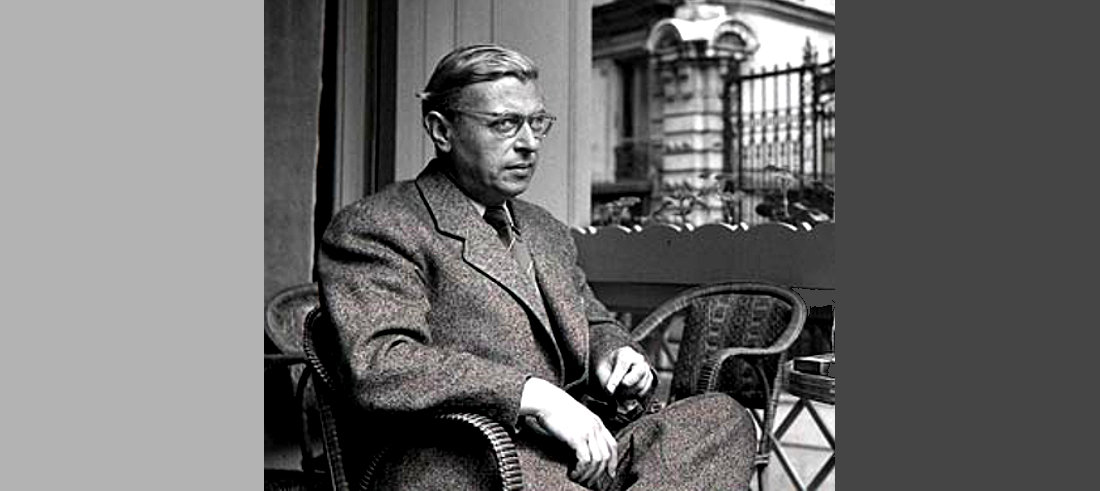
Jean-Paul Sartre lived from 1905 to 1980, He was a French existentialist philosopher and writer best known for the idea that “existence precedes essence.”
born 1905
1905-1980
Electron Microscope = Nanoworld Discovered!

pathogen virus background
1931
Discovery: Neanderthal Symbolic Thought
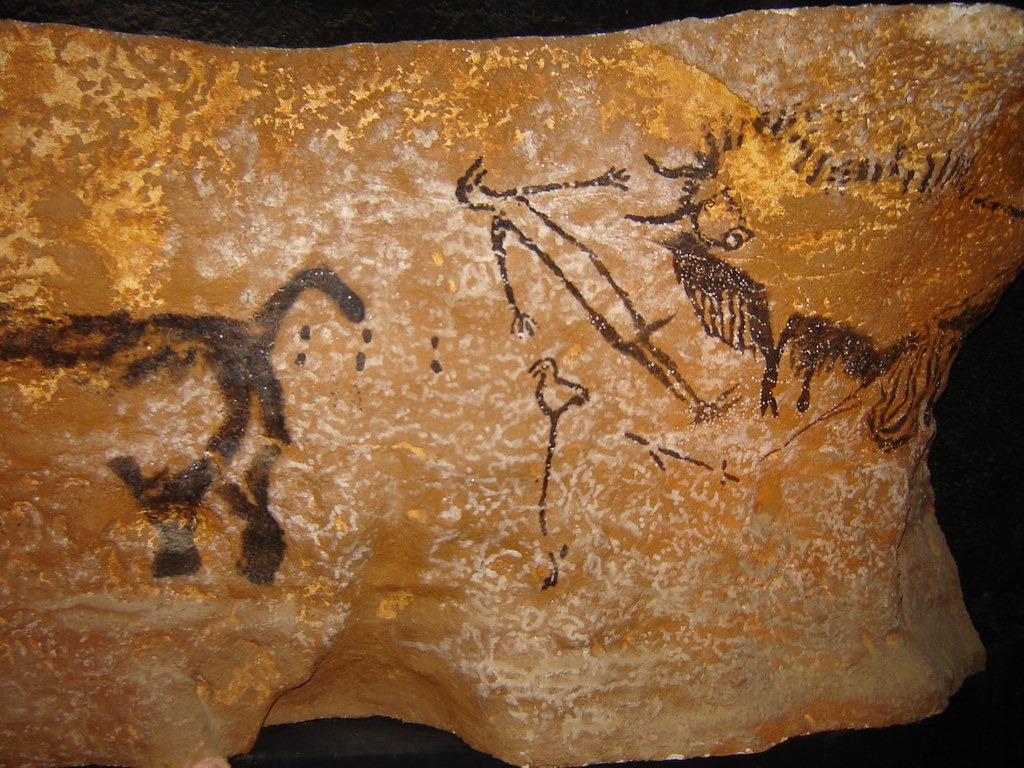
Neanderthal art in Spain 64k BCE, before Homo sapien arrived.
2018