
Weekly Insights for Thinkers

STORY

Bread Making Pushed Back

By Michael Alan Prestwood

Mon 1 Apr 2024
Published 2 years ago.
Updated 2 years ago.
Related Stories
Share :
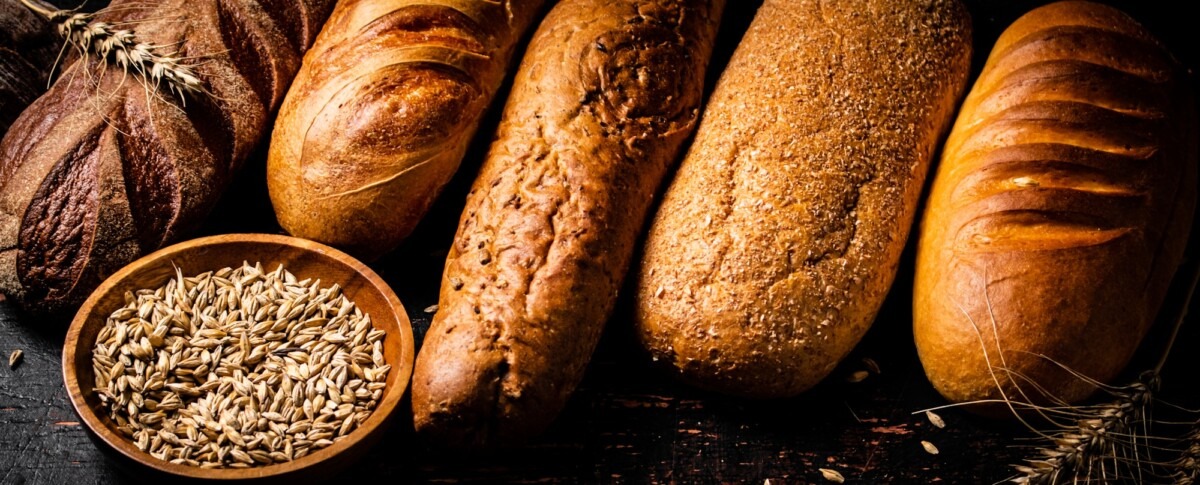
Various bread with grain in a bowl on the table.

Bread Making Pushed Back

2018

The groundbreaking discovery that humans were making bread 14,000 years ago, before the advent of agriculture, was published in 2018. Since grain is easy to grow, does this suggest agriculture might have started a few thousand years earlier? Under study, but the discovery of bread-making from around 14,000 years ago indeed suggests that humans were experimenting with grains before the widespread adoption of agriculture, which is traditionally dated to about 12,000 years ago with the Neolithic Revolution. 

Researchers analyzing charred food remains from a Natufian hunter-gatherer site called Shubayqa 1 in northeastern Jordan found evidence of bread-like products. This finding was significant because it pushed back the earliest known use of cereal grains and highlighted the complexity of pre-agricultural human societies. The study, revealing the preparation and consumption of bread from wild cereals, provided crucial insights into the dietary habits of Natufian societies and offered new perspectives on the transition to agricultural life.

— map / TST —

Michael Alan Prestwood
Author & Natural Philosopher
Prestwood writes on science-first philosophy, with particular attention to the convergence of disciplines. Drawing on his TST Framework, his work emphasizes rational inquiry grounded in empirical observation while engaging questions at the edges of established knowledge. With TouchstoneTruth positioned as a living touchstone, this work aims to contribute reliable, evolving analysis in an emerging AI era where the credibility of information is increasingly contested.
This Week @ TST
March 4, 2026
»Edition Archive
WWB Research….
1. Story of the Week
Marcus Aurelius: An Explorative Agnostic
2. Quote of the Week
“Our knowledge is finite, while our ignorance is infinite.”
3. Science FAQ »
Do we experience reality directly?
4. Philosophy FAQ »
What is TST Ethics?
5. Critical Thinking FAQ »
What is confirmation bias, and why does it matter?
6. History FAQ!
What historical ideas shaped TST Philosophy?
Bonus Deep-Dive Article
1-2-3-4-5: TST Philosophy Overview
Scroll to Top