Explore Science-first Philosophy

History

History of the Lands

Modern Skin Color Variety Emerges

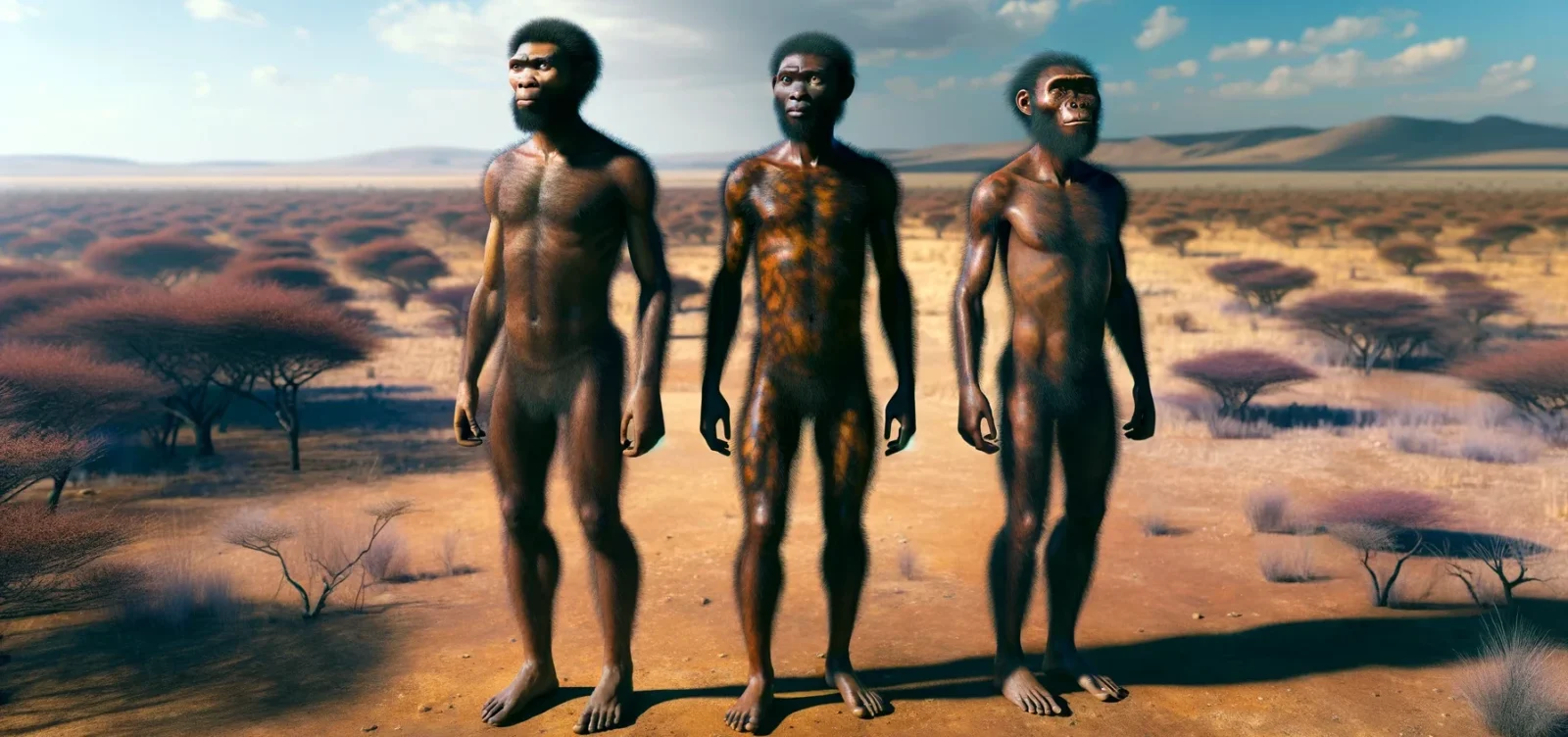
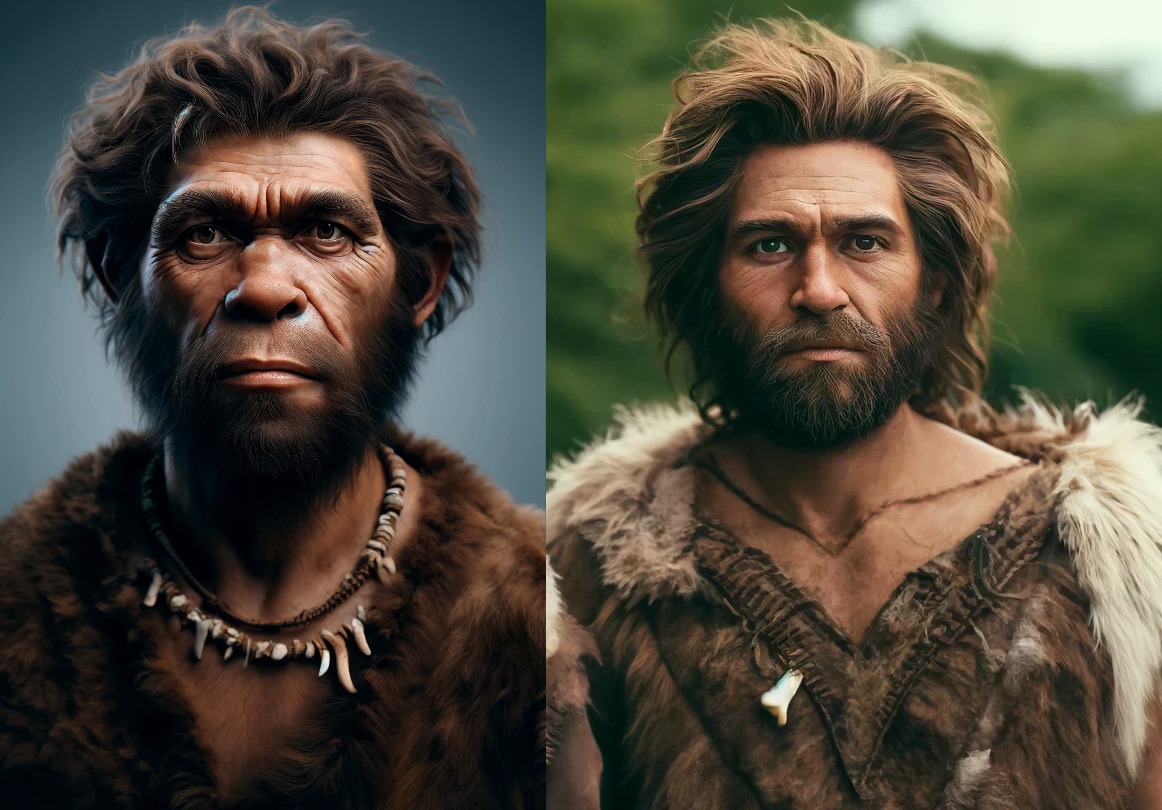
Current understanding suggests that the diverse skin colors among modern humans, ranging from dark brown to fair, evolved multiple times both within Africa and as Homo sapiens migrated out of Africa. This variation is driven by natural adaptation to varying levels of UV radiation exposure in different populations, a process that typically unfolds over thousands […]

Modern Skin Color Variety Emerges Read More »

Homo antecessor: Earlier Modern Looks

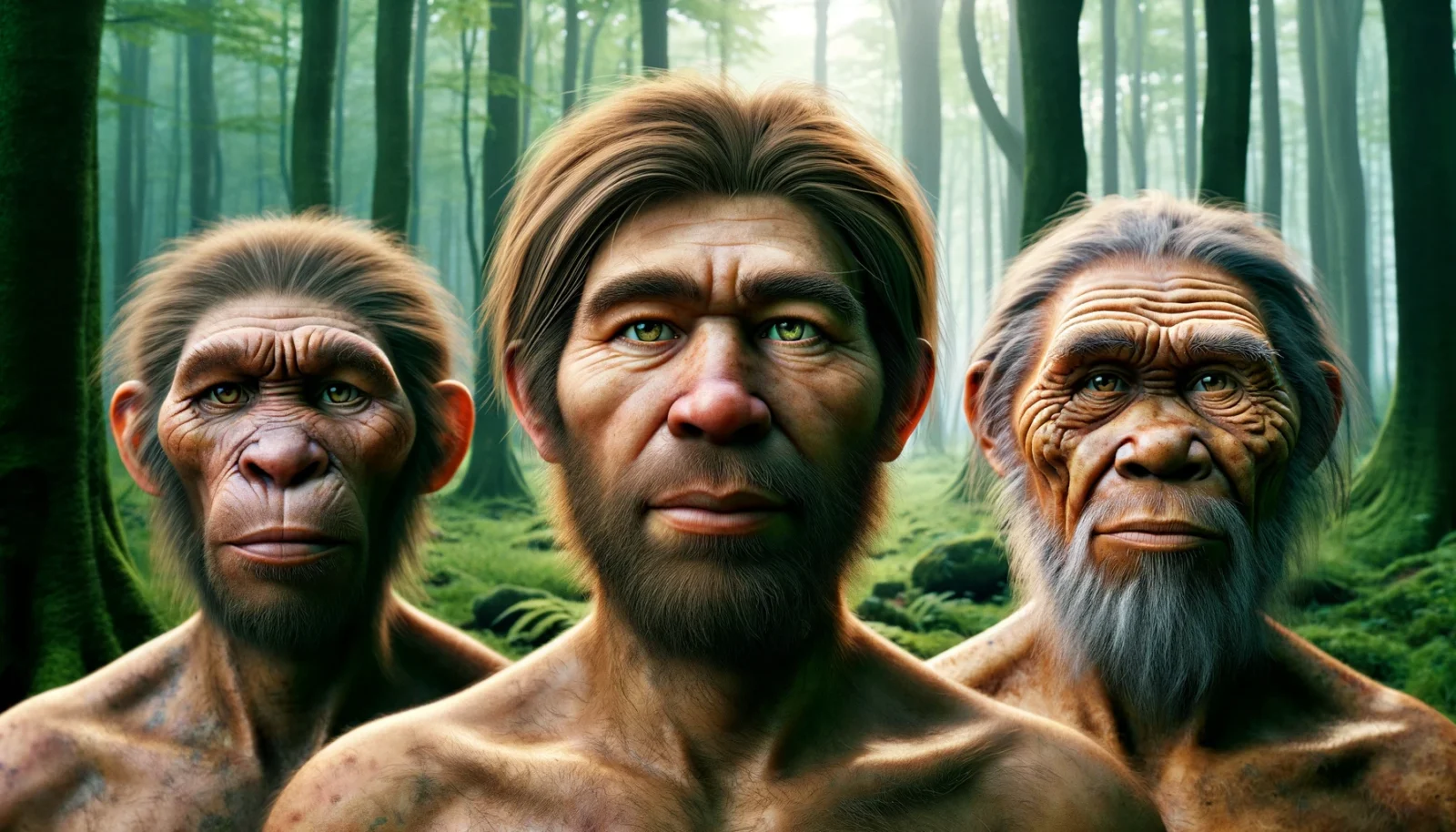
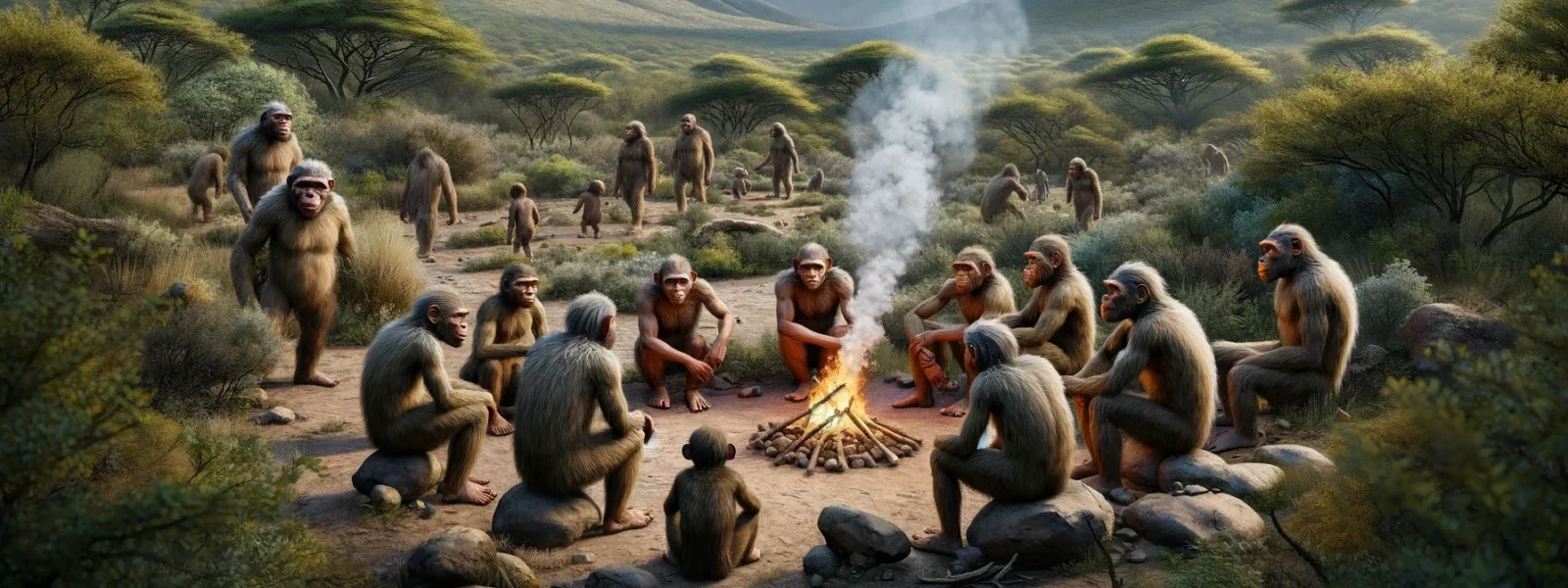
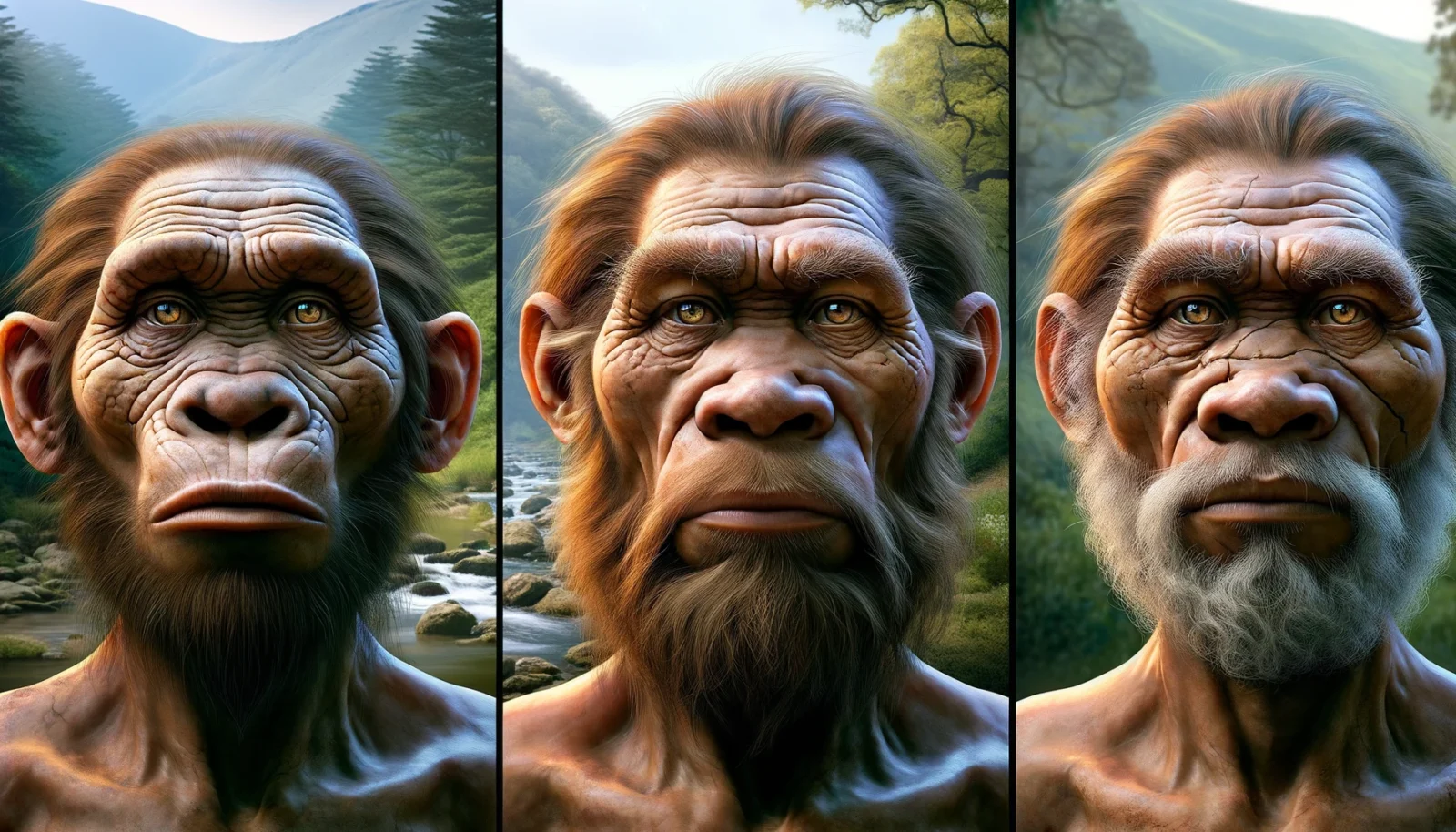
48,000 Generations Ago NSLCA Candidate: This ancient human species challenges traditional views by suggesting that some of our human ancestors bore a closer resemblance to modern humans than previously believed. Homo antecessor, which existed long before Homo sapiens and Homo heidelbergensis, displayed distinctly modern human-like features, including a flatter face and a more refined nose,

Homo antecessor: Earlier Modern Looks Read More »

Homo naledi: A Likely Hybrid

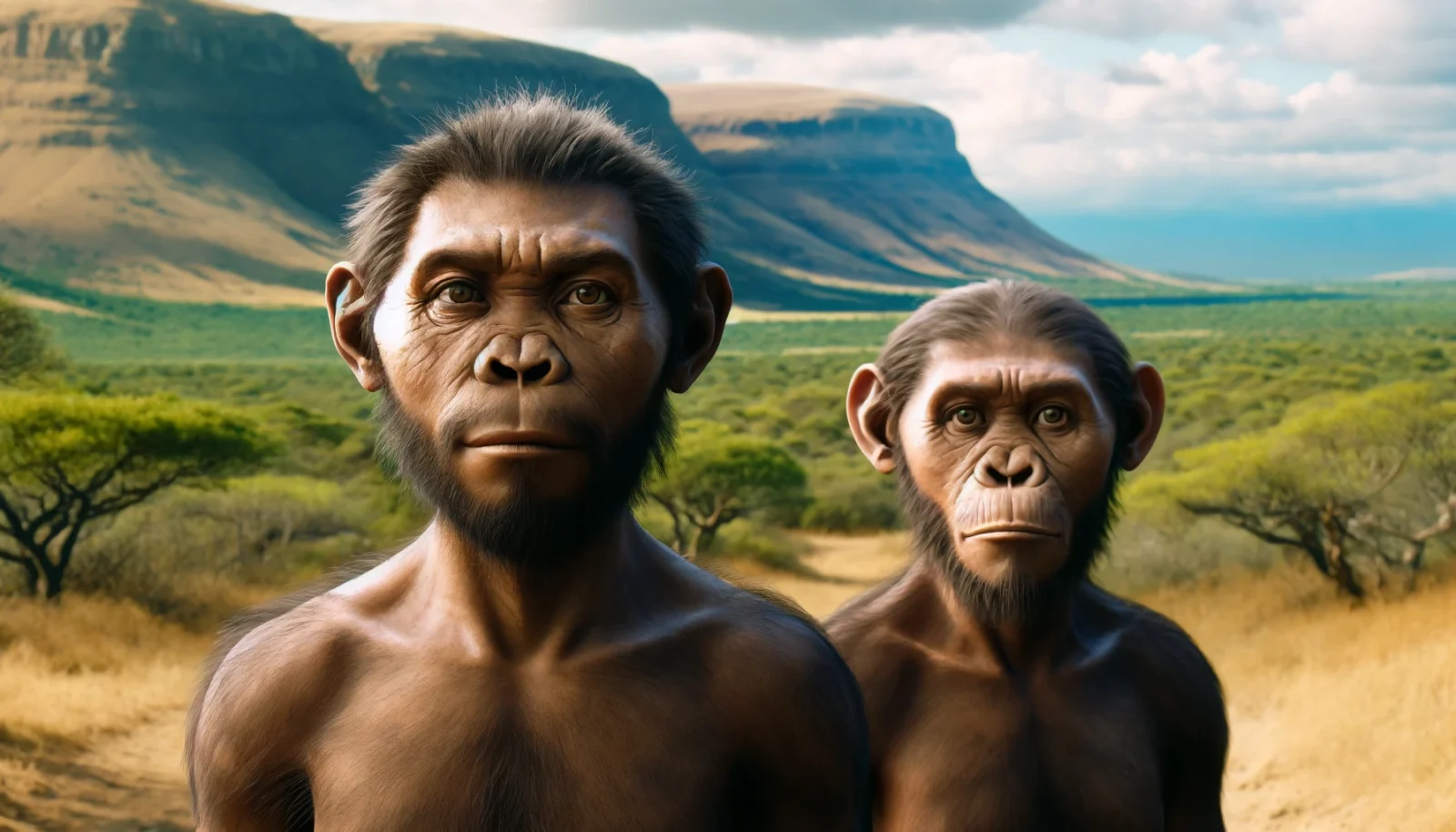
Speculative branch of humans. Maybe a long lost hybrid: In the evolving tapestry of human history, the emergence of Homo naledi represents a captivating mystery that challenges traditional narratives of linear progression. Positioned within the intricate web of human evolution, Homo naledi could exemplify a complex branch woven from ancient threads. Imagine a scenario where

Homo naledi: A Likely Hybrid Read More »

Upper Paleolithic Cave Art with Symbols

Earliest known symbol use in the Europe/Mediterranean zone.  Dating back to around 40,000 BCE, the Upper Paleolithic cave art found across Europe presents a compelling narrative of early human communication and symbolic expression. Sites like Lascaux in France and Altamira in Spain feature elaborate depictions of animals, human figures, and abstract symbols that recur with

Upper Paleolithic Cave Art with Symbols Read More »

Cretan Hieroglyphic script: Greek Island

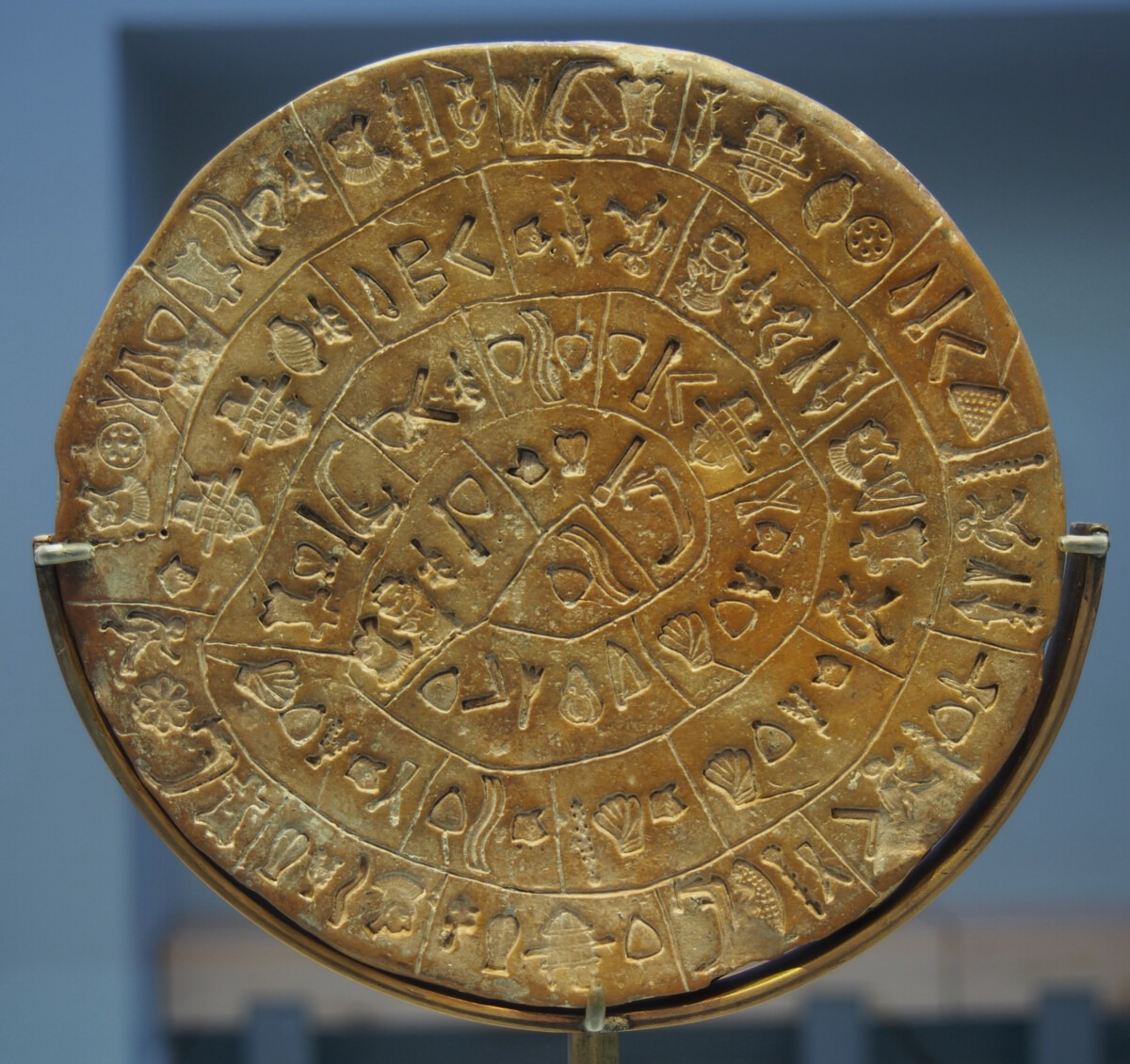
Earliest known writing in the European/Mediterranean zone.  The earliest known writing system in the European/Mediterranean zone is the Cretan Hieroglyphic script from ancient Crete, part of the Minoan civilization. This script dates back to around 1900 BC to 1700 BC. Closely related and slightly later in development is Linear A, which emerged around 1800 BC

Cretan Hieroglyphic script: Greek Island Read More »

Indus Valley Script: Northwest India

Earliest undeciphered writing in the Asian zone.  The Indus Valley script, emerging around 2600 BCE in one of the world’s earliest urban civilizations, remains one of archaeology’s greatest puzzles. Found across a vast expanse from today’s northeast Afghanistan to Pakistan and northwest India, this script comprises over 400 unique symbols, ranging from geometric shapes to

Indus Valley Script: Northwest India Read More »

Wolf-to-dog: same species, dogs are a subspecies

Earliest Known Domesticated Animal: Dogs

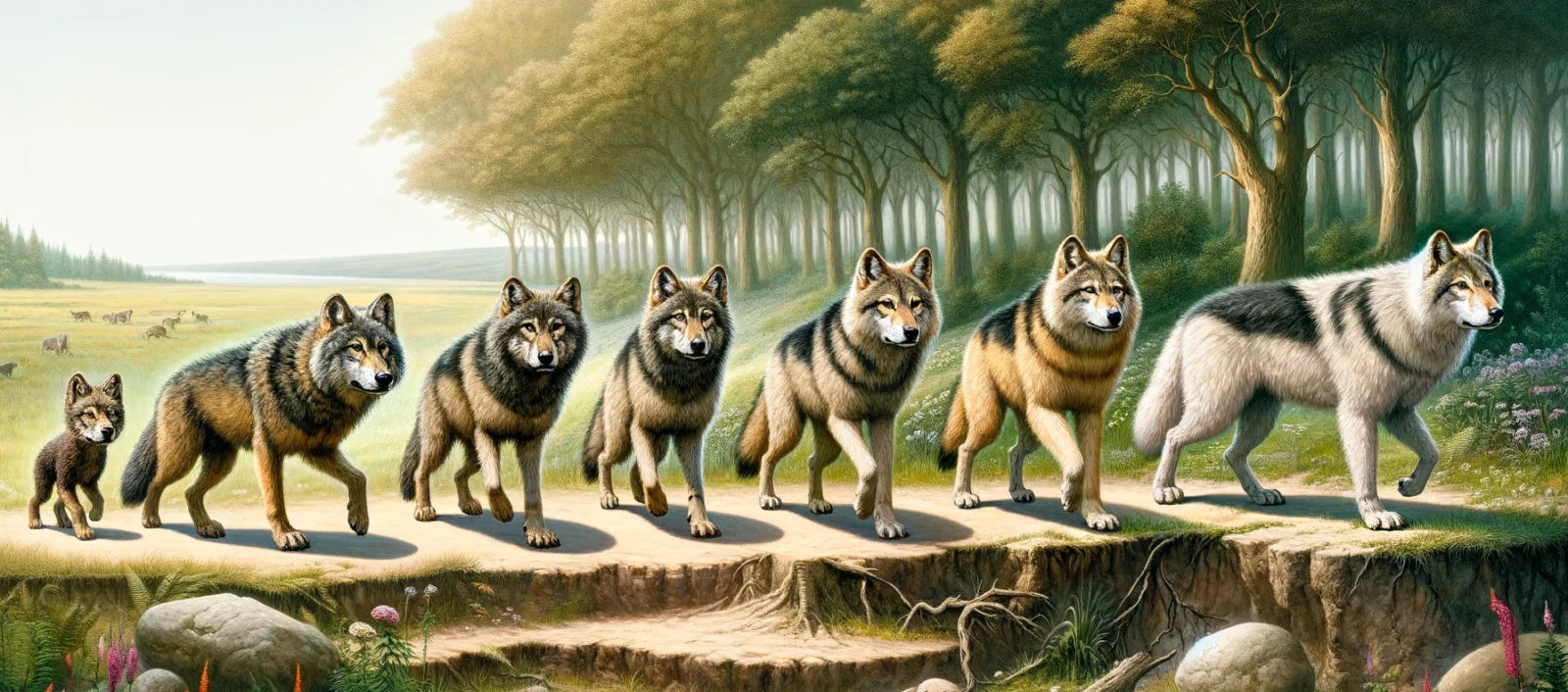
Eastern Asia and Europe: The domestication of dogs marks one of the most remarkable and earliest examples of animal domestication by humans. This significant event occurred approximately 20,000 years ago, with some studies suggesting an even earlier date. The process began when wolves, drawn by the waste and remnants of hunting left by human groups,

Earliest Known Domesticated Animal: Dogs Read More »

Hominin World Population: 2 Million (speculative)

Other than humans, today’s smartest primates—chimpanzees, bonobos, gorillas, and orangutans—have a combined wild population of approximately 400,000 to 700,000. This number persists despite their near-complete inability to expand beyond their current ideal environments, a restriction not faced by any human species since before Homo habilis. Moreover, this is in spite of the extreme pressures exerted

Hominin World Population: 2 Million (speculative) Read More »

Hominin World Population: 2 Million (maybe)

When Homo sapiens first emerged, their population in Africa was likely just a few hundred thousand, while the total hominin population, including other species like Neanderthals and Homo heidelbergensis, may have ranged from 1.1 to 2.1 million. During this period, Homo sapiens were primarily found in Africa, while other hominins occupied broader ranges across Eurasia,

Hominin World Population: 2 Million (maybe) Read More »

World Population: 1.5 Million

Cognitive Revolution By 70,000 BCE. Population range: 500,000 to 2.5 million. Given the uncertainties and lack of direct data, the following are speculative estimates. Africa-Middle East: 50-60% or 600,000 to 1 million people Africa, being the origin of modern humans, likely had the highest population density at this time, particularly in Sub-Saharan regions which were

World Population: 1.5 Million Read More »

Scroll to Top