Weekly Insights for Thinkers

Science  Philosophy  Critical Thinking  History  Politics RW  AI  Physics  •  Evolution  Astronomy 30 Phil Book More…
Science  Phil  Cr. Think  Hist 

Journalism

The Journalism Timeline

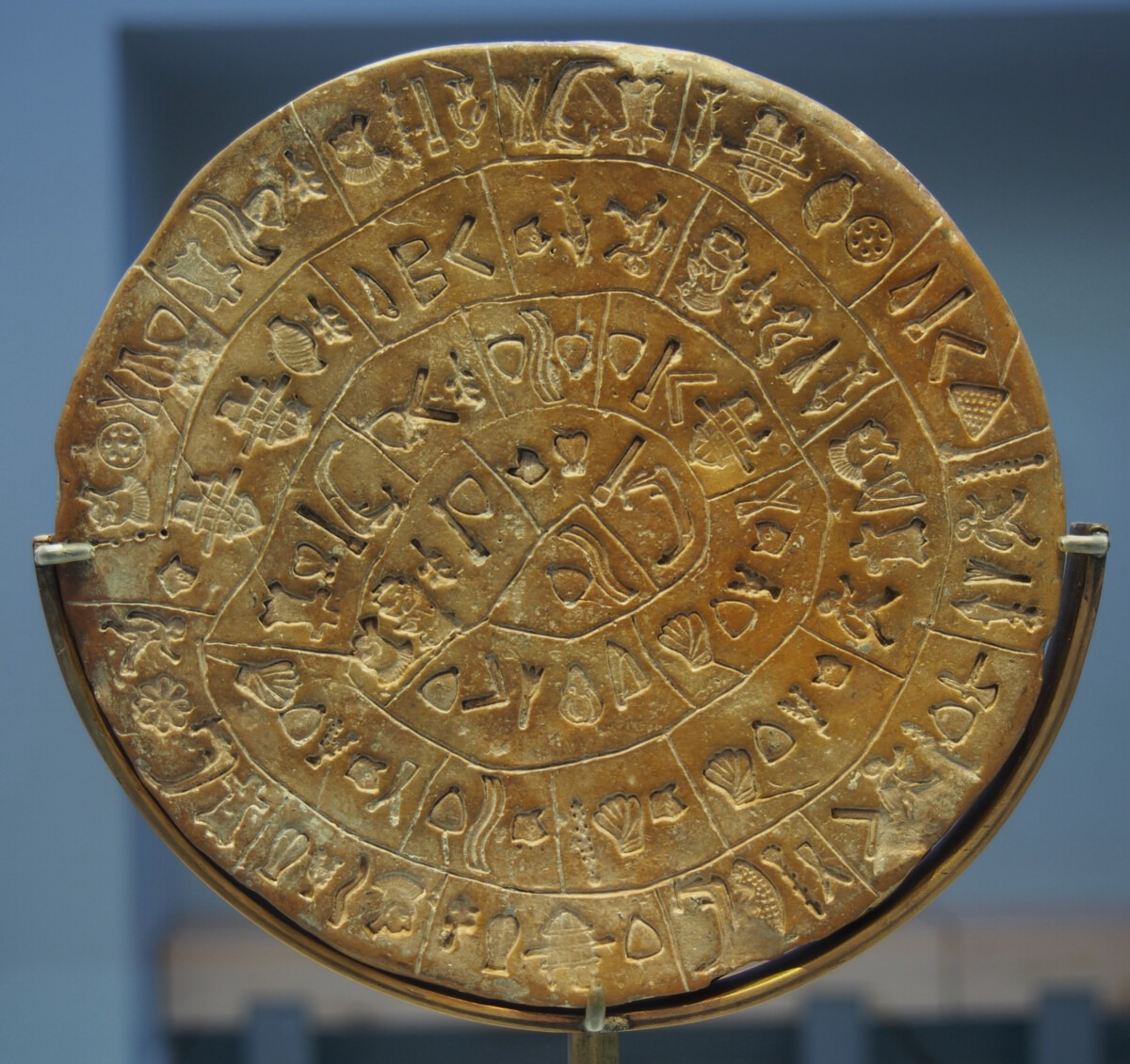
Dispilio Tablet: European Proto-Writing

Location: Neolithic Settlement of Dispilio, Greece. Discovered in 1993, the Dispilio Tablet is an ancient wooden tablet, etched with intricate symbols. Its symbols have yet to be deciphered, leaving its true purpose shrouded in mystery. Were these marks part of a record-keeping system? A symbolic ritual? Or could they represent one of the earliest known forms […]

Dispilio Tablet: European Proto-Writing Read More »

Printing Press Invented

The story of the printing press is the story of cultural transmission. Invented in 1440 in Germany by Johannes Gutenberg, it revolutionized book production by introducing movable type. It replaced hand-copying, prone to errors, with movable metal type, allowing mass production of books for the first time in human history. Over the next few centuries,

Printing Press Invented Read More »

Journalism

30 Phil, Chapter 26, Voltaire, Touchstone 68: Journalism. Journalism serves as a check on power, and is one of the Truth Hammers. Unlike the scientific method, which is grounded in experimentation, journalism thrives on investigation and storytelling. It doesn’t just present facts; it contextualizes them, weaving narratives that help society understand complex issues.

Journalism Read More »

Fourth Estate

30 Phil, Chapter 26, Voltaire, Touchstone 67: Fourth Estate. The fourth estate refers to the role of media in society. During Voltaire’s time, the seeds were being sown for the concept of the fourth estate. This was due in part to his tireless advocacy for freedom of speech and the press, an echo of the

Fourth Estate Read More »

Olmec Hieroglyphs: Mexico

Earliest known writing in the Americas zone.  The Olmec civilization flourished in what is now the southeastern part of Mexico from around 1500 BC to about 400 BC. The Olmecs are often referred to as the “Mother Culture” of Mesoamerica, influencing later civilizations like the Maya and the Aztecs. The Cascajal Block artifact, dated to

Olmec Hieroglyphs: Mexico Read More »

Indus Valley Script: Northwest India

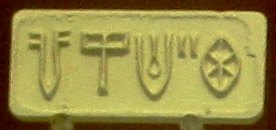
Earliest undeciphered writing in the Asian zone.  The Indus Valley script, emerging around 2600 BCE in one of the world’s earliest urban civilizations, remains one of archaeology’s greatest puzzles. Found across a vast expanse from today’s northeast Afghanistan to Pakistan and northwest India, this script comprises over 400 unique symbols, ranging from geometric shapes to

Indus Valley Script: Northwest India Read More »

Oracle Bone Script: China

Earliest deciphered writing in Asian zone: Indus Valley writing, undeciphered, predates this to circa 2600 BCE. The earliest known writing system in Asia is typically considered to be the Oracle Bone Script from ancient China. This script was used during the Shang Dynasty around 1200 BCE, but evidence suggests it may have developed as early

Oracle Bone Script: China Read More »

Proto-Sinaitic script

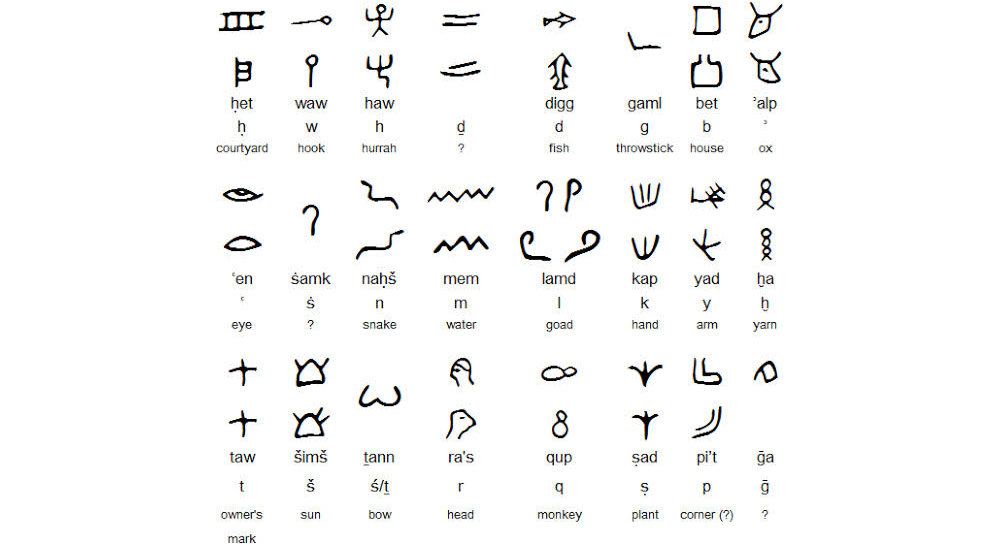
155 Generations Ago The Proto-Sinaitic alphabet is considered the earliest trace of alphabetic writing and the common ancestor of both Ancient South Arabian script and the Phoenician alphabet. The ancient South Arabian script evolved about 1900 BCE which continued to evolve into today’s Modern South Arabian languages. The Phoenician alphabet evolved into the Greek alphabet

Proto-Sinaitic script Read More »

Phoenician Alphabet

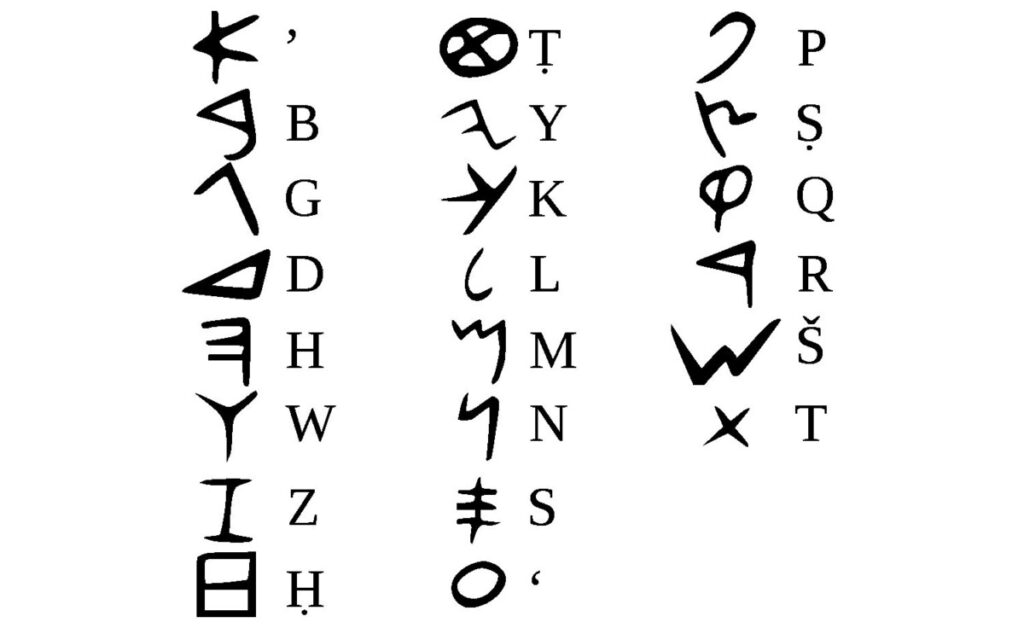
133 Generations Ago The Phoenician alphabet is a direct continuation of the Proto-Canaanite script circa 1300 BCE. Starting about 900 BCE, the Phoenician alphabet thrived and was adapted by others. It evolved into use by many languages including Greek, Old Italic and Anatolian scripts. These early uses of the alphabet evolved into the alphanumeric alphabet. 

Phoenician Alphabet Read More »

Word-Spacing

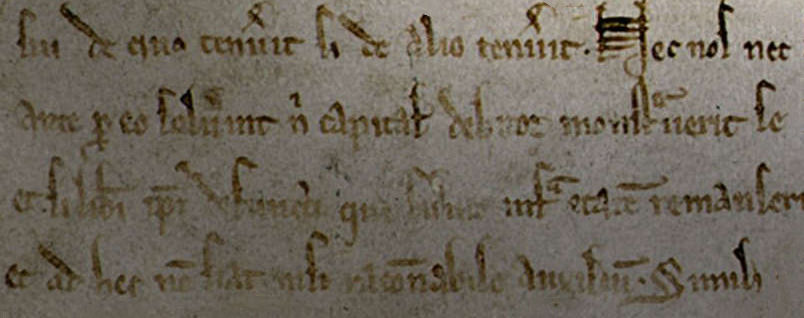
40 Generations Ago Spaces between words started circa 1000 CE because those copying texts found it easier and faster to copy if they introduced spaces between words. The 1215 Magna Carta is a good example of this quality of writing which included word-spacing, uppercase, and lowercase, but no punctuation, nor paragraphs. 

Word-Spacing Read More »

Neolithic Symbols: China

Potential earliest writing in Asian zone: the Oracle Bone Script, circa 1250 BCE is oldest confirmed. These symbols which are radiocarbon dated to the 7th millennium BCE have similarities to the late 2nd millennium BCE oracle bone script. Put this writing in the MAYBE column. Scientists are still going through a process to verify this

Neolithic Symbols: China Read More »

Cuneiform Writing

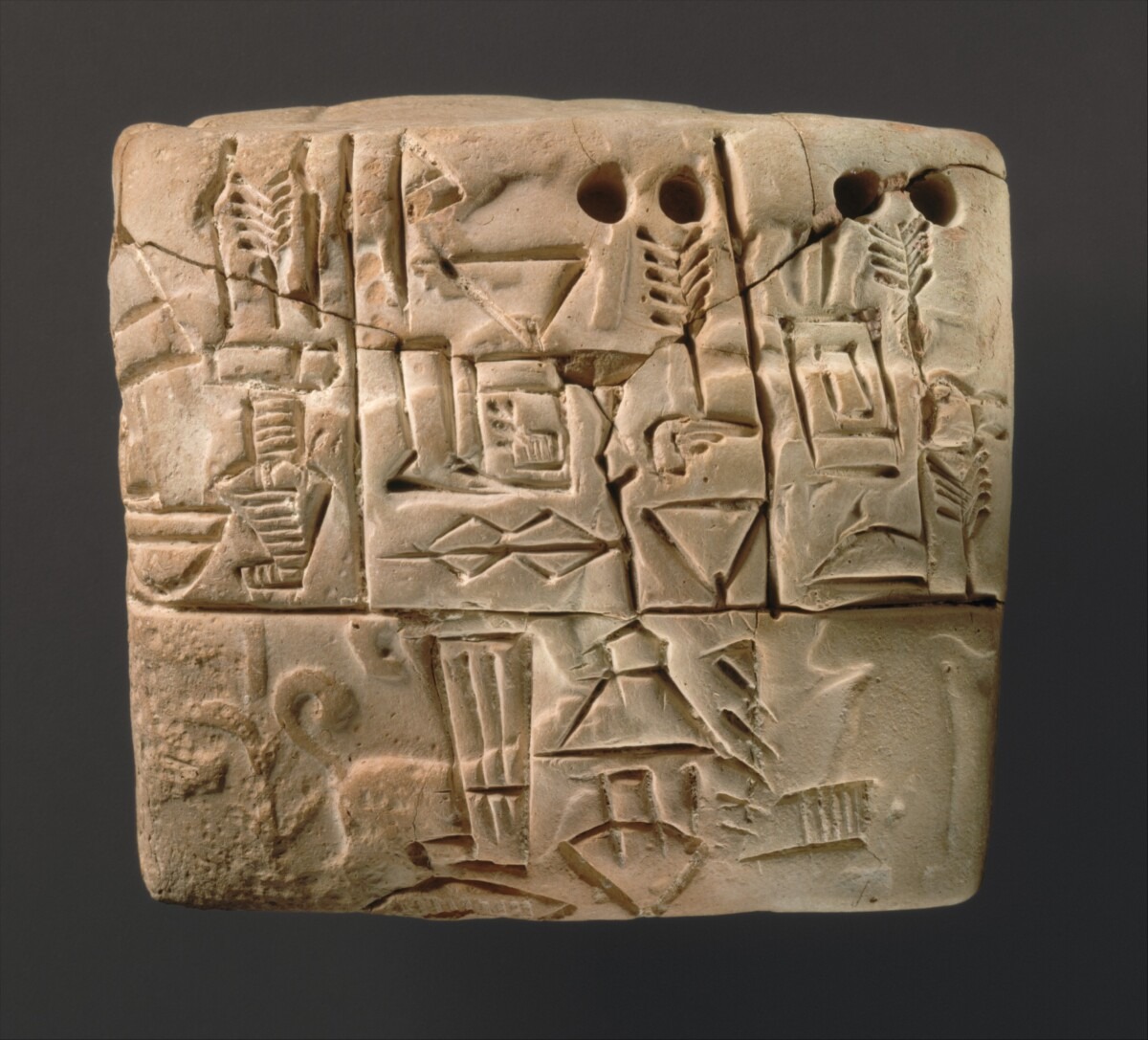
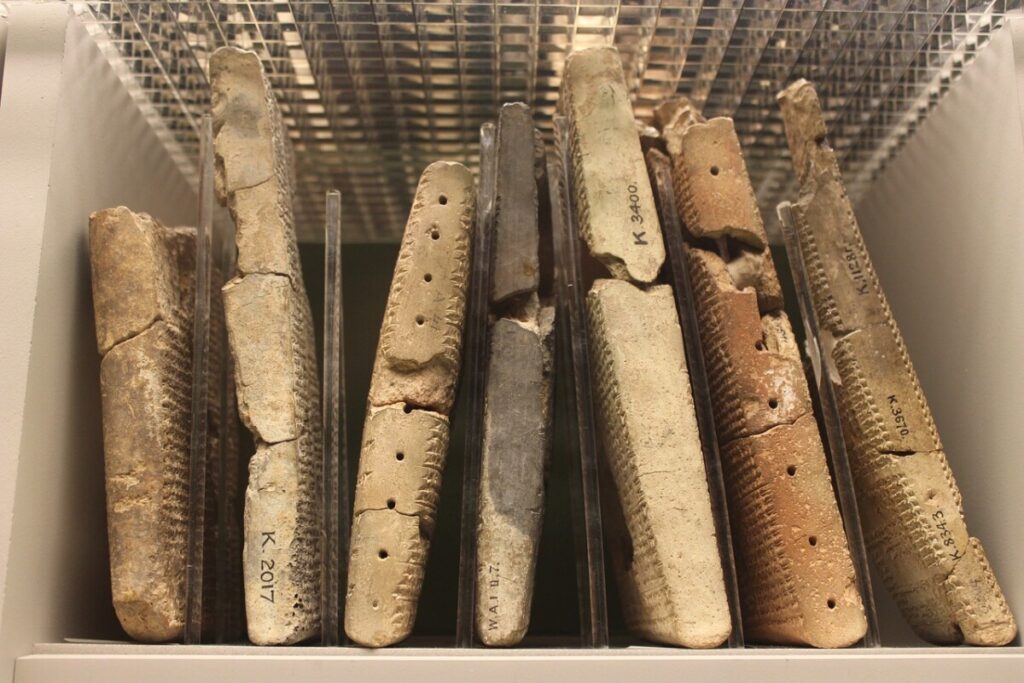
Earliest known writing in Africa/Middle East zone. Human DNA today is the same as 50,000 BCE. There is no doubt there were many dozens and perhaps thousands of civilizations prior to the Sumer civilization, but Sumer is the earliest known, or at least the earliest well known. The Sumer civilization first established between 6500 and

Cuneiform Writing Read More »

Upper and Lowercase Starts

29 Generations Ago (from 2020 CE) Spaces between words started circa 800 CE. Over the next few centuries, writing evolved. By the invention of the printing press in 1440, we had punctuation pretty similar to today’s standard. About halfway, at the time of the Magna Carta in 1215, we still had mostly uppercase with spaces

Upper and Lowercase Starts Read More »

Scroll to Top