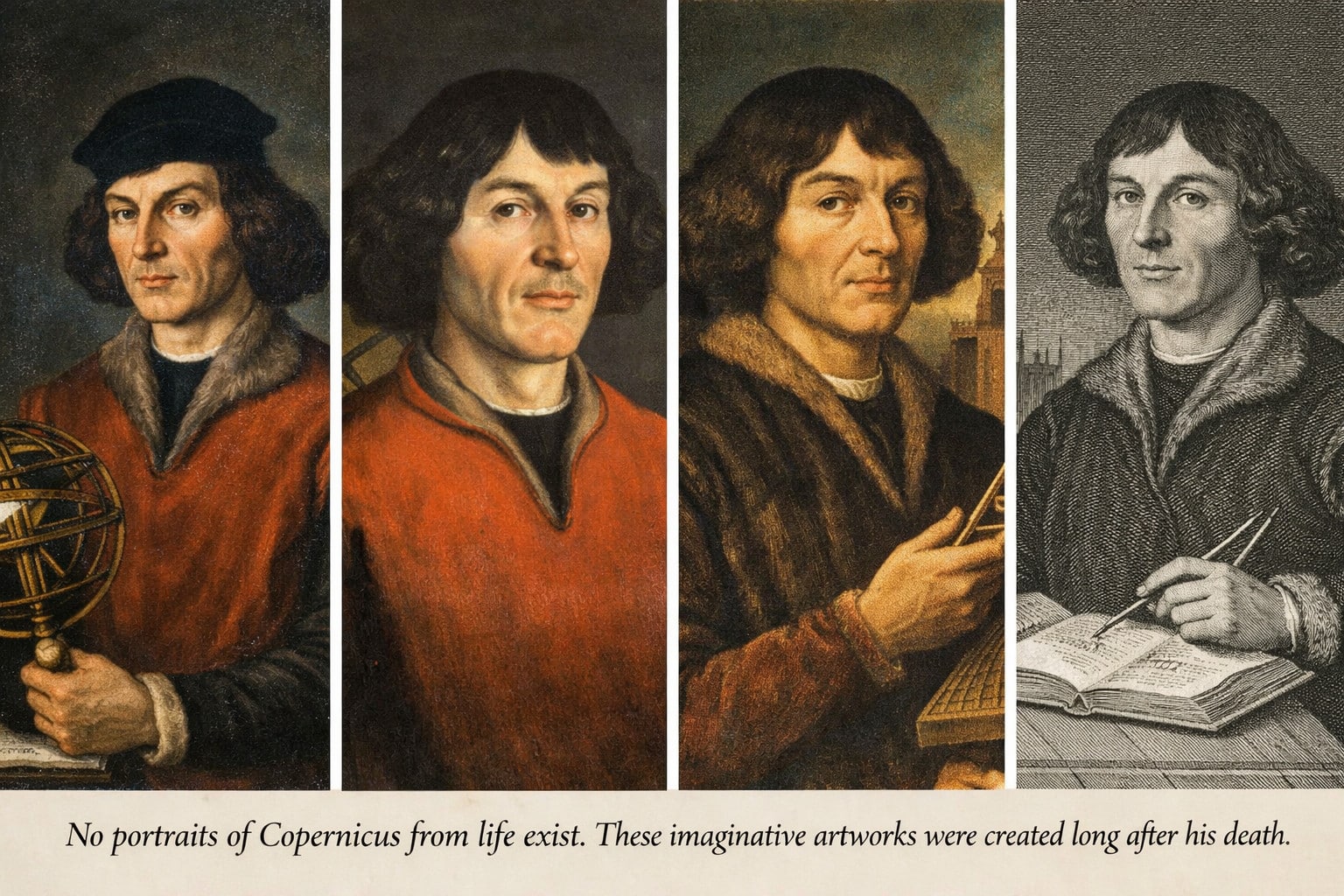
Nicolas Copernicus
Nicolaus Copernicus lived quietly, worked carefully, and changed the universe without ever seeing the revolution he began.
Nicolas Copernicus Read More »


The people of 30 Philosophers.
Nicolaus Copernicus lived quietly, worked carefully, and changed the universe without ever seeing the revolution he began.
Nicolas Copernicus Read More »

Schopenhauer: Blind Will and Human Suffering shows how one philosopher took Kant’s boundary between appearance and reality and filled it with a darker force — a restless Will beneath life itself, one that helps explain why human self-awareness so often deepens suffering instead of easing it.
Arthur Schopenhauer Read More »

Kierkegaard explored themes of anxiety, freedom, and the burden of choice. Living before psychology was a formal discipline, he wrote about angst, an existential anxiety arising from human freedom. His concept of the leap of faith emphasized making decisions authentically, even when faced with uncertainty. For Kierkegaard, anxiety wasn’t to be feared but embraced, as
Søren Aabye Kierkegaard Read More »

Gilgamesh is the legendary figure whose exploits are immortalized in the “Epic of Gilgamesh.” Gilgamesh’s reign as king is shrouded in myth and history. The epic describes his journey from a tyrannical ruler to a wise and beloved king, highlighting his quest for immortality and the profound friendship with Enkidu, a wild man created by
Gilgamesh, circa 2700 BCE Read More »

Bernard of Chartres, a prominent 12th-century French philosopher, lived around 1070 to 1130. He is best known for his influential teaching that emphasized the continuity of knowledge through the ages. Bernard is famously credited with the phrase, “We are like dwarfs on the shoulders of giants,” highlighting the idea that contemporary scholars build upon the
Bernard of Chartres (circa 1070 – 1130) Read More »

Alfred Russel Wallace lived from January 8, 1823, to November 7, 1913. He is best known for independently proposing the theory of evolution by natural selection, prompting Charles Darwin to publish his own findings. Wallace’s work as a biologist, anthropologist, and geographer took him to the Amazon and the Malay Archipelago, where he identified the
Alfred Russel Wallace (1823-1913) Read More »
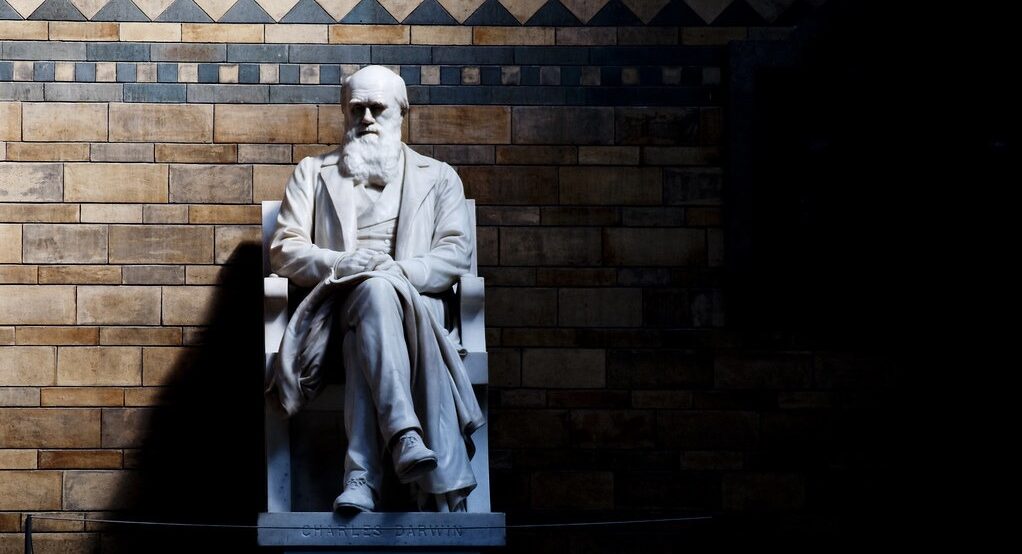
Charles Darwin, born on February 12, 1809, and passing on April 19, 1882, was an English naturalist whose groundbreaking work laid the foundation for the theory of evolution. His voyage on the HMS Beagle and the subsequent observations he made led him to formulate his theory of natural selection, published in his seminal work “On
Charles Darwin (1809-1882) Read More »

Democritus introduced a radical idea: reality is composed of invisible atoms moving through empty space.
Democritus (460 BCE – circa 370 BCE) Read More »
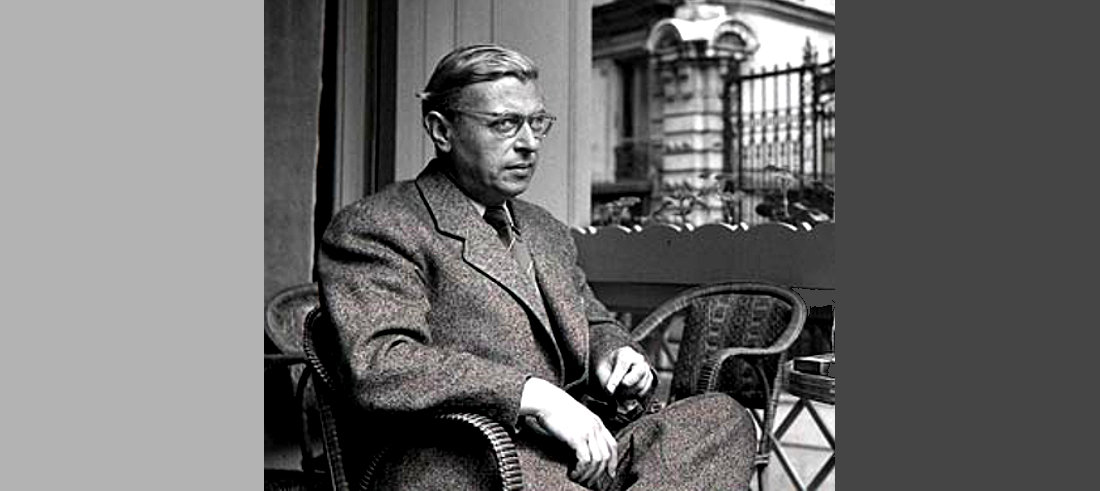
5 Generations Ago 30 Phil, Chapter 31: Sartre and Existentialism Jean-Paul Sartre arrived in the Material World on June 21, 1905. Born in Paris to a modest family. Sartre, the chain-smoking existentialist who frequented Parisian cafes, is most remembered as an activist writer and for his idea of “bad faith.”
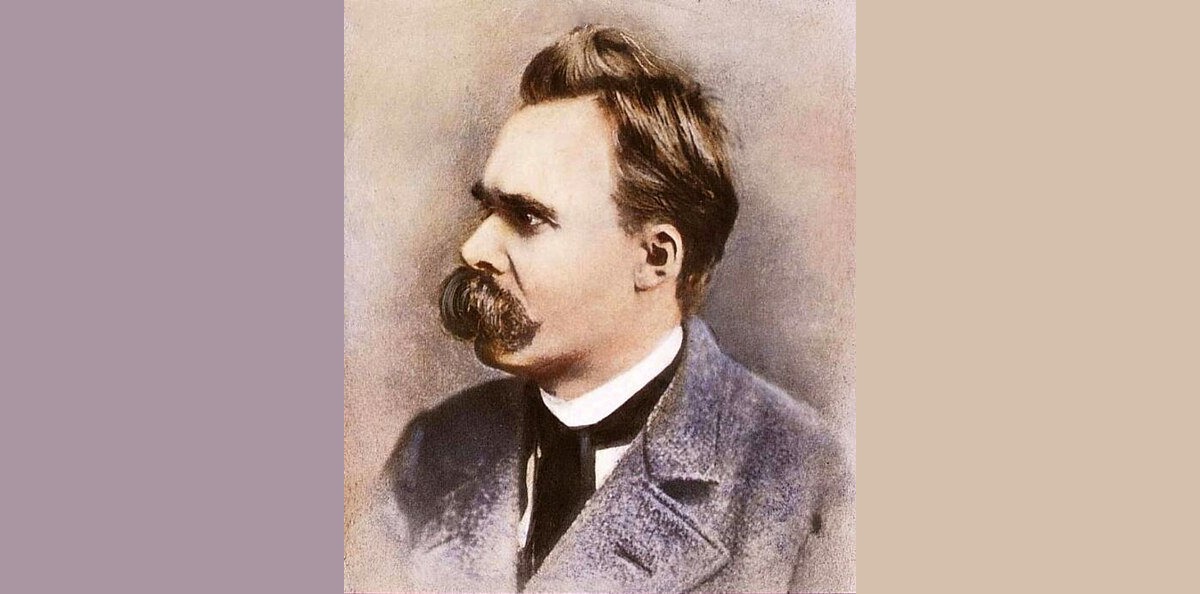
Kierkegaard taught us to take guidance from our angst, which drives leaps of faith. Nietzsche wants you to first challenge inherited norms so you can create your own values through authentic self-becoming.
Friedrich Nietzsche Read More »
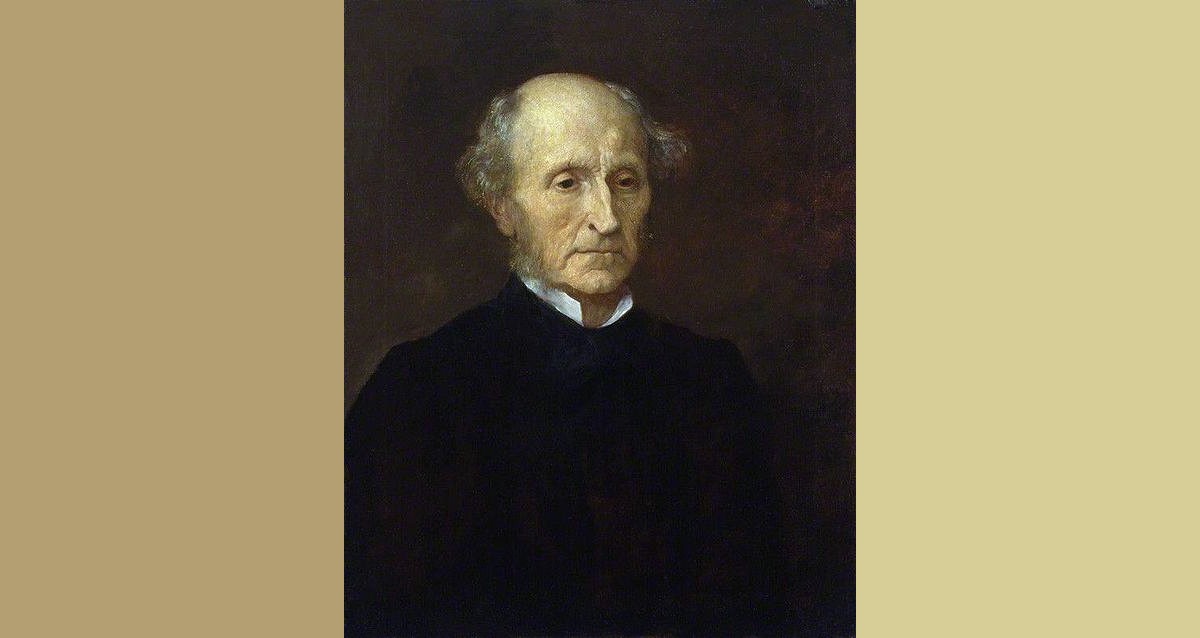
9 Generations Ago 30 Phil, Chapter 29: Mill and Utilitarianism John Stuart Mill was born on May 20, 1806, in London, to James Mill, a Scottish-born philosopher and economist, and Harriet Barrow. His Greatest Happiness Principle lies at the core of utilitarianism, advocating for actions that maximize utility, generally understood as producing the greatest well-being
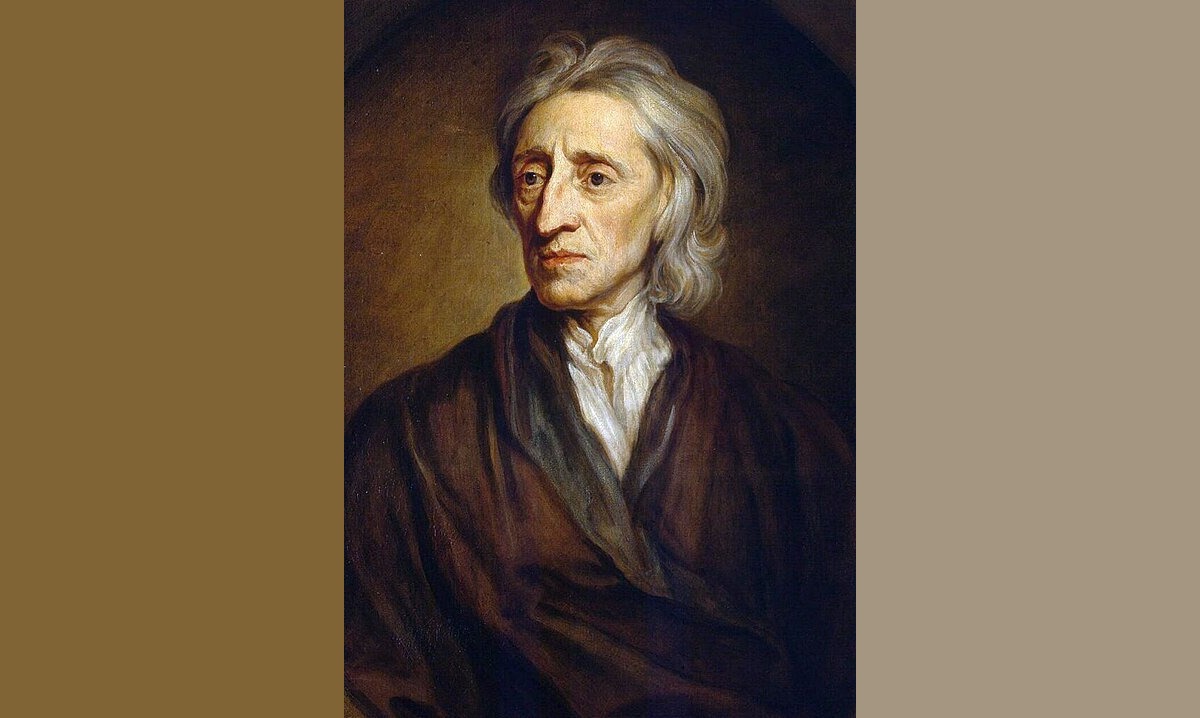
John Locke grounded human knowledge and human rights in experience rather than authority or tradition.
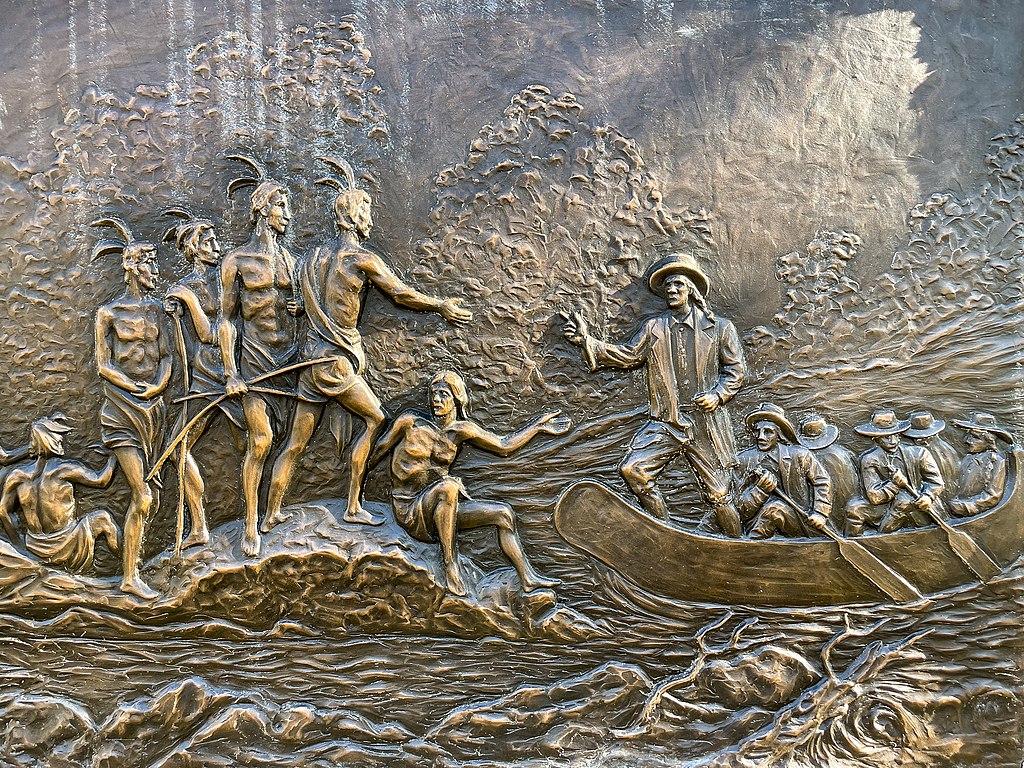
17 Generations Ago 30 Phil, Chapter 23: Roger Williams and Liberalism Roger Williams was born in England around 1602, in Smithfield, situated at the heart of London. Williams officially founded Providence Plantations in 1636 with an informal agreement with the local Native American leaders. It became the fifth American colony and the second in the
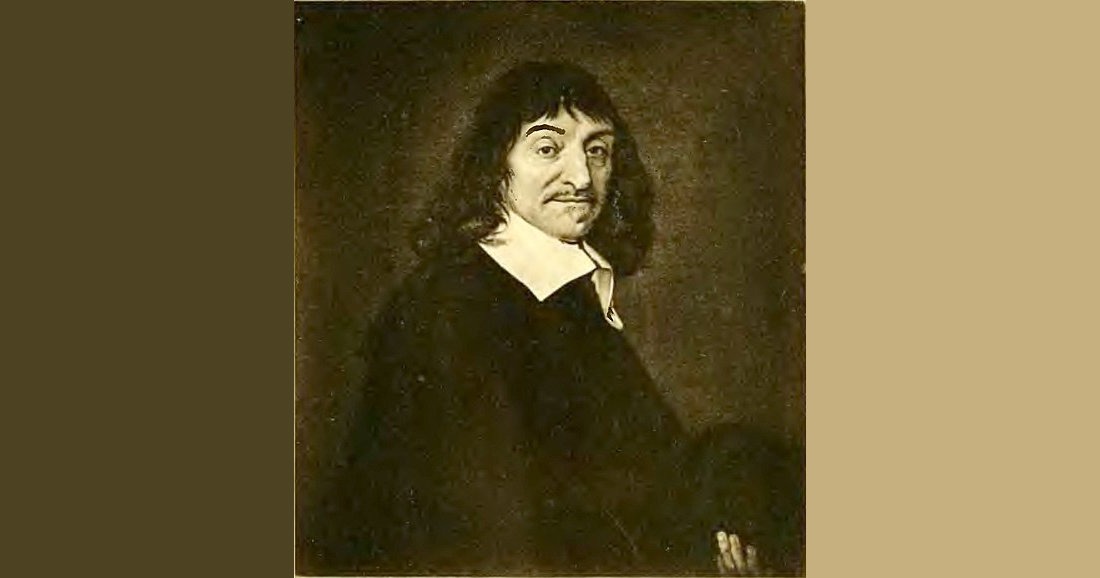
17 Generations Ago 30 Phil, Chapter 22: Descartes and Cartesian Dualism René Descartes was born into minor nobility in the Kingdom of France on March 31, 1596. In 1637, Descartes published “Discourse on the Method,” he sought to identify certain knowledge by using doubt to strip away uncertain beliefs. Cartesian Skepticism is a system of
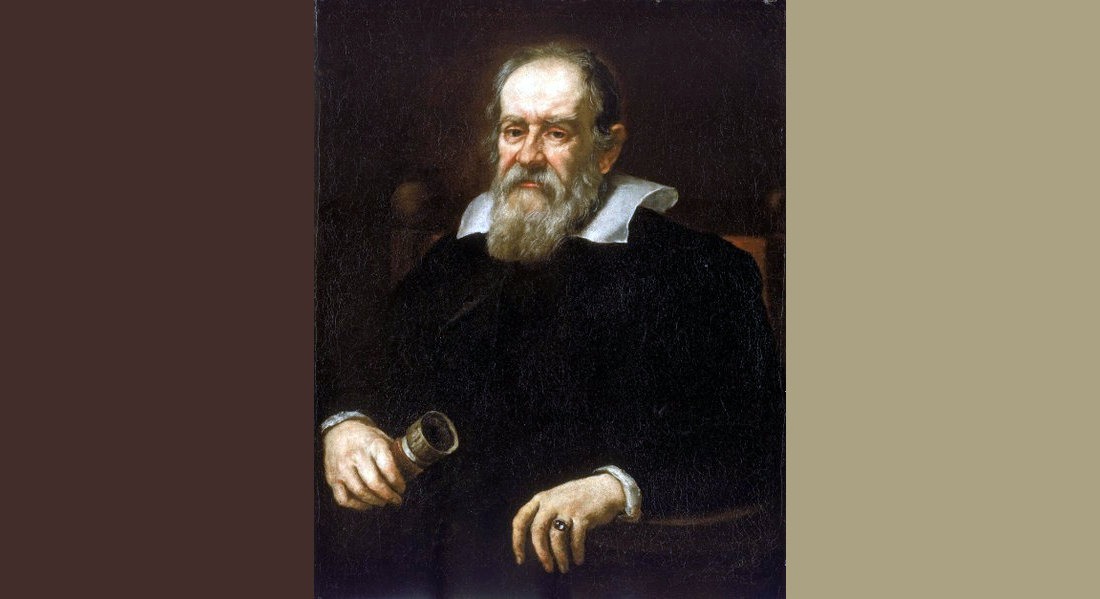
Galileo, the Father of Modern Physics, showed that careful observation and math could overturn ancient certainty.
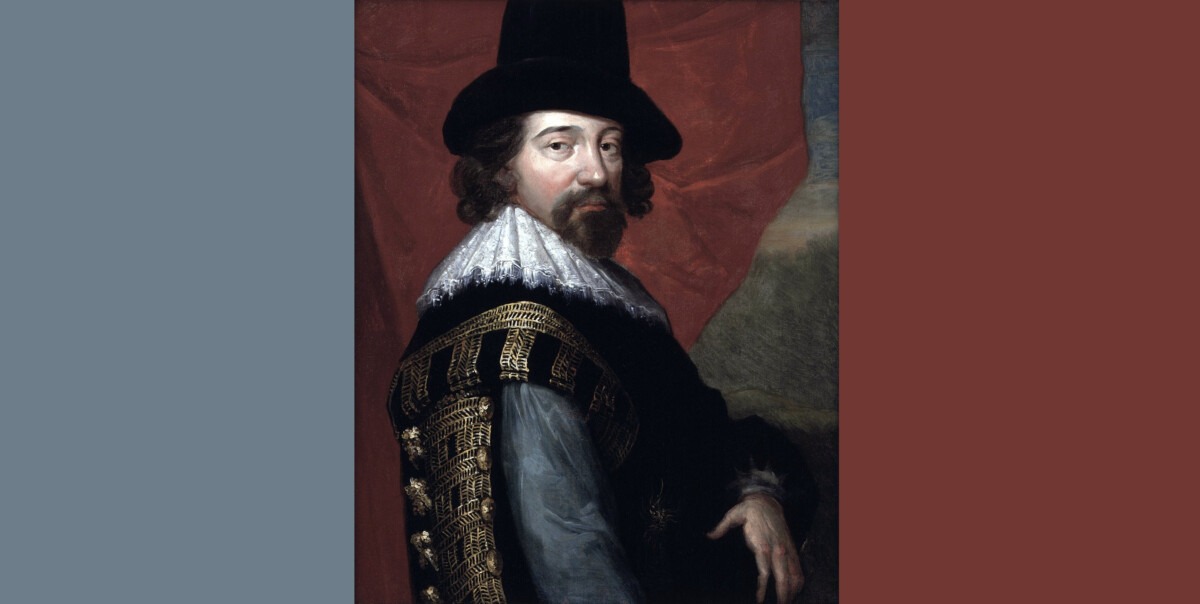
18 Generations Ago 30 Phil, Chapter 20: Francis Bacon and the Scientific Method Francis Bacon was born on January 22, 1561, in London to a prominent and influential family. The young Francis Bacon received a comprehensive education, attending the prestigious Trinity College, Cambridge, at the age of 12. Bacon is the Father of the Scientific
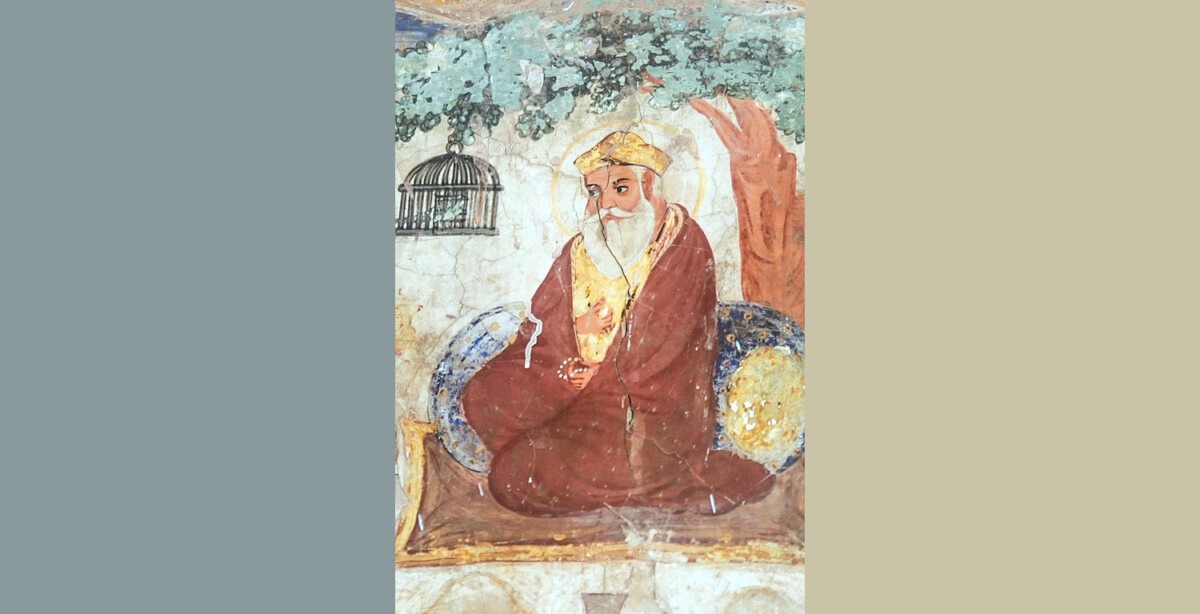
22 Generations Ago 30 Phil, Chapter 19: Guru Nanak and Sikhism Nanak was born in a village in Pakistan, on April 15, 1469. In 1499, at age 30, Nanak experienced a transformative spiritual event. While working as a storekeeper, he would often bathe in a nearby river. One fateful day, he submerged and remained missing
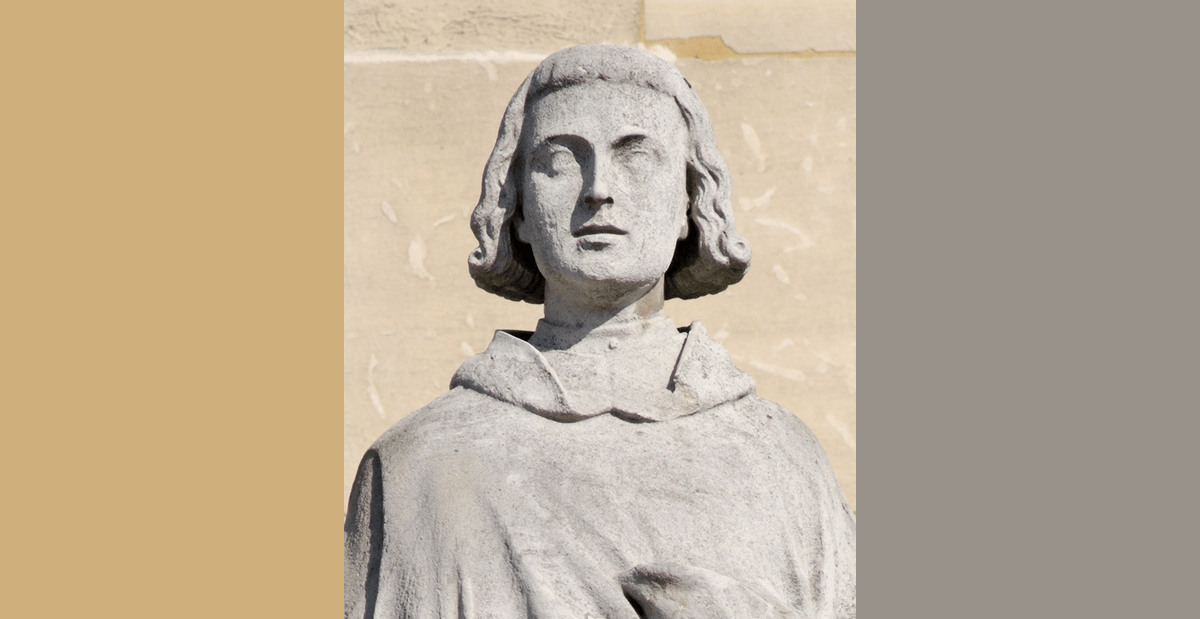
38 Generations Ago 30 Phil, Chapter 18: Peter Abelard and Universals Born in 1079 in Le Pallet, a small village in France, Peter Abelard hailed from a noble lineage. His father, a knight of the local lord, intended for his son to follow in his footsteps. Instead, Peter chose a path of knowledge. His brilliance
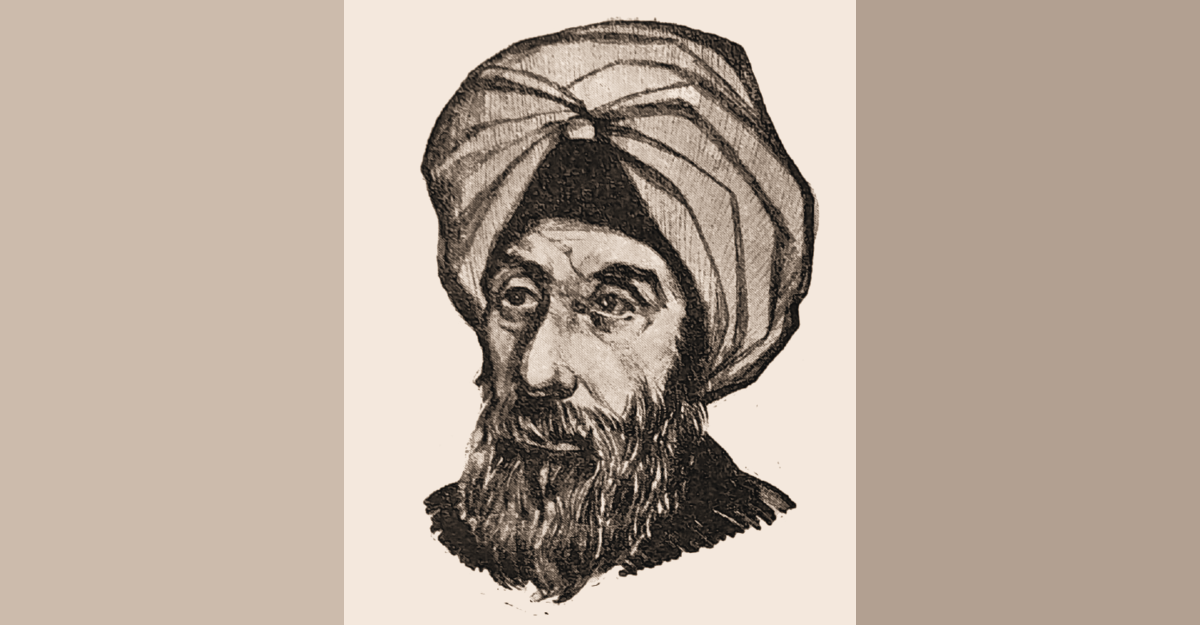
42 Generations Ago 30 Phil, Chapter 17: Alhazen and the Senses Alhazen was born in Basra around 965 CE, a city located in present-day Iraq. In his 30s, Alhazen faced the challenge of his life. He was “commissioned” to produce a solution for regulating the unpredictable and deadly flooding of the Nile. As he delved
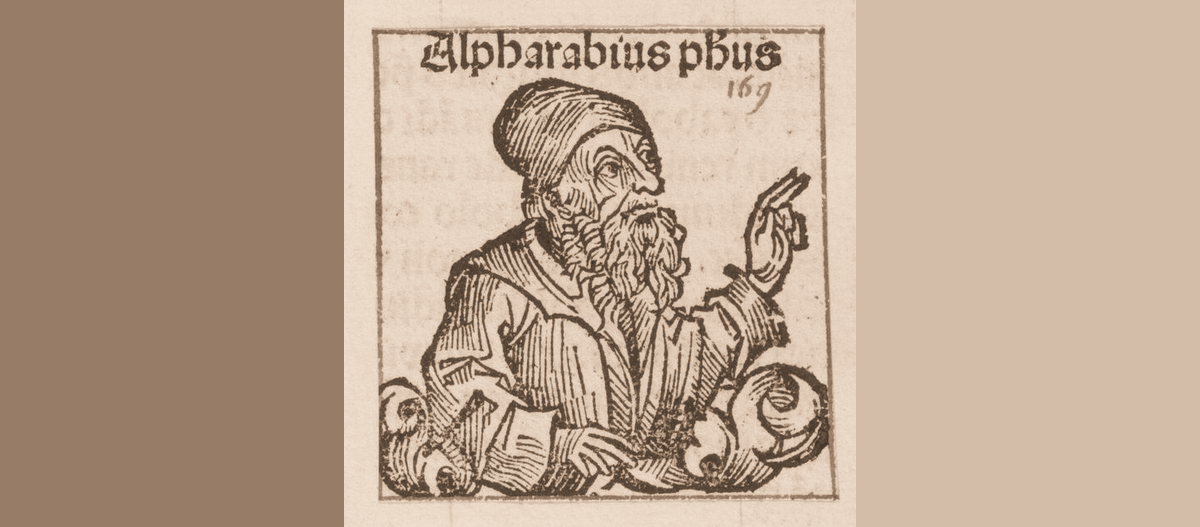
46 Generations Ago 30 Phil, Chapter 16: Al-Farabi and Intellect Al-Farabi was born along the Silk Road circa 872 CE in the city of Farab, in present-day Kazakhstan. Al-Farabi’ thought was rooted in Platonic and Aristotelian frameworks, yet it seamlessly wove in elements of Islamic thinking. He imagined an ideal society, steered by virtuous leaders