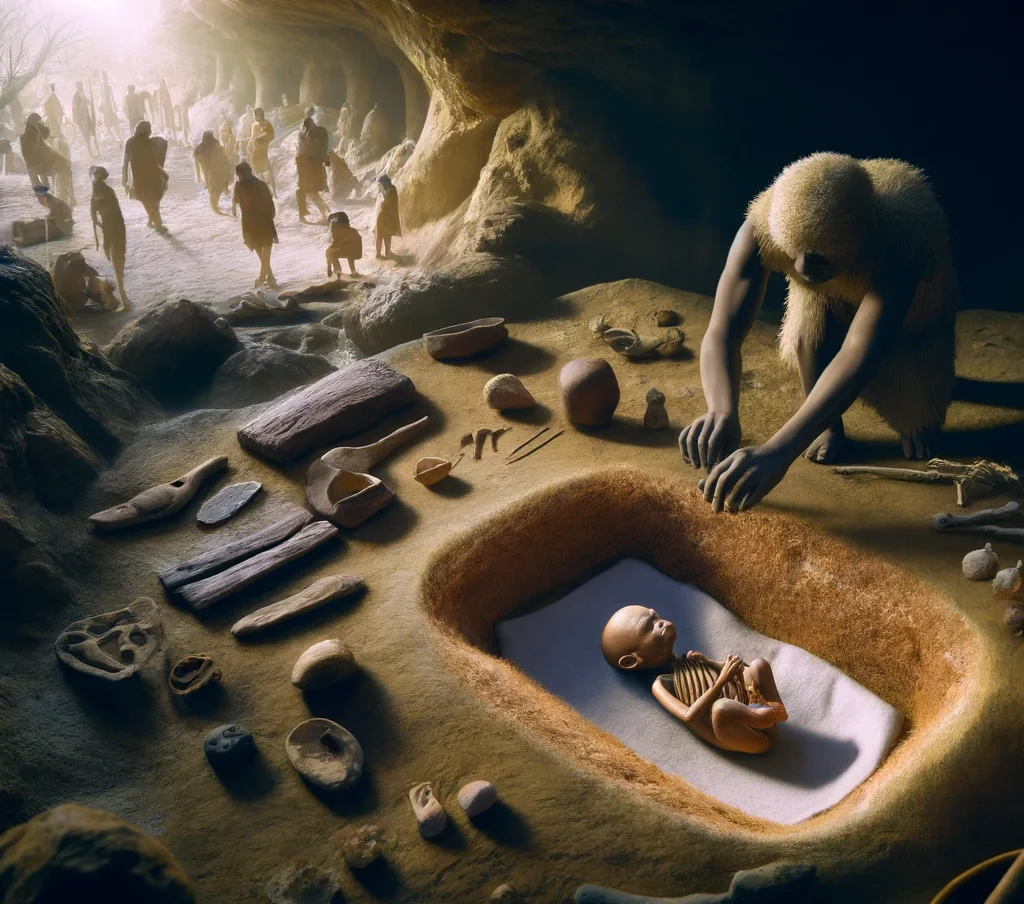
Earliest Known Prepared Burial, “Mtoto”
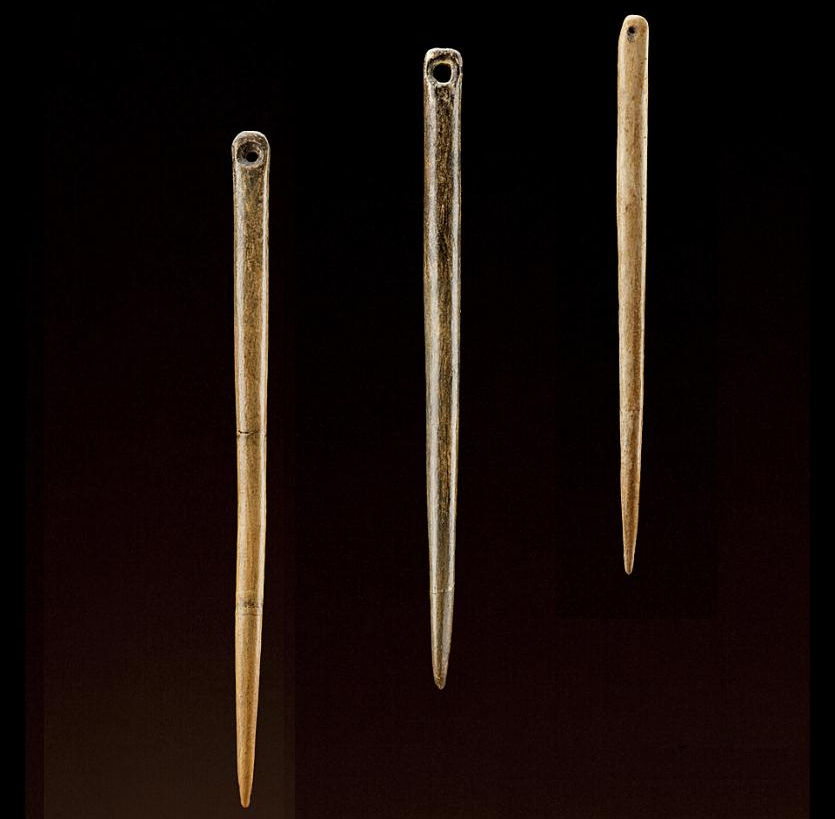
By 76,000 BCE our cognitive ability meets emotional intelligence. Is this when we started believing in one story?
Earliest Known Prepared Burial, “Mtoto” Read More »
Natural philosophy includes dividing ideas into empirical, rational, and irrational as well as understanding their philosophical context. Philosophical context includes understanding the timing of discoveries and rediscoveries as well as the philosophers behind them and their publications.
By 76,000 BCE our cognitive ability meets emotional intelligence. Is this when we started believing in one story?
Earliest Known Prepared Burial, “Mtoto” Read More »
468 Generations Ago (from 2020 CE) The Neolithic Revolution is the earliest known Agricultural Revolution. It is very likely that humans practiced forms of agriculture earlier. How much earlier? Well, without evidence, we are guessing. For convenience, anthropologists label humans as hunter-gatherers prior to the Neolithic Revolution. The fact is that the current theory states
Neolithic Revolution Read More »
2,400 Generations Ago The modern human DNA evolved sometime between 71,000 and 51,000 BCE. Imagine that. A human baby born today, and a human baby born in 60,000 BCE have nearly indistinguishable DNA. There are differences but essentially humans are the same now as they were then. The popular website 23andme.com focuses on 23 changes in
300,000 Generations Ago (from 2020 CE) Hominini Tribe: The last common ancestor with humans and the pan genus (chimpanzees and bonobos) lived around 7.5 mya. This branch of pan splits again about 1.5 mya into two species: chimpanzees and bonobos. Humans did not evolve from Chimpanzees, but both are the current evolution of a common
Chimpanzees Branch Off (CHLCA) Read More »
360 Generations Ago Earliest known permanent settlement in the Africa/Middle East zone. Jericho, located in the West Bank, Palestinian Territories, stands as one of the earliest known permanent settlements in the Africa/Middle East zone, with continuous habitation dating back to at least the 9th millennium BCE. Situated near an oasis in the Jordan Valley, Jericho’s
5 Generations Ago In 1905, radiometric dating was discovered. It is a method used to date rocks and other objects based on the known decay rate of radioactive isotopes. This technique is used to date rocks. Paleontologists regularly order discoveries in chronological order and estimate their age. Knowing the age of rocks allows paleontologists to assign known
Radiometric Dating Read More »
In 1946, Willard Libby created the method for dating organic materials by measuring their content of carbon-14, a newly discovered radioactive isotope of carbon. This dating technique provides objective age estimates within a few decades for carbon-based objects that originated from living organisms.
Radiocarbon Dating Read More »
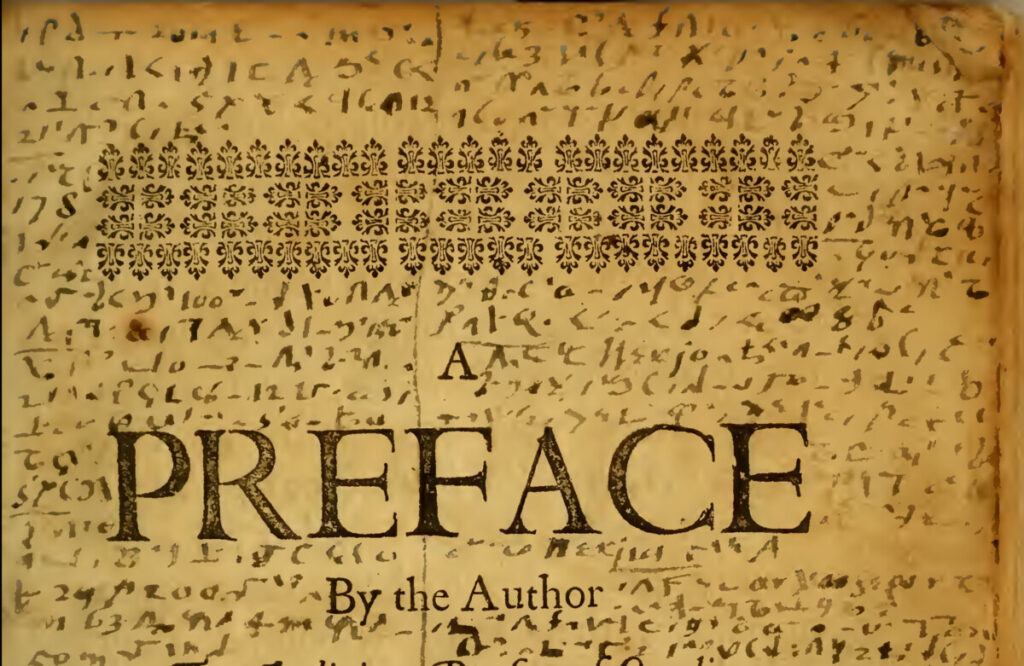
Treachery and Seduction This book was published for the first time in April 2014. At times, paper was scarce so on occasion Roger used existing books to write down his thoughts. Near the end of his life, Roger Williams scrawled an encrypted essay in the margins of a colonial-era book. This unpublished scribbles or “essay”
Roger’s Last Known Essay Read More »
After the Civil War, the 13th Amendment ended slavery as a legal institution in the United States.
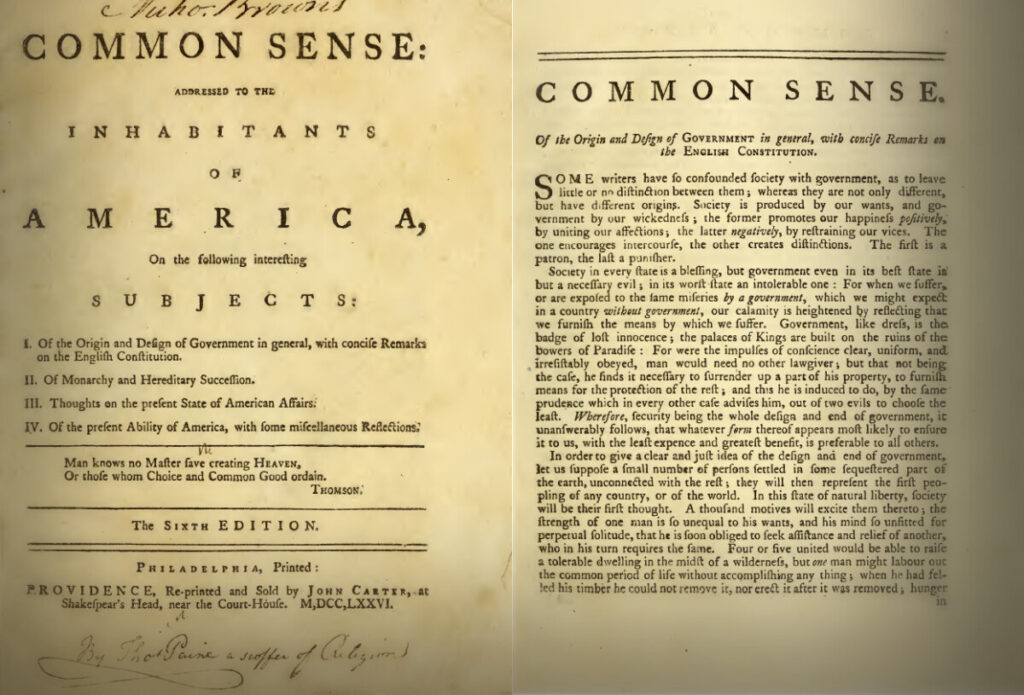
Common Sense is a pamphlet published by Thomas Paine in early 1776 advocating independence for the thirteen colonies from England. It was sold and distributed widely and read aloud at taverns and meeting places. Per capita, it had the largest sale and circulation of any book published in American history. the distinction between kings and
Common Sense by Thomas Paine Read More »
The 1689 English Bill of Rights was a precursor to our Bill of Rights and is referred to in our law. For example, it is referred to in Scalia’s Heller opinion. The bill outlined specific constitutional and civil rights and ultimately gave Parliament power over the monarchy. The monarchy cannot rule without consent of the
English Bill of Rights Read More »
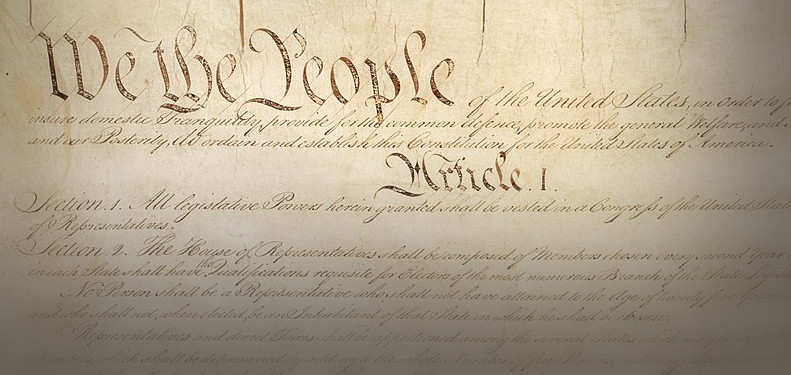
The Constitution is a merger uniting the original 13 states with different cultures and laws. Under America’s first constitution, the Articles of Confederation, the states acted together only for specific purposes. The final Constitution of 1887 united all the states as members of a whole, vesting the power of the people in a Federal government.
The Constitution of the United States Read More »
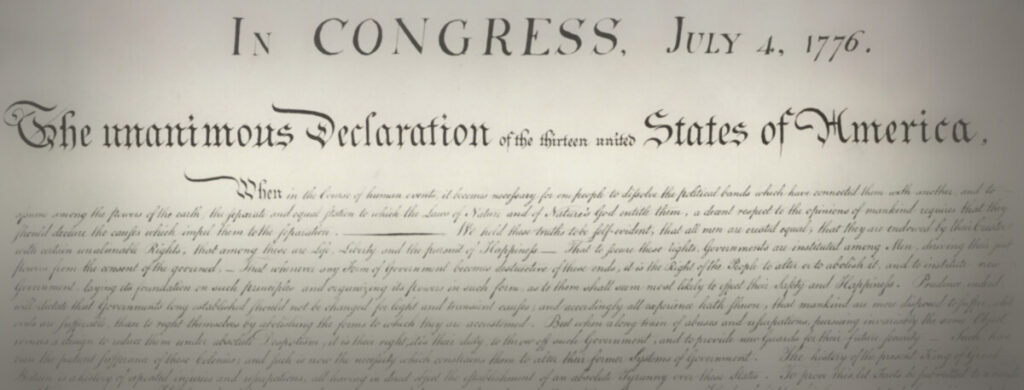
The Declaration of Independence expresses the ideals on which the United States was founded and the reasons for separation from Great Britain. The right to life, liberty, and the pursuit of happiness (among others). People have a say in their government.
Declaration of Independence Read More »
The first TRUE democracy in America. From the charter largely drafted by Roger Williams who was influenced by his mentor Sir Edward Coke who relied heavily on the Magna Carta in legal proceedings. From Roger Williams’ 1643/4 charter: …full Power and Authority to rule themselves…by such a Form of Civil Government, as by voluntary consent
Patent for Providence Plantations, Roger Williams Read More »
Less than two years after the original Magna Carta, the core of the Magna Carta was reissued in “The First Great Charter of King Henry the Third”, granted November 12, 1216–the first year of his reign. This was the first time the Magna Carta was willingly signed by a King. And, King Henry III created
The First Great Charter of King Henry III Read More »
The Magna Carta in 1215 established the following principles: everyone is subject to the law, even the King, individuals have rights, everyone has the right to justice, and everyone has the right to a fair trial. The Magna Carta recognized individual responsibility in all, including the King, and it established that the law “should” be
In 1643, Roger Williams wrote A Key Into the Language of America, A help to the language of the natives in that part of America called New England. He wrote the book mostly while on the two-month voyage to England. It was on sale by September 7, 1643. He wrote down what he learned about the
Book: A Key Into the Language of America Read More »
In 1644, Williams published The Bloudy Tenent of Persecution. Historians consider it his most famous work. He wrote Bloudy after arriving in London in midsummer 1643. It was on sale by July 15, 1644. It is a fierce attack on religious and political intolerance in both Old England and New. He advocated for free thought and belief because
Book: The Bloudy Tenent of Persecution Read More »
In July 1663, King Charles II granted a Royal Charter to the Colony of Rhode Island and Providence Plantations uniting Providence, Warwick, Newport and Portsmouth. It became the State of Rhode Island after the Revolutionary War. John Clarke, who stayed behind after Roger returned in 1654, worked hard and deserves much of the credit.
Founder, Colony of Rhode Island and Providence Plantations Read More »