
Neolithic Symbols: China
Good journalism slows the spread of error by checking what happened, who said it, and what supports it.
Neolithic Symbols: China Read More »


Natural philosophy includes dividing ideas into empirical, rational, and irrational as well as understanding their philosophical context. Philosophical context includes understanding the timing of discoveries and rediscoveries as well as the philosophers behind them and their publications.
Good journalism slows the spread of error by checking what happened, who said it, and what supports it.
Neolithic Symbols: China Read More »
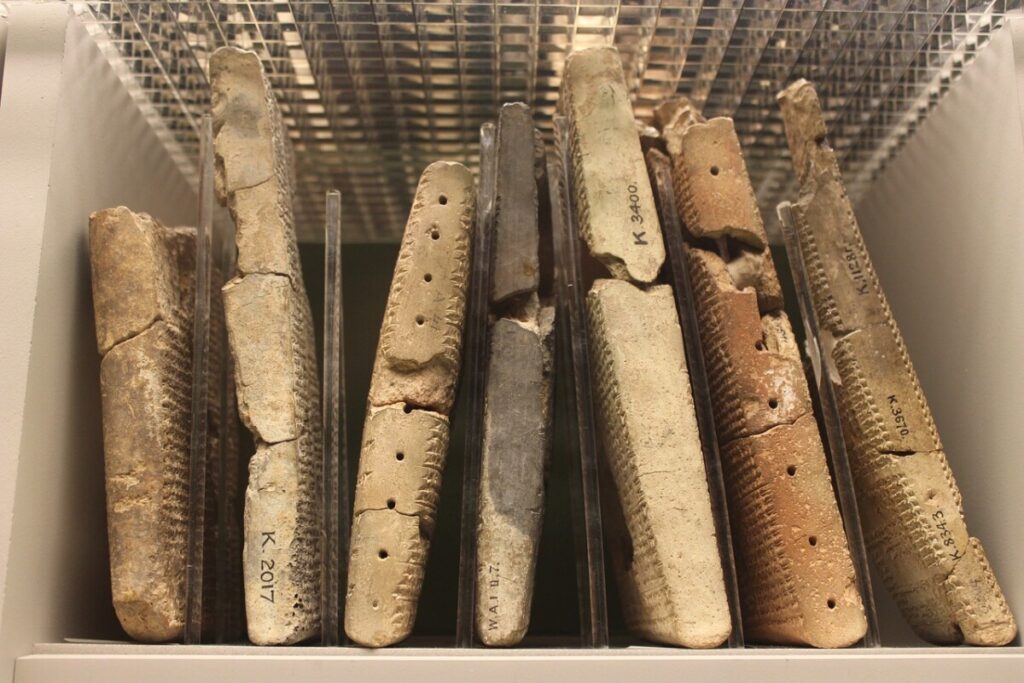
Earliest known writing in Africa/Middle East zone. Human DNA today is the same as 50,000 BCE. There is no doubt there were many dozens and perhaps thousands of civilizations prior to the Sumer civilization, but Sumer is the earliest known, or at least the earliest well known. The Sumer civilization first established between 6500 and

Stoicism is a philosophy of self-command centered on virtue while focusing your effort on what is yours to control.

Make goodness a normal part of your identity. Confucius taught that a better life begins when respect, duty, kindness, and self-discipline become normal habits.

About 3.75 billion years lived LUCA. Not first life, but the common ancestor of all life today. LUCA used DNA, had ribosomes, used ATP, and had translation machinery. It lived in high-temperature environments.
LUCA: Last Universal Common Ancestor Read More »
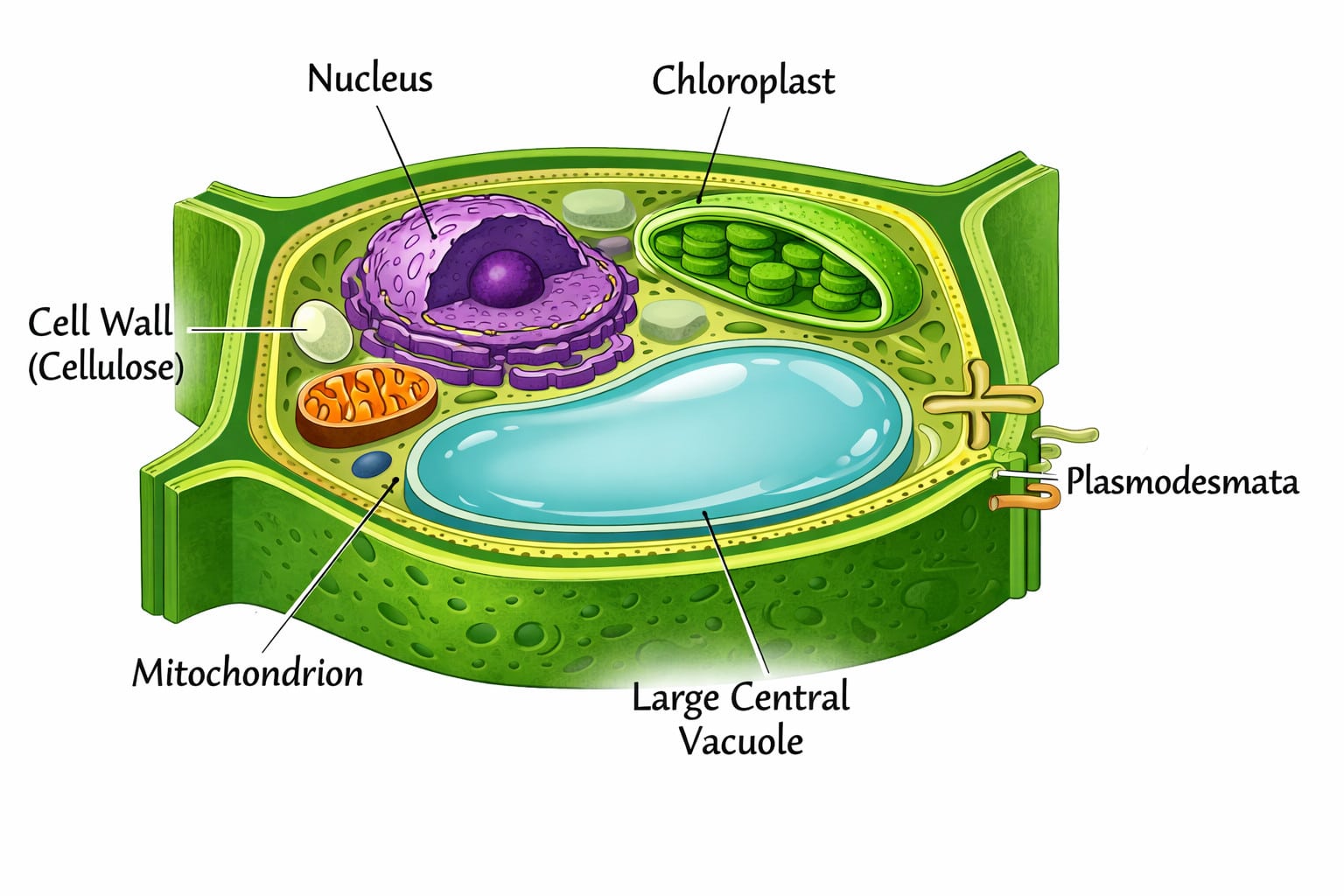
Around 1.65 billion years ago, major eukaryotic lineages diverged, setting the ancestral paths that would eventually lead to plants, fungi, and animals.
Plant Ancestors Split from Animal and Fungi Ancestors Read More »

The earliest known man made glass dates back to circa 3500 BCE and to Egypt and Eastern Mesopotamia. Discovery of glassblowing around 1st century BC was a major breakthrough in glass making.

Starting in 1931 with the invention of the electron microscope, the nanoworld became visible to us. The nanoworld contains items as small in diameter as 1 micrometer (1 micron) to a diameter 1,000 times smaller, a diameter of 1 nanometer. The nanoworld includes the smallest single celled organisms, the smallest bacteria as well as viruses,
Electron Microscope = Nanoworld Discovered! Read More »

With the invention of the microscope, humanity became aware of the microworld which is defined as 1 to 1000 microns. A micron is equal to one thousands of a millimeter. A cell is about 10 microns wide. Paper is about 100 microns thick. The unaided human eye can see items as small as 50 microns,
Microscope Invented = Microworld Discovered! Read More »
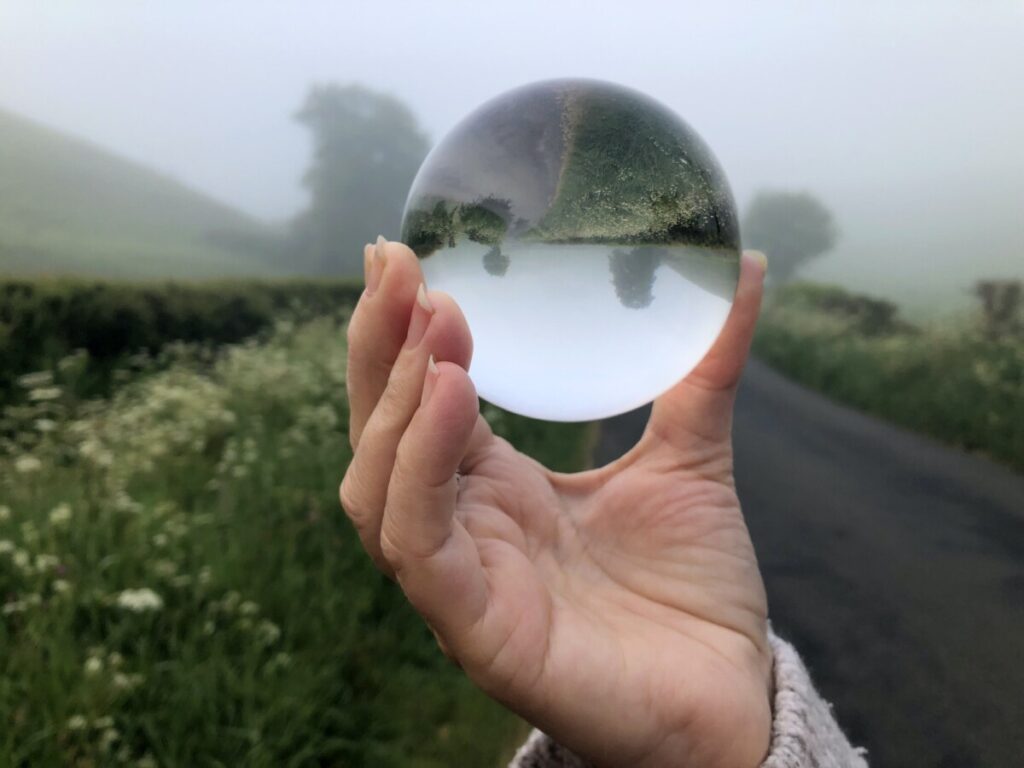
The earliest known magnification dates back to the first century. These simple early magnification devices consisted of using natural crystals or a glass globe filled with water. It is reasonable to assume the use of natural crystals for magnification was around for many thousands of years. One possible specimen is the Nimrud lens dating back
Earliest Known Magnification Read More »

Hinduism, one of the world’s oldest religions, emerged around 1100 BCE, several centuries after the Indus Valley Civilization collapsed. Hinduism has no known roots in the IVC, but it’s a topic to follow as we uncover clues. There was a several century gap from the collapse of the IVC to the rise of the early
Major Religion: Hinduism Read More »
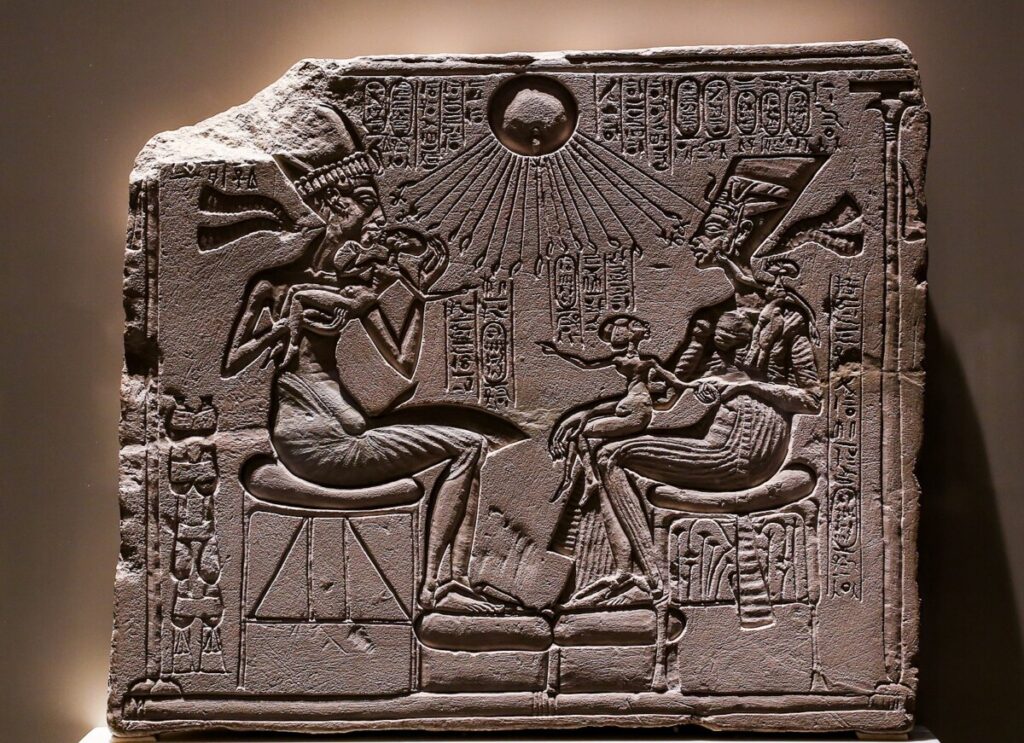
In the ninth year of the reign of Akhenaten, he declared the traditional supreme God Aten to be the only God of Egypt with himself as the sole communicator to Aten, kind of like an early Pope. This early attempt at monotheism failed after about 20 years and Egypt returned to their traditional polytheistic religion.
Oldest Known Monotheistic Religion: Atenism Read More »
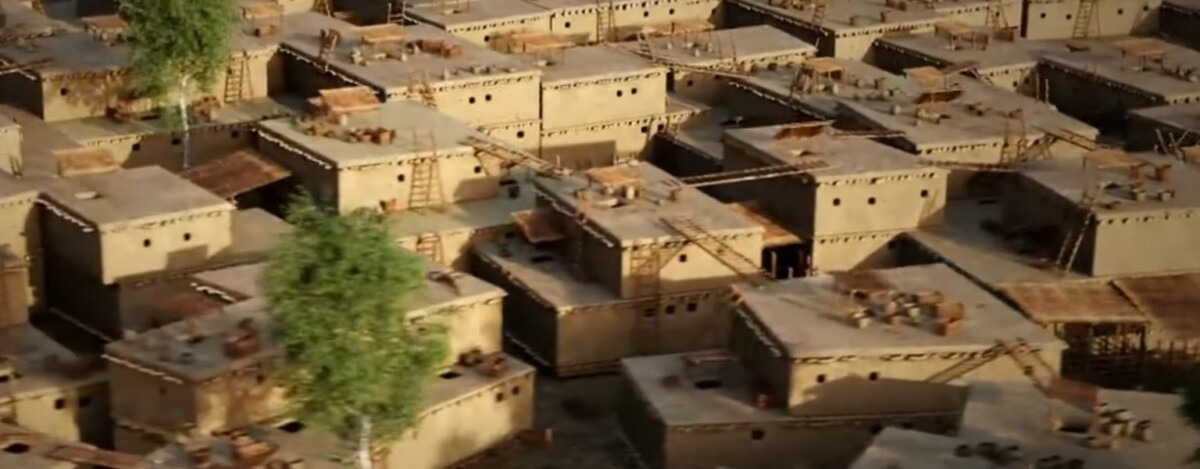
The city of Çatalhöyük was a very large Neolithic city in the southern Anatolia peninsula in modern day Turkey. The population of 5,000 to 10,000 lived in mudbrick buildings. Some of the larger buildings have ornate murals. A painting of the village, with the twin mountain peaks in the background is frequently cited as the
City of Catalhoyuk Read More »
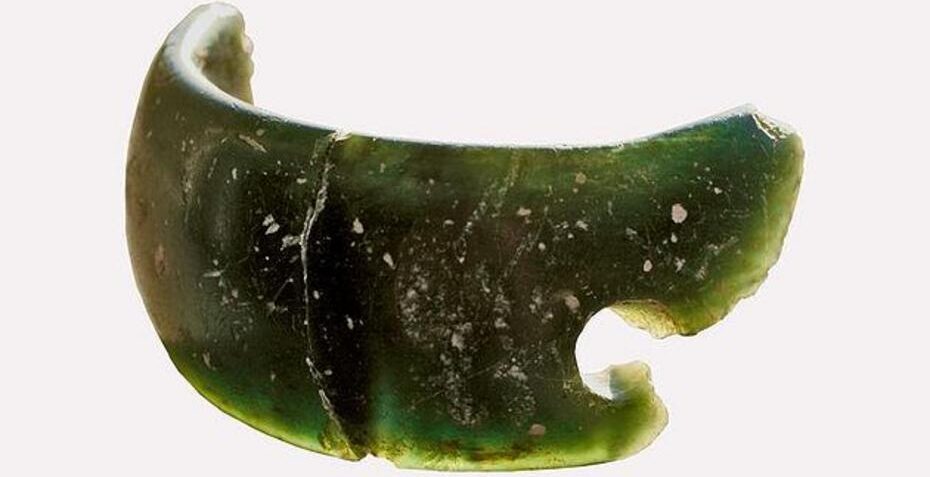
Denisovan: This bracelet dates from 70,000 to 40,000 BCE. It was discovered inside the Denisova Cave beside ancient human remains. The Denisova Cave is a cave located in Siberia, Russia. Other cave finds include woolly mammoth and woolly rhino bones. Scientists say there is evidence that the bracelet’s maker used a drill. This is the
Oldest Known Bracelet Read More »
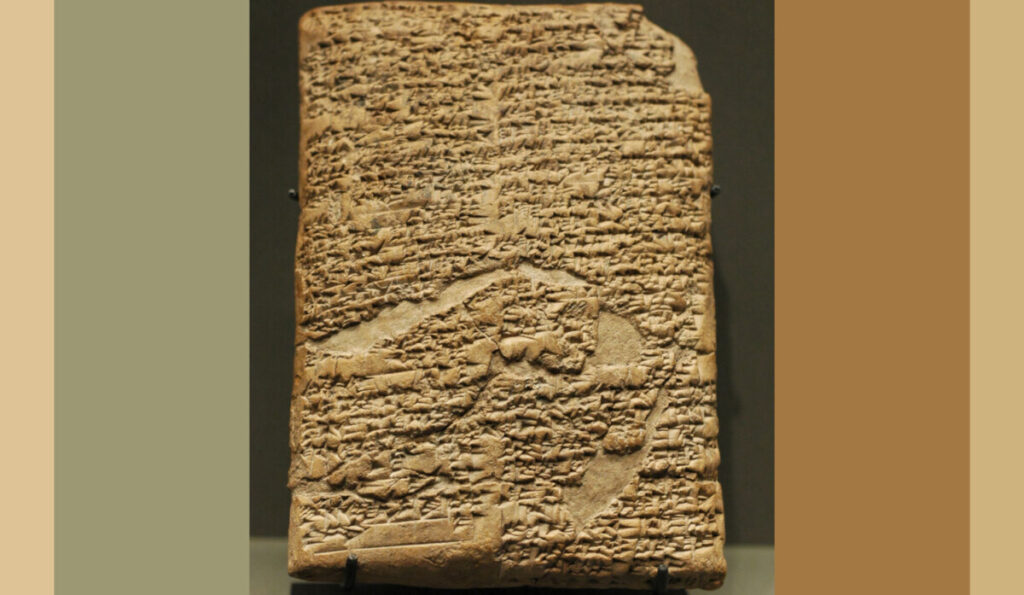
The Code of Hammurabi shows one of humanity’s early attempts to turn power into public law: written rules, visible standards, and punishments tied to social order.
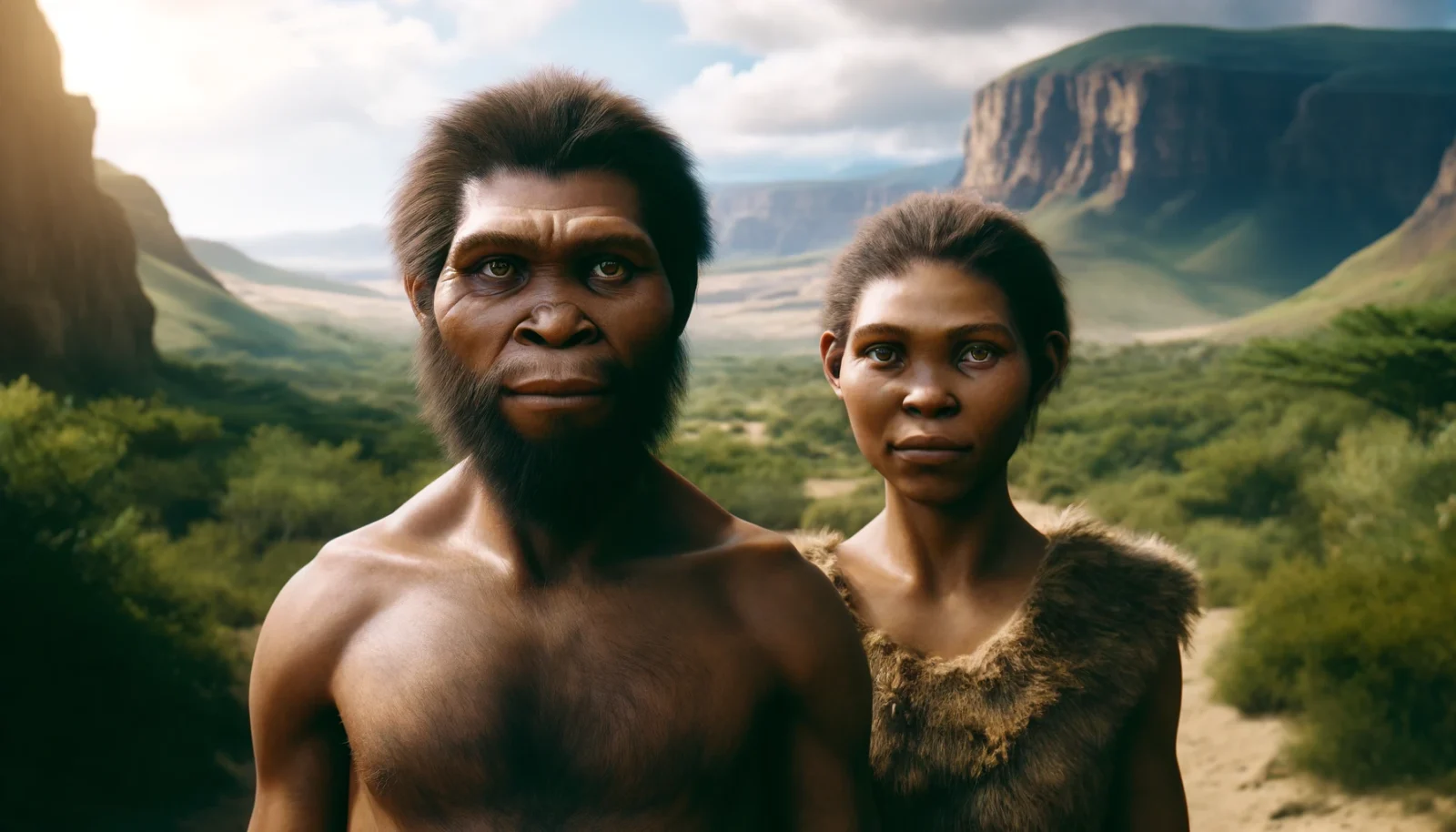
7,000 Generations Ago All humans today share a single grandma, circa 175,000 BCE. We know this because all humans alive today share our ancestor’s haplogroup L genes — from our X chromosome. She was one of many thousands of women living in eastern Africa. Many maternal lines survived for many generations but ultimately over time
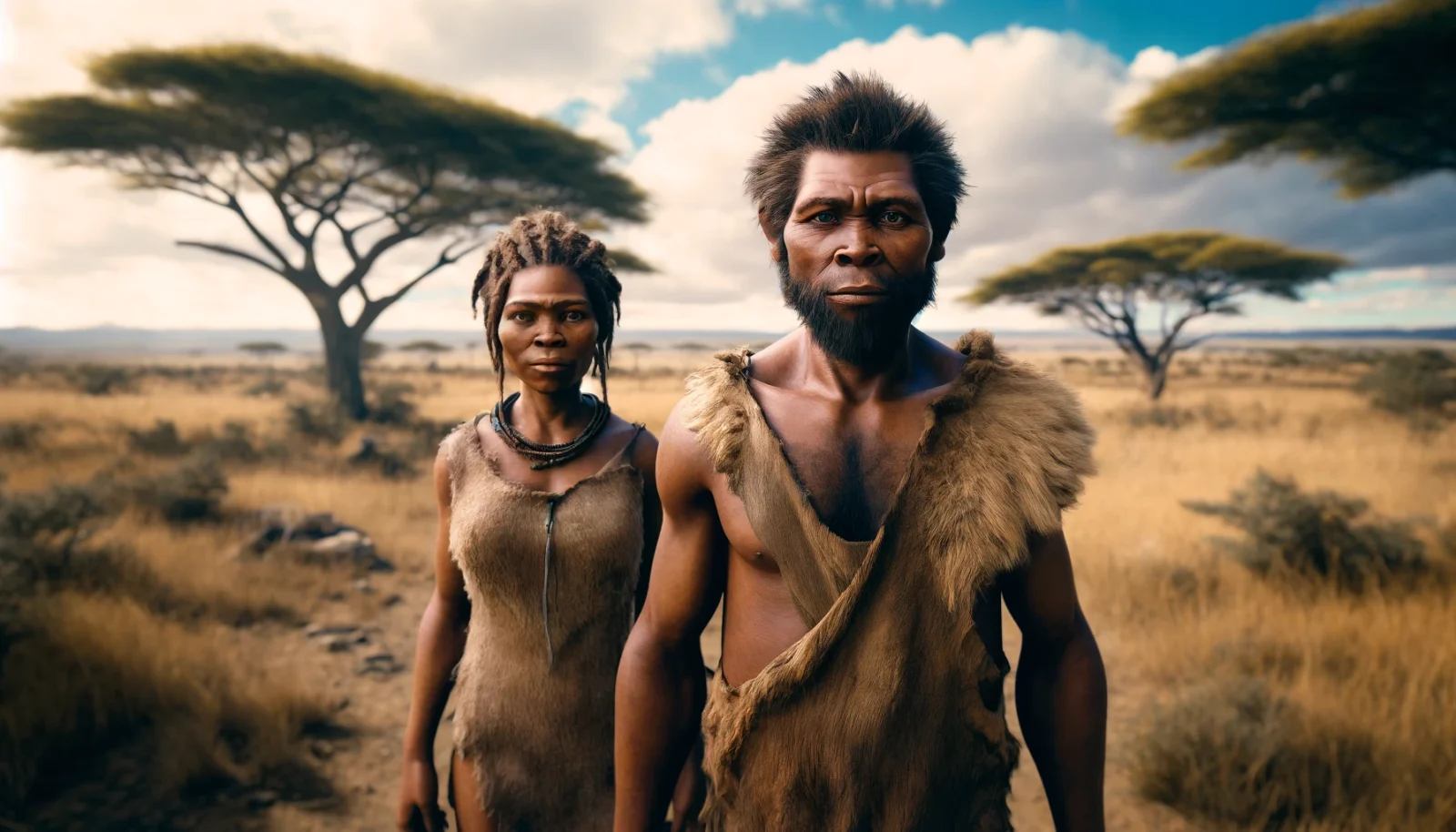
11,000 Generations Ago All humans today share a single grandpa, circa 275,000 BCE. We know this because all humans alive today share our ancestor’s haplogroup A genes — from our Y chromosome. He was one of many thousands of men living in eastern Africa. Many paternal lines survived for many generations but ultimately over time
Adam: Haplogroup A Read More »
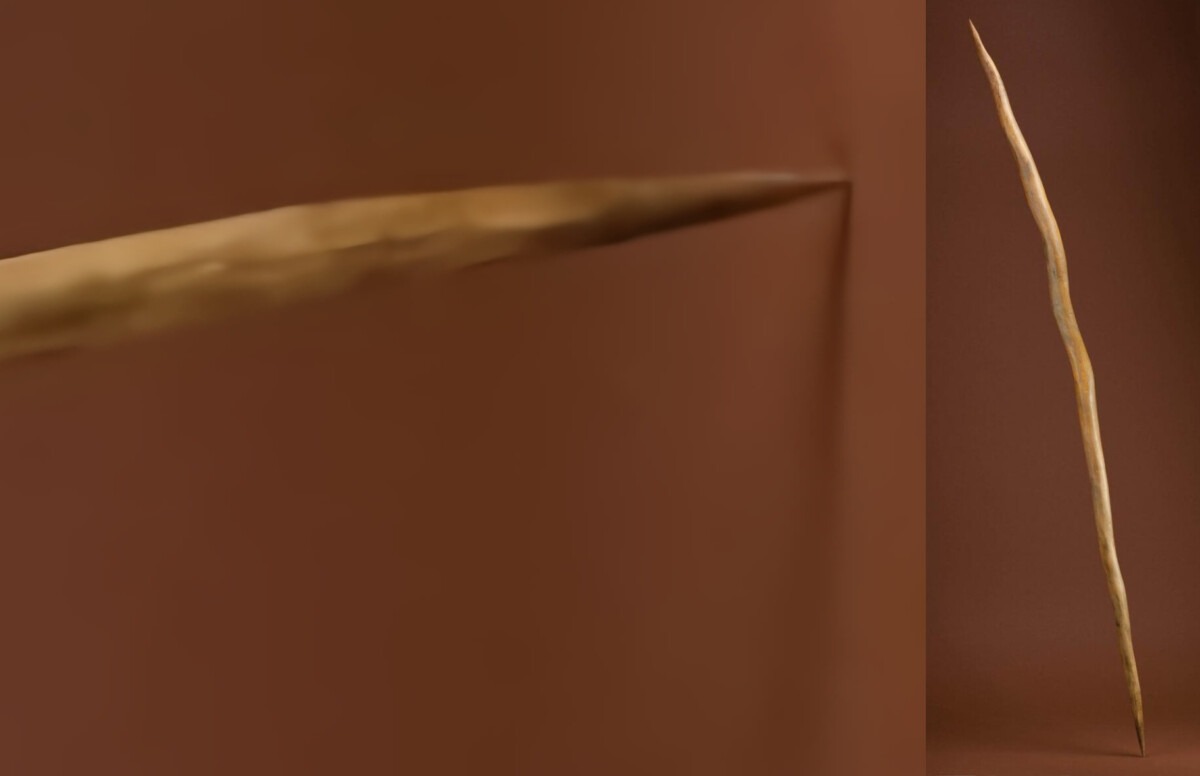
14,000 Generations Ago Homo heidelbergensis: Long spears made hunting large animals more safe. The oldest wooden spears found so far were found in Germany and dates to circa 400,000 BCE. In fact, they are currently the oldest known wooden artifacts. The find included 3 wooden spears, stone tools, and the butchered remains of more than
Oldest Surviving Spear Read More »
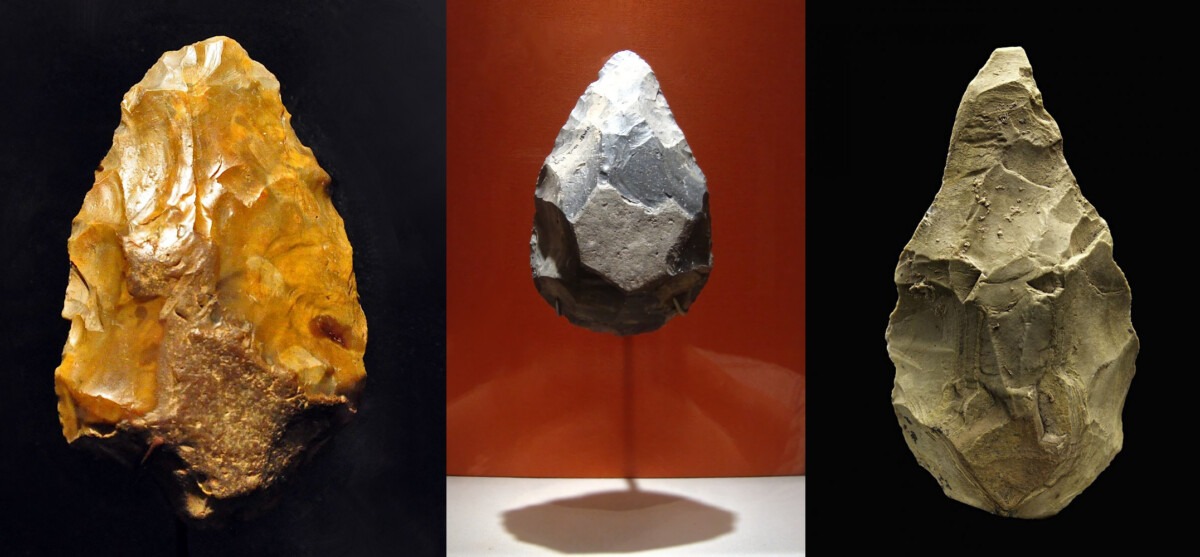
70,400 Generations Ago (from 2020 CE) By about 1.76 million BCE, early humans began to create hand axes. They would strike really large flakes, then continue to shape them around the edges. On the right, the hand axe pictured dates to circa 1.1 million BCE. It was found at Isampur, India.
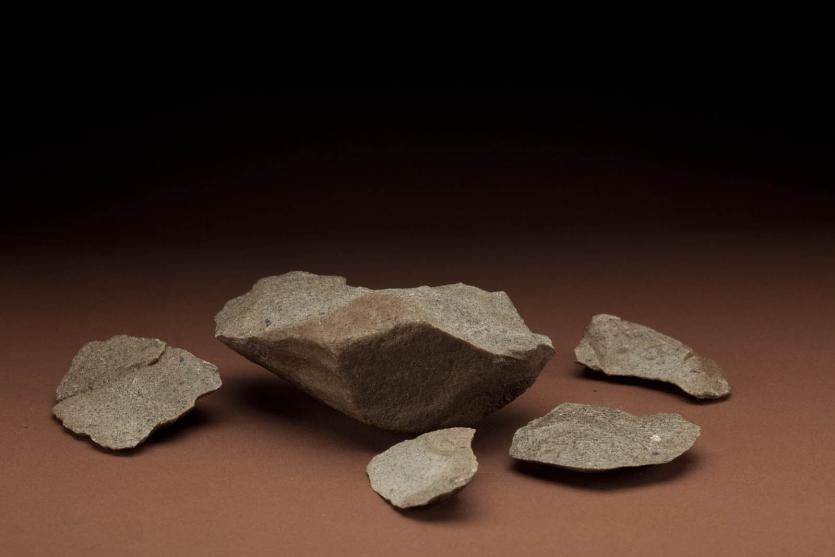
The earliest known stone tools date back to at least 3.3 million years ago. They are identified by their purposeful flaking patterns, sharp edges, and location with other more identifiable artifacts or fossils. They are then verified with microscopic analysis confirming repetitive use.