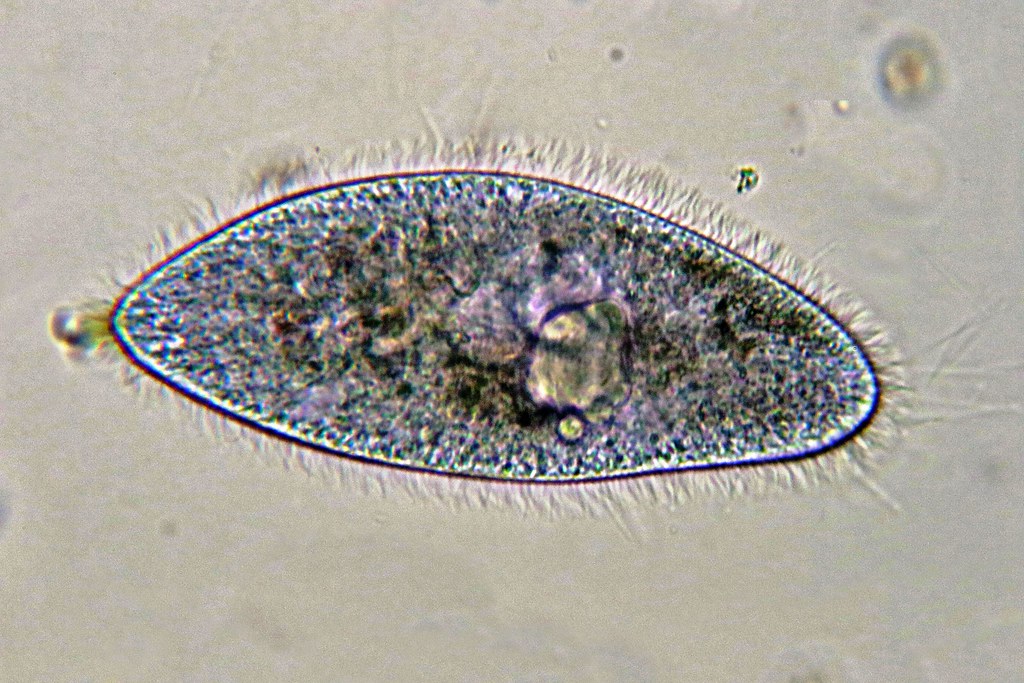
Touch: Life Learns to Feel Force
About 3.72 billion years ago, right after LUCA, when cells emerged, touch became the most ancient form of biological sensing: required to physically navigate reality.
Touch: Life Learns to Feel Force Read More »


About 3.72 billion years ago, right after LUCA, when cells emerged, touch became the most ancient form of biological sensing: required to physically navigate reality.
Touch: Life Learns to Feel Force Read More »
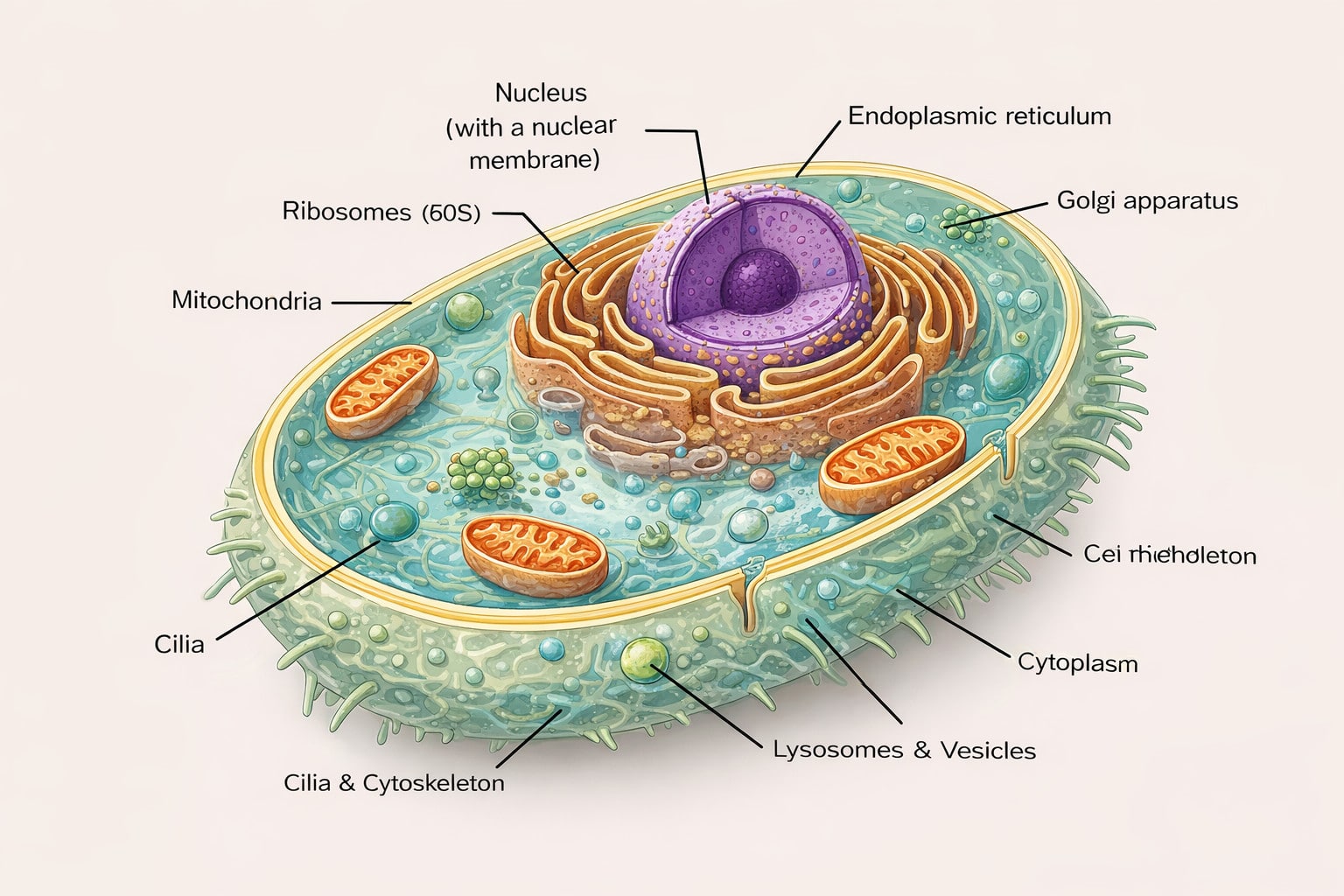
All life today are either Prokaryote or Eukaryote. Around 2 billion years ago, Eukaryotes evolved from Prokaryotes. The evolutionary leap to eukaryotes introduced cells with a nucleus and membrane-bound organelles, a complex architecture derived from prokaryotic predecessors through endosymbiosis. This process, crucial for eukaryotic evolution, involved the incorporation of prokaryotic cells into the cytoplasm of
The First True Eukaryotes Read More »
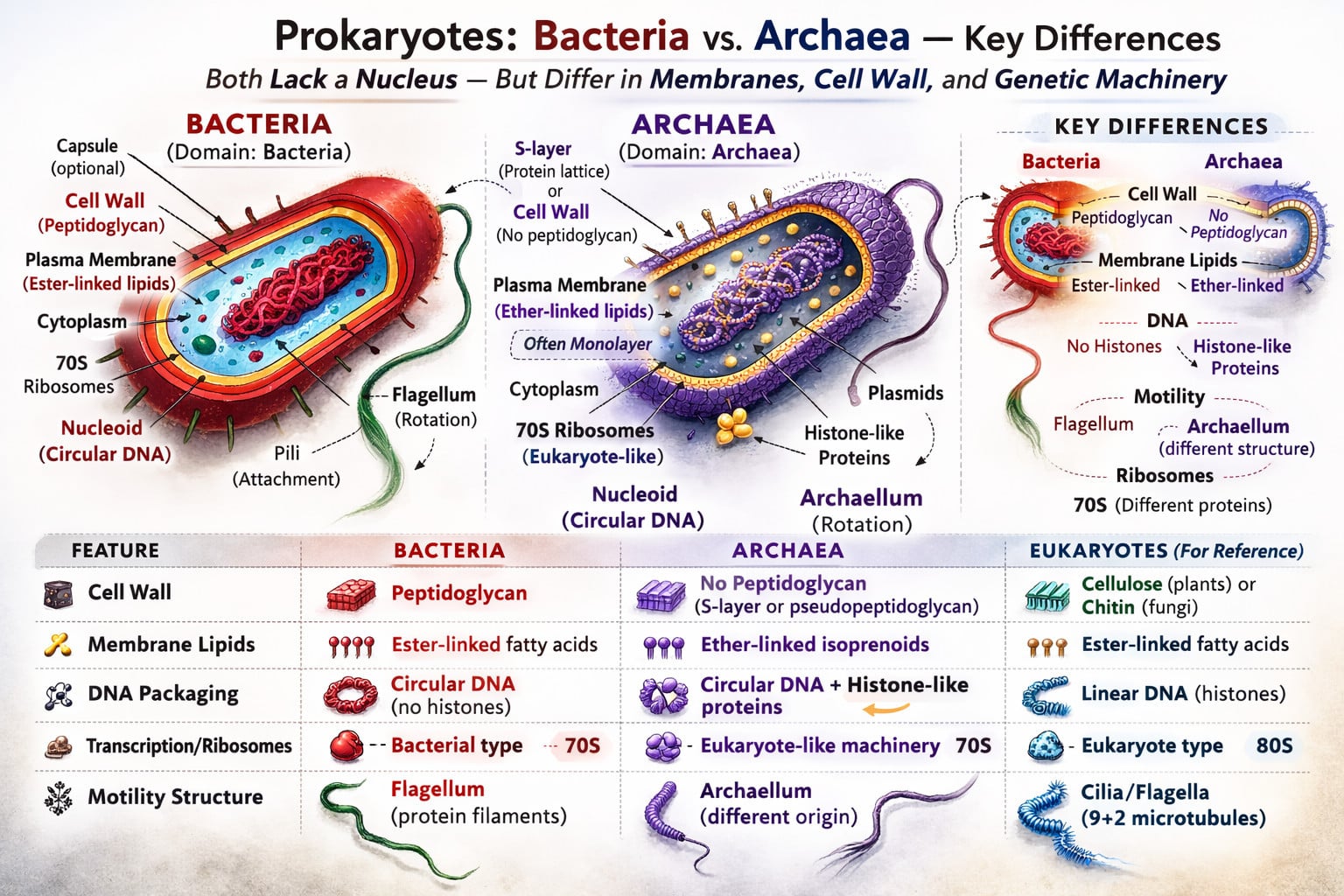
Prokaryotes are nucleus-free cells that include both bacteria and archaea — the two lineages that split shortly after LUCA.
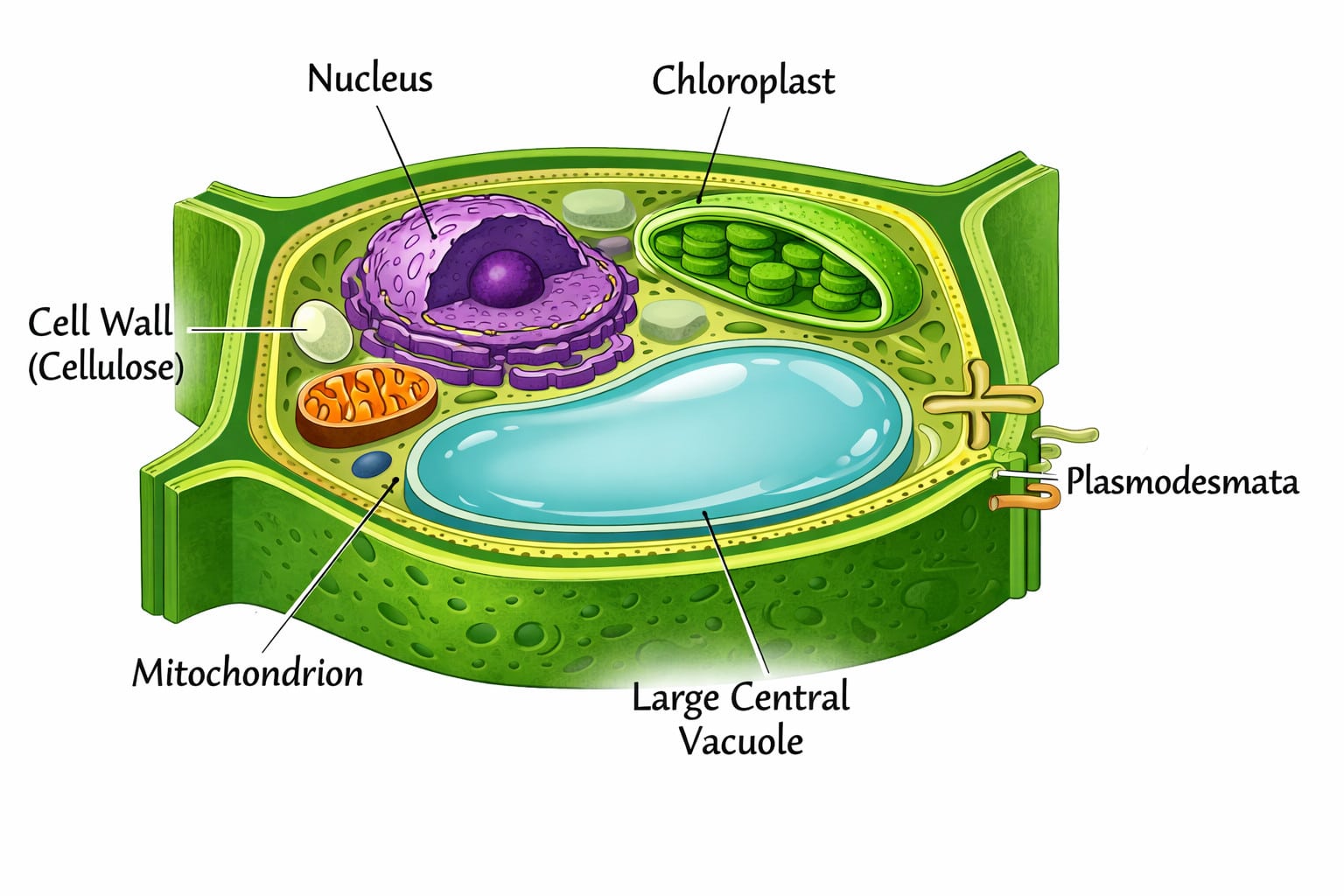
Around 1.65 billion years ago, major eukaryotic lineages diverged, setting the ancestral paths that would eventually lead to plants, fungi, and animals.
Plant Ancestors Split from Animal and Fungi Ancestors Read More »
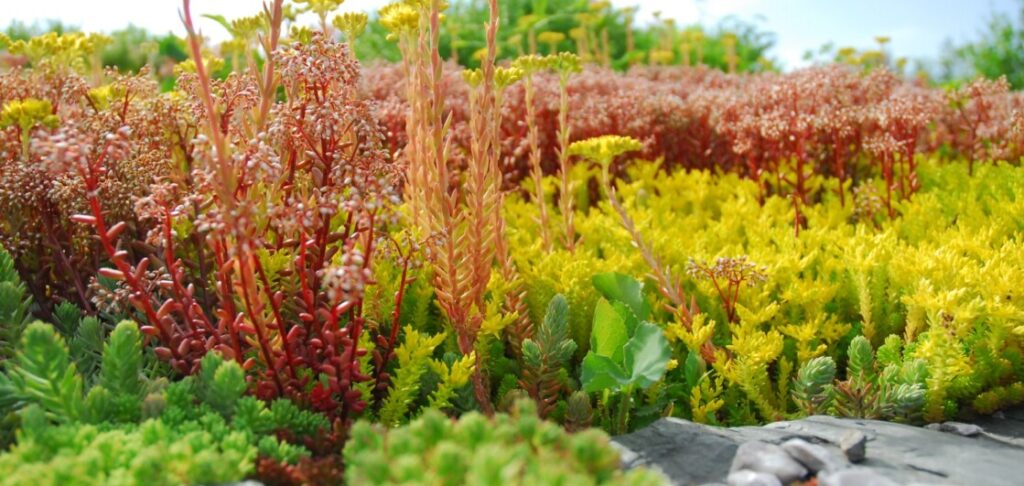
Around 470 million years ago, plants evolved a waxy cuticle to prevent water loss; only later did water-transporting vascular systems evolve.
Embryophytes: First True Plants Read More »