Explore Science-first Philosophy

Pre-LUCA Evolution

The Pre-LUCA Evolution Timeline

Second Atmosphere: Carbon Dioxide & Nitrogen

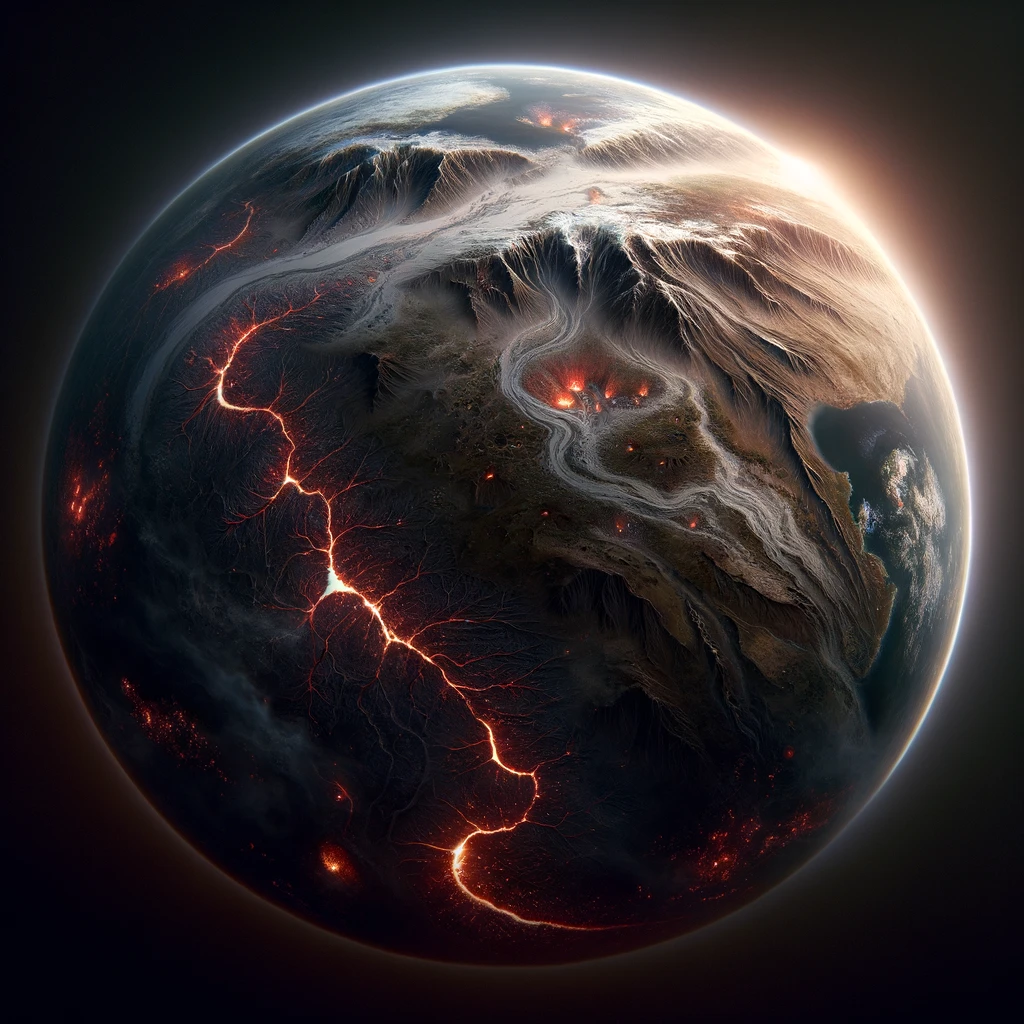
Deep orange or reddish-brown atmosphere: The second atmosphere’s formation was crucial and occurred just before or alongside the formation of Earth’s oceans, which directly supported the evolution of organic molecules and prebiotic microenvironments. The second atmosphere began to develop around 4.5 to 4 billion years ago, as volcanic outgassing released gases trapped in the Earth’s […]

Second Atmosphere: Carbon Dioxide & Nitrogen Read More »
First Atmosphere: Hydrogen & Helium

Likely white or grayish atmosphere: The first atmosphere developed first but was not directly involved in the development of life. The first atmosphere formed shortly after Earth’s formation around 4.5 billion years ago. This initial atmosphere was primarily composed of hydrogen and helium, the lightest and most abundant elements in the universe, which were captured from

First Atmosphere: Hydrogen & Helium Read More »

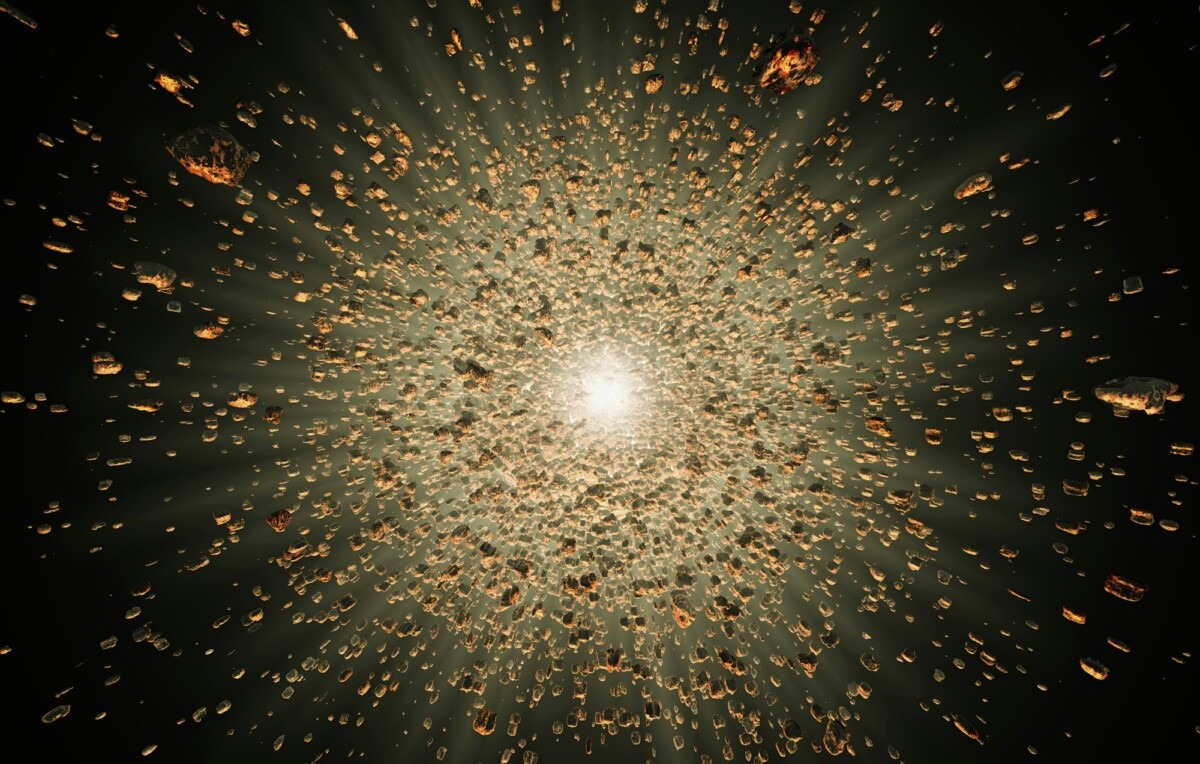
debris of a stellar explosion, 3d illustration

Interstellar Clouds: Organic Molecules

The synthesis of simple organic molecules such as formaldehyde (H₂CO), methanol (CH₃OH), and simple hydrocarbons in the dense molecular clouds of the interstellar medium occured once sufficient carbon was present. This process has been ongoing for billions of years but became more prevalent as the universe aged and more carbon became available. Big History Thresholds:

Interstellar Clouds: Organic Molecules Read More »

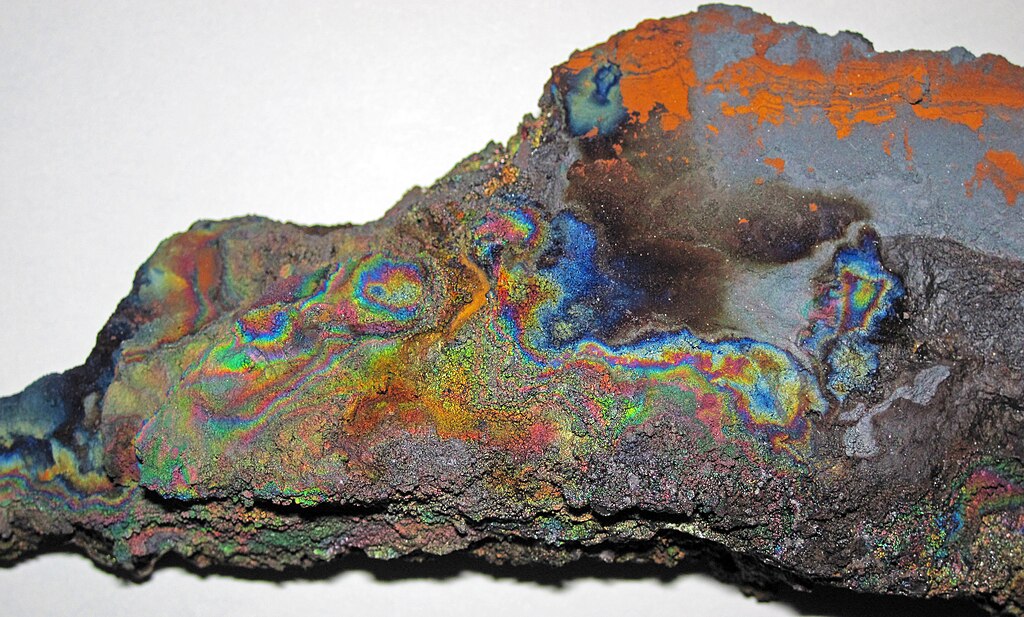
Inorganic Precursors to Organic Molecules

The chemical evolution from inorganic precursors to organic molecules is a fascinating story of transformation driven by Earth’s dynamic early conditions and possibly assisted by the input from space in the form of meteorites rich in organic compounds. During this period, the Earth witnessed a series of complex chemical reactions facilitated by its primordial atmosphere,

Inorganic Precursors to Organic Molecules Read More »

Geyser in Yellowstone National Park

Formation of Prebiotic Microenvironments

Alongside or following the chemical evolution of organic molecules, the formation of prebiotic microenvironments, such as hydrothermal vents or warm little ponds, provided niches where concentrations of organic molecules could interact. These environments could have been crucial for the assembly of complex organic molecules and the initiation of catalytic cycles.

Formation of Prebiotic Microenvironments Read More »

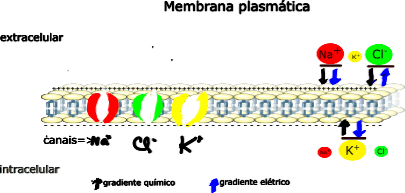
Cellular Membranes

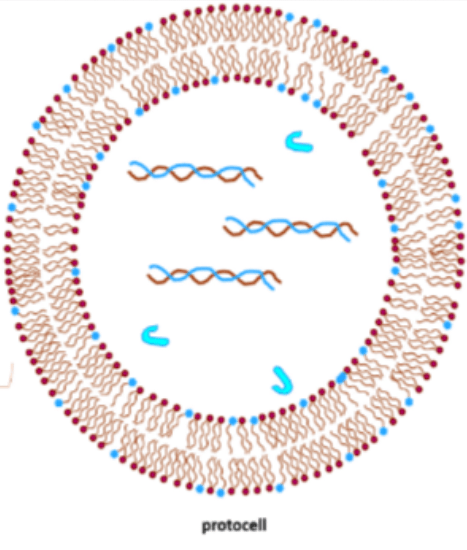
The formation of cellular membranes represents a pivotal development in the pre-life world, enabling the creation of defined boundaries for primitive cells. These membranes, likely formed from simple lipid bilayers, provided a controlled environment for chemical reactions and played a critical role in the emergence of the first cell-like structures, distinguishing them from their surrounding

Cellular Membranes Read More »

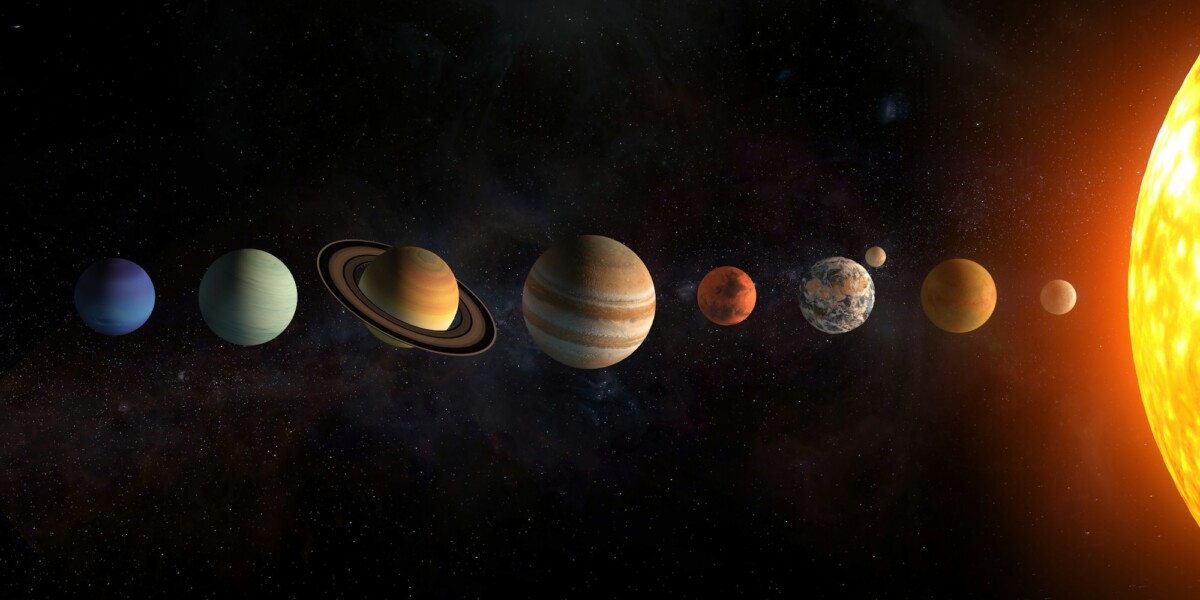
Solar system planets set. The Sun and planets in a row on univer

Earth is Born

The Earth and the other planets formed 4.5 billion years ago from the same cosmic cloud—the primordial material which gave birth to the Sun. The dust and comets—the rocks—were composed largely of hydrogen, ice, carbon, and nitrogen.

Earth is Born Read More »

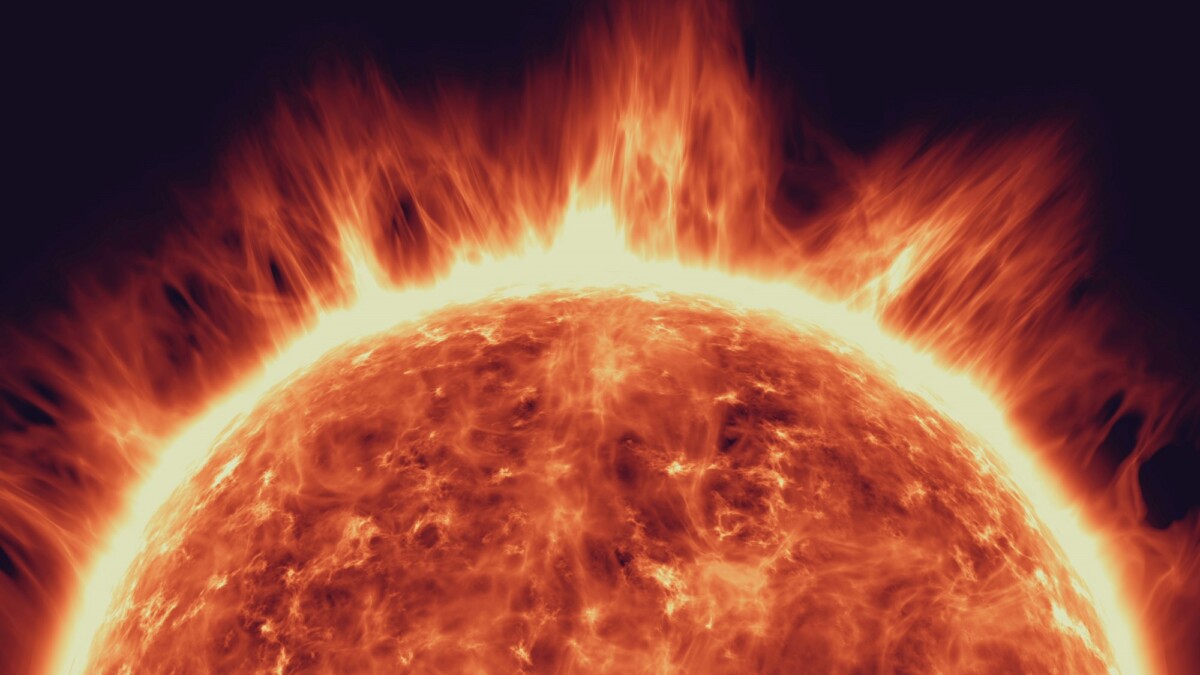
Epic sun surface flare prominence solar system

Birth of the Sun

4.6 billion years ago, a cloud of gas and dust collapsed under the force of its own gravity to form our solar system.With the Sun at its center, glowing, the planets had not yet formed. The Sun, a G-type Population 1 star, shines brightly with a surface temperature of about 9,400 degrees, 5,500 Kelvin, and

Birth of the Sun Read More »

Cosmos Stars Cluster Structure Stunning Astrophotography Dramatic Celestial Wallpaper. Bright blue n

Population II Stars: Heavy Element Synthesis

Legacy: Began enriching the interstellar medium with heavier elements, including carbon, necessary for organic chemistry From the ashes of Population III stars, celestial giants, rose a new generation of stars, the Population II stars. These stars contained a higher proportion of the heavier elements, granting them a longer lifespan, and likely the company of planets.

Population II Stars: Heavy Element Synthesis Read More »

Scroll to Top