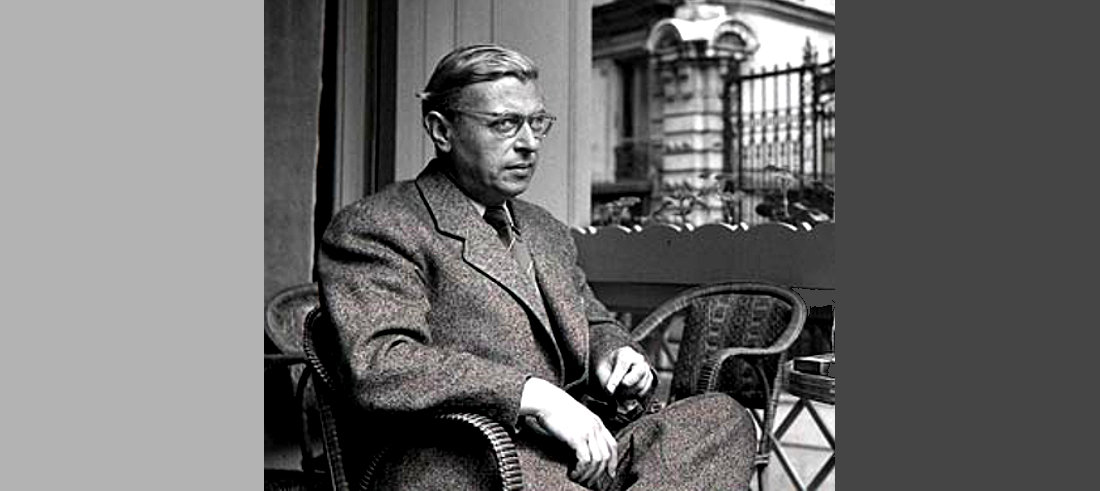
No, not as a core term. TST does not formally adopt “existential givens” or “facticity” as part of its central vocabulary. Those ideas remain useful historical bridges, especially through Sartre and existentialism.
Existential givens usually refer to the facts you are born into or cannot simply wish away: your body, birthplace, family, time period, biology, mortality, and social conditions. Sartre called this kind of thing facticity. These are not choices, but they shape the field in which choices occur. You may feel free to drink water or not, but if you stop drinking water, you stop living. TST usually uses the common word circumstances, as in birth circumstances, current circumstances, and upcoming circumstances.
TST keeps the useful insight without making “givens” a separate core term. A person exists in a current state, with properties, relationships, conditions, and constraints already in place. Within those constraints, some potentials remain open while others are impossible. A human baby can become an adult human, but not a tiger.
This distinction adds useful depth to the TST Ethical Roadmap. The moral agent is active throughout. In Step 1, Group Ethics supplies surrounding guidance while the Dichotomy of Control helps clarify what is actually under the agent’s control and authority. Then Personal Morality asks what the agent should choose within the circumstances that remain.
When the decision concerns identity, authenticity, responsibility, purpose, conformity, or becoming, the Existential Lens may be useful. It asks whether the moral agent is choosing deliberately or merely performing a role, following a borrowed script, or surrendering responsibility to circumstances.
TST therefore frames this topic through choice and constraint. You do not choose the full starting point of your life, but you do make choices from within it. Those choices actualize some potentials and close off others. Your life is not unlimited freedom, and it is not total determinism. It is a lived path through reality’s constraints.