
Explore Natural Philosophy

Phil • Cr. Think • Science • Hist •

FAQ

What did the Nuremberg Trials clarify about moral agents?

Sat 1 Aug 2026
Published 45 minutes ago.
Updated 2 hours ago.
Related FAQs
What Is the first step toward a flourishing life?
What’s the difference between intentional change and wishful thinking?
How should critical thinkers judge the Republican Party under Trump?
Can Carl Jung’s shadow work help us think well?
Did Puritanism shape the American right?
Did morality evolve?
Share :
Email
Print

What did the Nuremberg Trials clarify about moral agents?

The Nuremberg Trials did not invent the idea that you are responsible for your own actions. Humanity has wrestled with that for thousands of years. East, West, and everywhere else, thinkers have challenged rulers, traditions, and crowds when they believed something was wrong. But after World War II and the horrors of Nazi Germany, the world had a very specific problem to face: Can you excuse horrible acts by saying, “I was only following orders?”

At Nuremberg, the answer became clearly no. Governments act through people. Armies act through people. Companies, churches, and political parties all act through people. The Nuremberg Principles later made this explicit in international law: individuals can be held responsible even when acting under government authority. Following orders does not excuse bad acts. 

Personal morality is where this becomes yours. A group can advise you and tell you what is normal, but you are still the moral agent making the choice. And that is where Good Intent matters. Good Intent is not simply meaning well. It is the process of thinking through what you know, listening to good advice, considering likely results, and then choosing the best action. You might still get it wrong, but it is you getting it wrong, not the crowd.

That is the lasting lesson. Listen to your friends, tribe and government, they have historical wisdom worth considering. But ultimately, you are still the moral agent of your life. You decide what you will do. When the group crosses into unnecessary harm, “everyone else was doing it” and “I was just following orders” are not enough. History clarified that at Nuremberg.
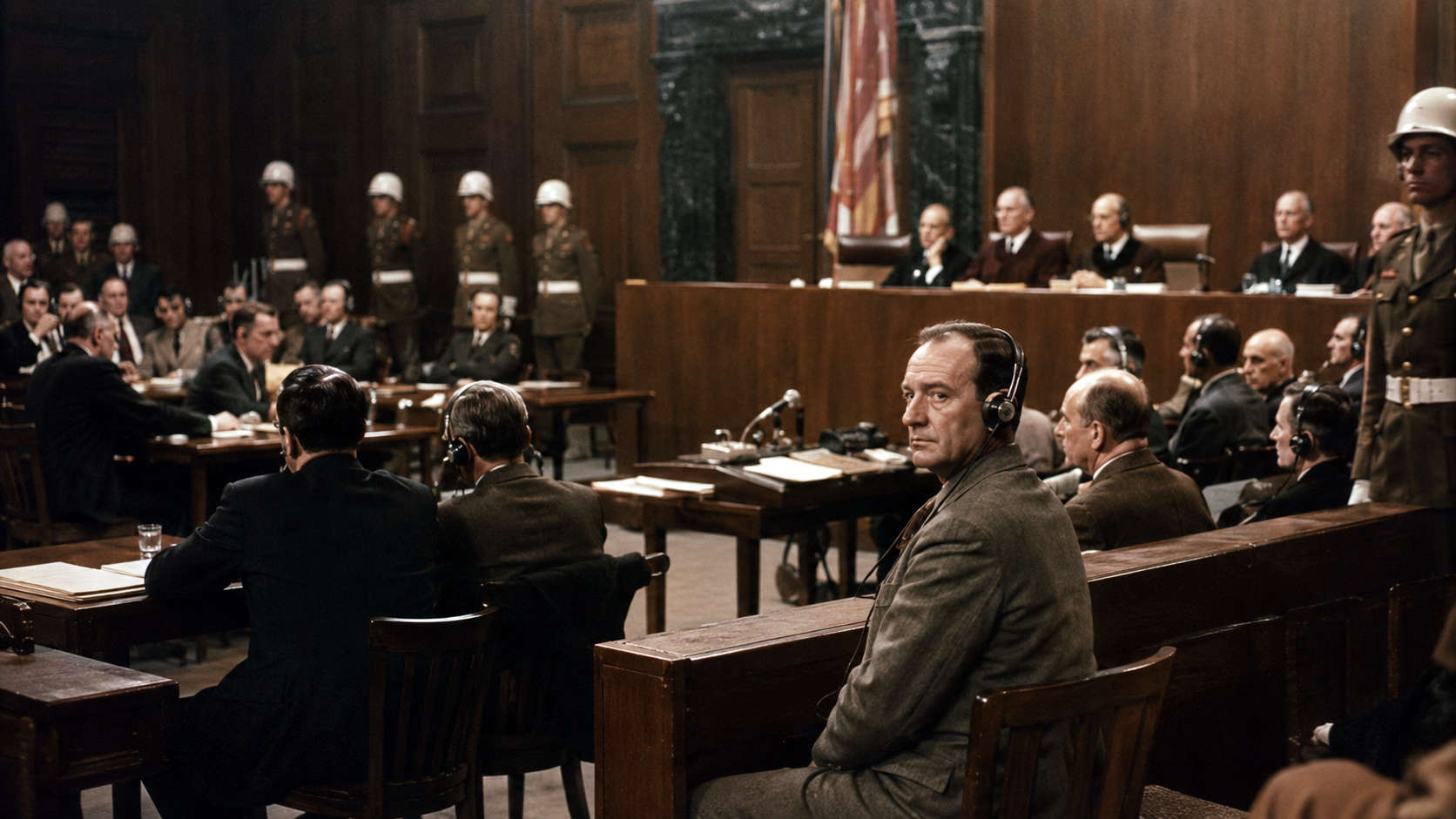
— map / TST —

Annotated References:

  • International Military Tribunal. “Judgment.” Nuremberg, October 1, 1946. Established that international crimes are committed by individuals, not abstract governments, and that personal responsibility can transcend obedience to the state.
  • International Law Commission. *Principles of International Law Recognized in the Charter of the Nürnberg Tribunal and in the Judgment of the Tribunal*. 1950. Principle IV clarifies that following government or superior orders does not erase responsibility when a moral choice was possible.
  • Prestwood. 30 Philosophers. 2024. Chapters on Stoicism, Locke, Kant, and Mill trace personal responsibility, conscience, good intent, and consequences into the ethical foundation later developed in TST Ethics.
You cannot control every situation or every order handed to you, but you still control your part in what happens next. Listen to authority and consider its guidance, but do not surrender your moral agency. Think through your intent, choose the best action you can, and take responsibility for your choice.
Michael Alan Prestwood
Author & Natural Philosopher
Prestwood writes on science-first philosophy, with particular attention to the convergence of disciplines. Drawing on his TST Framework, his work emphasizes rational inquiry grounded in empirical observation while engaging questions at the edges of established knowledge. With TouchstoneTruth positioned as a living touchstone, this work aims to contribute reliable, evolving analysis in an emerging AI era where the credibility of information is increasingly contested.
The Prestwood Column
Menu
August 2026
»COLUMN ARCHIVE
--COLUMN--
Column Research….
1. Timeline Story
Ethical Roadmap
2. Linked Quote
“The greatest weapon against stress is our ability to choose one thought over another.”
3. Science FAQ »
Did morality evolve?
4. Philosophy FAQ »
Is the Me Too movement consistent with TST Ethics?
5. Critical Thinking FAQ »
When should you stop following the crowd?
6. History FAQ!
What did the Nuremberg Trials clarify about moral agents?
Bonus Deep-Dive Article
TST Ethical Roadmap: A Process Model for Ethical Guidance and Moral Choice

Comments

Join the Conversation! Currently logged out.
NEW BOOK! NOW AVAILABLE!!

30 Philosophers: A New Look at Timeless Ideas

by Michael Alan Prestwood
The story of the history of our best ideas!
Scroll to Top