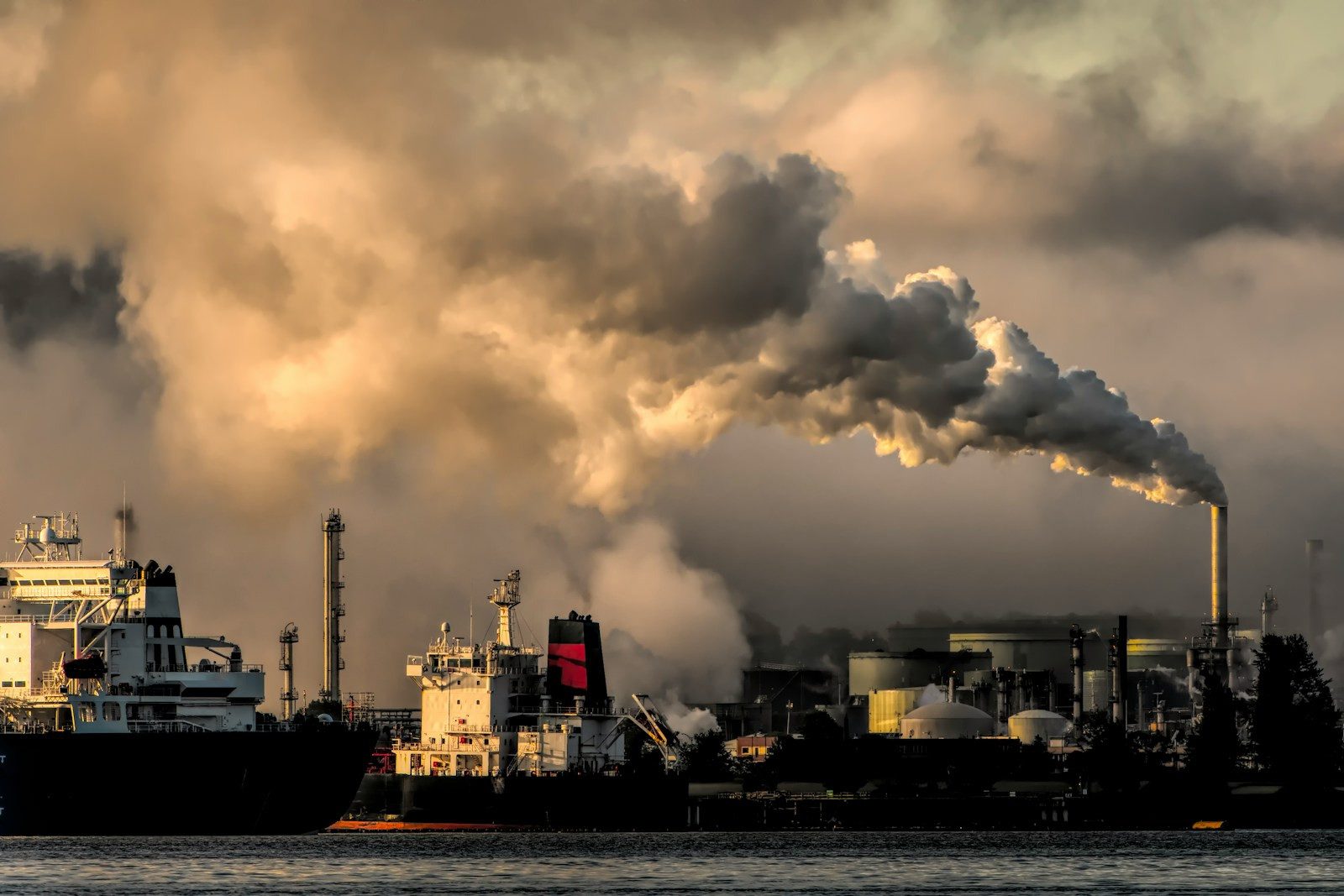
Democrats should support coal only as a shrinking emergency backup, not as the future. Framed that way, coal stops being a climate plan and becomes civilizational insurance. It is the fuel you keep in reserve in case cyberwar, grid failure, or a major international shock hits before cleaner systems are fully ready.
That is a political answer to the dirty energy, not a scientific one. The science still points toward decarbonization. Coal remains dirty, and keeping it alive too long risks slowing the transition. So the honest position is this:
As long as coal exists, coal has a limited role in the future.
Politically, Democrats paid a price for sounding like they wanted to bury coal towns before replacement jobs, replacement identity, and replacement stability were in place. That was never going to land well. If you rip out an industry before the bridge is built, people do not hear “progress.” They hear abandonment.
The deeper tension is realism versus idealism. One side hears any support for coal as a betrayal of a clean global future. The other hears a rapid forced phaseout as a threat to jobs, grid reliability, national resilience, and, more importantly, identity. TST Ethics pushes for calibration here: live legal, moral, and fair. That means telling the truth about coal while also being fair about the human cost. It means being open to using coal as a tightly limited backup.
Bottom line: We should support coal only in the narrow sense of keeping proportional capacity in play and in reserve. Energy management is about managing all energy resources.