


Unknowable Dao
The Unknowable Dao is a TST term that stems from the Dao of Daoism. It points to a mysterious universal reality that transcends language and ...

Pragmatism
The view that ideas have value primarily by their practical, real-world results. Beliefs primarily matter by the difference they make in life.

Concrete Object
A concrete object is a material thing that exists in reality.

Abstract Entity
An abstract entity is a mental construct representing something non-material.

Free Will
Free Will is the degree of real choice a person has.

Normalcy
Normalcy is your learned sense of what feels expected.

Apathetic Agnostic
An Apathetic Agnostic position on a speculative claim does not pretend certainty and is not interested in active exploration.

Explorative Agnostic
An Explorative Agnostic position on a speculative claim does not pretend certainty but is interested in active exploration.

Agnostic
An agnostic position on a speculative claim does not pretend certainty.
Irrational Pragmatist
An irrational-pragmatic worldview prioritizes usefulness as sufficient reason to hold ideas as true.
Rational Pragmatist
A rational-pragmatic worldview prioritizes empirical and rational truth while retaining a limited set of personal beliefs.
Empirical Pragmatist
An empirical-pragmatic worldview prioritizes empirical truth, and it treats practical usefulness as subordinate to observable reality.
Agnostic Spirituality
Agnostic spirituality does not claim knowledge of the supernatural. It is one of the three types of spirituality within the Material-Spiritual Framework.

Non-Self
Non-Self is the idea that the self cannot be located physically within your body.

Identity
Identity is how you see yourself in the world. Exploring it is a personal journey of the self.

Impermanence
Impermanence is the truth that reality is always changing. Everything flows, shifts, transforms, emerges, and passes away.

Worldview
A worldview is one’s interpretive lens, shaped by personal language, religion, and philosophy.
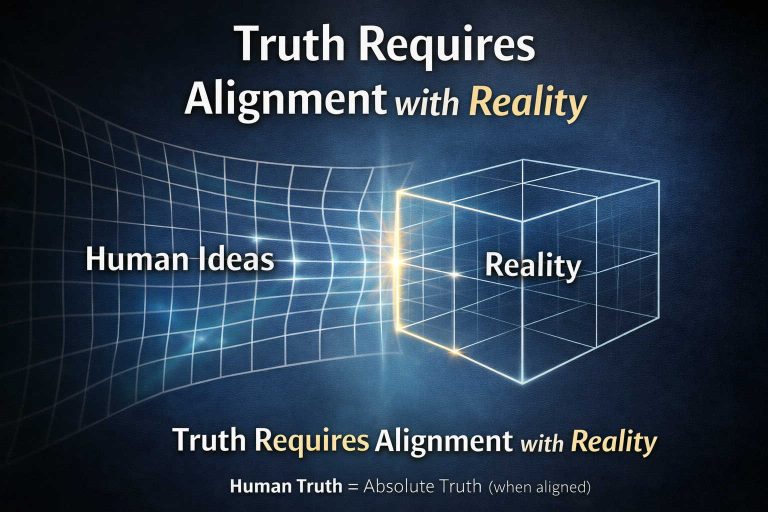
Empirically True
An idea is empirically true when it is a validated and supported direct description of reality.
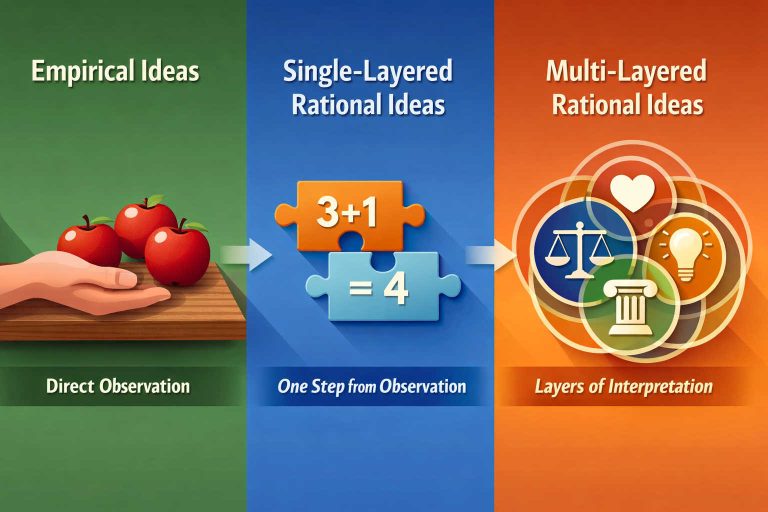
Rationally True
An idea is rationally true when it is logically consistent inside a rational framework and has empirical application.

Irrationally False
An idea is irrationally false when it lacks empirical support, fails logical consistency, or depends on unverified or disproven claims.