
Explore Science-first Philosophy

STORY

Code of Hammurabi

By Michael Alan Prestwood

Sun 11 Jul 2021
Published 5 years ago.
Updated 2 years ago.
Related Stories
Share :

Code of Hammurabi

1755 BCE

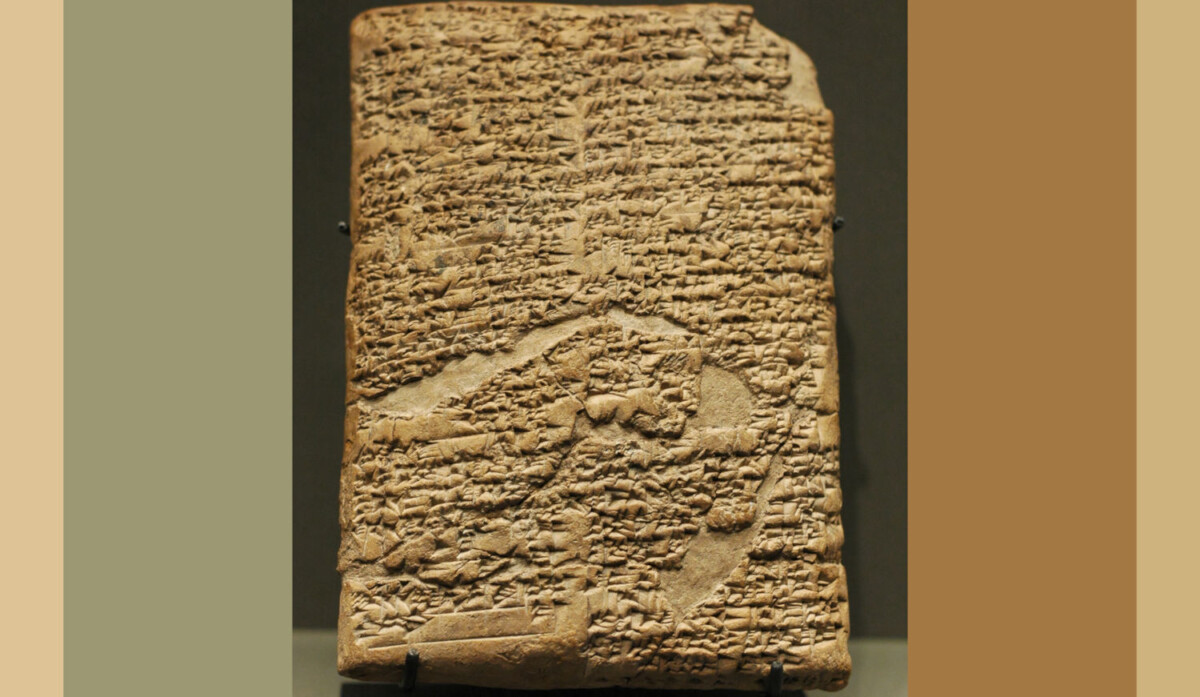
A set of about 300 legal laws written in stone from ancient Near East that withstood the test of time. Hammurabi, the sixth king of the First Dynasty of Babylonian, wrote it in cuneiform in the Old Babylonion dialect of Akkadian. The text itself was copied and studied by Mesopotamian scribes for over a millennium.

Translated examples:

  • If a man should blind the eye of another man, they shall blind his eye.
  • If a man bears false witness in a case, or does not establish the testimony that he has given, if that case is case involving life, that man shall be put to death.
  • If a man bears false witness concerning grain or money, he shall himself bear the penalty imposed in the case.

— map / TST —

Michael Alan Prestwood
Author & Natural Philosopher
Prestwood writes on science-first philosophy, with particular attention to the convergence of disciplines. Drawing on his TST Framework, his work emphasizes rational inquiry grounded in empirical observation while engaging questions at the edges of established knowledge. With TouchstoneTruth positioned as a living touchstone, this work aims to contribute reliable, evolving analysis in an emerging AI era where the credibility of information is increasingly contested.
Email
Print
TST Column
April 22, 2026
Column Research….
1. Timeline Story
Augustine of Hippo
2. Linked Quote
“In order for a war to be just, three things are necessary.”
3. Science FAQ »
Why do we overreact and escalate?
4. Philosophy FAQ »
How does TST Ethics handle the trolley problem?
5. Critical Thinking FAQ »
How do you prevent yourself from overreacting?
6. History FAQ!
What is the history of ethical war?
Bonus Deep-Dive Article
1 Goal: Flourish (TST Ethics)
Scroll to Top