

Hourglasses, also known as sandglasses or sand timers, were first used in the 14th century, although it is unclear exactly when they were invented. The earliest written reference to an hourglass dates back to the early 14th century in Europe, but they may have been used earlier in other parts of the world. Hourglasses were used as a reliable way to measure time, especially for tasks that required precise timing such as navigation at sea, cooking, and scientific experiments.
STORY
Hourglass
☐ Read
☑ Read
You’ve read this 0 times.
You’ve listened to this 0 times.
By Michael Alan Prestwood
Mon 18 Mar 2024
Published 3 years ago.
Updated 6 months ago.
Related Stories
Share :
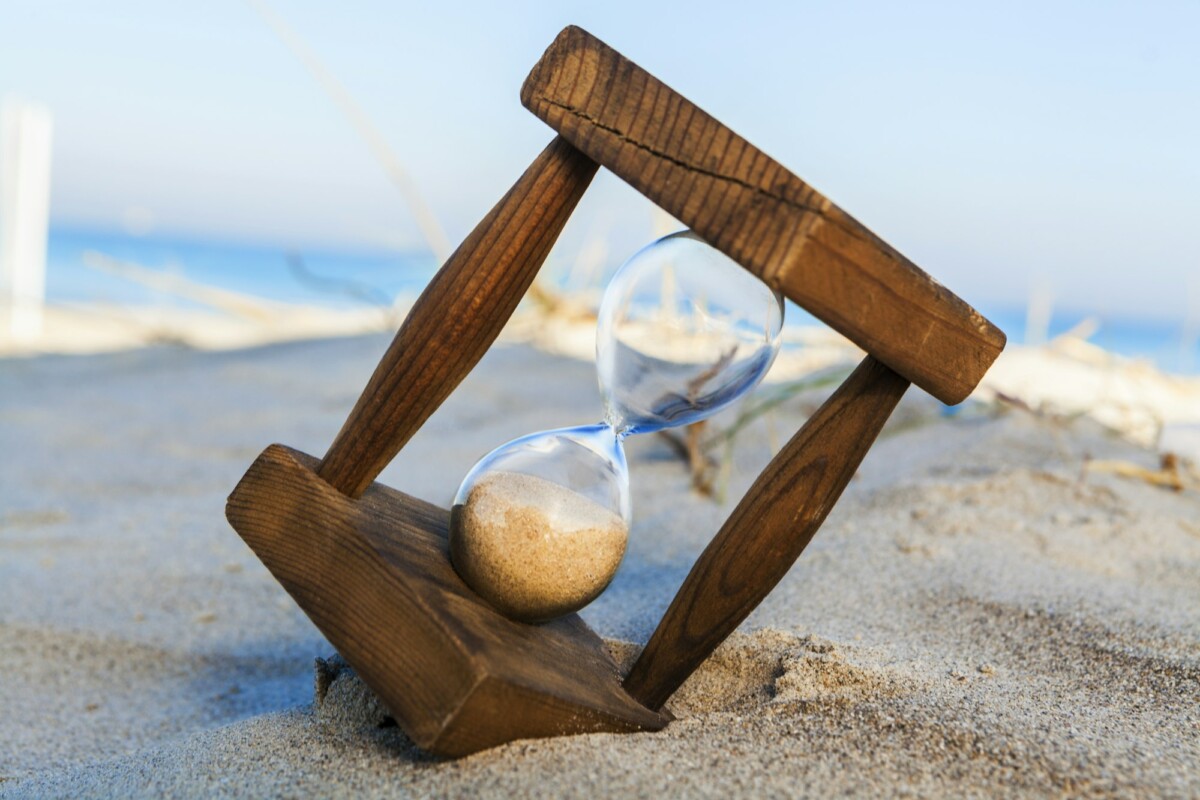
Hourglass
1400
- < 1 minute read

Michael Alan Prestwood
Author & Natural Philosopher
Author & Natural Philosopher
Prestwood writes on science-first philosophy, with particular attention to the convergence of disciplines. Drawing on his TST Framework, his work emphasizes rational inquiry grounded in empirical observation while engaging questions at the edges of established knowledge. With TouchstoneTruth positioned as a living touchstone, this work aims to contribute reliable, evolving analysis in an emerging AI era where the credibility of information is increasingly contested.
Email
Print
The Prestwood Column
Menu
October 2026
»COLUMN ARCHIVE
--COLUMN--
Column Research….
NEW BOOK! NOW AVAILABLE!!
30 Philosophers: A New Look at Timeless Ideas
by Michael Alan Prestwood
