

In 322 BCE, following the disruption left in the wake of Alexander the Great’s incursions into the Indian subcontinent, Chandragupta Maurya founded the Maurya Empire. This marked the beginning of one of India’s largest and most powerful empires, stretching at its zenith from the Himalayas to the Deccan Plateau. The reign of Chandragupta and his successors, most notably Ashoka the Great, was characterized by significant advancements in political organization, economic development, and the spread of Buddhism both within the empire and beyond its borders. The Maurya Empire’s legacy of unification, administration, and cultural proliferation left an indelible mark on the history of South Asia.
STORY
The Foundation of the Maurya Empire
☐ Read
☑ Read
You’ve read this 0 times.
You’ve listened to this 0 times.
By Michael Alan Prestwood
Mon 1 Apr 2024
Published 3 years ago.
Updated 5 months ago.
Related Stories
- Related Categories: Ancient History
Share :
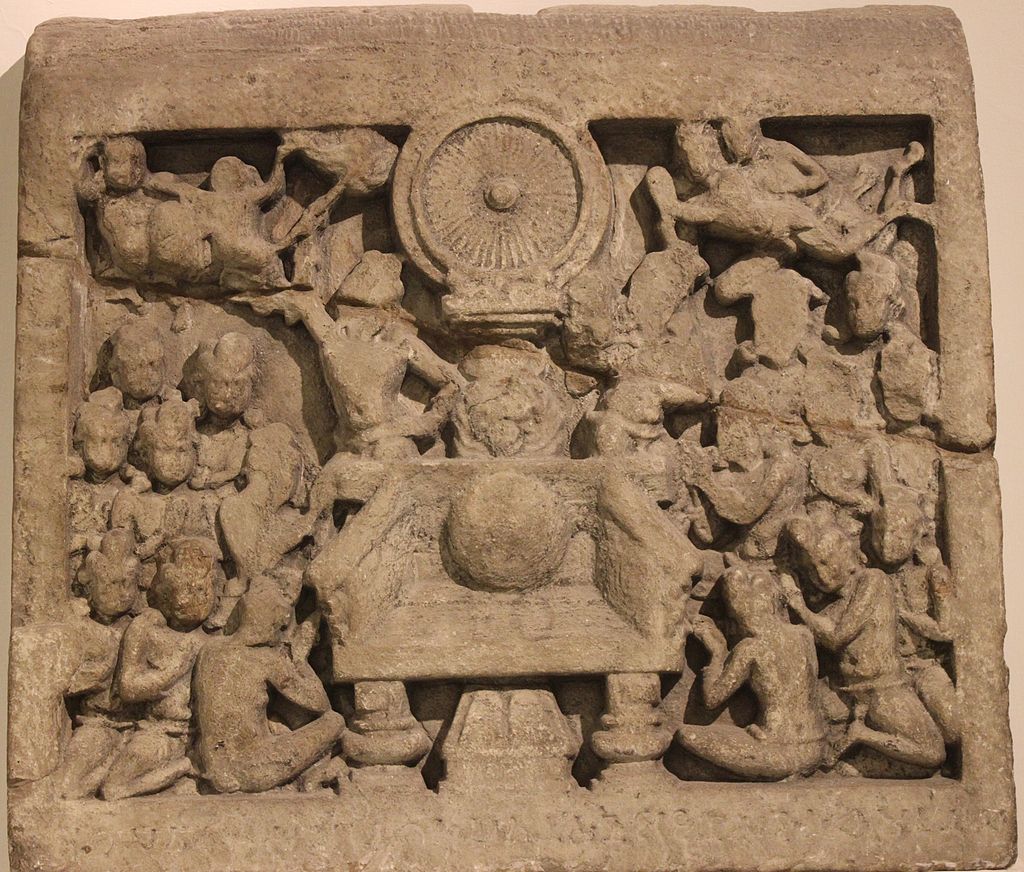
The Foundation of the Maurya Empire
322 BCE
Wake of Alexander the Great
- < 1 minute read

Michael Alan Prestwood
Author & Natural Philosopher
Author & Natural Philosopher
Prestwood writes on science-first philosophy, with particular attention to the convergence of disciplines. Drawing on his TST Framework, his work emphasizes rational inquiry grounded in empirical observation while engaging questions at the edges of established knowledge. With TouchstoneTruth positioned as a living touchstone, this work aims to contribute reliable, evolving analysis in an emerging AI era where the credibility of information is increasingly contested.
Email
Print
The Prestwood Column
Menu
October 2026
»COLUMN ARCHIVE
--COLUMN--
Column Research….
NEW BOOK! NOW AVAILABLE!!
30 Philosophers: A New Look at Timeless Ideas
by Michael Alan Prestwood
