

By 2090, the integration of androids into everyday human life will shift from the realms of science fiction to everyday reality. This shift will be driven by advancements in artificial intelligence, robotics, and societal acceptance. As we gaze into the next half-century, the path to achieving a 1:1 ratio of humans to androids presents both groundbreaking opportunities and formidable challenges. The odds of achieving a 1:1 ratio hinge on these critical factors, with the potential for either a harmonious integration or a conflicted coexistence shaping the late 21st century.
STORY
1:1 Human-Android Ratio by 2090
☐ Read
☑ Read
You’ve read this 0 times.
You’ve listened to this 0 times.
By Michael Alan Prestwood
Sat 18 Apr 2020
Published 6 years ago.
Updated 5 months ago.
Share :
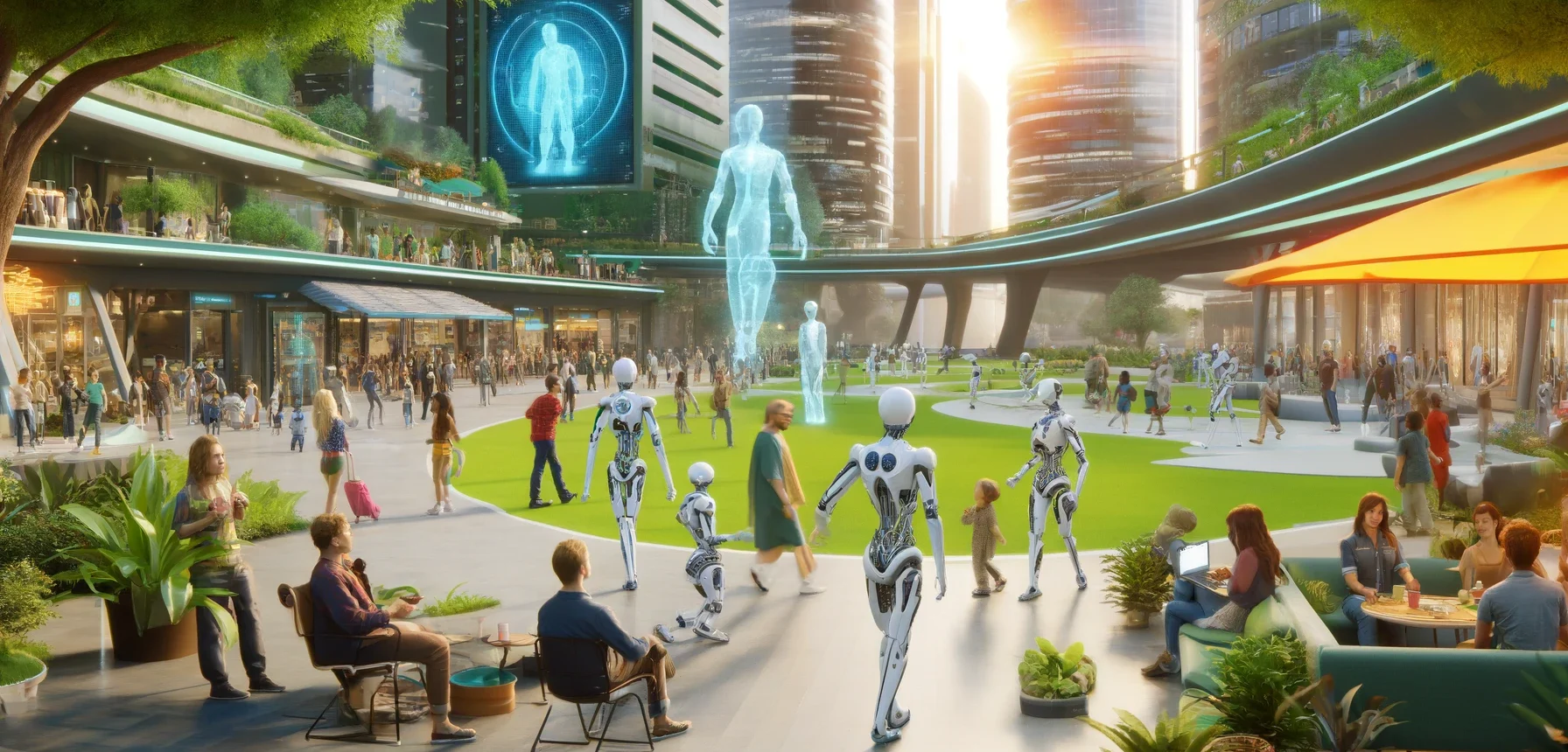
1:1 Human-Android Ratio by 2090
2090: 65 Years From Now (+/- 30 years)
Verified. Ratonally predicted. Timeline speculative.
- < 1 minute read
Speculative Timeline:
2040 to 2050: This period might see a surge in the production and implementation of androids in sectors where precision, efficiency, and risk management are paramount—such as healthcare, manufacturing, and disaster response. Governments begin to establish frameworks for android rights and responsibilities, sparking debates on ethics and the nature of intelligence.
2050-2060: As human lives become more enriched by this resource, android technology becomes more affordable and widespread, reaching into homes as caretakers and companions. By 2065, major urban areas report that androids make up approximately 25% of their operational workforce. This period also marks the onset of significant pushback from human labor groups, leading to the first global conference on Human-Android Economic Coexistence.
2070-2080: Social Normalization and Backlash. The android presence in personal and social settings becomes normalized. However, this integration is not seamless, as societal divisions emerge over android rights. The “Human First” movement gains momentum, advocating for strict limitations on android capabilities and roles. Simultaneously, a counter-movement pushes for complete android autonomy.
2080-2090: Technological Harmony or Discord? Breakthroughs in android emotional intelligence occur, allowing for deeper human-android relationships. These relationships challenge existing social norms and provoke a reevaluation of what it means to be “alive.” Androids start to participate in creative and decision-making processes, leading to joint human-android innovations.
2090: The Tipping Point. By 2090, the global ratio of androids to humans is approaching 1:1. This equilibrium brings new governance challenges, as androids seek—and in some regions, achieve—legal personhood. Economies adapt to a new labor paradigm, emphasizing creative and interpersonal skills where humans excel.
— map / TST —

Michael Alan Prestwood
Natural Philosopher & Author
Natural Philosopher & Author
Prestwood explores science-first philosophy, with particular attention to the convergence of disciplines. Drawing on his TST Philosophy, his work emphasizes rational inquiry grounded in empirical observation while engaging questions at the edges of established knowledge. With TouchstoneTruth positioned as a living touchstone, this work aims to contribute reliable, evolving analysis in an emerging AI era where the credibility of information is increasingly contested.
Email
Print
The Prestwood Column
Menu
October 2026
»COLUMN ARCHIVE
--COLUMN--
Column Research….
NEW BOOK! NOW AVAILABLE!!
30 Philosophers: A New Look at Timeless Ideas
by Michael Alan Prestwood
