
Normalcy, Normal, and Abnormal
Normalcy is not reality itself, but our idea about recurring patterns in reality, shaped by experience, culture, and expectation.
Normalcy, Normal, and Abnormal Read More »


The Book Timeline: 30 Philosophers
Normalcy is not reality itself, but our idea about recurring patterns in reality, shaped by experience, culture, and expectation.
Normalcy, Normal, and Abnormal Read More »

Schemas are mental categories across frameworks that simplify life. To think well, challenge them. Keep what fits, update or drop the rest.

The Unknowable Dao reminds us that some of reality may be too deep, too fluid, or too vast to capture fully in words.

Stop trying to force the river. Look to the way of nature. Spirituality is learning to move with it—softly enough to bend, clearly enough to endure.

30 Phil, Chapter 4, Laozi, Touchstone 10: Authenticity. Ziran is often translates to “of its own.” Living in accordance with Ziran means you embrace naturalness. You welcome the spontaneous aspects of existence. With Ziran, you flow with nature while embracing your true self and innate tendencies, your authentic self. Living in accordance with Ziran is you
Ziran, Authenticity, or Authentic Self Read More »

30 Phil, Chapter 4, Laozi, Touchstone 9: Wu-wei or “non-action” The term wu-wei is often translated as “non-action.” It is a general concept. It is the idea that the universe has a flow, and it is better to ride that flow than to fight it. Wu-wei is non-action, effortless action, or inaction, but does not mean
Wu-wei or “non-action” Read More »
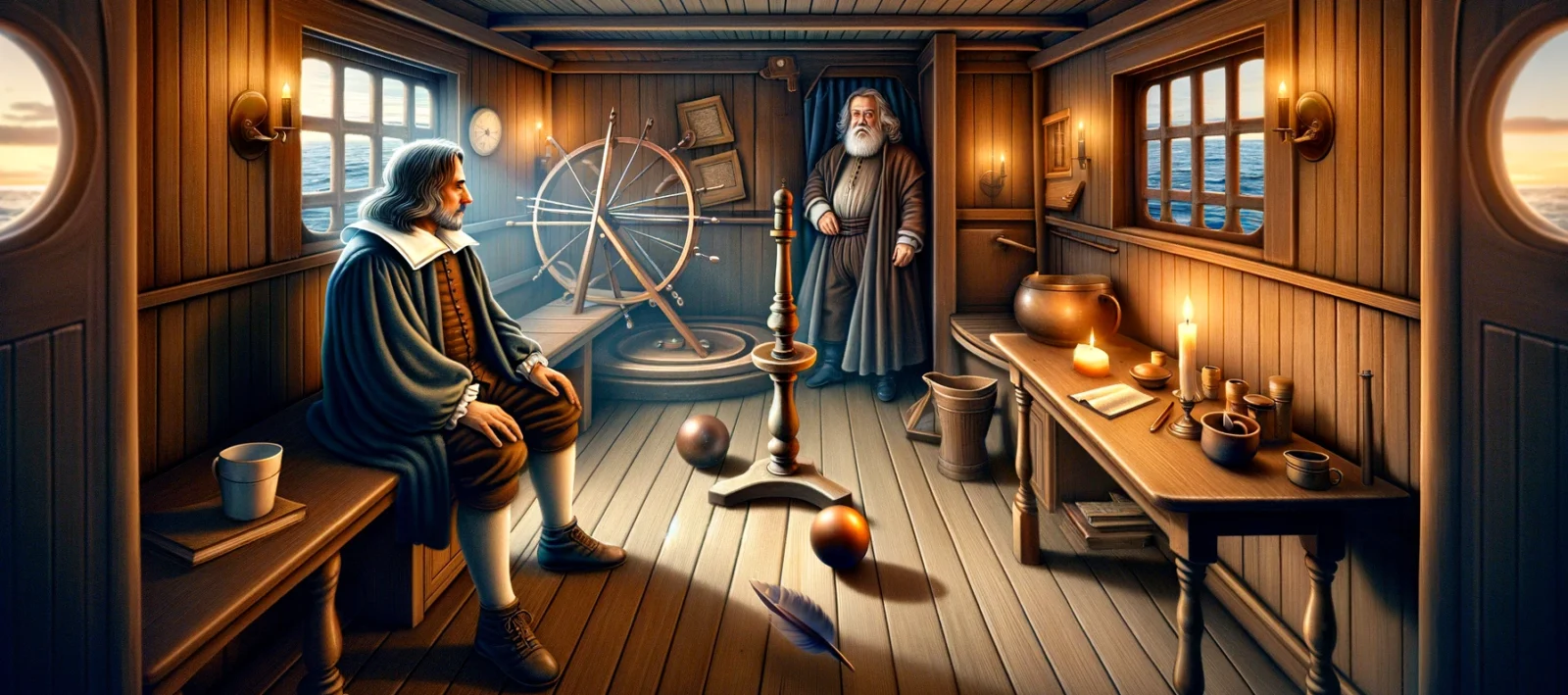
The laws of physics work the same for all observers moving at a constant speed. There is no absolute state of rest.
Relativity Principle Read More »

30 Phil, Chapter 3 Touchstone 8: Holism. Holism views things as a whole, emphasizing interconnectedness and interdependence, and values unity and synthesis. It is essential for fully understanding complex systems like living organisms and ecosystems. This notion of an underlying, unifying essence mirrors the intricacies of the natural world, where each element, though distinct, harmoniously contributes

Ontology asks what exists at the deepest level, including whether the self, consciousness, or anything beyond the body is real. For living well, its value is humility: what you believe shapes how you treat this life.

30 Phil, Chapter 2 Touchstone 6: Philosophy. Philosophy is the systematic study of fundamental questions concerning existence, knowledge, values, and meaning. It’s a discipline guided by reason and the evaluation of evidence. A central question is “How should we live?” While there is a general agreement on overarching principles, as always, the devil is in the

30 Phil, Chapter 2 Touchstone 5: Knowledge Framework. In philosophy, the study of knowledge is called epistemology. It’s important because knowledge describes reality, and understanding how we craft knowledge brings philosophical clarity. Each of us maintains a personal knowledge framework that arranges the knowledge we accumulate. You can think of it as a personalized dictionary. But
Knowledge Framework Read More »
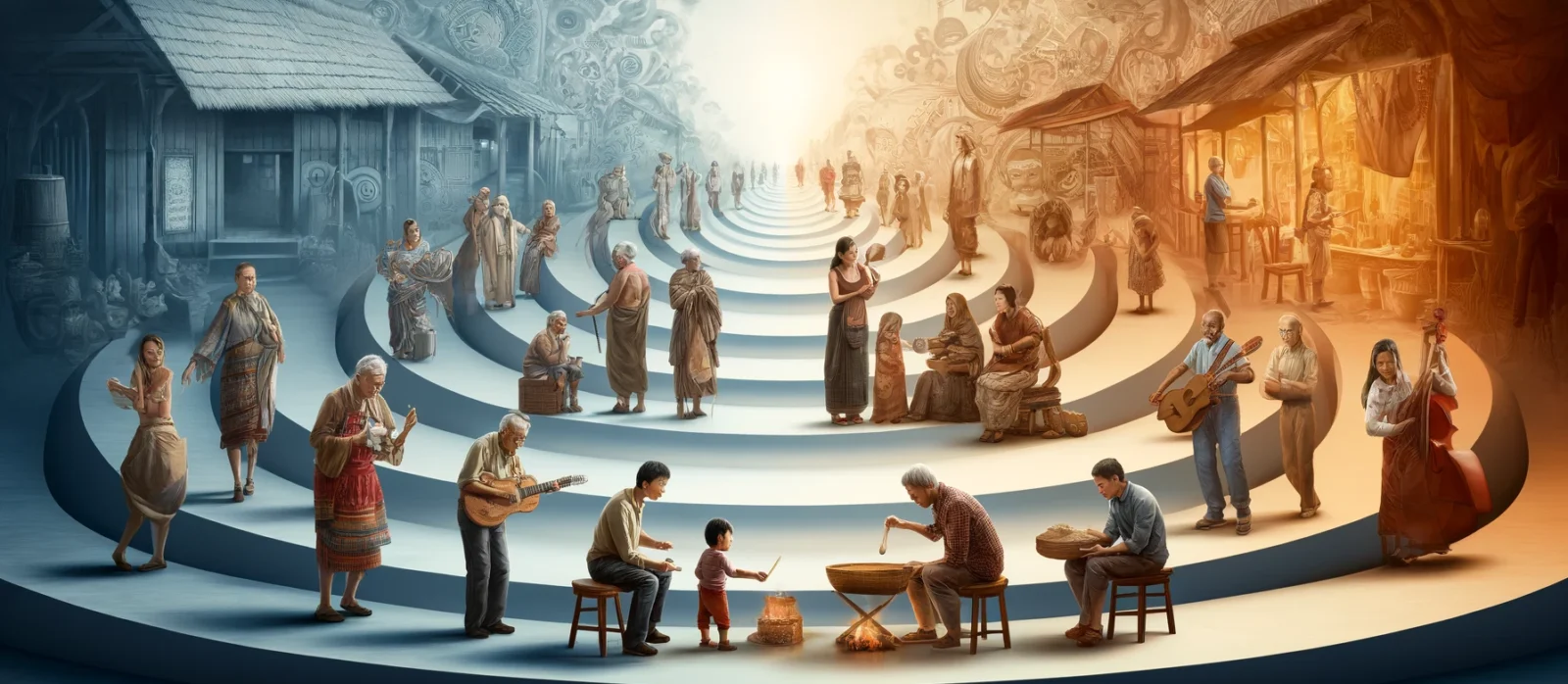
30 Phil, Chapter 1 Touchstone 4: Cultural Transmission. Cultural transmission, perhaps more than any other trait, sets humans apart from other animals. It’s the ability to pass behaviors, traditions, and knowledge to the next generation. Cultural transmission has likely been a feature of our direct-line hominin mind for millions of years. Returning to what we
Cultural Transmission Read More »

30 Phil, Chapter 1 Touchstone 3: Evolution. In 1859, the naturalist Charles Darwin revolutionized the scientific world with his seminal publication, “On the Origin of Species.” In it he formulated his scientific theory of evolution by natural selection. The process by which new species arise is well-understood. It proposed that changes in species occur gradually over time. With each generation,

You may not control everything, but you still must choose how to live. Living well means choosing with positive intent now and for the future.
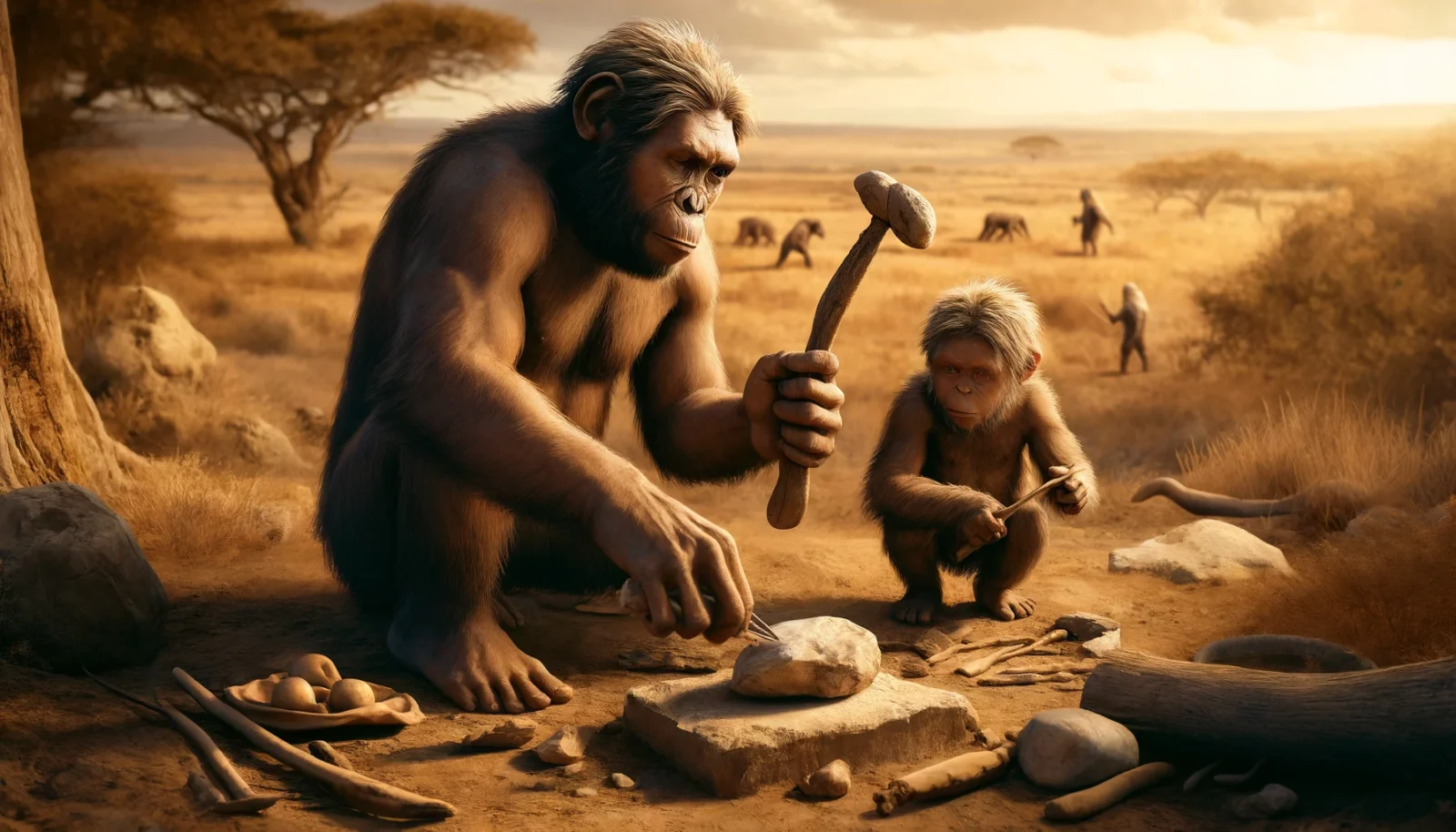
The dawn of collective learning can be traced back the oldest known stone tools, discovered at Lomekwi 3 in Kenya. The creation of these tools required more than just individual innovation; it involved the rudimentary form of collective learning, where knowledge of toolmaking was shared within groups. This early transmission of skills not only enhanced
Collective Learning Emerges Read More »
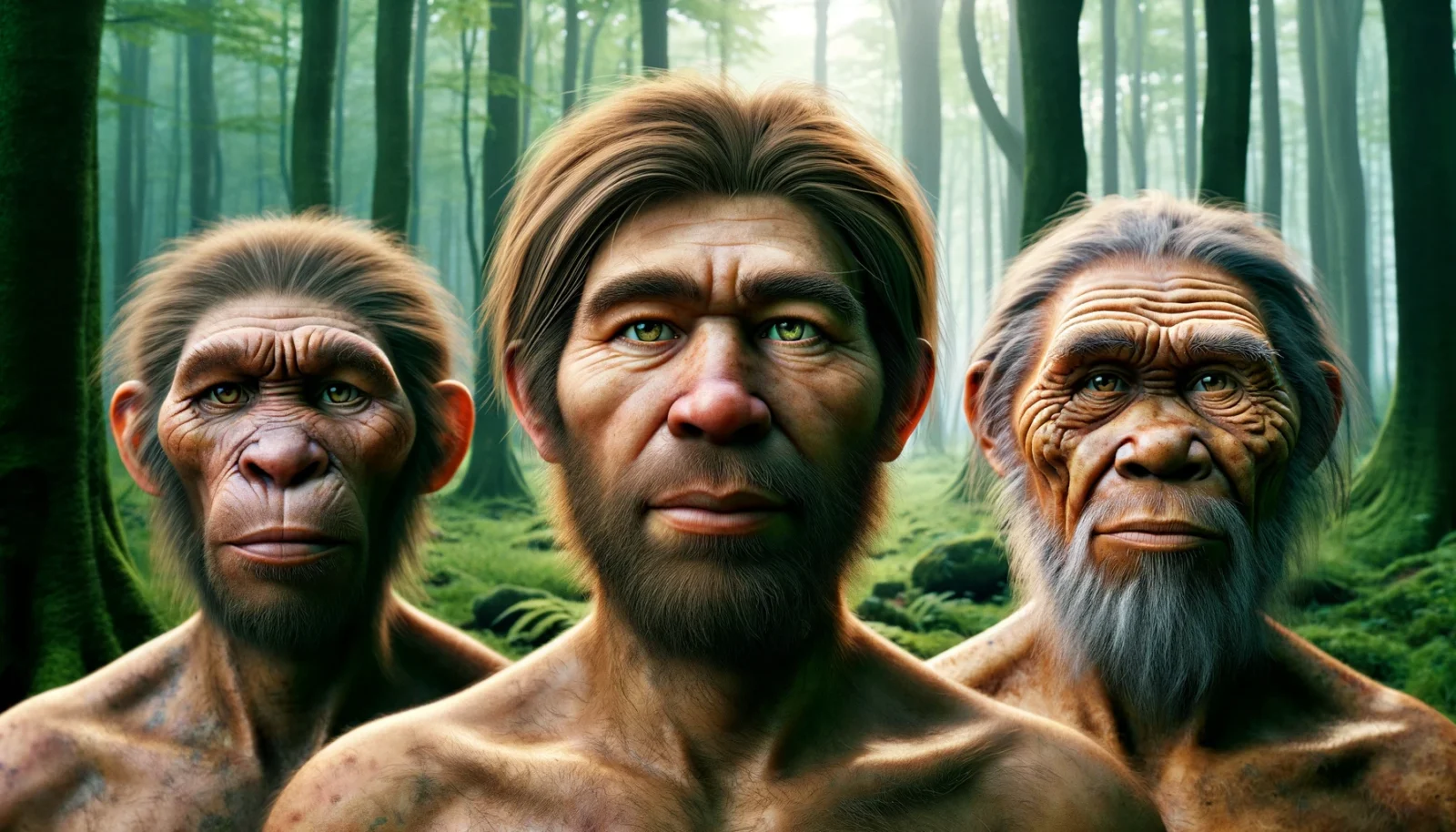
NSLCA: The Neanderthal-Sapien Last Common Ancestor was likely Homo heidelbergensis or Homo antecessor. Analysis: Before the discovery of Homo antecessor in the 1990s, Homo heidelbergensis was considered the primary candidate for the NSLCA due to its chronological and morphological position in the human lineage. The discovery of Homo antecessor, with its more modern-looking facial features, has
Neanderthal-Sapien LCA Read More »

The Great Apes LCA is one of our deep evolutionary crossroads. From this shared root came the living great apes, including us.
Emergence of the Great Apes (Great Apes LCA) Read More »
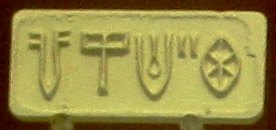
Earliest undeciphered writing in the Asian zone. The Indus Valley script, emerging around 2600 BCE in one of the world’s earliest urban civilizations, remains one of archaeology’s greatest puzzles. Found across a vast expanse from today’s northeast Afghanistan to Pakistan and northwest India, this script comprises over 400 unique symbols, ranging from geometric shapes to
Indus Valley Script: Northwest India Read More »

Likely white or grayish atmosphere: The first atmosphere developed first but was not directly involved in the development of life. The first atmosphere formed shortly after Earth’s formation around 4.5 billion years ago. This initial atmosphere was primarily composed of hydrogen and helium, the lightest and most abundant elements in the universe, which were captured from
First Atmosphere: Hydrogen & Helium Read More »
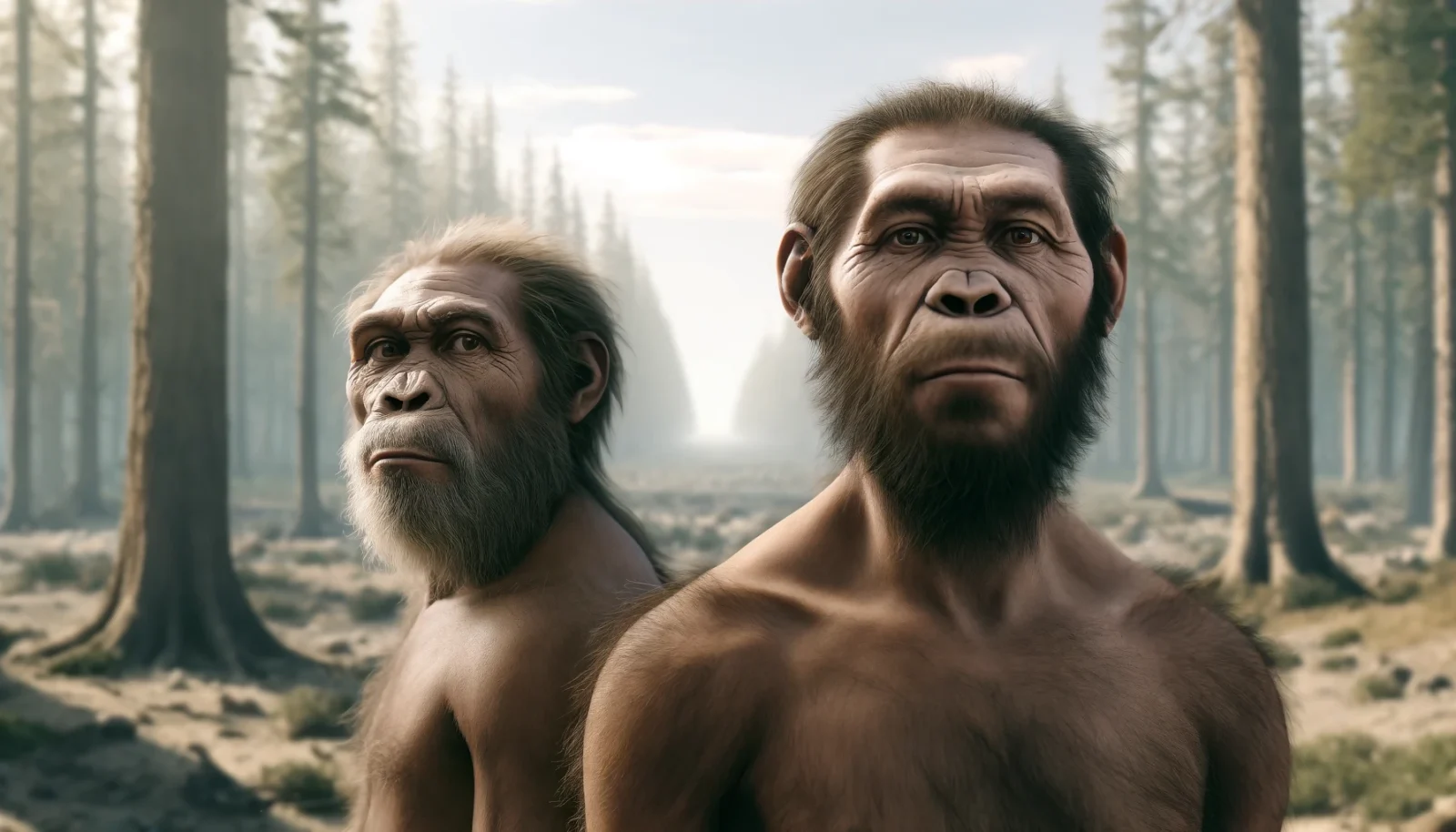
Homo heidelbergensis was the likely neanderthal-sapiens last common ancestor.
Homo heidelbergensis Read More »