Explore Science-first Philosophy

Ancient Humans

Genus Homo includes humans and our closest extinct relatives and ancestors. Traits: larger brain, language, symbolic thought as in art, control of fire, advanced tools, and advanced cultural transmission including an ability to adapt to diverse environments, make clothing, and invent social constructs.

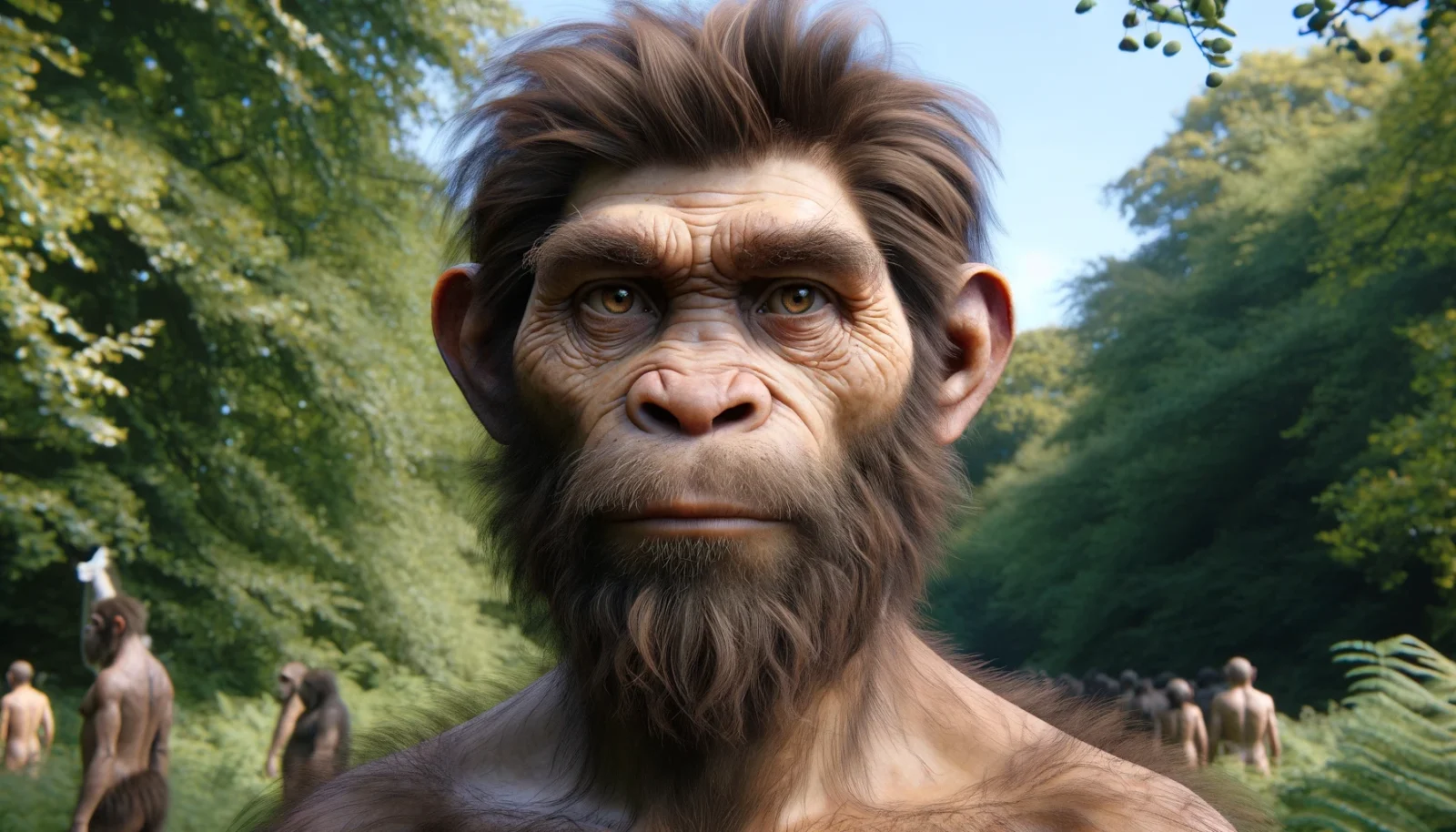
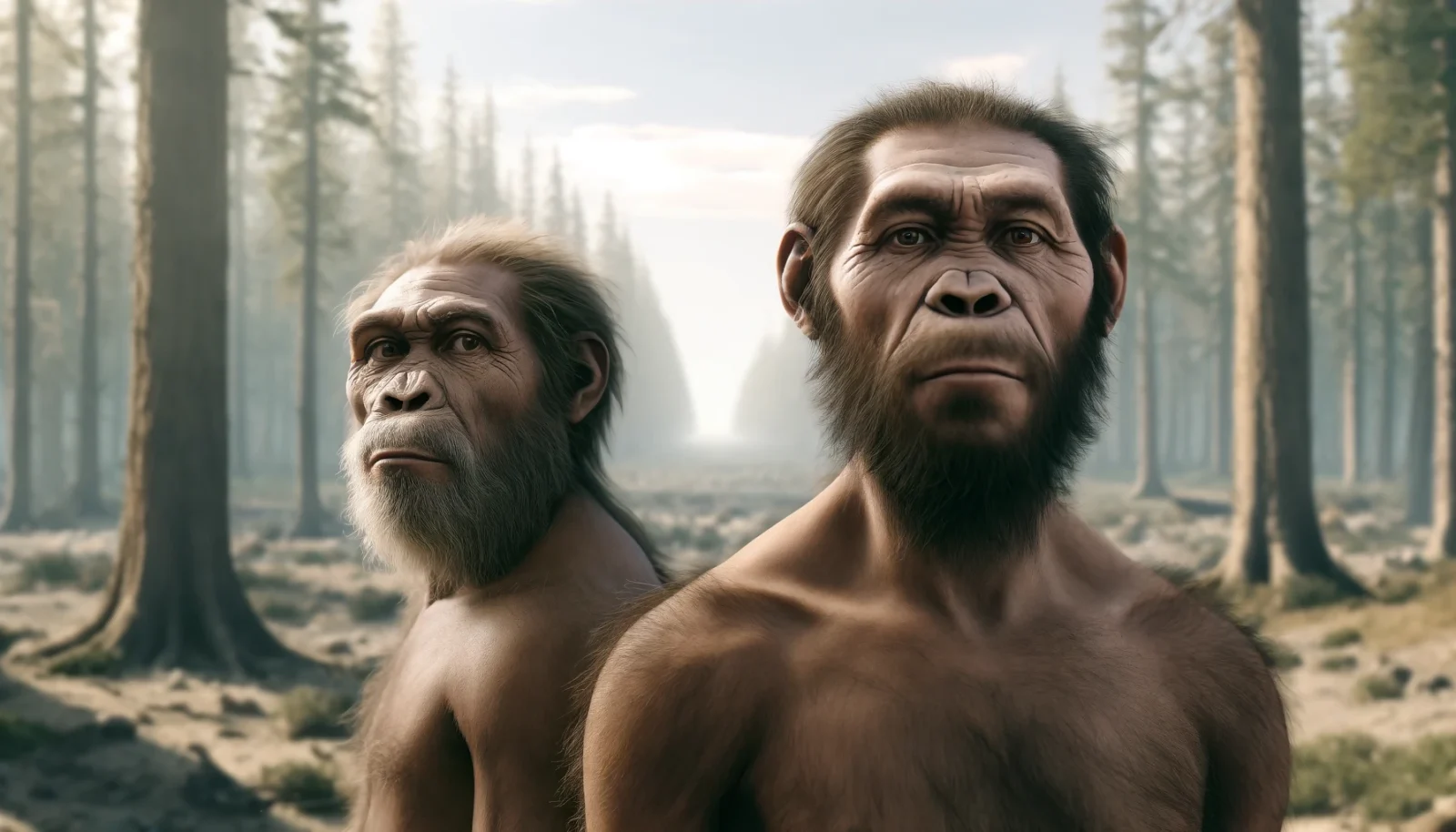
Homo antecessor: Earlier Modern Looks

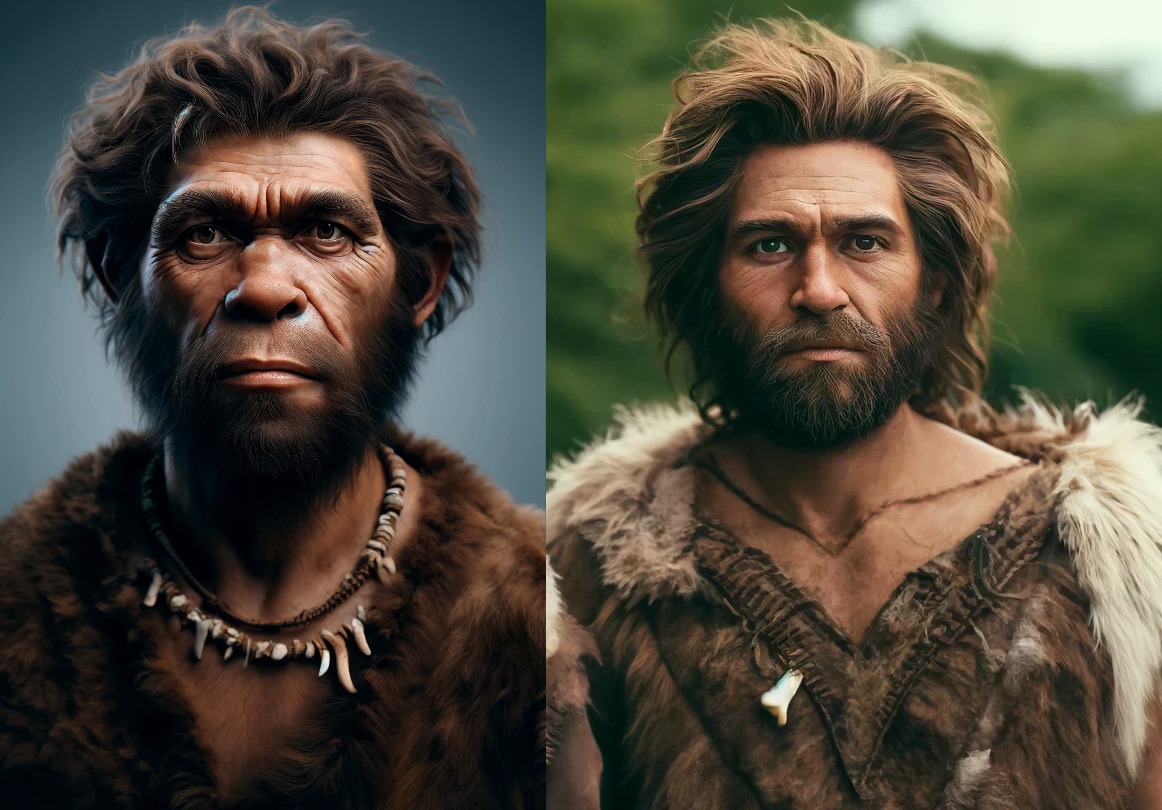
48,000 Generations Ago NSLCA Candidate: This ancient human species challenges traditional views by suggesting that some of our human ancestors bore a closer resemblance to modern humans than previously believed. Homo antecessor, which existed long before Homo sapiens and Homo heidelbergensis, displayed distinctly modern human-like features, including a flatter face and a more refined nose,

Homo antecessor: Earlier Modern Looks Read More »

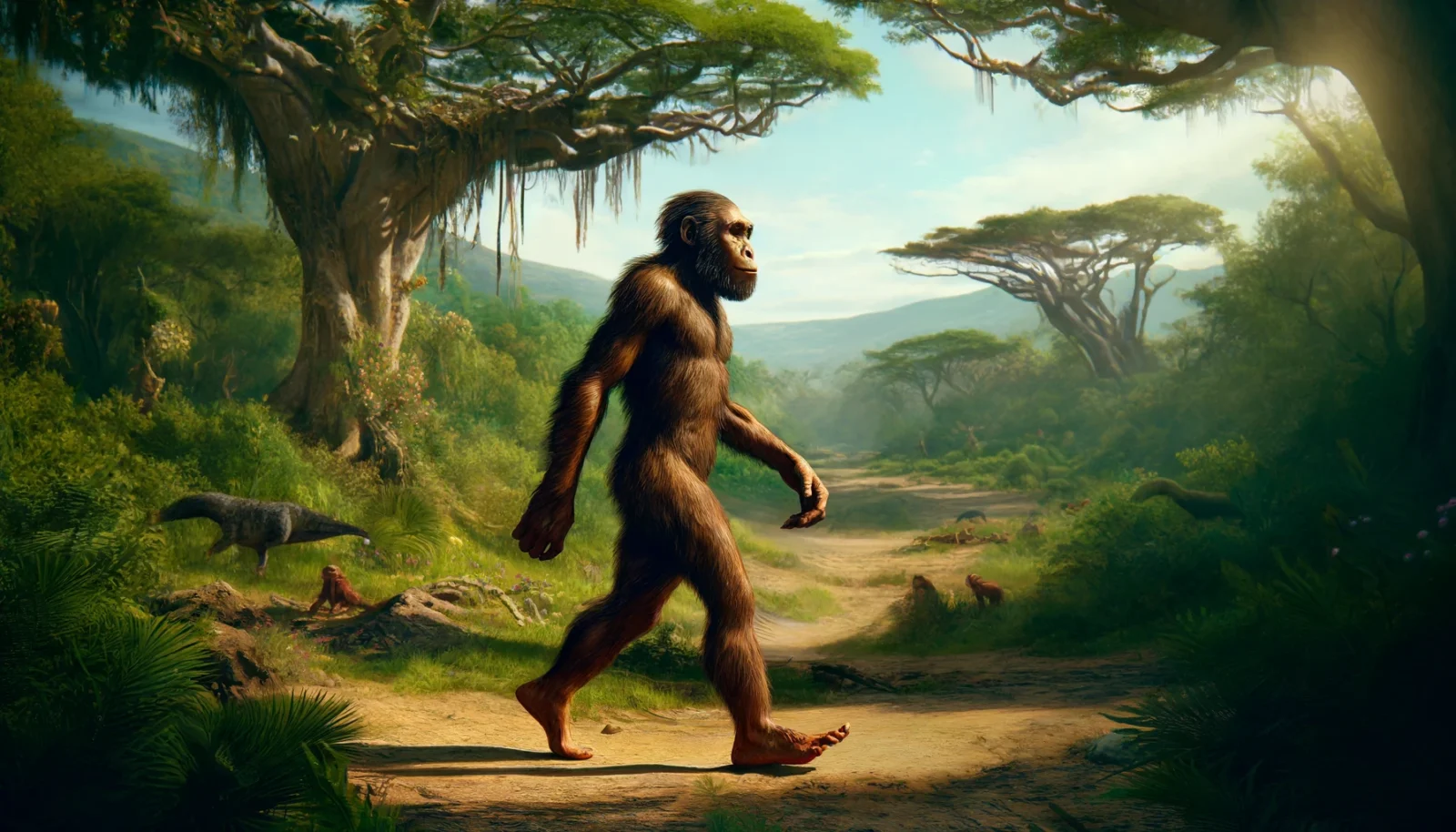
Echoes of Early Steps: The Laetoli Footprints

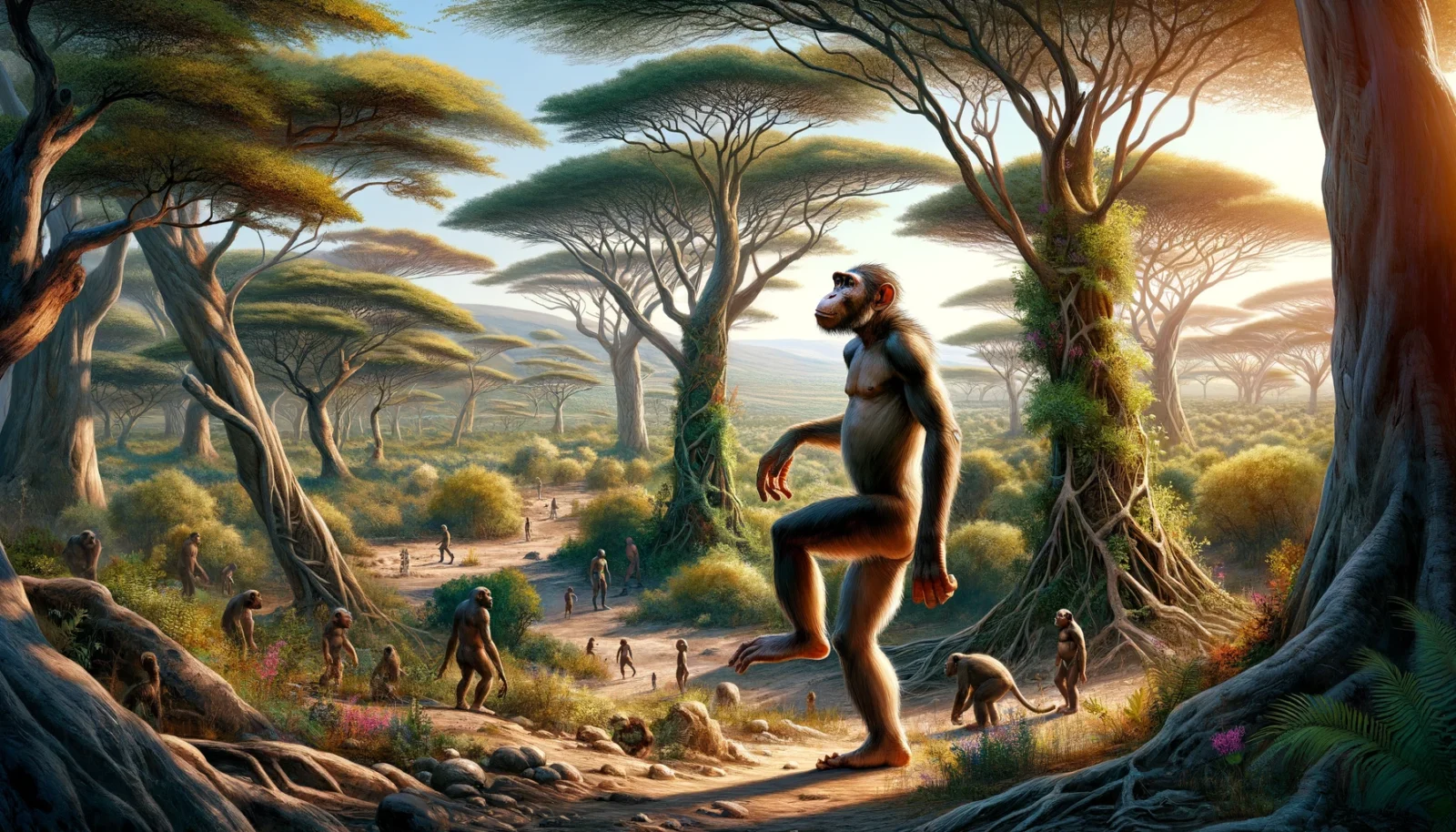
In the verdant landscapes of Laetoli, Tanzania, beneath a layer of volcanic ash from a nearby eruption, a remarkable story is preserved. Dating back 3.66 million years, a series of footprints capture a fleeting moment in time when early hominins walked across the wet ash. These footprints, attributed to Australopithecus afarensis, represent one of the

Echoes of Early Steps: The Laetoli Footprints Read More »

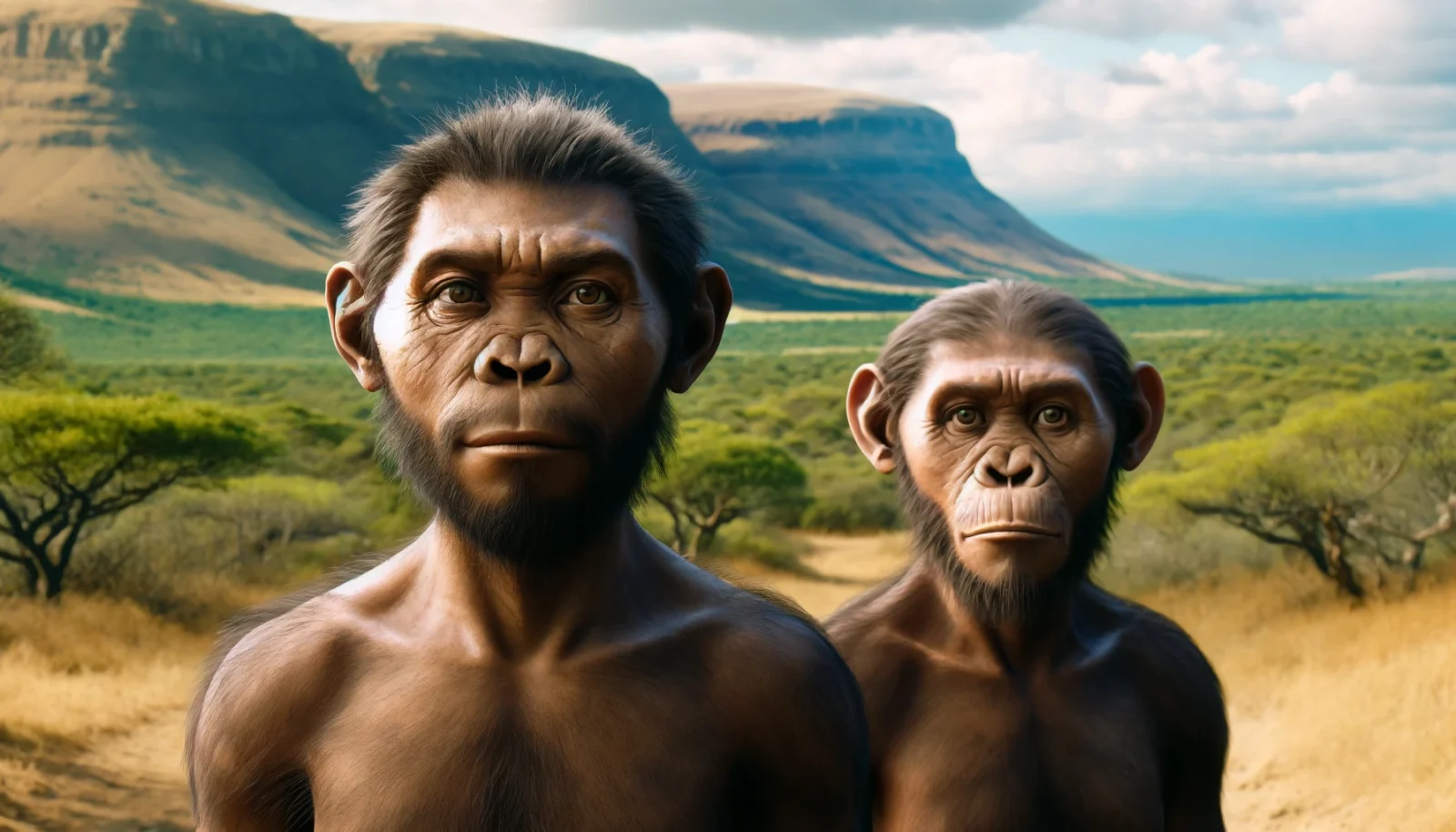
Homo naledi: A Likely Hybrid

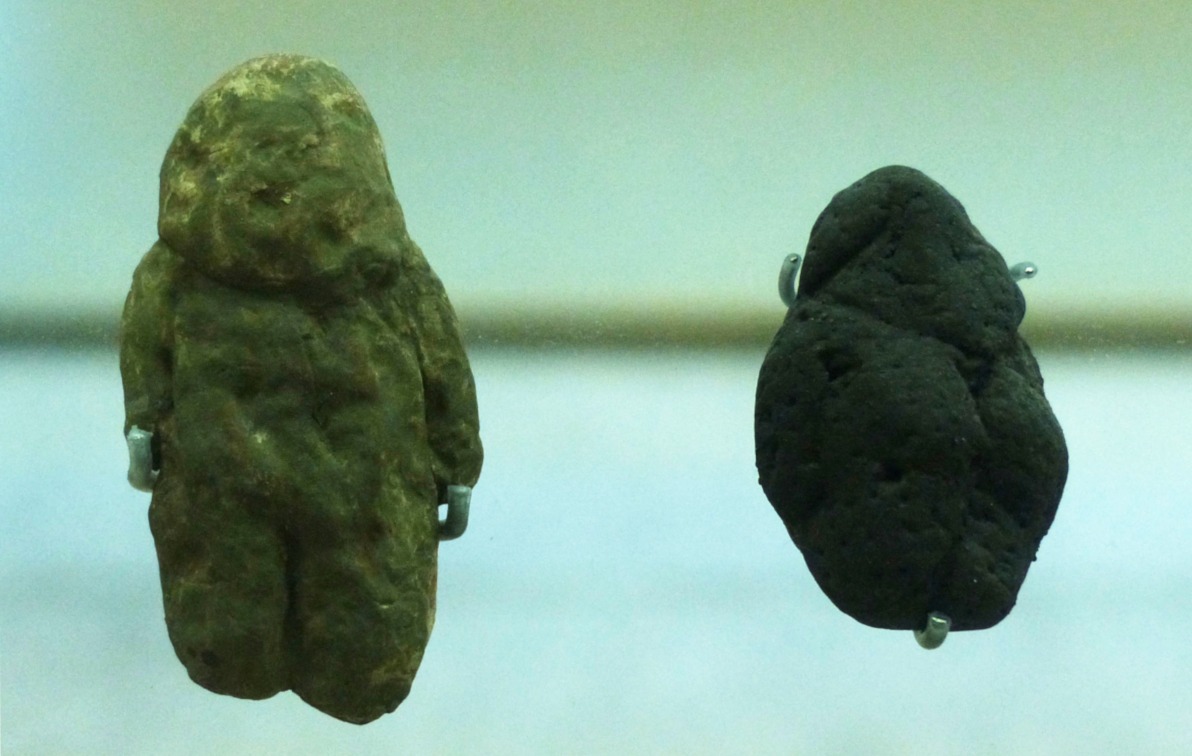
Speculative branch of humans. Maybe a long lost hybrid: In the evolving tapestry of human history, the emergence of Homo naledi represents a captivating mystery that challenges traditional narratives of linear progression. Positioned within the intricate web of human evolution, Homo naledi could exemplify a complex branch woven from ancient threads. Imagine a scenario where

Homo naledi: A Likely Hybrid Read More »

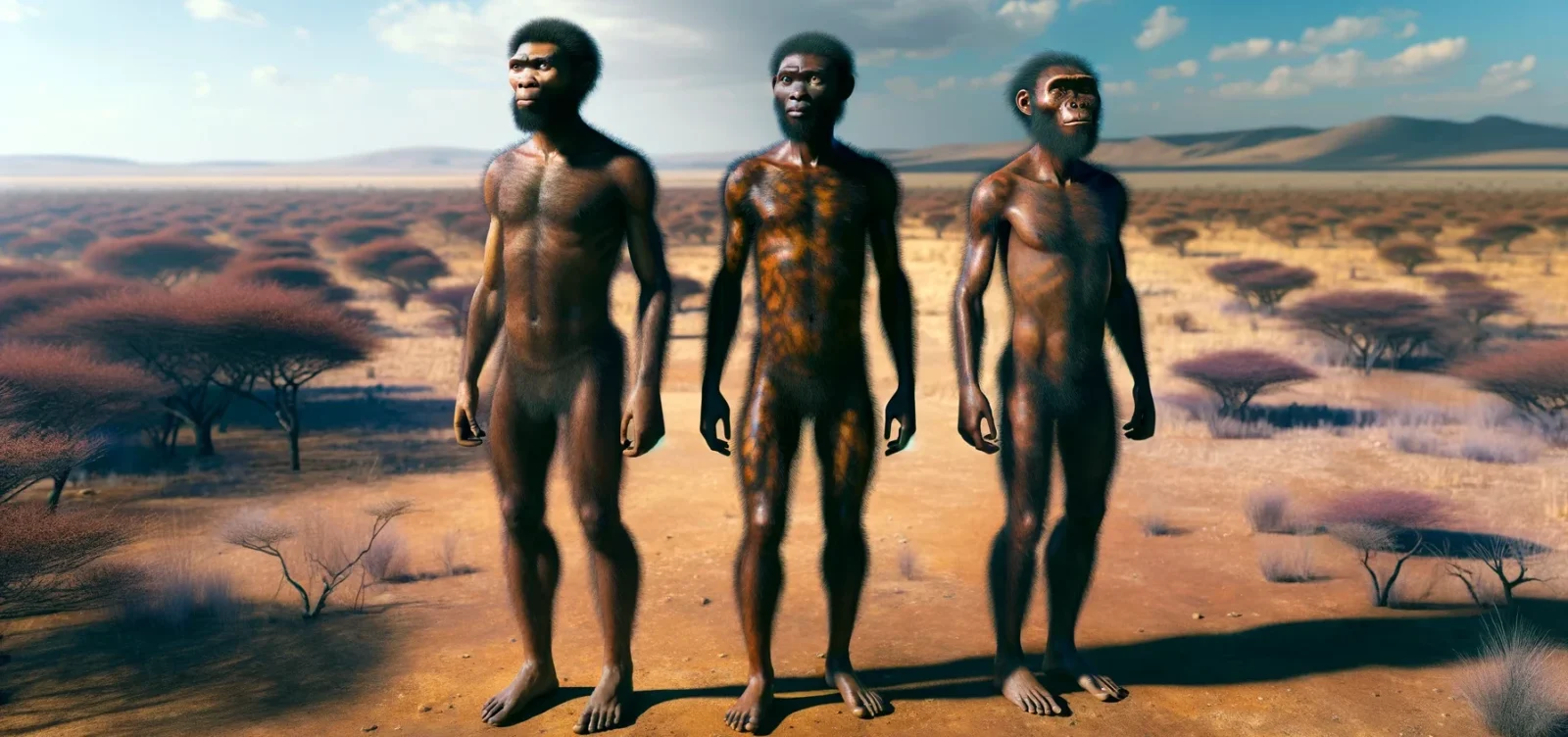
Hominin World Population: 2 Million (maybe)

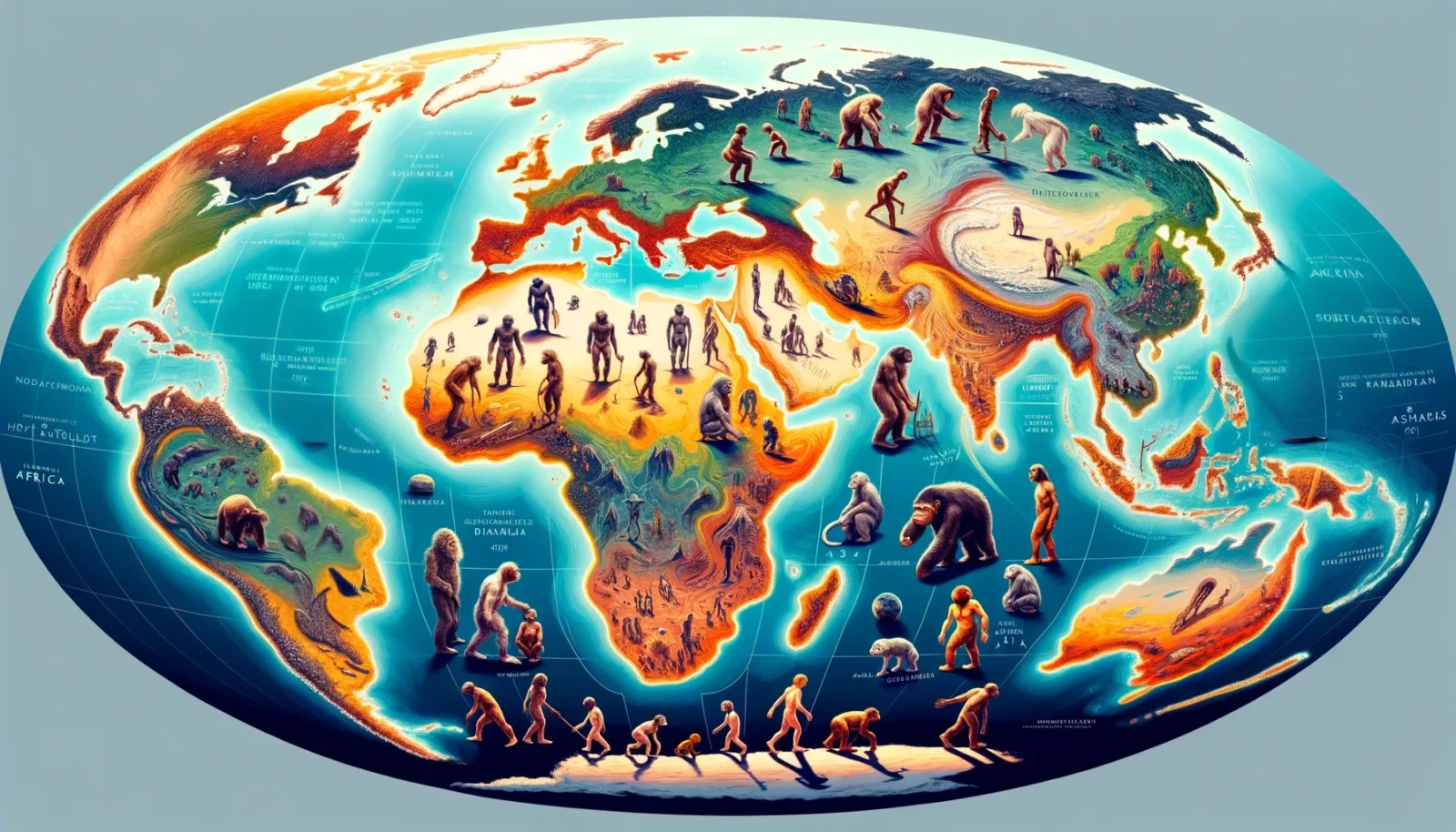
When Homo sapiens first emerged, their population in Africa was likely just a few hundred thousand, while the total hominin population, including other species like Neanderthals and Homo heidelbergensis, may have ranged from 1.1 to 2.1 million. During this period, Homo sapiens were primarily found in Africa, while other hominins occupied broader ranges across Eurasia,

Hominin World Population: 2 Million (maybe) Read More »

World Population: 1.5 Million

Cognitive Revolution By 70,000 BCE. Population range: 500,000 to 2.5 million. Given the uncertainties and lack of direct data, the following are speculative estimates. Africa-Middle East: 50-60% or 600,000 to 1 million people Africa, being the origin of modern humans, likely had the highest population density at this time, particularly in Sub-Saharan regions which were

World Population: 1.5 Million Read More »

Phenotype Variation: Eye Shape and the Epicanthic Fold

The feature of the epicanthic fold, particularly prevalent among East Asian populations descended from Haplogroup A, is an adaptation to cold, windy, and bright environments encountered as humans migrated northward from Africa. This phenotype likely developed to protect the eyes from frostbite and snow blindness, showcasing how genetic diversity within human lineages adapted to specific

Phenotype Variation: Eye Shape and the Epicanthic Fold Read More »

Scroll to Top