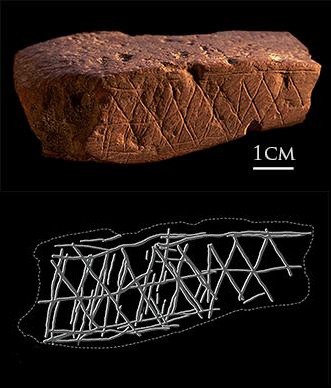
Blombos Cave Engravings
Earliest known symbol use in the Africa/Middle East zone. Located in South Africa, the cave contains engraved ochre pieces, which are among the earliest known forms of abstract art.
Blombos Cave Engravings Read More »


Genus Homo includes humans and our closest extinct relatives and ancestors. Traits: larger brain, language, symbolic thought as in art, control of fire, advanced tools, and advanced cultural transmission including an ability to adapt to diverse environments, make clothing, and invent social constructs.
Earliest known symbol use in the Africa/Middle East zone. Located in South Africa, the cave contains engraved ochre pieces, which are among the earliest known forms of abstract art.
Blombos Cave Engravings Read More »
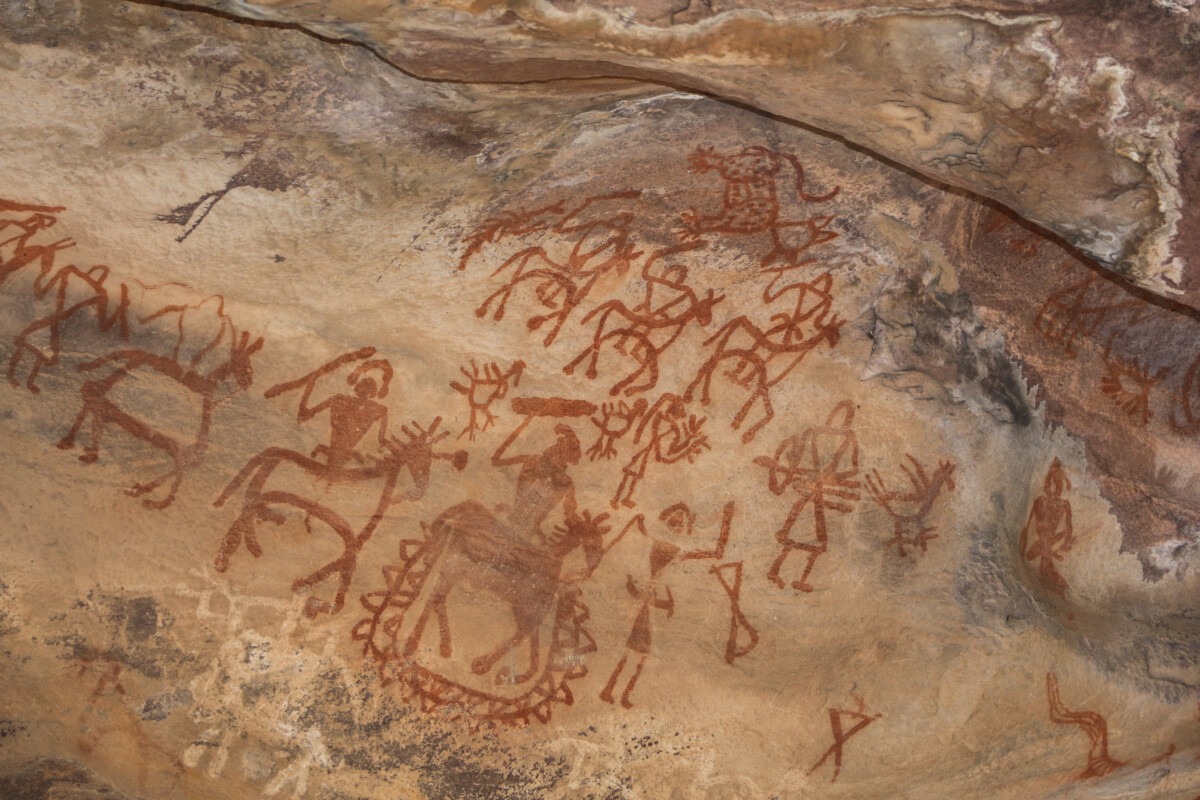
Found in central India, these cupules (circular hollows on rock surfaces) are among the earliest known forms of rock art. They were likely created by a species like Homo erectus or Homo heidelbergensis and not Homo sapiens. Homo sapiens are not known to be in India until around 40,000 years ago. Homo erectus is known
Bhimbetka Petroglyphs, Cupules Read More »
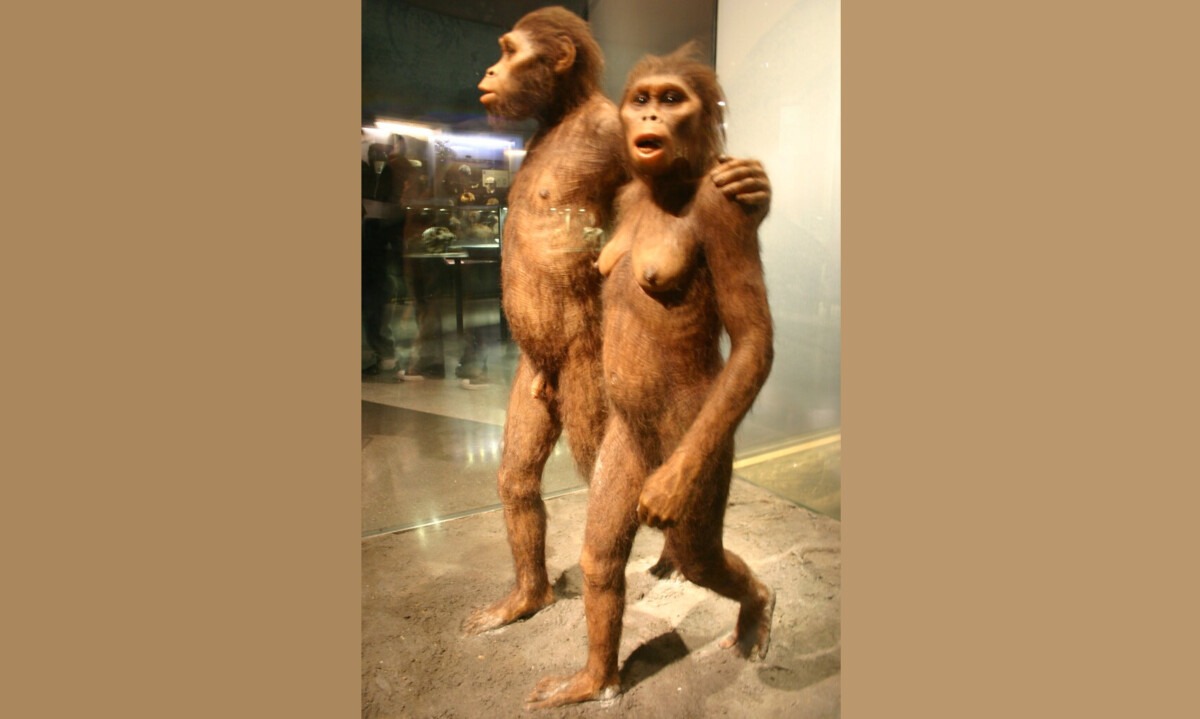
116,000 Generations Ago This genus is more directly ancestral to humans and includes several species, such as Australopithecus afarensis (famously represented by “Lucy”), Australopithecus africanus, and others. Australopithecines show a greater commitment to bipedalism and have features more closely resembling modern humans, although they still retained some adaptations for climbing. This genus is known for
Genus: Australopithecus Read More »
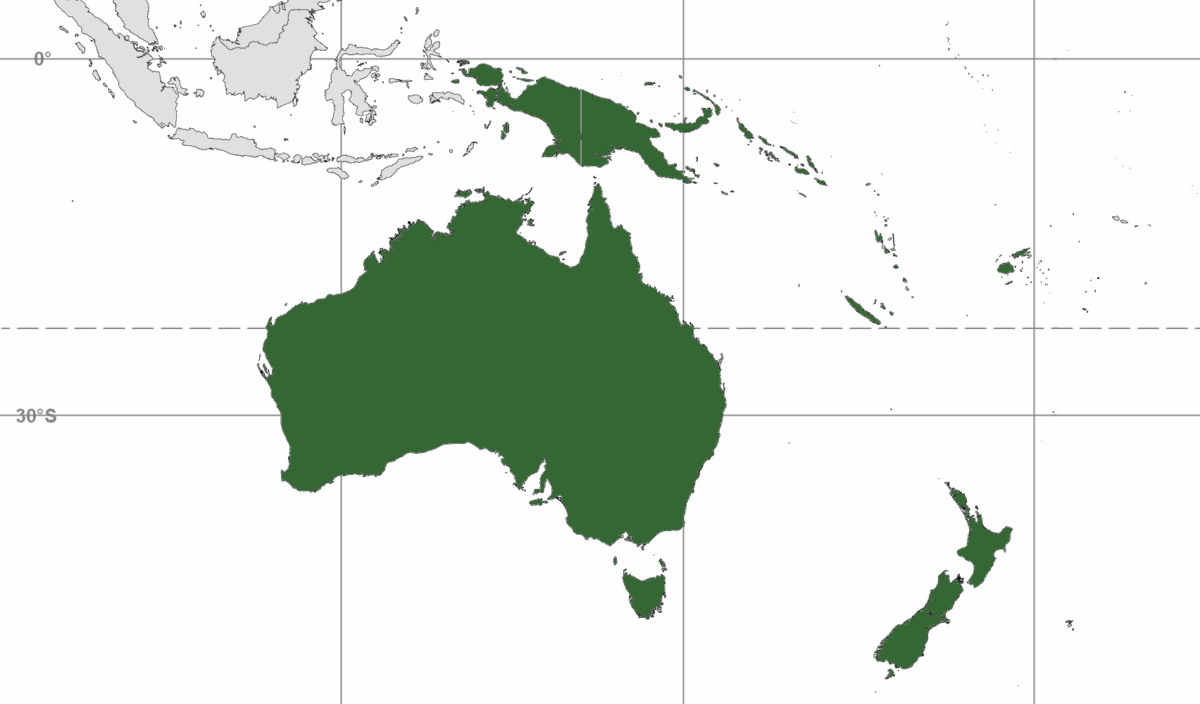
2,600 Generations Ago (from 2020 CE) Long before the sails of European explorers dotted the horizon, the Australian continent witnessed the arrival of its first human inhabitants. Archaeological evidence, such as ancient tools and cave art, suggests that people arrived in Australia at least 65,000 years ago, marking one of the earliest known human migrations
The Settlement of Australia Read More »
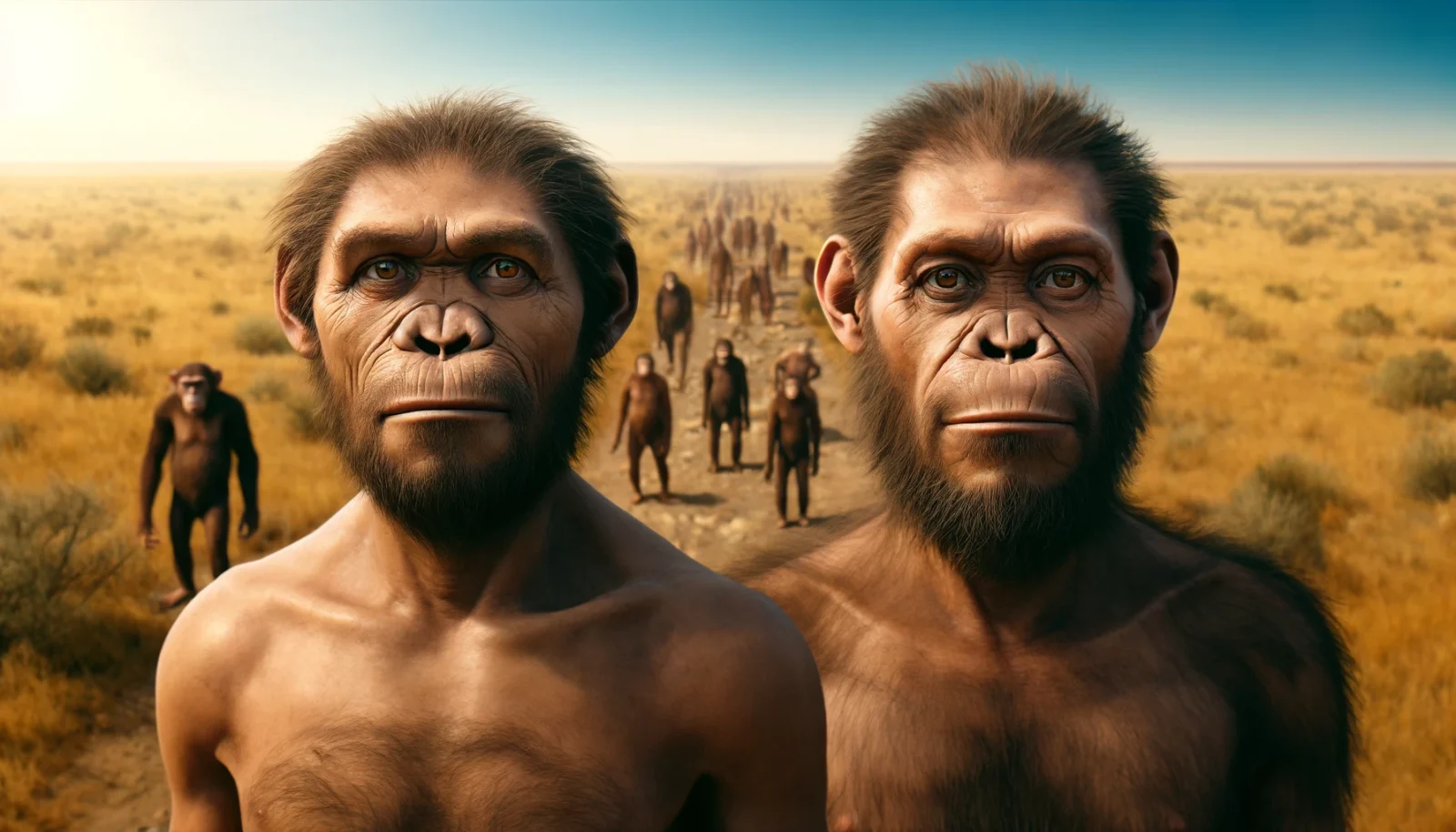
76,000 Generations Ago Homo erectus is a direct ancestor of modern humans and represents a key point in human evolution where evidence of a truly omnivorous diet becomes clear, including the use of tools for hunting and processing both plant and animal foods. This species shows significant brain enlargement and other adaptations indicative of complex
Homo erectus: A True Omnivore Read More »
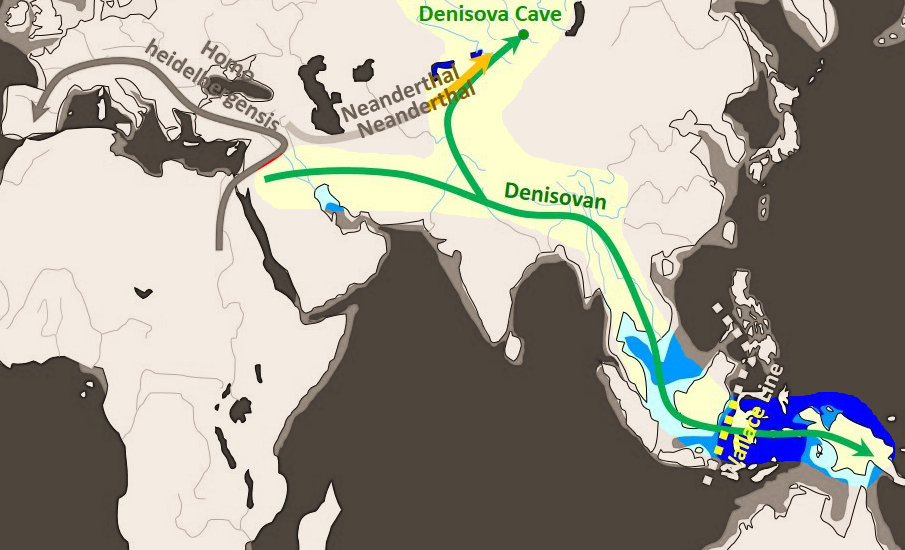
12,000 Generations Ago Neanderthals and denisovans in the genus Homo had a common ancestor about 370,000 BCE (current estimates range from 250,000 to 500,000 BCE). Though neanderthals, denisovans, and sapiens share a common ancestor, they didn’t evolve directly from each other. That common ancestor from which all three evolved from was likely a later Homo
Neanderthal-Denisovan Split Read More »
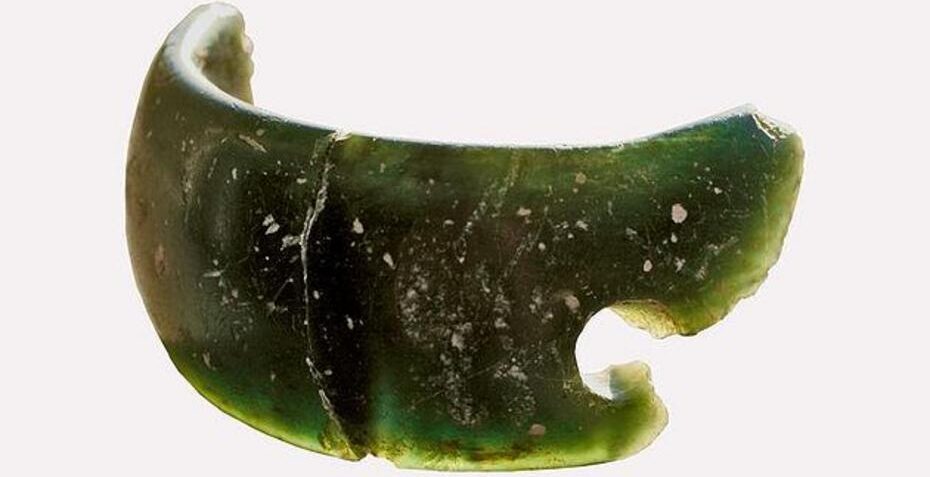
Denisovan: This bracelet dates from 70,000 to 40,000 BCE. It was discovered inside the Denisova Cave beside ancient human remains. The Denisova Cave is a cave located in Siberia, Russia. Other cave finds include woolly mammoth and woolly rhino bones. Scientists say there is evidence that the bracelet’s maker used a drill. This is the
Oldest Known Bracelet Read More »
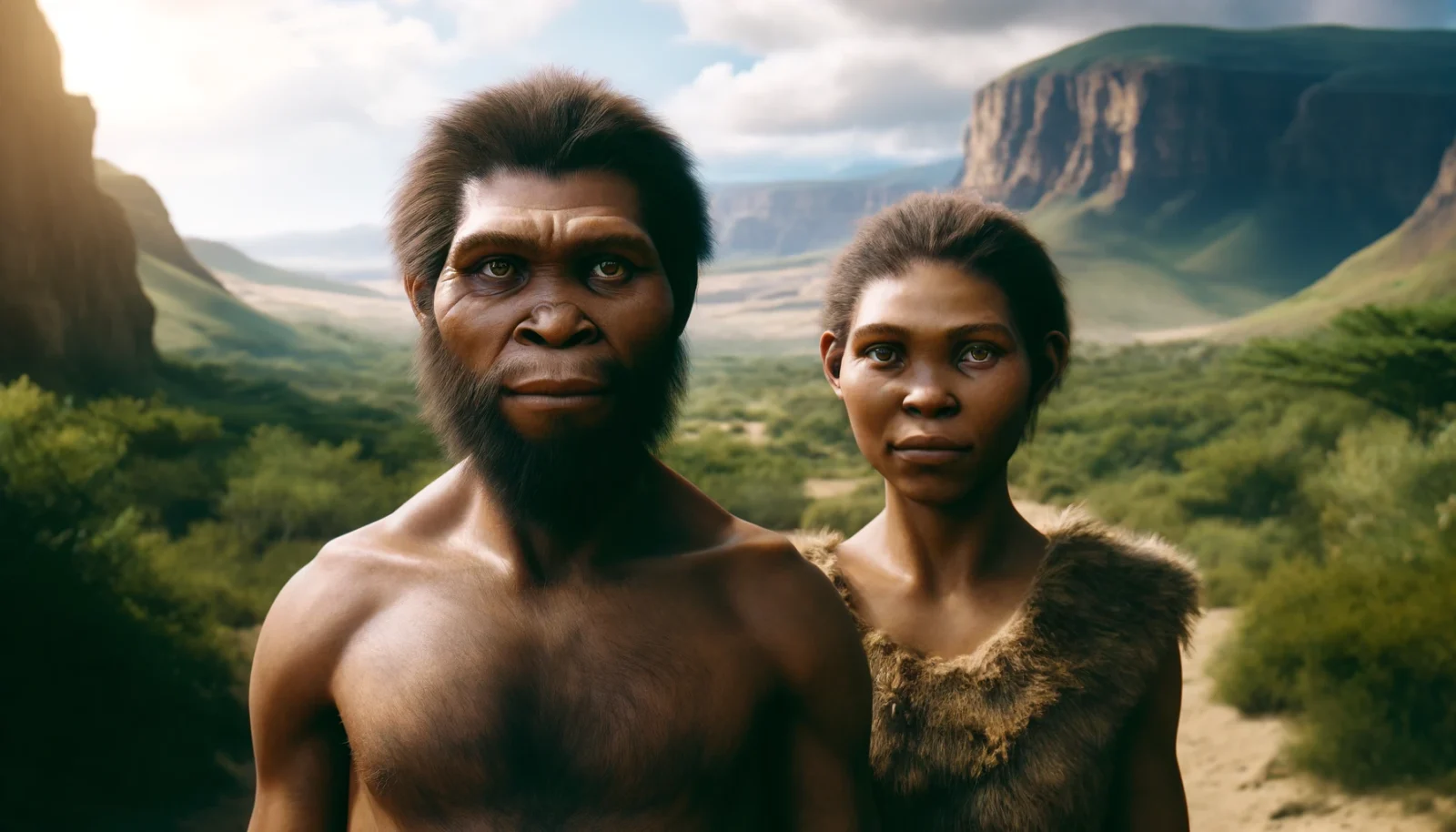
7,000 Generations Ago All humans today share a single grandma, circa 175,000 BCE. We know this because all humans alive today share our ancestor’s haplogroup L genes — from our X chromosome. She was one of many thousands of women living in eastern Africa. Many maternal lines survived for many generations but ultimately over time
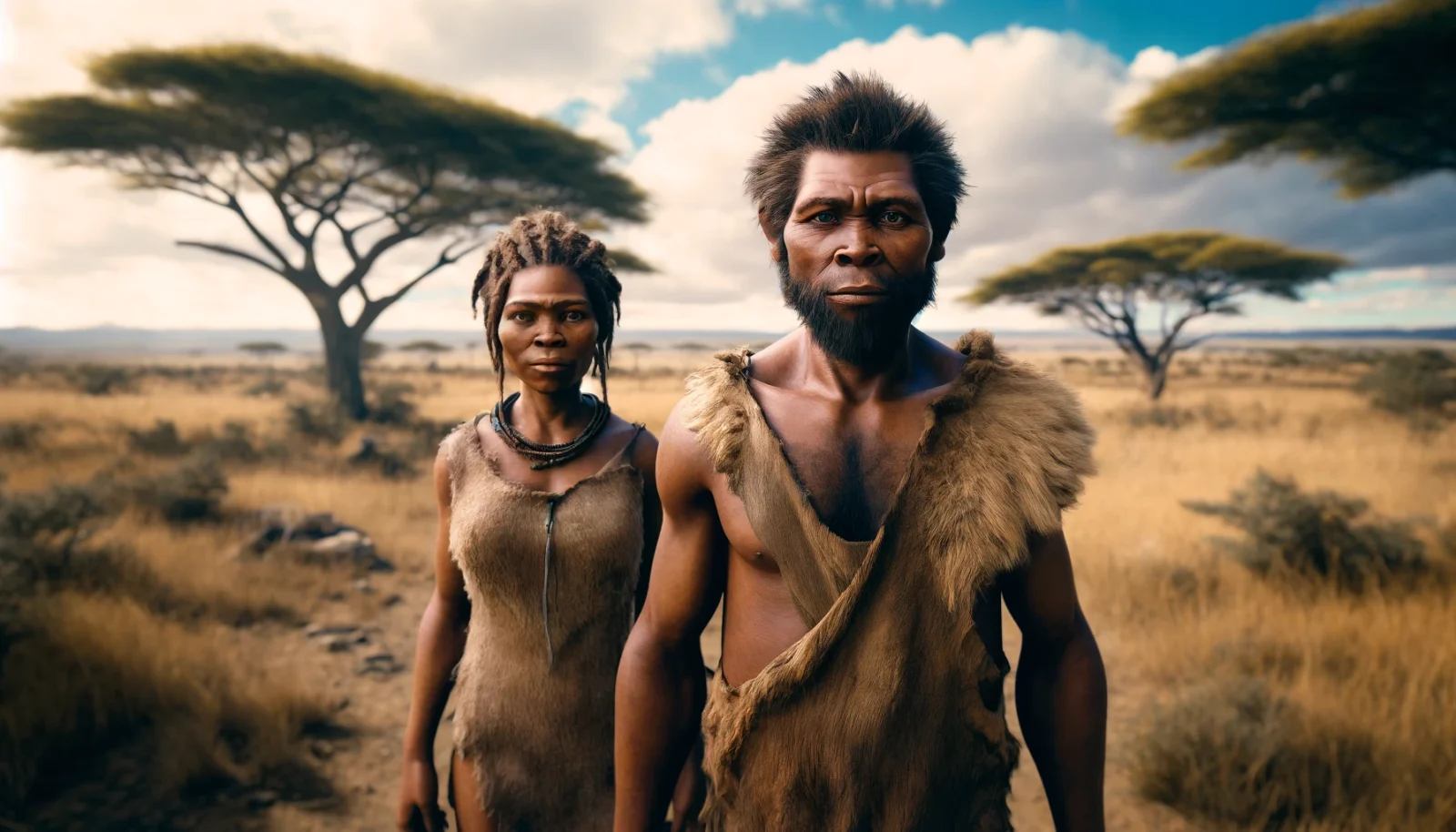
11,000 Generations Ago All humans today share a single grandpa, circa 275,000 BCE. We know this because all humans alive today share our ancestor’s haplogroup A genes — from our Y chromosome. He was one of many thousands of men living in eastern Africa. Many paternal lines survived for many generations but ultimately over time
Adam: Haplogroup A Read More »
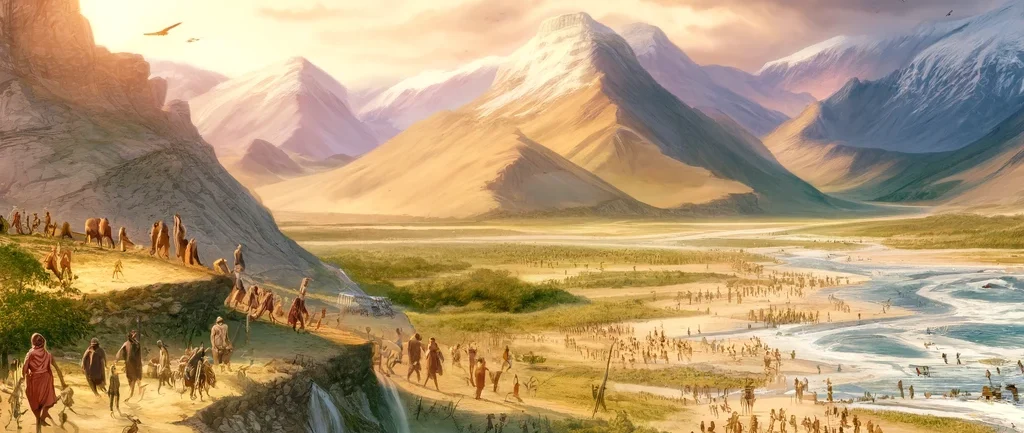
The “out of Africa” migration took place in many waves of which two are widely recognized: 130,000 to 100,000 BCE, and the Southern Dispersal around 70,000 to 50,000 BCE. Through genetic DNA testing we know that none of the genetic differences prior to circa 70,000 BCE exist in today’s humans.
Many Early Out of Africa Migrations Read More »
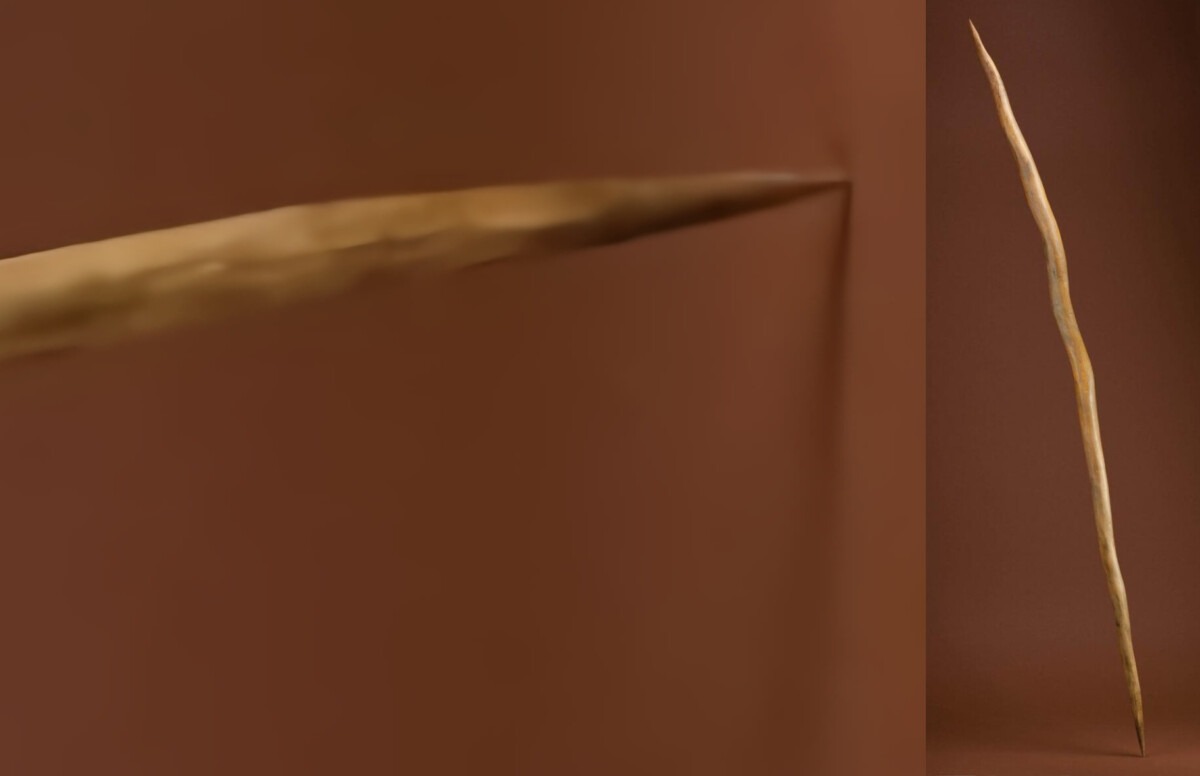
14,000 Generations Ago Homo heidelbergensis: Long spears made hunting large animals more safe. The oldest wooden spears found so far were found in Germany and dates to circa 400,000 BCE. In fact, they are currently the oldest known wooden artifacts. The find included 3 wooden spears, stone tools, and the butchered remains of more than
Oldest Surviving Spear Read More »
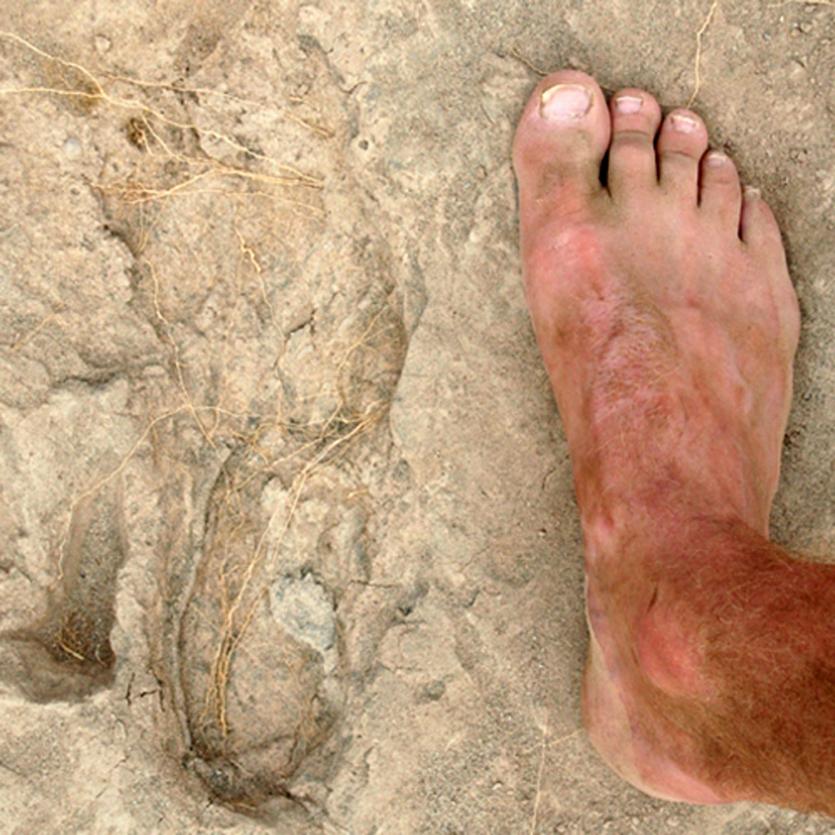
60,800 Generations Ago Species: Likely Homo erectus, our direct ancestor. The footprints found in Ileret, Kenya represent the oldest undisputed evidence of hominins walking upright in an efficient manner characteristic of modern humans. Our style of upright walking, which Homo erectus appears to have shared, is energy-efficient and adapted for long distances. It involves a
Oldest Modern Human-like Footprints Read More »
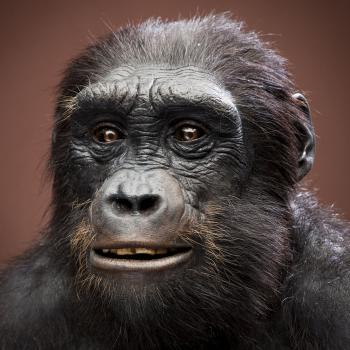
260,000 Generations Ago CHLCA candidate: Often considered one of the earliest potential hominins, Sahelanthropus tchadensis, best known from the “Toumai” skull found in Chad, exhibits features that suggest bipedalism but remains debated due to limited fossil evidence. With two human anatomical traits, small canine teeth, and a spinal cord hole in the cranium further forward
Genus: Sahelanthropus (Walking Upright) Read More »

Genus Homo: Rapid brain growth in our human ancestors started about 800,000 BCE. Now, by rapid brain growth we mean about 600,000 years! Larger complex brains helped early humans to survive. They interacted with each other and their surroundings in new and different ways.
Rapid Brain Growth Read More »
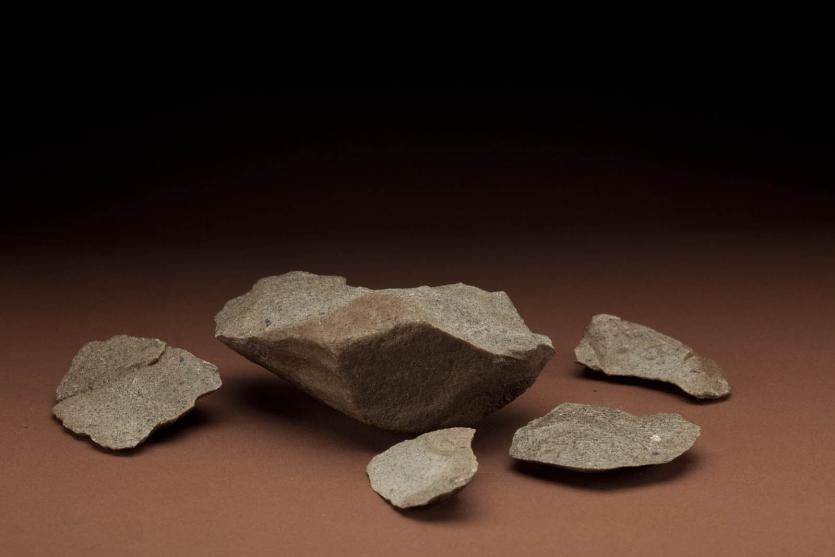
The earliest known stone tools date back to at least 3.3 million years ago. They are identified by their purposeful flaking patterns, sharp edges, and location with other more identifiable artifacts or fossils. They are then verified with microscopic analysis confirming repetitive use.
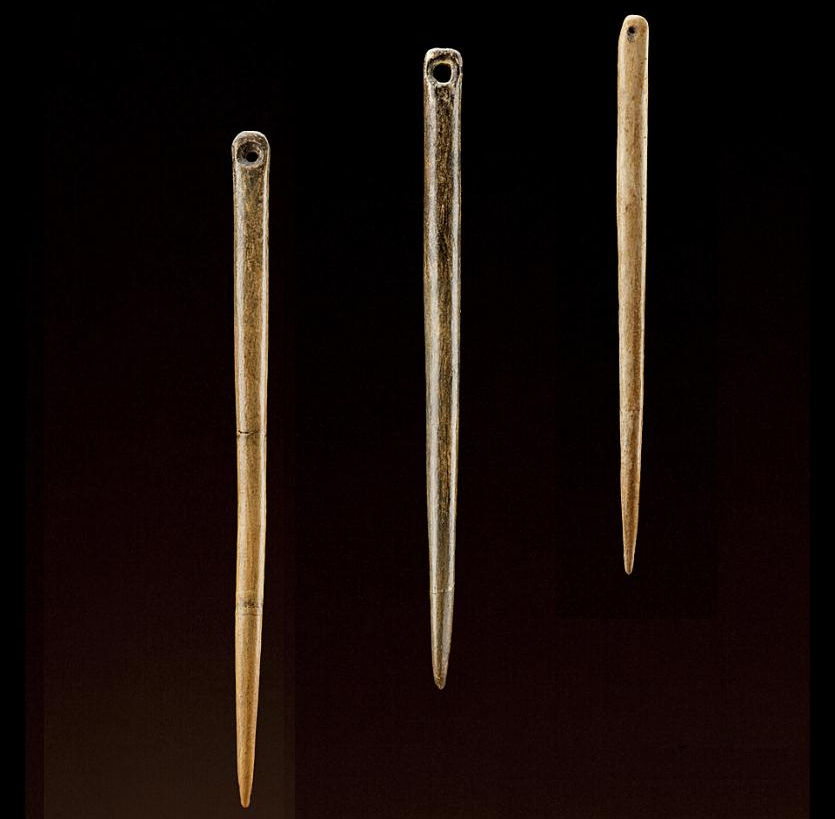
1,200 Generations Ago Humans used bone and ivory needles like these about 28,000 BCE to sew warm, closely fitted garments. These bone needles are from Xiaogushan, Liaoning Province, China, and are dated to about 28,000 to 21,000 BCE.
Advanced Sewing Needles Read More »
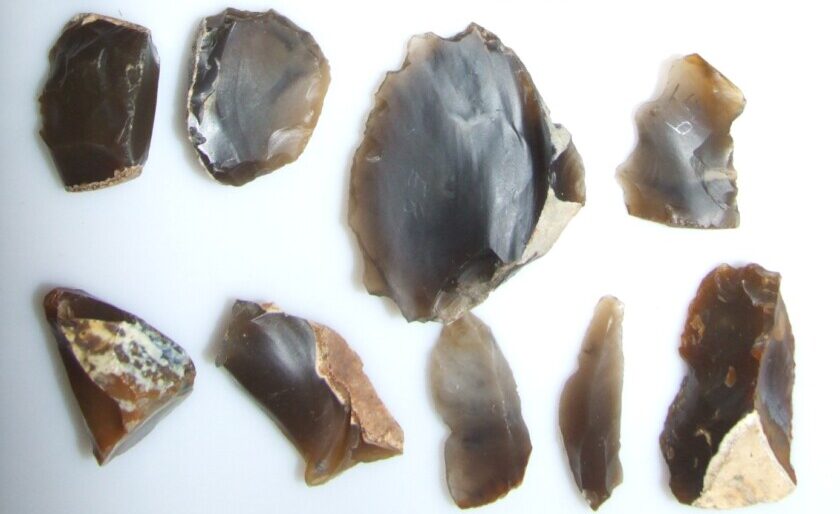
31,600 Generations Ago Burned flint tools dated to circa 790,000 BCE were discovered at Gesher Benot Ya’aquov, Israel. Control of fire is one of the key traits of the genus Homo.
Fire-Altered Stone Tools Read More »

6,000 Generations Ago By circa 150,000 BCE, the size of our brain and it’s capabilities matured. Think about this. A human born today and a human born in 150,000 BCE had roughly the same mental and physical capacities. This includes all of our traits including our need for attention and power, our ingenuity, our gullibility to
Modern Human Looks and Brains Read More »
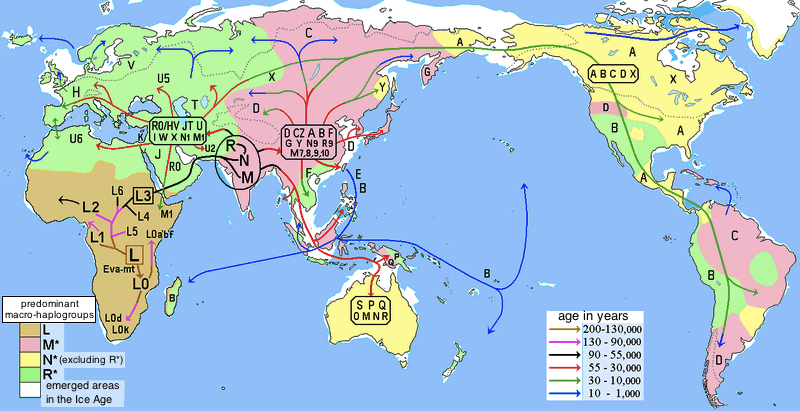
Through minor DNA changes, we know which early humans have descendants alive today. This successful “out of Africa” migration, the Southern Dispersal, took place around 70,000 to 50,000 BCE. Our ancestors proceeded to colonize all the continents and larger islands, arriving in… Eurasia circa 60,000 BCE Australia circa 65,000 BCE South America circa 30,000 BCE
Successful Out of Africa Migration Read More »

2,400 Generations Ago The modern human DNA evolved sometime between 71,000 and 51,000 BCE. Imagine that. A human baby born today, and a human baby born in 60,000 BCE have nearly indistinguishable DNA. There are differences but essentially humans are the same now as they were then. The popular website 23andme.com focuses on 23 changes in