Weekly Insights for Thinkers

Science  Philosophy  Critical Thinking  History  Politics RW  AI  Physics  •  Evolution  Astronomy 30 Phil Book More…
Science  Phil  Cr. Think  Hist 

Our Solar System

Moon Formation

In a cataclysmic event, a Mars-sized object named Theia collided with the early Earth, sending massive amounts of debris into orbit. This debris coalesced over time to form the Moon, which eventually became tidally locked to the Earth, stabilizing the planet’s axis and paving the way for the development of life. The Moon is comprised […]

Moon Formation Read More »

Late Heavy Bombardment

Visual Craters of the Moon! In a period known as the Late Heavy Bombardment, the solar system experienced a intense barrage of asteroid and comet impacts, with many large objects striking the Earth and Moon. This event likely occurred as the giant planets Jupiter and Saturn migrated to their current orbits, sending smaller bodies into

Late Heavy Bombardment Read More »

planet-blue-atmosphere

Third Atmosphere: Oxygen Atmosphere

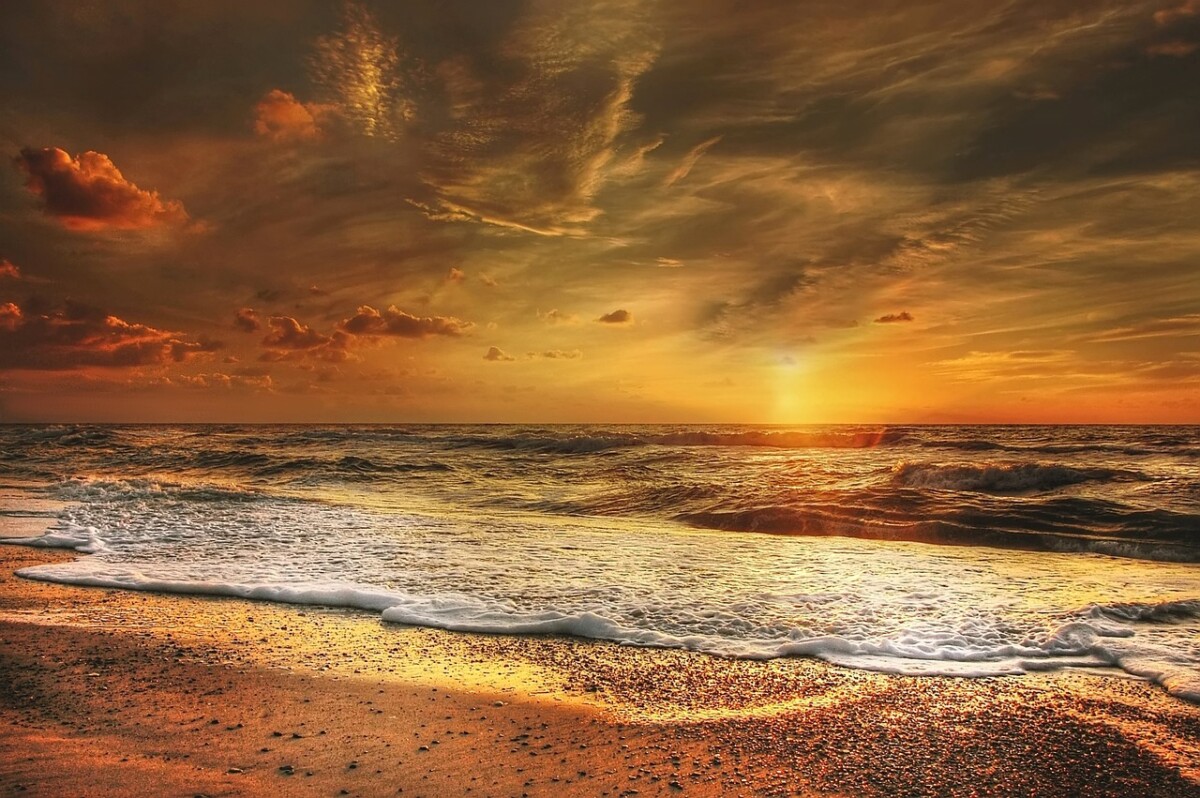
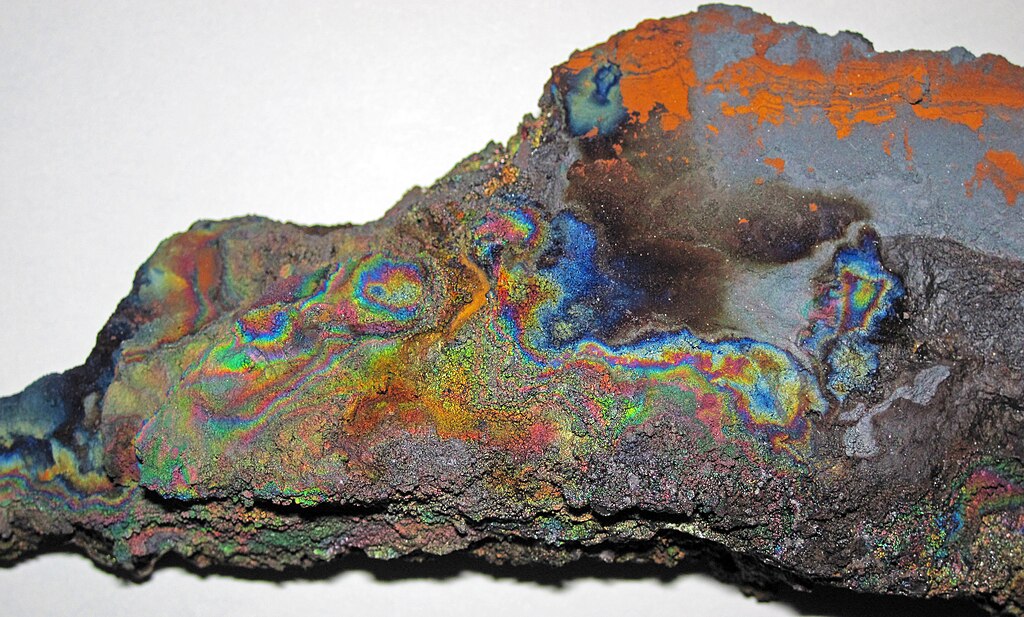
GOE: The Great Oxidation Event started enriching the atmosphere with oxygen beginning around 2.4 billion years ago. It marked one of Earth’s most dramatic transformations. Initiated by the widespread activity of photosynthetic cyanobacteria, this period, known as the Great Oxidation Event, gradually saw the accumulation of oxygen that was initially absorbed by oceanic iron. As

Third Atmosphere: Oxygen Atmosphere Read More »

Second Atmosphere: Carbon Dioxide & Nitrogen

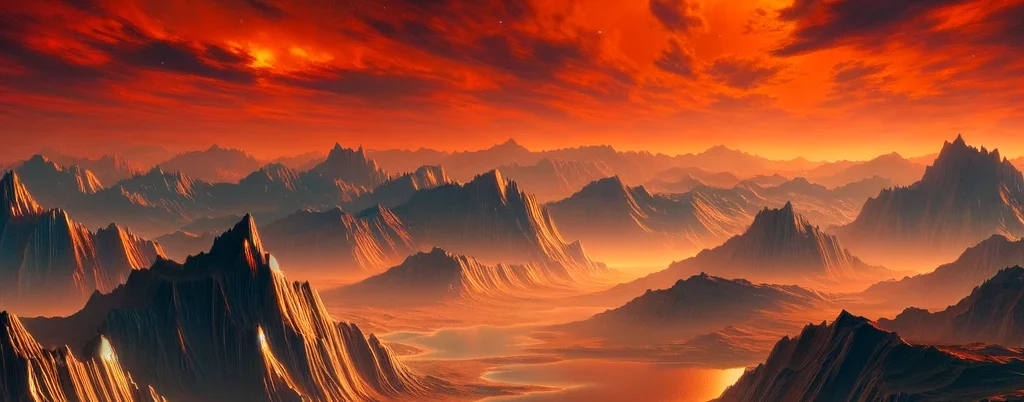
Deep orange or reddish-brown atmosphere: The second atmosphere’s formation was crucial and occurred just before or alongside the formation of Earth’s oceans, which directly supported the evolution of organic molecules and prebiotic microenvironments. The second atmosphere began to develop around 4.5 to 4 billion years ago, as volcanic outgassing released gases trapped in the Earth’s

Second Atmosphere: Carbon Dioxide & Nitrogen Read More »

First Atmosphere: Hydrogen & Helium

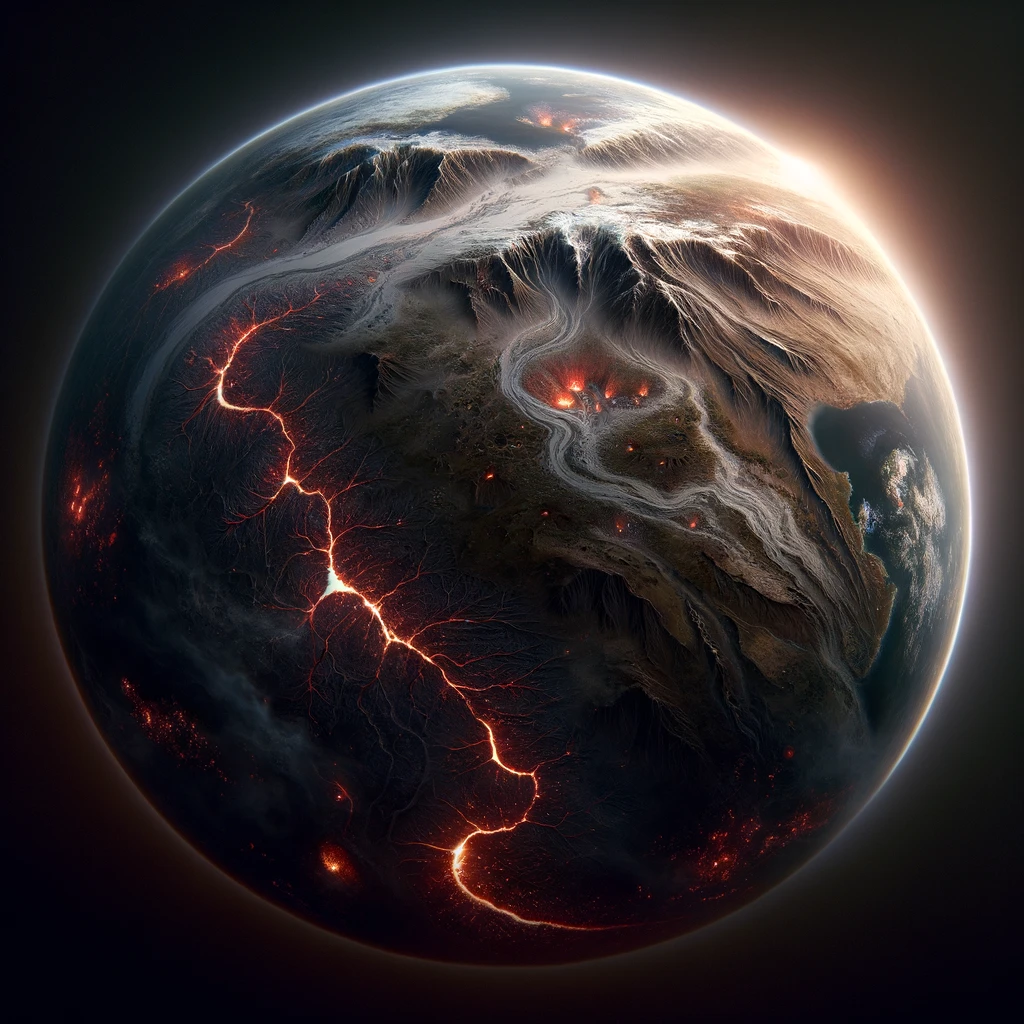
Likely white or grayish atmosphere: The first atmosphere developed first but was not directly involved in the development of life. The first atmosphere formed shortly after Earth’s formation around 4.5 billion years ago. This initial atmosphere was primarily composed of hydrogen and helium, the lightest and most abundant elements in the universe, which were captured from

First Atmosphere: Hydrogen & Helium Read More »

Inorganic Precursors to Organic Molecules

The chemical evolution from inorganic precursors to organic molecules is a fascinating story of transformation driven by Earth’s dynamic early conditions and possibly assisted by the input from space in the form of meteorites rich in organic compounds. During this period, the Earth witnessed a series of complex chemical reactions facilitated by its primordial atmosphere,

Inorganic Precursors to Organic Molecules Read More »

RNA World

Following the appearance of self-replicating molecules, the RNA world hypothesis suggests a period where RNA served both as genetic material and as a catalyst for chemical reactions. This phase emphasizes the central role of RNA in early life forms, prior to the evolution of DNA and proteins. The RNA world could be considered both a

RNA World Read More »

Assembly of Protocells

Between the development of metabolic pathways and the formation of cellular membranes, there might have been a phase involving the assembly of protocells. These protocells, formed from self-assembled lipid molecules creating vesicles, could encapsulate nucleic acids and metabolic molecules, offering a primitive model for cell-like structures. Protocells represent a bridge between non-living chemical systems and

Assembly of Protocells Read More »

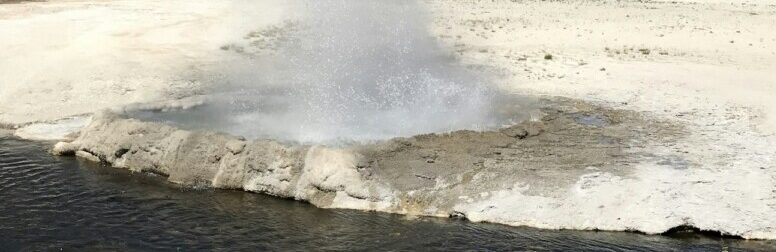
Geyser in Yellowstone National Park

Formation of Prebiotic Microenvironments

Alongside or following the chemical evolution of organic molecules, the formation of prebiotic microenvironments, such as hydrothermal vents or warm little ponds, provided niches where concentrations of organic molecules could interact. These environments could have been crucial for the assembly of complex organic molecules and the initiation of catalytic cycles.

Formation of Prebiotic Microenvironments Read More »

a group of orange and red objects floating in the air

First Life: Self-Replicating Molecules

The appearance of self-replicating molecules, such as RNA or similar nucleic acid analogues, signified a monumental leap towards life. These molecules had the ability to store genetic information and catalyze their own replication, laying the foundational mechanism for heredity and evolution by natural selection, driving the complexity forward towards the emergence of life as we

First Life: Self-Replicating Molecules Read More »

Cellular Membranes

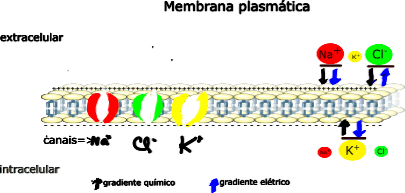
The formation of cellular membranes represents a pivotal development in the pre-life world, enabling the creation of defined boundaries for primitive cells. These membranes, likely formed from simple lipid bilayers, provided a controlled environment for chemical reactions and played a critical role in the emergence of the first cell-like structures, distinguishing them from their surrounding

Cellular Membranes Read More »

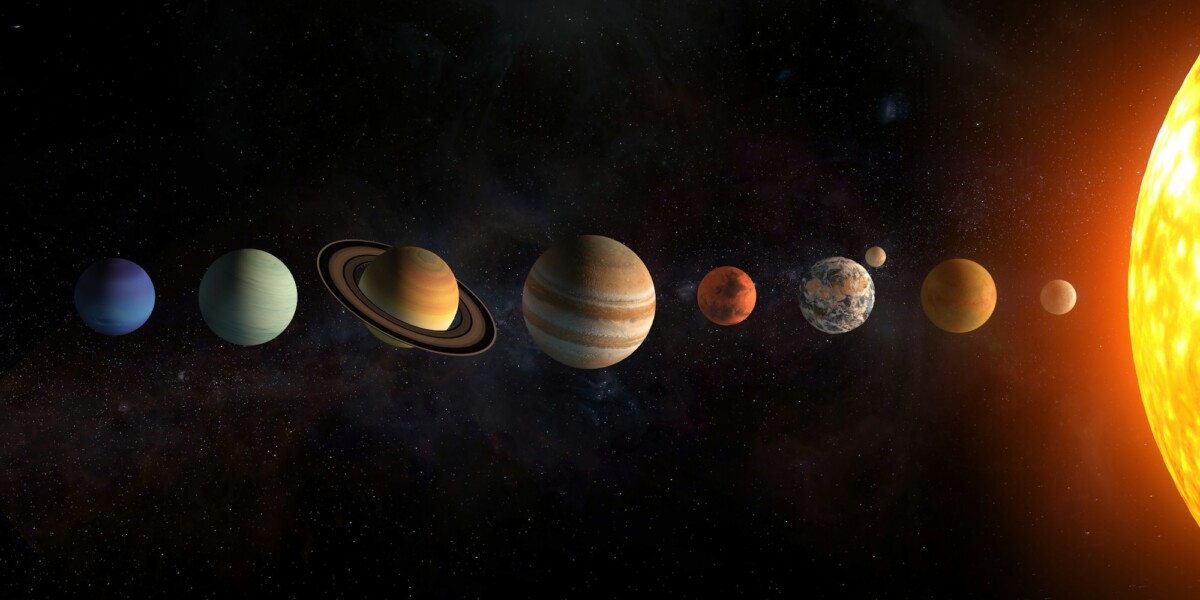
Solar system planets set. The Sun and planets in a row on univer

Earth is Born

The Earth and the other planets formed 4.5 billion years ago from the same cosmic cloud—the primordial material which gave birth to the Sun. The dust and comets—the rocks—were composed largely of hydrogen, ice, carbon, and nitrogen.

Earth is Born Read More »

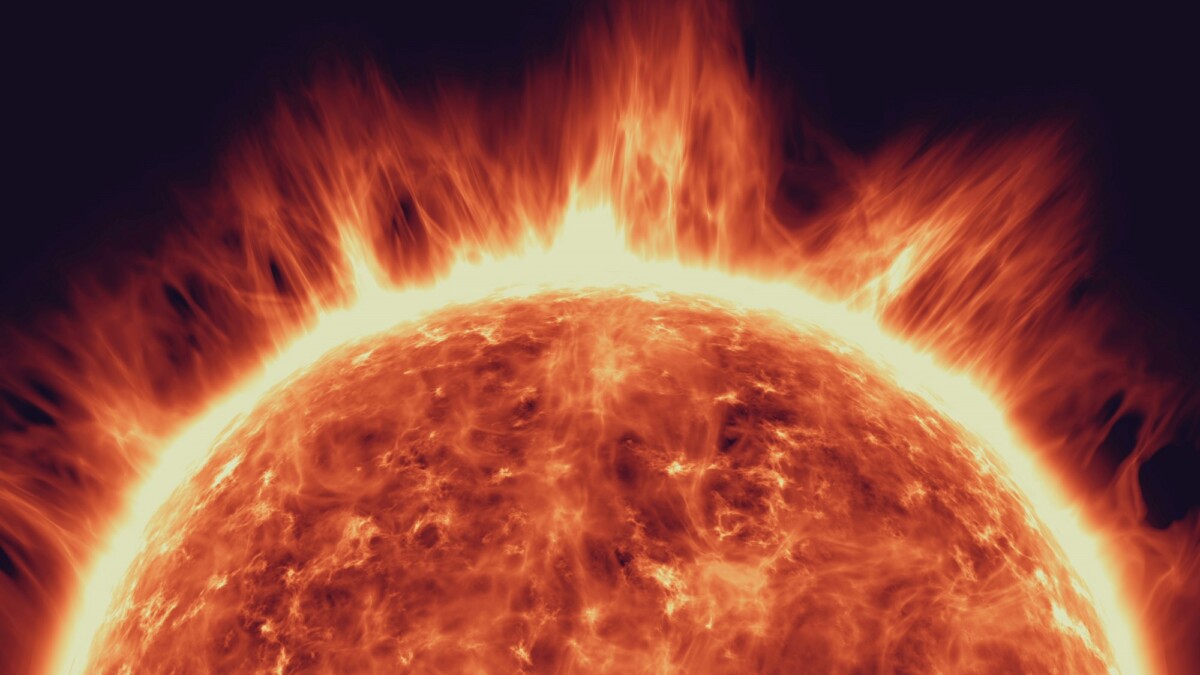
Epic sun surface flare prominence solar system

Birth of the Sun

4.6 billion years ago, a cloud of gas and dust collapsed under the force of its own gravity to form our solar system.With the Sun at its center, glowing, the planets had not yet formed. The Sun, a G-type Population 1 star, shines brightly with a surface temperature of about 9,400 degrees, 5,500 Kelvin, and

Birth of the Sun Read More »

galaxy, cosmos, physical, science fiction wallpaper. Deep space.

RCW 86 Supernova

This supernova was observed by Chinese astronomers in 185 CE. The Chinese kept meticulous astronomical records for centuries, including observations of what modern scientists interpret as supernovae. Chinese astronomical records from 185 AD describe the appearance of a “guest star” in the constellation now known as Circinus. This guest star matches the expected location and

RCW 86 Supernova Read More »

Scroll to Top