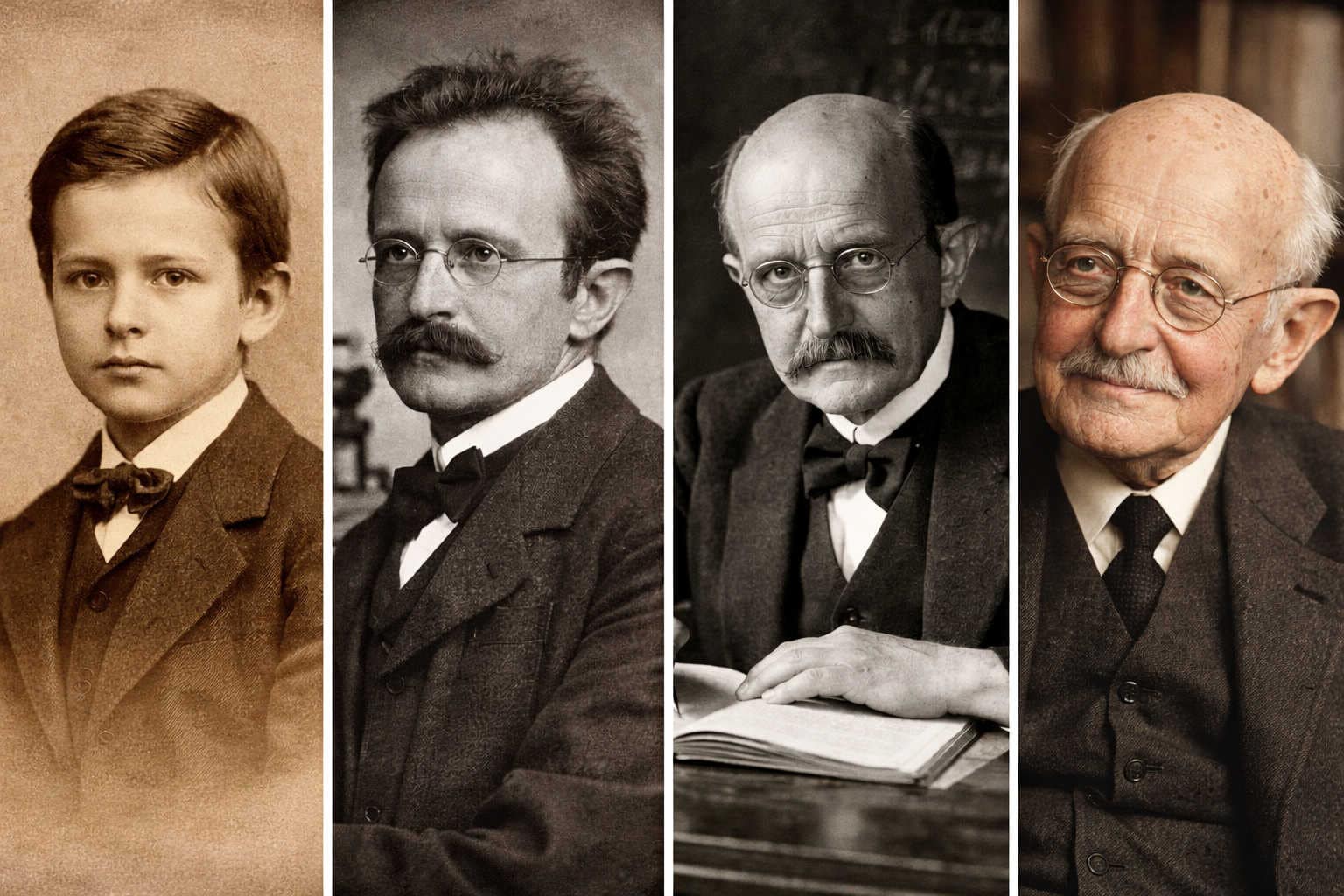
Max Planck
Planck discovered limits by following the math honestly—even when it contradicted intuition.


Planck discovered limits by following the math honestly—even when it contradicted intuition.

Alfred Russel Wallace lived from January 8, 1823, to November 7, 1913. He is best known for independently proposing the theory of evolution by natural selection, prompting Charles Darwin to publish his own findings. Wallace’s work as a biologist, anthropologist, and geographer took him to the Amazon and the Malay Archipelago, where he identified the
Alfred Russel Wallace (1823-1913) Read More »
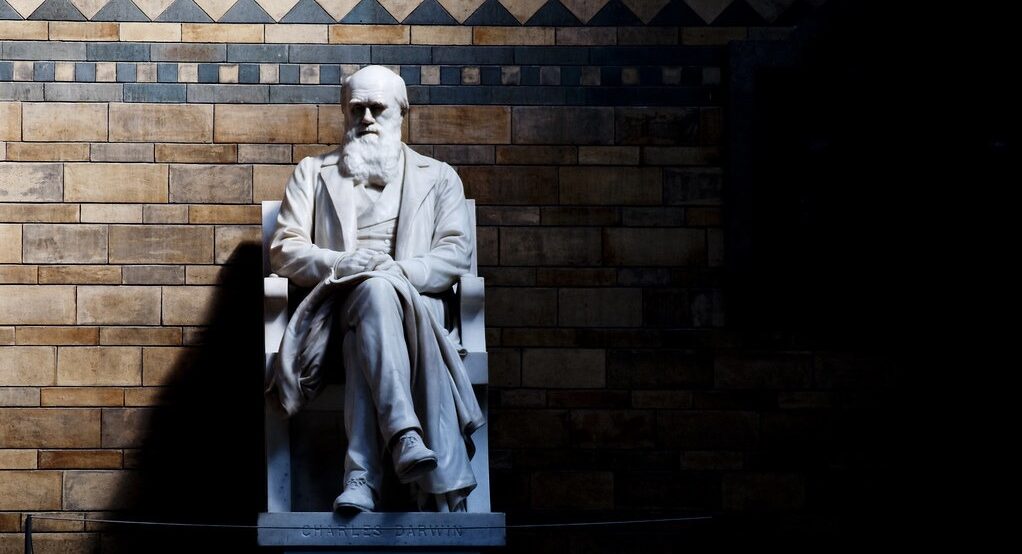
Charles Darwin, born on February 12, 1809, and passing on April 19, 1882, was an English naturalist whose groundbreaking work laid the foundation for the theory of evolution. His voyage on the HMS Beagle and the subsequent observations he made led him to formulate his theory of natural selection, published in his seminal work “On
Charles Darwin (1809-1882) Read More »

30 Phil, Chapter 27, Hume, Touchstone 70: The Problem of Induction. The logic behind induction is inherently circular, hence, the problem of induction. We expect future events to be like past events because this has generally been true in the past. This justification itself is inductive, making the whole process circular and self-referential. Although induction
The Problem of Induction Read More »

30 Phil, Chapter 27, Hume, Touchstone 69: Skeptical Empiricism. Skeptical Empiricism challenges the idea of innate knowledge, asserting all we know stems from our experiences.
Skeptical Empiricism Read More »

30 Phil, Chapter 26, Voltaire, Touchstone 67: Fourth Estate. The fourth estate refers to the role of media in society. During Voltaire’s time, the seeds were being sown for the concept of the fourth estate. This was due in part to his tireless advocacy for freedom of speech and the press, an echo of the

30 Phil, Chapter 23, Roger Williams, Touchstone 58: Liberalism. Liberalism emphasizes personal freedom for all, individual rights, equality before the law, and limited government intervention. A suitable guiding statement is: “Social progress through individual autonomy, political freedom, civil liberties, and equality for all.” Emerging from the intellectual ferment of the Enlightenment, liberalism offered a radical departure

30 Phil, Chapter 23, Roger Williams, Touchstone 57: Separation of Church and State. More than a historical or religious treatise, the Bloody Tenet by Roger Williams is a seminal work. It launched a full-throttle assault on the prevailing norms of religious and political intolerance that plagued both Old and New England. In it, he passionately
Separation of Church and State Read More »
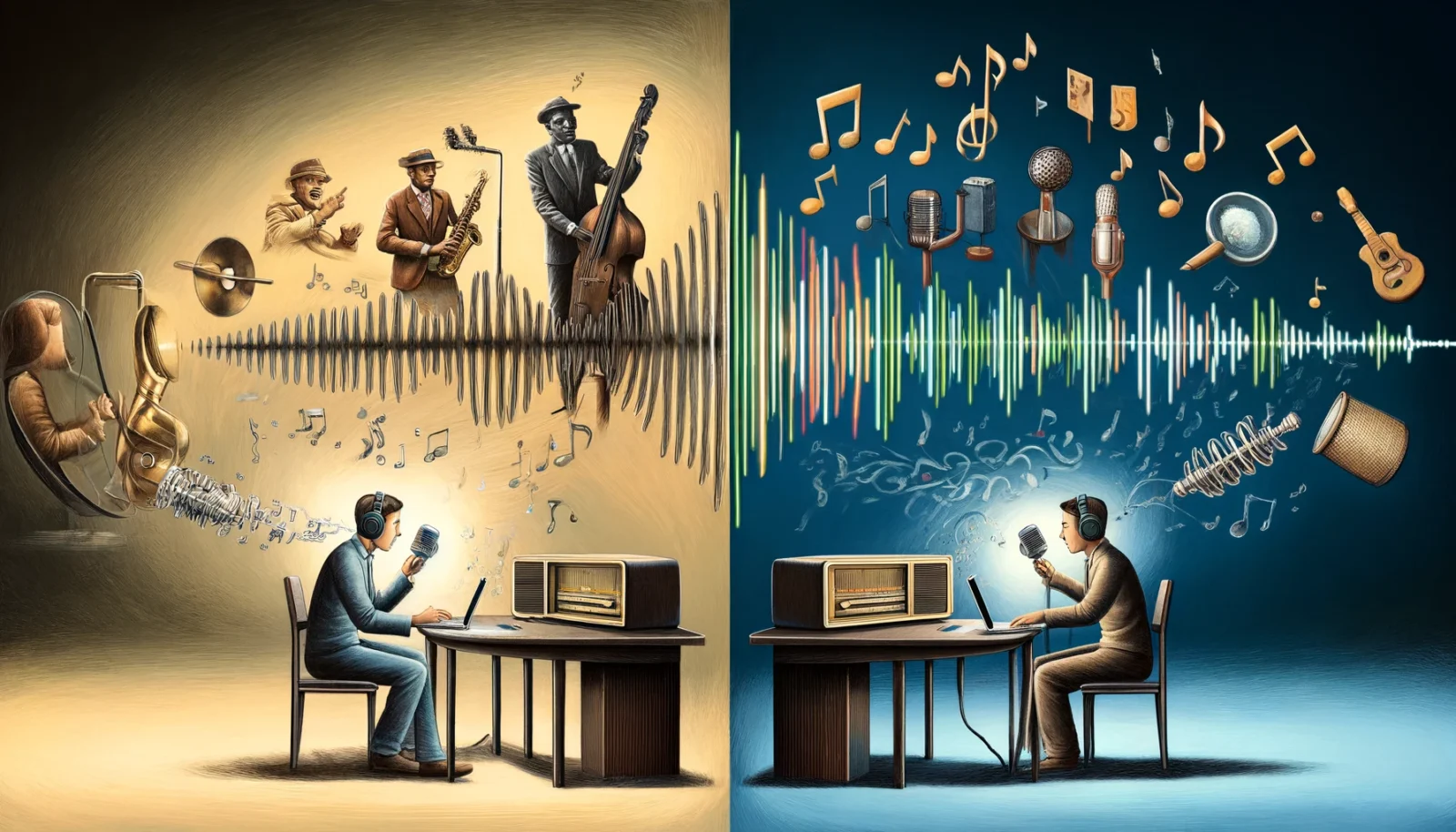
In 1906, Reginald Fessenden achieved the first analog transmission of sound over radio waves on Christmas Eve. An analog transmission is like a flowing river that continuously changes its speed and depth to carry things along its path. In analog communication, sounds or images are directly transformed into continuous signals that mimic the original. For
First Analog Radio Transmission Read More »

James Clerk Maxwell predicted electromagnetic waves, but he did not perform experiments to prove their existence. His prediction was based on his work on the classical theory of electromagnetic radiation, which unified electricity, magnetism, and light as different manifestations of the same phenomenon. Maxwell’s equations for electromagnetism predicted the existence of waves of oscillating electric
Electromagnetic Radiation Theory Read More »
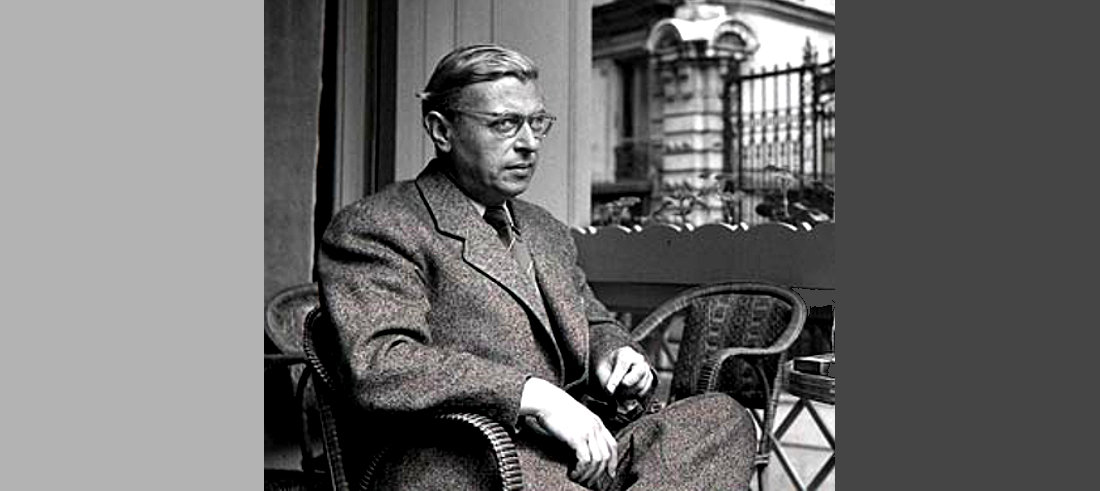
5 Generations Ago 30 Phil, Chapter 31: Sartre and Existentialism Jean-Paul Sartre arrived in the Material World on June 21, 1905. Born in Paris to a modest family. Sartre, the chain-smoking existentialist who frequented Parisian cafes, is most remembered as an activist writer and for his idea of “bad faith.”
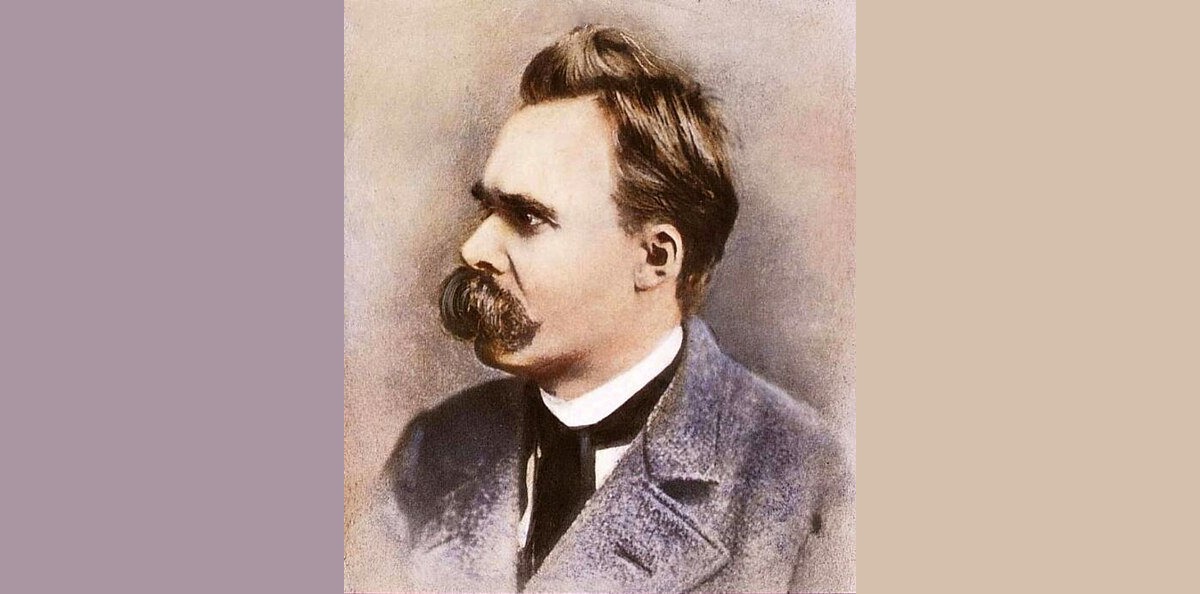
Kierkegaard taught us to take guidance from our angst, which drives leaps of faith. Nietzsche wants you to first challenge inherited norms so you can create your own values through authentic self-becoming.
Friedrich Nietzsche Read More »
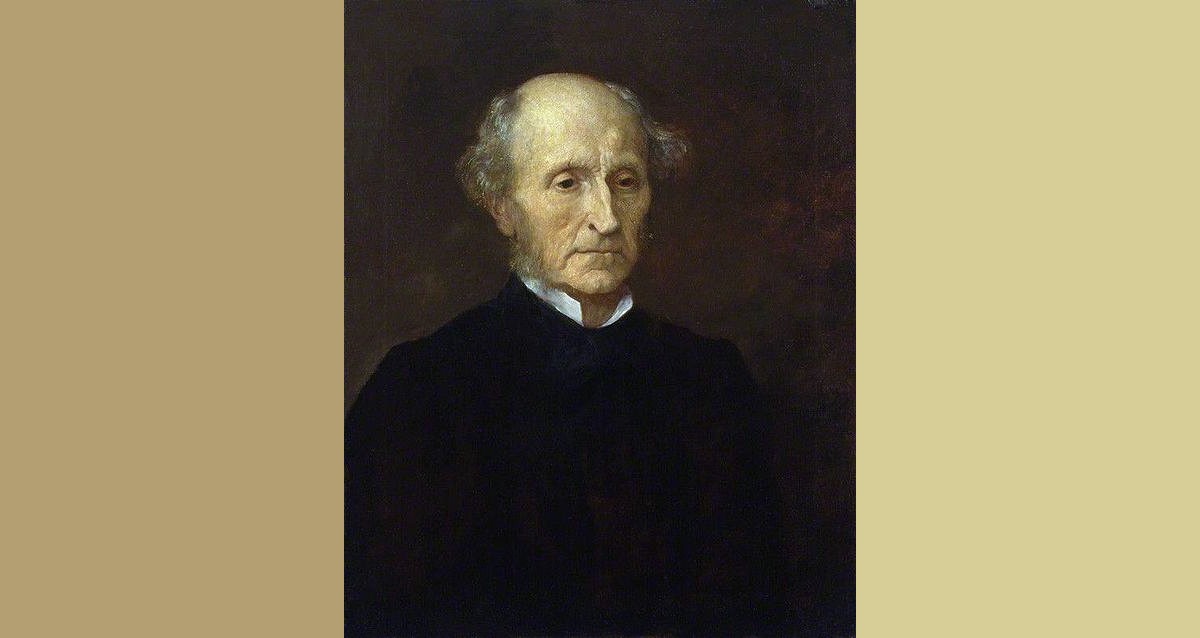
9 Generations Ago 30 Phil, Chapter 29: Mill and Utilitarianism John Stuart Mill was born on May 20, 1806, in London, to James Mill, a Scottish-born philosopher and economist, and Harriet Barrow. His Greatest Happiness Principle lies at the core of utilitarianism, advocating for actions that maximize utility, generally understood as producing the greatest well-being
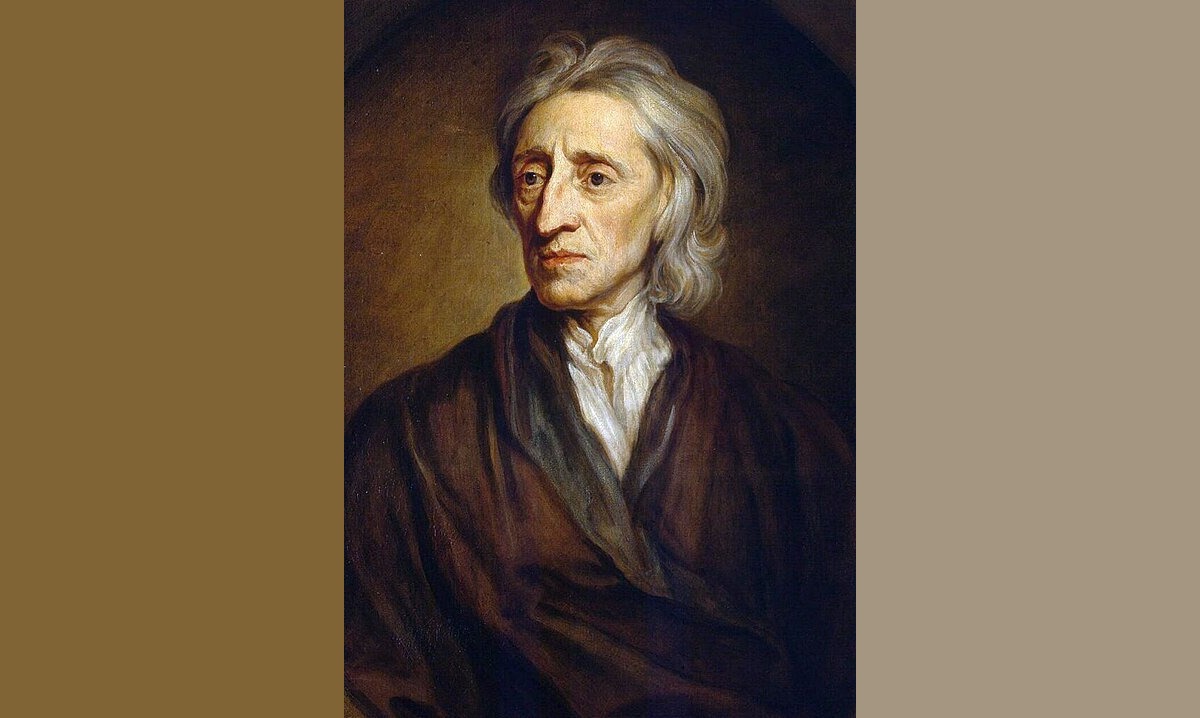
John Locke grounded human knowledge and human rights in experience rather than authority or tradition.
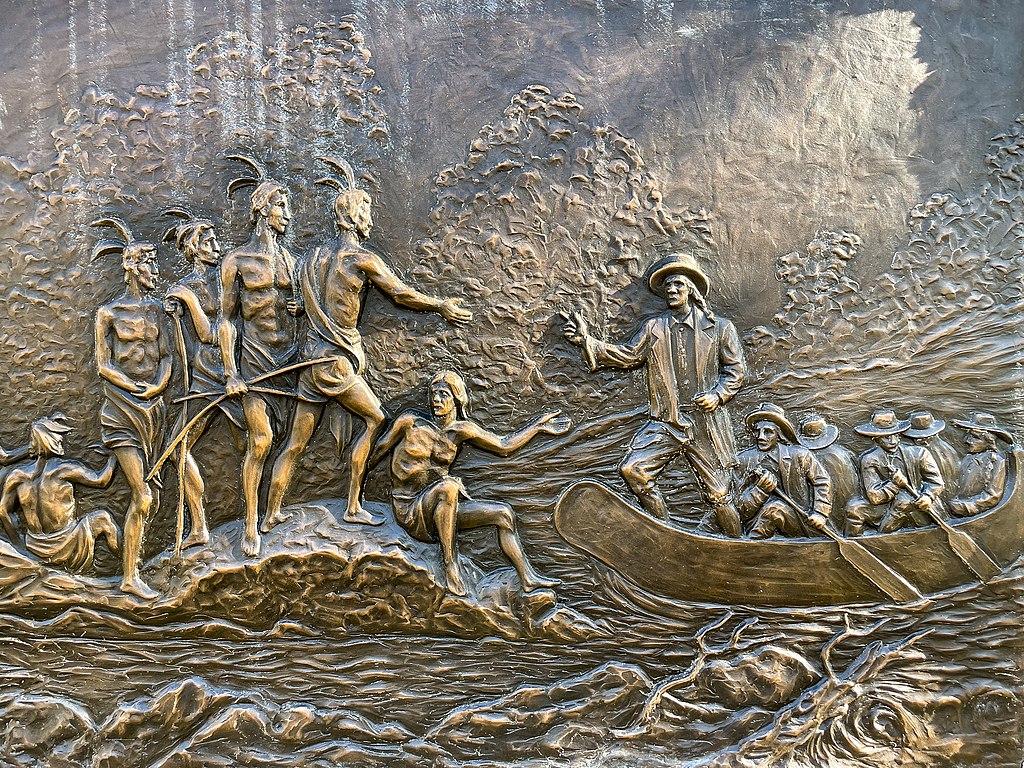
17 Generations Ago 30 Phil, Chapter 23: Roger Williams and Liberalism Roger Williams was born in England around 1602, in Smithfield, situated at the heart of London. Williams officially founded Providence Plantations in 1636 with an informal agreement with the local Native American leaders. It became the fifth American colony and the second in the
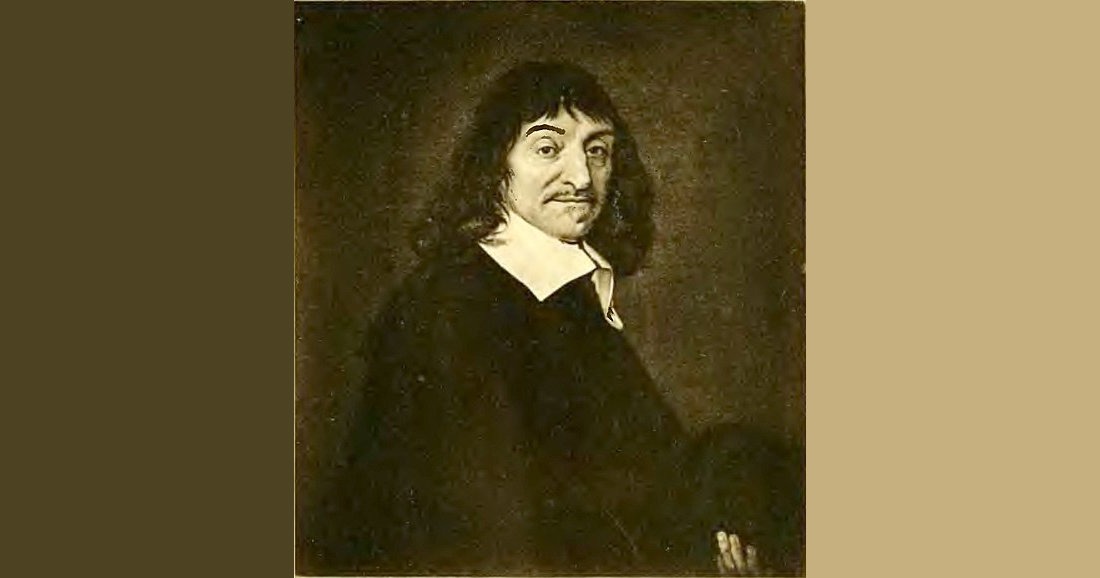
17 Generations Ago 30 Phil, Chapter 22: Descartes and Cartesian Dualism René Descartes was born into minor nobility in the Kingdom of France on March 31, 1596. In 1637, Descartes published “Discourse on the Method,” he sought to identify certain knowledge by using doubt to strip away uncertain beliefs. Cartesian Skepticism is a system of
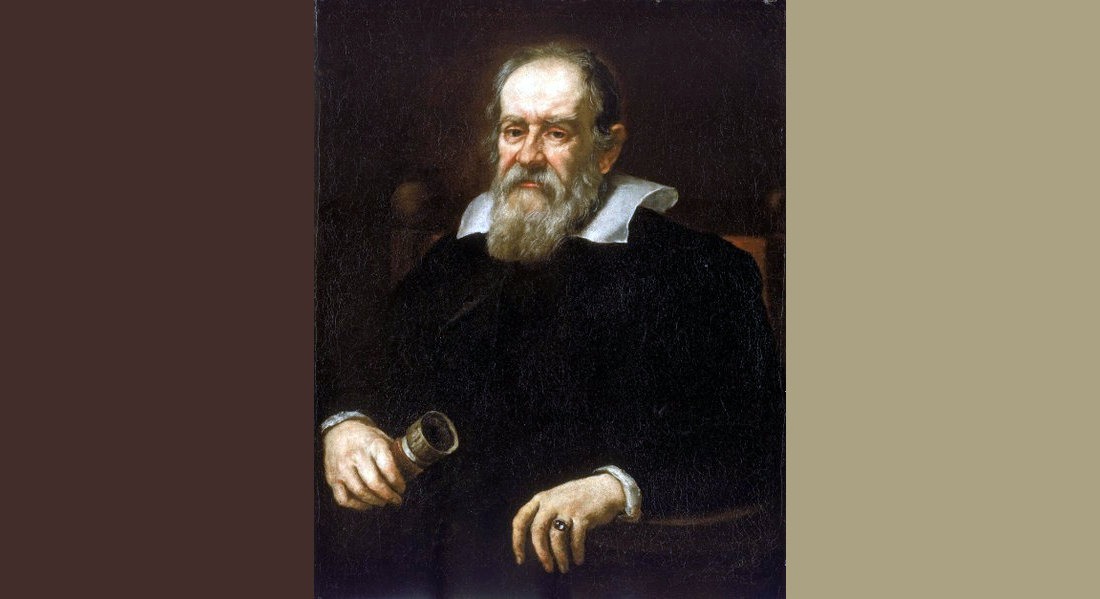
18 Generations Ago 30 Phil, Chapter 21: Galileo and the Scientific Revolution Galileo Galilei, more of a scientist than a traditional philosopher, forever altered our understanding of nature. He was born on February 15, 1564. Galileo was a great scientist in his time. His “way,” his method, of performing science helped push us toward our
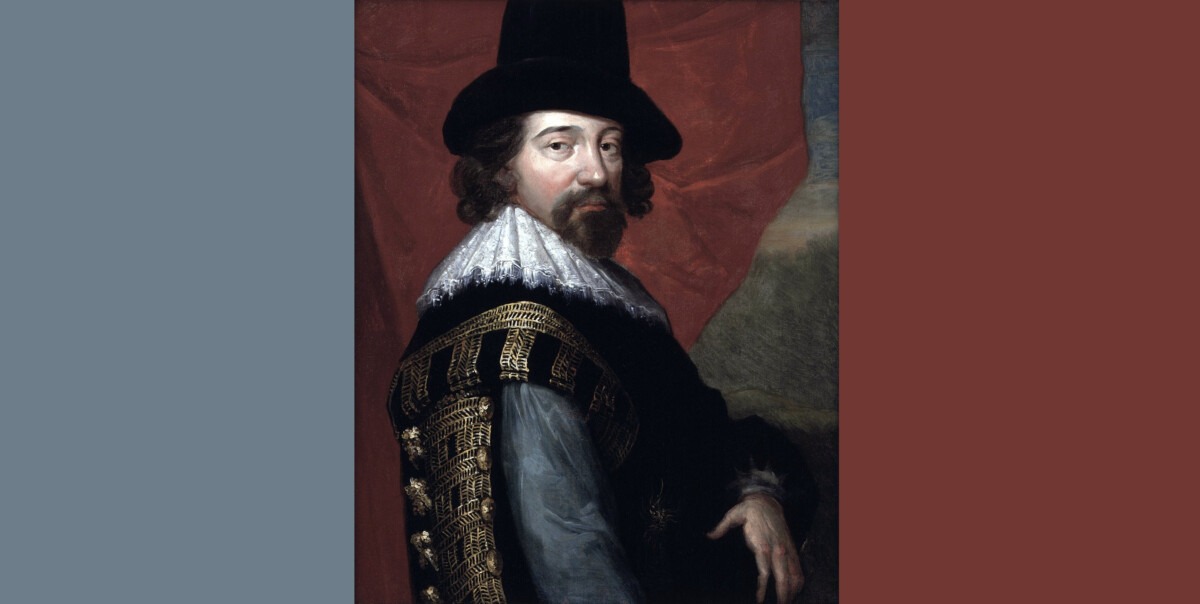
18 Generations Ago 30 Phil, Chapter 20: Francis Bacon and the Scientific Method Francis Bacon was born on January 22, 1561, in London to a prominent and influential family. The young Francis Bacon received a comprehensive education, attending the prestigious Trinity College, Cambridge, at the age of 12. Bacon is the Father of the Scientific
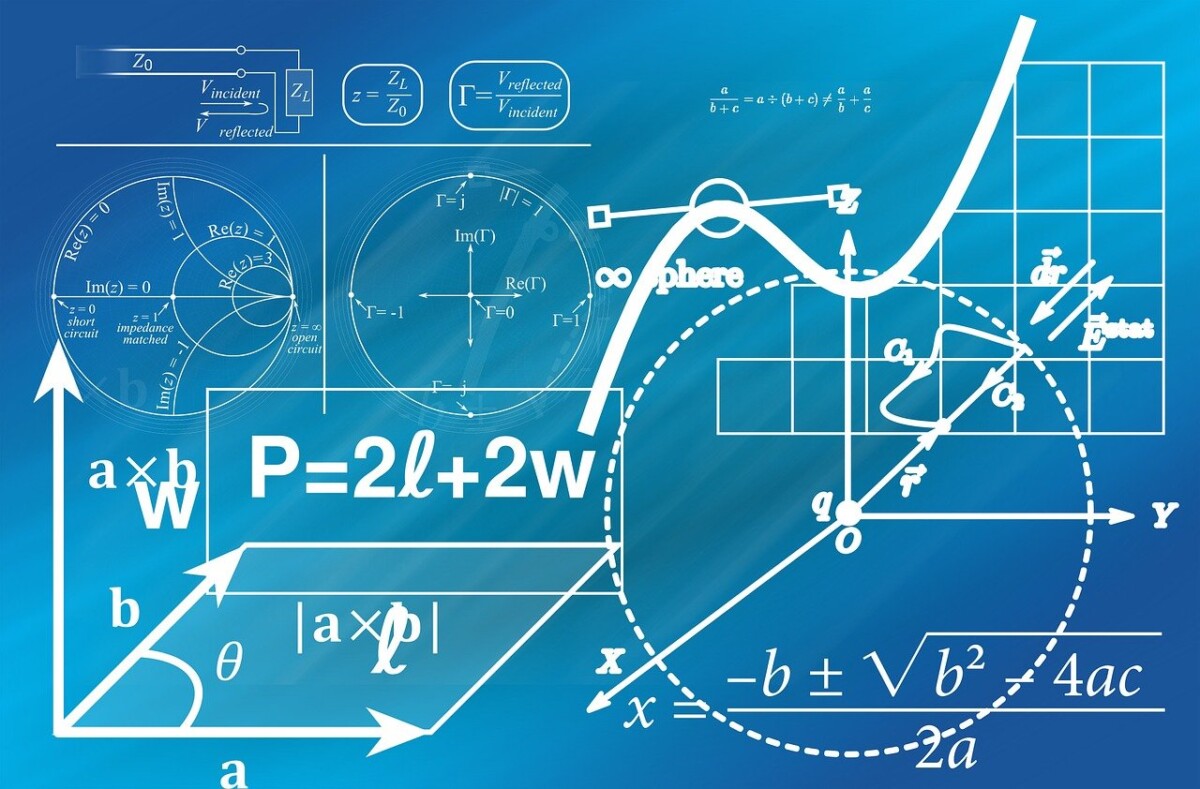
Invented by Newton in the 1660s (pub. 1687) and independently by Leibniz in the 1680s (pub. 1684). Both built on Galileo’s popularizing the idea of the infinitesimal. Calculus, the mathematical study of continuous change, introduced the concepts of differentiation and integration, providing tools to model and analyze motion, growth, and the infinitesimal. Newton, working primarily
The Invention of Calculus Read More »
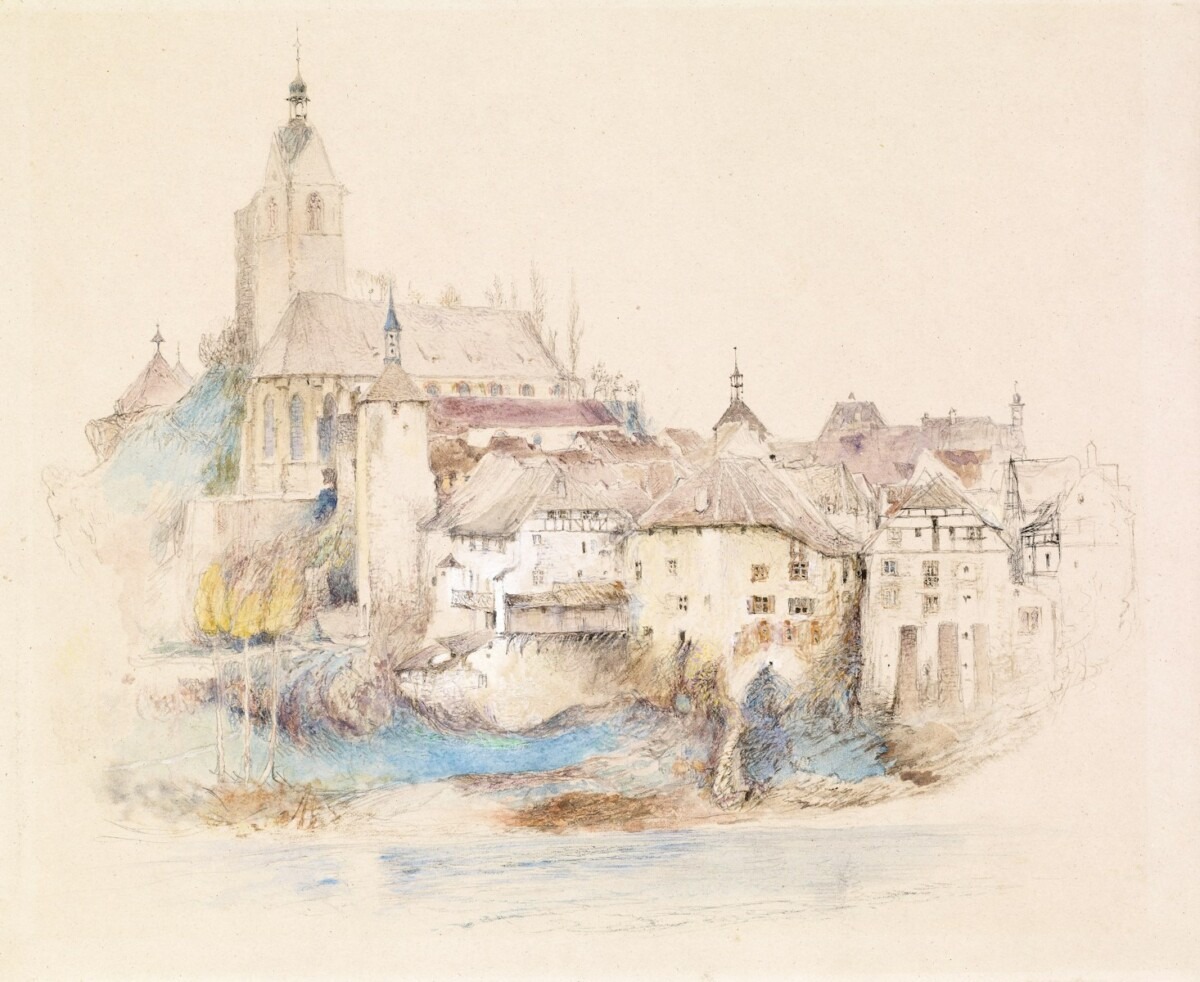
From Baroque music and paintings to sculptures and archicture. The dawn of the 17th century witnessed the birth of the Baroque era, marking a transformative period in the history of art that spanned from circa 1600 to 1750 CE. Originating in Italy and spreading across Europe, the Baroque movement represented a significant evolution in artistic
The Birth of Baroque Art Read More »