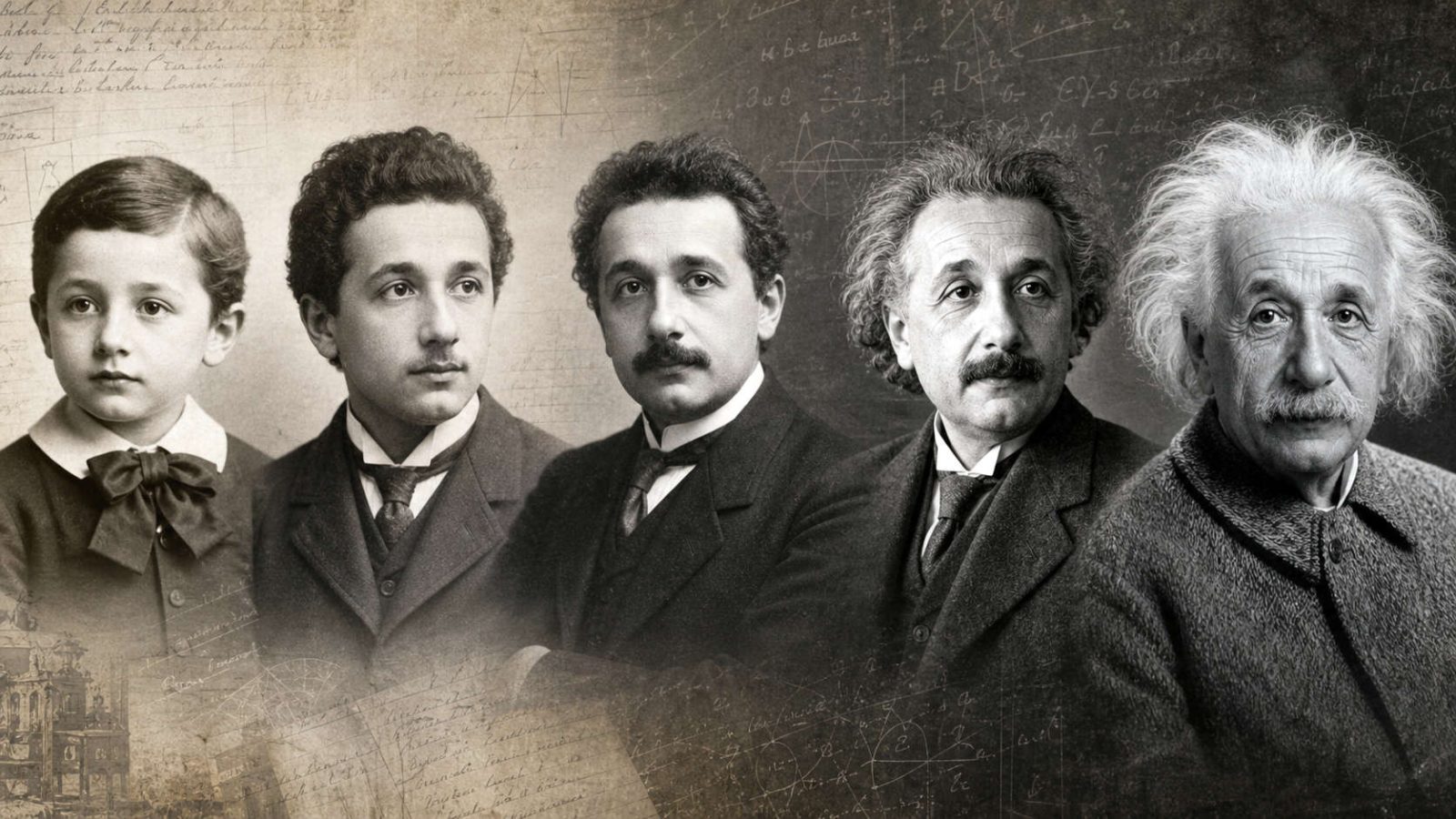
Albert Einstein (1879 to 1955)
Einstein taught us that mass and energy are two forms of the same thing and that gravity is better understood as the curvature of spacetime that guides motion.
Albert Einstein (1879 to 1955) Read More »


Einstein taught us that mass and energy are two forms of the same thing and that gravity is better understood as the curvature of spacetime that guides motion.
Albert Einstein (1879 to 1955) Read More »
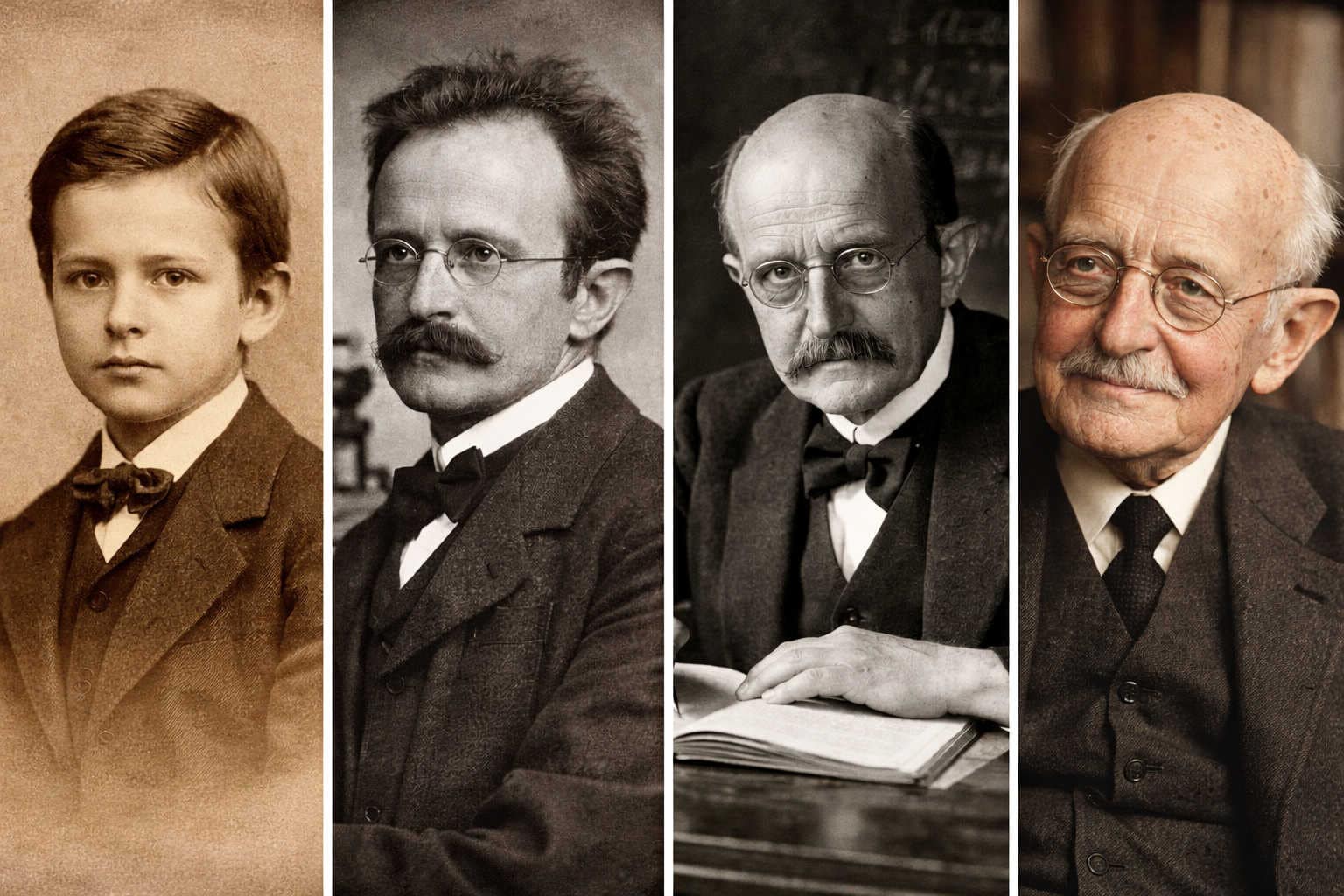
Planck discovered limits by following the math honestly—even when it contradicted intuition.

Digital AI Filesystem Emerge By 2032 (+/- 4 years) Artificial intelligence transforms how we manage and interact with digital data. While we continue to work on projects, name resources, and store them according to our preferences, AI-driven file systems will assist in this process, removing many of the obstacles we face today. With this new
Digital AI Filesystem Emerge Read More »
What we now call holism was once expressed as Logos in the West and the Dao in the East.
Chapter 1 Quote Attribution Clarification Read More »

Alfred Russel Wallace lived from January 8, 1823, to November 7, 1913. He is best known for independently proposing the theory of evolution by natural selection, prompting Charles Darwin to publish his own findings. Wallace’s work as a biologist, anthropologist, and geographer took him to the Amazon and the Malay Archipelago, where he identified the
Alfred Russel Wallace (1823-1913) Read More »
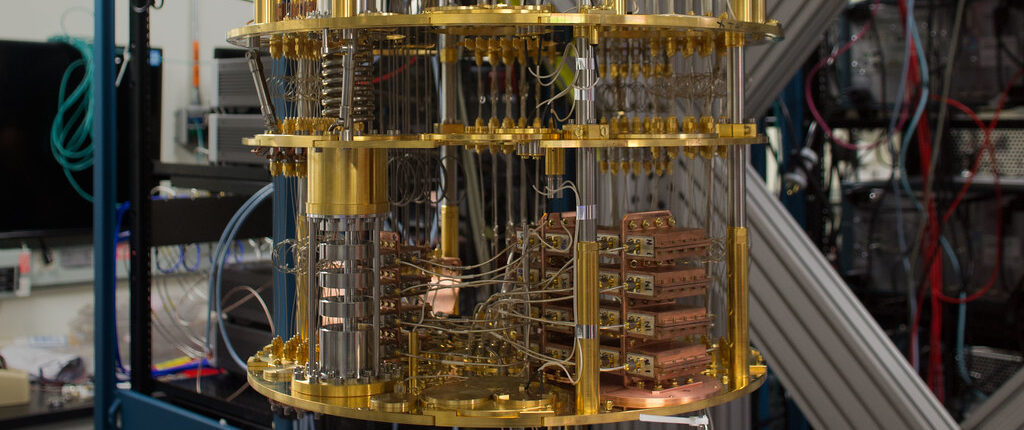
The world will witness a pivotal moment in computing history as quantum computers achieve “quantum supremacy,” solving problems that were previously unsolvable by classical computers. This breakthrough will herald a new era in fields such as cryptography, material science, and artificial intelligence. With these performance levels, quantum computing will revolutionize industries, leading to advancements in
The Dawn of Quantum Supremacy Read More »

30 Phil, Chapter 21, Galileo, Touchstone 54: Modern Cosmology. The story of Galileo is also the story of Copernicus, and the story of modern cosmology. To properly tell the story of Copernicus, we need to mention Aristarchus of Samos, a Greek astronomer and mathematician born around 310 BCE. Aristarchus put forth a heliocentric model, proposing
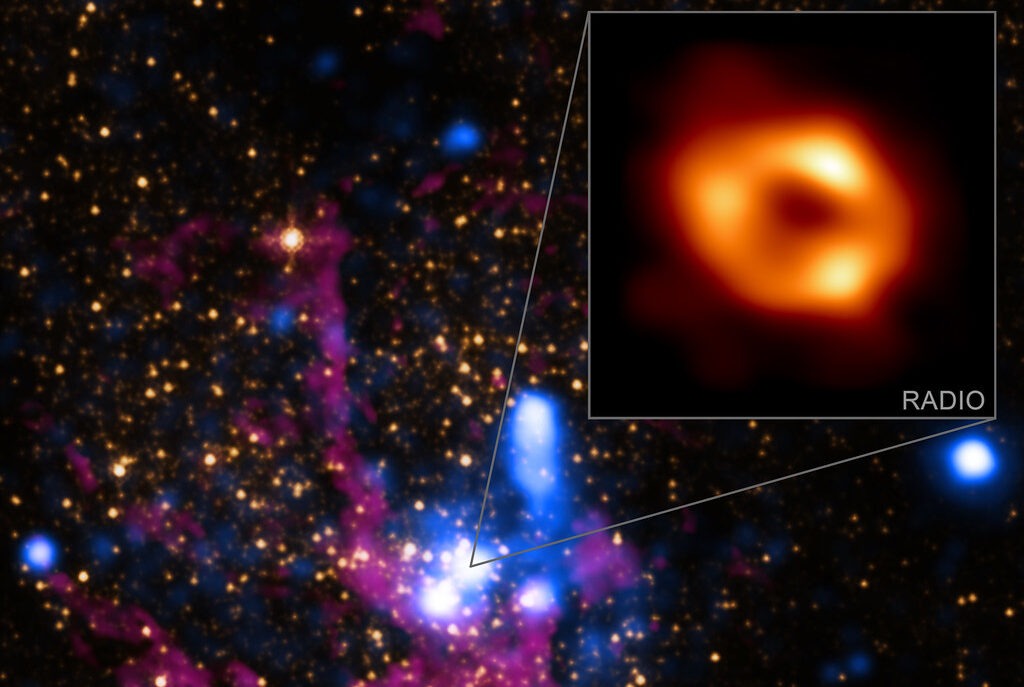
The first image of a black hole was captured in 2019 by the Event Horizon Telescope (EHT) collaboration. Before that, the first observational evidence was discovered in 1964 with the detection of the X-ray source Cygnus X-1, which was later interpreted as material accreting onto a black hole from a companion star. In 1971, Cygnus
Black Holes Confirmed Read More »
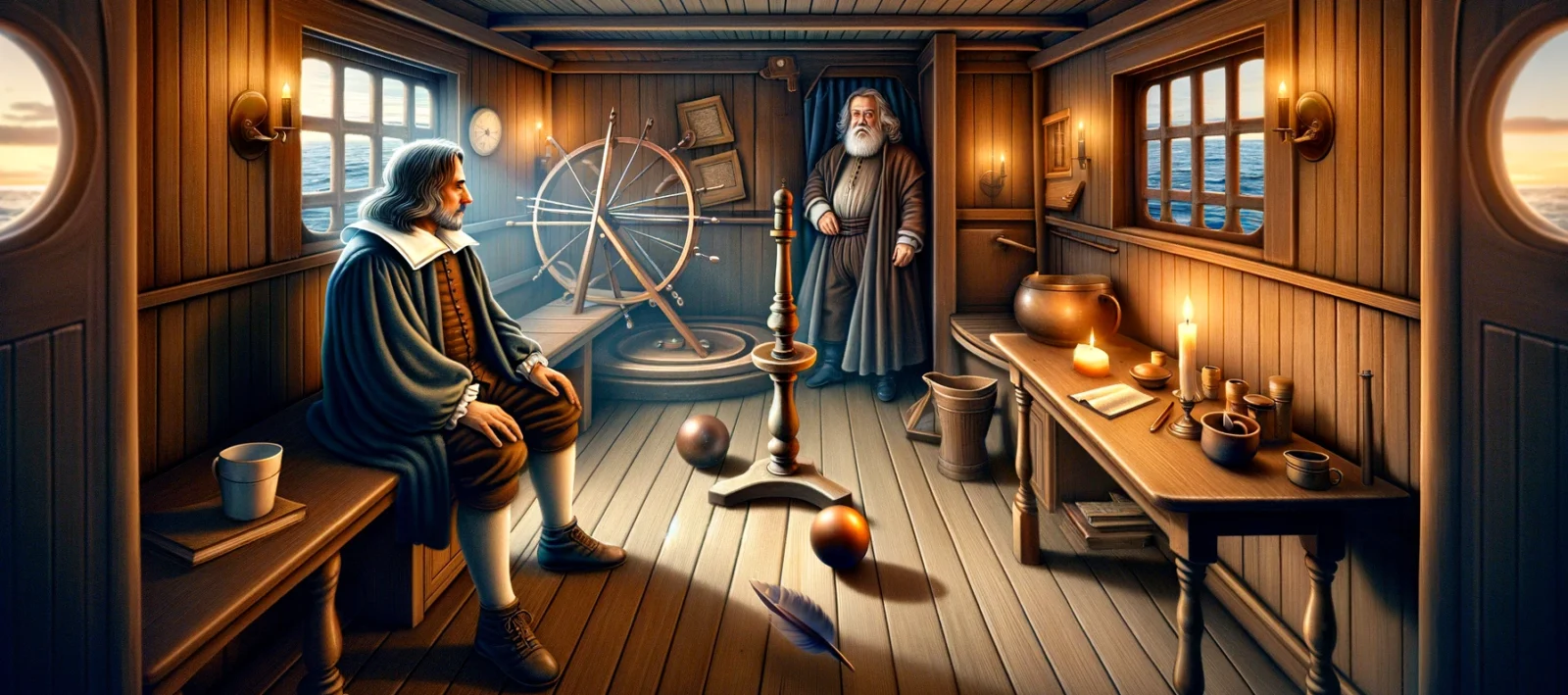
The laws of physics work the same for all observers moving at a constant speed. There is no absolute state of rest.
Relativity Principle Read More »
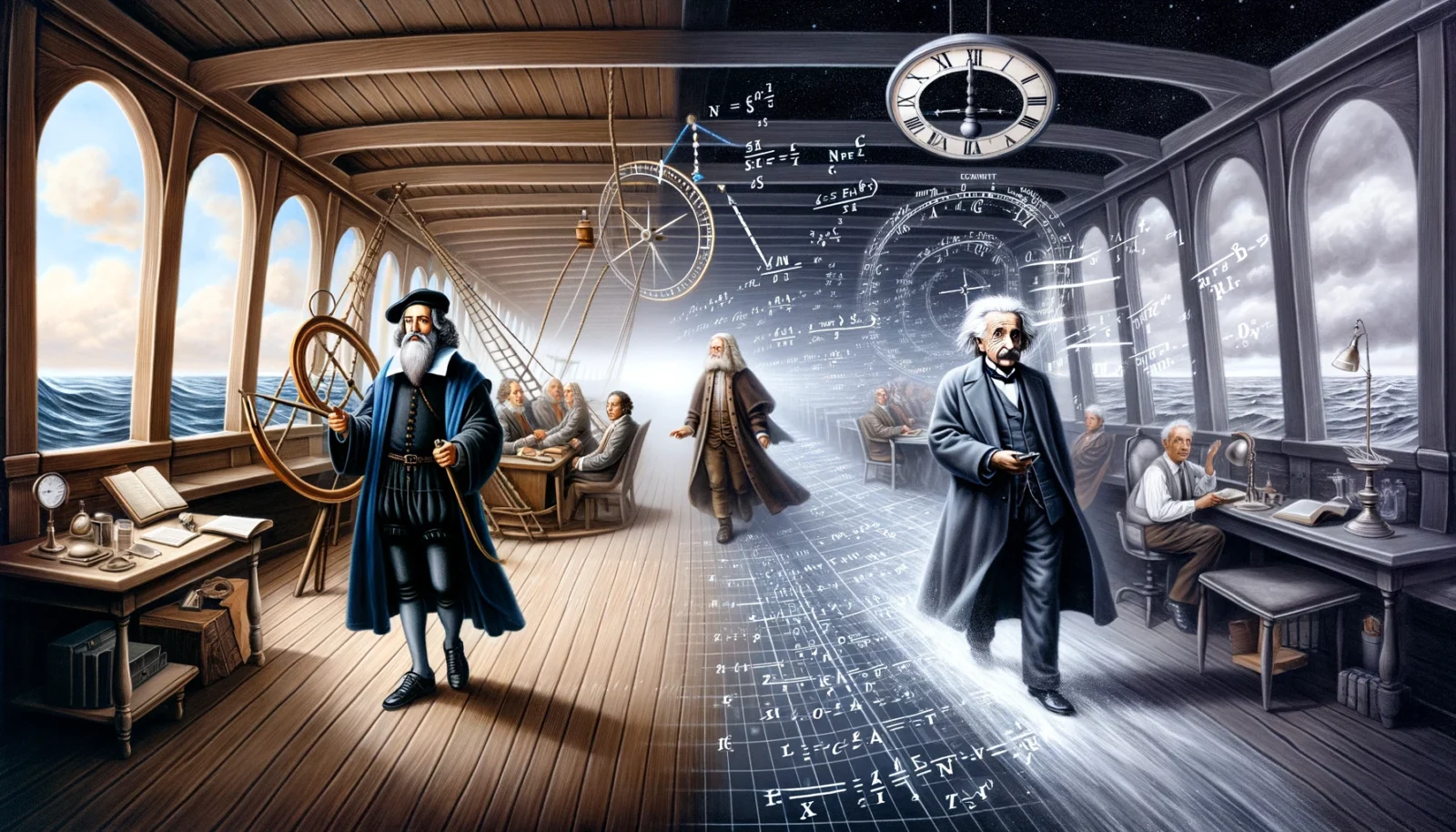
Special Relativity explains the relationship between space, time, mass, and energy. It shows that time and space are not separate entities but are connected as a single entity called spacetime. Additionally, it introduced the famous equation E=mc², which demonstrates that mass is engergy, energy is mass. They are equivalent and can be converted into each
Special Relativity Read More »
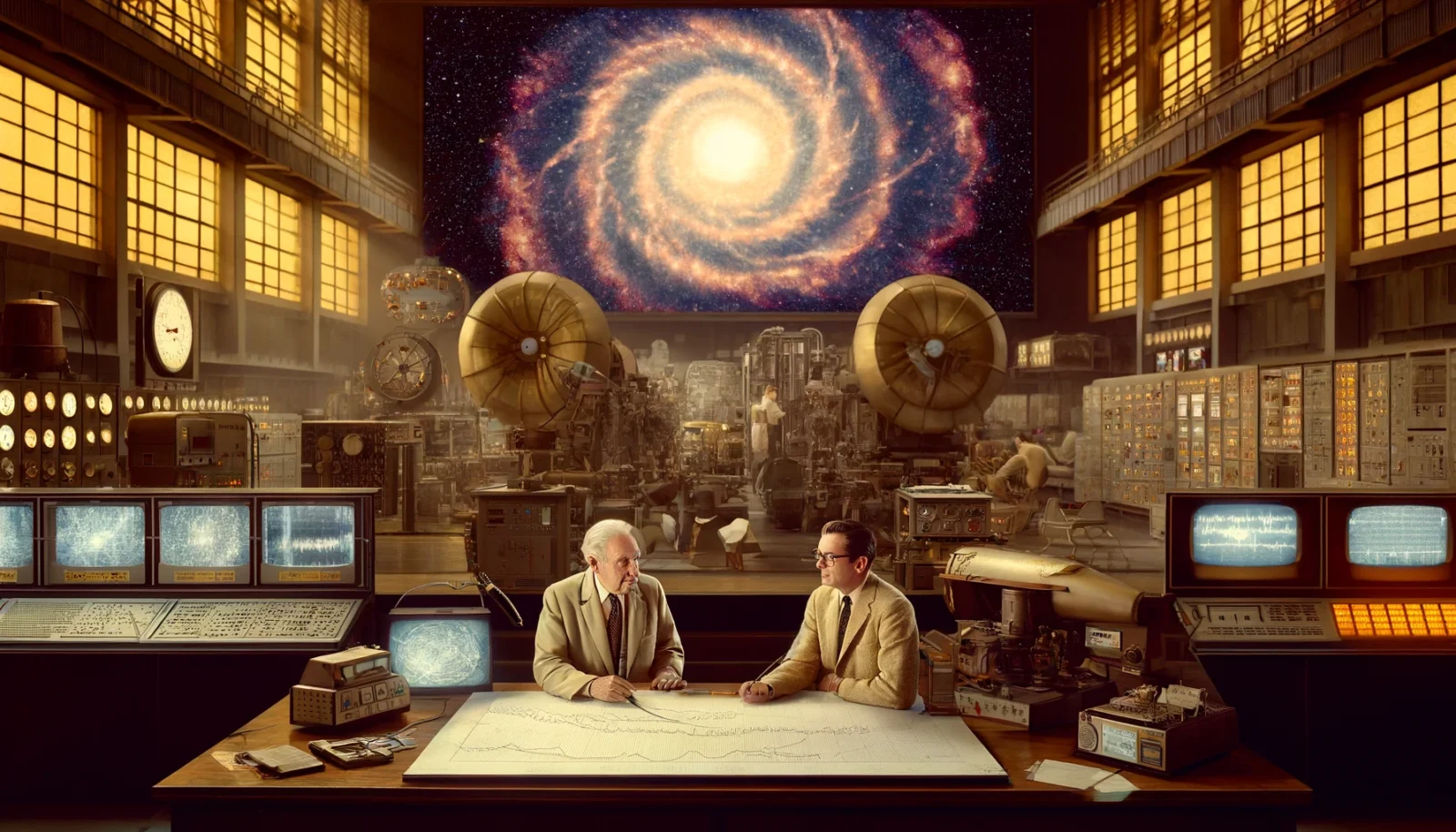
In 1965, Arno Penzias and Robert Wilson, two radio astronomers at Bell Telephone Laboratories, stumbled upon a mysterious and persistent background noise that pervaded their radio telescope. After much investigation and the elimination of potential terrestrial and instrumental sources, they concluded that this noise was cosmic in origin. Their findings, published on May 20, 1965,
Cosmic Microwave Background (CMB) Read More »
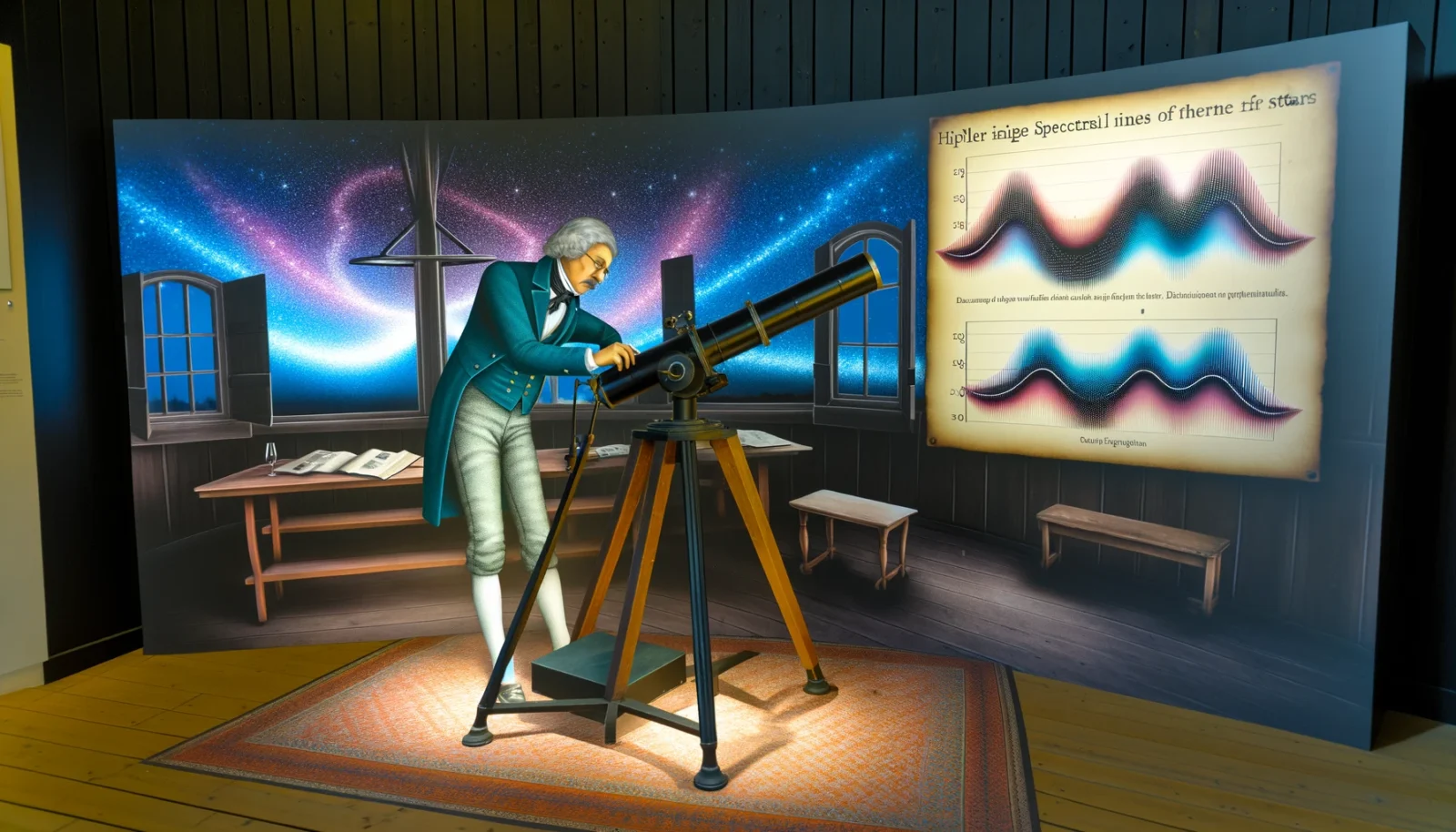
In 1842, the Doppler effect was proposed by Christian Doppler. First confirmed for sound in 1845, then for light in 1848.
Doppler Effect Observed for Stars Read More »
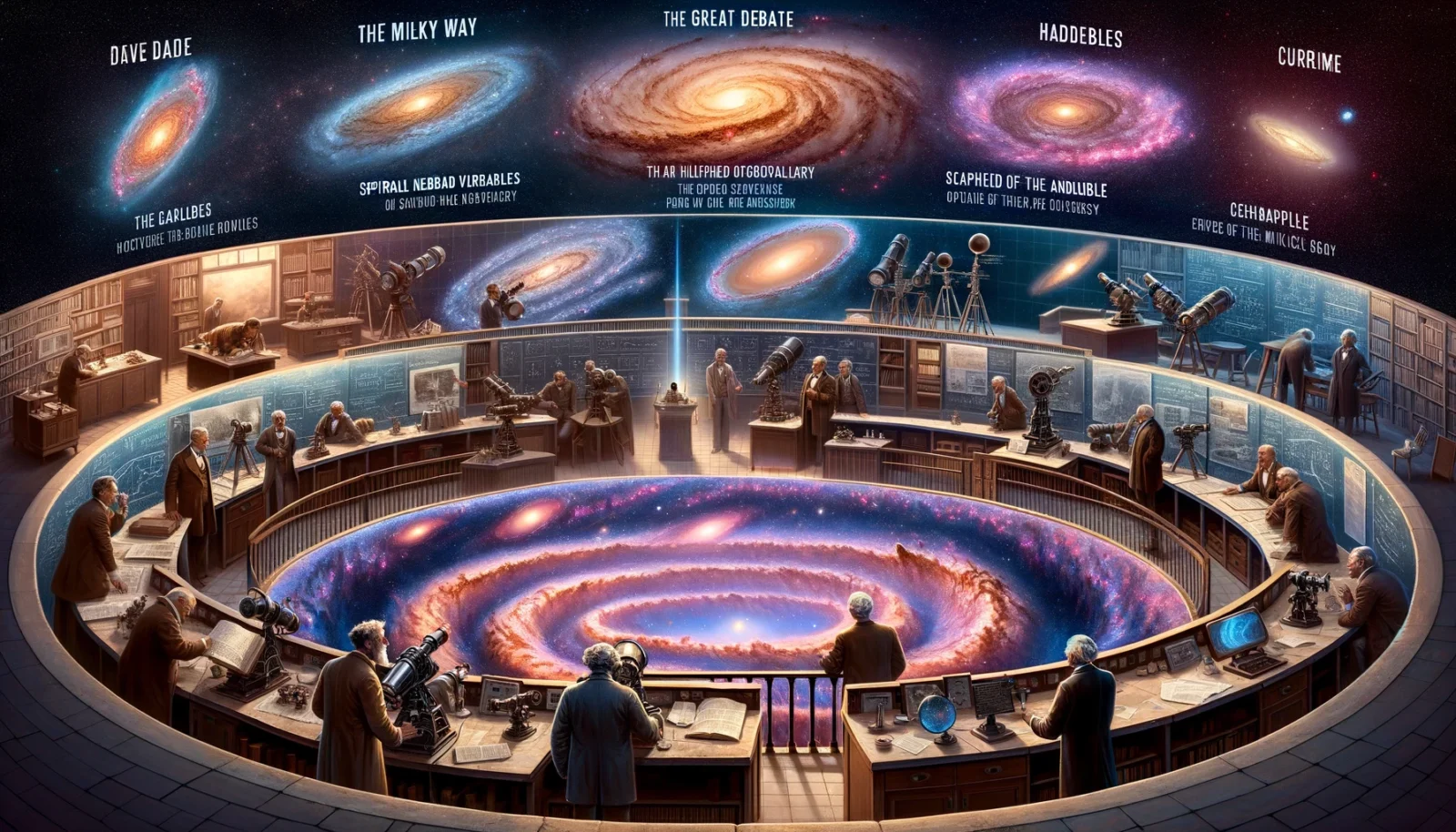
By 1929, an important time in cosmology, Edwin Hubble used the spiral nebulae data collected by Vesto Slipher from 1912 to 1925 to introduce the world to galaxies. Prior to the 20th century, astronomers debated whether spiral nebulae were merely gaseous clouds within the Milky Way, possibly forming solar systems. This view changed dramatically following
Galaxies Discovered! Doppler Effect used to measure distance!! Read More »
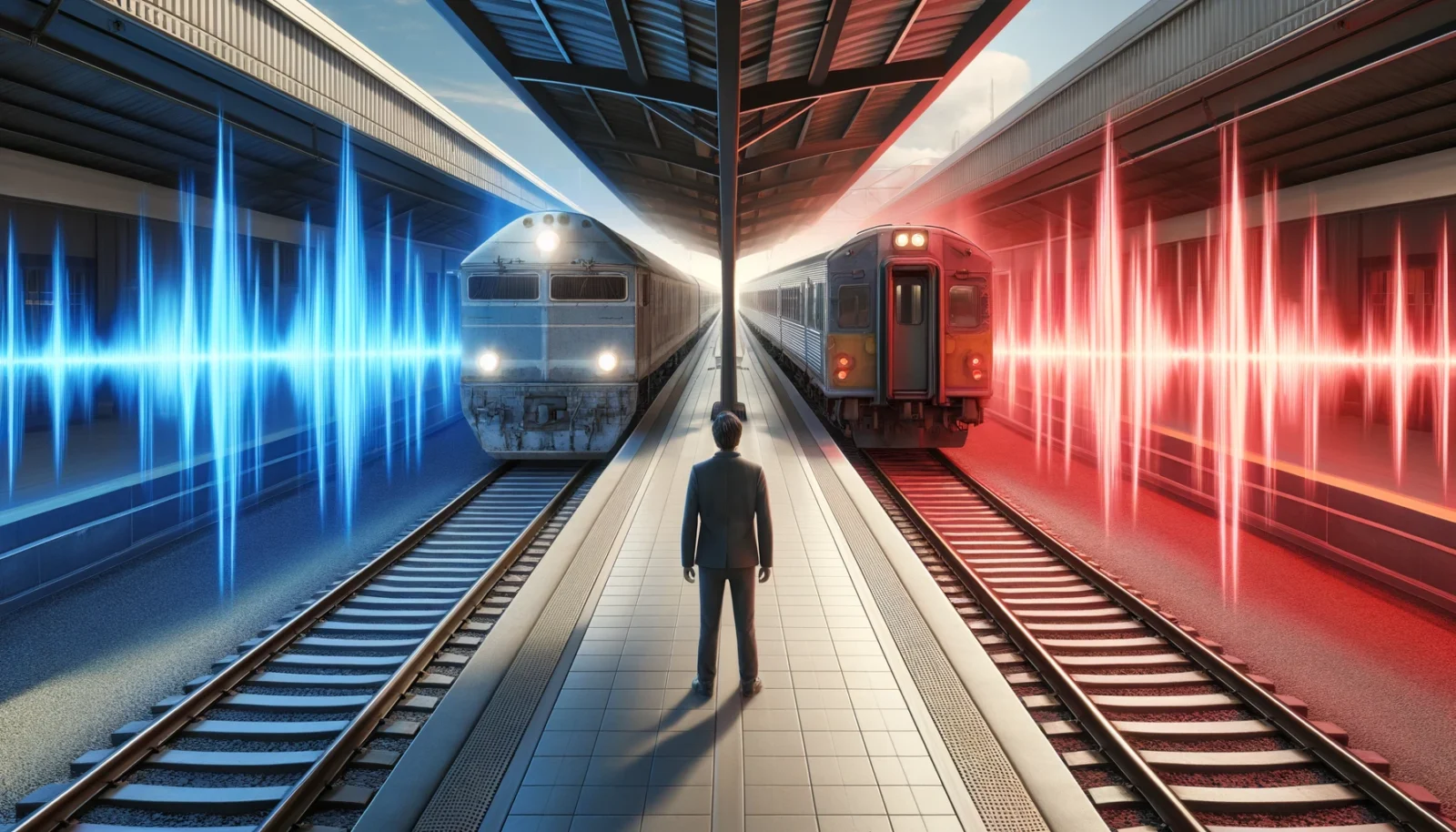
In 1842, Christian Doppler wrote about the doppler effect in stars. It was first confirmed with sound in 1845, then with light in 1848. The big moment came in 1868 when, for the first time, we could tell which stars were coming and going.
Doppler Effect for Sound and Light Read More »
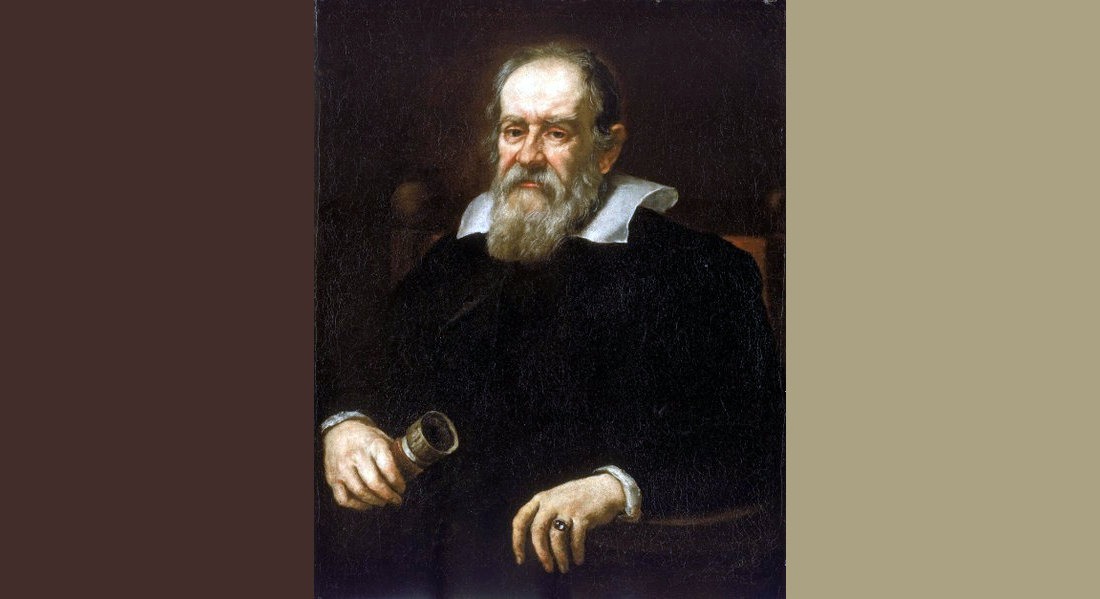
Galileo, the Father of Modern Physics, showed that careful observation and math could overturn ancient certainty.
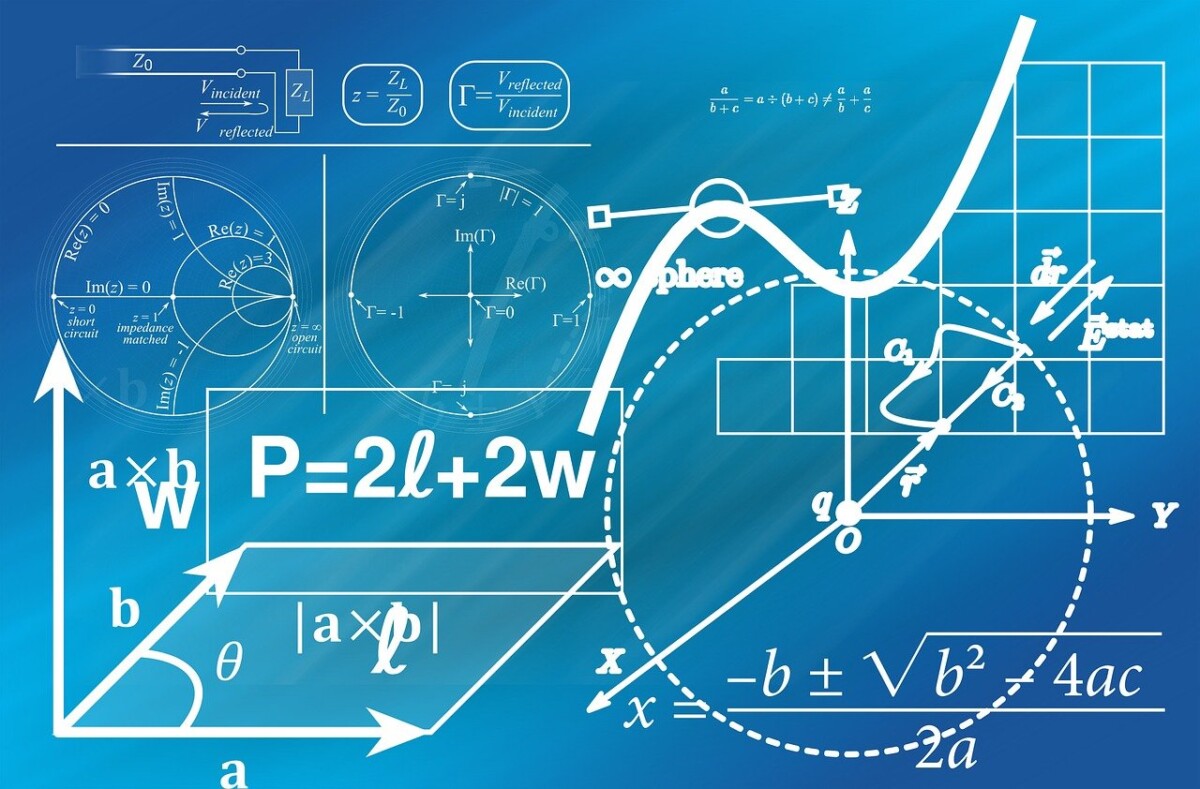
Invented by Newton in the 1660s (pub. 1687) and independently by Leibniz in the 1680s (pub. 1684). Both built on Galileo’s popularizing the idea of the infinitesimal. Calculus, the mathematical study of continuous change, introduced the concepts of differentiation and integration, providing tools to model and analyze motion, growth, and the infinitesimal. Newton, working primarily
The Invention of Calculus Read More »
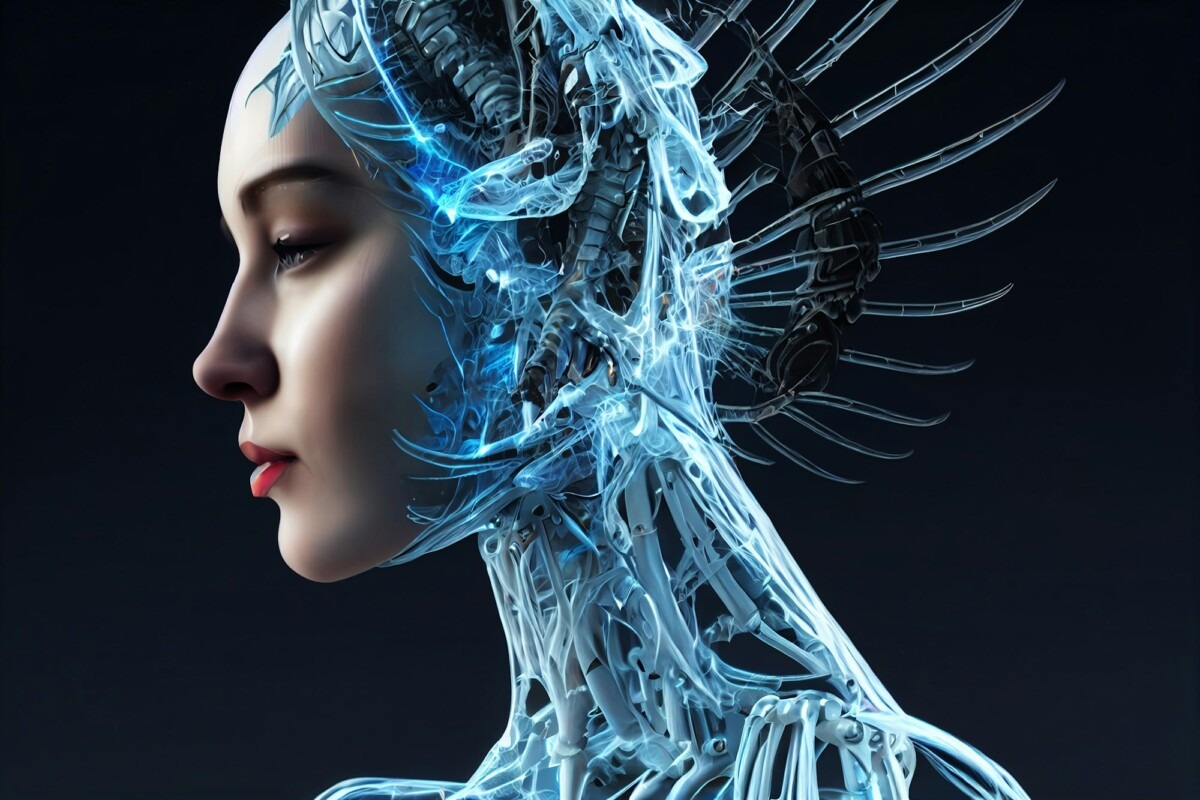
44 Generations From Now The transformation or emergence of beings that have transcended current human biological and cognitive limitations. This could be achieved through advanced genetic engineering, cybernetic enhancements, or the development of entirely new forms of consciousness within AI systems. A group of our descendants are likely to attain God-like abilities over matter and energy
Post Human Evolution Read More »
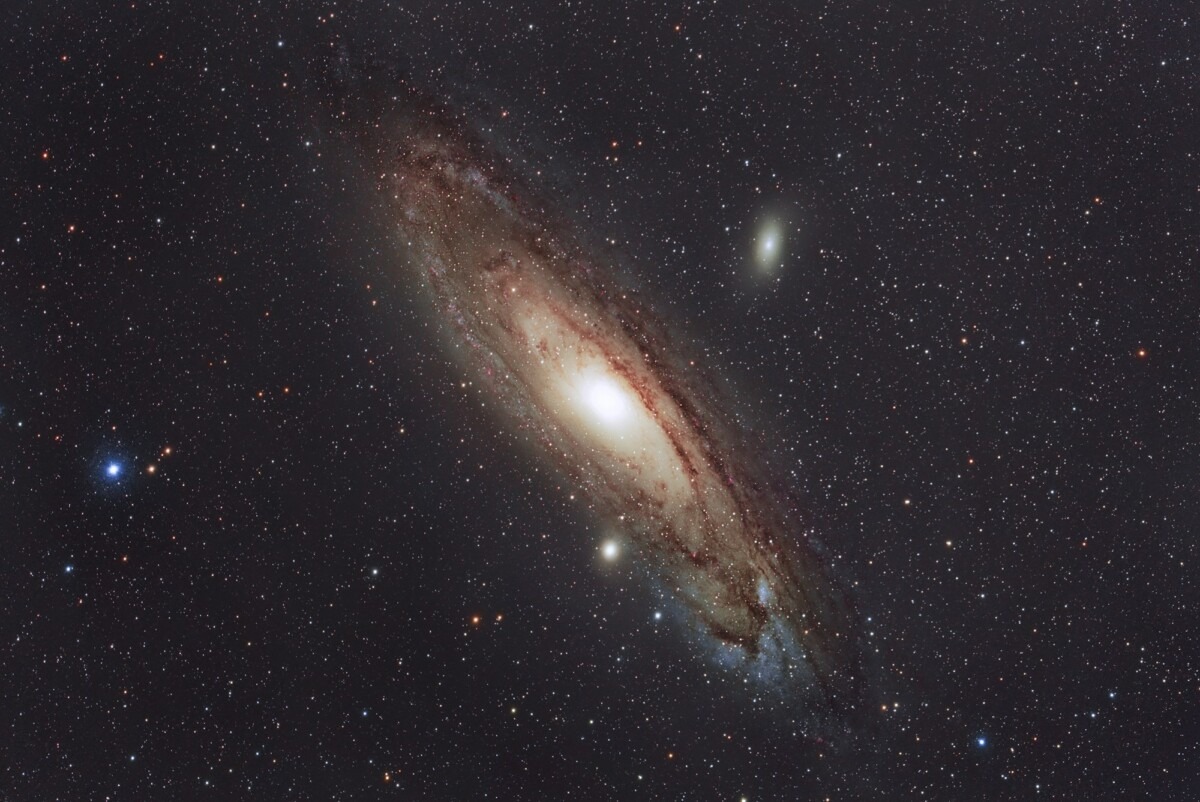
Galaxies formed early in cosmic history, within a few hundred million years of the Big Bang.
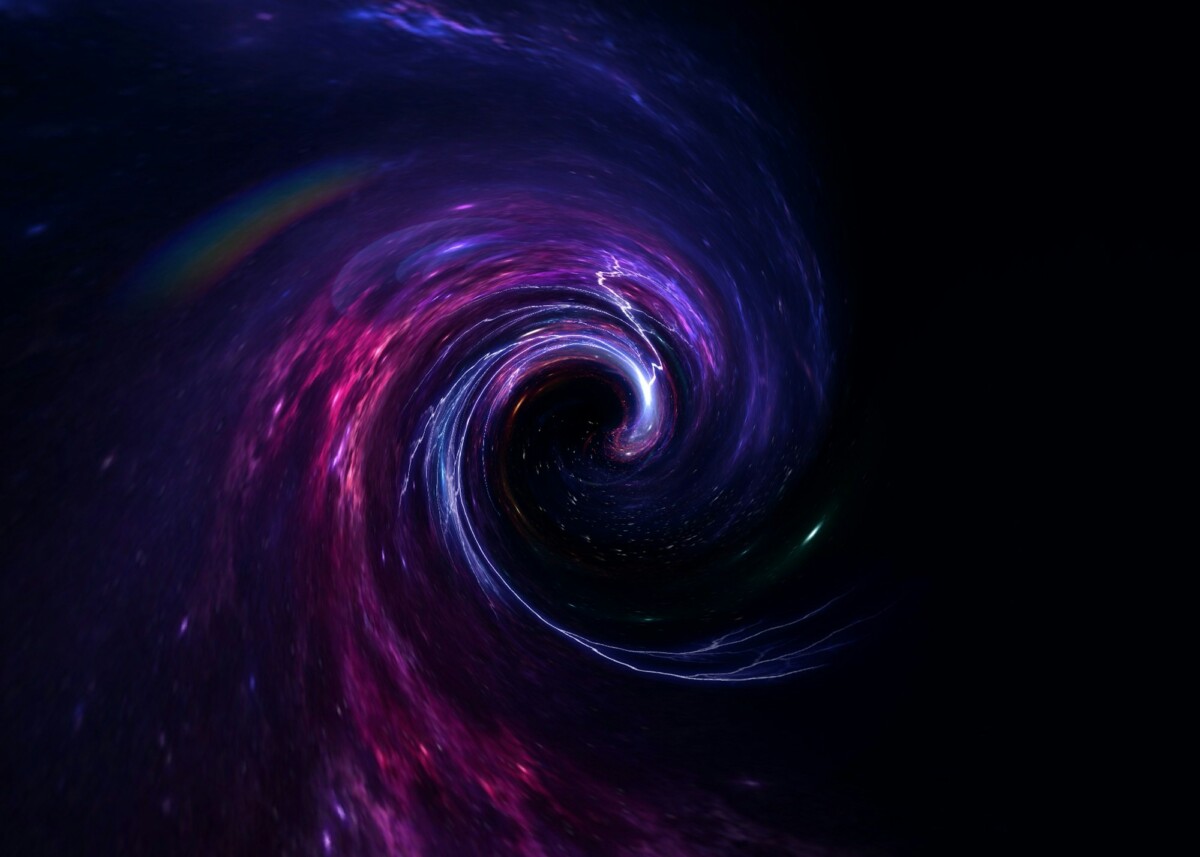
In the first fraction of a second, the universe cooled enough for the electromagnetic and weak forces to split, setting the stage for stable particles.
The Plank Era occurred in the first part of the first millisecond after the singularity. Current estimated put it at up to 10−43 seconds after the Big Bang. The term “era” is used for this micro-duration as a sort of tip of the hat to Einstein’s Relativity. It reflects a conceptual approach to time that