


Why do we overreact and escalate?
When emotion rises, pause long enough to ask whether your response fits the situation and helps make things better.
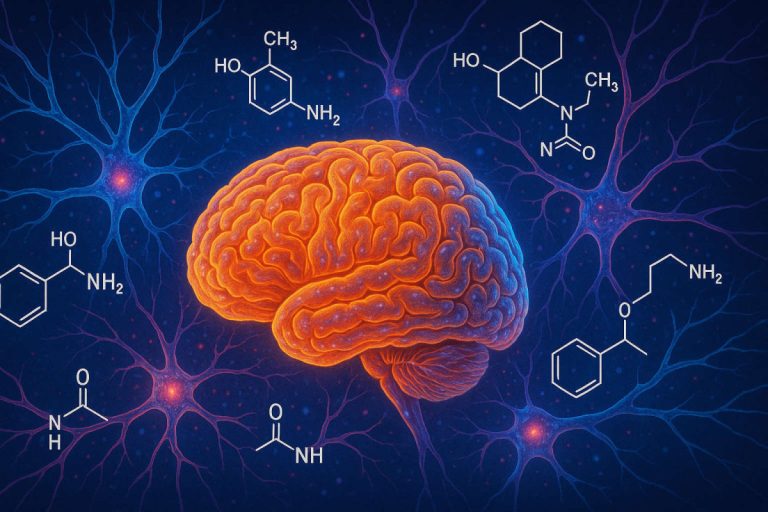
Do brain chemicals relate to the “Hard Problem of Consciousness”?
Some inner struggles are shaped by biology, not just willpower.
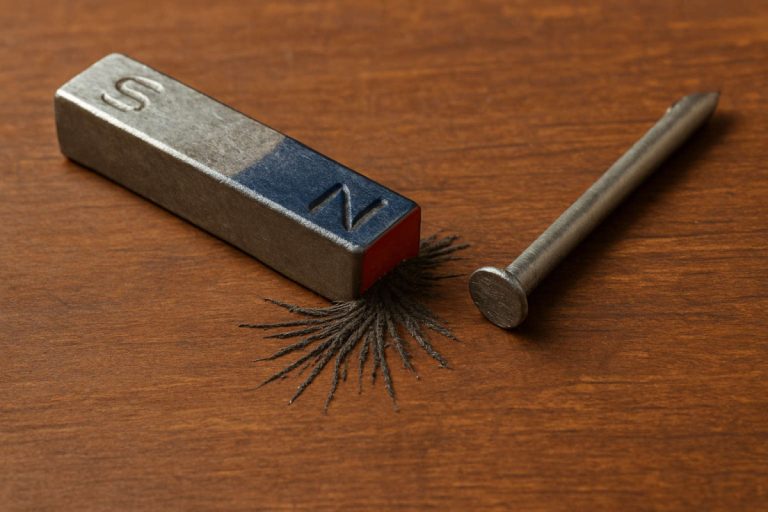
Is Trump simply wrong when he says no one knows what a magnet is?
In certain materials like iron, nickel, and cobalt, magnetic domains line up to form a magnet.
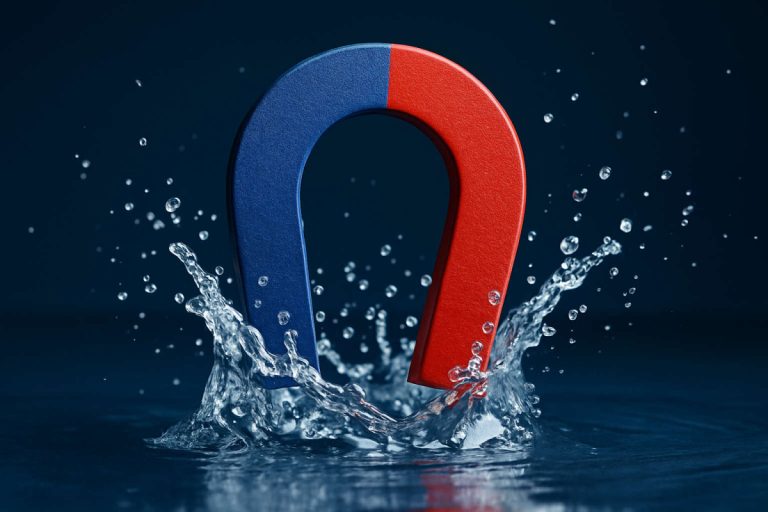
Is Trump simply wrong when he says water destroys magnets?
Magnets < Physics < Science

Can you explain quantum entanglement simply?
Quantum entanglement is when two particles share a connection so deep that measuring one is tied to the outcome of the other, even across great ...

Is Homo affinis erectus a direct human ancestor?
A new fossil can be exciting without being decisive. Right now, H. aff. erectus is best understood as an early European hominin with erectus-like traits, ...

Were dinosaurs Jurassic movie smart?
Dinosaurs were probably not movie-raptor smart, yet 170 million years of evolution and a badly incomplete fossil record give us good reason to keep an ...
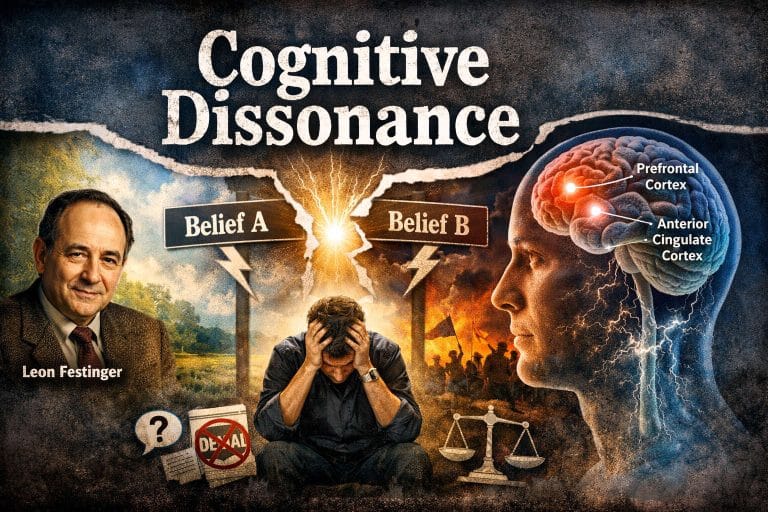
What is cognitive dissonance?
Cognitive dissonance is conflict of the mind. What happens when two things do not fit. Emotional conflict often means something in your life is out ...
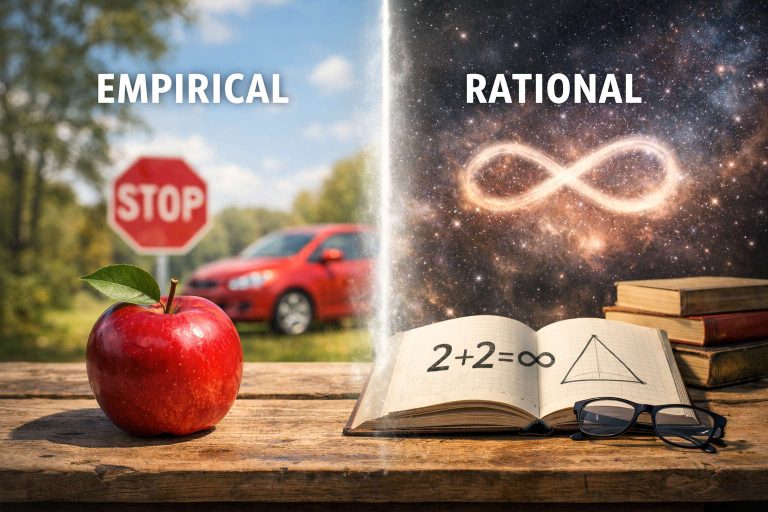
Is red an empirical idea?
Empirical ideas describe the material world through direct experience, while rational ideas describe it indirectly by organizing, interpreting, and extending what direct experience reveals.

Do we experience reality directly?
As you go through life, remember: your first impression is not the whole of reality. Flourishing begins when we stop confusing our interpretation with reality ...
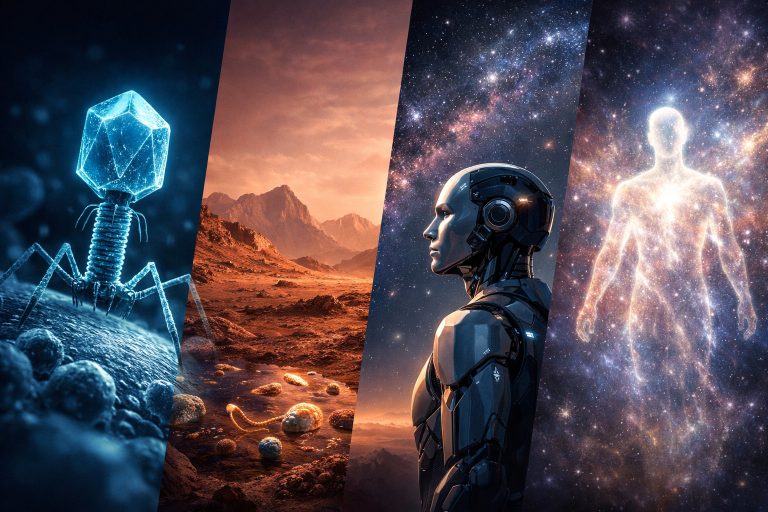
What Is Life?
Life has a standard biological definition, but the moment we explore edge cases—AI, extraterrestrial microbes, immortal beings—the concept stretches beyond chemistry into cognition and identity.
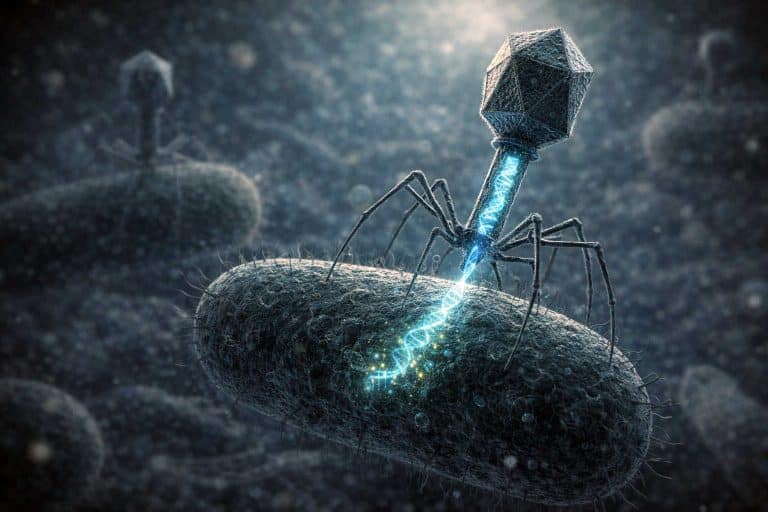
Are viruses alive?
The definition of life is not absolute; it is a human classification built around a cluster of biological properties such as metabolism, reproduction, and evolution.

What ancient human species first realized it was going to die?
The awareness of personal mortality likely emerged gradually in the genus Homo, becoming probable by the time of Homo heidelbergensis and unmistakable in Neanderthals and ...
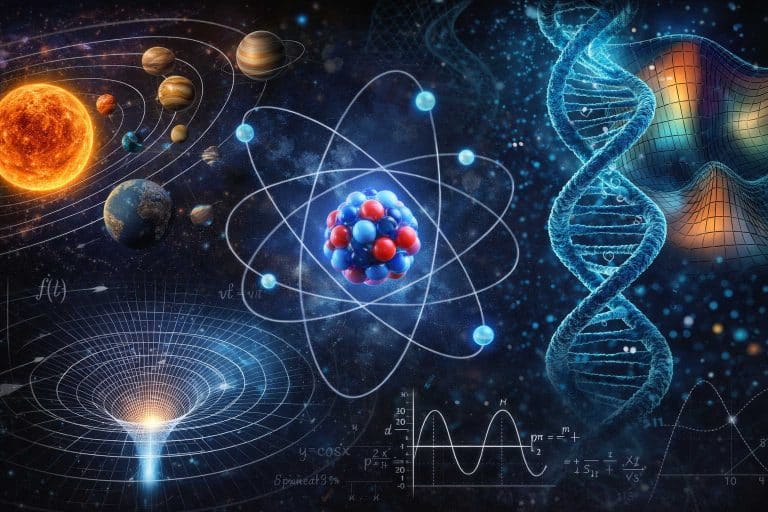
Why do scientific models work if they aren’t literally true?
Scientific models succeed not because they are perfectly true, but because they reliably capture patterns in reality. Trust scientific models for what they do well, ...
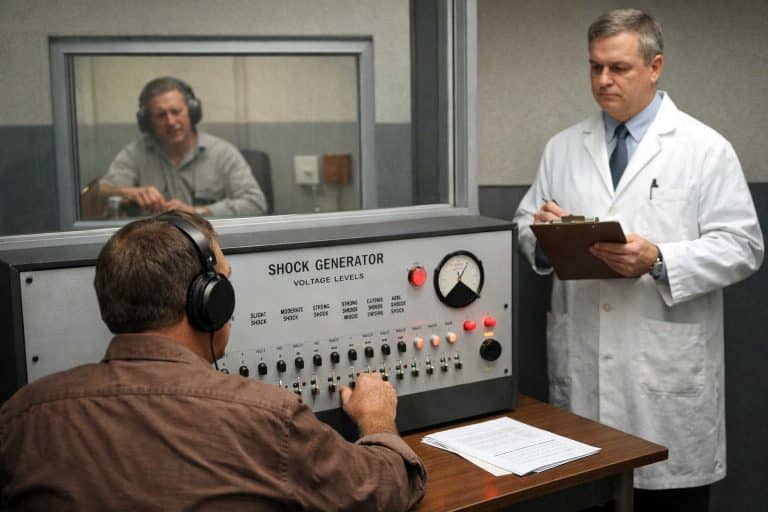
What is Deception Research?
Deception research shows that authority-driven situations often override personal judgment, replacing morality with obedience.

Why do complex systems fail when proportionality is removed?
Complex systems remain stable only when responses scale appropriately to the problem they are addressing.
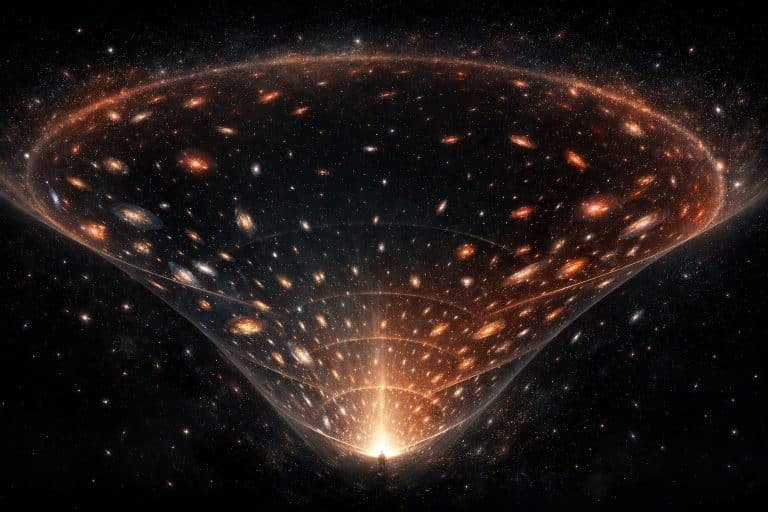
Could the CMB be proof of an inifinite universe?
The Cosmic Microwave Background isn’t the edge of space in an infinite universe—it’s the oldest light we can see, marking a boundary in time, not ...
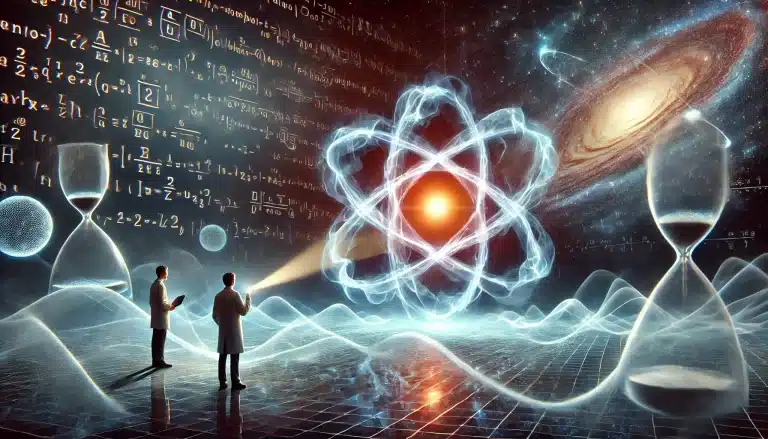
Why is Planck time important?
Planck time marks the boundary where our best current physical theories stop describing reality reliably.
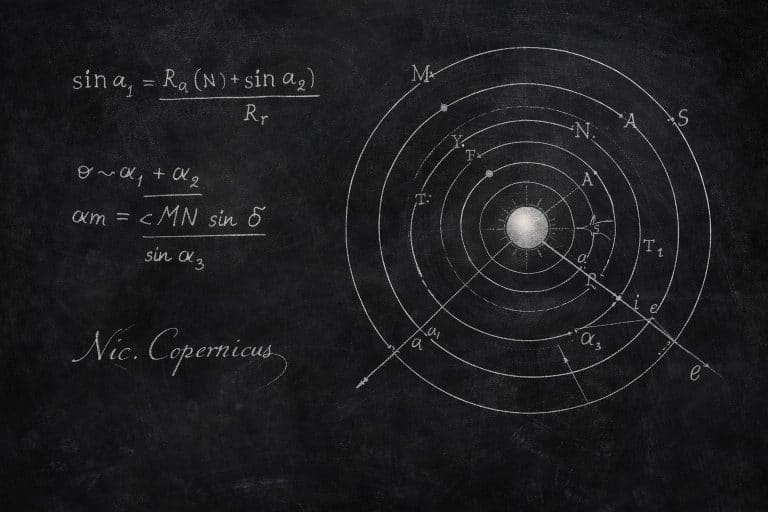
Did Copernicus prove that Earth moves around the Sun?
Nicolaus Copernicus did not prove heliocentrism—he built a model that explained the sky better than any alternative available at the time.

What does neuroscience say about “identity?”
Science says you are physically changing all the time and the story you tell about yourself is less a fixed thing and more a maintained ...