

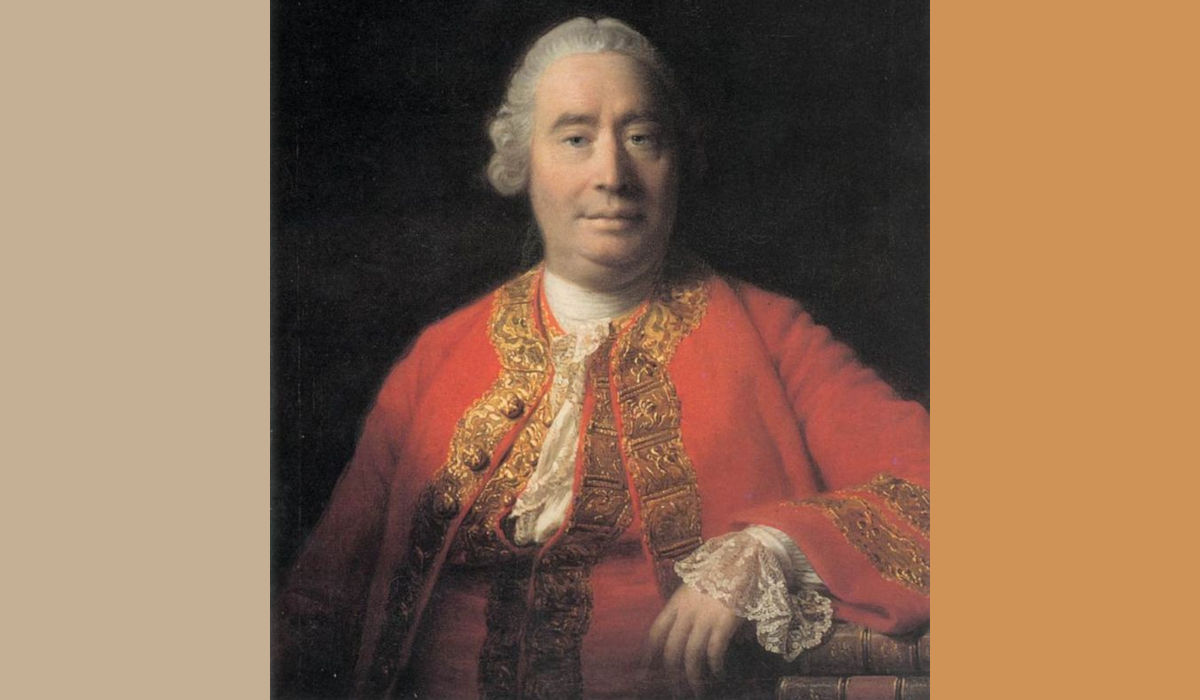
In 1740, David Hume published Book III, Of Morals, of his A Treatise of Human Nature. Buried inside was an observation that became one of philosophy’s most important warnings about moral reasoning. Thinkers frequently move from statements about what is true to conclusions about what we ought to do without explaining the value hidden between them. Today we call this the is–ought problem.
TST does not try to prove Hume wrong. It simply refuses to hide that missing step. The normative aim is flourishing, and the directive is explicit: act toward flourishing for all. Once that value is stated openly, empirical facts can enter the reasoning. If an action demonstrably causes unnecessary harm, destroys trust, weakens health, or undermines agency, those facts matter because we have already said what we value. The structure becomes clearer:
normative premise to empirical premise to practical conclusion.
This also introduces some useful vocabulary.
- Teleological reasoning asks whether actions actually move us toward an identified end.
- Evaluative concepts such as harm, fairness, health, and flourishing already include judgments about better and worse conditions.
- Epistemic norms guide good thinking: follow evidence, reason carefully, and update when reality proves you wrong.
None of these magically creates the original moral “ought.” They help us reason once the value is openly on the table.
That is where the TST Ethical Roadmap fits. It treats ethics as a process model: guidance, choice, intent, result, adjustment. Hume’s warning remains intact. We do not jump directly from nature to morality. We state the moral direction, act, see what happens in reality, and adjust. TST does not erase Hume’s gap. It builds an ethical process that remembers it.

