
Explore Science-first Philosophy

STORY

1675-1678: The King Philip’s War

By Michael Alan Prestwood

Mon 4 Feb 2019
Published 7 years ago.
Updated 4 weeks ago.
Related Stories
Banished, R.W. Escapes to the Wilderness
Book: The Bloudy Tenent of Persecution
R.W. Registers at Pembroke College
Death of Wife Mary
Bartholomew Legate Burned at the Stake
Roger’s Last Known Essay
Share :
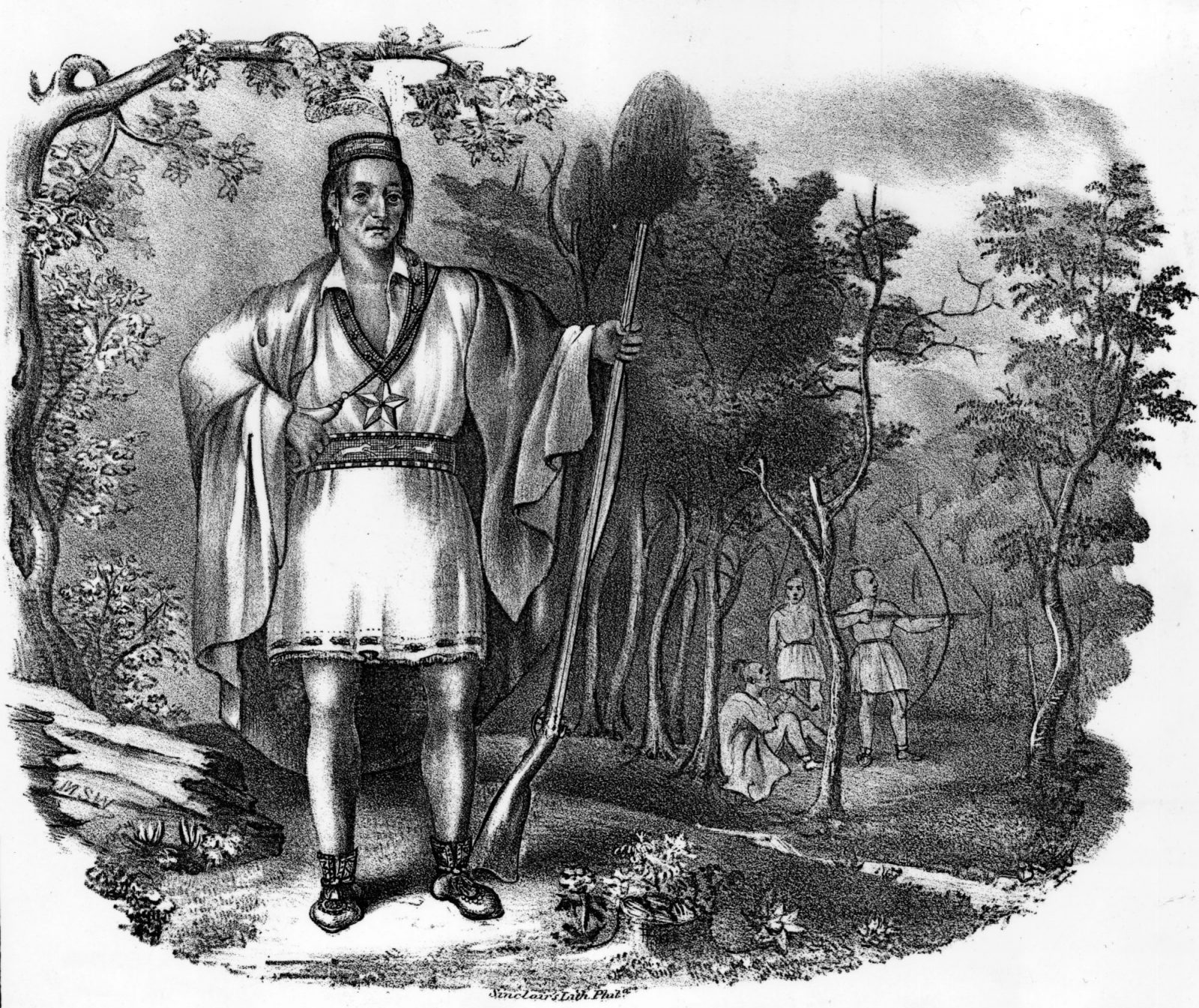
After the untimely death of his brother, Metacomet (known as King Philip) became the chief of the Wampanoag tribe, which had once numbered in the thousands. On the eve of the war, much of the Wampanoag population had been wiped out by disease introduced from Europe and by war’s end only 400 remained.

1675-1678: The King Philip’s War

25 Jun 1675

The King Philip’s War started on Jun 20, 1675, and ended on Apr 12, 1678. An elderly Roger Williams played a key role in the conflict. At the urging of Roger Williams, the Narragansett natives maintained neutrality during the early months of King Phillip’s War.

Later in 1676, a large army of about 3,500 native warriors led by chief sachem Canonchet marched north along the coast destroying towns. Roger went out to meet with the native leaders. Their discussions began with Roger scolding the Narragansett for becoming involved in the war. That led nowhere so he attempted to bluff them by saying they were not good fighters, and that 100 English could hold them off. His bluff was called and the Narragansett accepted a face off. He reacted by doing what he was known to do best, negotiate. He asked for the Narragansett to give him their demands so he could negotiate for them. His proposal was rejected. When Roger turned to walk away. He was warned by the natives that there were some young braves on his side of the river that might ‘do him some mischief,’ and he could safely return to the blockhouse by walking along the water’s edge.

The natives burned most of Providence. Roger’s home and crops were among those burned. Roger survived and helped rebuild Rhode Island, but mainly focused on Providence. For a time, he lived in his son Joseph’s home. He lead the first meeting after the war outside under a tree.

— map / TST —

Michael Alan Prestwood
Author & Natural Philosopher
Prestwood writes on science-first philosophy, with particular attention to the convergence of disciplines. Drawing on his TST Framework, his work emphasizes rational inquiry grounded in empirical observation while engaging questions at the edges of established knowledge. With TouchstoneTruth positioned as a living touchstone, this work aims to contribute reliable, evolving analysis in an emerging AI era where the credibility of information is increasingly contested.
Email
Print
This month @ TST
Column Menu
June 2026
»COLUMN ARCHIVE
Column Research….
1. Timeline Story
Secular Spirituality Settles
2. Linked Quote
“Extraordinary claims require extraordinary evidence.”
3. Science FAQ »
What is the difference between a spiritual and empirical belief?
4. Philosophy FAQ »
What is empirical spirituality?
5. Critical Thinking FAQ »
How does spirituality relate to public belief?
6. History FAQ!
Is empirical spirituality supported in history and science?
Bonus Deep-Dive Article
The Material-Spiritual Framework: A Philosophy of Spirituality

Comments

Join the Conversation! Currently logged out.

Leave a Reply

NEW BOOK! NOW AVAILABLE!!

30 Philosophers: A New Look at Timeless Ideas

by Michael Alan Prestwood
The story of the history of our best ideas!
Scroll to Top