Explore Natural Philosophy

Phil • Cr. Think • Science • Hist •

All

Master Timeline

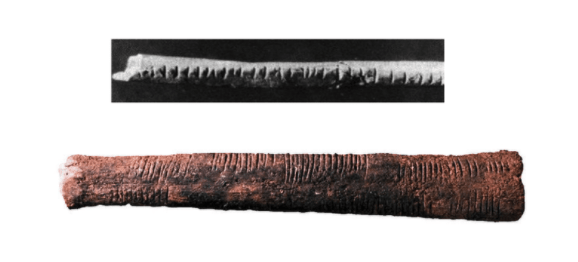
Egypt: Nabta Playa (Agrarian)

Earliest known agrarian society in the Africa/Middle East zone: Located in southern Egypt, Nabta Playa is one of the earliest known agrarian societies in the Sahara. This prehistoric community developed a sophisticated system of cattle herding and possibly small-scale cultivation, alongside seasonal water management strategies, making it a precursor to more complex agricultural societies in the […]

Egypt: Nabta Playa (Agrarian) Read More »

3761 BCE, Judaic Earth Creation Date

231 Generations Ago Estimating the date of Earth’s creation according to Judaic tradition involves delving into the Hebrew Bible and rabbinical interpretations. A significant historical calculation places the creation at 3761 BCE, marking the beginning of the Hebrew calendar. This date is derived from the Seder Olam Rabbah, a 2nd-century CE chronology that counts the

3761 BCE, Judaic Earth Creation Date Read More »

Second Atmosphere: Carbon Dioxide & Nitrogen

Deep orange or reddish-brown atmosphere: The second atmosphere’s formation was crucial and occurred just before or alongside the formation of Earth’s oceans, which directly supported the evolution of organic molecules and prebiotic microenvironments. The second atmosphere began to develop around 4.5 to 4 billion years ago, as volcanic outgassing released gases trapped in the Earth’s

Second Atmosphere: Carbon Dioxide & Nitrogen Read More »

First Atmosphere: Hydrogen & Helium

Likely white or grayish atmosphere: The first atmosphere developed first but was not directly involved in the development of life. The first atmosphere formed shortly after Earth’s formation around 4.5 billion years ago. This initial atmosphere was primarily composed of hydrogen and helium, the lightest and most abundant elements in the universe, which were captured from

First Atmosphere: Hydrogen & Helium Read More »

Yonaguni Monument Terraces midpart NWW

Under Investigation: Yonaguni Monument

Possible lost city off Japan: Discovered in 1985 off the coast of Yonaguni, Japan, it has captivated archaeologists, geologists, and conspiracy theorists alike. Characterized by its monolithic, terraced structures, this submerged rock formation resembles architectural craftsmanship that some suggest could date back to around 8000 BCE, a time when global sea levels were significantly lower.

Under Investigation: Yonaguni Monument Read More »

Phenotype Variation: Eye Shape and the Epicanthic Fold

The feature of the epicanthic fold, particularly prevalent among East Asian populations descended from Haplogroup A, is an adaptation to cold, windy, and bright environments encountered as humans migrated northward from Africa. This phenotype likely developed to protect the eyes from frostbite and snow blindness, showcasing how genetic diversity within human lineages adapted to specific

Phenotype Variation: Eye Shape and the Epicanthic Fold Read More »

Rediscovery: City of Catalhoyuk, circa 7100 BCE

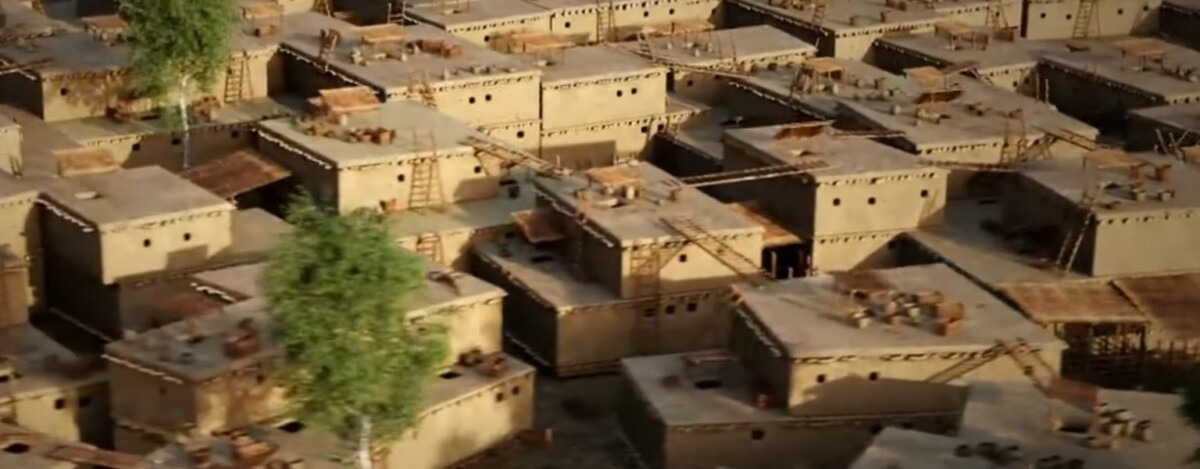
The ancient site of Çatalhöyük was not continuously known through historical records and was rediscovered in the modern era. It was first excavated by James Mellaart in 1958, who conducted major excavations between 1961 and 1965. These excavations revealed a wealth of information about Neolithic life and brought significant attention to the site. Its discovery

Rediscovery: City of Catalhoyuk, circa 7100 BCE Read More »

wall, decay, plaster

Plaster Invented

The earliest known use of plaster dates back to around 9000 BCE, with evidence from the ancient site of Çatalhöyük in modern-day Turkey. Here, Neolithic inhabitants utilized plaster made from lime to coat the floors, walls, and even ceilings of their mud-brick houses. This early application of plaster represents a significant technological innovation, indicating a

Plaster Invented Read More »

Scroll to Top