Explore Science-first Philosophy

All

Master Timeline

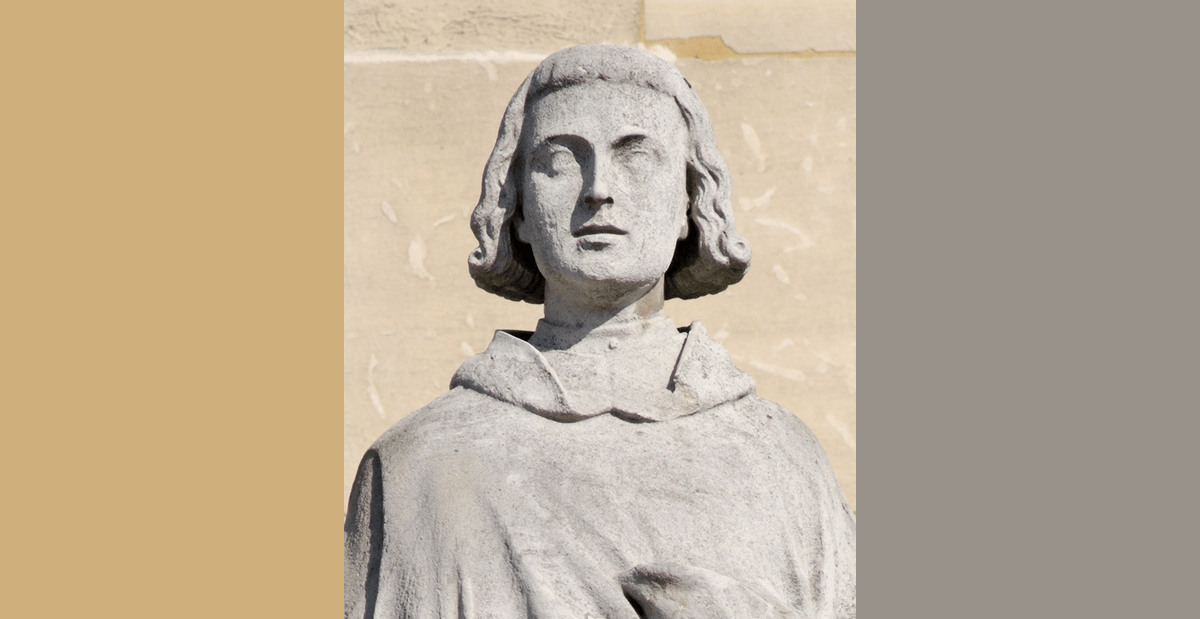
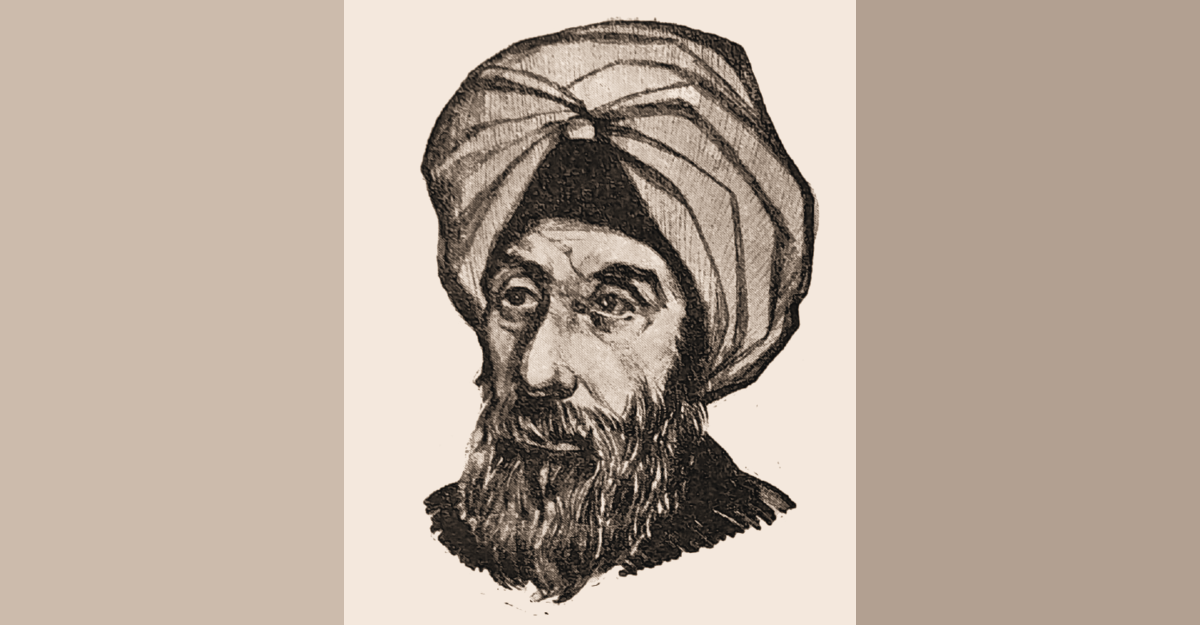
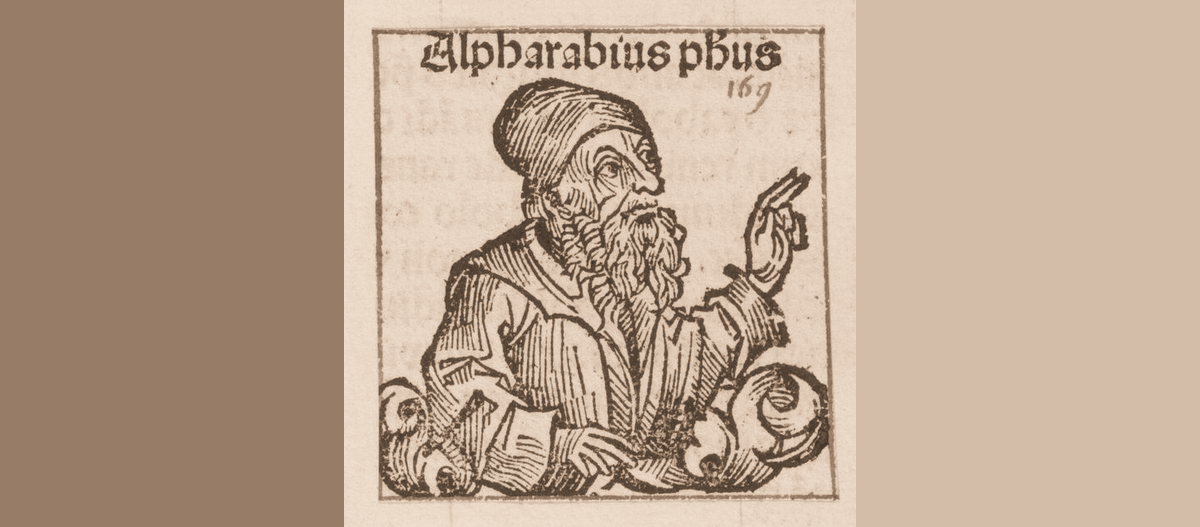
Al-Farabi

46 Generations Ago 30 Phil, Chapter 16: Al-Farabi and Intellect Al-Farabi was born along the Silk Road circa 872 CE in the city of Farab, in present-day Kazakhstan. Al-Farabi’ thought was rooted in Platonic and Aristotelian frameworks, yet it seamlessly wove in elements of Islamic thinking. He imagined an ideal society, steered by virtuous leaders […]

Al-Farabi Read More »

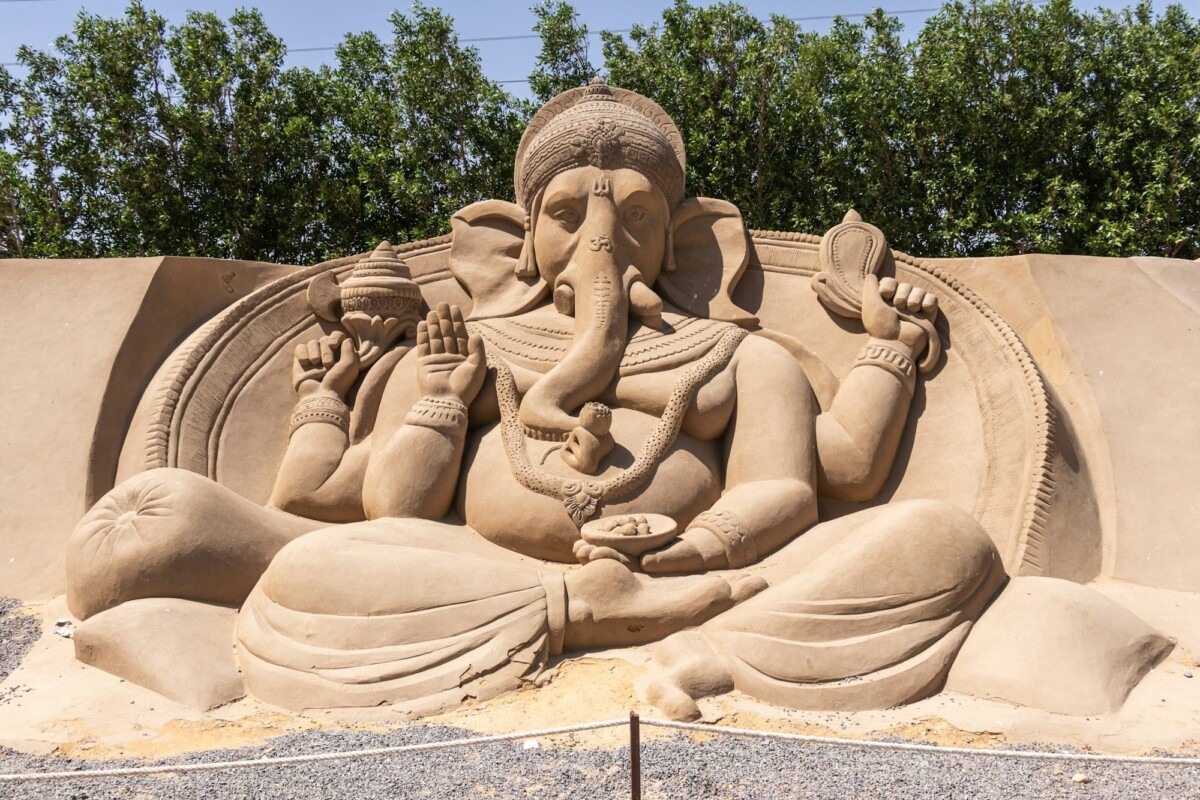
sand sculpture of Ganesha in Hinduism, the god of wisdom and well-being with the head of an elephant

Badarayana

73 Generations Ago 30 Phil, Chapter 14: Badarayana and Karma Badarayana is the sage who wrote the Brahma Sutras. Badarayana is placed at circa 200 CE, but the truth is, we don’t know when he lived. In my research, I found dates ranging from the 4th century BCE to the 4th century CE . While

Badarayana Read More »

debris of a stellar explosion, 3d illustration

Interstellar Clouds: Organic Molecules

The synthesis of simple organic molecules such as formaldehyde (H₂CO), methanol (CH₃OH), and simple hydrocarbons in the dense molecular clouds of the interstellar medium occured once sufficient carbon was present. This process has been ongoing for billions of years but became more prevalent as the universe aged and more carbon became available. Big History Thresholds:

Interstellar Clouds: Organic Molecules Read More »

Inorganic Precursors to Organic Molecules

The chemical evolution from inorganic precursors to organic molecules is a fascinating story of transformation driven by Earth’s dynamic early conditions and possibly assisted by the input from space in the form of meteorites rich in organic compounds. During this period, the Earth witnessed a series of complex chemical reactions facilitated by its primordial atmosphere,

Inorganic Precursors to Organic Molecules Read More »

Laozi

105 Generations Ago 30 Phil, Chapter 4: Laozi and Daoist Philosophy The life of Laozi is shrouded in mystery, but he is the first philosopher in “30 Philosophers” that attempts to construct a precise biography. The Spring and Autumn Period of China spanned nearly three centuries starting in 770 BCE, and Laozi lived about in the

Laozi Read More »

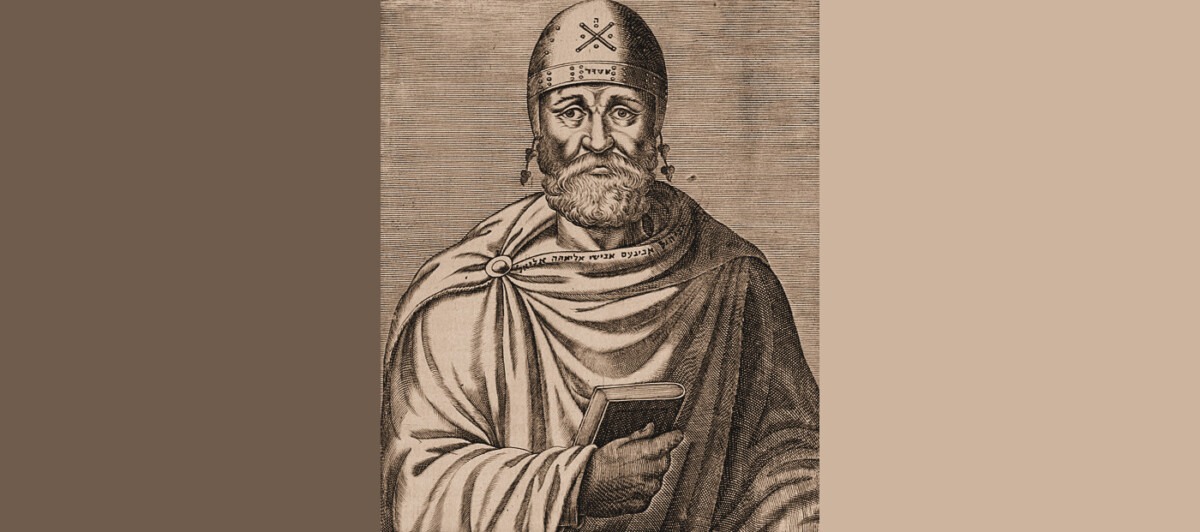
King Shuruppak

185 Generations Ago (from 2020 CE) 30 Phil, Chapter 2: Shuruppak and Paternal Wisdom Sumerian civilization consisted of over 30 city-states, among which Ur and Shuruppak were among the more prominent. We know about King Shuruppak from the Sumerian King List, an ancient text where he appears as the last king before a great flood.

King Shuruppak Read More »

Living fossil fish, Coelacanth.

Lungs Evolve: Lobe-Finned Fish and the Lungfish Ancestor

The Dawn of Lungs: In the oxygen-poor waters of the Devonian period, roughly 400 million years ago, or a bit earlier. It was a significant evolutionary leap. A group known as Sarcopterygii were presentd with a formidable challenge in ancient waters that were shallow and variable. It was here that the first lungs emerged. Evolving

Lungs Evolve: Lobe-Finned Fish and the Lungfish Ancestor Read More »

Cocoa powder and cocoa beans

Chocolate

In the tropical rainforests of Mesoamerica, the ancient Olmecs unlock the secrets of the cacao pod. By fermenting, roasting, and grinding the seeds, they create the bitter beverage chocolate. This divine elixir lays the foundation for chocolate’s enduring legacy, cherished by the Mayans and Aztecs as a ceremonial drink, a currency, and a medicine.

Chocolate Read More »

glass of beer, sausages and bread on the table

Beer, Ale, Wine

Who drank the first beer? Getting buzzed definitely has very deep historical roots. The earliest evidence of any fermented beverage is fruit-based, aka wine, and comes from the Jiahu site in China and dates back to around 7,000 BCE (9,000 years ago). In addition to fermented beverage residue in China, we have grain-based, aka beer/ale,

Beer, Ale, Wine Read More »

Scroll to Top