
Gautama Buddha
The Buddha gave the world a practical lesson: spirituality is best practiced in this life, not the next. Enjoy today in all its shades of color.


Master Timeline
The Buddha gave the world a practical lesson: spirituality is best practiced in this life, not the next. Enjoy today in all its shades of color.
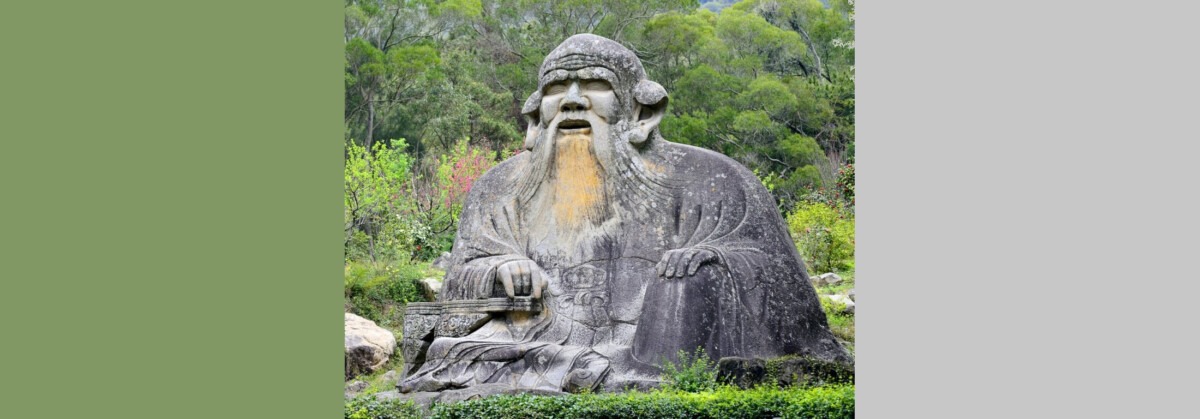
Laozi’s spirituality wants you to live with humility before the unknowable Dao: live gently, force less, and move in harmony with reality. Let people be who they are.

112 Generations Ago (from 2020 CE) 30 Phil, Chapter 3: Gargi and the Concept of Holism Gargi lived in India around 800 BCE, give or take a century, but we do not know her lifespan. We know about her from early Vedic Tradition, specifically from the early Vedas. Gargi is one of the earliest known
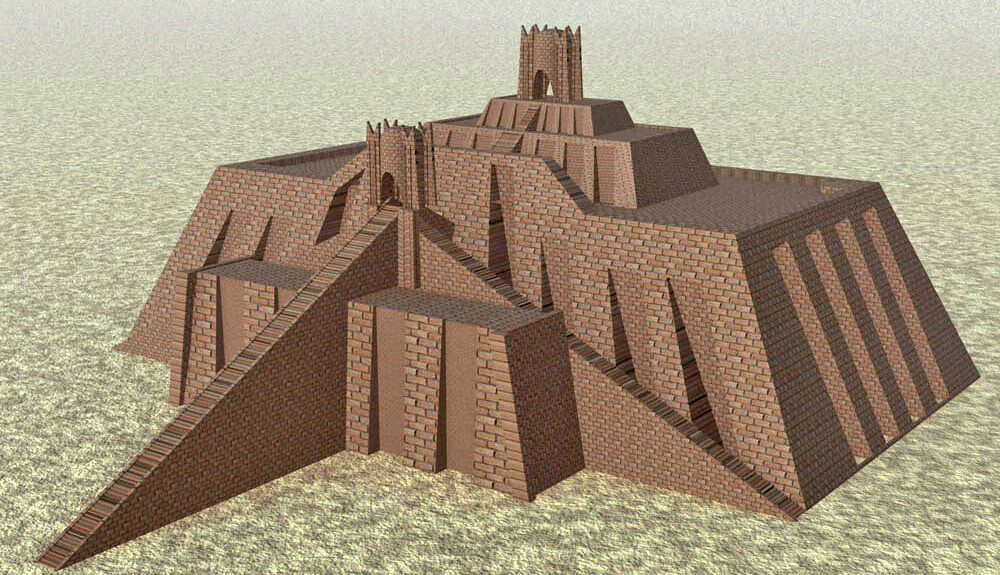
185 Generations Ago (from 2020 CE) 30 Phil, Chapter 2: Shuruppak and Paternal Wisdom Sumerian civilization consisted of over 30 city-states, among which Ur and Shuruppak were among the more prominent. We know about King Shuruppak from the Sumerian King List, an ancient text where he appears as the last king before a great flood.
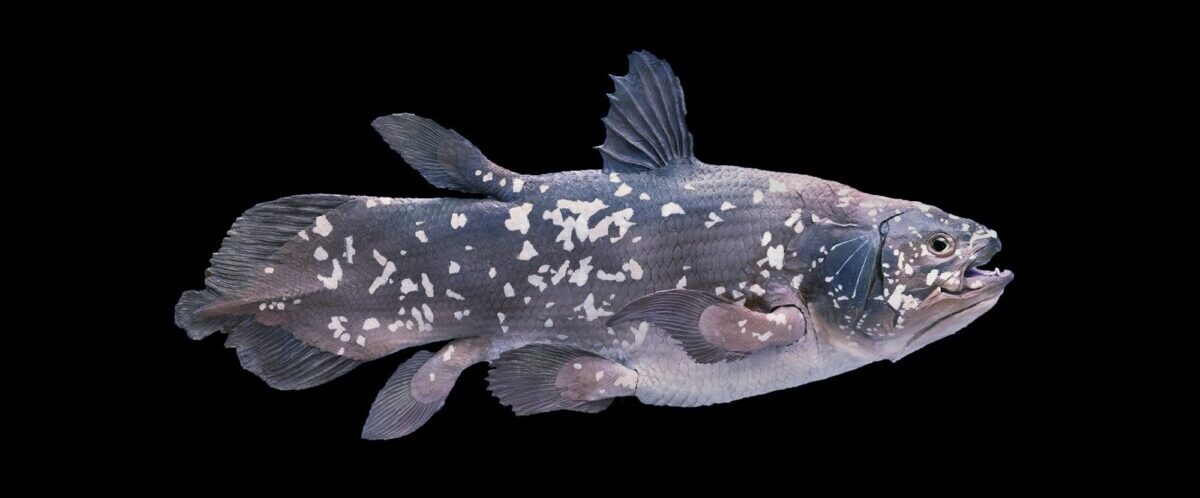
The Dawn of Lungs: In the oxygen-poor waters of the Devonian period, roughly 400 million years ago, or a bit earlier. It was a significant evolutionary leap. A group known as Sarcopterygii were presentd with a formidable challenge in ancient waters that were shallow and variable. It was here that the first lungs emerged. Evolving
Lungs Evolve: Lobe-Finned Fish and the Lungfish Ancestor Read More »

In the tropical rainforests of Mesoamerica, the ancient Olmecs unlock the secrets of the cacao pod. By fermenting, roasting, and grinding the seeds, they create the bitter beverage chocolate. This divine elixir lays the foundation for chocolate’s enduring legacy, cherished by the Mayans and Aztecs as a ceremonial drink, a currency, and a medicine.
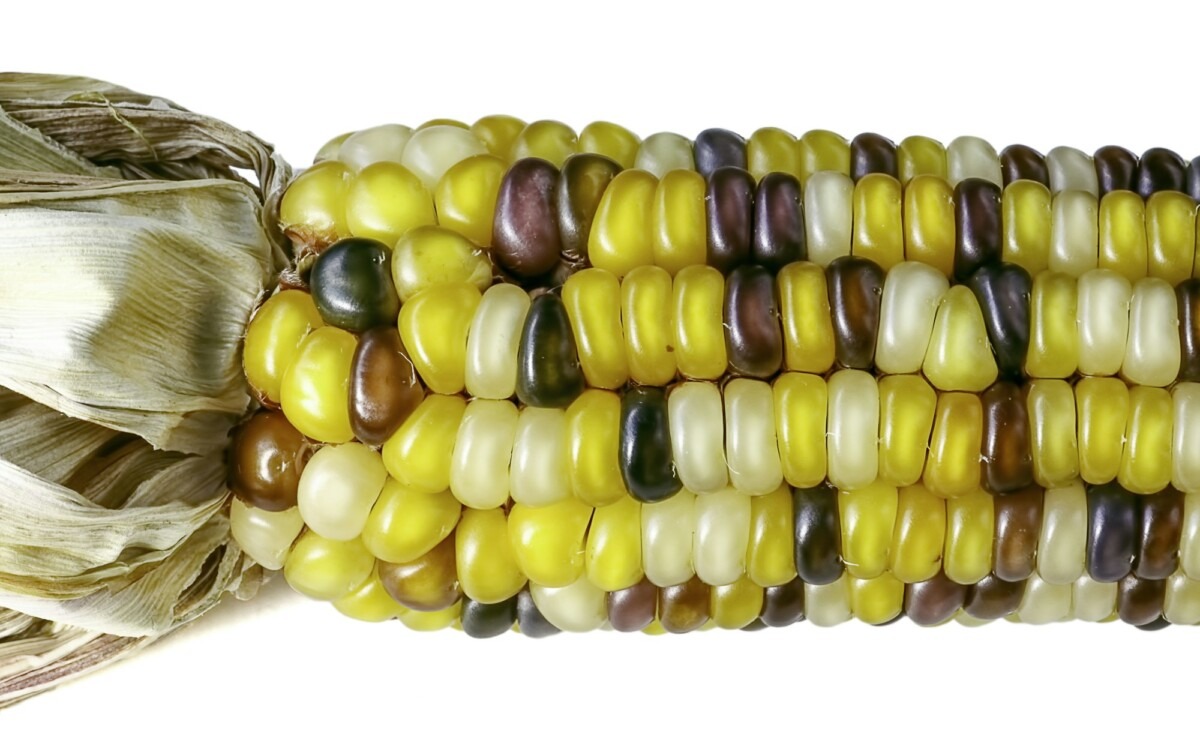
In the highlands of Mexico, the story of maize, or corn, begins with its ancestor, teosinte. Through centuries of selective breeding, Indigenous peoples transform this humble grass into corn.

In the Neolithic villages of Poland, milk, a nourishing gift from domesticated animals, is left to curdle, giving rise to the earliest form of cheese.

Who drank the first beer? Getting buzzed definitely has very deep historical roots. The earliest evidence of any fermented beverage is fruit-based, aka wine, and comes from the Jiahu site in China and dates back to around 7,000 BCE (9,000 years ago). In addition to fermented beverage residue in China, we have grain-based, aka beer/ale,
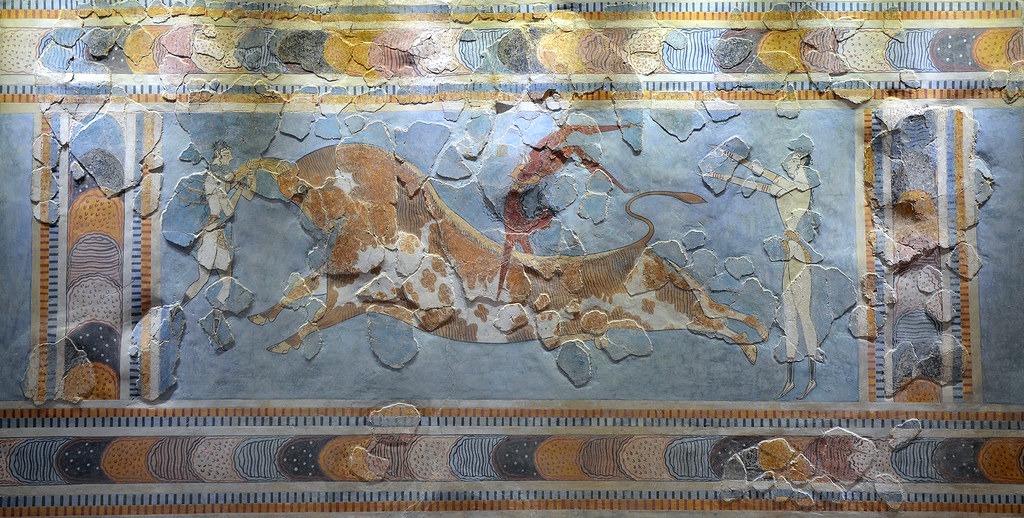
(Crete, ) – The Palace of Knossos, the largest Bronze Age archaeological site on Crete, is famous for its sophisticated and colorful frescoes. These paintings depict a variety of subjects, including processions, animals, and scenes of daily life, characterized by naturalistic figures and a vibrant palette. One of the most iconic images is of the
Minoan Frescoes at Knossos Read More »
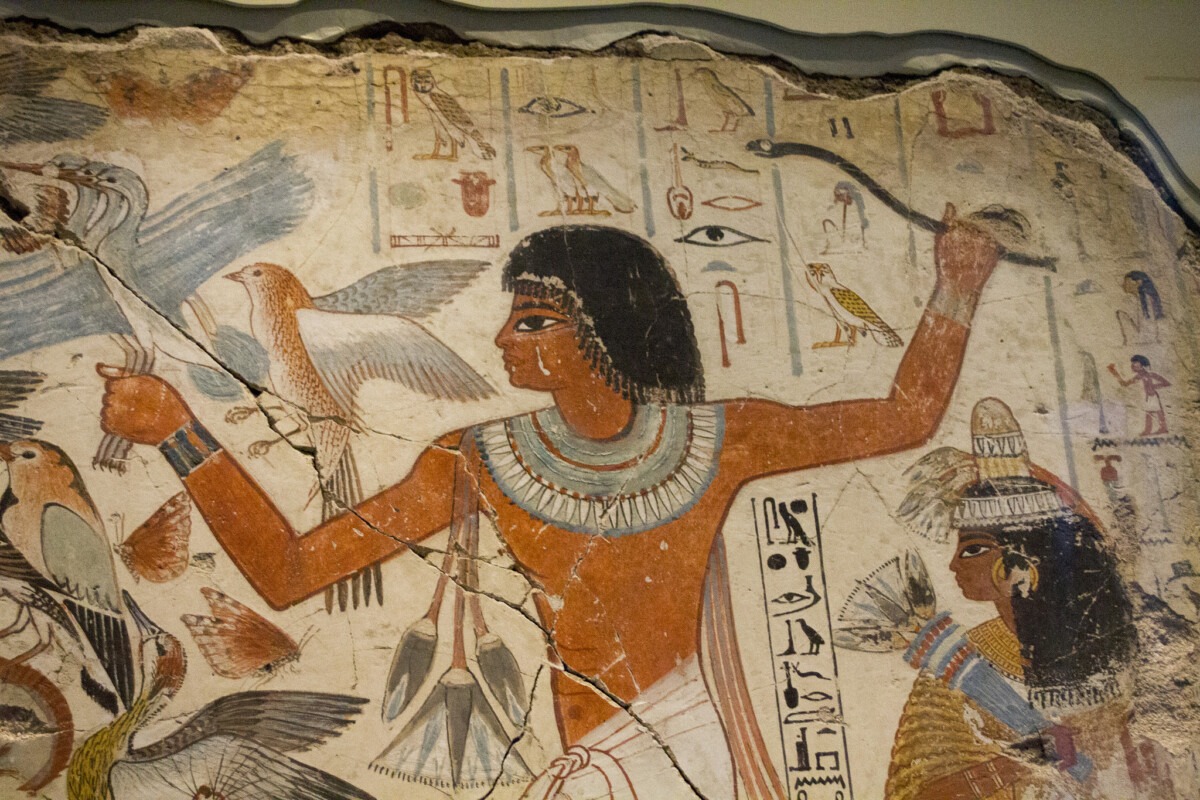
The Tomb of Nebamun, located in Thebes, Egypt, contains some of the most famous and vibrant frescoes from the 18th Dynasty of the New Kingdom period. The paintings depict Nebamun, an Egyptian official, engaging in various activities, including hunting in the marshes and enjoying banquets with his family. The frescoes are celebrated for their dynamic
Frescoes of the Tomb of Nebamun Read More »
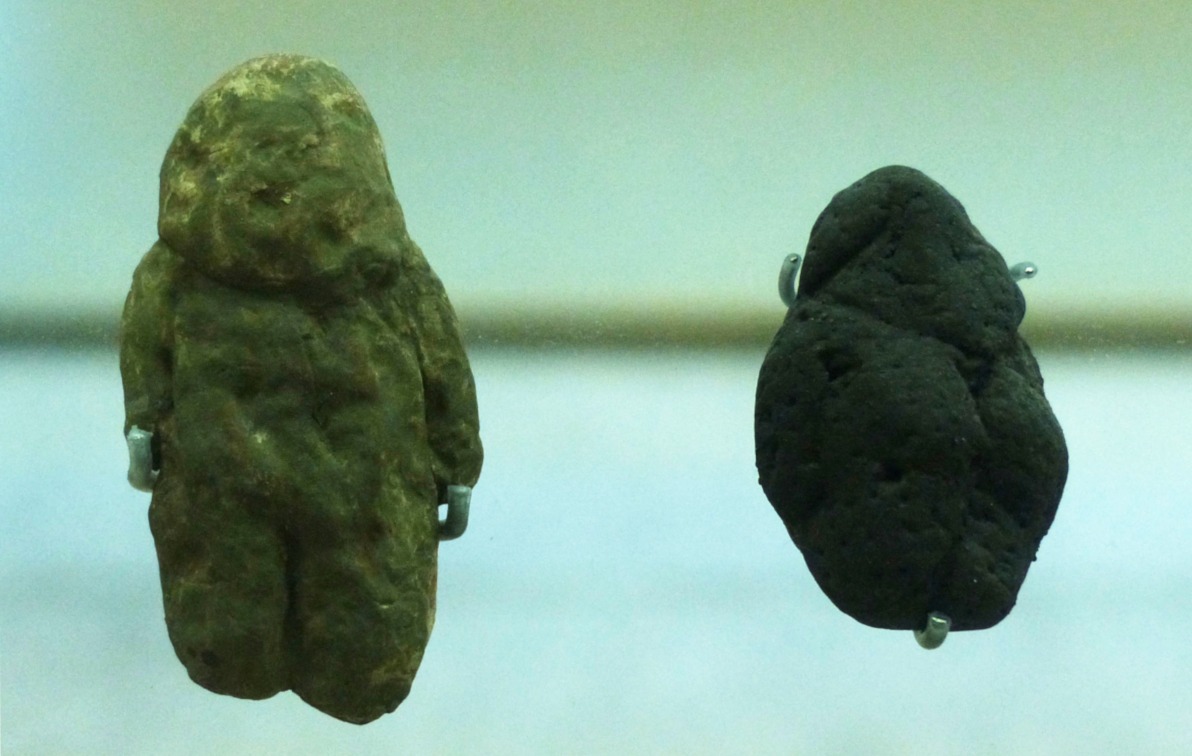
Found in Morocco, this natural pebble with human-like features is possibly the oldest known example of a figurine or representation of the human form.
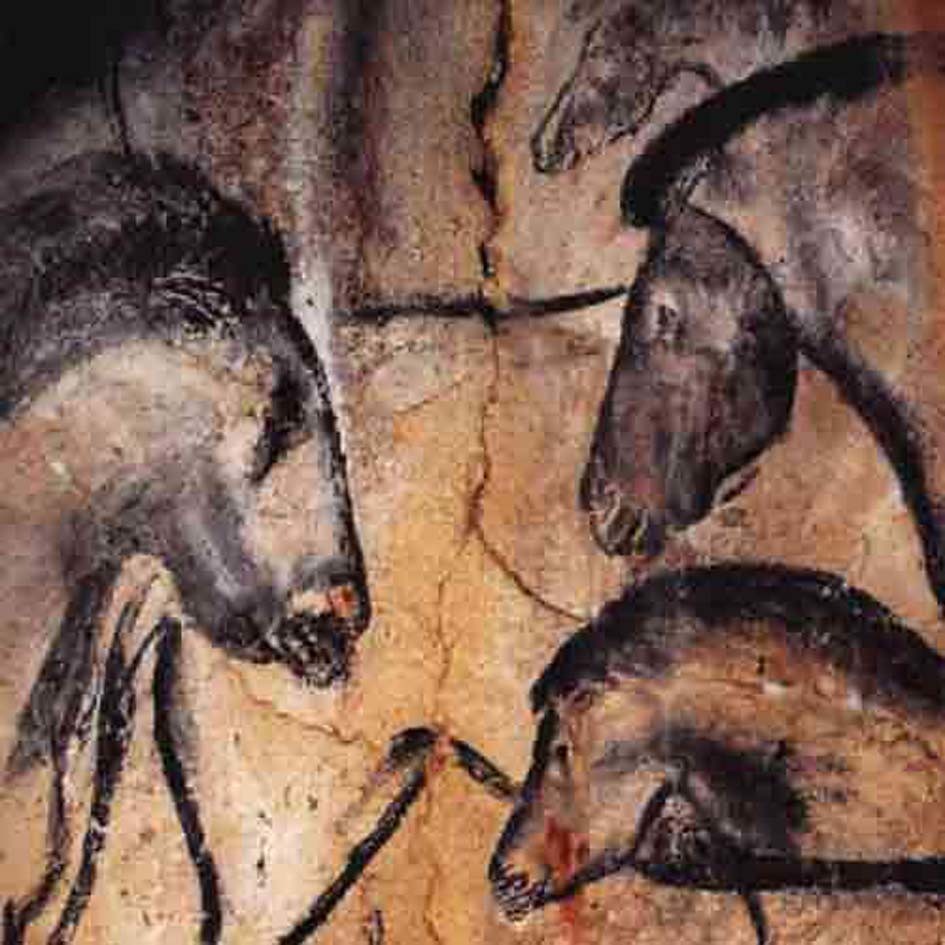
Located in France, the cave contains hundreds of wall paintings of animals, abstract symbols, and hand prints.
Chauvet Cave Paintings Read More »
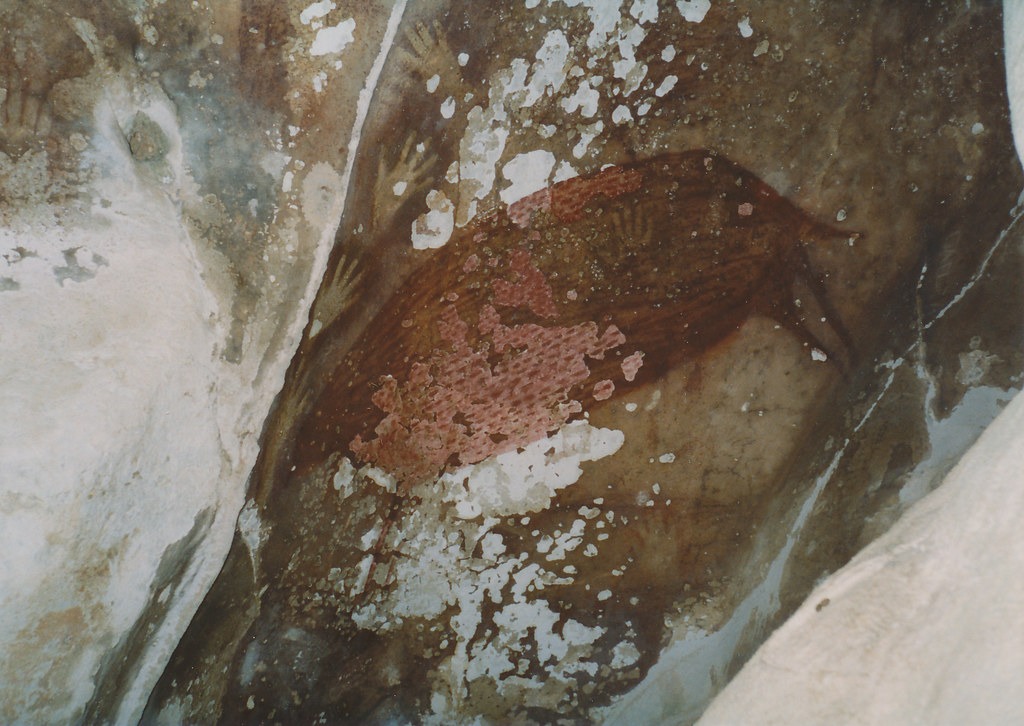
Discovered in Indonesia, these hand stencils and depictions of animals are among the oldest known figurative artworks.
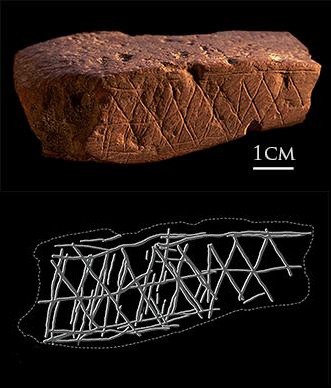
Earliest known symbol use in the Africa/Middle East zone. Located in South Africa, the cave contains engraved ochre pieces, which are among the earliest known forms of abstract art.
Blombos Cave Engravings Read More »
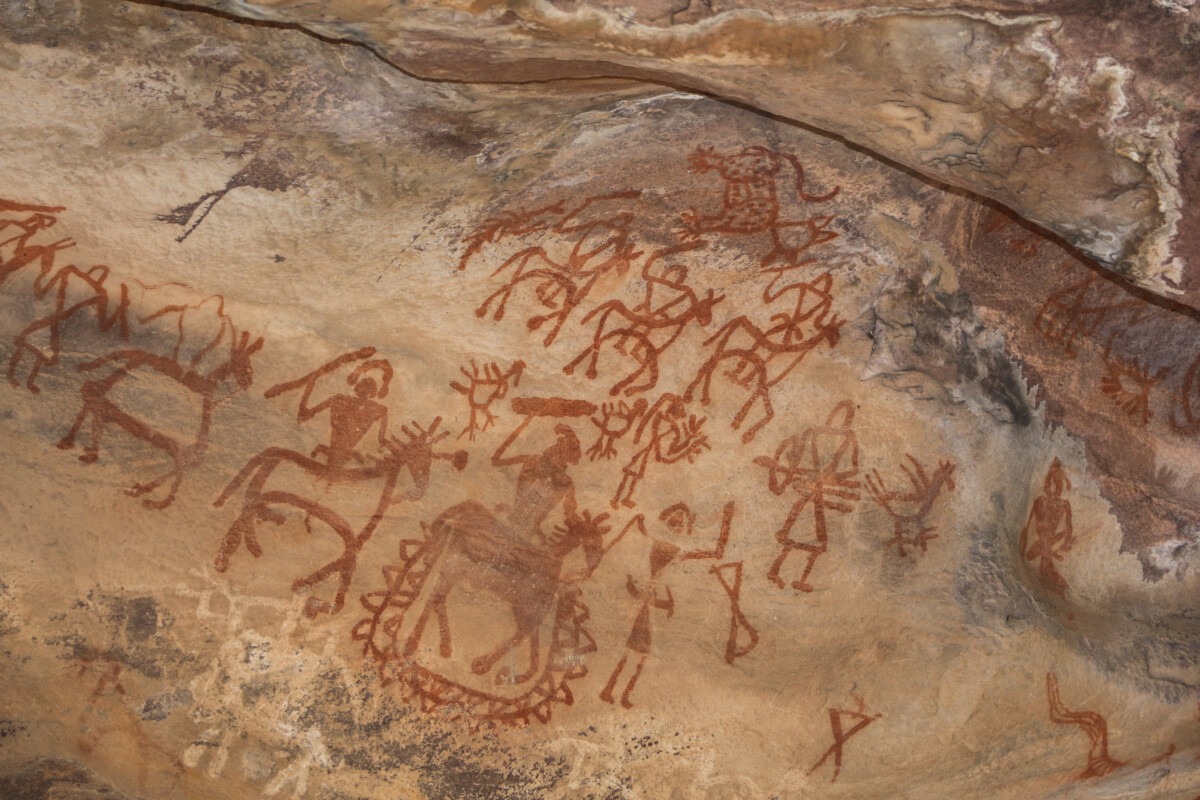
Found in central India, these cupules (circular hollows on rock surfaces) are among the earliest known forms of rock art. They were likely created by a species like Homo erectus or Homo heidelbergensis and not Homo sapiens. Homo sapiens are not known to be in India until around 40,000 years ago. Homo erectus is known
Bhimbetka Petroglyphs, Cupules Read More »
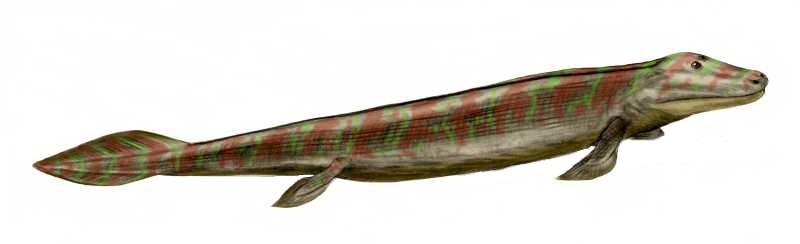
By about 375 million years ago, several animal lineages had evolved long-term memory to navigate a changing world, remembering feeding sites, water access, and safe routes between land and water. This likely included vertebrates like Tiktaalik.
Long-Term Memory Evolves: Tiktaalik Read More »
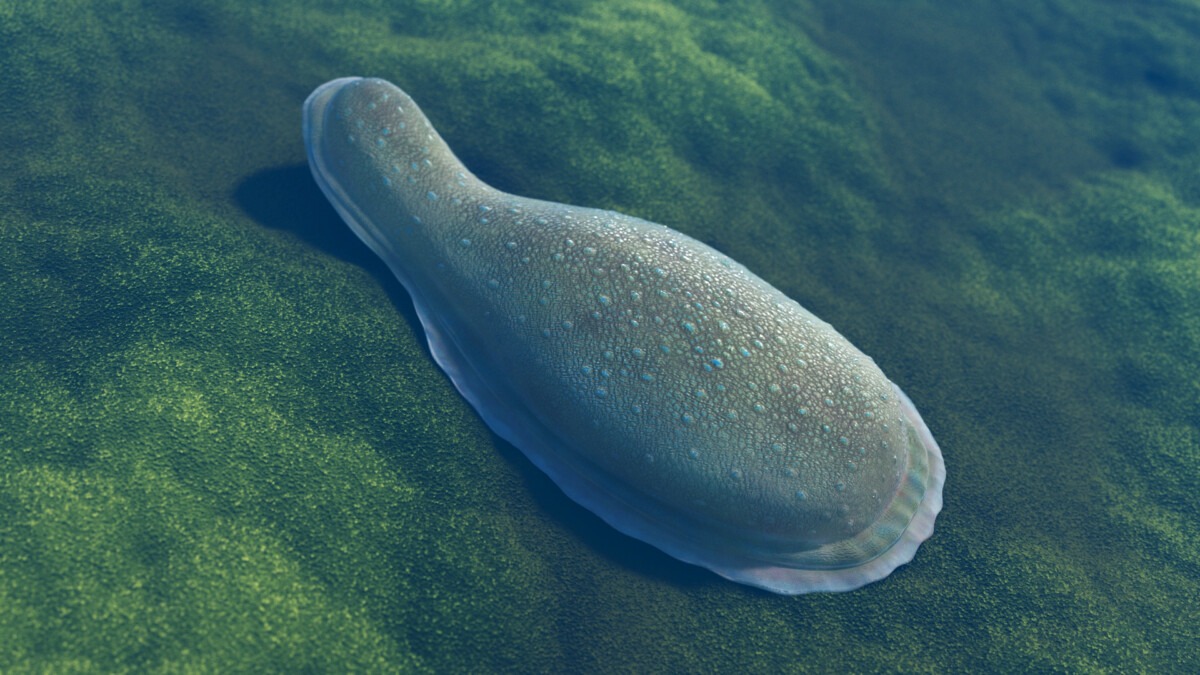
Chemoreception is older than animals and is found across life, including bacteria, fungi, and plants. Taste and smell evolved later in animals, after the bilaterian split, as early nerve nets and proto-nervous systems gradually gave rise to animal brains that benefited from more specialized information for navigating life. Animal-level chemoreception, the ability to detect chemical
Animal Chemoreception: Proto-Taste and Smell Emerge Read More »
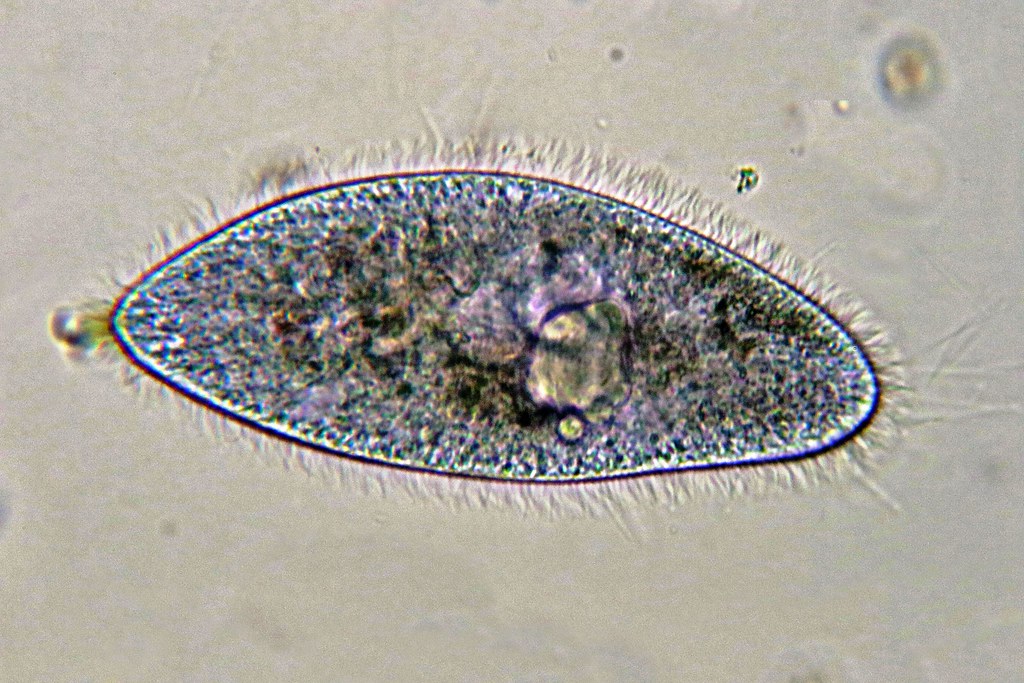
About 3.72 billion years ago, right after LUCA, when cells emerged, touch became the most ancient form of biological sensing: required to physically navigate reality.
Touch: Life Learns to Feel Force Read More »
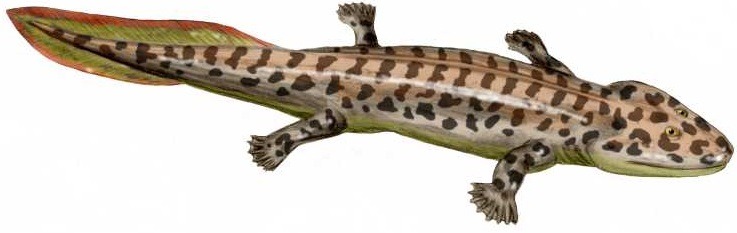
Hearing, which initially appeared in early fish, underwent a remarkable transformation as vertebrates transitioned to terrestrial life a bit after 400 million years ago. Early forms of hearing involved simple pressure-sensitive cells that could detect vibrations in water. As amphibians moved onto land, rudimentary hearing evolved into processing airborne sound. This transition further drove the
Land Hearing Emerges: Amphibians Read More »