Explore Science-first Philosophy

All

Master Timeline

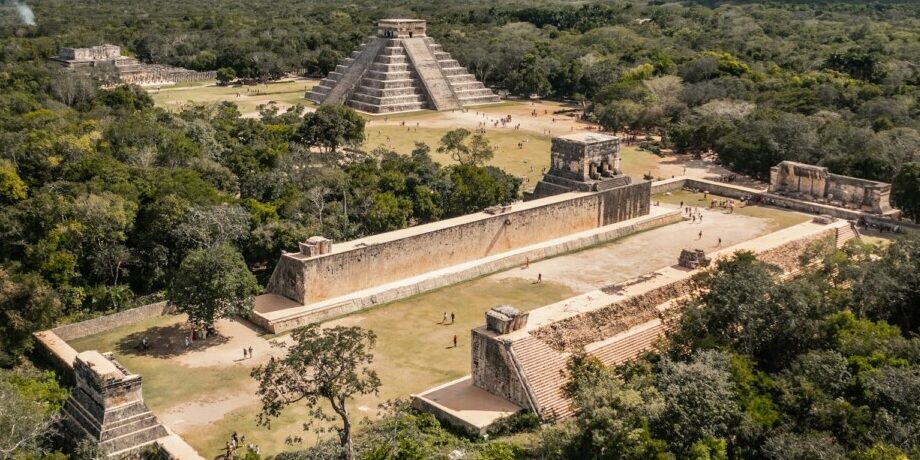
Aerial view of Chichen Itza

The Rise of the Maya Civilization

The Maya civilization, emerging around 2600 BCE in what is now Mexico, Belize, Guatemala, and Honduras, represents one of the most complex societies of ancient America. Renowned for their achievements in mathematics, astronomy, art, and architecture, the Maya developed a sophisticated calendar system and constructed towering pyramids and cities that blended harmoniously with the surrounding […]

The Rise of the Maya Civilization Read More »

The Clovis Culture

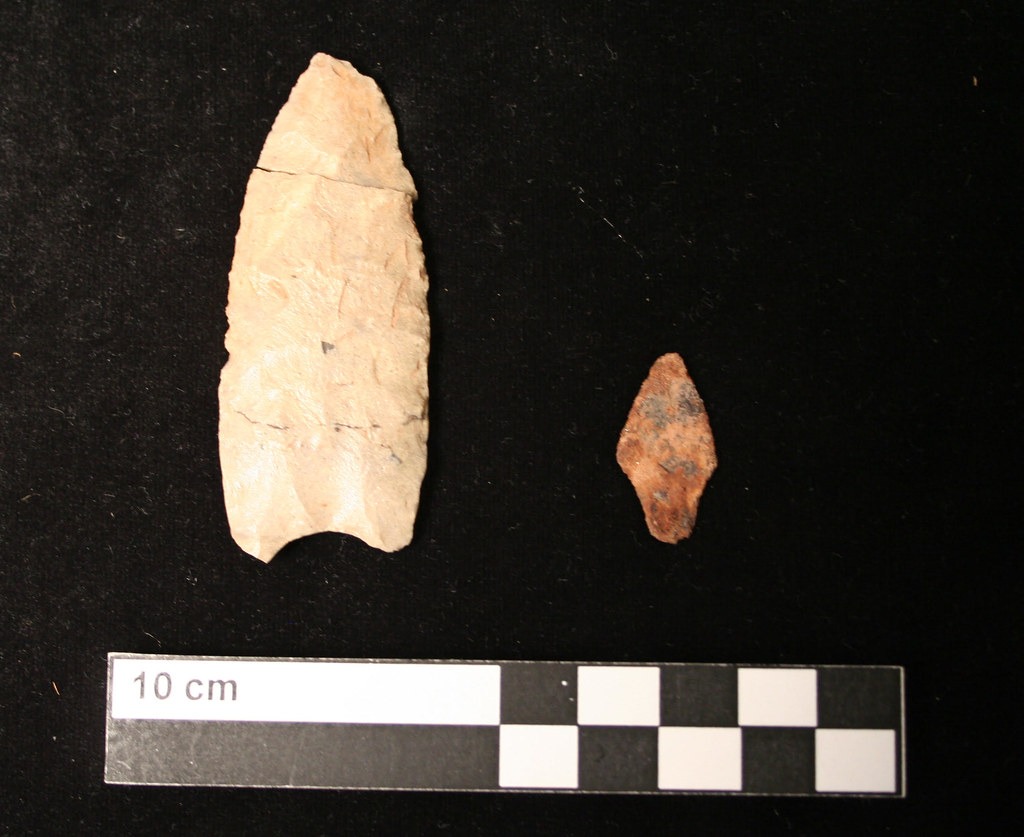
In what is now the United States, the Clovis culture, named after distinctive stone tools found near Clovis, New Mexico, represents one of the earliest known sophisticated societies in the Americas. Dating back to around 13,000 BCE, the Clovis people are believed to be among the first inhabitants of the continent, crossing the Bering Land

The Clovis Culture Read More »

Angkor Wat

Angkor Wat

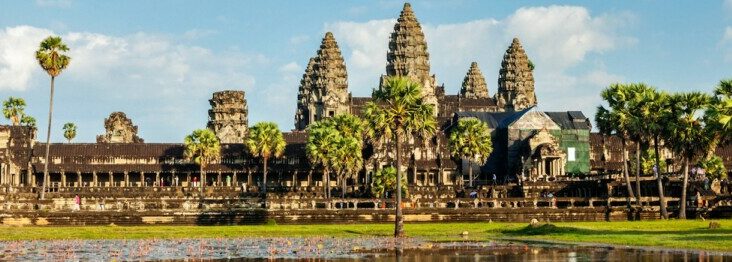
In the early 12th century, the Khmer Empire, located in what is today Cambodia, undertook one of the most ambitious architectural projects in the history of Southeast Asia: the construction of Angkor Wat. Originally dedicated to the Hindu god Vishnu, this temple complex reflects the height of Khmer architectural, artistic, and spiritual achievement. Angkor Wat

Angkor Wat Read More »

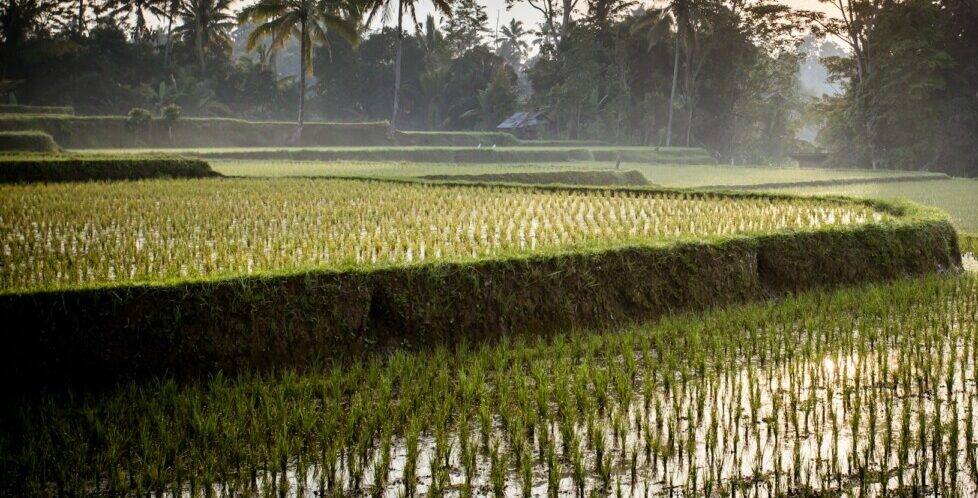
Bali Rice Fields

The Domestication of Rice

In the lush, fertile lands of the Yangtze River Valley in ancient China, early inhabitants achieved a milestone that would revolutionize human society: the domestication of rice. Around 8,000 BCE, these innovative communities began to cultivate wild rice, laying the groundwork for sedentary agriculture and complex civilizations. This agricultural breakthrough not only provided a stable

The Domestication of Rice Read More »

tradition, lives, maori

The Māori Settlement of New Zealand: Earliest Known

The Māori, Polynesian navigators and explorers, reached the shores of Aotearoa, now known as New Zealand, around 1300 CE. Braving the vast Pacific aboard large, ocean-going waka (canoes), they established communities that would flourish into a distinctive culture deeply connected to the land and sea. The Māori developed a rich oral tradition, weaving tales of

The Māori Settlement of New Zealand: Earliest Known Read More »

The Lapita Culture

The Lapita culture, named after a site in New Caledonia, was an Austronesian people known for their intricate pottery and advanced navigation skills. Around 1500 BCE, they began spreading eastwards across the vast Pacific, reaching as far as Tonga and Samoa. The Lapita are considered the ancestors of many modern Pacific Islanders, including Polynesians, Micronesians,

The Lapita Culture Read More »

Geyser in Yellowstone National Park

Formation of Prebiotic Microenvironments

Alongside or following the chemical evolution of organic molecules, the formation of prebiotic microenvironments, such as hydrothermal vents or warm little ponds, provided niches where concentrations of organic molecules could interact. These environments could have been crucial for the assembly of complex organic molecules and the initiation of catalytic cycles.

Formation of Prebiotic Microenvironments Read More »

Cellular Membranes

The formation of cellular membranes represents a pivotal development in the pre-life world, enabling the creation of defined boundaries for primitive cells. These membranes, likely formed from simple lipid bilayers, provided a controlled environment for chemical reactions and played a critical role in the emergence of the first cell-like structures, distinguishing them from their surrounding

Cellular Membranes Read More »

Sperm and egg cell on microscope. Scientific background.

Oogamy: Early Gamete Specialization Before Animals

In evolutionary order, reproduction systems came first; bodies came later. Around 1.1 billion years ago, some single-celled eukaryotes evolved gamete specialization. Instead of two similar cells fusing, one became small and motile (sperm-like) while the other became larger and nutrient-rich (egg-like). These were not separate organisms but reproductive forms of single-celled life. Hundreds of millions

Oogamy: Early Gamete Specialization Before Animals Read More »

Scroll to Top