Explore Science-first Philosophy

All

Master Timeline

The First True Eukaryotes

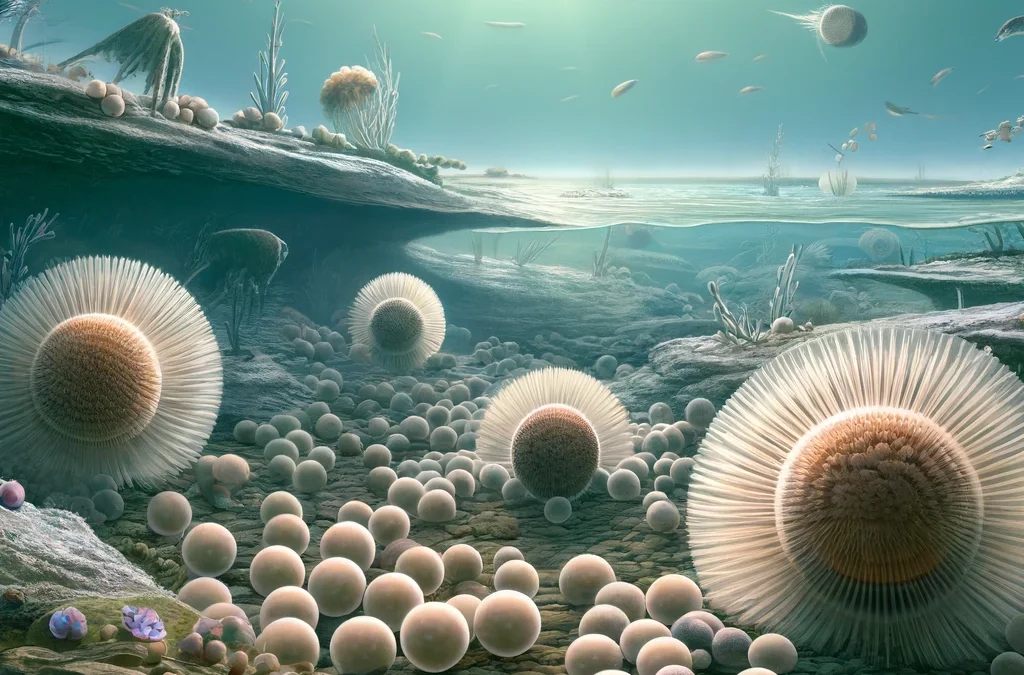
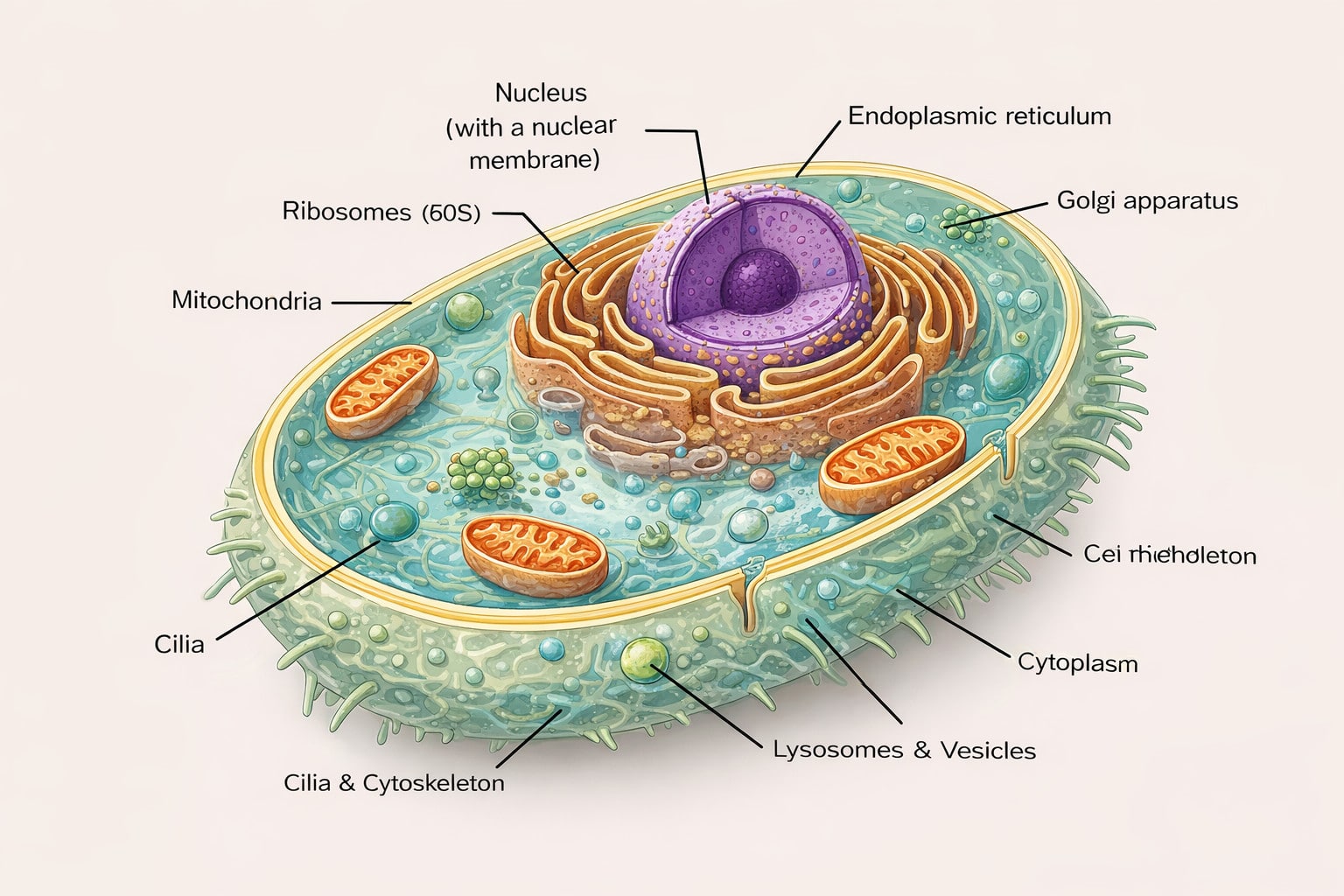
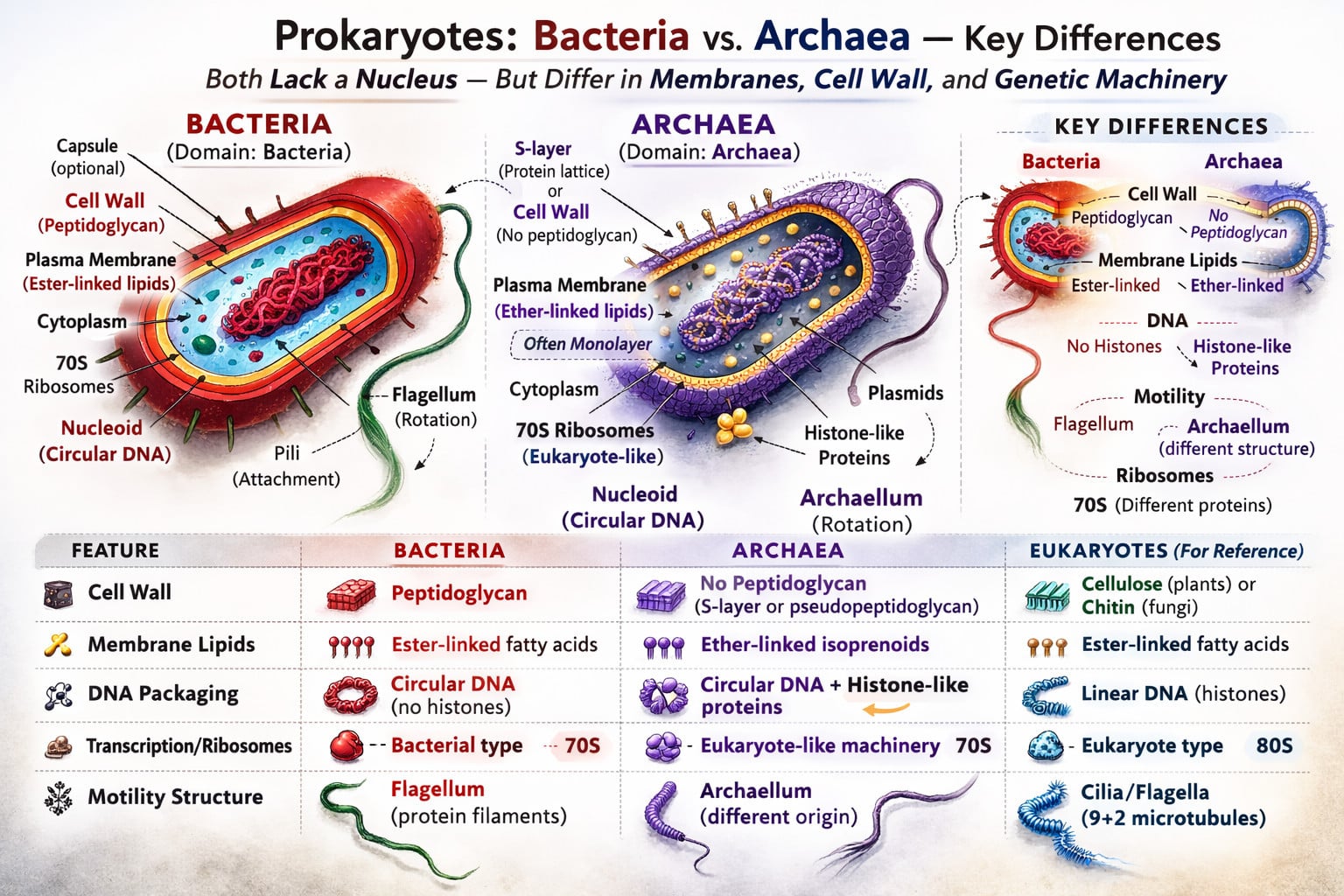
All life today are either Prokaryote or Eukaryote. Around 2 billion years ago, Eukaryotes evolved from Prokaryotes. The evolutionary leap to eukaryotes introduced cells with a nucleus and membrane-bound organelles, a complex architecture derived from prokaryotic predecessors through endosymbiosis. This process, crucial for eukaryotic evolution, involved the incorporation of prokaryotic cells into the cytoplasm of […]

The First True Eukaryotes Read More »

Discovery: Neanderthal Symbolic Thought

It’s clear: neanderthals created art. The discovery of cave paintings in Spain, dated to over 64,000 years ago, marked a profound shift in our understanding of Neanderthals. This corrected the longstanding perception that Neanderthals lacked symbolic thought and artistic expression. To learn more, check out Beyond Human Bias: Reassessing Neanderthal Intelligence.

Discovery: Neanderthal Symbolic Thought Read More »

geometry, mathematics, volume

The Invention of Calculus

Invented by Newton in the 1660s (pub. 1687) and independently by Leibniz in the 1680s (pub. 1684). Both built on Galileo’s popularizing the idea of the infinitesimal. Calculus, the mathematical study of continuous change, introduced the concepts of differentiation and integration, providing tools to model and analyze motion, growth, and the infinitesimal. Newton, working primarily

The Invention of Calculus Read More »

The Birth of Logic

In the vibrant intellectual climate of Ancient Greece, the 6th century BCE marks the embryonic stage of formal logic, attributed to the philosopher Thales of Miletus (around 624-546 BCE). Thales, recognized as the first of the Seven Sages of Greece, embarked on a quest that laid the foundational stones of logical thought. He shifted the

The Birth of Logic Read More »

Rediscovery of the Library of Ebla: circa 2350 BCE

In 1975, Italian archaeologist Paolo Matthiae and his team unearthed the remarkable Library of Ebla at Tell Mardikh, Syria, revealing a trove of around 20,000 clay tablets and fragments. This discovery dramatically expanded our understanding of ancient Near Eastern civilizations, introducing Eblaite as a previously unknown Semitic language and providing unprecedented insights into the culture,

Rediscovery of the Library of Ebla: circa 2350 BCE Read More »

Earliest Known Hunter

First Brains: By about 520 million years ago, hunters roamed the seas. In the Cambrian explosion, a period of rapid evolutionary development that began around 541 million years ago, the earliest known animals with structures recognizable as brains made their debut in the Earth’s oceans. They possessed rudimentary beginnings central nervous systems, including a brain.

Earliest Known Hunter Read More »

beautiful woman human robot artificial intelligence

Post Human Evolution

44 Generations From Now The transformation or emergence of beings that have transcended current human biological and cognitive limitations. This could be achieved through advanced genetic engineering, cybernetic enhancements, or the development of entirely new forms of consciousness within AI systems. A group of our descendants are likely to attain God-like abilities over matter and energy

Post Human Evolution Read More »

Scroll to Top