Weekly Insights for Thinkers

Big Picture

A higher view of evolution.

Collective Learning Emerges

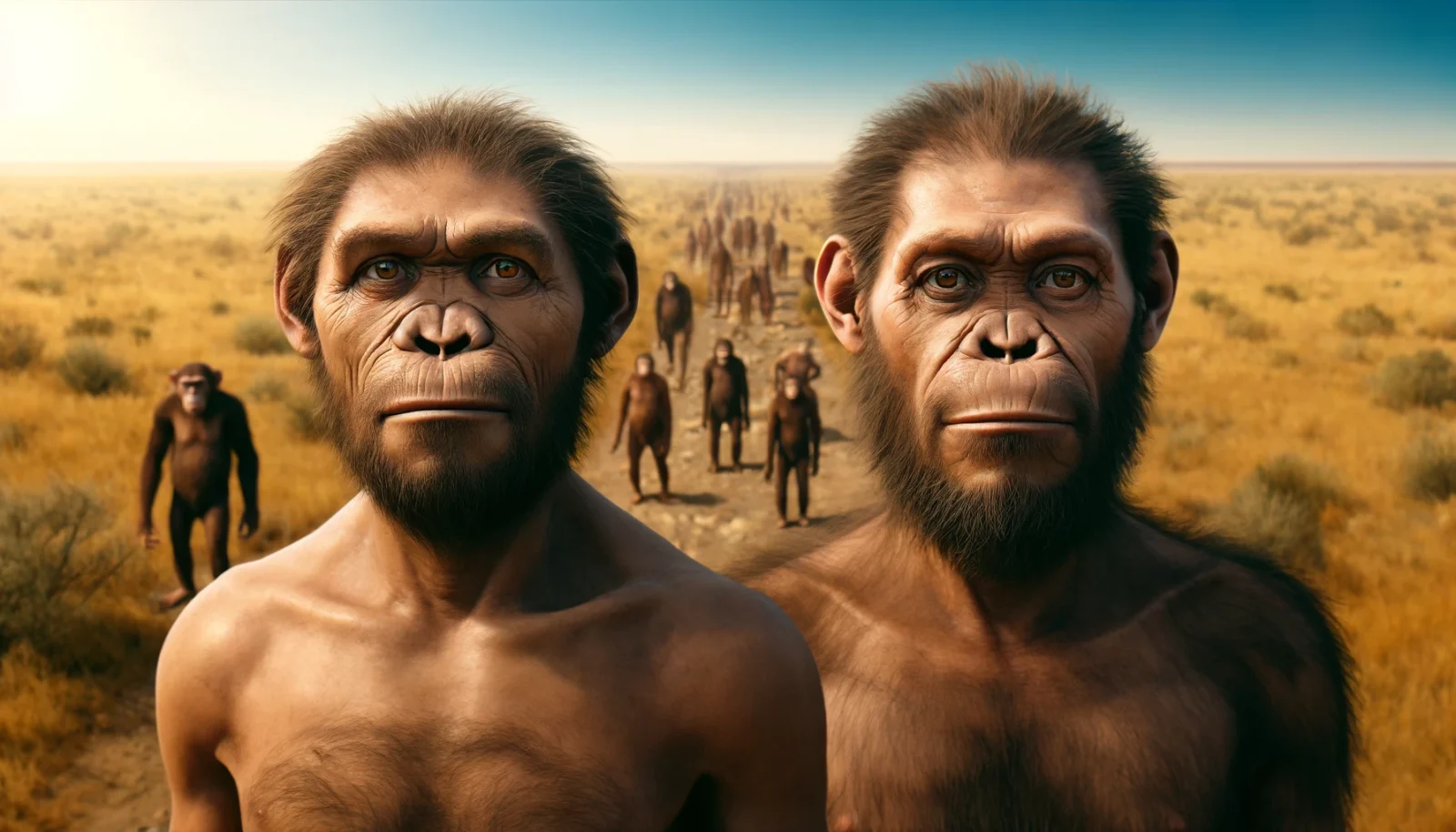
The dawn of collective learning can be traced back the oldest known stone tools, discovered at Lomekwi 3 in Kenya. The creation of these tools required more than just individual innovation; it involved the rudimentary form of collective learning, where knowledge of toolmaking was shared within groups. This early transmission of skills not only enhanced […]

Collective Learning Emerges Read More »
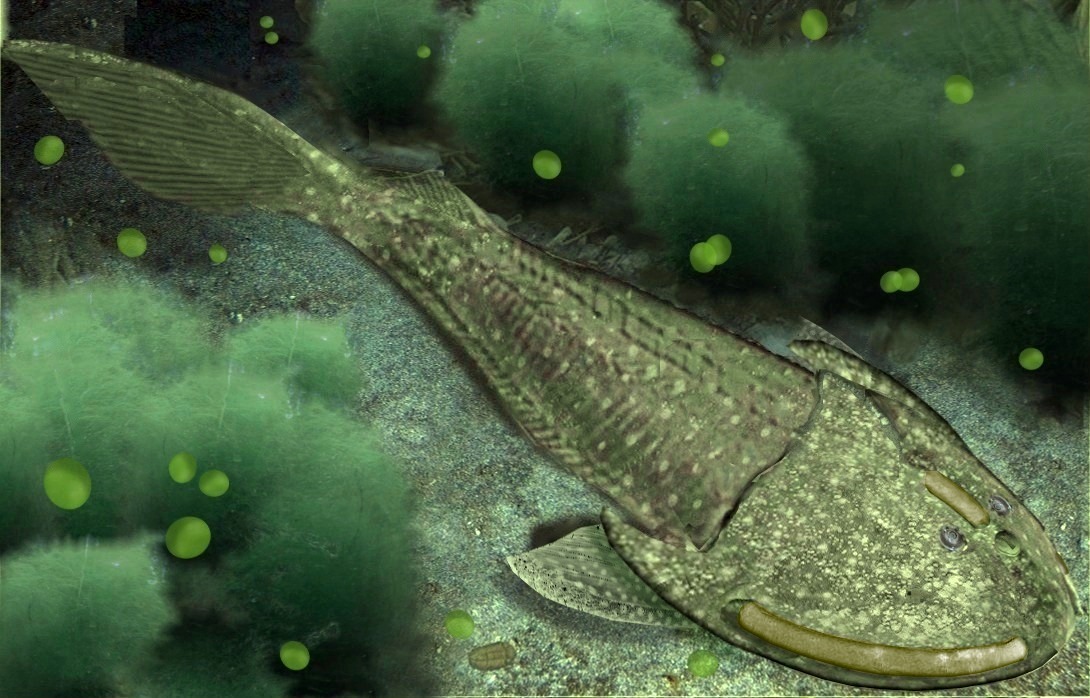
Keratin Genes & the Rise of Scales in Fish

These early scales provided a vital protective layer, acting like underwater armor against predators, abrasions, and environmental threats. The keratin genes that led to scales are an interesting part of our story. When amphibians evolved onto land, scales near the tips of their evolving toes transformed into thicker protection and traction, eventually giving rise to

Keratin Genes & the Rise of Scales in Fish Read More »

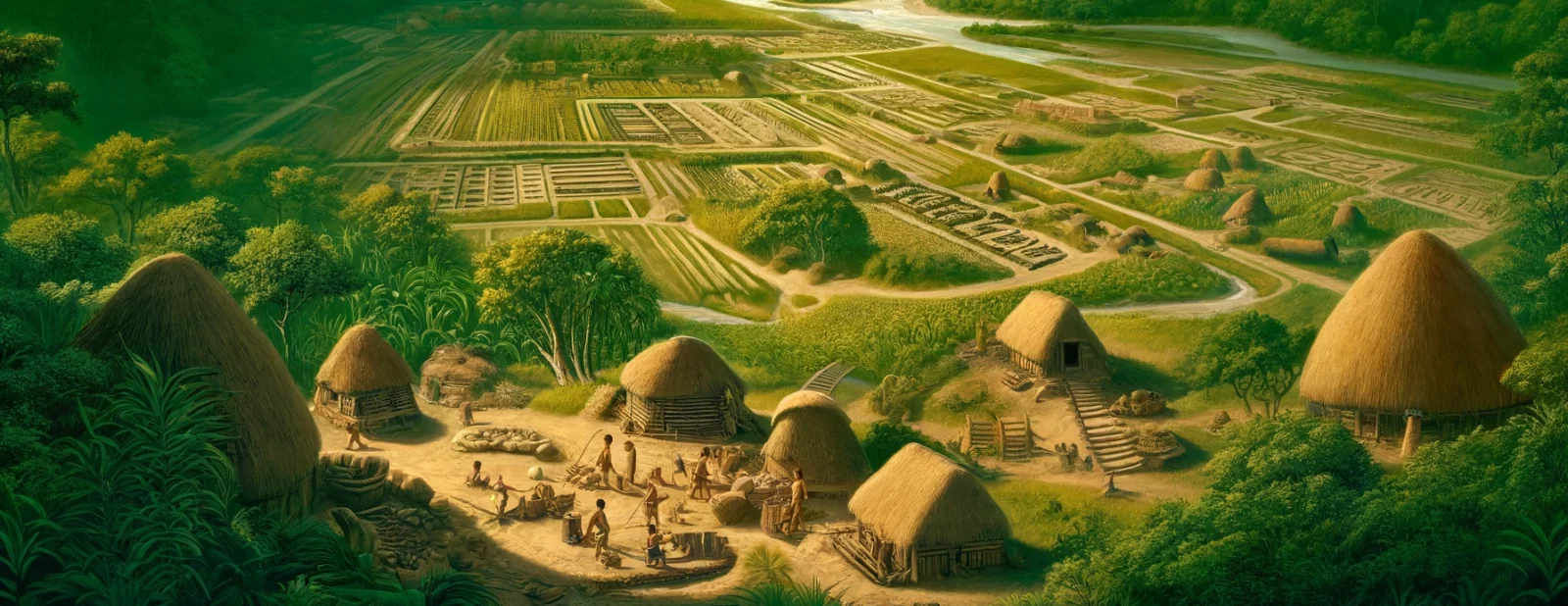
Mexico: Guilá Naquitz (Agrarian)

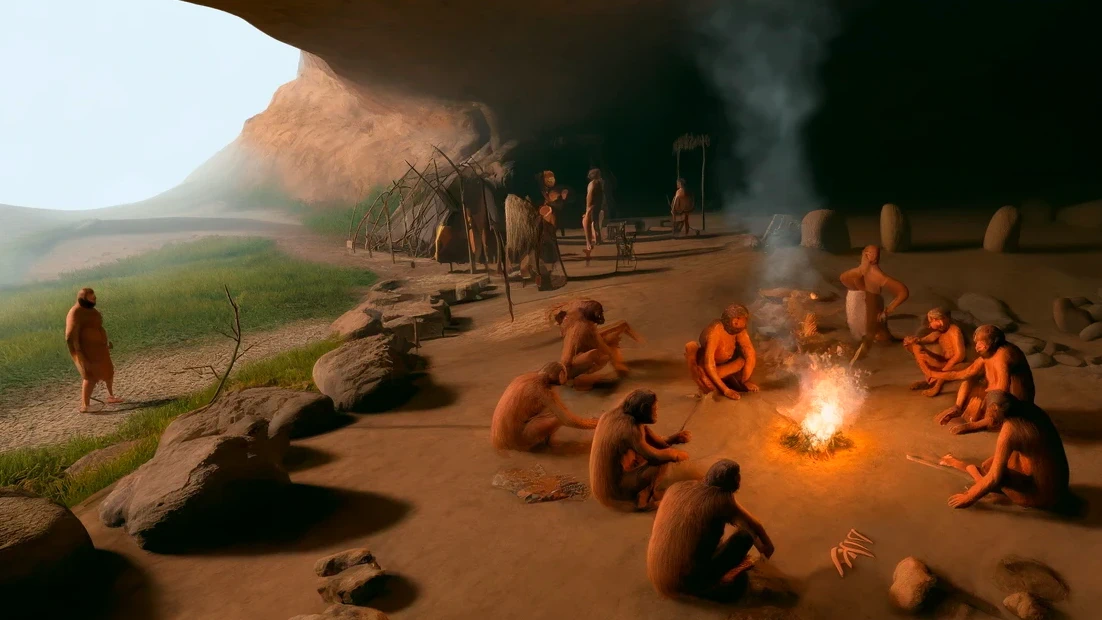
Earliest known agrarian society in the Americas zone: In Oaxaca, Mexico, the site of Guilá Naquitz provides evidence of early plant domestication, particularly of squash, around 8000 BCE, with subsequent developments including maize and beans. Imagined Image: An early agrarian society of Oaxaca, Mexico, circa 7900 BCE. It showcases small, temporary shelters, with indigenous people

Mexico: Guilá Naquitz (Agrarian) Read More »

planet-blue-atmosphere

Third Atmosphere: Oxygen Atmosphere

GOE: The Great Oxidation Event started enriching the atmosphere with oxygen beginning around 2.4 billion years ago. It marked one of Earth’s most dramatic transformations. Initiated by the widespread activity of photosynthetic cyanobacteria, this period, known as the Great Oxidation Event, gradually saw the accumulation of oxygen that was initially absorbed by oceanic iron. As

Third Atmosphere: Oxygen Atmosphere Read More »

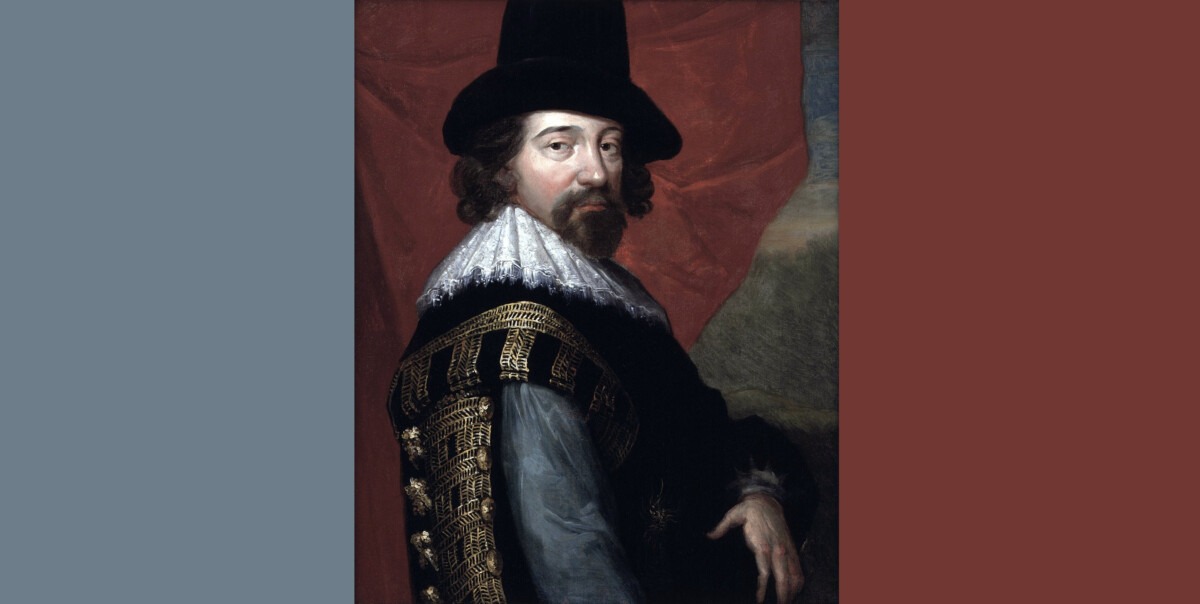
Francis Bacon

18 Generations Ago 30 Phil, Chapter 20: Francis Bacon and the Scientific Method Francis Bacon was born on January 22, 1561, in London to a prominent and influential family. The young Francis Bacon received a comprehensive education, attending the prestigious Trinity College, Cambridge, at the age of 12. Bacon is the Father of the Scientific

Francis Bacon Read More »

debris of a stellar explosion, 3d illustration

Interstellar Clouds: Organic Molecules

The synthesis of simple organic molecules such as formaldehyde (H₂CO), methanol (CH₃OH), and simple hydrocarbons in the dense molecular clouds of the interstellar medium occured once sufficient carbon was present. This process has been ongoing for billions of years but became more prevalent as the universe aged and more carbon became available. Big History Thresholds:

Interstellar Clouds: Organic Molecules Read More »

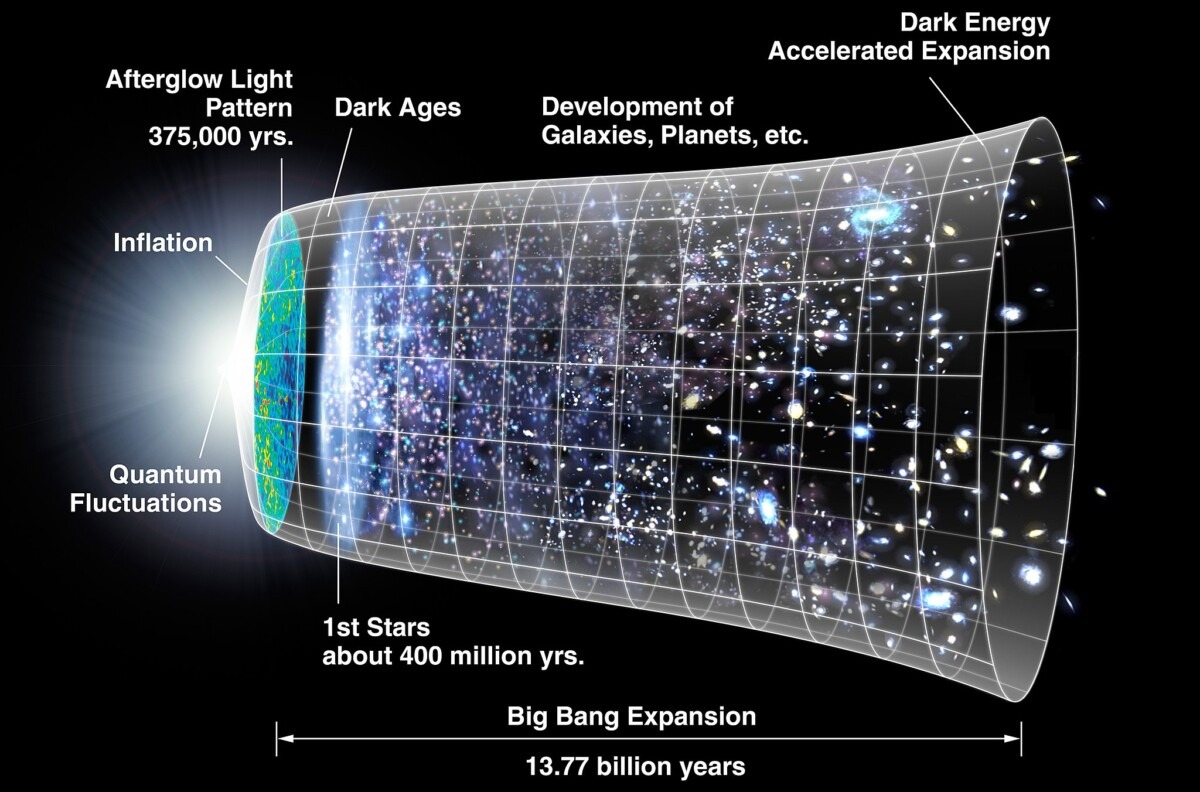
Big Bang Expansion

30 Phil, Chapter 1 Touchstone 1 of 80: Big Bang. Immediately following the state of the singularity, the universe entered a phase of rapid expansion and cooling, known as the Big Bang Expansion. This critical period signifies not an explosion in space but the very expansion of space itself, from an incomprehensibly dense point known

Big Bang Expansion Read More »

Early Complex Sentience Emerges: Dimetrodon

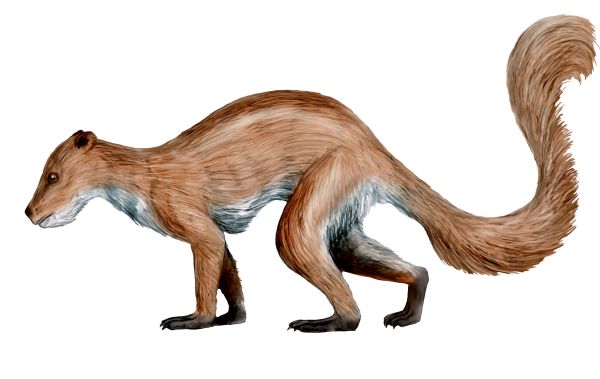
Both reptiles and our ancestor synapsids evolved from amphibians. While reptiles evolved better amniotic eggs, synapsid eggs were like amphibian eggs. Synapsid’s birthing process eventually led to mammalian live births. These are the animals that evolved Complex Sentience, the ability to feel various emotions. While it is unknown when this complex spectrum fully evolved, it

Early Complex Sentience Emerges: Dimetrodon Read More »

geometry, mathematics, volume

The Invention of Calculus

Invented by Newton in the 1660s (pub. 1687) and independently by Leibniz in the 1680s (pub. 1684). Both built on Galileo’s popularizing the idea of the infinitesimal. Calculus, the mathematical study of continuous change, introduced the concepts of differentiation and integration, providing tools to model and analyze motion, growth, and the infinitesimal. Newton, working primarily

The Invention of Calculus Read More »

white and brown concrete building painting

The Birth of Baroque Art

From Baroque music and paintings to sculptures and archicture. The dawn of the 17th century witnessed the birth of the Baroque era, marking a transformative period in the history of art that spanned from circa 1600 to 1750 CE. Originating in Italy and spreading across Europe, the Baroque movement represented a significant evolution in artistic

The Birth of Baroque Art Read More »

The Birth of Logic

In the vibrant intellectual climate of Ancient Greece, the 6th century BCE marks the embryonic stage of formal logic, attributed to the philosopher Thales of Miletus (around 624-546 BCE). Thales, recognized as the first of the Seven Sages of Greece, embarked on a quest that laid the foundational stones of logical thought. He shifted the

The Birth of Logic Read More »

Presentient Animals Emerge: The Ediacaran Prelude

Creatures of this time evolved into fish (us), jellyfish, cephalopods, and arthropods. In the deep waters of the late Precambrian era, the seeds of sentience were sown with the evolution of the earliest common ancestors to later cephalopods and fish. These primordial creatures, equipped with the most basic nervous systems, embarked on the path toward

Presentient Animals Emerge: The Ediacaran Prelude Read More »

Scroll to Top