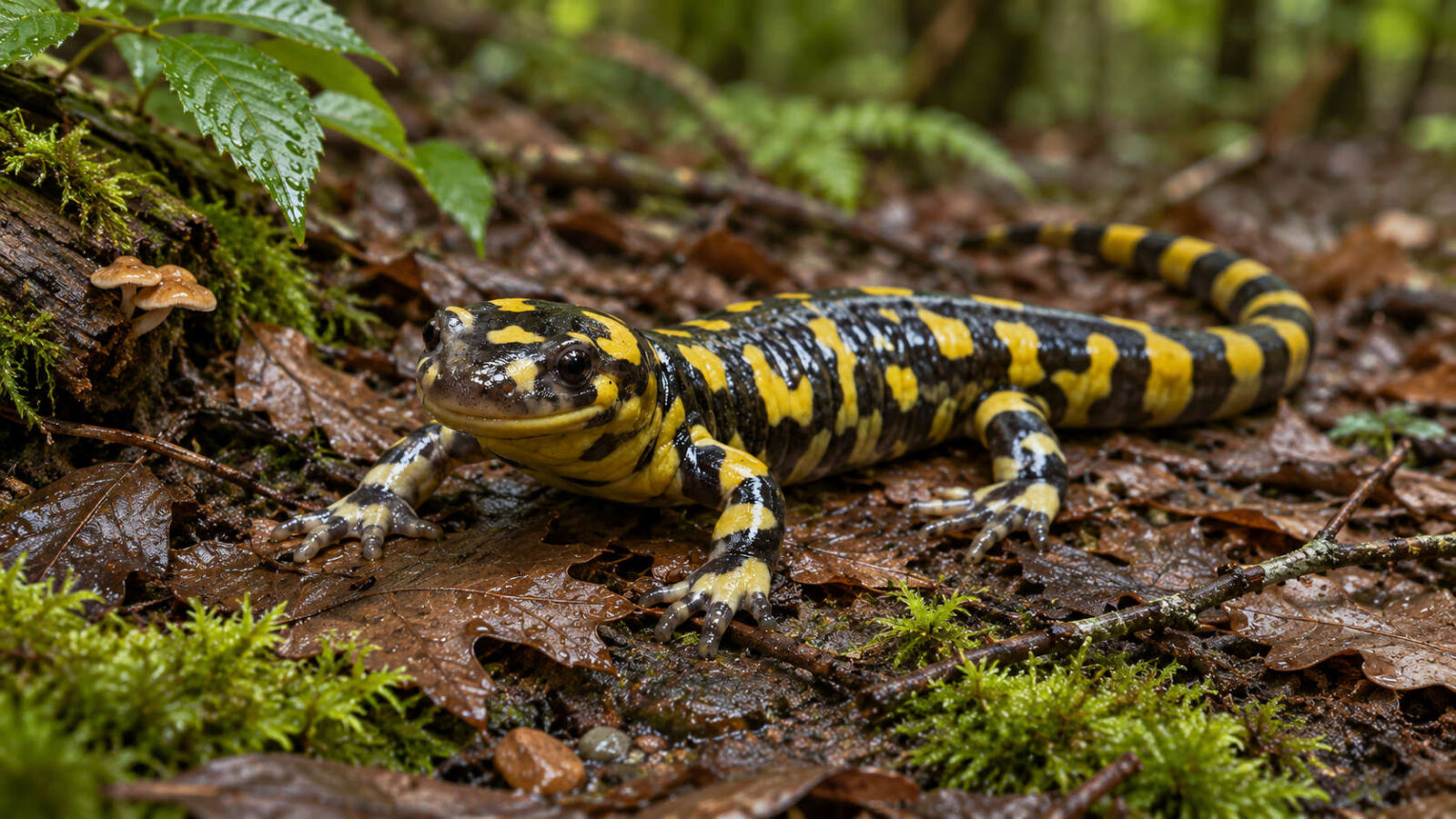
Salamander Line Splits Off
Modern salamanders offer clues to early tetrapod hearing, helping us understand the evolutionary paths that eventually produced the ears of birds and mammals.
Salamander Line Splits Off Read More »


The mighty dinosaurs arose around 230 million years ago and dominated the planet for over 160 million years leaving only birds as their survivor.
Modern salamanders offer clues to early tetrapod hearing, helping us understand the evolutionary paths that eventually produced the ears of birds and mammals.
Salamander Line Splits Off Read More »
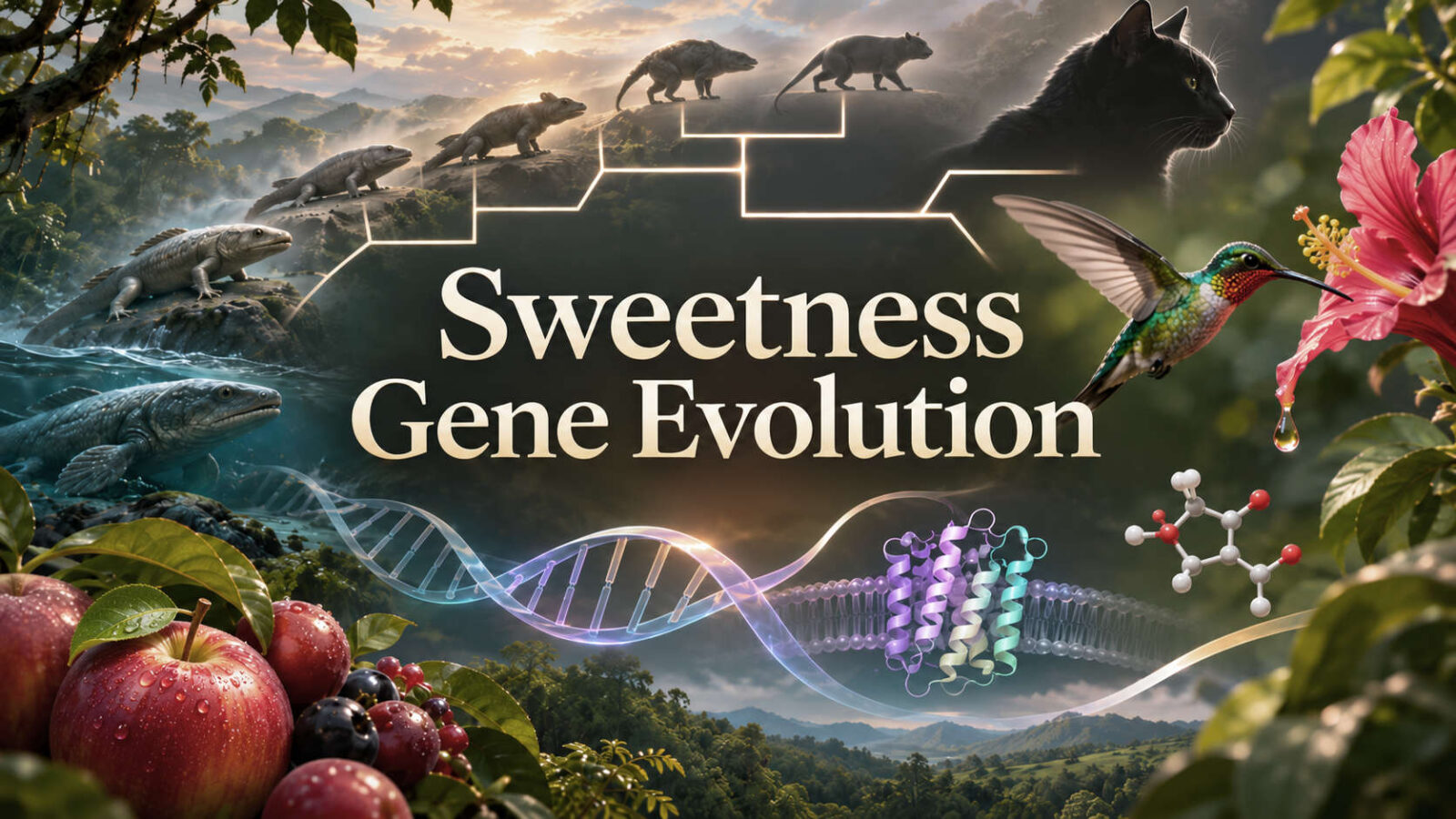
The evolution of sweetness shows how genes work. Some animal lineages retained a taste for sugar, others lost it, and still others evolved a new way to enjoy sweetness.
Sweetness Gene Evolves Read More »
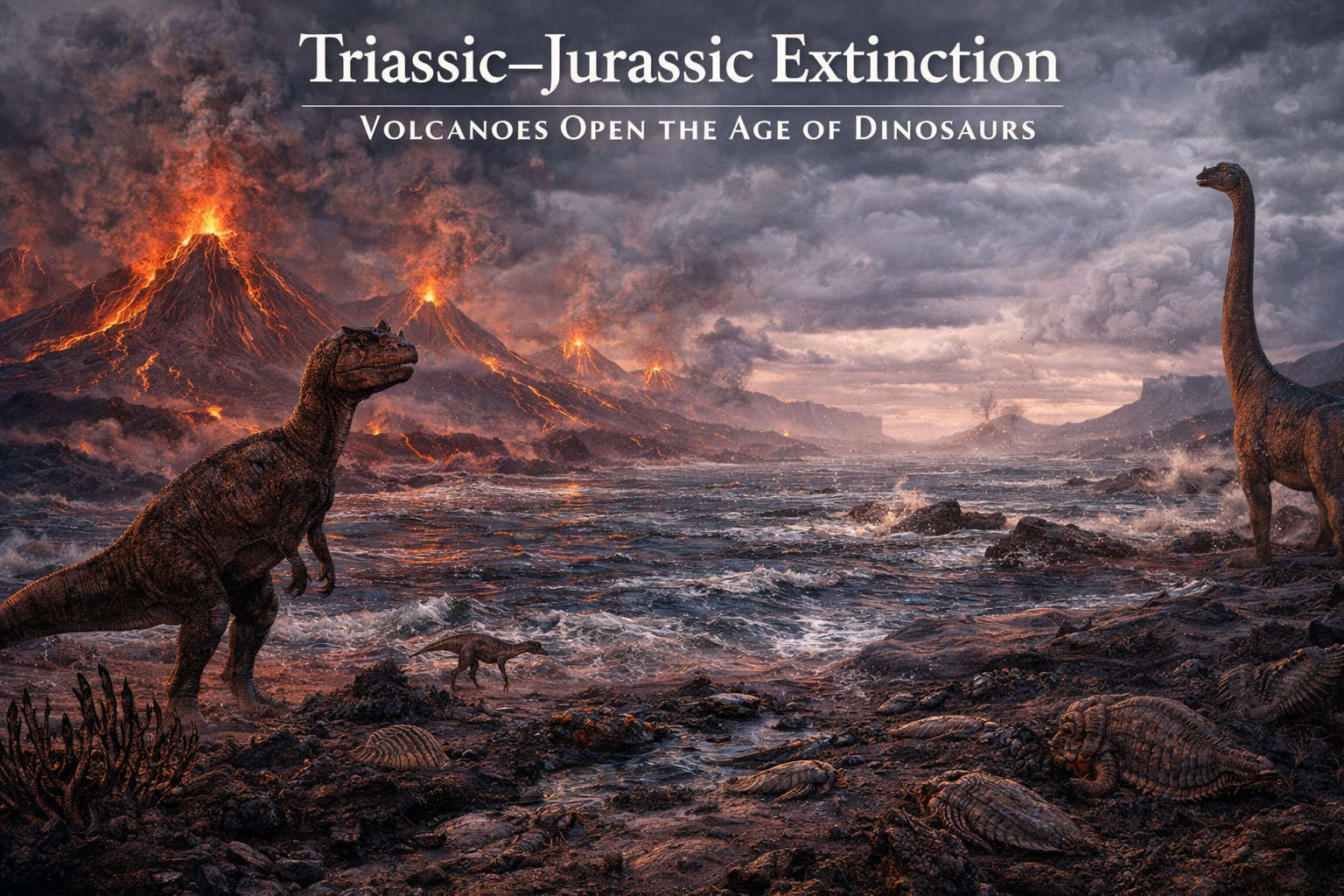
The Triassic–Jurassic extinction cleared ecological space for dinosaurs to become the dominant land animals of the Jurassic.
Triassic–Jurassic Extinction: Volcanoes Open the Age of Dinosaurs Read More »
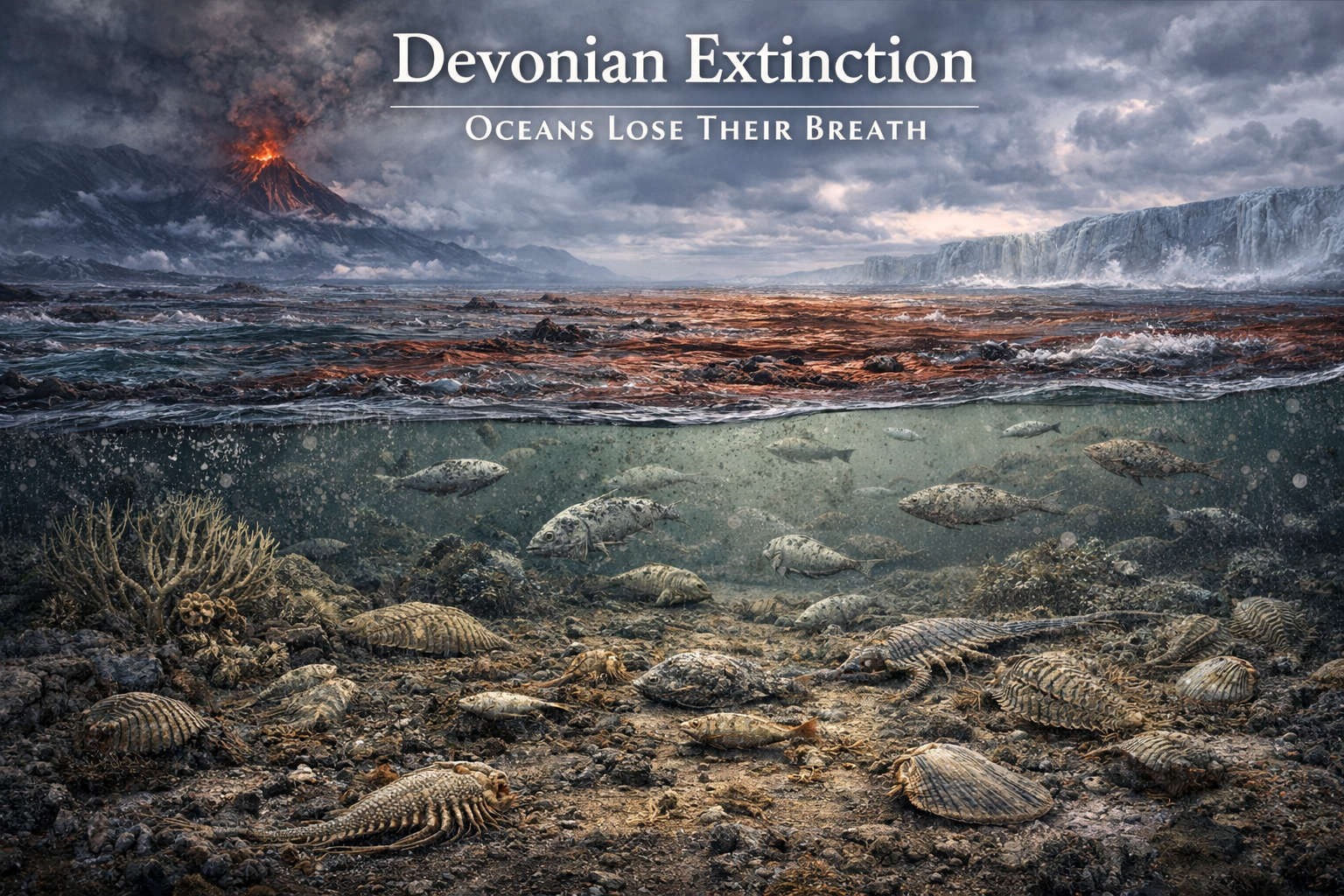
The Devonian extinction shows that evolution can be reshaped not by one sudden blow, but by a long collapse in ocean health.
Oceans Lose Their Breath Read More »
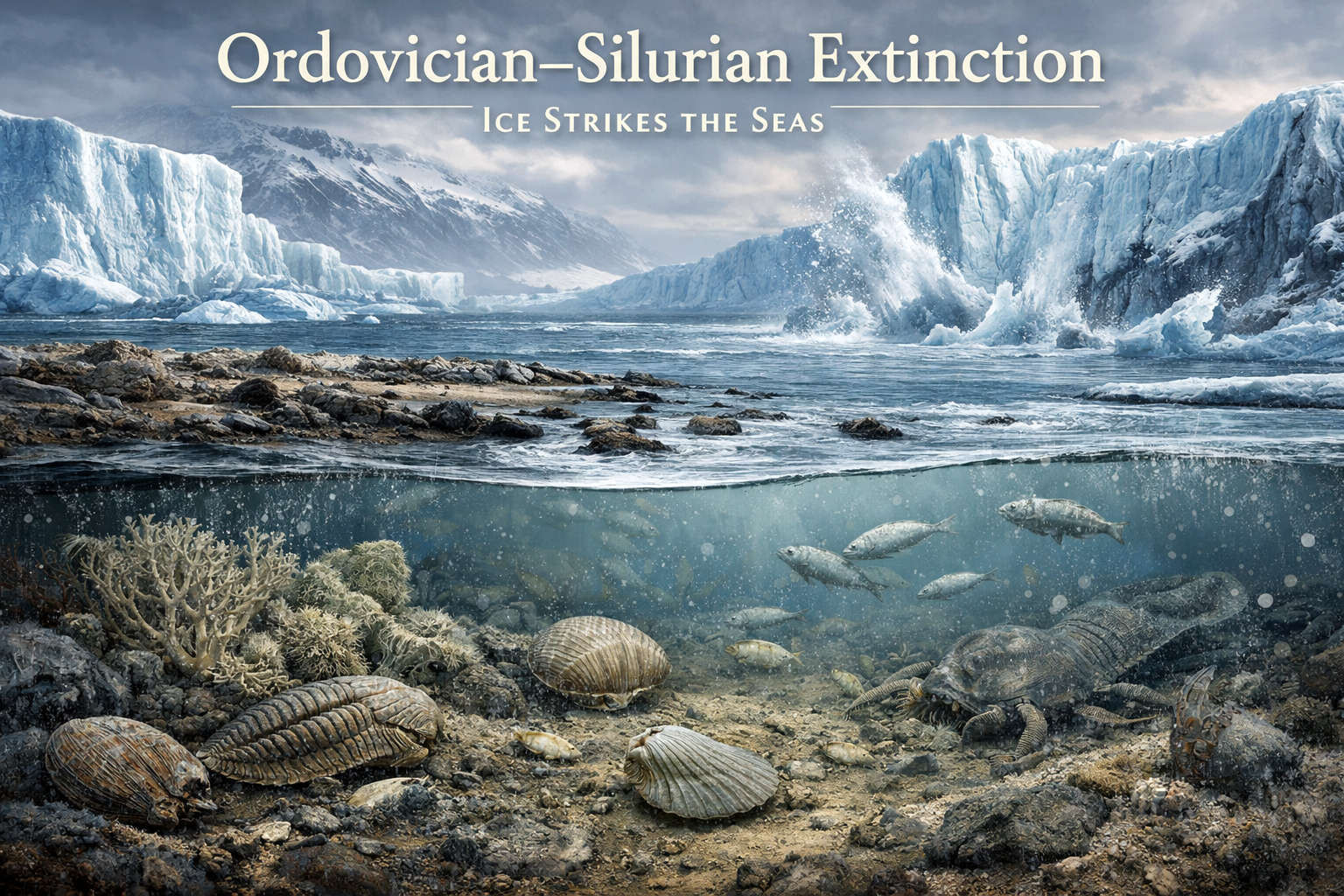
The Ordovician–Silurian extinction shows how climate change can reshape evolution by collapsing old ecosystems and opening space for new life.
Ordovician–Silurian Extinction: Ice Strikes the Seas Read More »
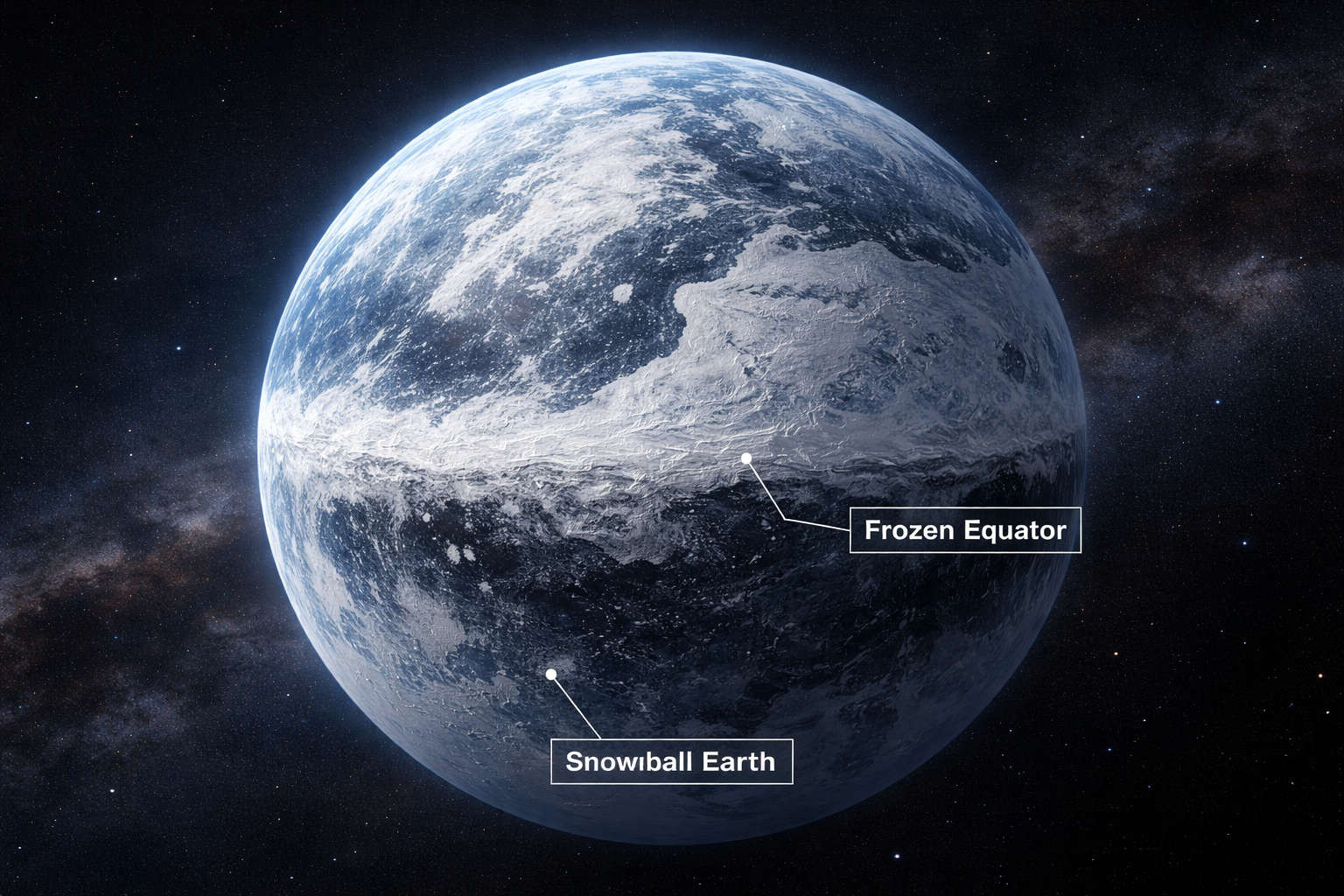
Snowball Earth was a time when our planet may have frozen nearly from pole to pole, testing life and setting the stage for later biological change.
Snowball Earth: When Ice Reached the Equator Read More »
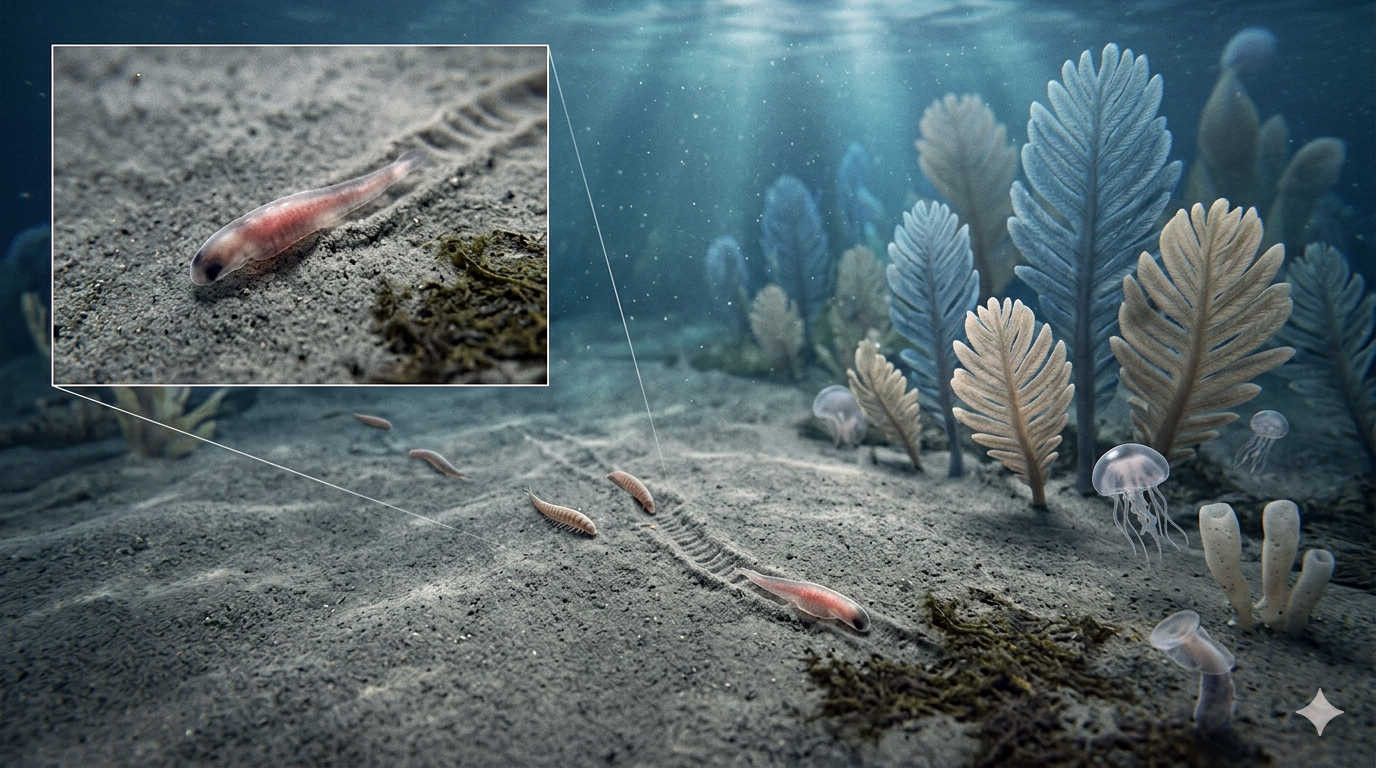
The animal evolution of the bilaterian body plan is directionality, which gave us both physical and mental agency.
Bilaterian Split: The Origin of Agency Read More »
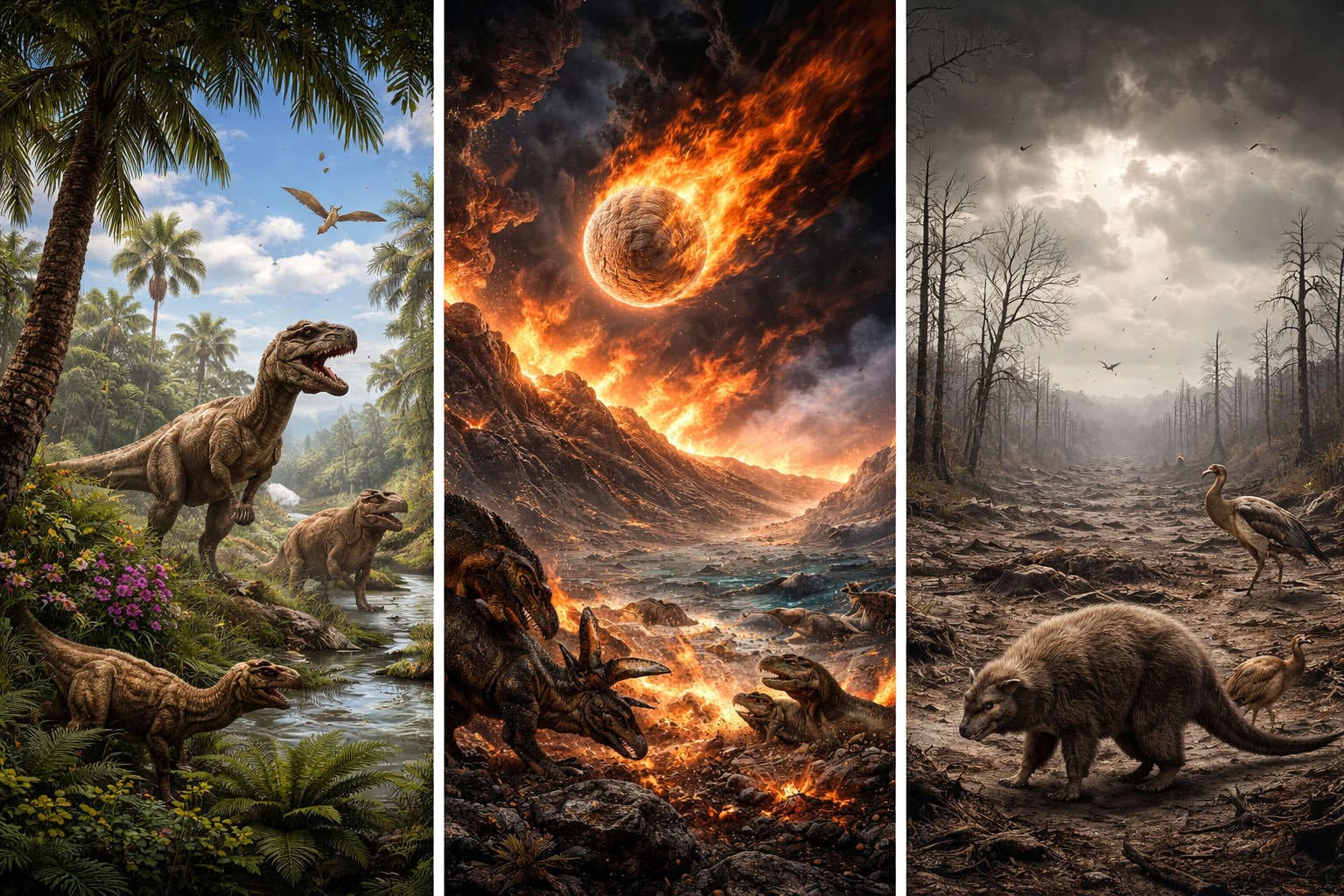
Before, during, and after the K–Pg extinction: a thriving Late Cretaceous world of dinosaurs, pterosaurs, birds, and flowering plants gives way to the asteroid strike and global collapse that ended the age of non-avian dinosaurs.
The K-Pg Extinction Read More »
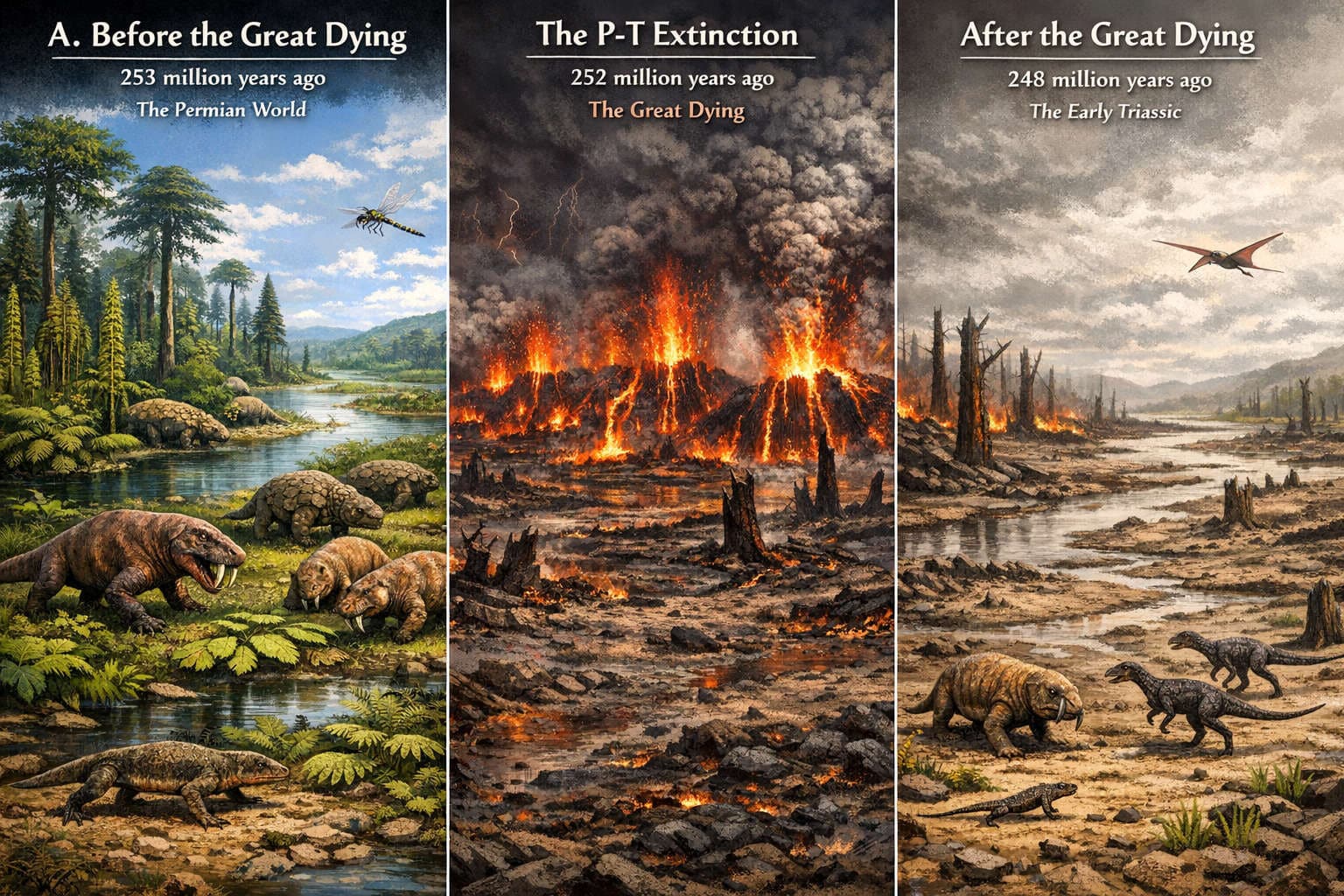
The Permian-Triassic extinction was not just the end of many species. It was a planetary reset that destroyed the old synapsid-dominated world and opened the door for the archosaur line that would later give rise to dinosaurs.
The P-T Extinction Read More »
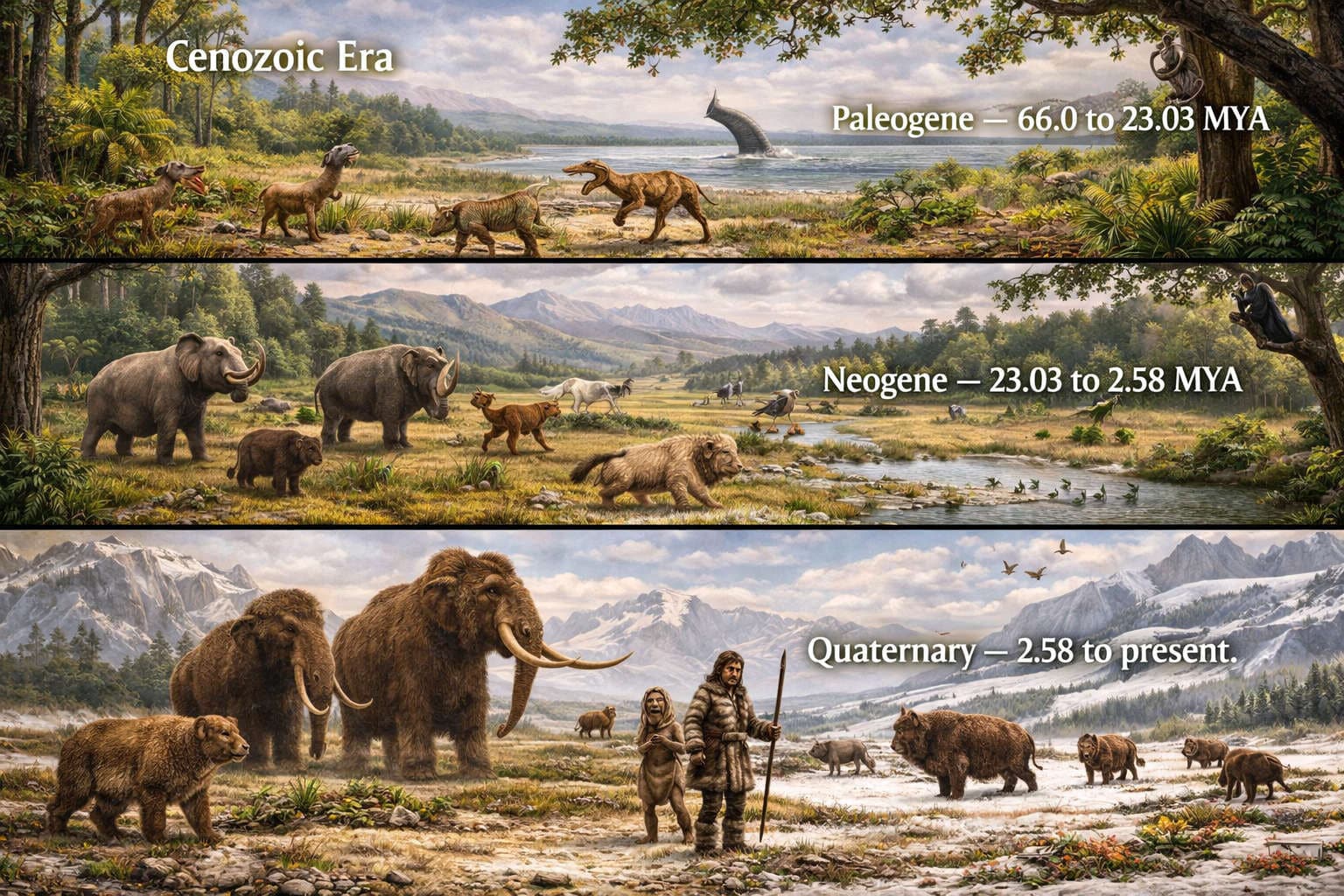
The Cenozoic era starts with the K–Pg extinction 66 million years ago. That event marks the sudden end of the reign of dinosaurs and the rise of mammals and birds.
Cenozoic Era: Age of Mammals & Birds Read More »
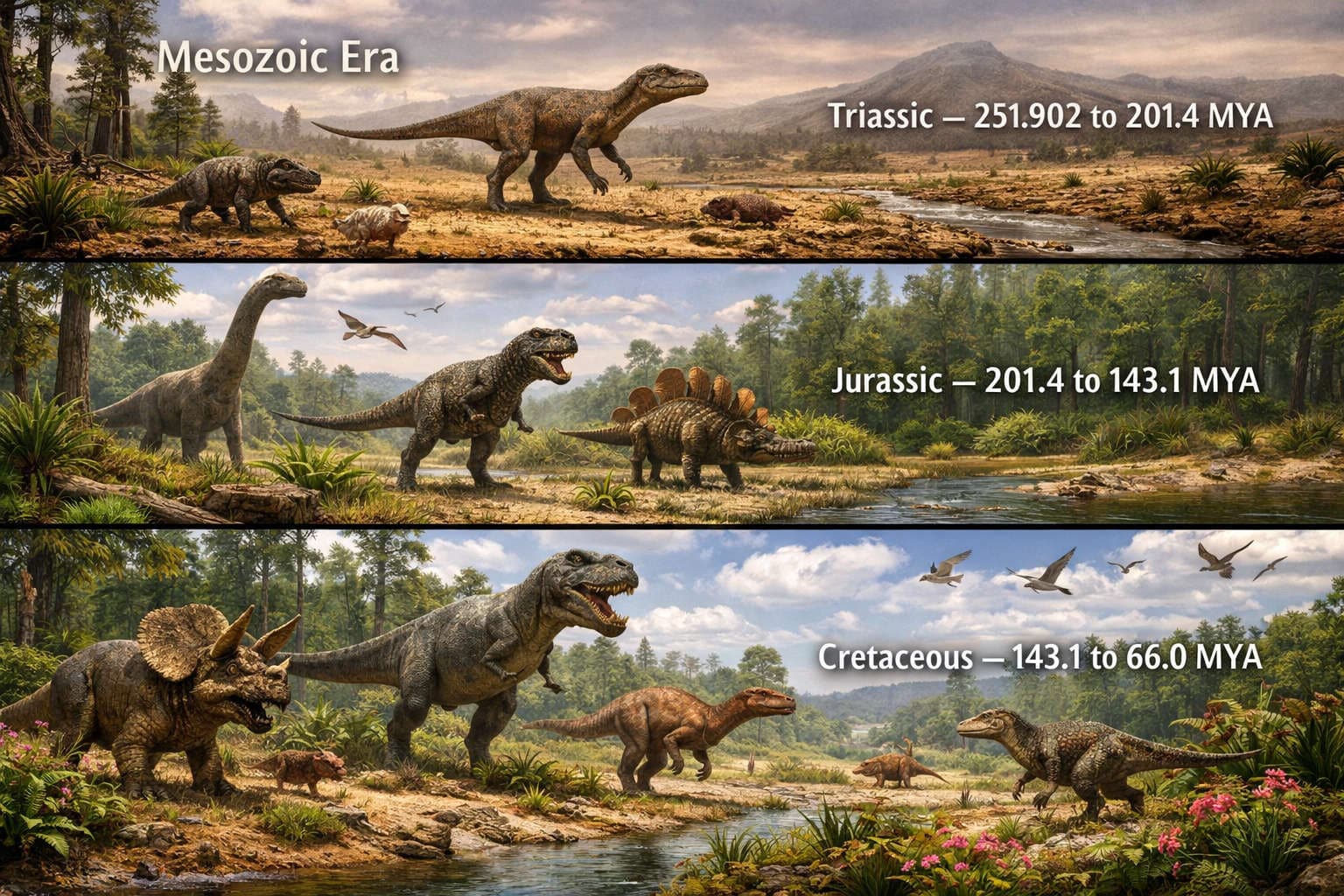
The Mesozoic era starts with the end-Permian mass extinction 252 million years ago. Dinosaurs ruled over all, including us. It ends the reign of dinosaurs with the K–Pg extinction 66 million years ago.
Mesozoic Era: Age of Dinosaurs Read More »
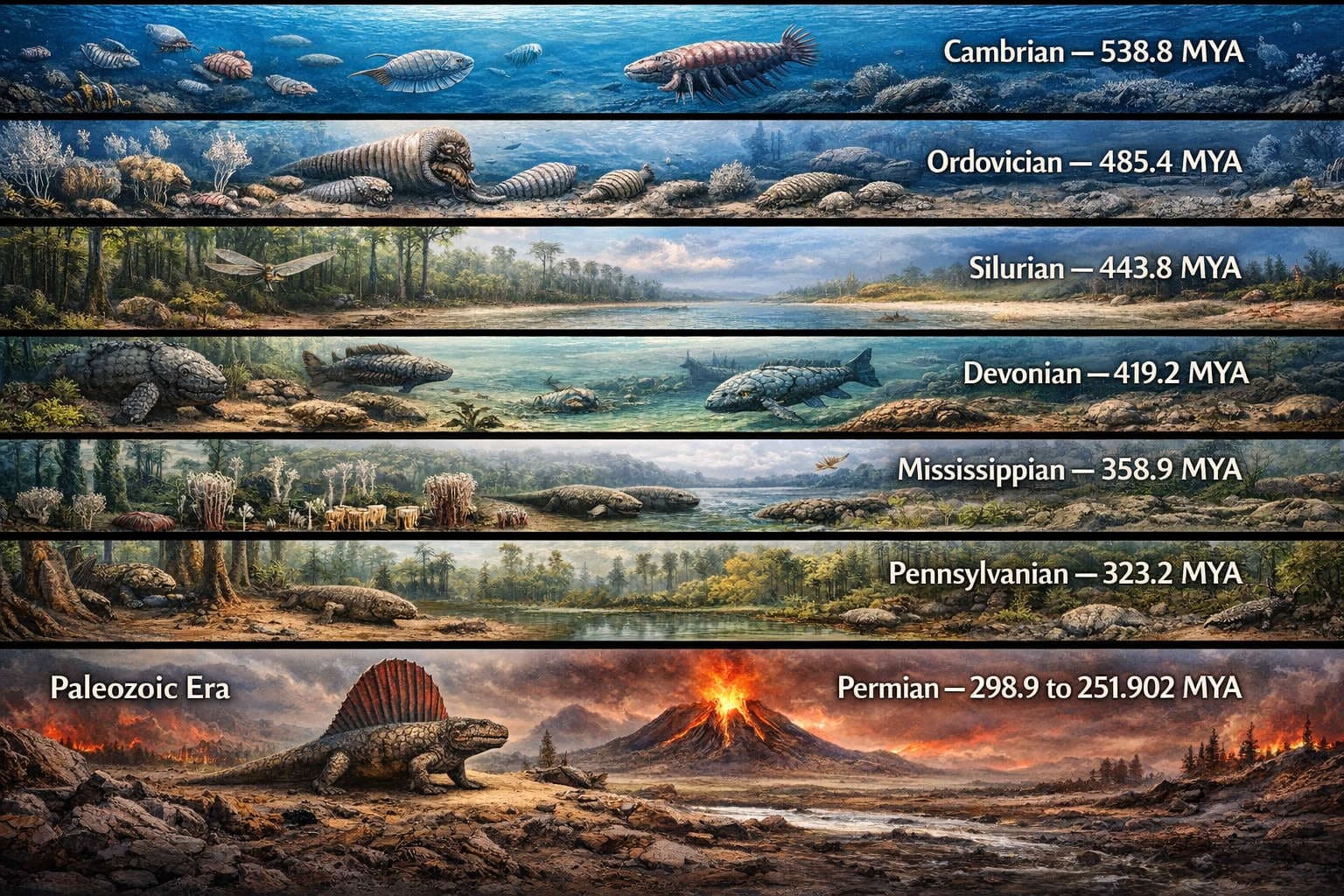
The start of the Paleozoic era is marked by burrowing life 538.8 million years ago. The era includes the dominant rise of our ancestors. It ends 252 million years ago with the end-Permian mass extinction, a volcanic cascade global warming event.
Paleozoic Era: The Age of Synapsids Read More »
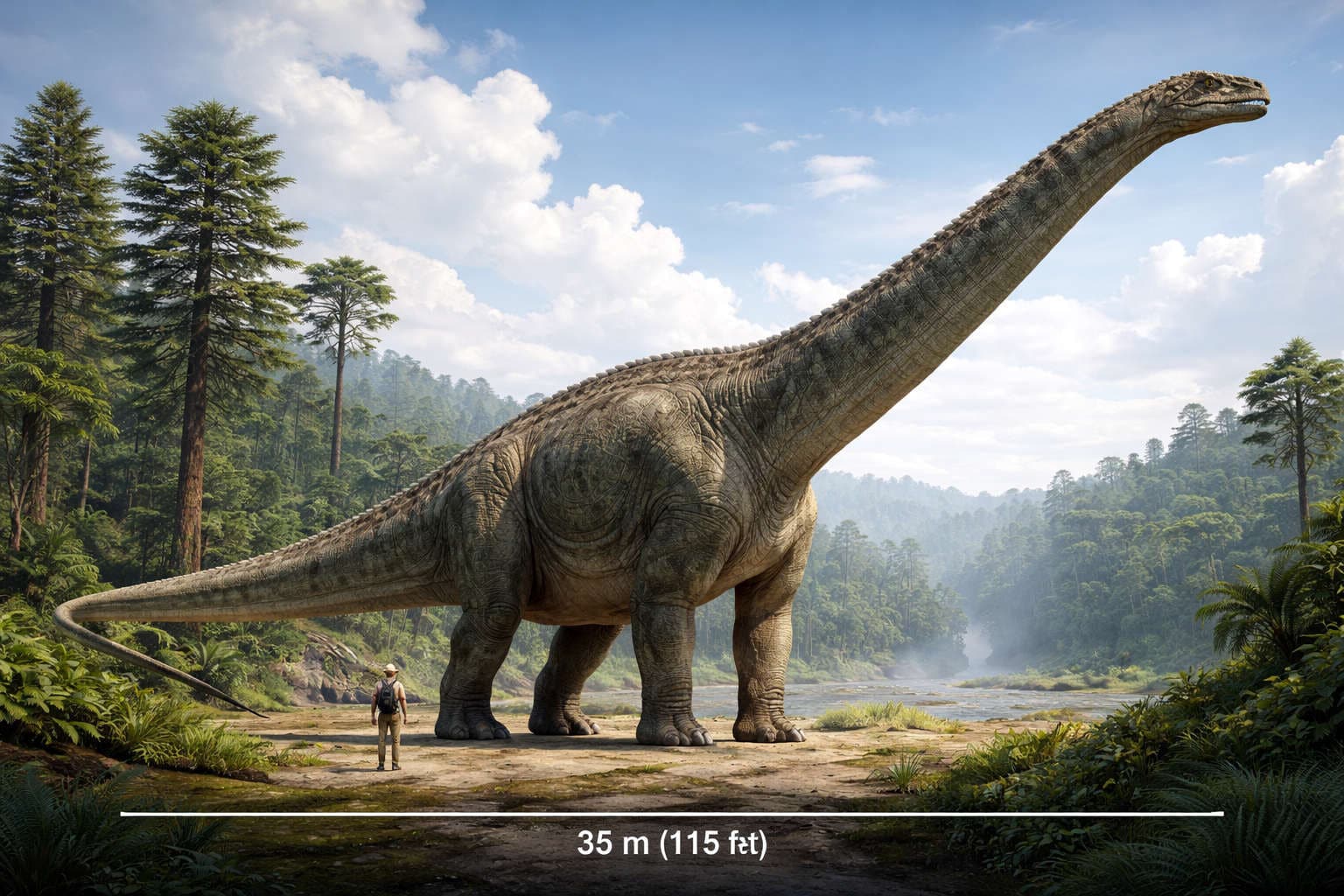
Argentinosaurus shows how far the sauropod body plan could go. By the Late Cretaceous, some titanosaurs had become the largest land animals known, turning the long-necked dinosaur design into one of evolution’s most extreme achievements.
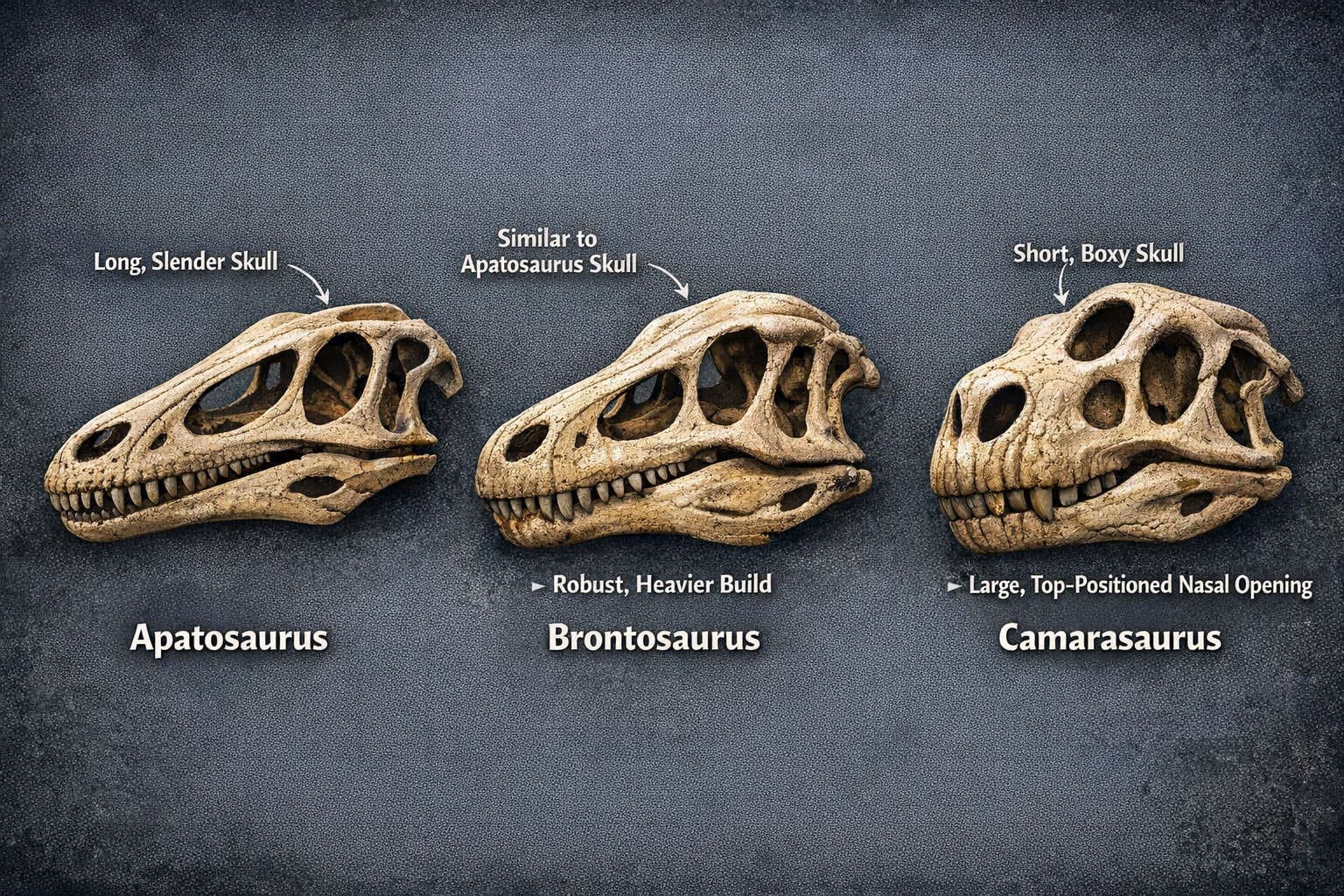
The diplodocid story likely began with an earlier shared ancestor we have not yet found by name, reminding us that evolution is often reconstructed from branching clues rather than a single perfect fossil.
Diplodocid LCA: The Age of Giant Necked Sauropods Read More »
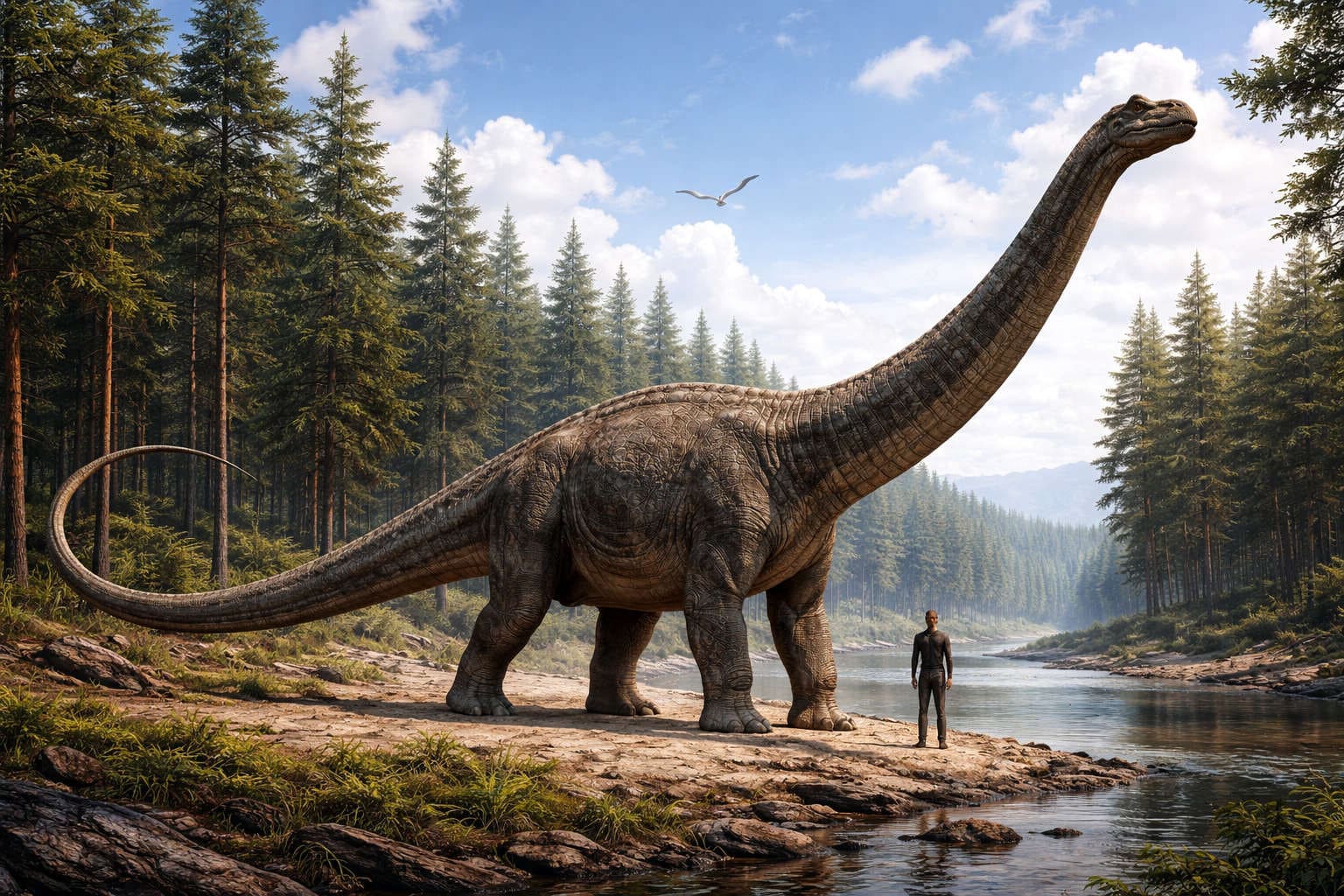
Brontosaurus, in the revived interpretation, looks broadly similar to Apatosaurus but is argued to be less massive and less robust. A bit lighter-built overall.
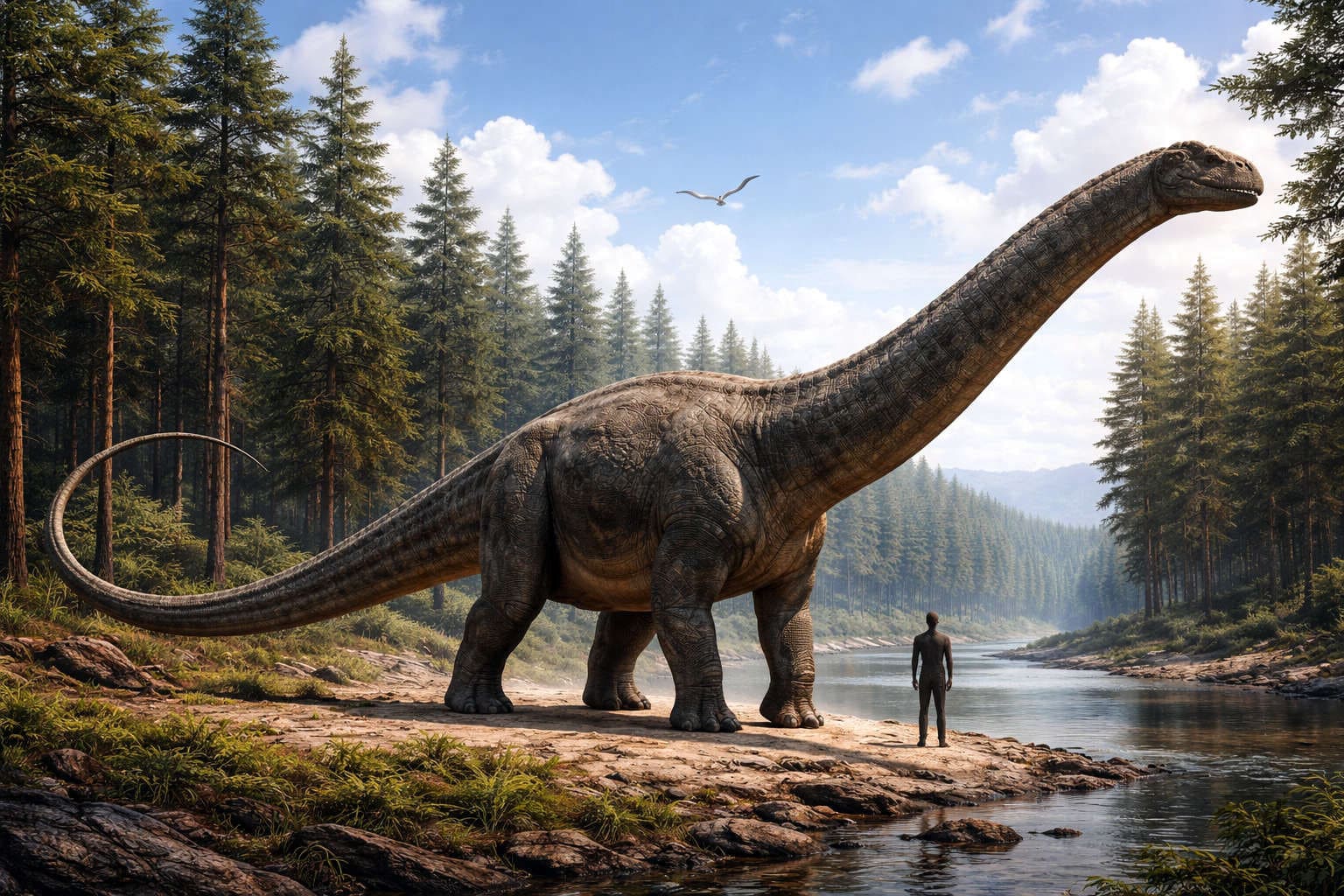
Apatosaurus was the heavier, more robust sauropod — more muscular-looking, with a thicker, lower-set neck and a bulkier frame.
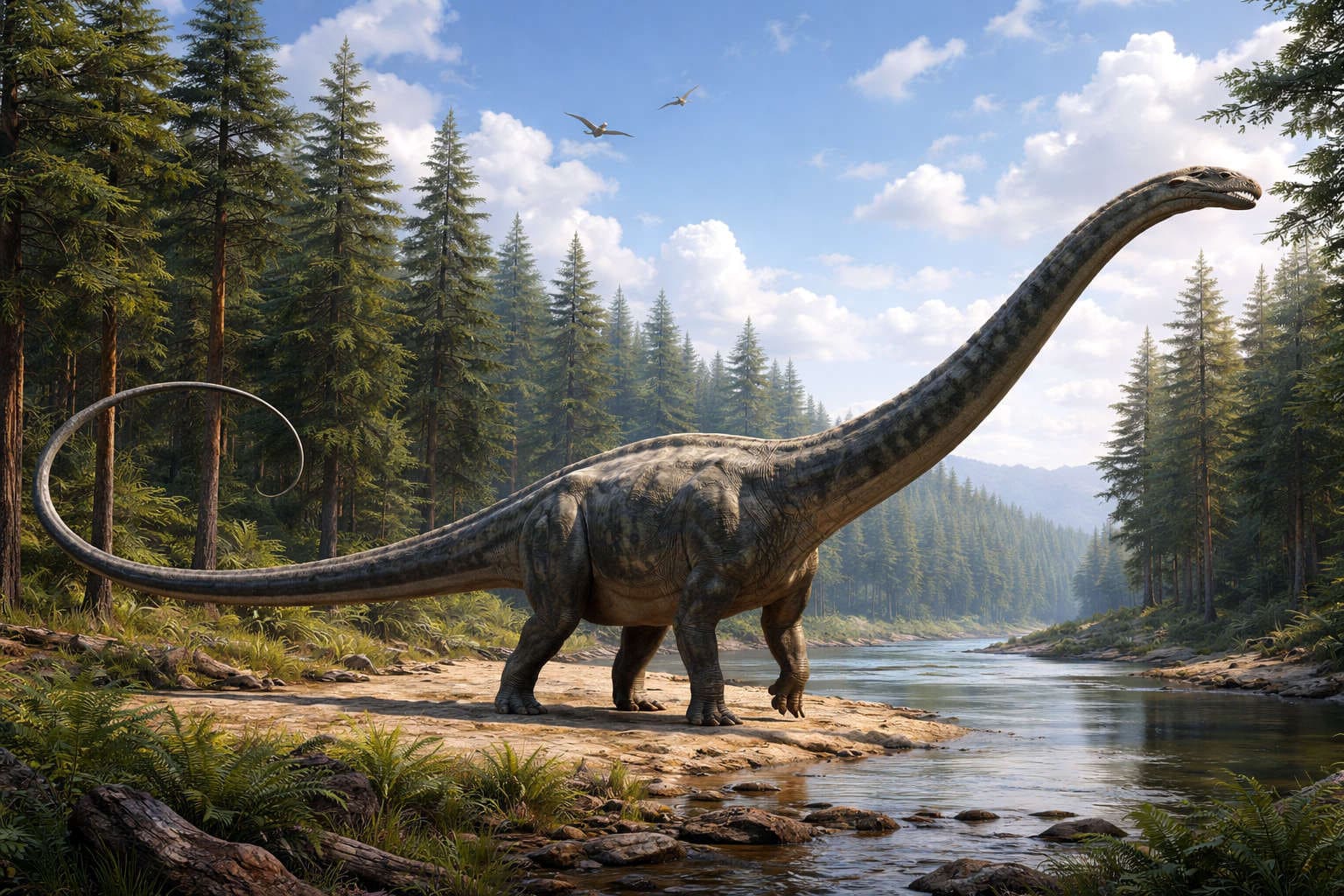
Diplodocus was the longer, slimmer, more stretched-out sauropod, famous for its especially long neck and whiplike tail. It is one of the longest land animals and generally more slender in build.
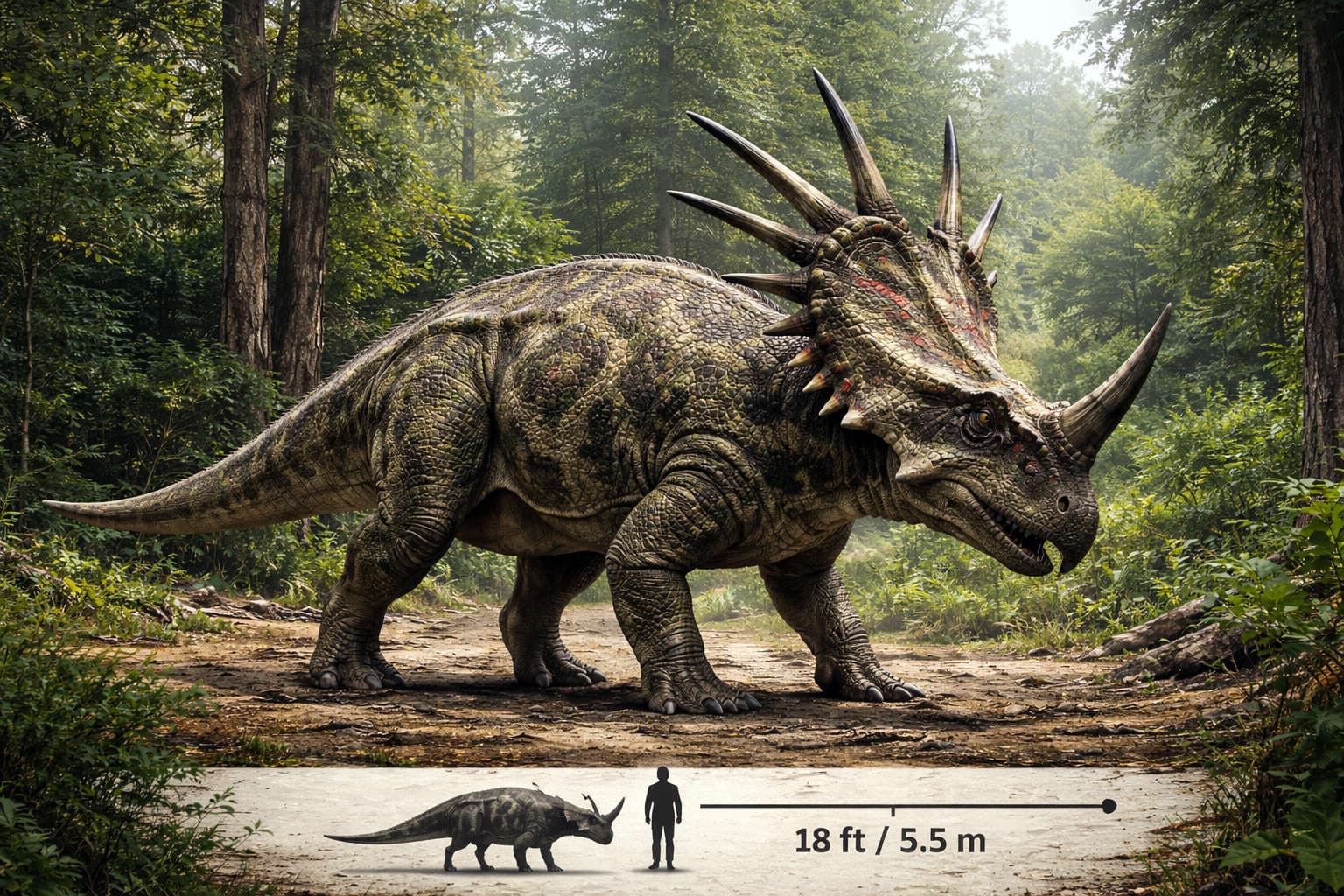
Styracosaurus was a striking horned ancient cousin of Triceratops, showing that ceratopsids branched into different styles long before the dinosaurs came to an end.
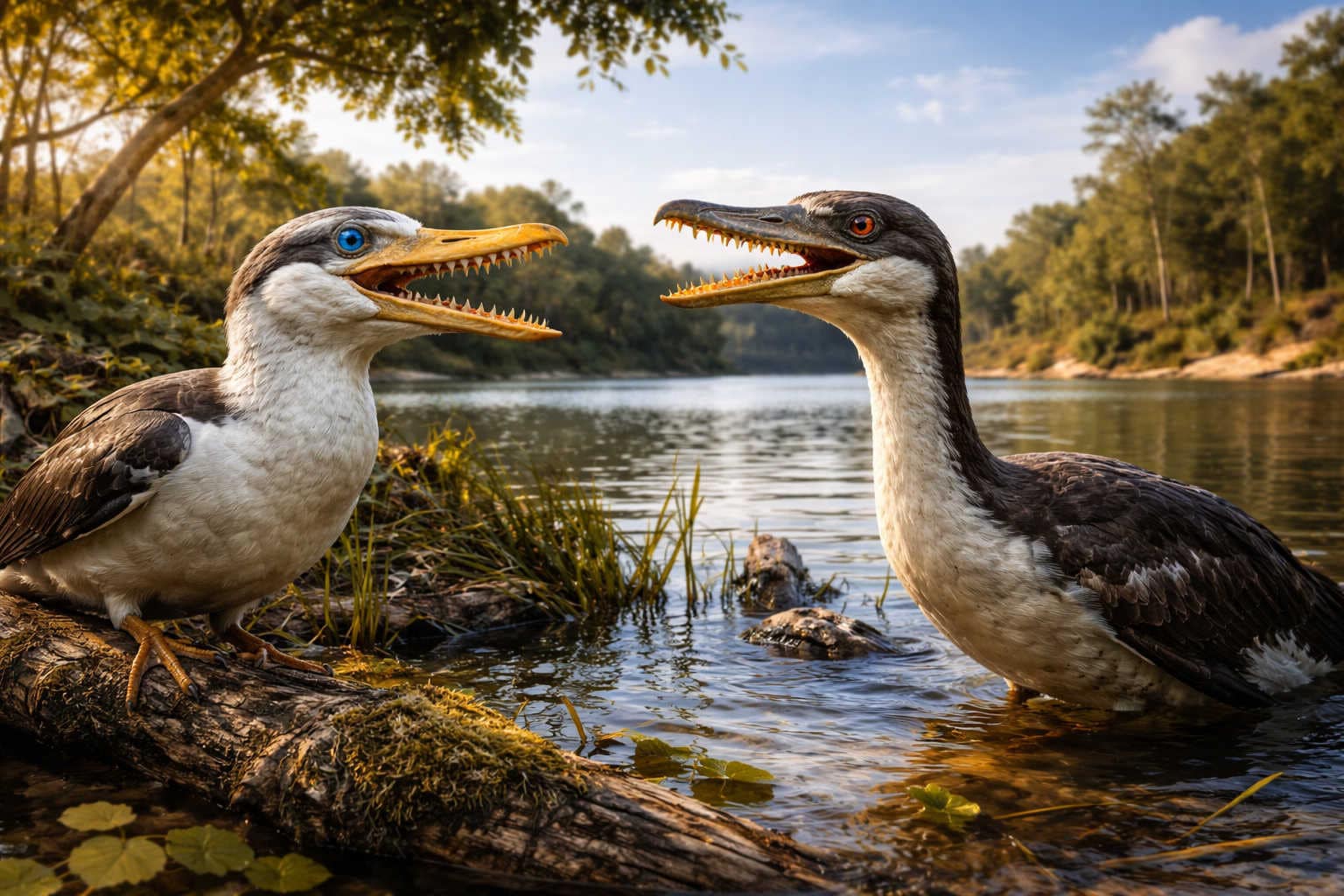
At the K–Pg boundary, birds were already diverse, but most of that Late Cretaceous variety died out, leaving only a small toothless slice of the bird world to continue.
Toothed Birds Go Extinct Read More »
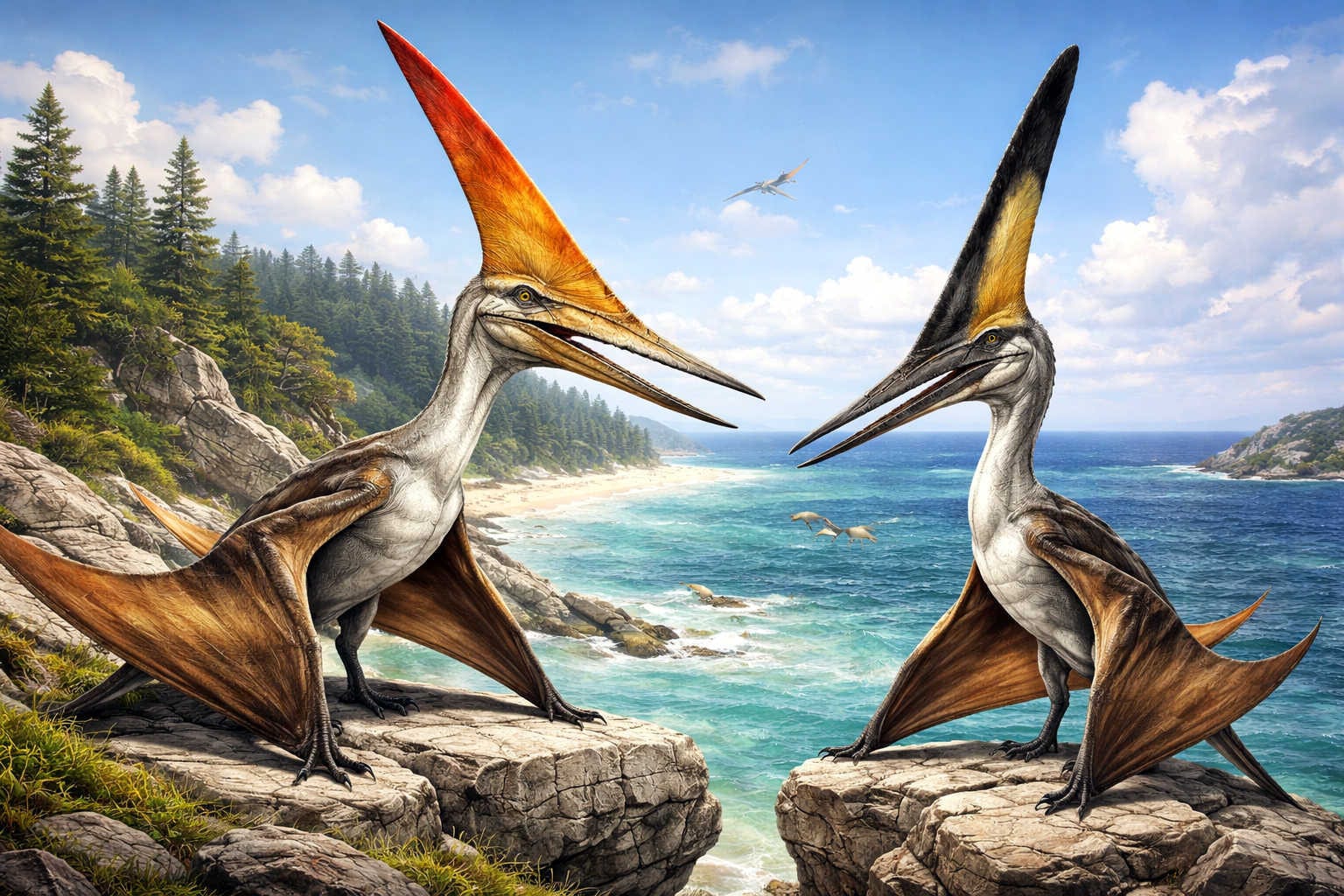
Pteranodon was one of the great soaring pterosaurs of the Late Cretaceous, but it was only one branch in a much larger pterosaur story.
Pteranodons Emerge Read More »