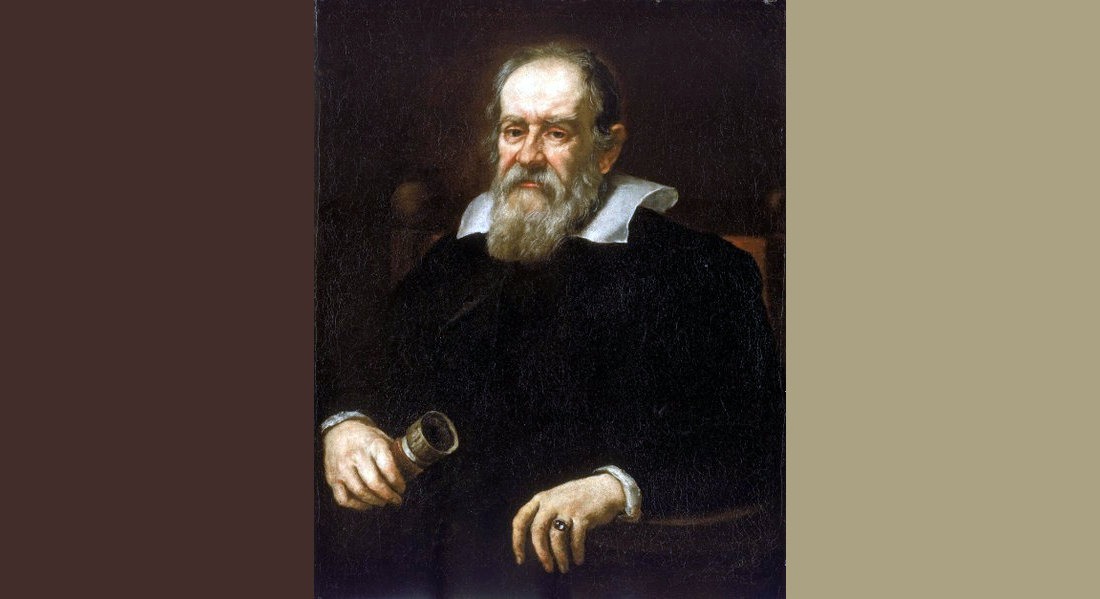
Galileo: Observation Corrects the Map
In 1610, Galileo set incorrect maps of the cosmos on the right path. Our mental model of Earth at the center of the universe had to evolve to match observations.
Galileo: Observation Corrects the Map Read More »


Observations about the universe as it is now including existing archaeological artifacts and scientic observations.
In 1610, Galileo set incorrect maps of the cosmos on the right path. Our mental model of Earth at the center of the universe had to evolve to match observations.
Galileo: Observation Corrects the Map Read More »

The story of the printing press is the story of cultural transmission. Invented in 1440 in Germany by Johannes Gutenberg, it revolutionized book production by introducing movable type. It replaced hand-copying, prone to errors, with movable metal type, allowing mass production of books for the first time in human history. Over the next few centuries,
Printing Press Invented Read More »

By 450 BCE, some were trying to convince humanity of the true nature of the solar system. They understood and promoted the idea that the moon was not a deity but a physical body. Anaxagoras was one of the earliest known proponents of this view. He deduced that the moon is made of solid rock
Anaxagoras (circa 500-428 BCE) Read More »

It took humanity millennia to transition from viewing large bones as relics of mythical creatures to recognizing them as evidence of extinct animals. The first significant step came in 1676 when Robert Plot, an English naturalist, described and illustrated a large thigh bone in his book “Natural History of Oxfordshire.” Although he believed it belonged
Fossils: From Myth to Science Read More »

30 Phil, Chapter 21, Galileo, Touchstone 54: Modern Cosmology. The story of Galileo is also the story of Copernicus, and the story of modern cosmology. To properly tell the story of Copernicus, we need to mention Aristarchus of Samos, a Greek astronomer and mathematician born around 310 BCE. Aristarchus put forth a heliocentric model, proposing
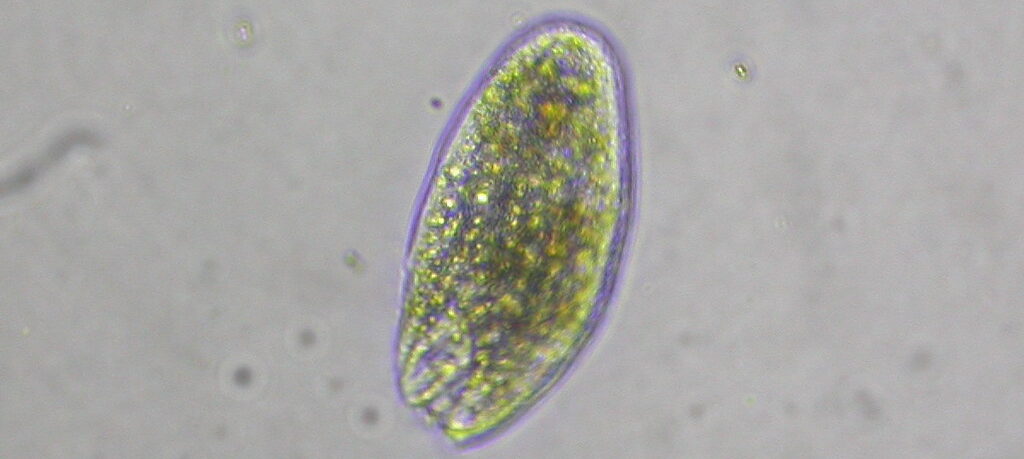
Although protozoa evolved from eukaryotes about 2 billion years ago, it was 1674 that humanity saw them for the first time. That’s when Antonie van Leeuwenhoek, using his meticulously crafted microscopes, discovered protozoa—the first microscopic observation of single-celled organisms. His detailed observations and descriptions of what he called “animalcules” in a drop of pond water
Protozoa Discovered: Microbiology Founded Read More »
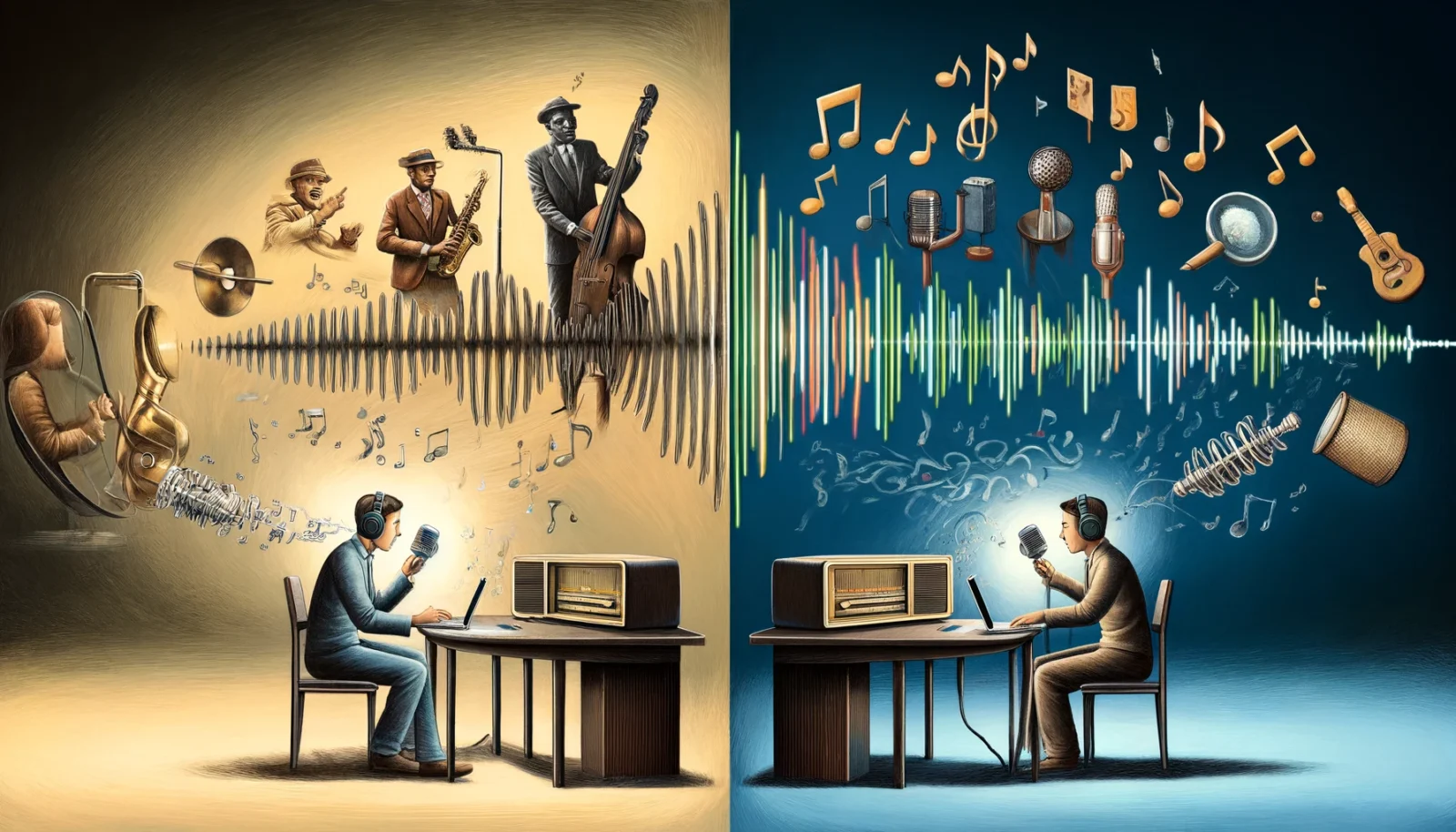
In 1906, Reginald Fessenden achieved the first analog transmission of sound over radio waves on Christmas Eve. An analog transmission is like a flowing river that continuously changes its speed and depth to carry things along its path. In analog communication, sounds or images are directly transformed into continuous signals that mimic the original. For
First Analog Radio Transmission Read More »
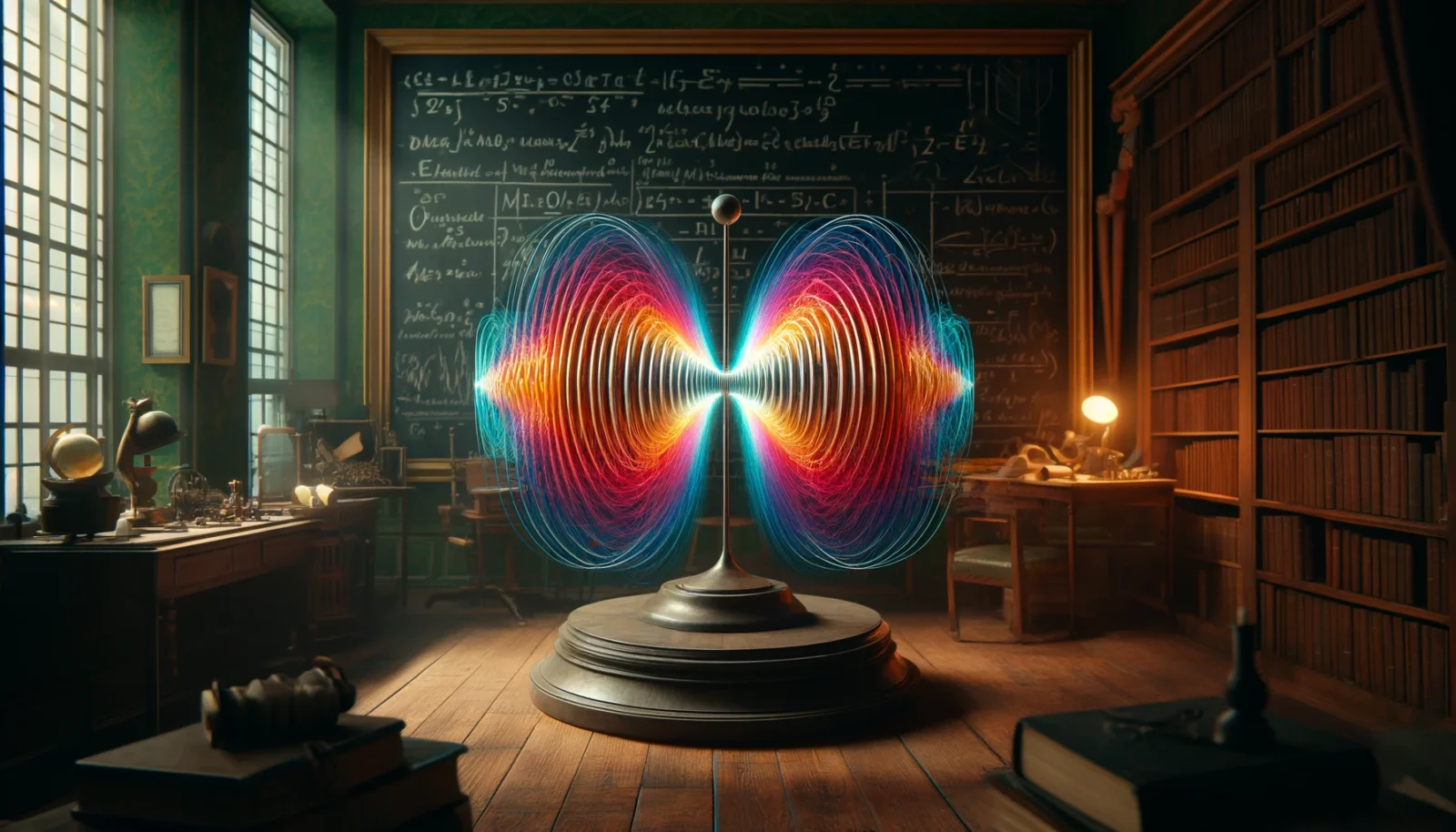
James Clerk Maxwell predicted electromagnetic waves, but he did not perform experiments to prove their existence. His prediction was based on his work on the classical theory of electromagnetic radiation, which unified electricity, magnetism, and light as different manifestations of the same phenomenon. Maxwell’s equations for electromagnetism predicted the existence of waves of oscillating electric
Electromagnetic Radiation Theory Read More »
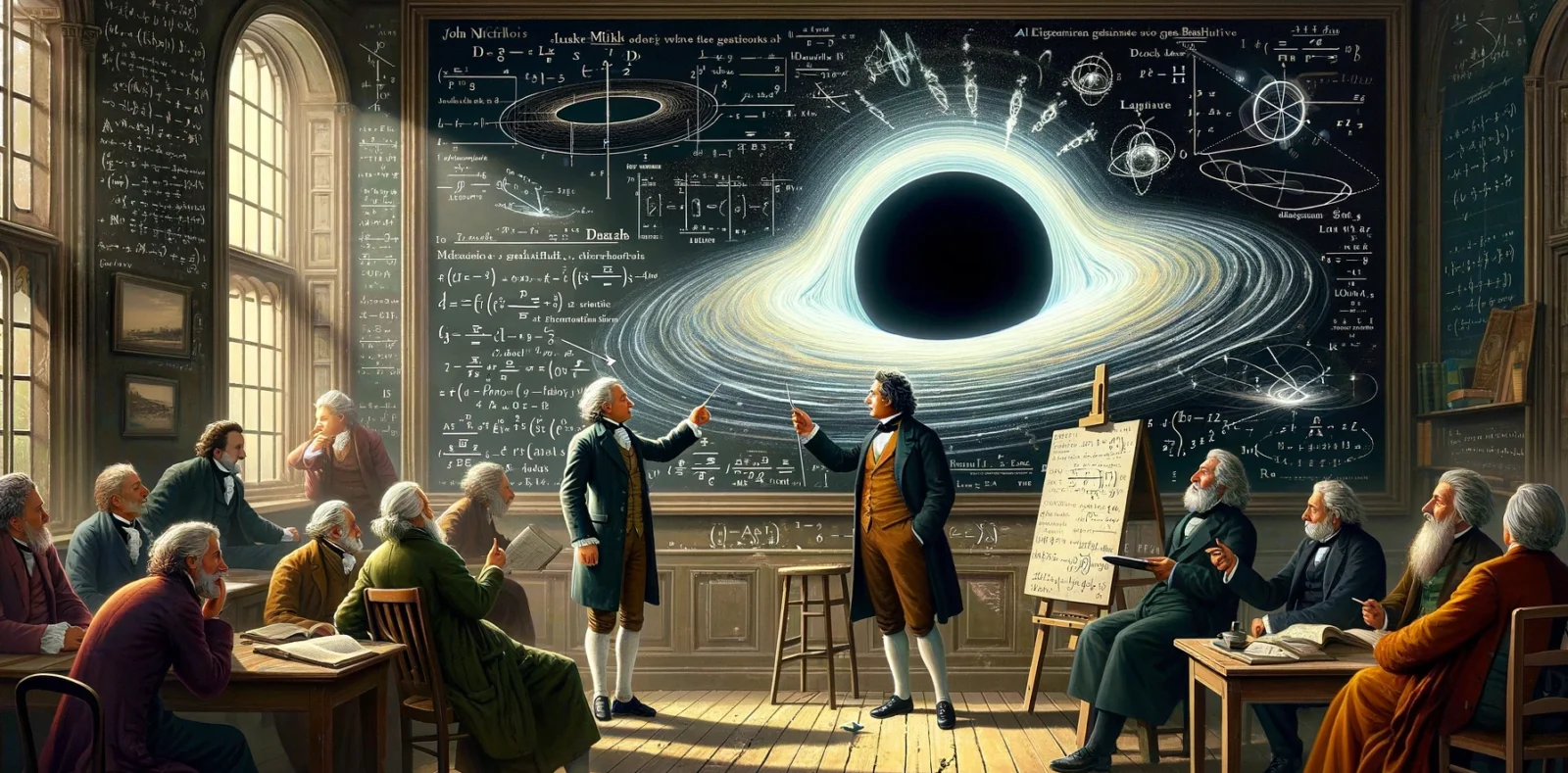
While black holes were first proposed in the 18th century, they were not seriously proposed until 1916 with Albert Einstein’s General Relativity. The concept of a “black hole” has its roots in the 18th century when John Michell and Pierre-Simon Laplace independently speculated about the existence of “dark stars” — celestial bodies whose gravity is
Black Holes Proposed Read More »
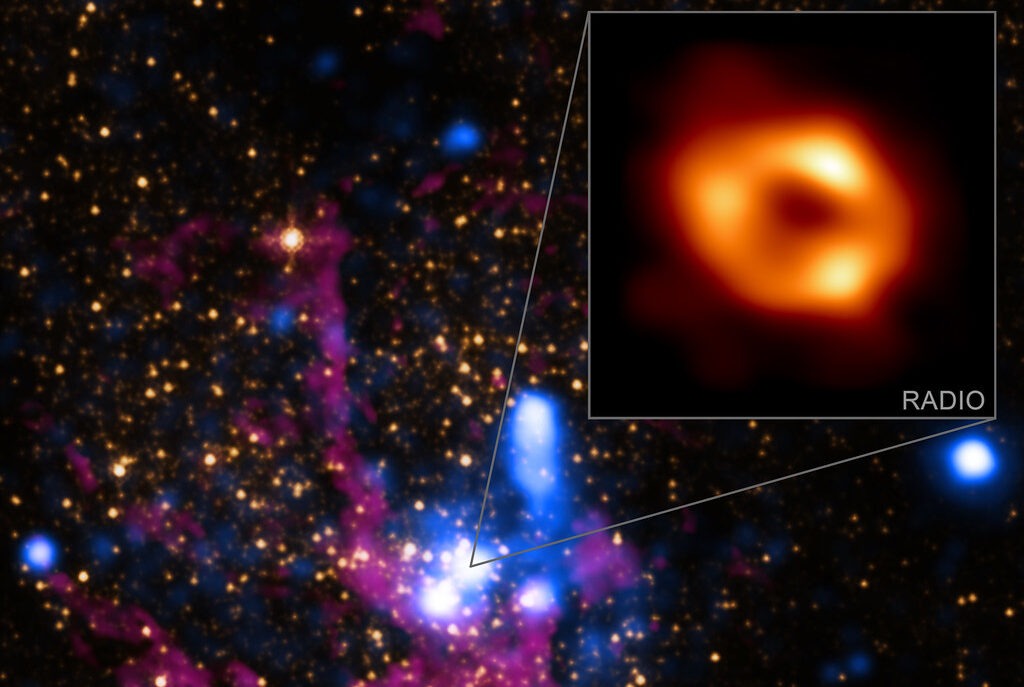
The first image of a black hole was captured in 2019 by the Event Horizon Telescope (EHT) collaboration. Before that, the first observational evidence was discovered in 1964 with the detection of the X-ray source Cygnus X-1, which was later interpreted as material accreting onto a black hole from a companion star. In 1971, Cygnus
Black Holes Confirmed Read More »
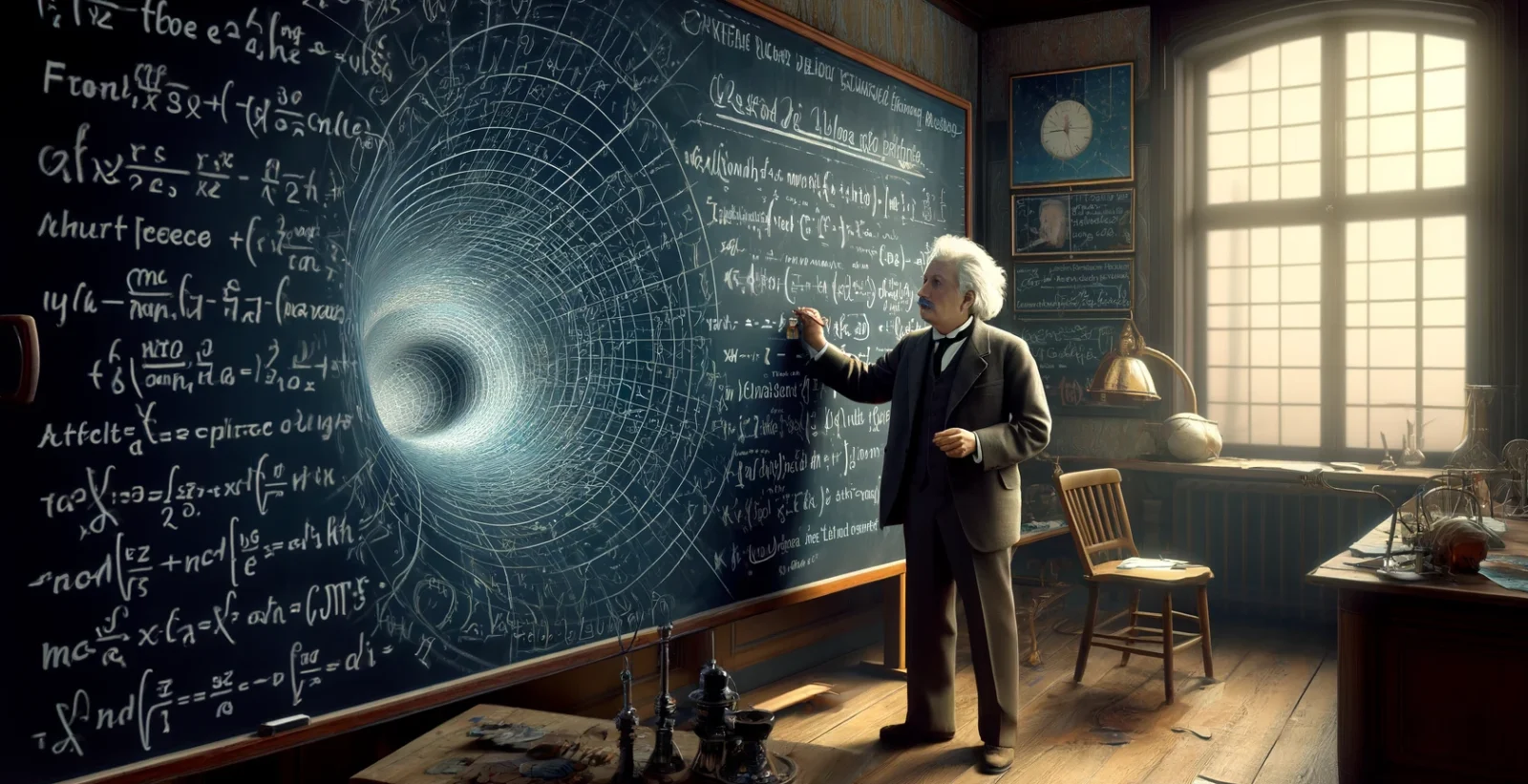
General Relativity incorporated gravity into the mix. It describes gravity not as a force, but as the curvature of spacetime caused by massive objects. According to General Relativity, the curvature of spacetime around an object like the Earth causes objects to fall towards its center, which we experience as gravity. In November 1915, Einstein expanded
General Relativity Read More »
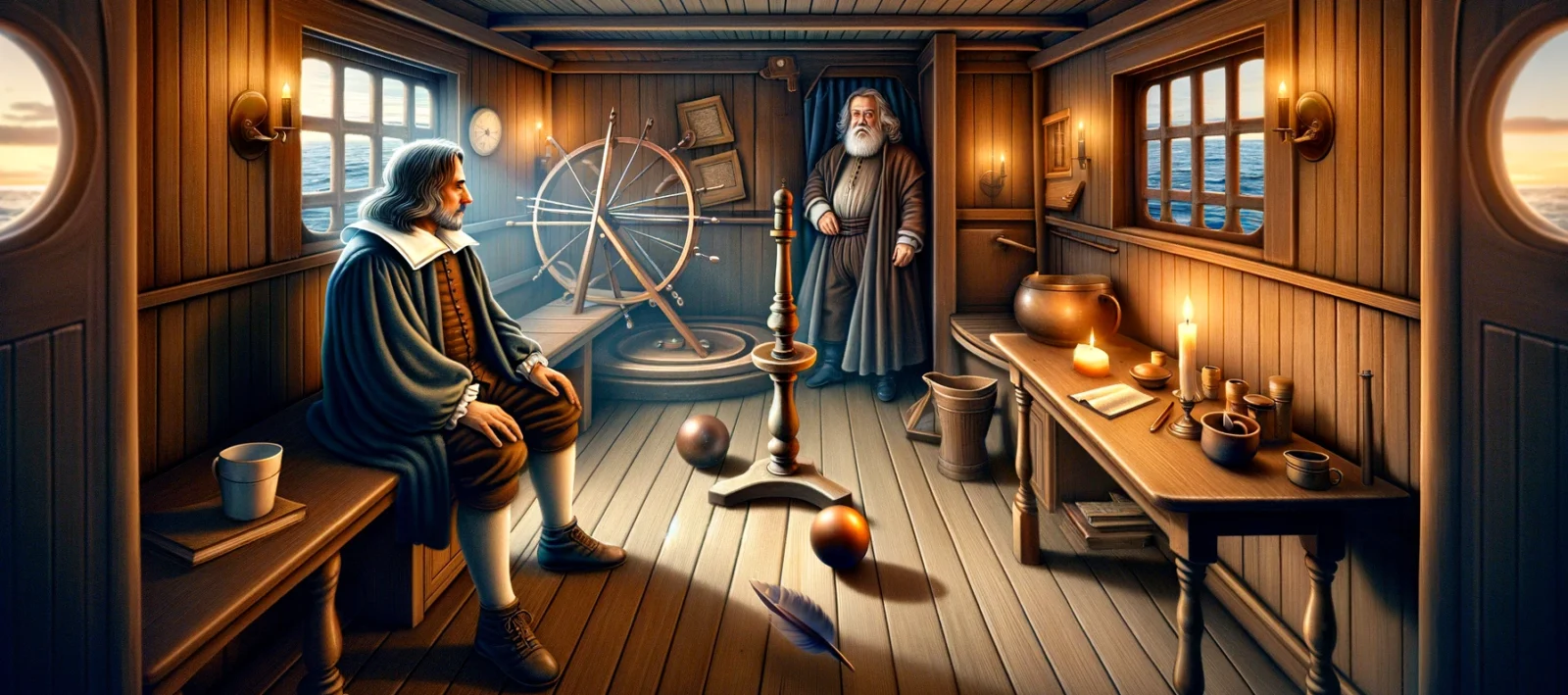
30 Phil, Chapter 21, Galileo, Touchstone 52: Relativity Principle. The Relativity Principle states that the laws of physics are the same for all observers in uniform motion relative to one another. This means that the passage of time, the length of objects, and the speed of light are the same for everyone, regardless of their
Relativity Principle Read More »
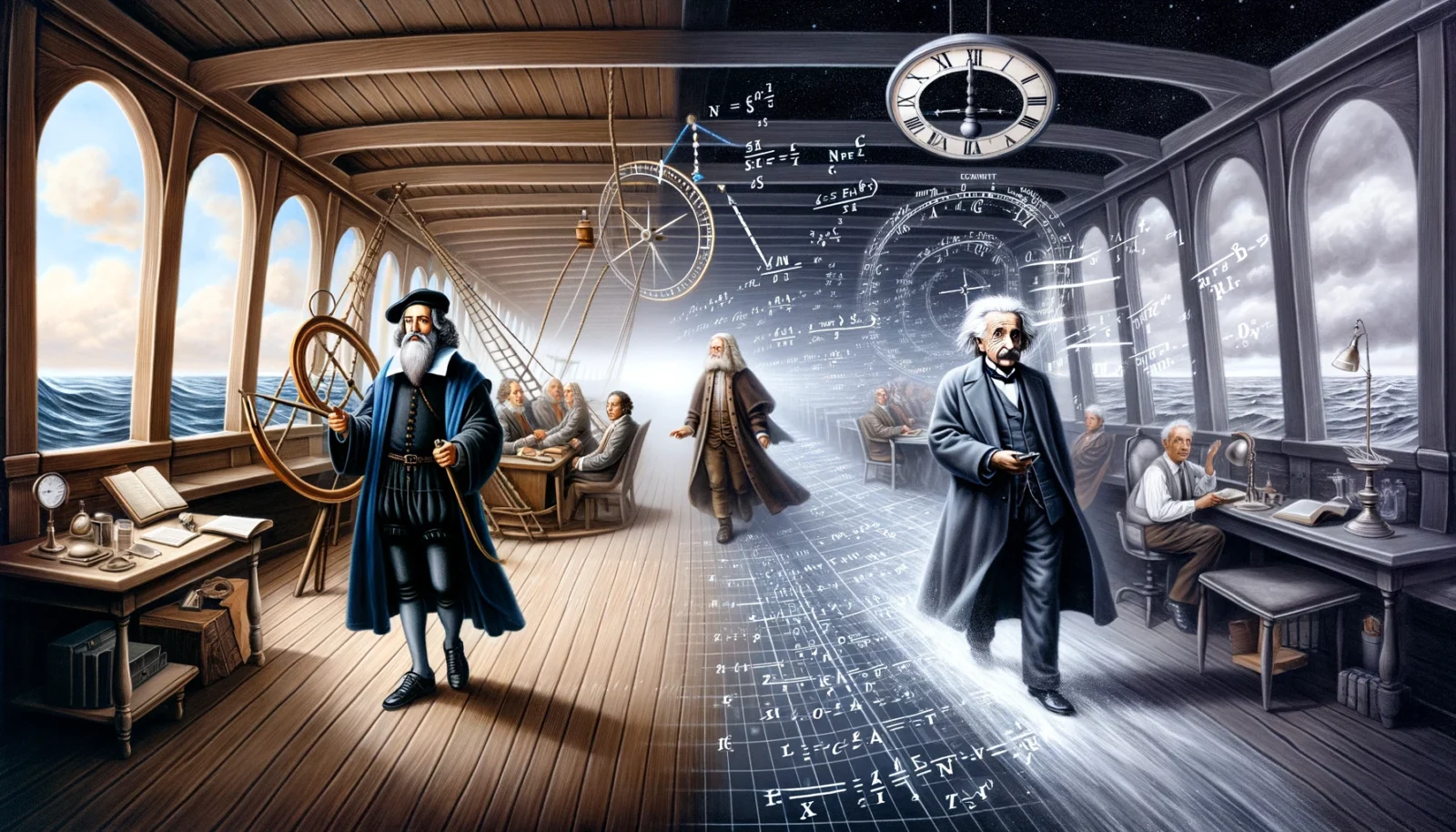
Special Relativity explains the relationship between space, time, mass, and energy. It shows that time and space are not separate entities but are connected as a single entity called spacetime. Additionally, it introduced the famous equation E=mc², which demonstrates that mass is engergy, energy is mass. They are equivalent and can be converted into each
Special Relativity Read More »
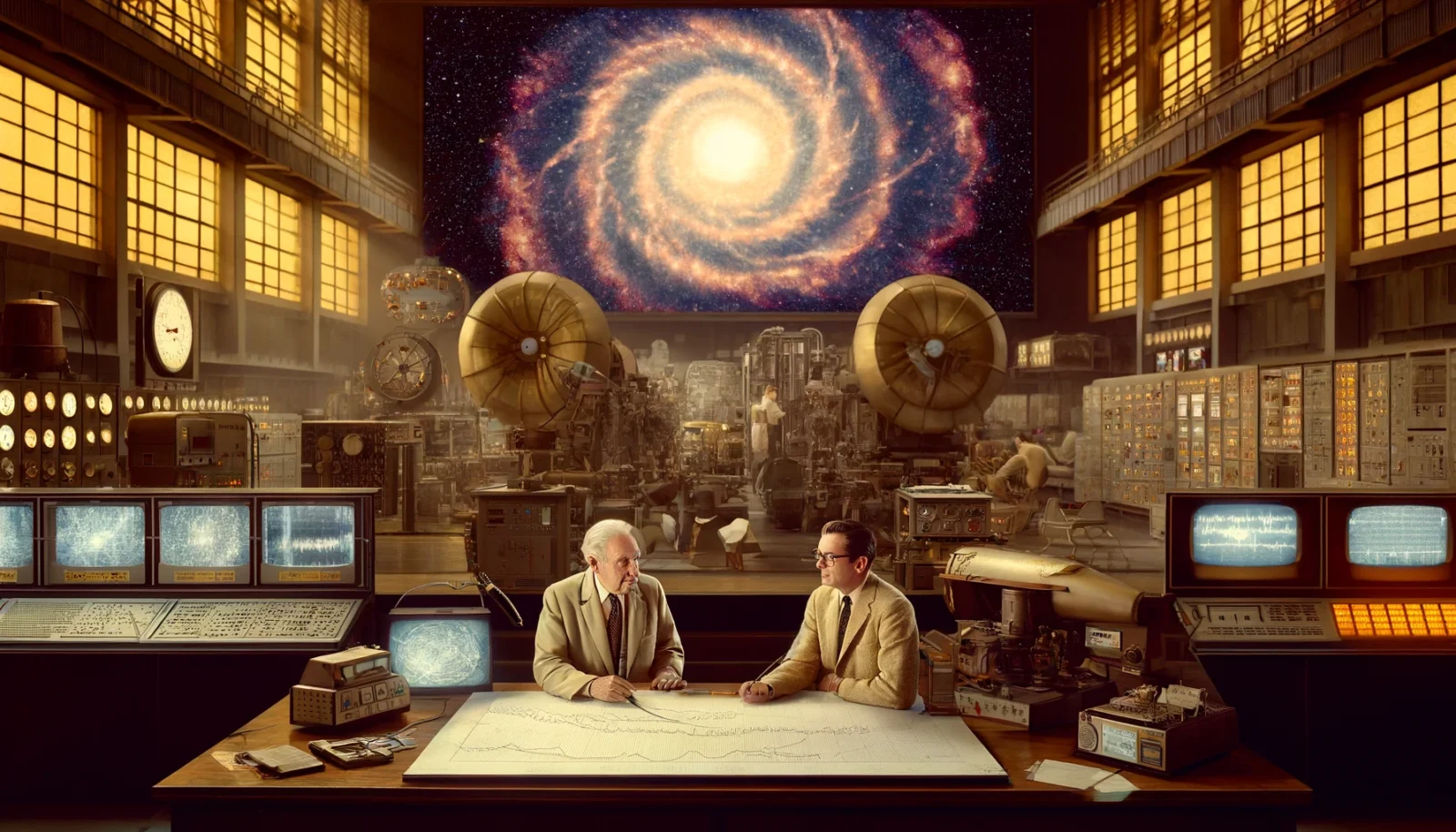
In 1965, Arno Penzias and Robert Wilson, two radio astronomers at Bell Telephone Laboratories, stumbled upon a mysterious and persistent background noise that pervaded their radio telescope. After much investigation and the elimination of potential terrestrial and instrumental sources, they concluded that this noise was cosmic in origin. Their findings, published on May 20, 1965,
Cosmic Microwave Background (CMB) Read More »
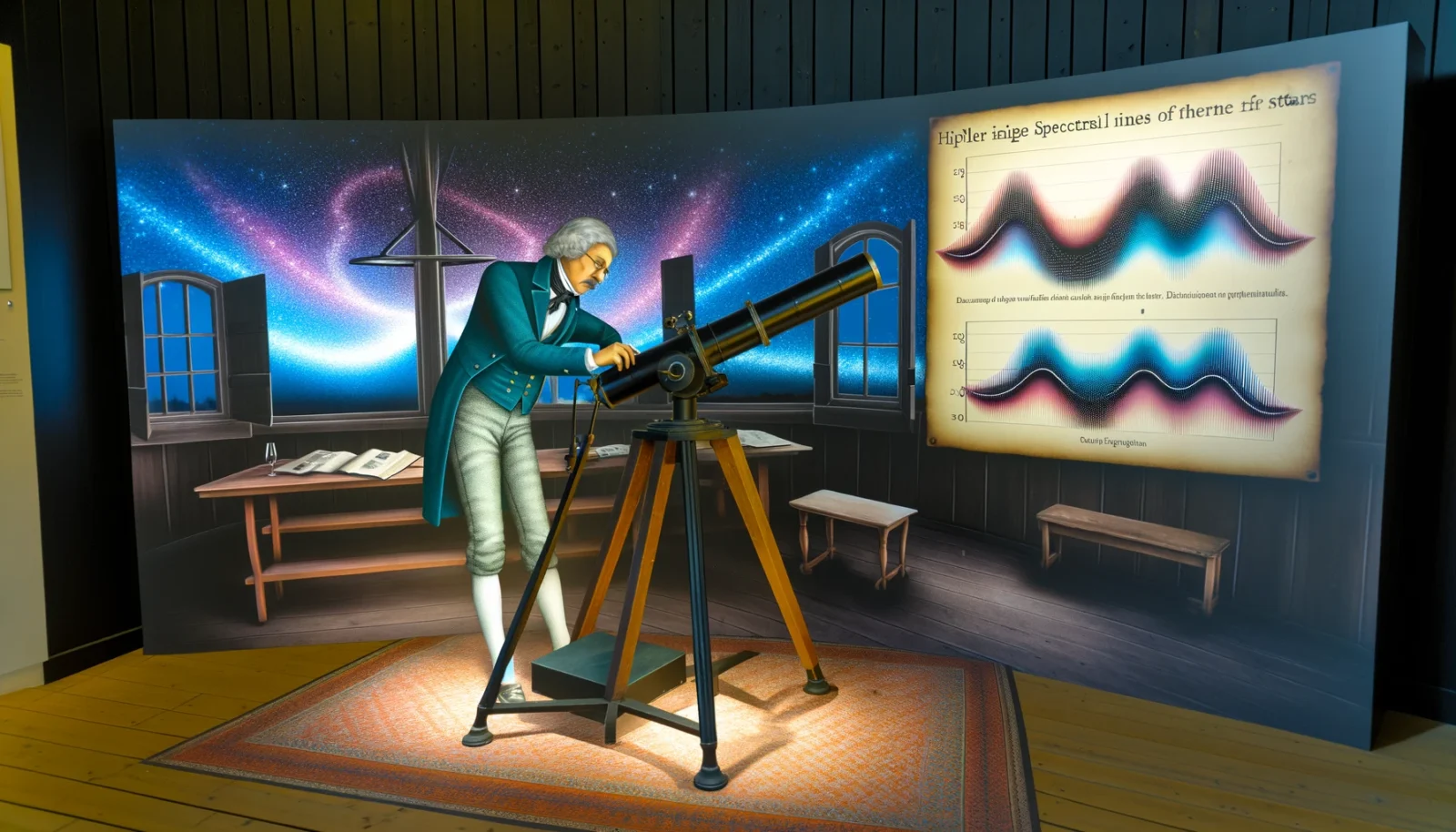
In 1842, the Doppler effect was proposed by Christian Doppler. First confirmed for sound in 1845, then for light in 1848.
Doppler Effect Observed for Stars Read More »
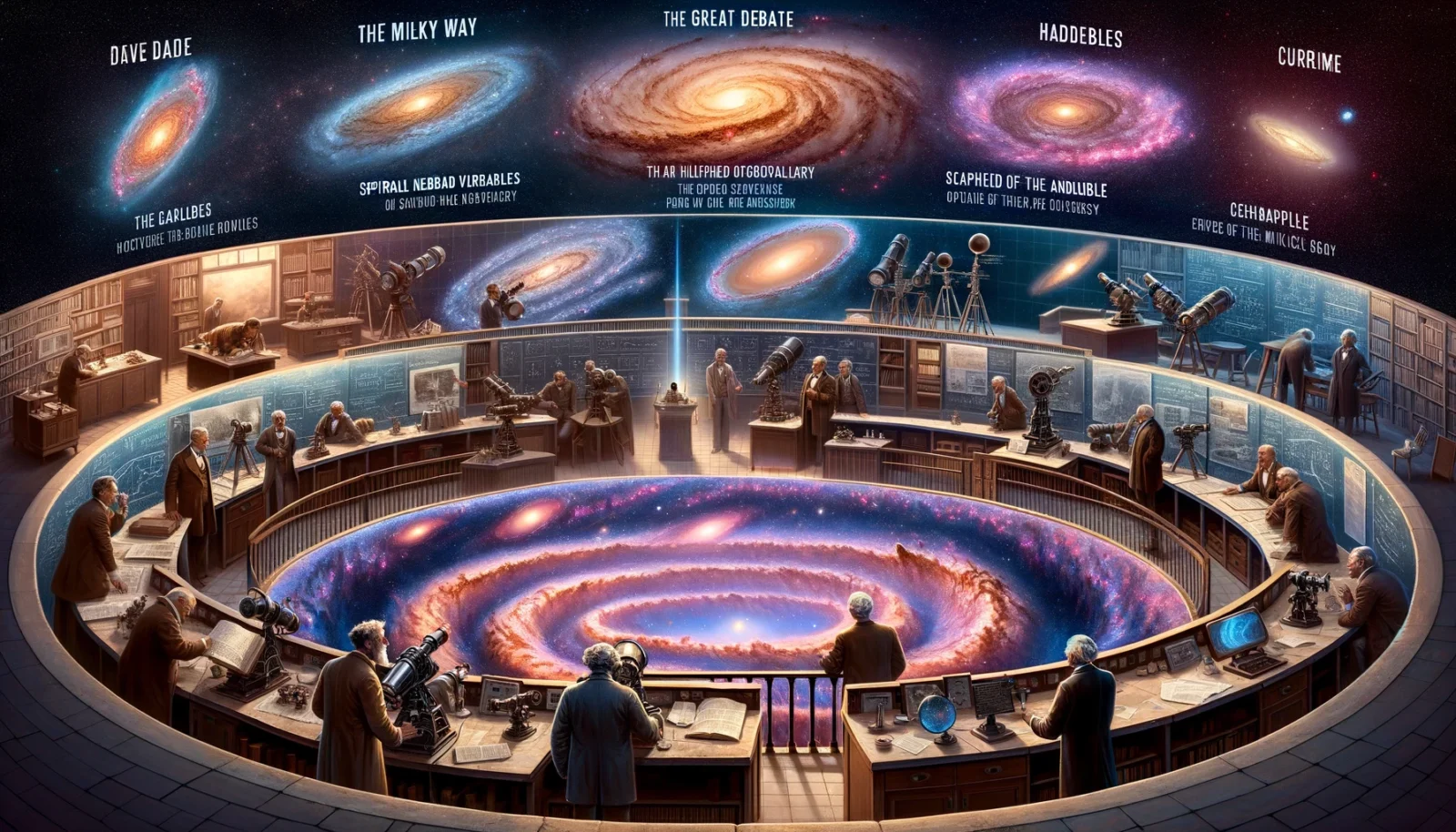
By 1929, an important time in cosmology, Edwin Hubble used the spiral nebulae data collected by Vesto Slipher from 1912 to 1925 to introduce the world to galaxies. Prior to the 20th century, astronomers debated whether spiral nebulae were merely gaseous clouds within the Milky Way, possibly forming solar systems. This view changed dramatically following
Galaxies Discovered! Doppler Effect used to measure distance!! Read More »
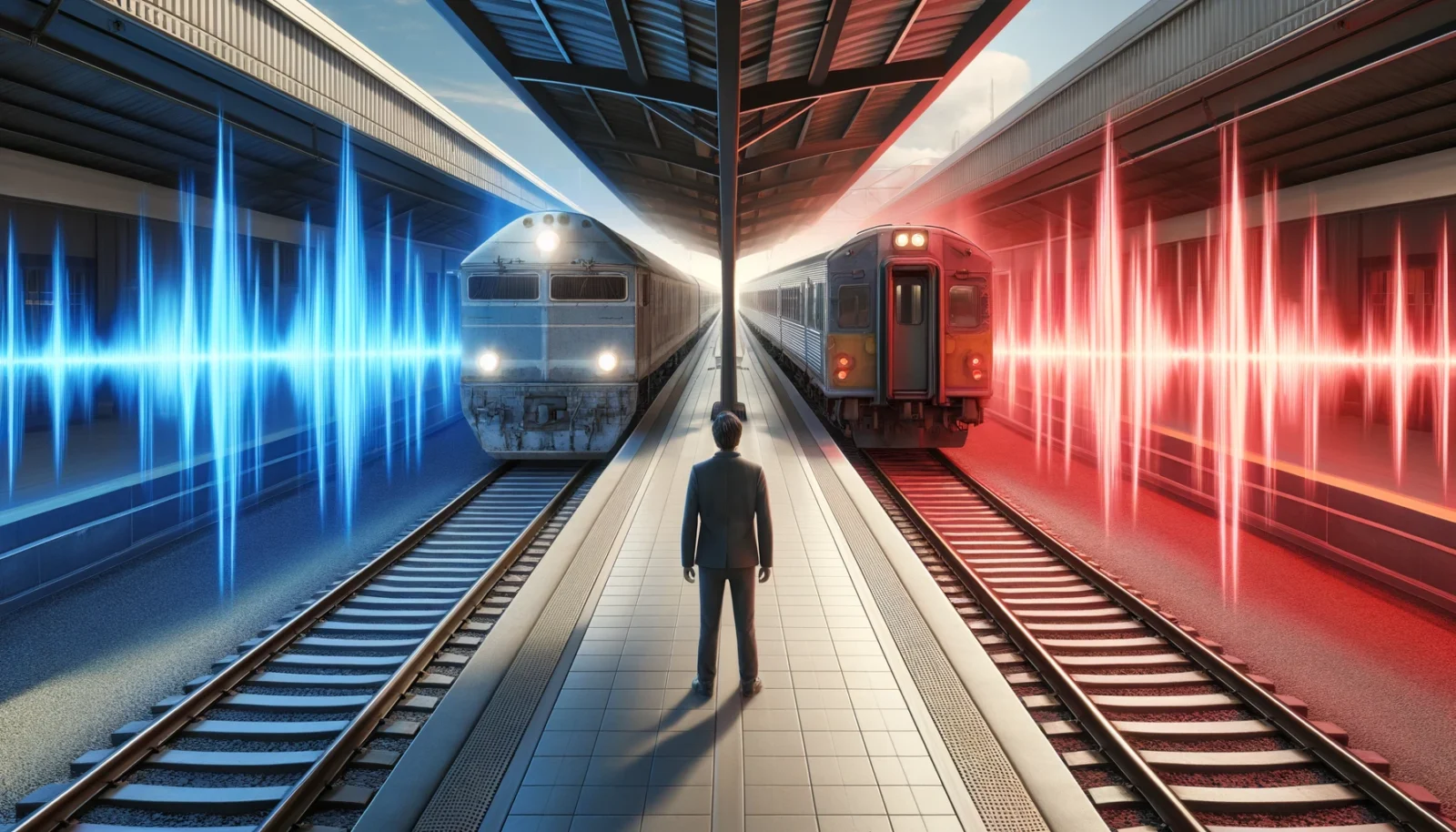
In 1842, Christian Doppler wrote about the doppler effect in stars. It was first confirmed with sound in 1845, then with light in 1848. The big moment came in 1868 when, for the first time, we could tell which stars were coming and going.
Doppler Effect for Sound and Light Read More »

30 Phil, Chapter 1 Touchstone 3: Evolution. In 1859, the naturalist Charles Darwin revolutionized the scientific world with his seminal publication, “On the Origin of Species.” In it he formulated his scientific theory of evolution by natural selection. The process by which new species arise is well-understood. It proposed that changes in species occur gradually over time. With each generation,
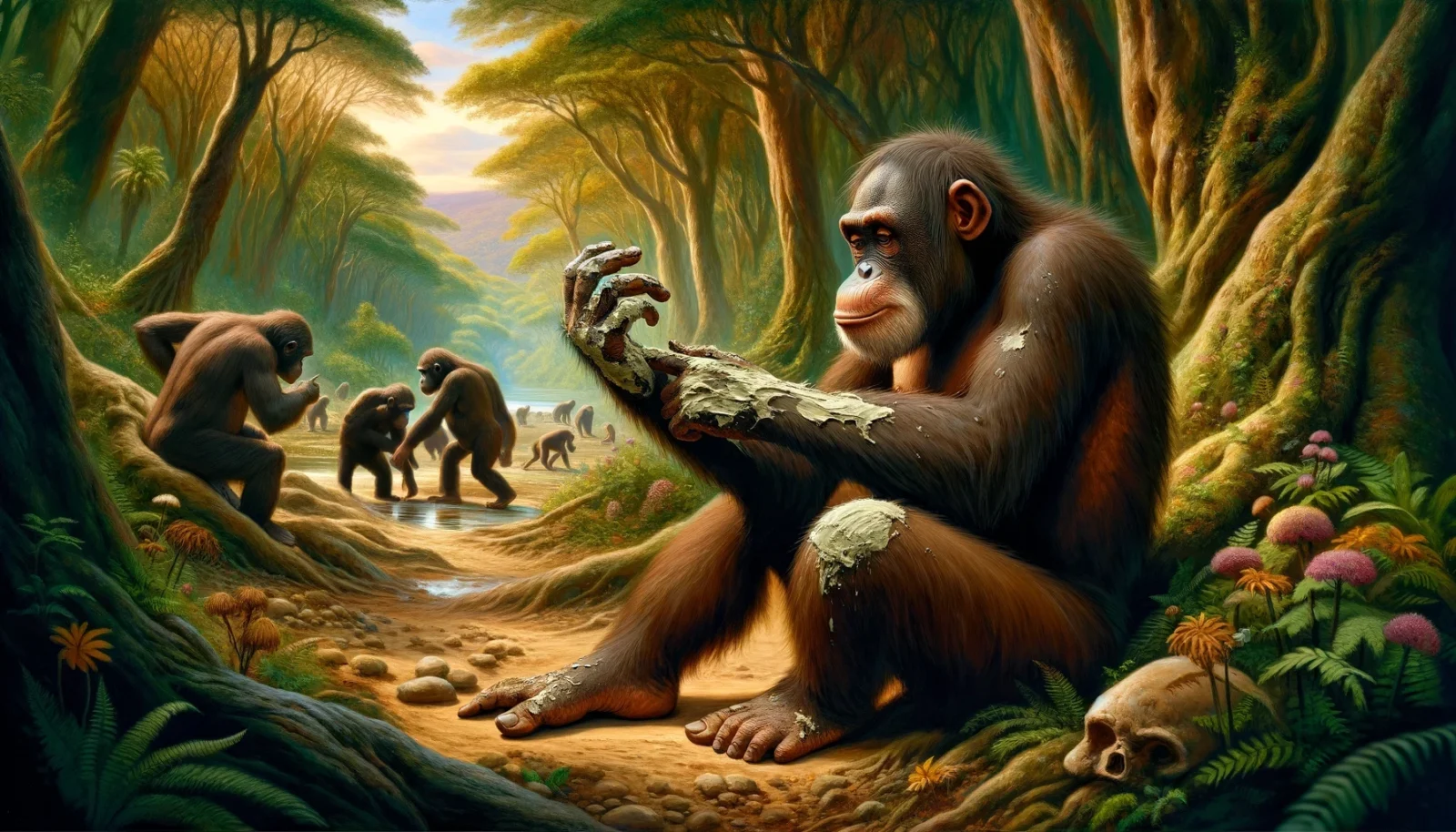
While speculative, it is reasonable to position the occassional use of proto-medicine as emerging in the great apes sometime around 18 million years ago. Modern orangutans, apes, and chimpanzees treat wounds, digestive issues, and even use insect repellant. The Great Apes LCA lived around 18 million years ago, so using the Occam Approach, this implies
Great Apes: Medicine Emerges Read More »

The earliest known use of plaster dates back to around 9000 BCE, with evidence from the ancient site of Çatalhöyük in modern-day Turkey. Here, Neolithic inhabitants utilized plaster made from lime to coat the floors, walls, and even ceilings of their mud-brick houses. This early application of plaster represents a significant technological innovation, indicating a