Explore Science-first Philosophy

Empirical

Observations about the universe as it is now including existing archaeological artifacts and scientic observations.

Cocoa powder and cocoa beans

Chocolate

In the tropical rainforests of Mesoamerica, the ancient Olmecs unlock the secrets of the cacao pod. By fermenting, roasting, and grinding the seeds, they create the bitter beverage chocolate. This divine elixir lays the foundation for chocolate’s enduring legacy, cherished by the Mayans and Aztecs as a ceremonial drink, a currency, and a medicine.

Chocolate Read More »

Bali Rice Fields

The Domestication of Rice

In the lush, fertile lands of the Yangtze River Valley in ancient China, early inhabitants achieved a milestone that would revolutionize human society: the domestication of rice. Around 8,000 BCE, these innovative communities began to cultivate wild rice, laying the groundwork for sedentary agriculture and complex civilizations. This agricultural breakthrough not only provided a stable

The Domestication of Rice Read More »

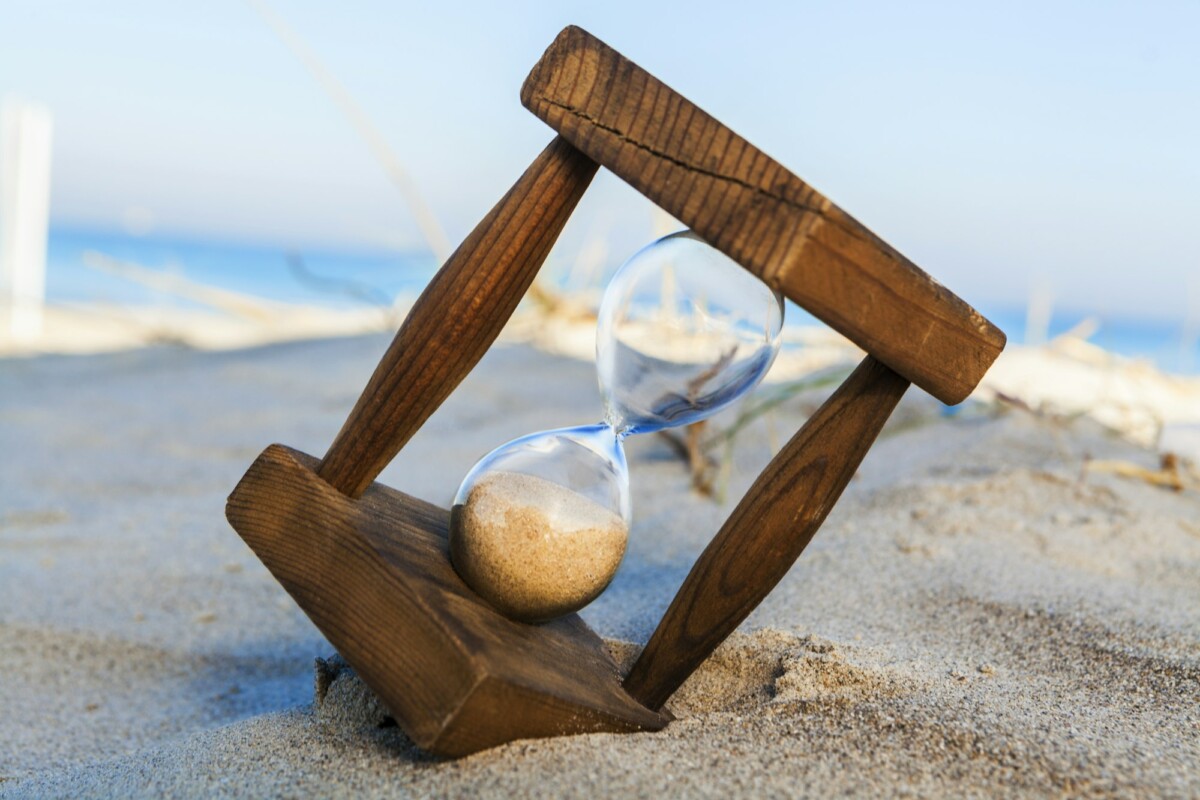
Hourglass on the Beach

Hourglass

Hourglasses, also known as sandglasses or sand timers, were first used in the 14th century, although it is unclear exactly when they were invented. The earliest written reference to an hourglass dates back to the early 14th century in Europe, but they may have been used earlier in other parts of the world. Hourglasses were

Hourglass Read More »

pathogen virus background

Electron Microscope = Nanoworld Discovered!

Starting in 1931 with the invention of the electron microscope, the nanoworld became visible to us. The nanoworld contains items as small in diameter as 1 micrometer (1 micron) to a diameter 1,000 times smaller, a diameter of 1 nanometer. The nanoworld includes the smallest single celled organisms, the smallest bacteria as well as viruses,

Electron Microscope = Nanoworld Discovered! Read More »

Hand Axe

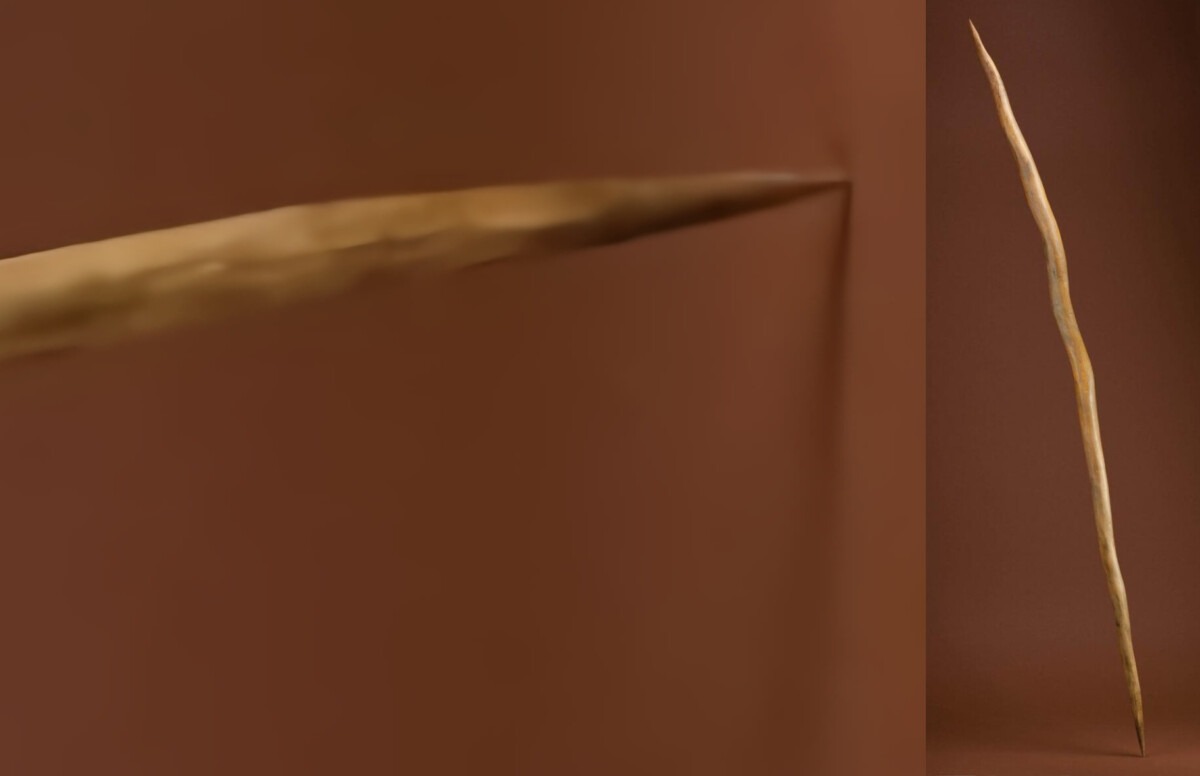
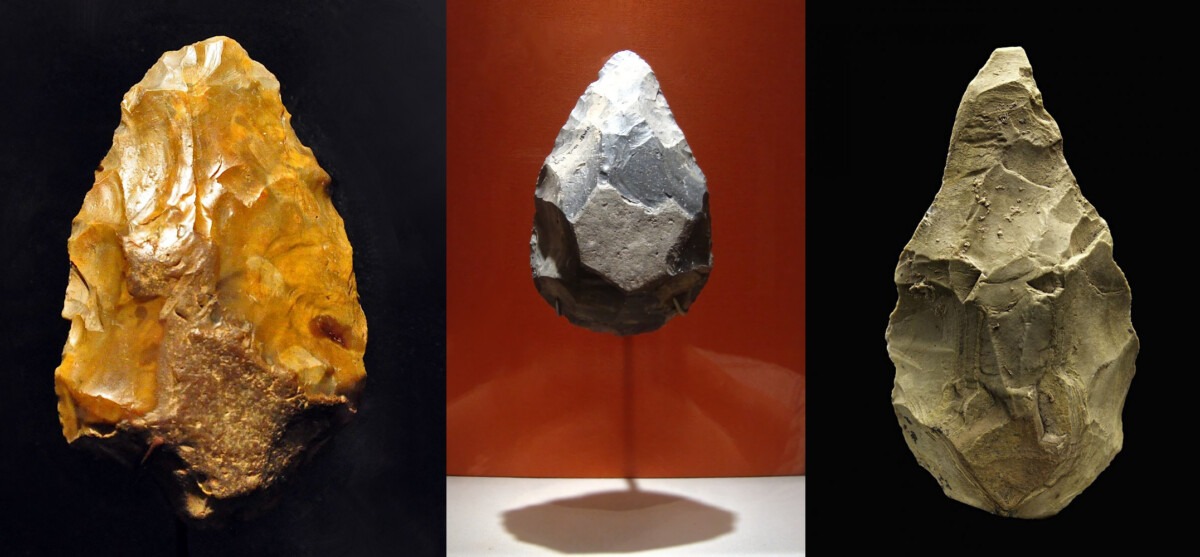
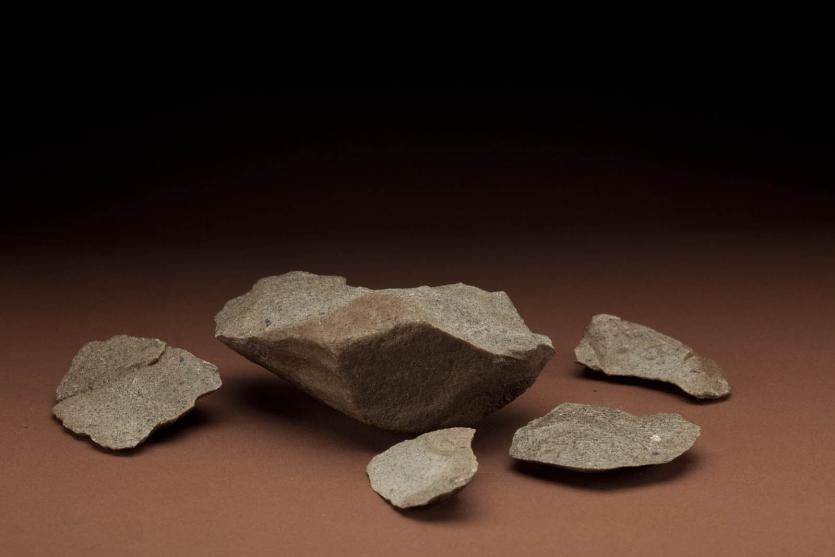
70,400 Generations Ago (from 2020 CE) By about 1.76 million BCE, early humans began to create hand axes. They would strike really large flakes, then continue to shape them around the edges. On the right, the hand axe pictured dates to circa 1.1 million BCE. It was found at Isampur, India.  

Hand Axe Read More »

Iodine 131(I-131)Radioactive isotopes used for hyperthyroidism treatment are stored in Lead boxes

Radiometric Dating

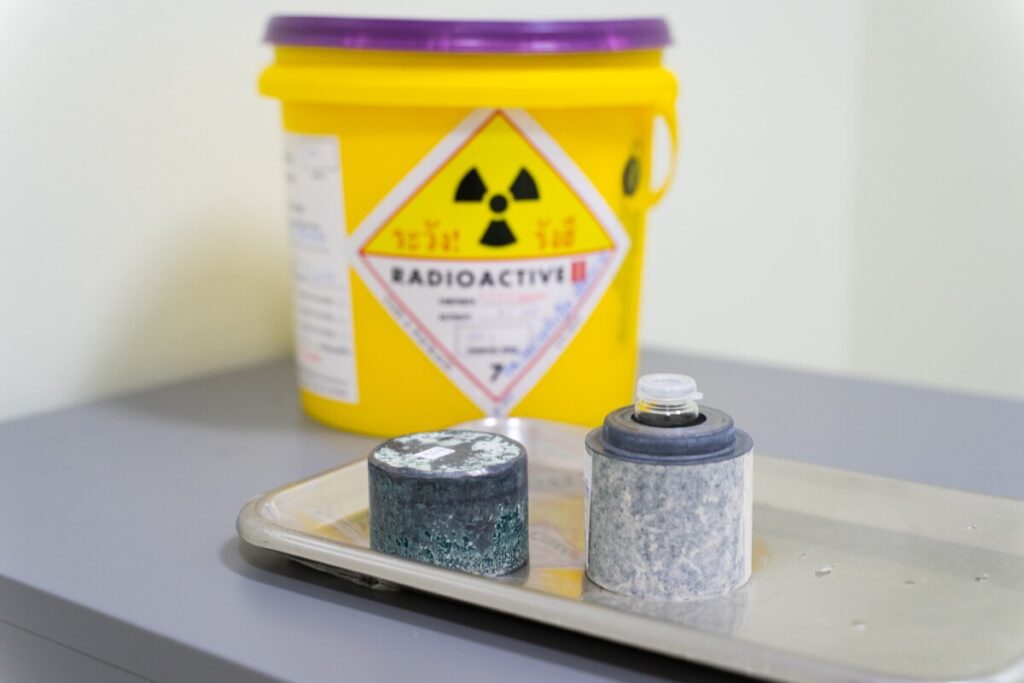
5 Generations Ago In 1905, radiometric dating was discovered. It is a method used to date rocks and other objects based on the known decay rate of radioactive isotopes. This technique is used to date rocks. Paleontologists regularly order discoveries in chronological order and estimate their age. Knowing the age of rocks allows paleontologists to assign known

Radiometric Dating Read More »

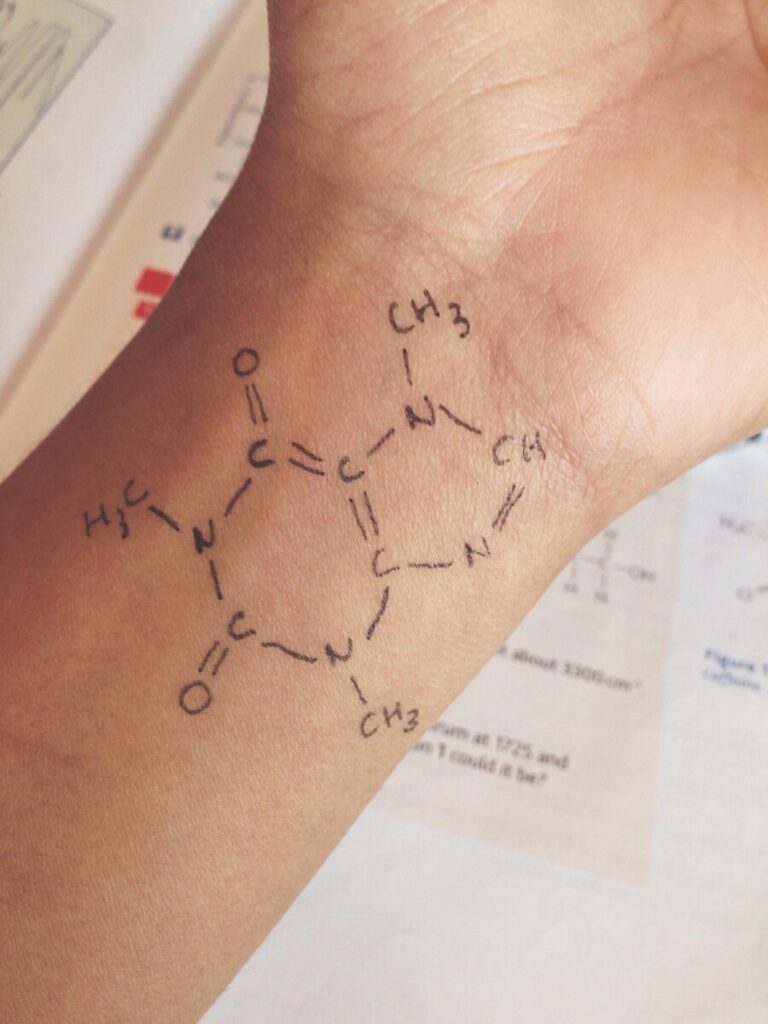
We all need a little CAFFEINE

Radiocarbon Dating

In 1946, Willard Libby created the method for dating organic materials by measuring their content of carbon-14, a newly discovered radioactive isotope of carbon. This dating technique provides objective age estimates within a few decades for carbon-based objects that originated from living organisms.

Radiocarbon Dating Read More »

Scroll to Top