Explore Science-first Philosophy

Human Ancestors

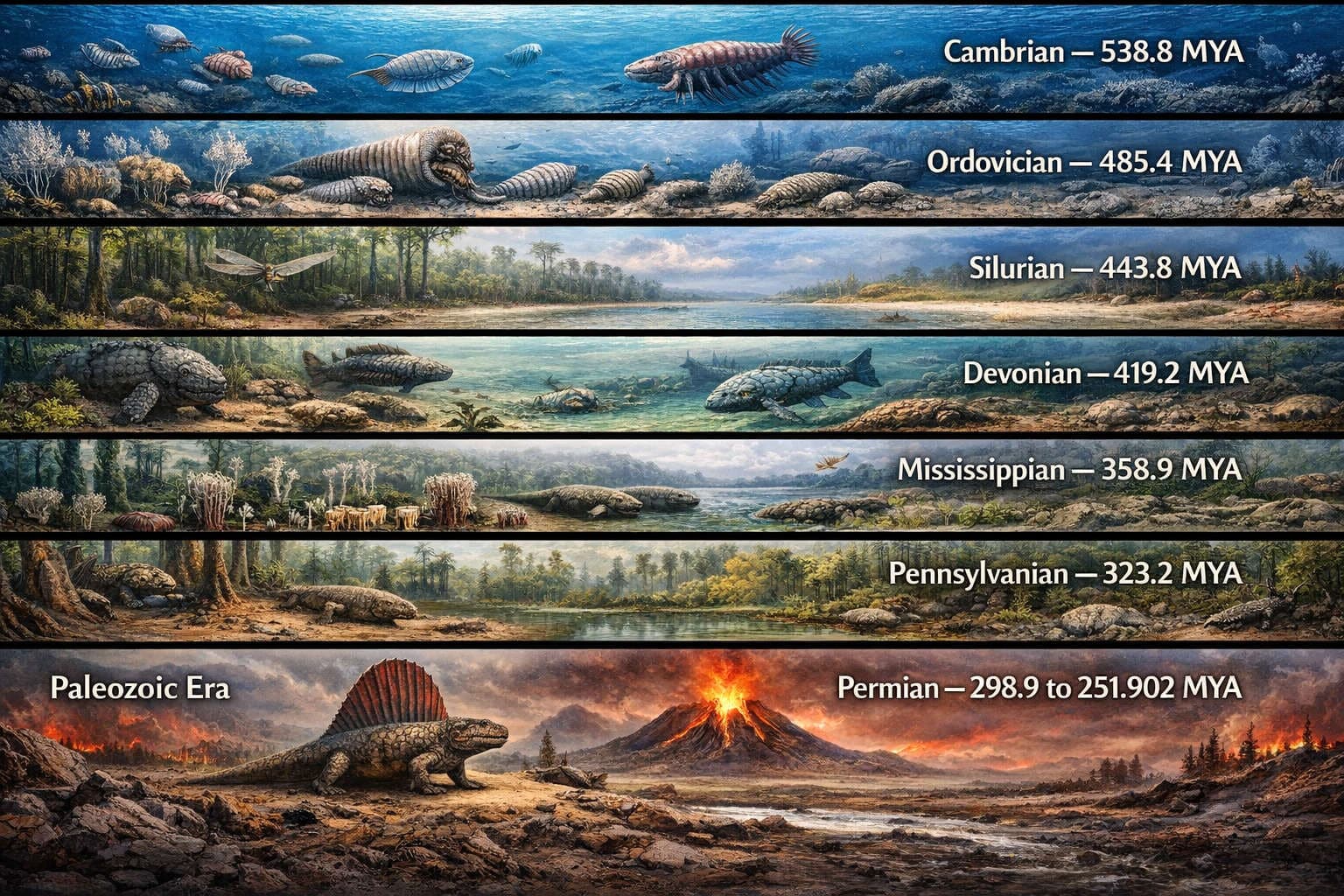
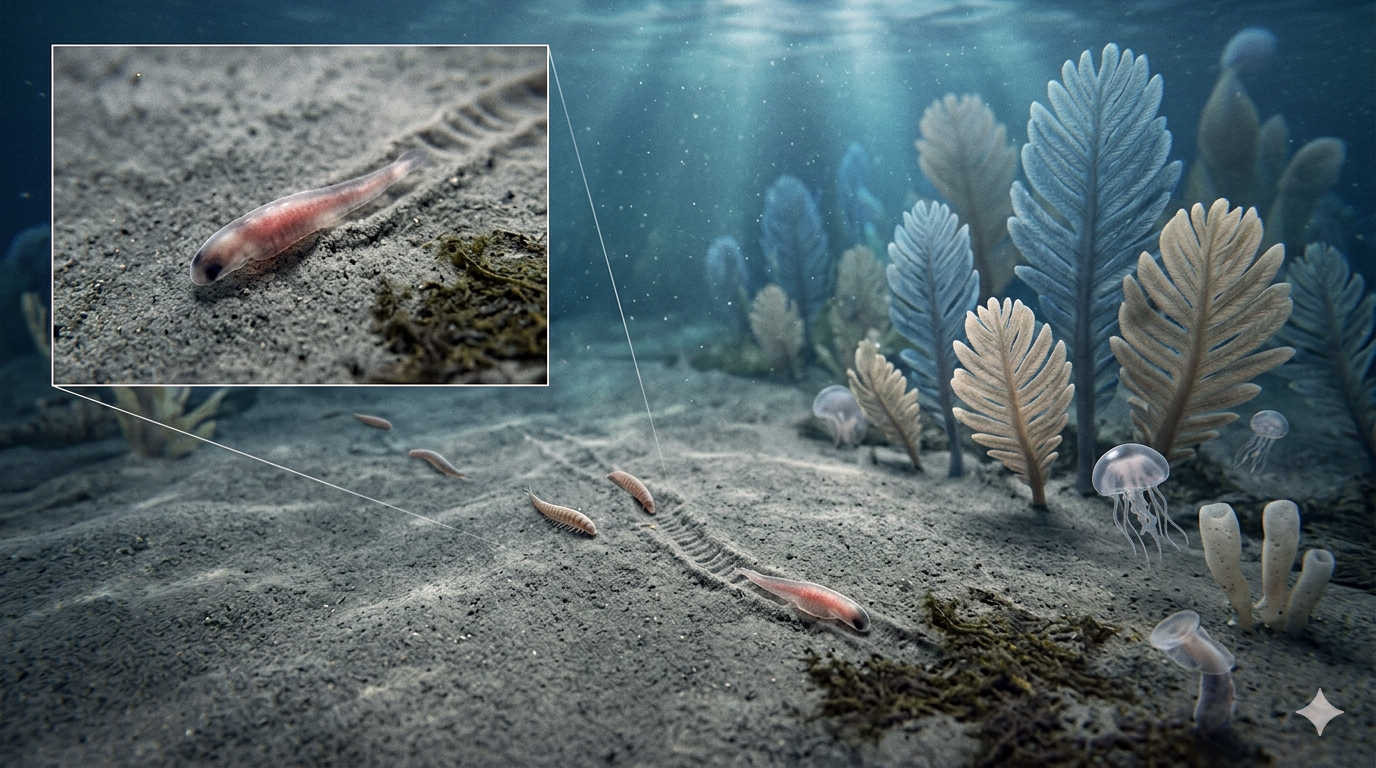
Pre-hominid human evolution all the way back to LUCA.

Higher Play Evolves in Social Mammals

In more advanced forms, play becomes a complex tool for social bonding, emotional learning, and cognitive development. Carnivores like wolves and cats engage in cooperative games that refine group hunting skills, while elephants are known for their intricate, playful interactions that build emotional connections. Among primates, play takes on its most elaborate forms, fostering problem-solving,

Higher Play Evolves in Social Mammals Read More »

Early Play Evolves in Mammals

Play in its most basic form likely began as simple, physical interactions aimed at honing survival skills. Modern animals like squirrels, kangaroos, and hedgehogs still exhibit these foundational behaviors, engaging in chasing, pouncing, and wrestling. These actions help young animals develop coordination and reflexes while providing a safe way to practice life-essential tasks. Surprisingly, even

Early Play Evolves in Mammals Read More »

Laughter Emerges

Laughter is closely related to emotional intelligence: The roots of laughter can be traced back to our common ancestors with other great apes, living around 10 to 15 million years ago. These early primates likely exhibited rudimentary forms of laughter as a social signal during play, much like modern-day chimpanzees, bonobos, and gorillas. This “animal

Laughter Emerges Read More »

Cheerful children's laughter

Human Laughter Emerges

As hominins began to diverge from their great ape relatives around 2 to 4 million years ago, the simple vocalizations of their ancestors evolved into more sophisticated forms of communication. Among these was “human-like laughter,” characterized by its rhythmic structure, emotional depth, and social significance. Unlike the breathy panting of earlier primates, human laughter developed

Human Laughter Emerges Read More »

XX/XY Sex System Emerges: A Tale of Mammalian Evolution

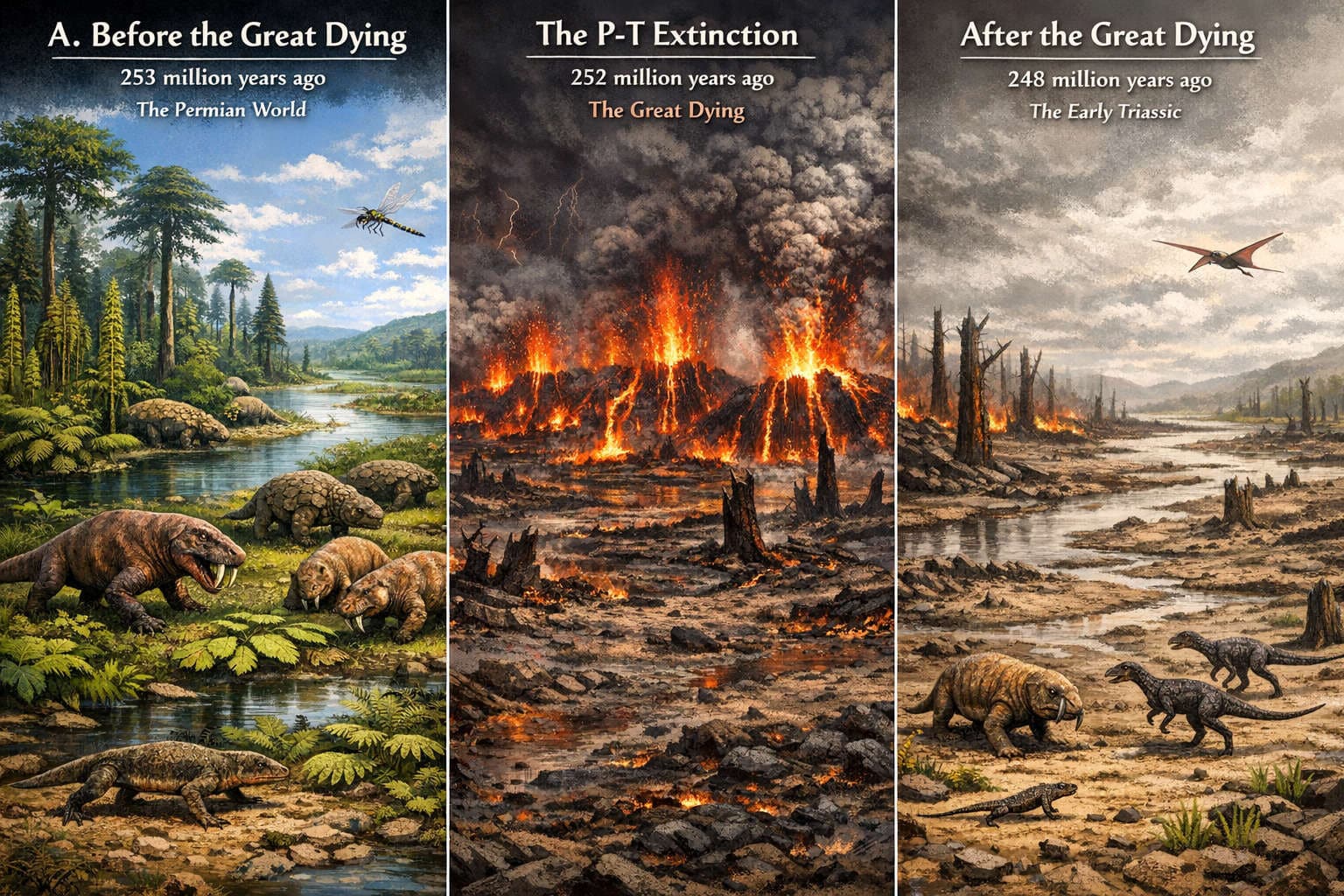
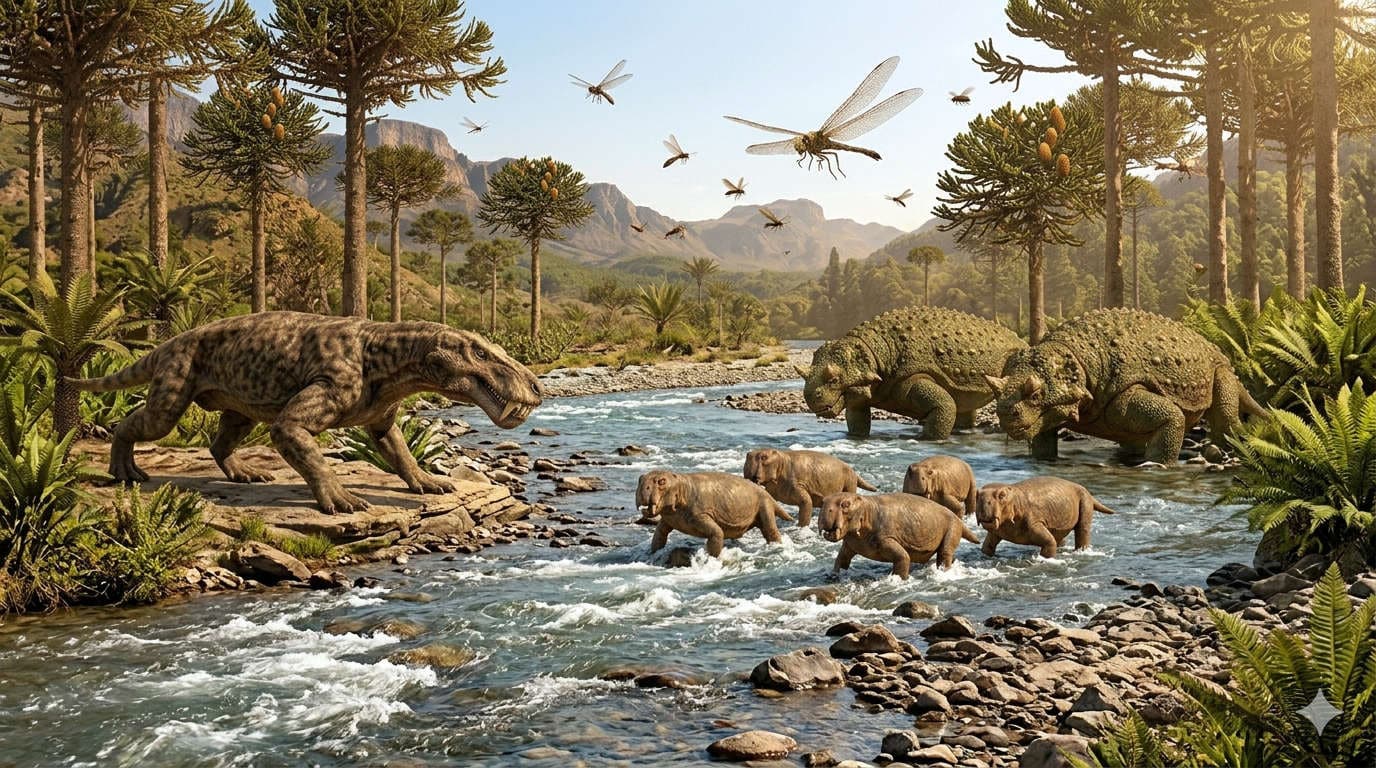
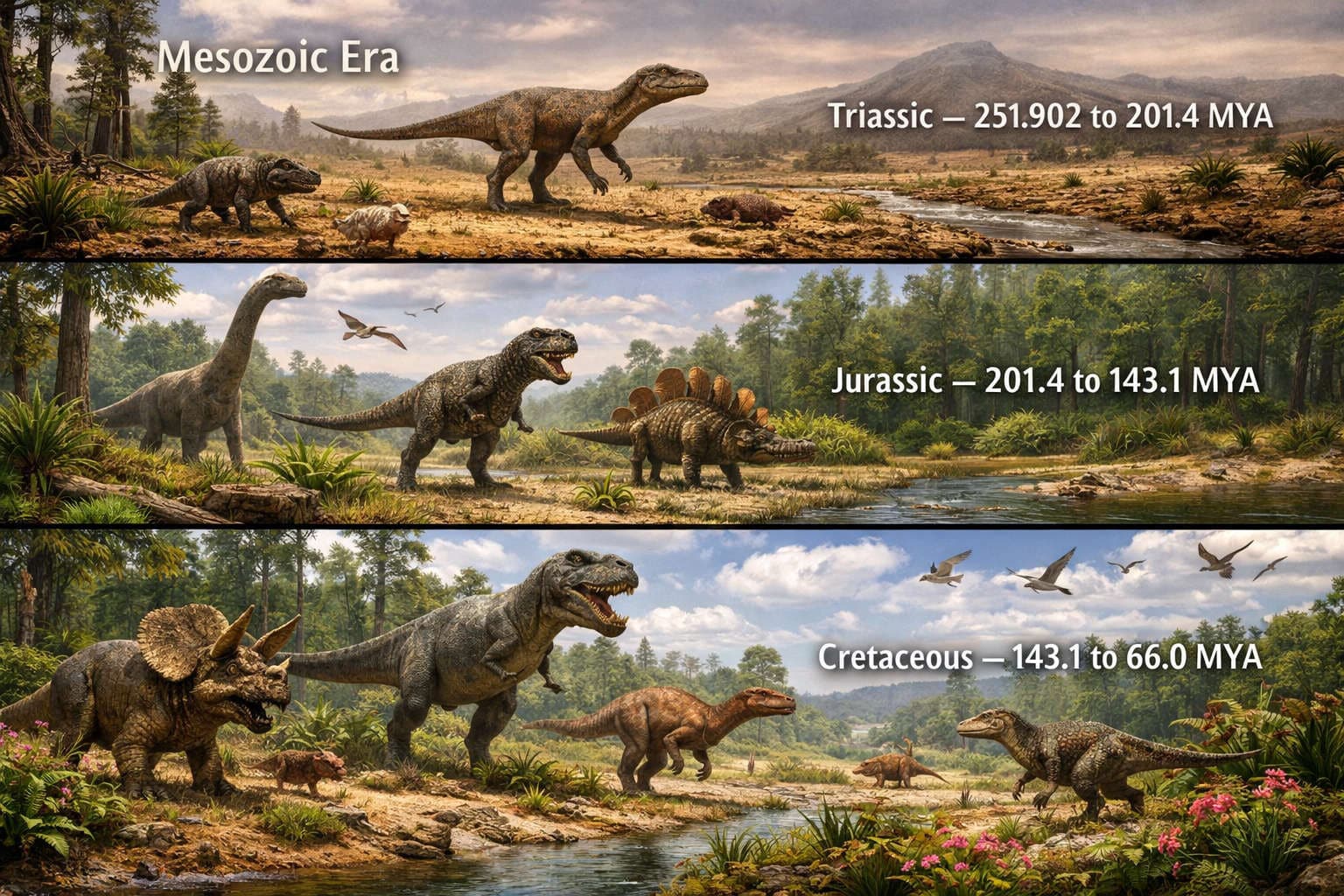
Around 240 million years ago, during the late Triassic period, a crucial evolutionary development unfolded within the lineage that would give rise to mammals. It is believed that the XX/XY sex-determination system emerged in a common ancestor of mammals, possibly within the genus Therapsida, a group of synapsids that exhibited both reptilian and mammalian traits.

XX/XY Sex System Emerges: A Tale of Mammalian Evolution Read More »

Fuxi (伏羲)

If Fuxi existed as one person, that person likely lived sometime between 8000 and 7000 BCE. Fuxi is a legendary figure in Chinese mythology, considered one of the Three Sovereigns. He is credited with creating humanity, inventing writing, and teaching people to fish and hunt. Fuxi’s contributions laid the foundation for early Chinese civilization and culture,

Fuxi (伏羲) Read More »

Nüwa (女娲)

If Nüwa existed as one person, that person likely lived sometime between 8000 and 7000 BCE. Nüwa is a mother goddess in Chinese mythology, often associated with Fuxi. She is credited with creating mankind and repairing the pillar of heaven, symbolizing the restoration of order in the universe. Nüwa’s story highlights themes of creation, nurturing,

Nüwa (女娲) Read More »

The Yellow Emperor (Huangdi)

The Yellow Emperor, or Huangdi, is a legendary figure in Chinese history, traditionally credited with foundational contributions to Chinese civilization. He is associated with the development of the concept of Yin and Yang, the dualistic nature of reality, and balance, which profoundly influenced Chinese philosophy, medicine, and cosmology. Attributed to his era are the Huangdi

The Yellow Emperor (Huangdi) Read More »

Library of Ashurbanipal

The Library of Ashurbanipal, established during the reign of Ashurbanipal (668–627 BCE), the last great king of the Neo-Assyrian Empire, is one of the most significant collections of ancient texts. Located in Nineveh, the capital of Assyria, this library housed thousands of clay tablets inscribed with cuneiform script, covering a wide range of subjects including

Library of Ashurbanipal Read More »

Opposable Thumb Emerges

Around 60 million years ago, the early ancestors of primates began to develop a crucial adaptation: the opposable thumb. This evolutionary milestone marked the beginning of increased dexterity and the ability to grasp objects more effectively. Living in the dense canopies of prehistoric forests, these early primates used their newly opposable thumbs to navigate their

Opposable Thumb Emerges Read More »

Scroll to Top