Explore Science-first Philosophy

Human Ancestors

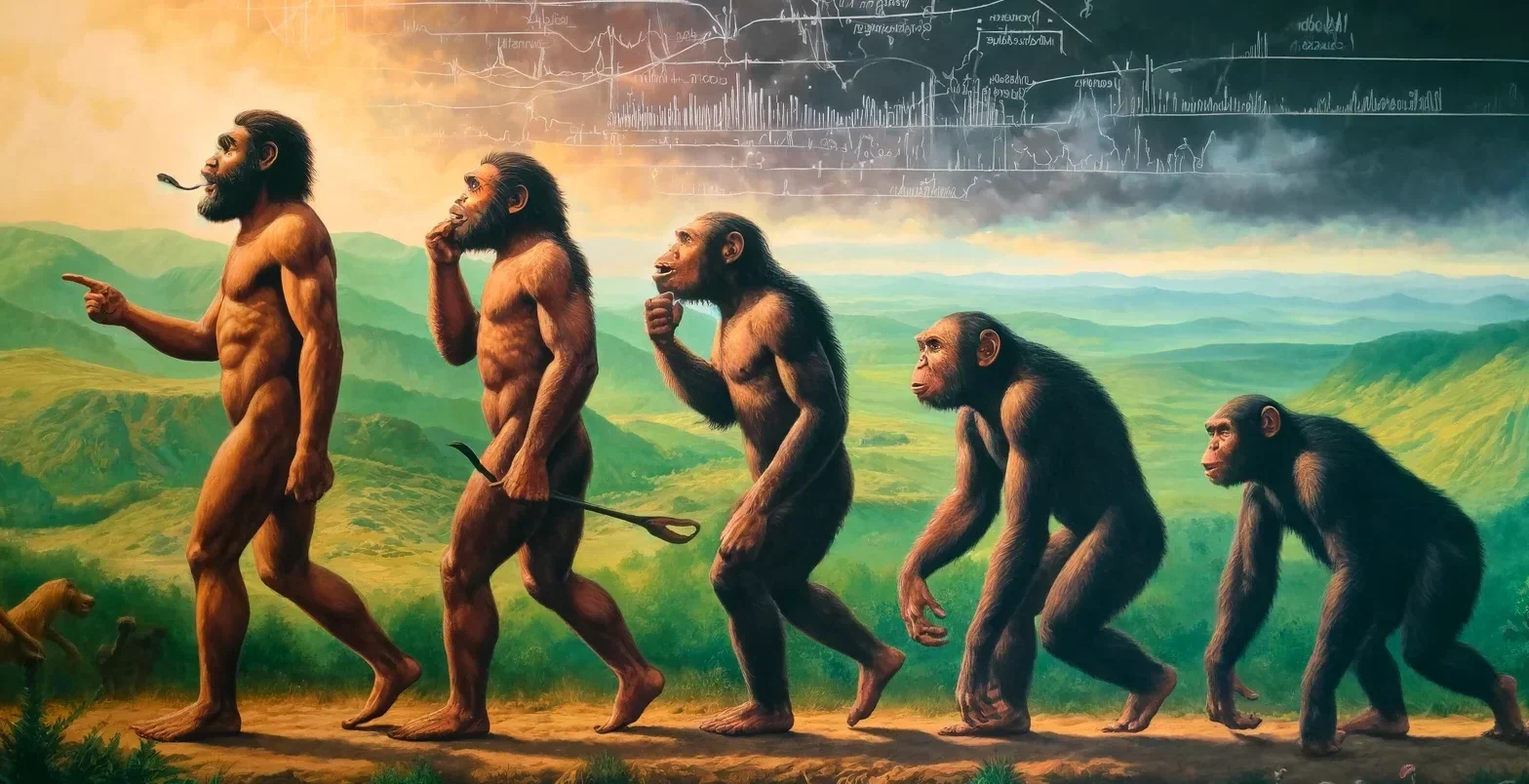
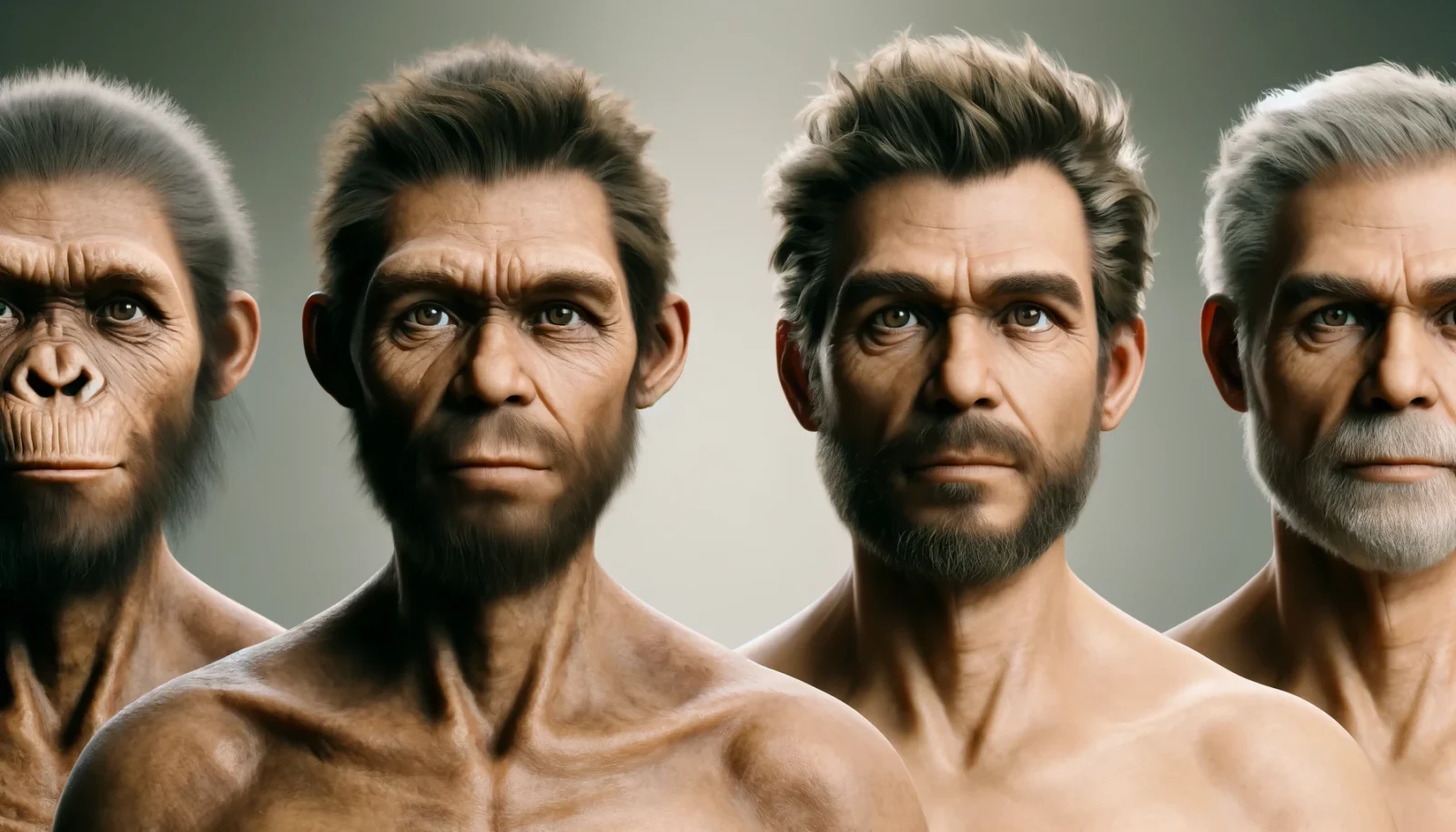
Pre-hominid human evolution all the way back to LUCA.

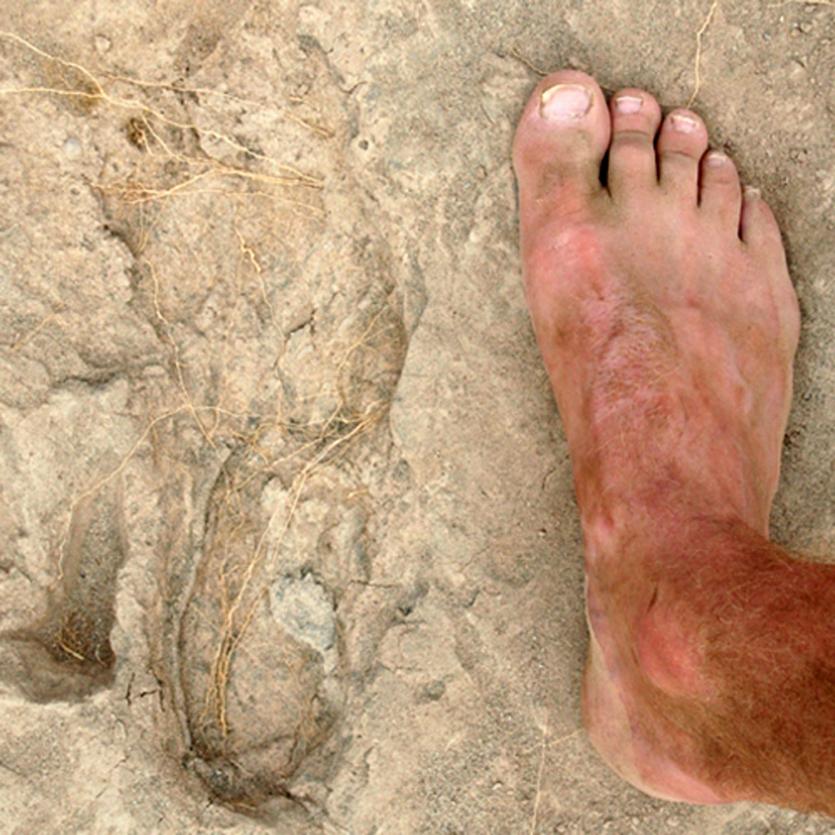
Oldest Modern Human-like Footprints

60,800 Generations Ago Species: Likely Homo erectus, our direct ancestor. The footprints found in Ileret, Kenya represent the oldest undisputed evidence of hominins walking upright in an efficient manner characteristic of modern humans. Our style of upright walking, which Homo erectus appears to have shared, is energy-efficient and adapted for long distances. It involves a

Oldest Modern Human-like Footprints Read More »

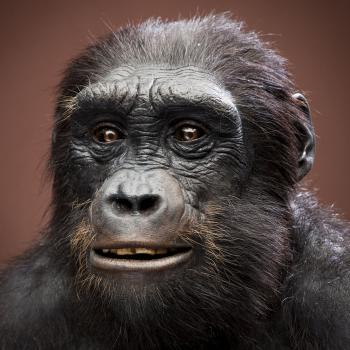
Genus: Sahelanthropus (Walking Upright)

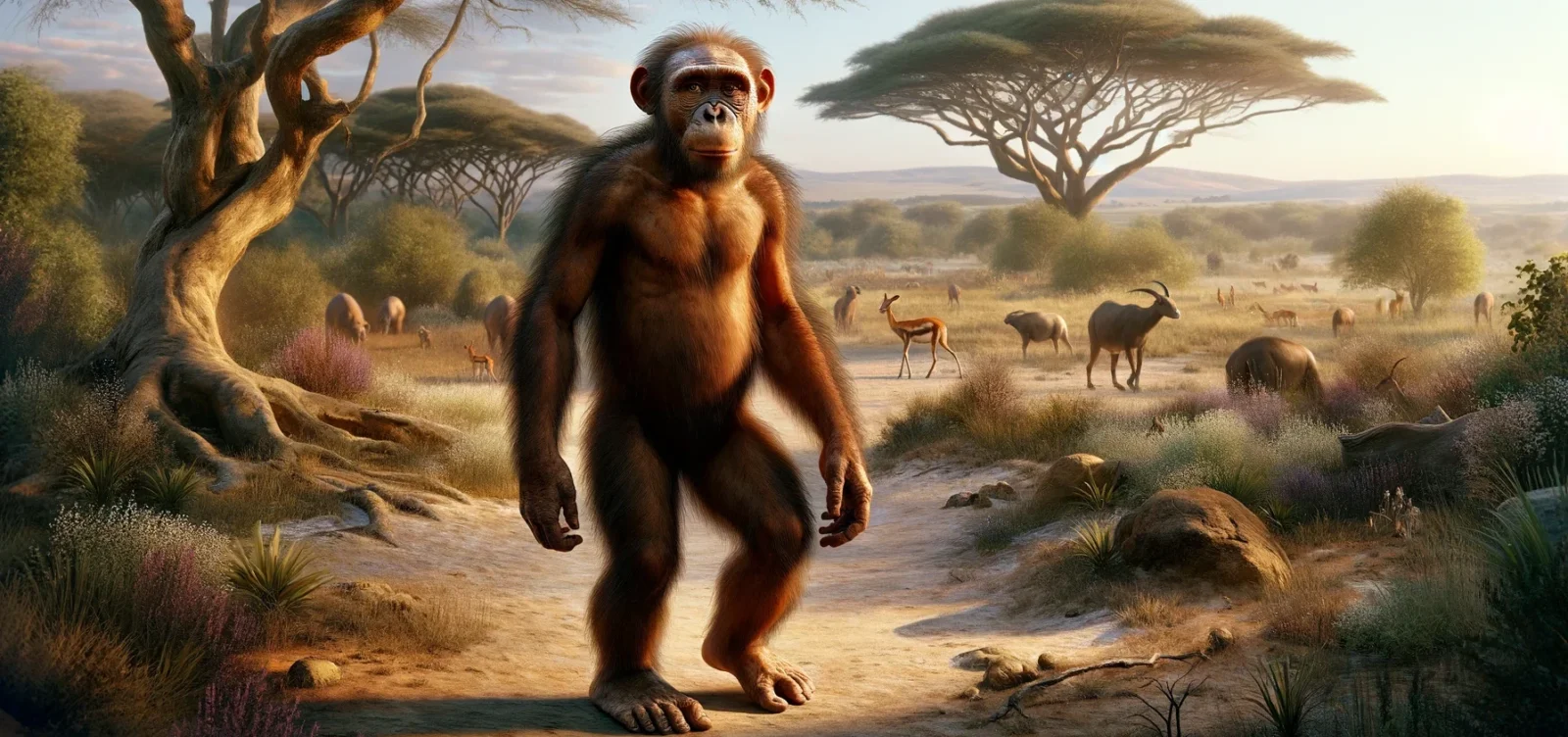
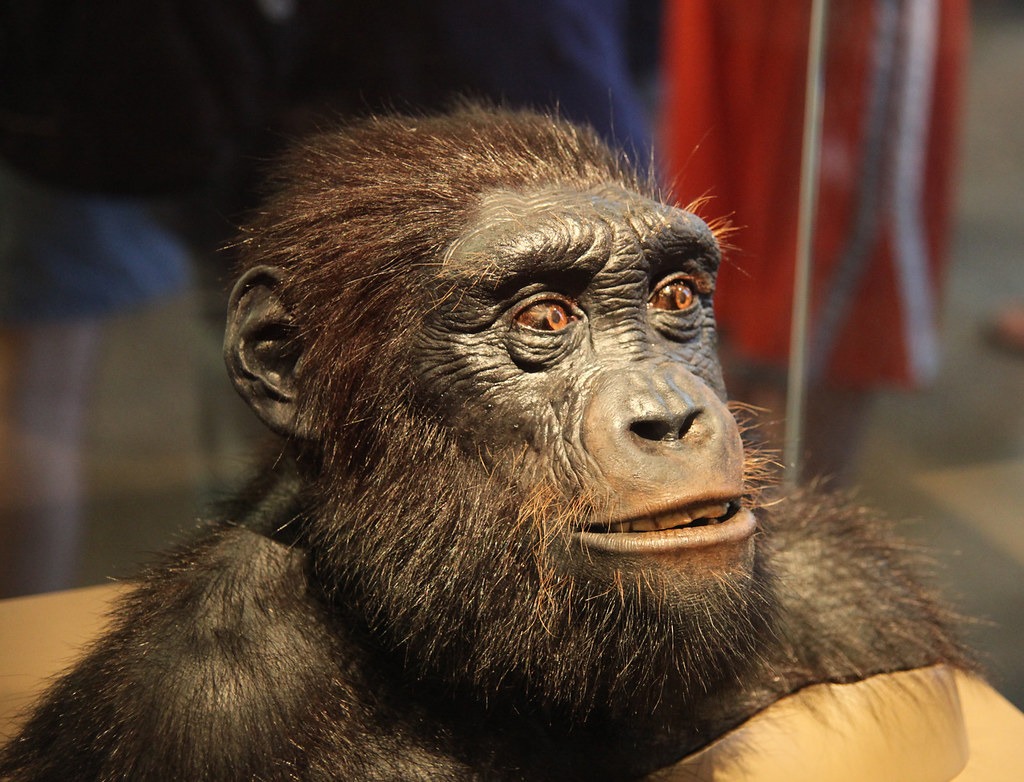
260,000 Generations Ago CHLCA candidate: Often considered one of the earliest potential hominins, Sahelanthropus tchadensis, best known from the “Toumai” skull found in Chad, exhibits features that suggest bipedalism but remains debated due to limited fossil evidence. With two human anatomical traits, small canine teeth, and a spinal cord hole in the cranium further forward

Genus: Sahelanthropus (Walking Upright) Read More »

Successful Out of Africa Migration

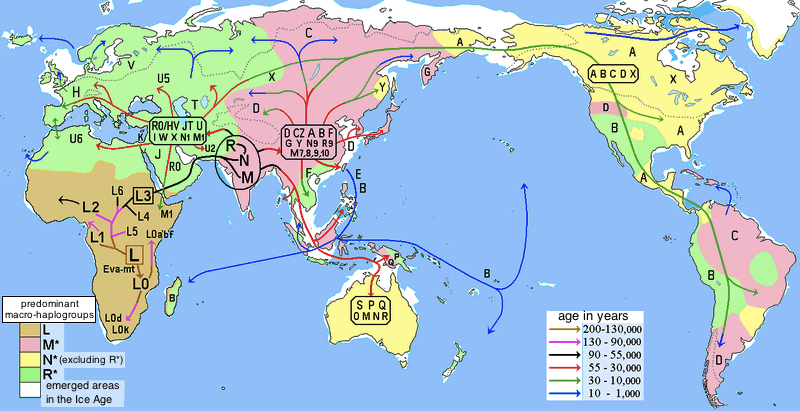
Through minor DNA changes, we know which early humans have descendants alive today. This successful “out of Africa” migration, the Southern Dispersal, took place around 70,000 to 50,000 BCE. Our ancestors proceeded to colonize all the continents and larger islands, arriving in… Eurasia circa 60,000 BCE Australia circa 65,000 BCE South America circa 30,000 BCE

Successful Out of Africa Migration Read More »

© N. Tamura (CC BY-SA)

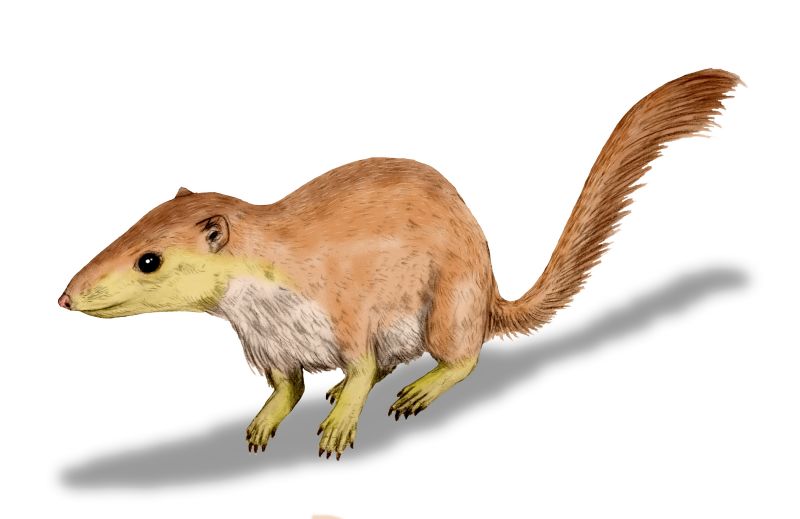
Purgatorius — Earliest known proto-primate.

Within mammals, only primates have binocular vision, grasping hands, and flat nails–instead of claws. Purgatorius might have had all three earning it the earliest known proto-primate label. It lived in Eastern Montana about 66 million years ago during the very last years of the Cretaceous period. It lived through the K-T extinction event and the extinction

Purgatorius — Earliest known proto-primate. Read More »

Hyoid Bone: Speach Emerges

Around 700,000 years ago, the development of a human-like hyoid bone suggests early hominins may have begun transitioning from simple vocalizations to more structured speech. This period marks a critical evolutionary point for Homo heidelbergensis, whose anatomical adaptations for speech, coupled with advanced tool use and complex social structures, indicate possible use of rudimentary language.

Hyoid Bone: Speach Emerges Read More »

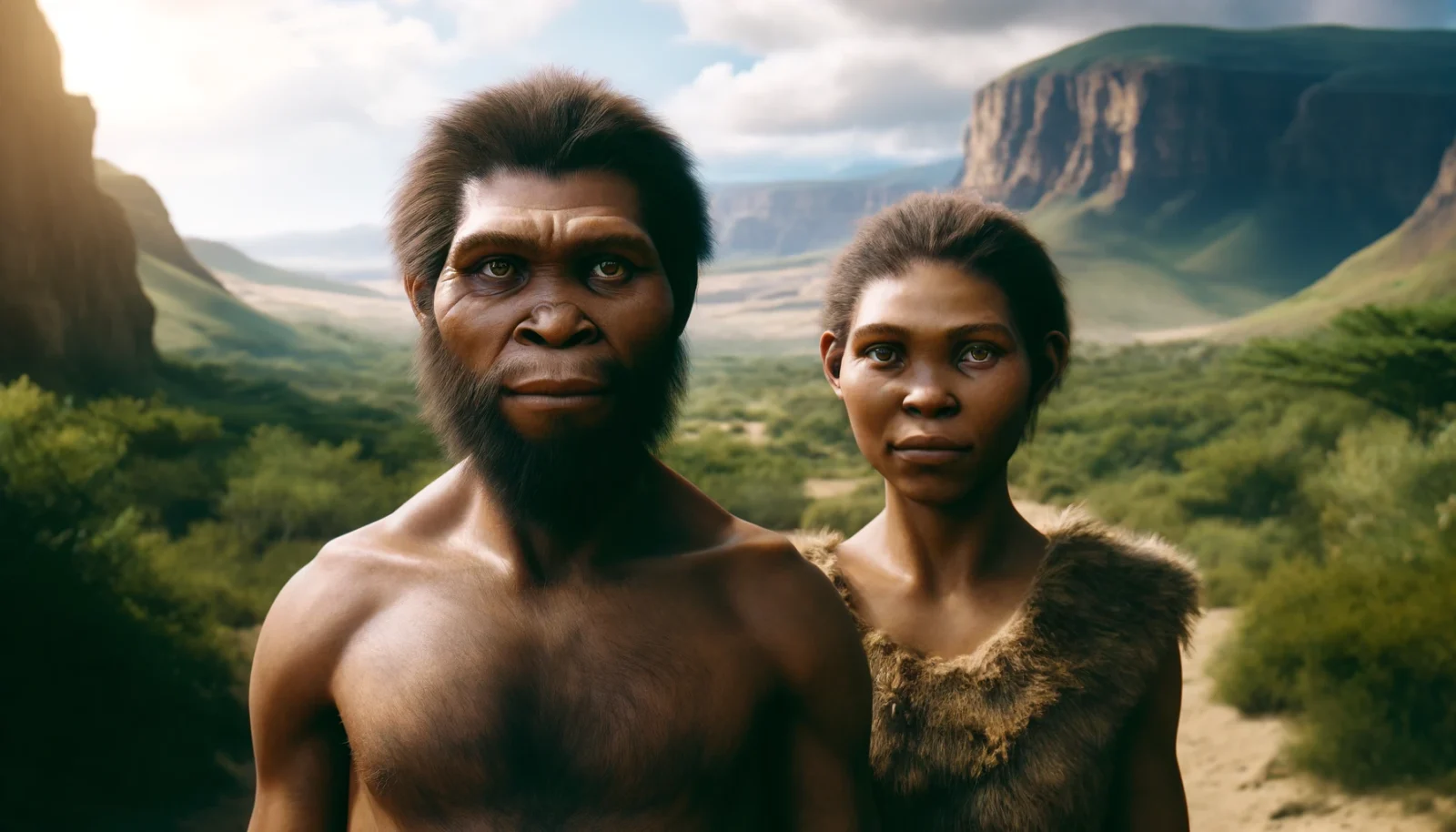
Homo habilis: Our Intelligence Settles.

92,000 Generations Ago Earliest Identified Human: Earlier hominins are “humanoid,” due to their human-like features, but the term “human” is reserved for species in the genus Homo. Homo habilis is the earliest known of these “early humans.” First Earth Explorer: Known as the “handy man,” Homo habilis’s association with the earliest stone tools is evidence

Homo habilis: Our Intelligence Settles. Read More »

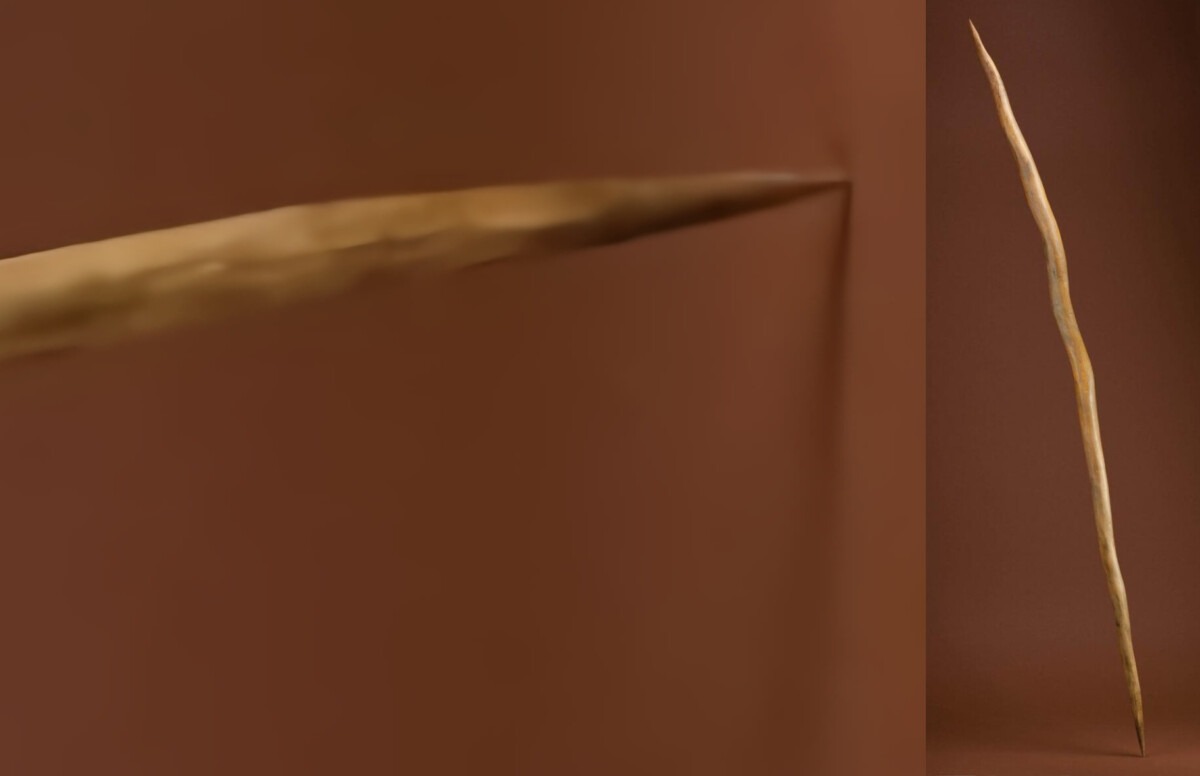
Homo neanderthalensis: Verified True Symbolic Thought

16,000 Generations Ago True symbolic thought emerges before 430,000 BCE: The discovery in 2018 of Neanderthal art dating back to 68,000 years ago, proved symbolic thought in Neanderthals. It also indicates strongly that symbolic thought evolved in or before our common ancestor about 430,000 years ago. This must be true unless either they evolved it

Homo neanderthalensis: Verified True Symbolic Thought Read More »

Scroll to Top