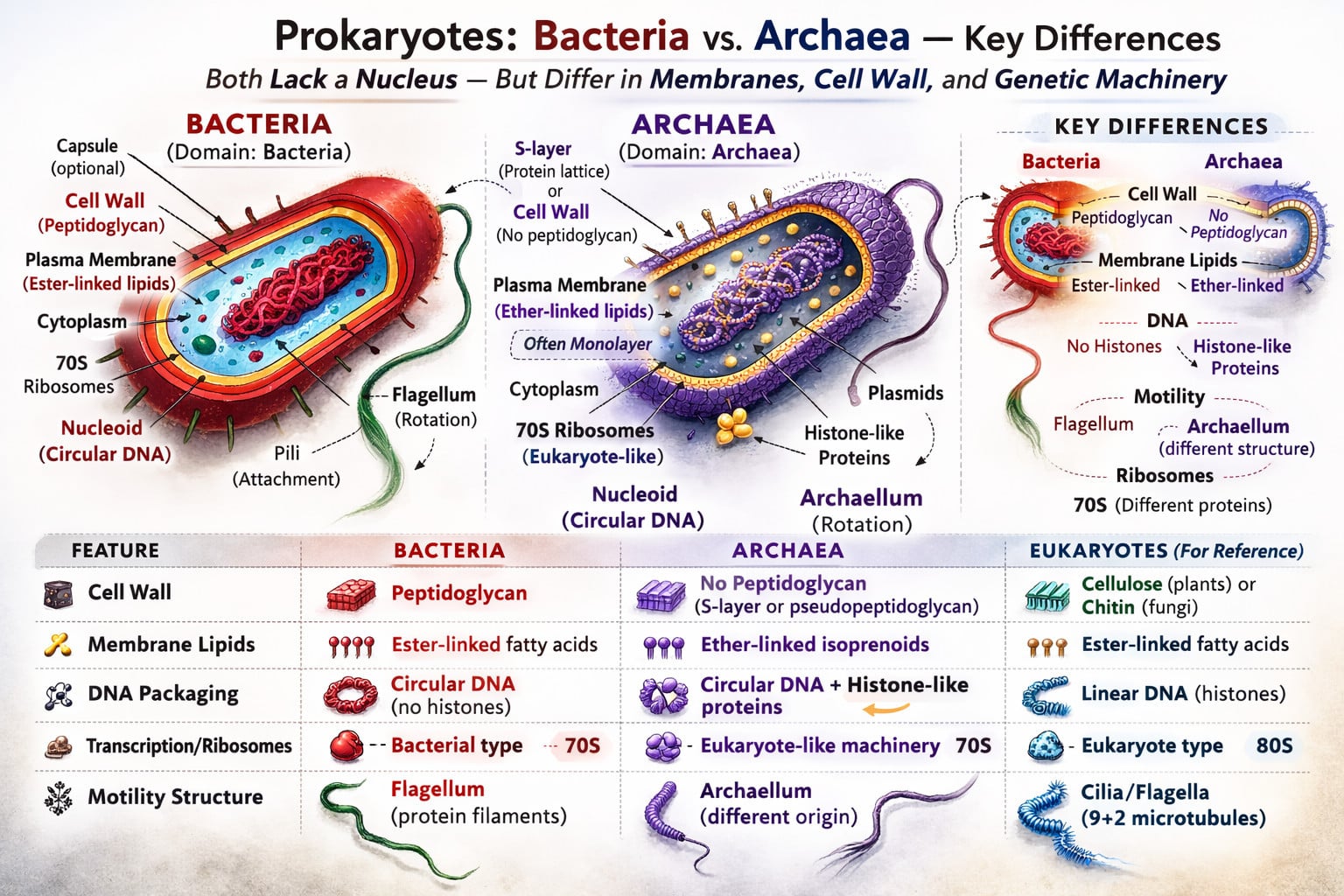
Prokaryotic Life
Prokaryotes are nucleus-free cells that include both bacteria and archaea — the two lineages that split shortly after LUCA.


Pre-hominid human evolution all the way back to LUCA.
Prokaryotes are nucleus-free cells that include both bacteria and archaea — the two lineages that split shortly after LUCA.
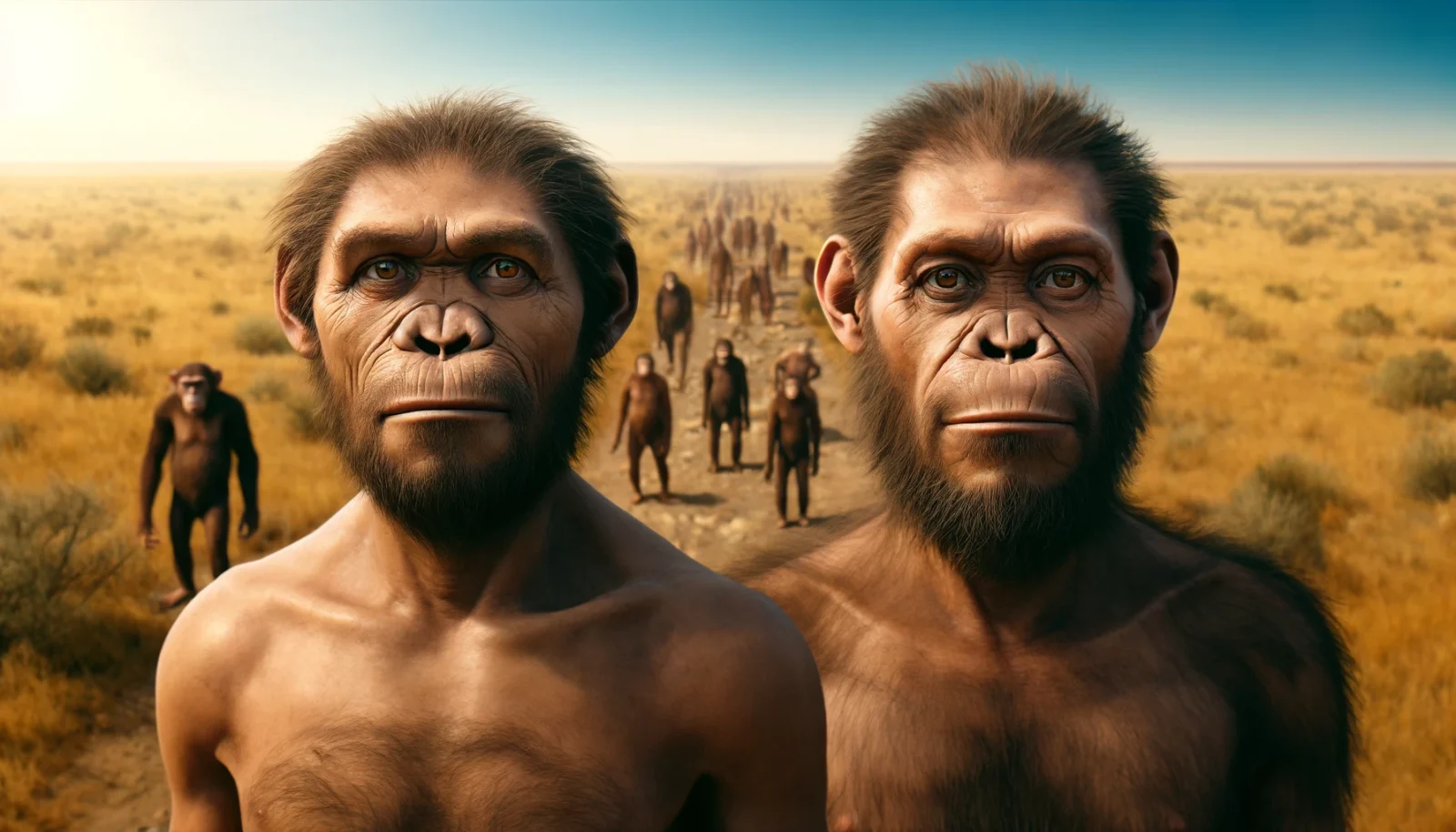
76,000 Generations Ago Homo erectus is a direct ancestor of modern humans and represents a key point in human evolution where evidence of a truly omnivorous diet becomes clear, including the use of tools for hunting and processing both plant and animal foods. This species shows significant brain enlargement and other adaptations indicative of complex
Homo erectus: A True Omnivore Read More »
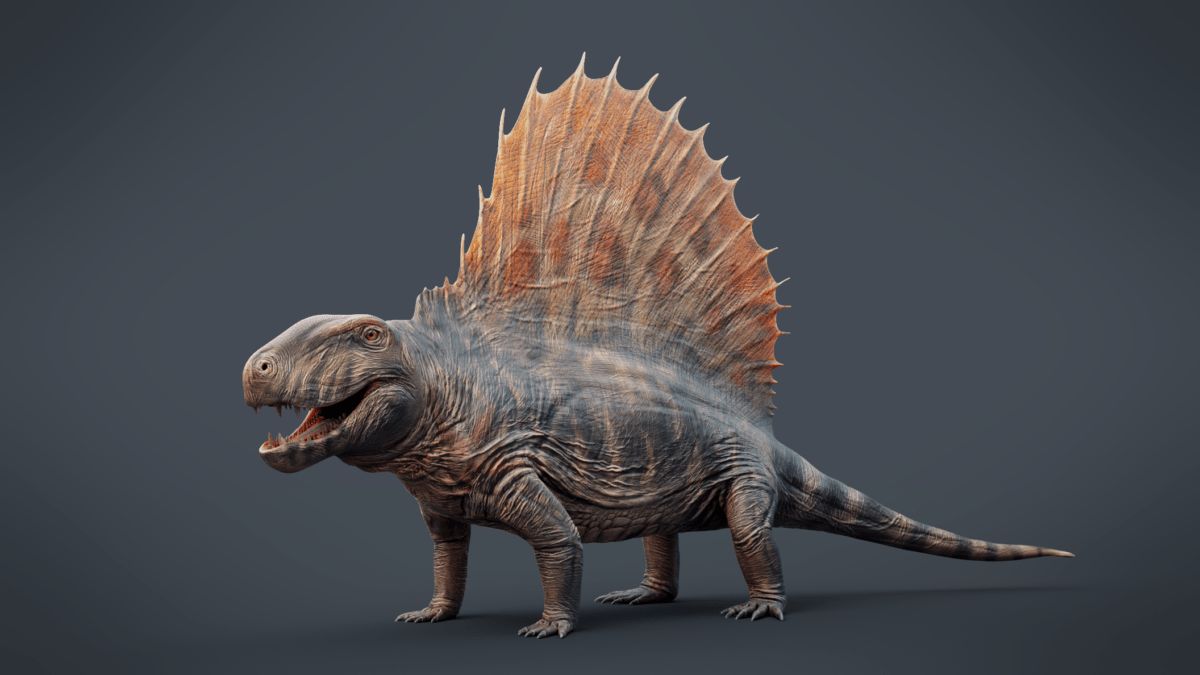
By about 280 million years ago, Dimetrodon was one of the best-known predators of the Early Permian. It stalked rivers and floodplains alongside caseid synapsids, large amphibians like Eryops, and a landscape of Calamites, Sigillaria, ferns, and early seed plants.
Early Complex Sentience Emerges: Dimetrodon Read More »
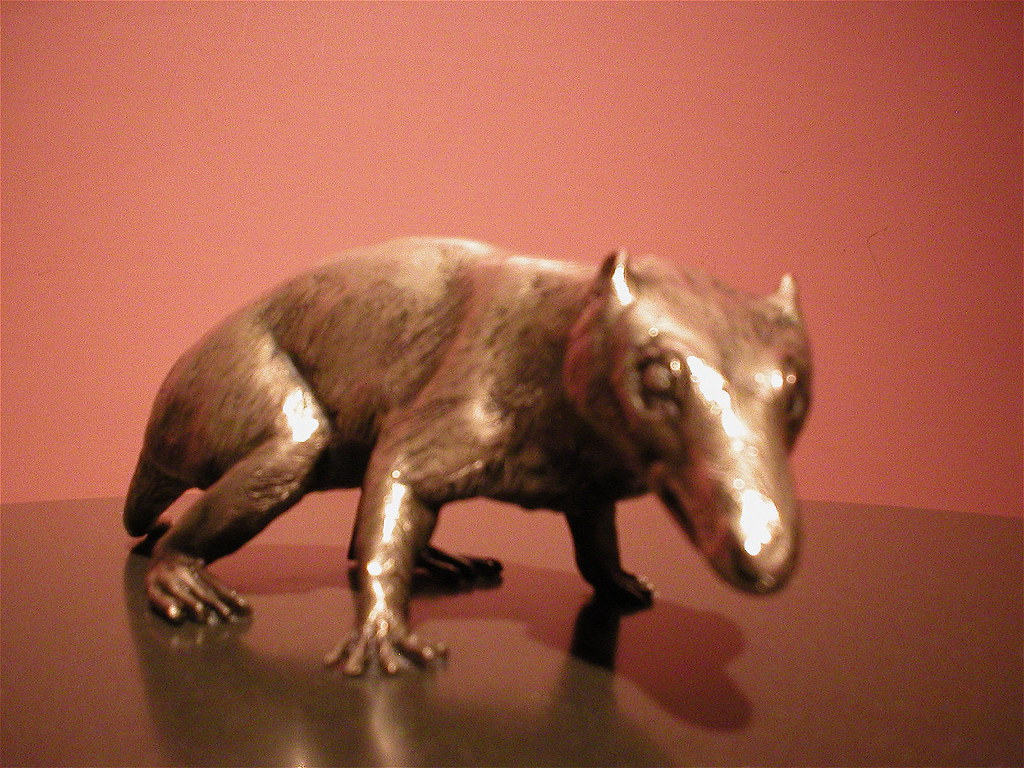
Morganucodon was an early mammaliaform from about 200 million years ago. Crown mammals emerged from within this group about 170 million years ago.
First Mammaliaforms: Morganucodon Read More »
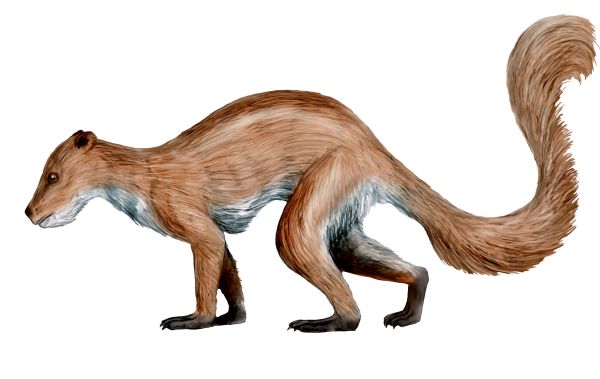
Plesiadapis, a proto-primate, is an example of a fruit-insect eater likely similar to our direct-line ancestors around this time.
Plesiadapis: First fruit-insect eaters. Read More »
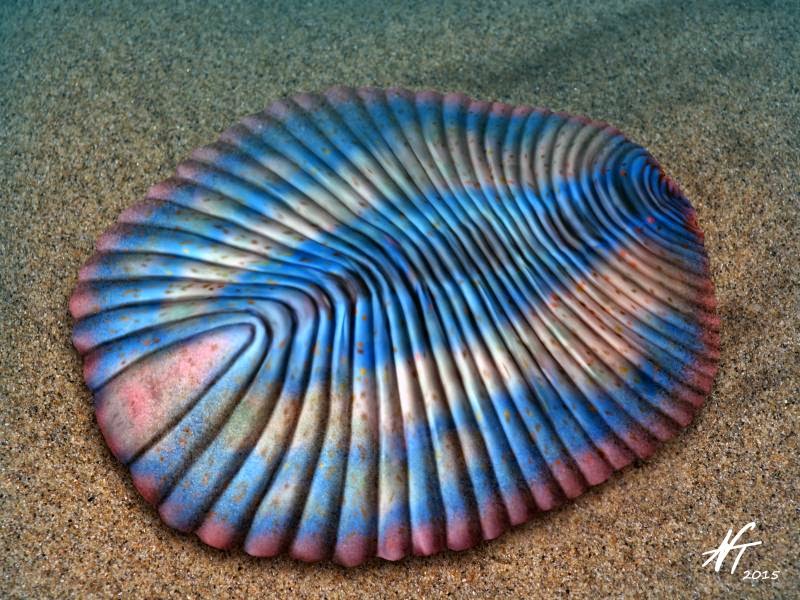
By the late Ediacaran, the animal world was already moving toward proto-nervous systems and the long road to brains.
Presentient Animals Emerge: The Ediacaran Prelude Read More »
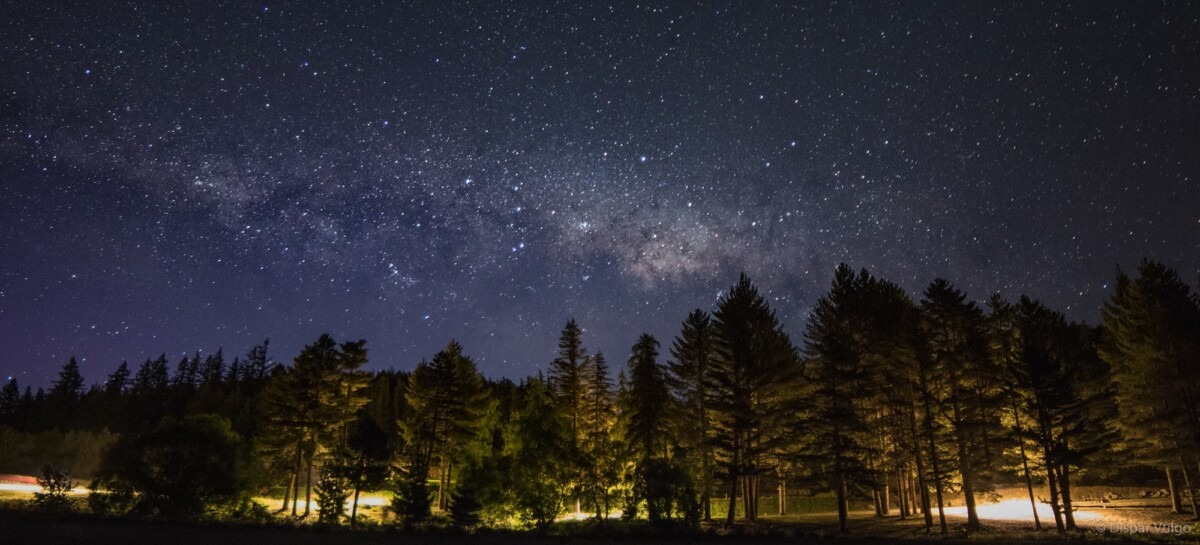
Current scholarship generally places the formation of the Milky Way between 200 and 600 million years after the Big Bang, during the period of early galaxy formation that followed the forging of Population II stars. Some of the oldest stars within the Milky Way belong to this Population II category, with estimates for their formation
Birth of the Milky Way Read More »
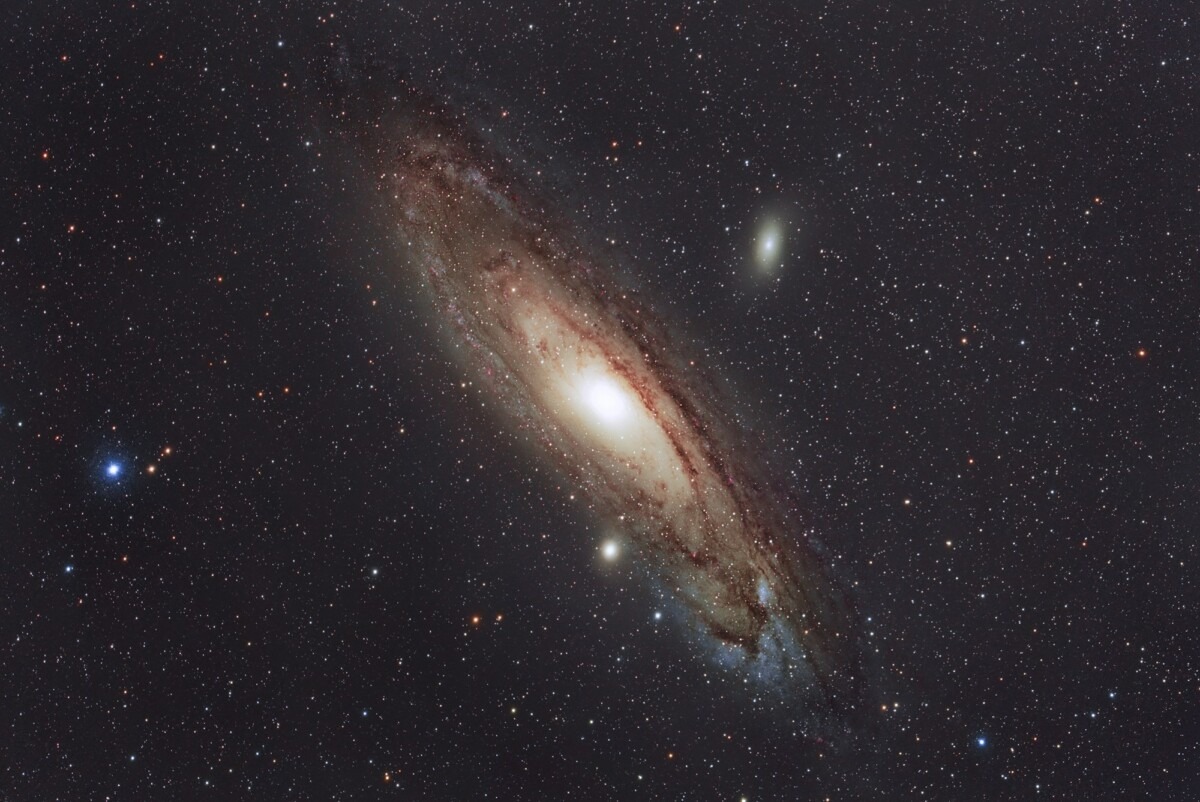
Galaxies formed early in cosmic history, within a few hundred million years of the Big Bang.
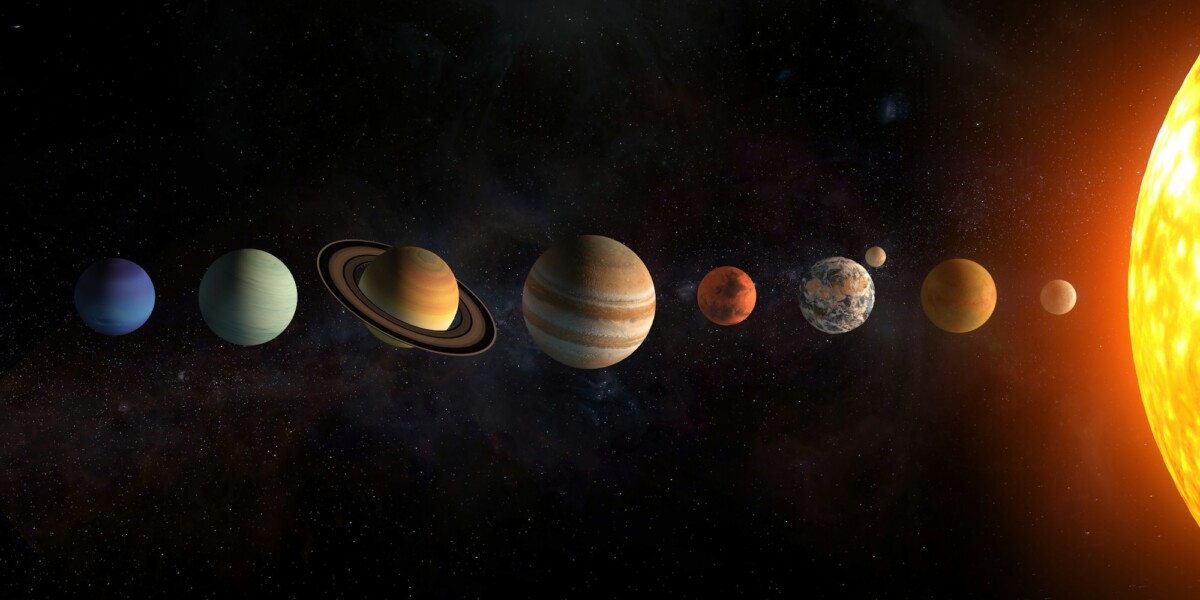
The Earth and the other planets formed 4.5 billion years ago from the same cosmic cloud—the primordial material which gave birth to the Sun. The dust and comets—the rocks—were composed largely of hydrogen, ice, carbon, and nitrogen.
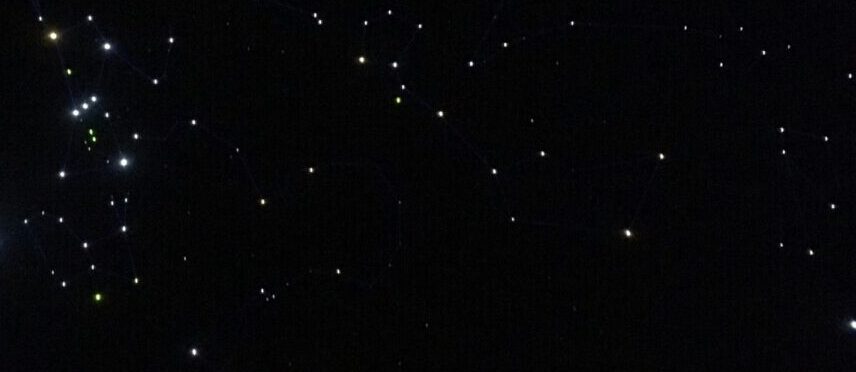
Population I stars likely started forming around 8 to 10 billion years ago, with the process continuing to the present day as new star-forming regions develop in galaxies. These third generation stars are composed of the remnants of Population II stars. The majority of the stars adorning the Milky Way today belong to this third
Population I Stars: Like our Sun Read More »
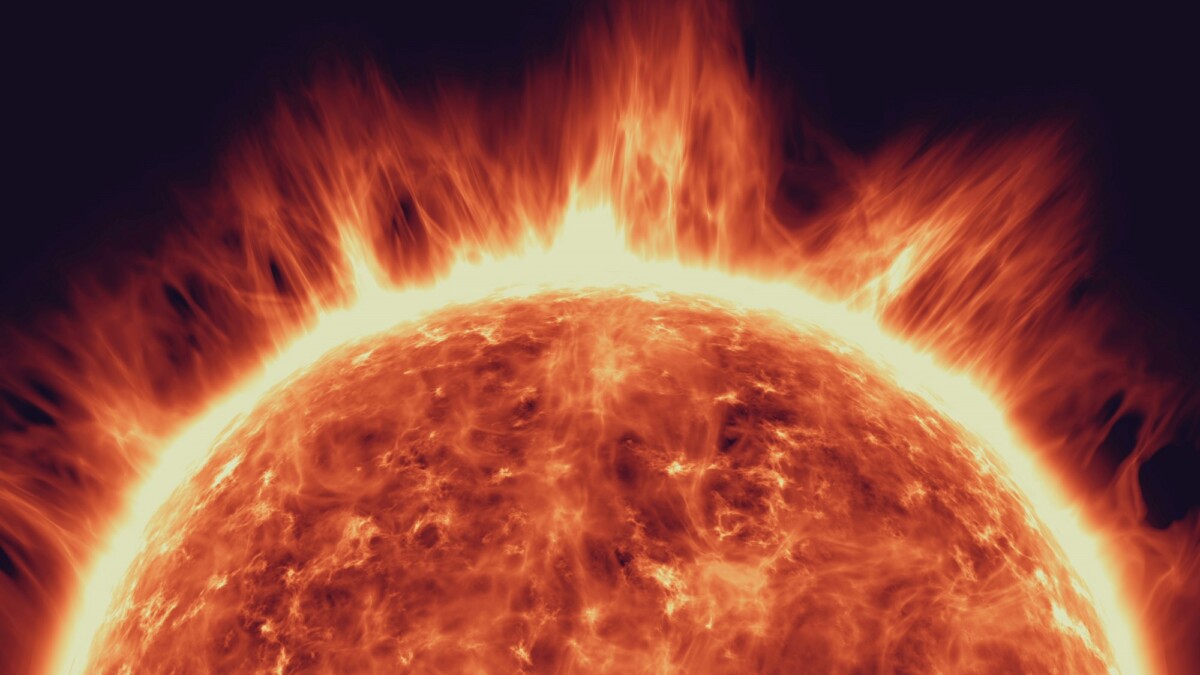
4.6 billion years ago, a cloud of gas and dust collapsed under the force of its own gravity to form our solar system.With the Sun at its center, glowing, the planets had not yet formed. The Sun, a G-type Population 1 star, shines brightly with a surface temperature of about 9,400 degrees, 5,500 Kelvin, and
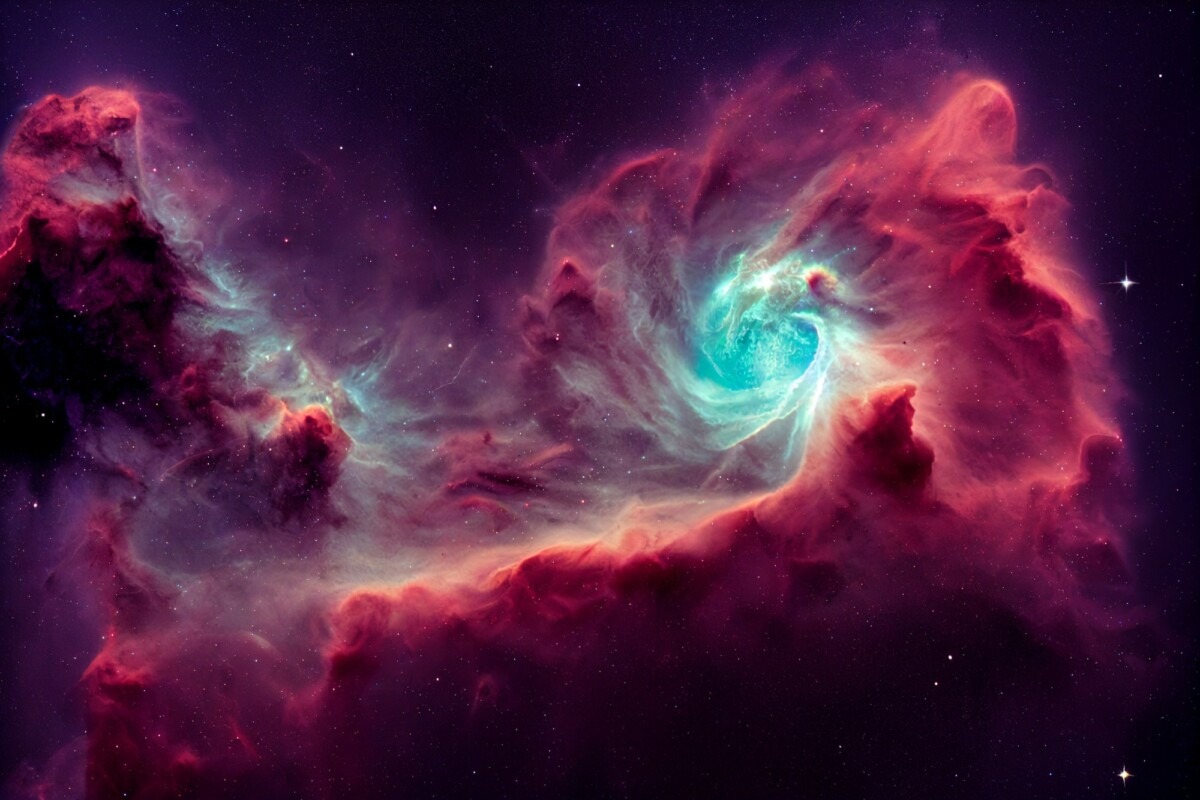
Legacy: Began enriching the interstellar medium with heavier elements, including carbon, necessary for organic chemistry From the ashes of Population III stars, celestial giants, rose a new generation of stars, the Population II stars. These stars contained a higher proportion of the heavier elements, granting them a longer lifespan, and likely the company of planets.
Population II Stars: Heavy Element Synthesis Read More »
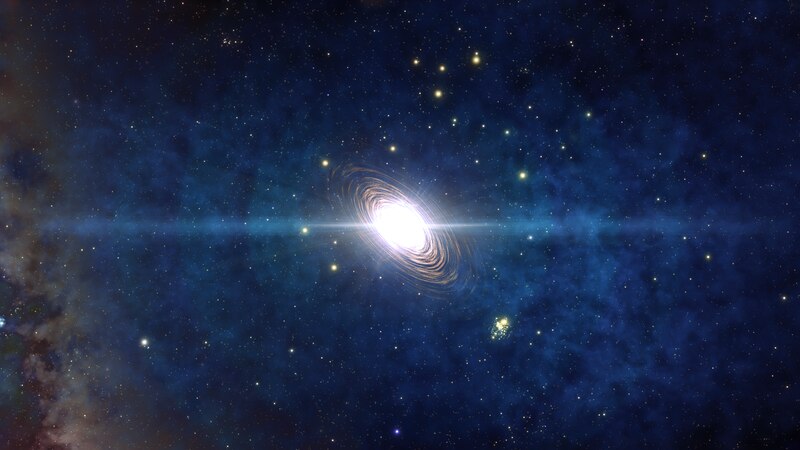
Legacy: First 26 elements of the periodic table of elements. After a few hundred million years, gravity continued to play its part, drawing atoms into an intimate collapse, giving birth to the very first stars and galaxies. These first stars, known as Population III stars, were stellar giants: massive, hot, and short-lived; they burned for
Population III Stars: Heavier Elements Read More »
The image of the early universe that we see in the CMB reveals a time shrouded in darkness. During this era, the 17 known particles first started to combine to form the universe’s first atoms. Electrons, protons, and neutrons came together to create neutral hydrogen atoms, a process that allowed photons—or light—to traverse the cosmos
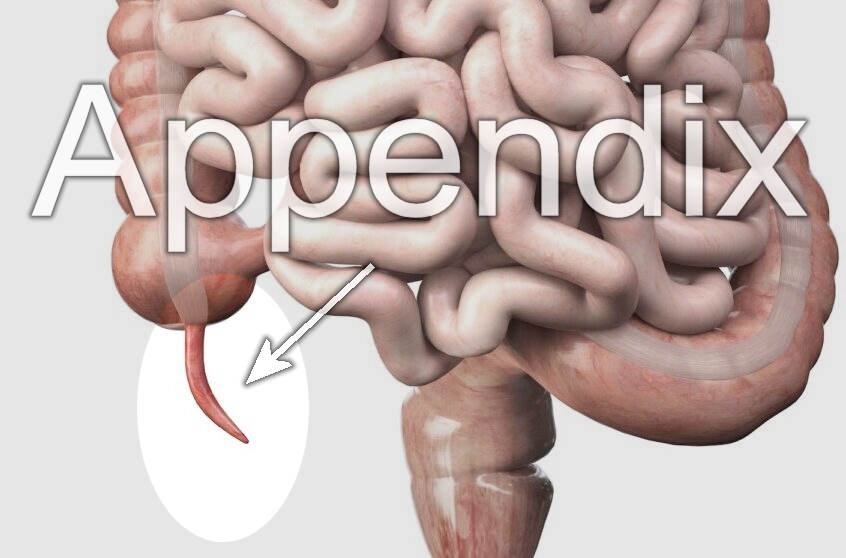
The appendix is an example of a Phenotype Variation — a trait that varies among individuals. In fact, something like 1 in 100,000 people are born without an appendix.
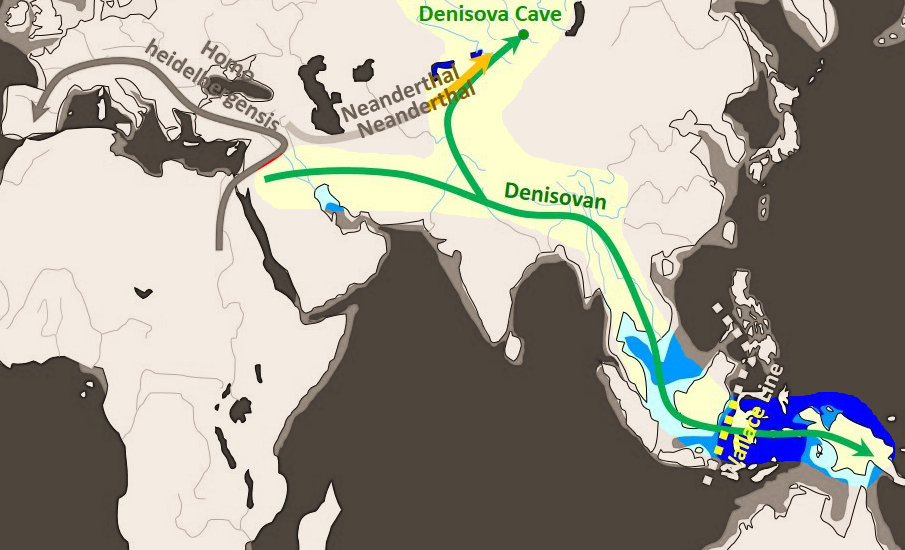
12,000 Generations Ago Neanderthals and denisovans in the genus Homo had a common ancestor about 370,000 BCE (current estimates range from 250,000 to 500,000 BCE). Though neanderthals, denisovans, and sapiens share a common ancestor, they didn’t evolve directly from each other. That common ancestor from which all three evolved from was likely a later Homo
Neanderthal-Denisovan Split Read More »
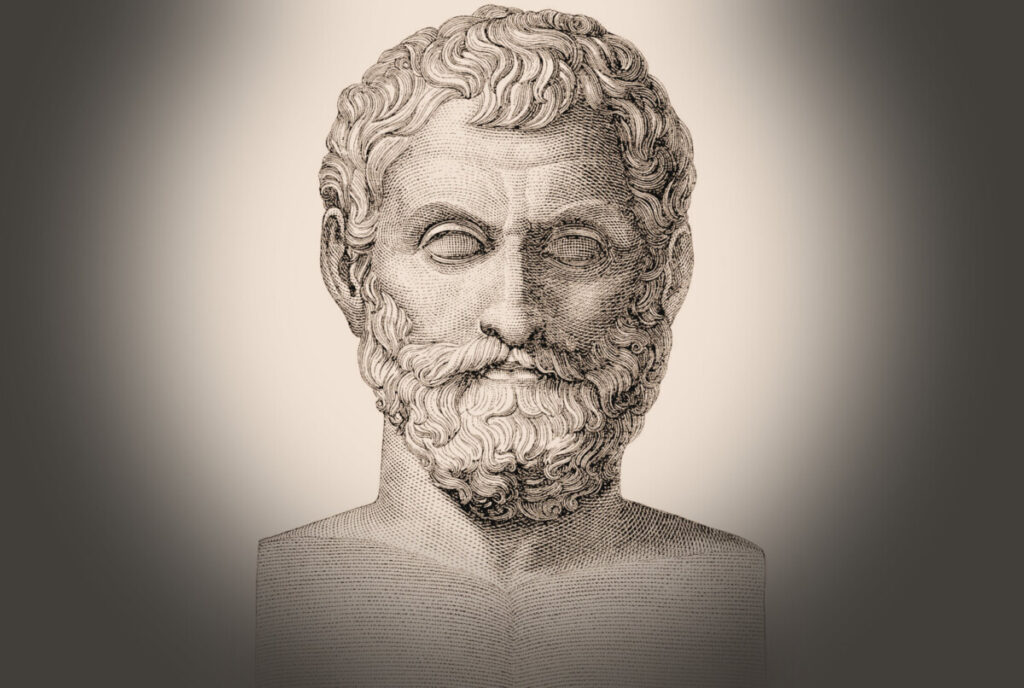
106 Generations Ago Thales of Miletus was a Greek philosopher, mathematician, and astronomer. Considered by many including Aristotle to be the first philosopher in the Greek tradition. He is also considered the father of science by many. Some of my favorite translated sayings are: Know thyself. A multitude of words is no proof of a
Thales of Miletus (624 – 546 BCE) Read More »

99 Generations Ago Socrates was a Greek philosopher and is frequently credited as the founder of Western philosophy. He left no writings, but his student Plato documented his philosophy. Some of my favorite translated sayings attributed to Socrates: Enjoy yourself — it’s later than you think. He who is not content with what they have
Socrates (469 – 399 BCE) Read More »
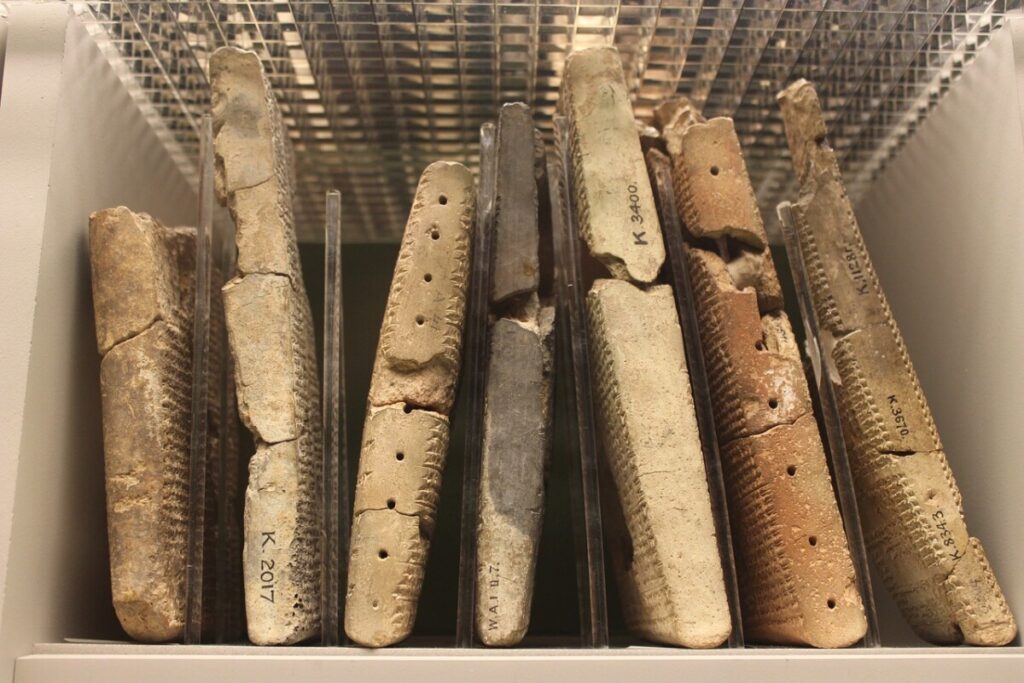
Earliest known writing in Africa/Middle East zone. Human DNA today is the same as 50,000 BCE. There is no doubt there were many dozens and perhaps thousands of civilizations prior to the Sumer civilization, but Sumer is the earliest known, or at least the earliest well known. The Sumer civilization first established between 6500 and
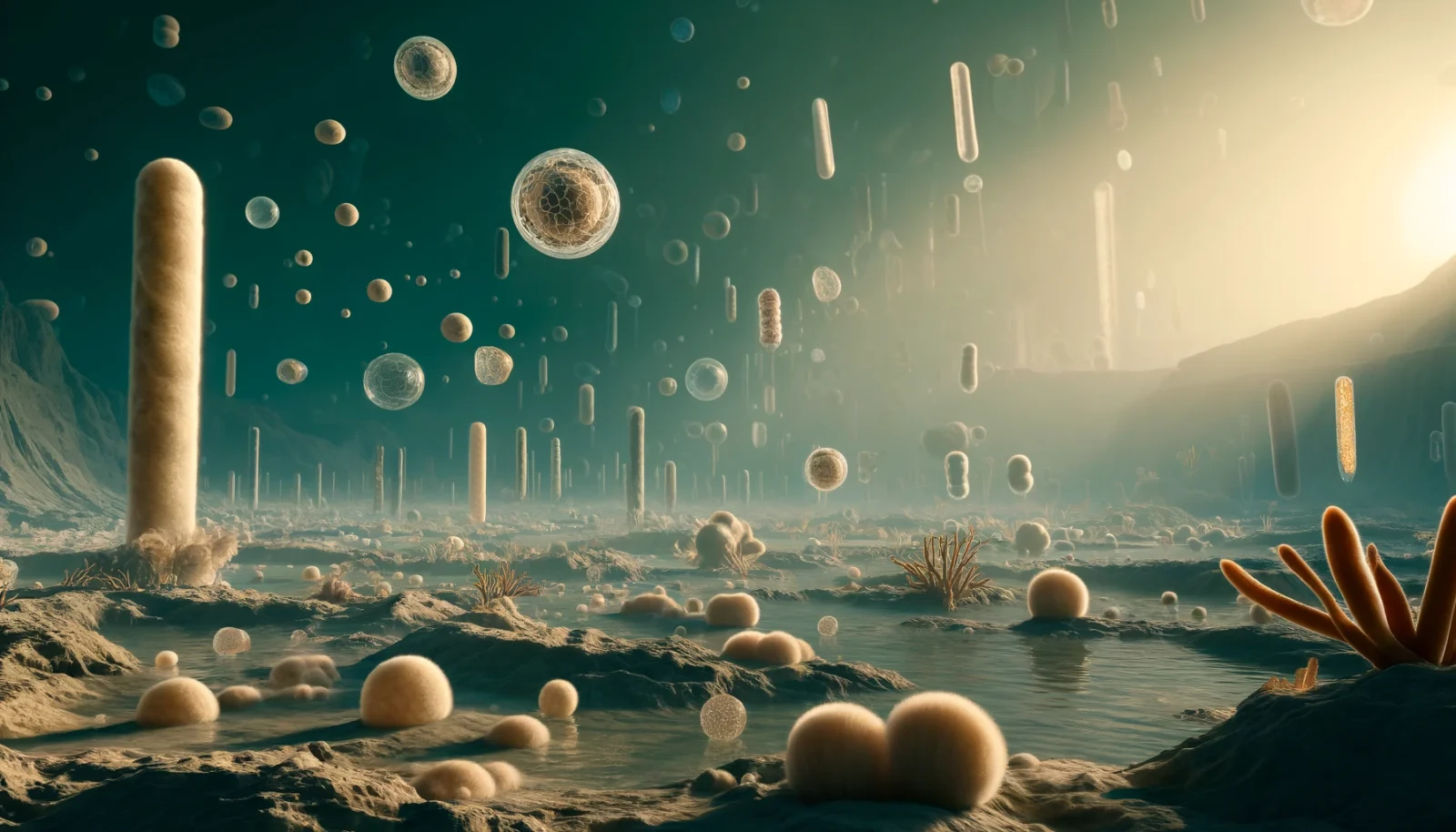
About 3.75 billion years lived LUCA. Not first life, but the common ancestor of all life today. LUCA used DNA, had ribosomes, used ATP, and had translation machinery. It lived in high-temperature environments.
LUCA: Last Universal Common Ancestor Read More »