Explore Science-first Philosophy

Human Ancestors

Pre-hominid human evolution all the way back to LUCA.

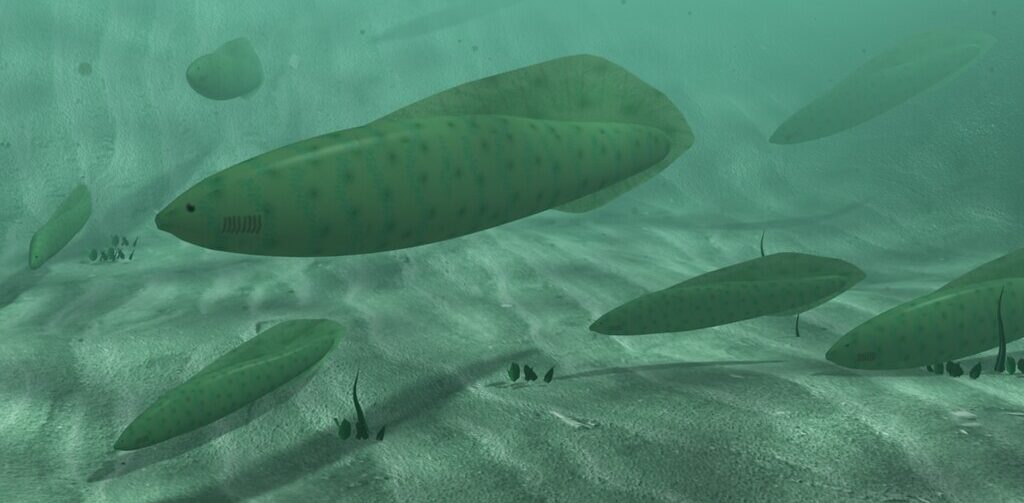
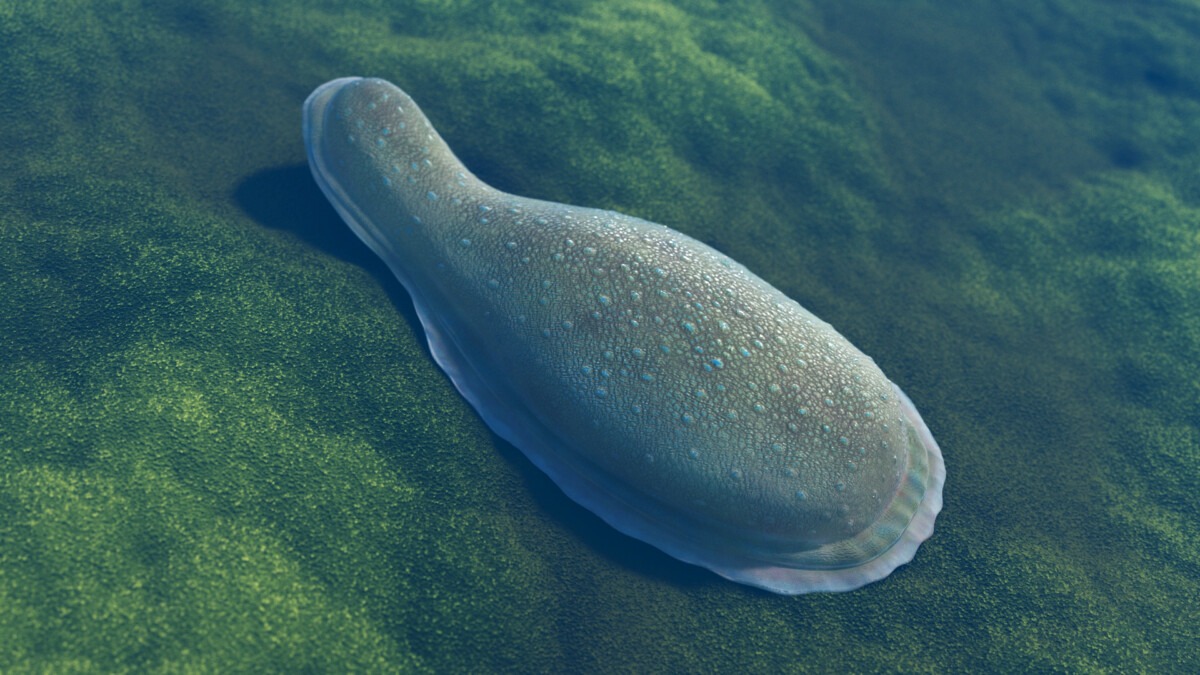
Simple Sentience Settles: Haikouichthys

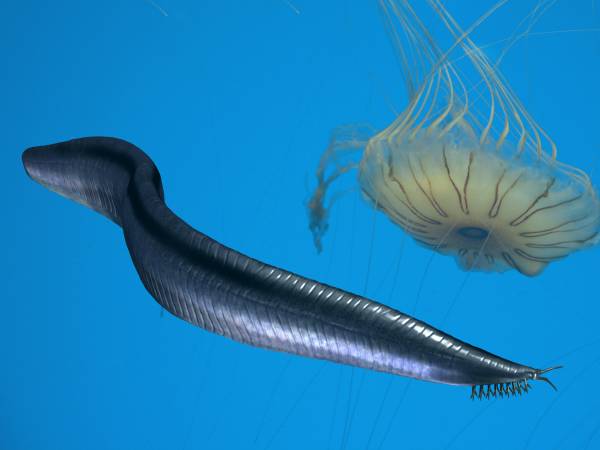
From no sentience or presentience to solidly “Simple Sentience,” early fish during this time represent our ancestral beings that started to suffer and feel the dichotomy of pleasure and pain. Haikouichthys (circa 520 Million Years Ago): Dwelling in the ancient seas of the Cambrian period, Haikouichthys is among the earliest forms of vertebrate life, showcasing fundamental advancements

Simple Sentience Settles: Haikouichthys Read More »

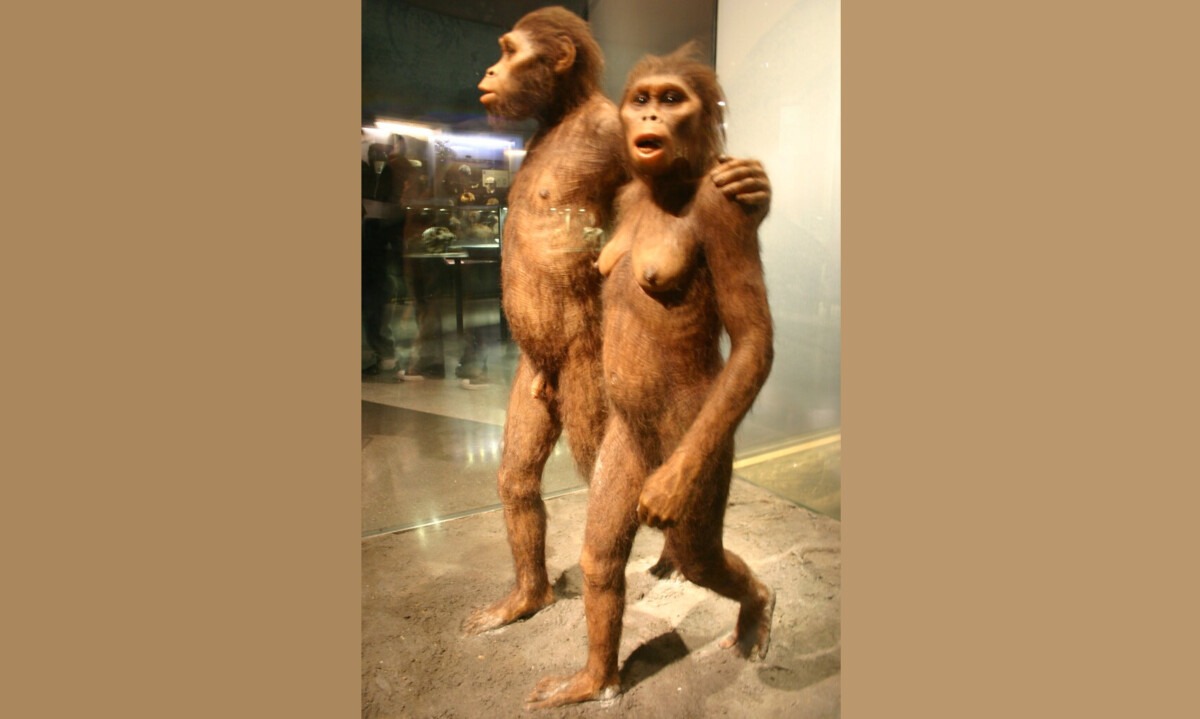
Genus: Australopithecus

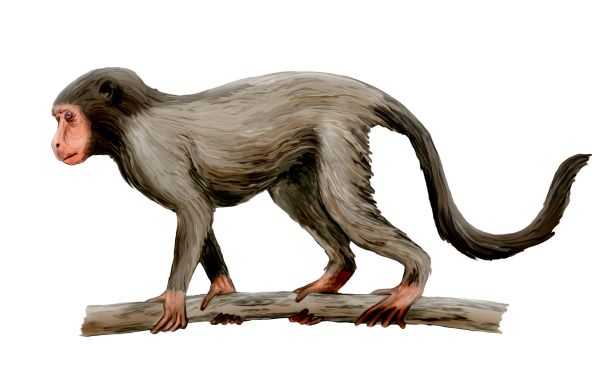
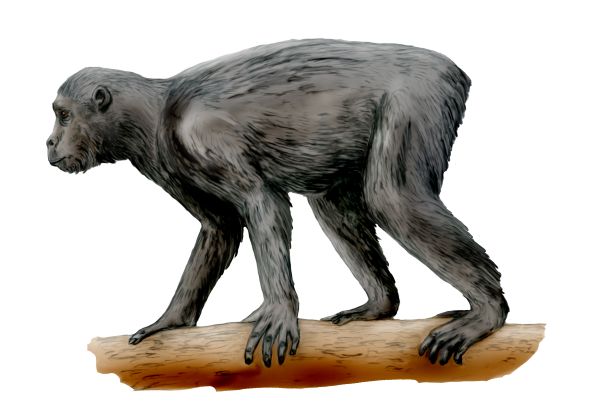
116,000 Generations Ago This genus is more directly ancestral to humans and includes several species, such as Australopithecus afarensis (famously represented by “Lucy”), Australopithecus africanus, and others. Australopithecines show a greater commitment to bipedalism and have features more closely resembling modern humans, although they still retained some adaptations for climbing. This genus is known for

Genus: Australopithecus Read More »

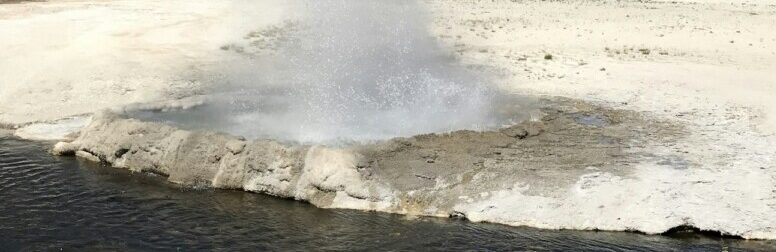
Geyser in Yellowstone National Park

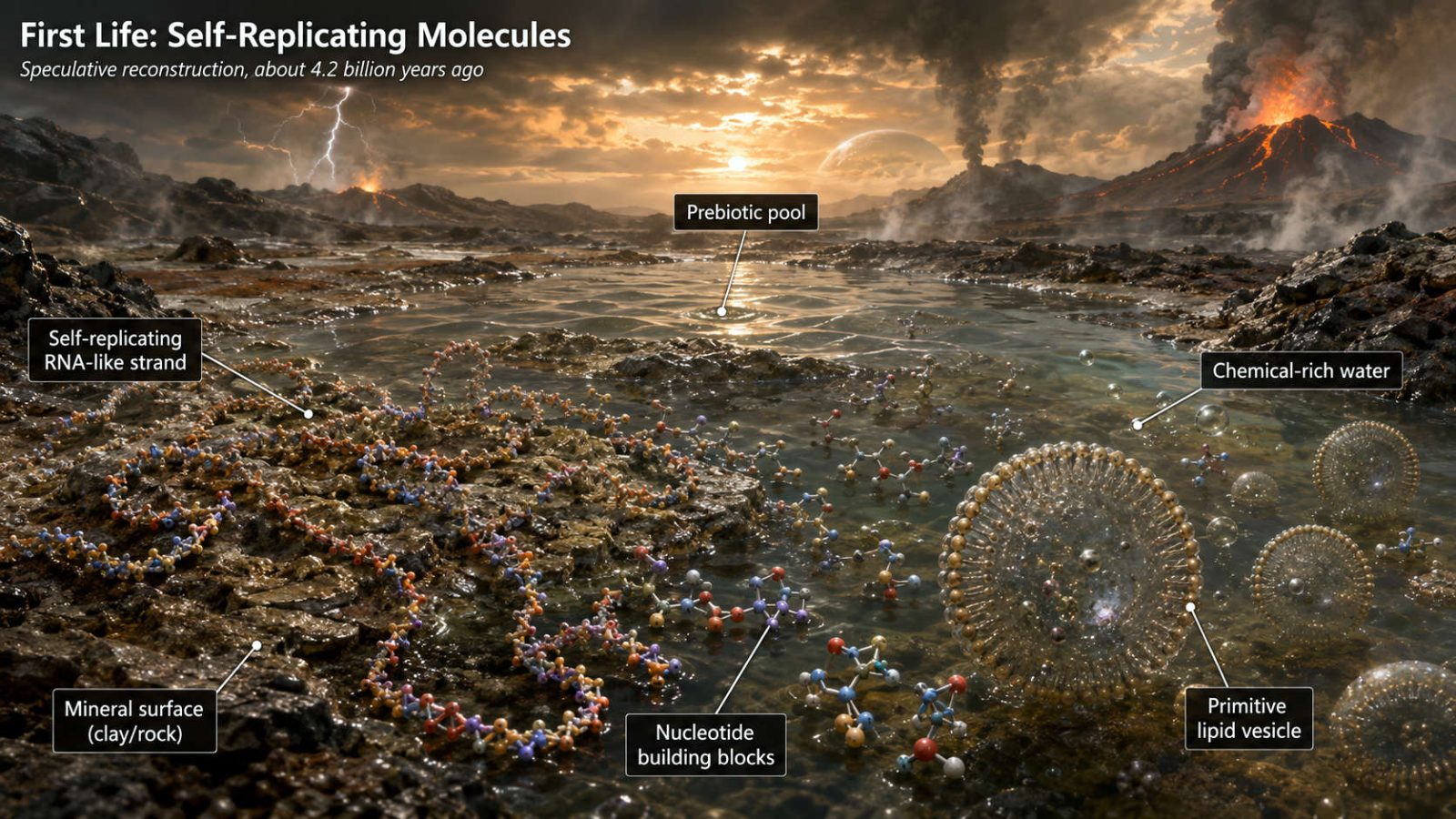
Formation of Prebiotic Microenvironments

Alongside or following the chemical evolution of organic molecules, the formation of prebiotic microenvironments, such as hydrothermal vents or warm little ponds, provided niches where concentrations of organic molecules could interact. These environments could have been crucial for the assembly of complex organic molecules and the initiation of catalytic cycles.

Formation of Prebiotic Microenvironments Read More »

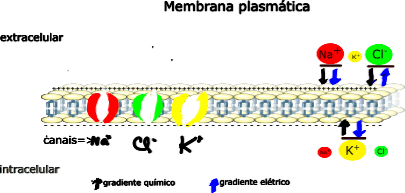
Cellular Membranes

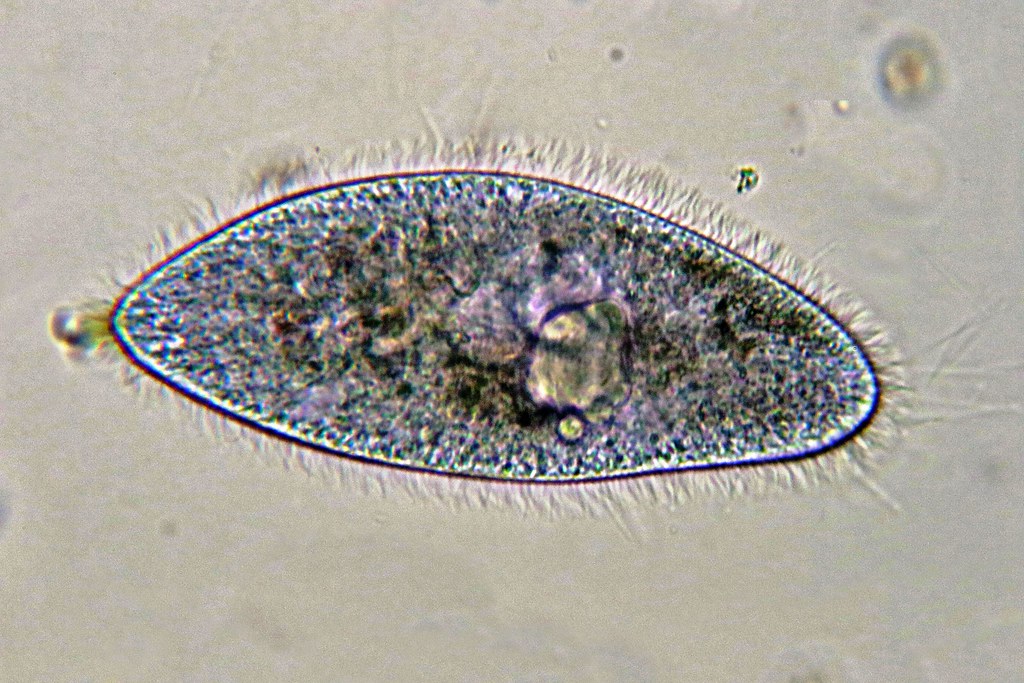
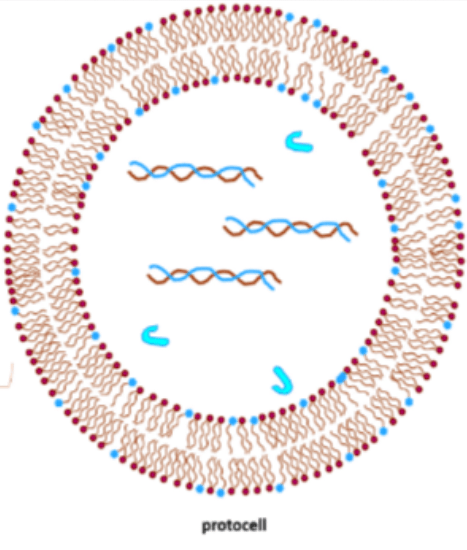
The formation of cellular membranes represents a pivotal development in the pre-life world, enabling the creation of defined boundaries for primitive cells. These membranes, likely formed from simple lipid bilayers, provided a controlled environment for chemical reactions and played a critical role in the emergence of the first cell-like structures, distinguishing them from their surrounding

Cellular Membranes Read More »

Scroll to Top