Explore Science-first Philosophy

Human Ancestors

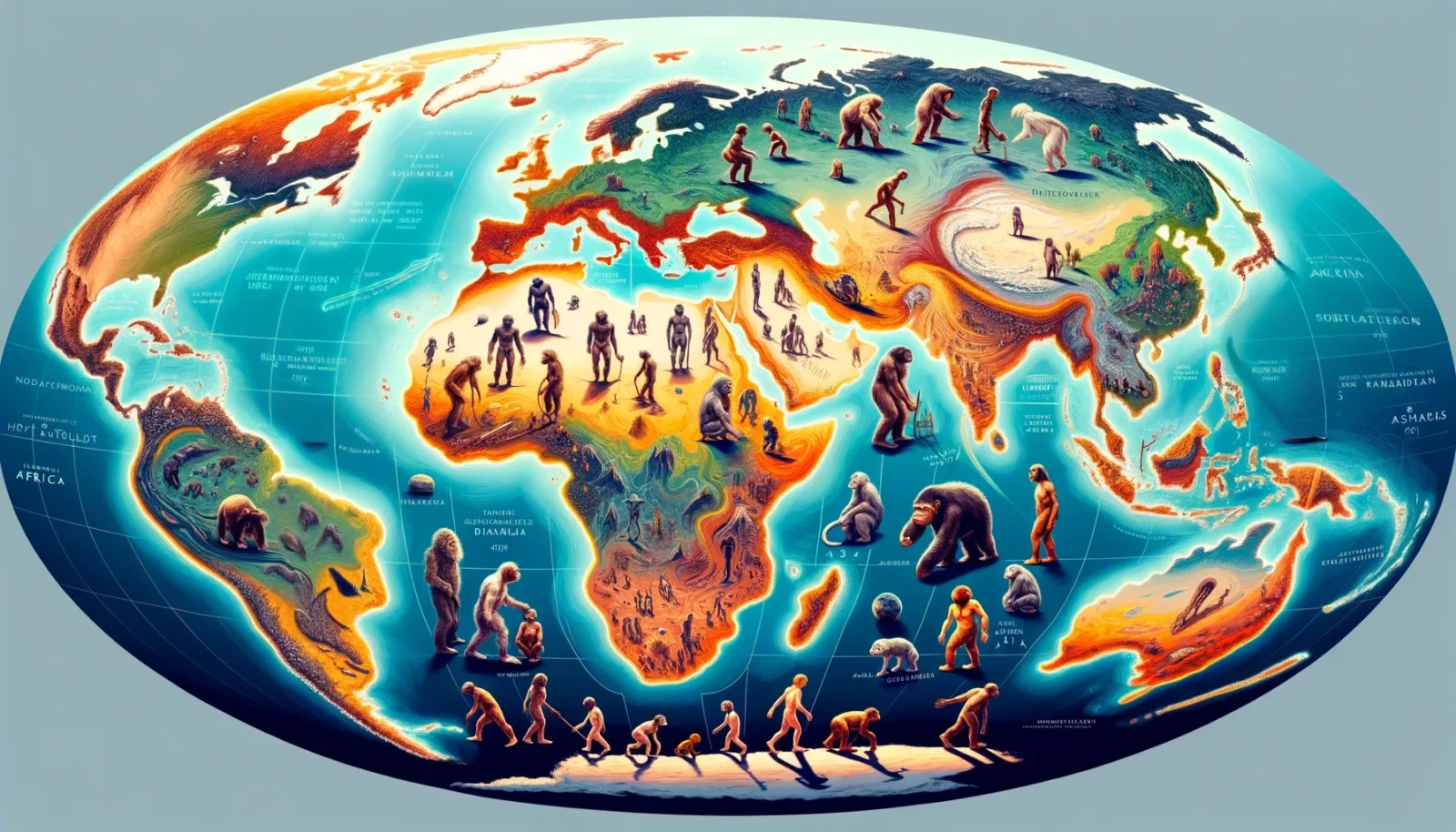
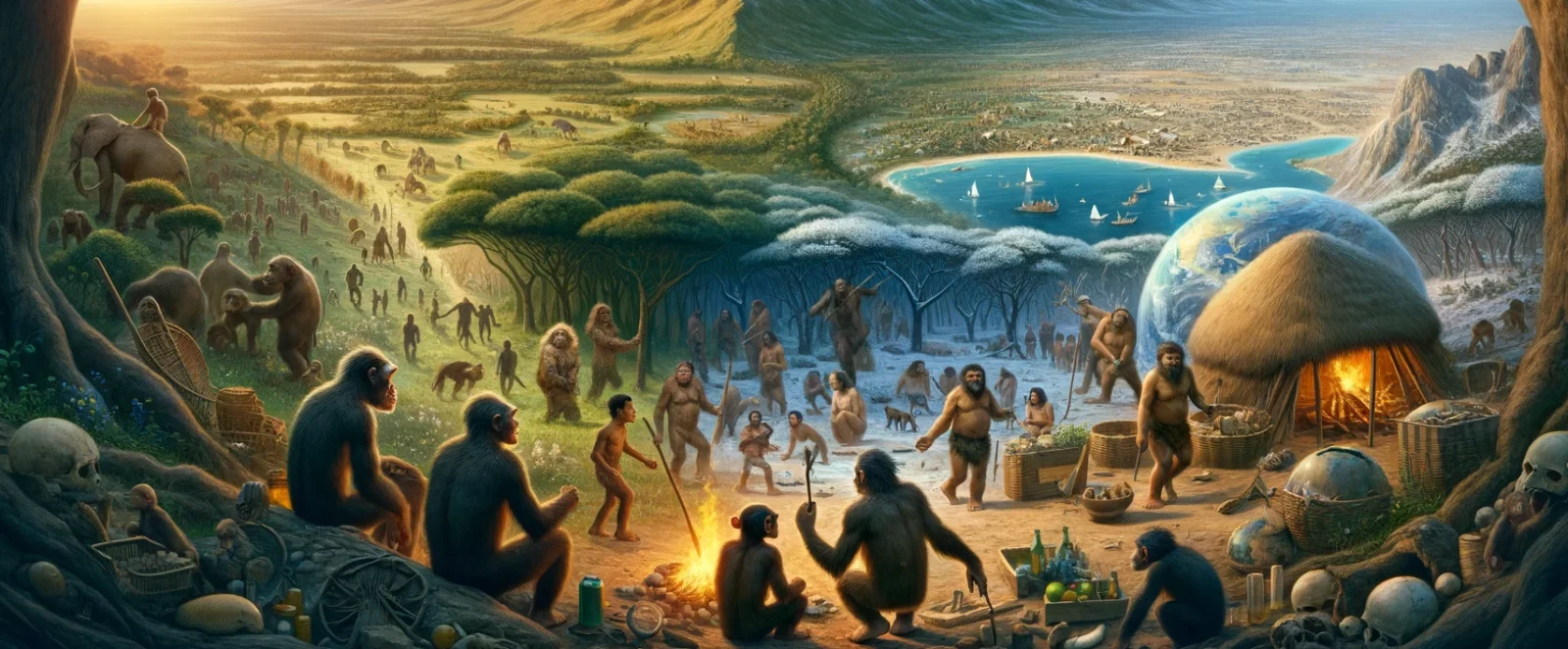
Pre-hominid human evolution all the way back to LUCA.

First Atmosphere: Hydrogen & Helium

Likely white or grayish atmosphere: The first atmosphere developed first but was not directly involved in the development of life. The first atmosphere formed shortly after Earth’s formation around 4.5 billion years ago. This initial atmosphere was primarily composed of hydrogen and helium, the lightest and most abundant elements in the universe, which were captured from […]

First Atmosphere: Hydrogen & Helium Read More »

Phenotype Variation: Eye Shape and the Epicanthic Fold

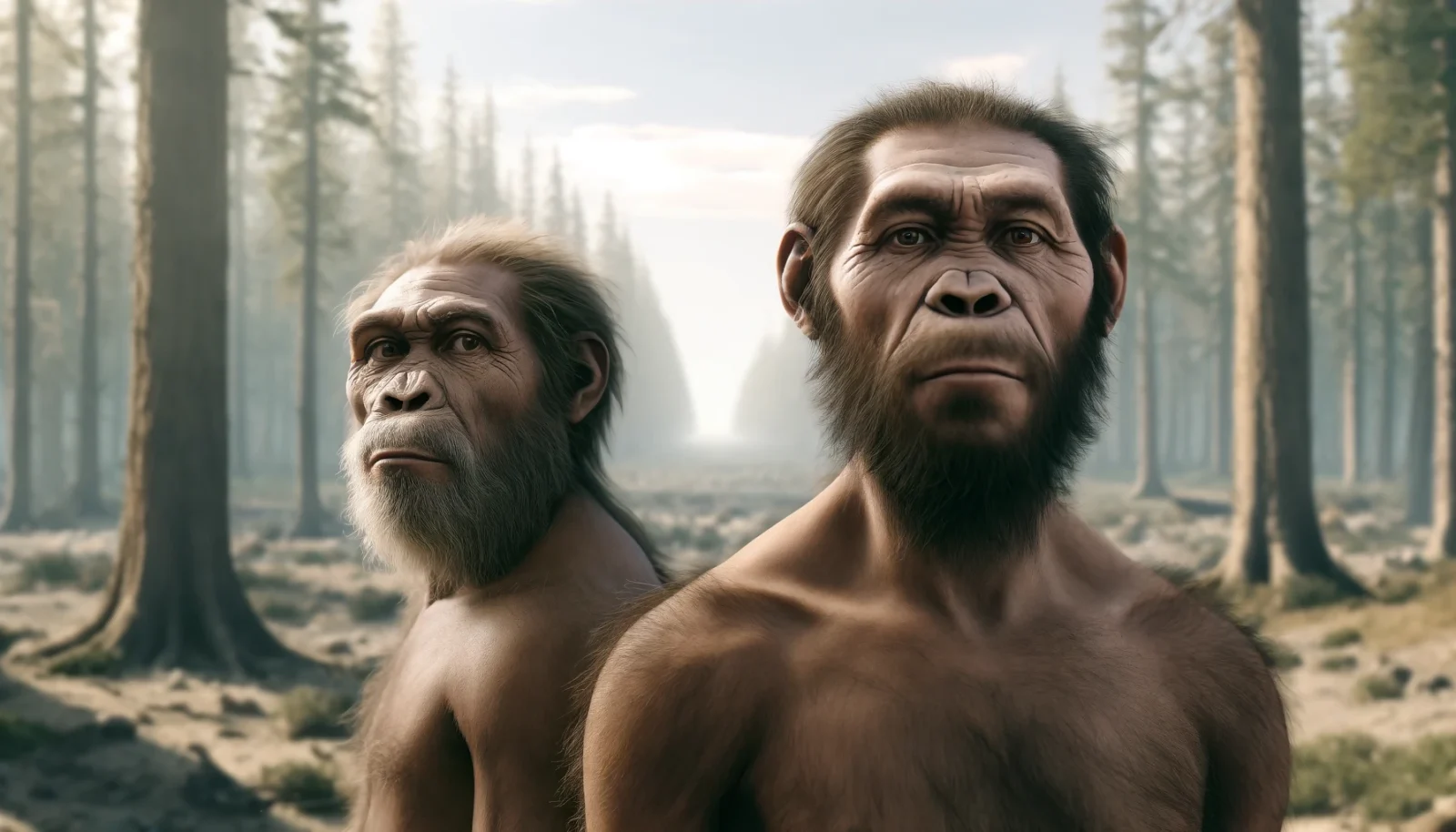
The feature of the epicanthic fold, particularly prevalent among East Asian populations descended from Haplogroup A, is an adaptation to cold, windy, and bright environments encountered as humans migrated northward from Africa. This phenotype likely developed to protect the eyes from frostbite and snow blindness, showcasing how genetic diversity within human lineages adapted to specific

Phenotype Variation: Eye Shape and the Epicanthic Fold Read More »

Skin Color Diversity Across and within Primate Species

The skin color diversity in primates over the last 20 million years showcases the adaptability of primates. The melanin levels in primate skin vary significantly based on the varying levels of UV radiation exposure in different climates. In high UV regions, darker skin evolved to protect against UV damage and folate degradation, while in areas with

Skin Color Diversity Across and within Primate Species Read More »

Emergence of Blood Type Variability in Primates

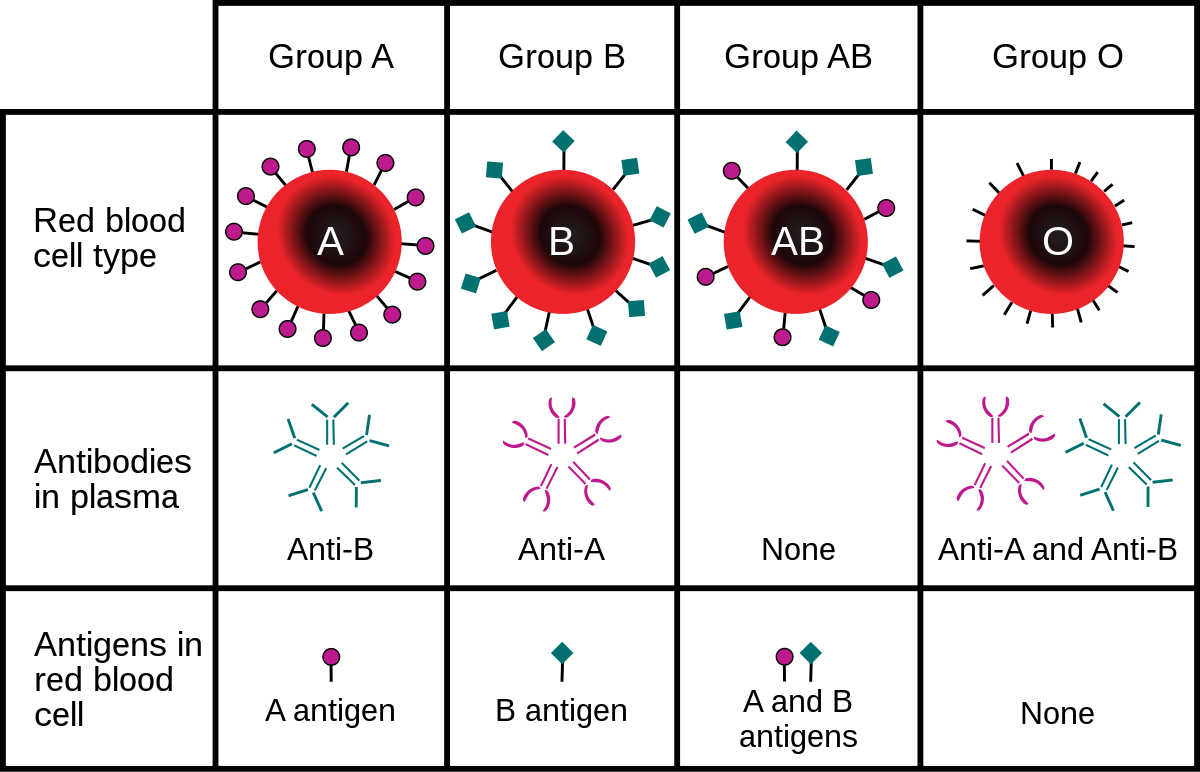
Blood type variations originated from common primate ancestors around 20 million years ago. While blood transfusions between species, such as between apes and humans, are not viable due to different and incompatible blood antigens, the development of blood type systems, including types similar to the human A, B, AB, and O, can be traced back

Emergence of Blood Type Variability in Primates Read More »

Genus Dryopithecus: Cultural Transmission Emerges

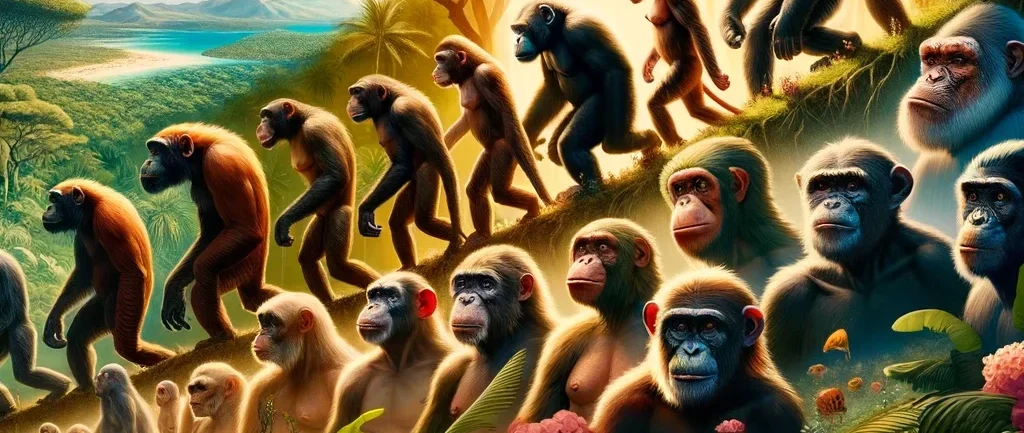
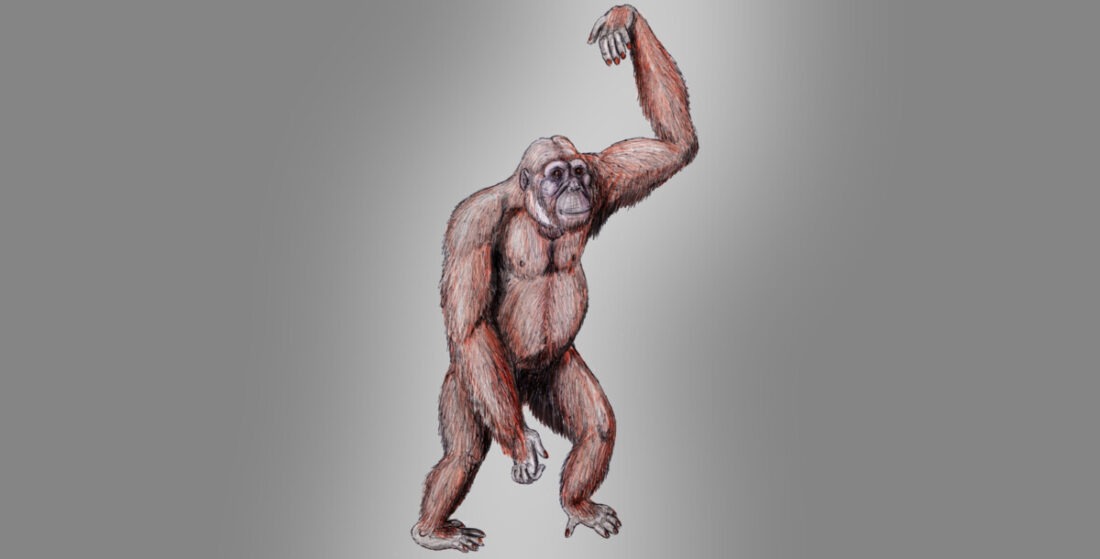
Likely an orangutan ancestor: As the branches of the ape family tree diverged, Dryopithecus emerged during the Miocene epoch, offering a glimpse into the early development of primate social structures. Living approximately 13 to 12 million years ago, this early ape flourished in the European forests, at a time slightly preceding or overlapping with the

Genus Dryopithecus: Cultural Transmission Emerges Read More »

Francis Bacon

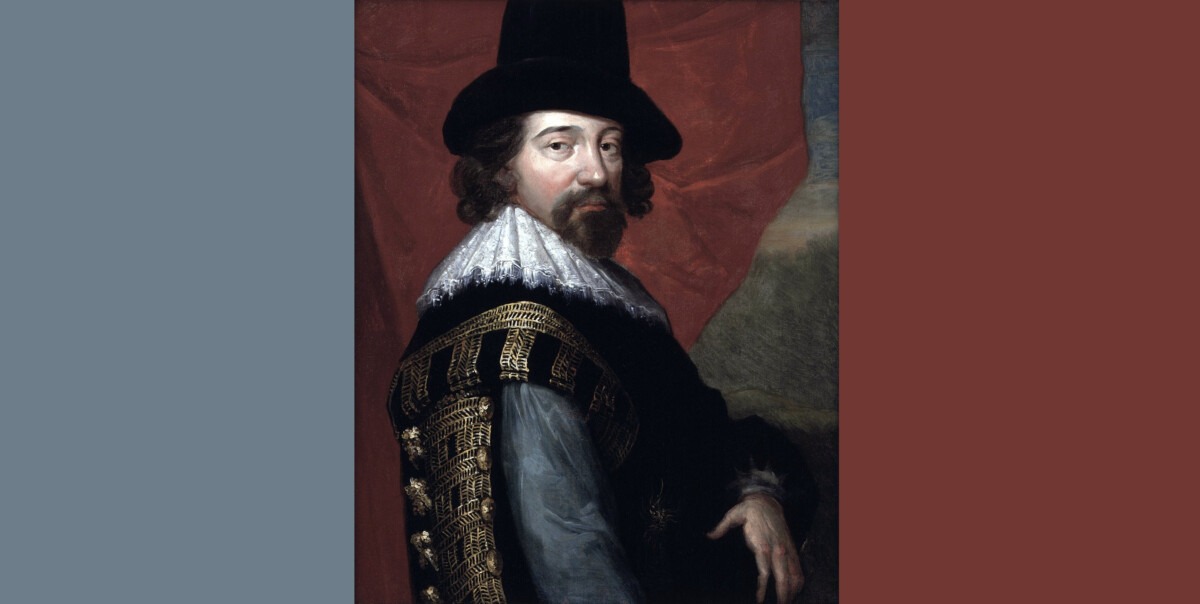
18 Generations Ago 30 Phil, Chapter 20: Francis Bacon and the Scientific Method Francis Bacon was born on January 22, 1561, in London to a prominent and influential family. The young Francis Bacon received a comprehensive education, attending the prestigious Trinity College, Cambridge, at the age of 12. Bacon is the Father of the Scientific

Francis Bacon Read More »

debris of a stellar explosion, 3d illustration

Interstellar Clouds: Organic Molecules

The synthesis of simple organic molecules such as formaldehyde (H₂CO), methanol (CH₃OH), and simple hydrocarbons in the dense molecular clouds of the interstellar medium occured once sufficient carbon was present. This process has been ongoing for billions of years but became more prevalent as the universe aged and more carbon became available. Big History Thresholds:

Interstellar Clouds: Organic Molecules Read More »

Inorganic Precursors to Organic Molecules

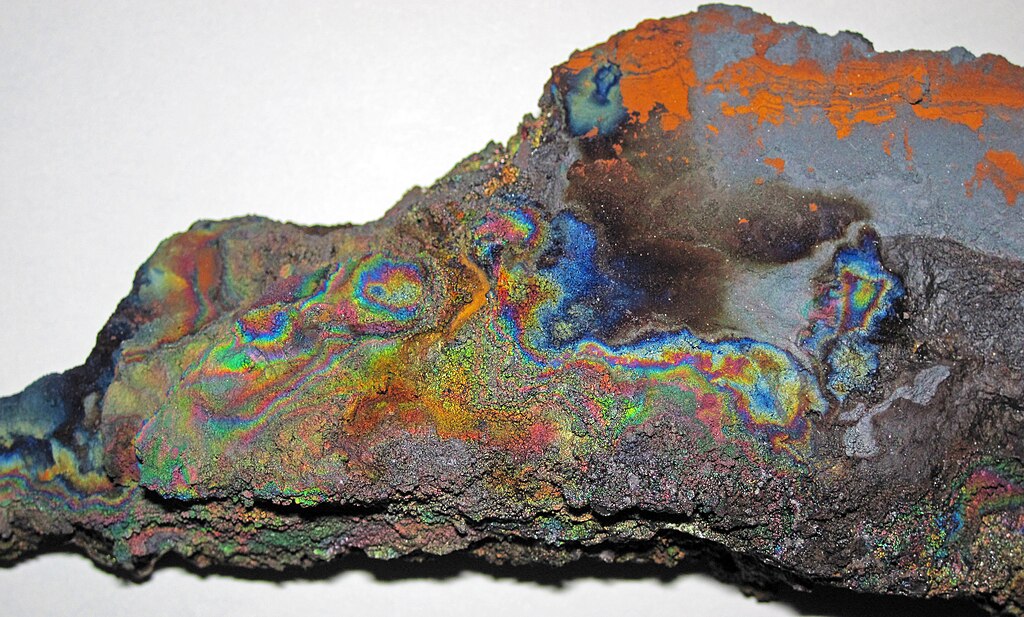
The chemical evolution from inorganic precursors to organic molecules is a fascinating story of transformation driven by Earth’s dynamic early conditions and possibly assisted by the input from space in the form of meteorites rich in organic compounds. During this period, the Earth witnessed a series of complex chemical reactions facilitated by its primordial atmosphere,

Inorganic Precursors to Organic Molecules Read More »

Animal Chemoreception: Proto-Taste and Smell Emerge

Chemoreception is older than animals and is found across life, including bacteria, fungi, and plants. Taste and smell evolved later in animals, after the bilaterian split, as early nerve nets and proto-nervous systems gradually gave rise to animal brains that benefited from more specialized information for navigating life. Animal-level chemoreception, the ability to detect chemical

Animal Chemoreception: Proto-Taste and Smell Emerge Read More »

Land Hearing Emerges: Amphibians

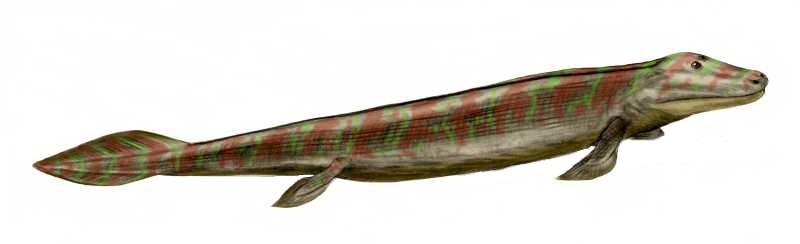
Hearing, which initially appeared in early fish, underwent a remarkable transformation as vertebrates transitioned to terrestrial life a bit after 400 million years ago. Early forms of hearing involved simple pressure-sensitive cells that could detect vibrations in water. As amphibians moved onto land, rudimentary hearing evolved into processing airborne sound. This transition further drove the

Land Hearing Emerges: Amphibians Read More »

Vision Emerges: The Pre-fish Chordates

Vision evolved as early as 540 million years ago during the Cambrian explosion. The ability to see, alongside the development of hearing, provided organisms with the evolutionary advantage of sensing their environment from a distance. This sensory evolution necessitated the development of larger brains for the complex processing of visual data, marking a pivotal moment

Vision Emerges: The Pre-fish Chordates Read More »

Scroll to Top