Explore Science-first Philosophy

Human Ancestors

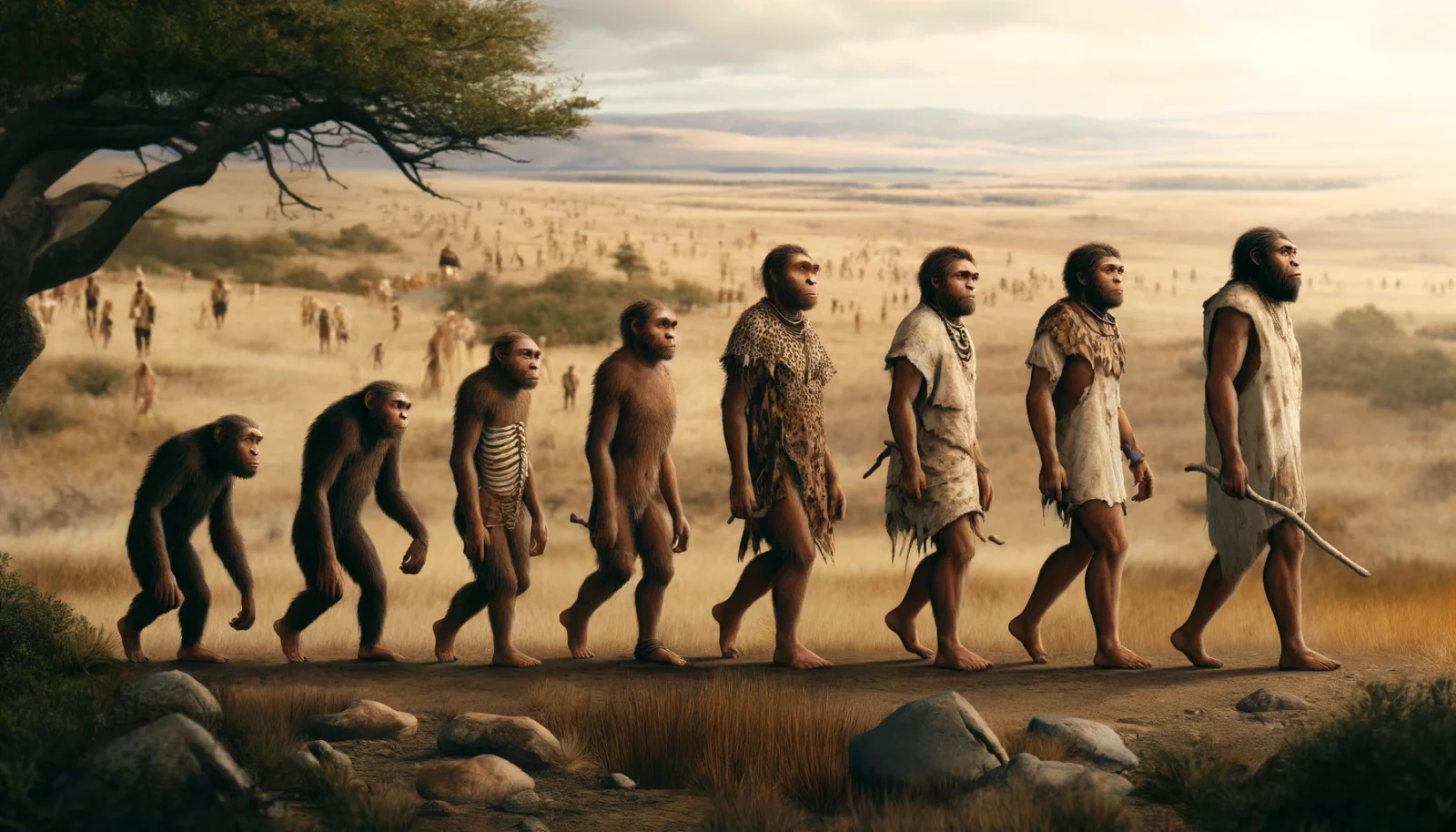
Pre-hominid human evolution all the way back to LUCA.

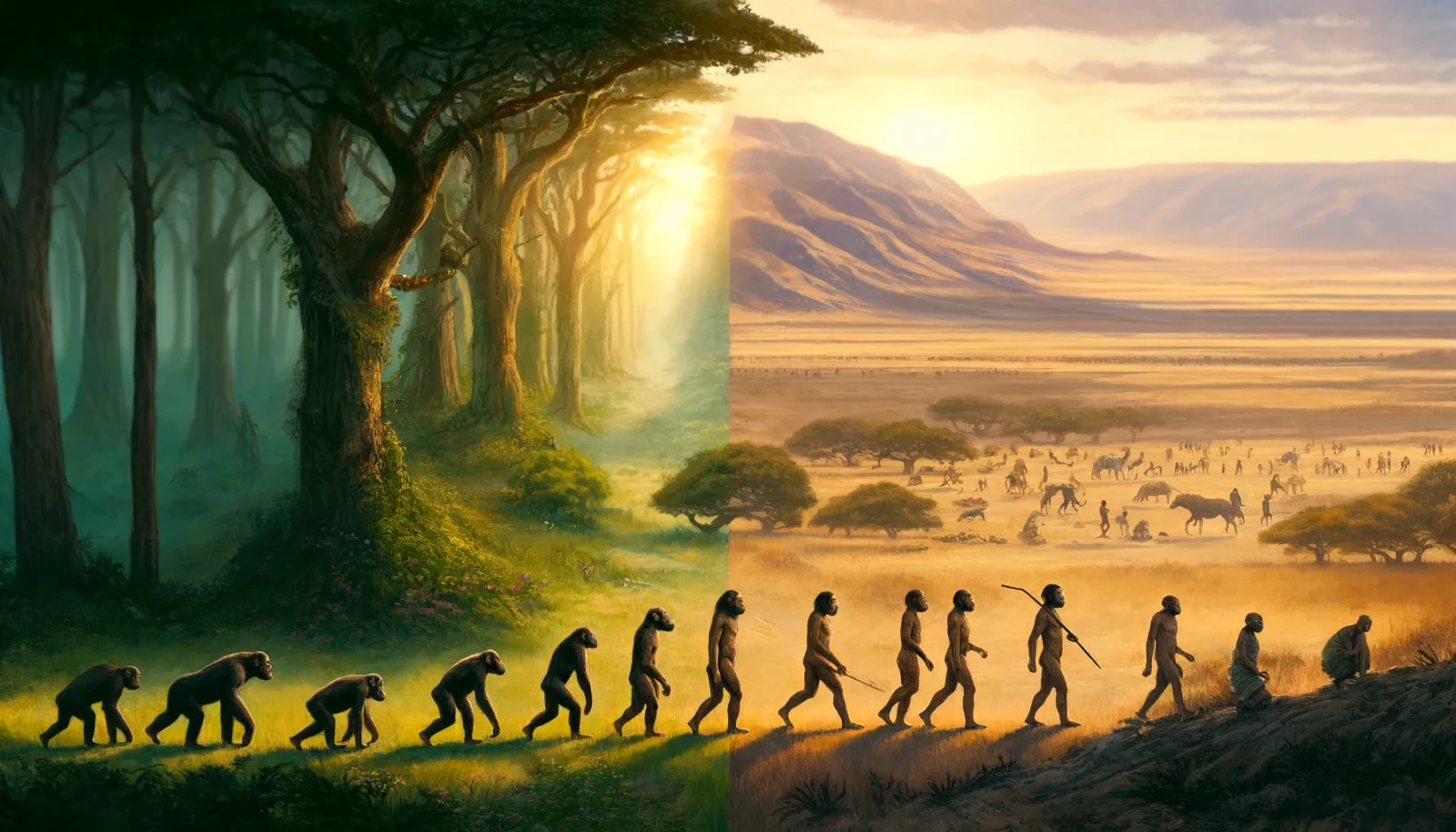
Emergence of the Great Apes (Great Apes LCA)

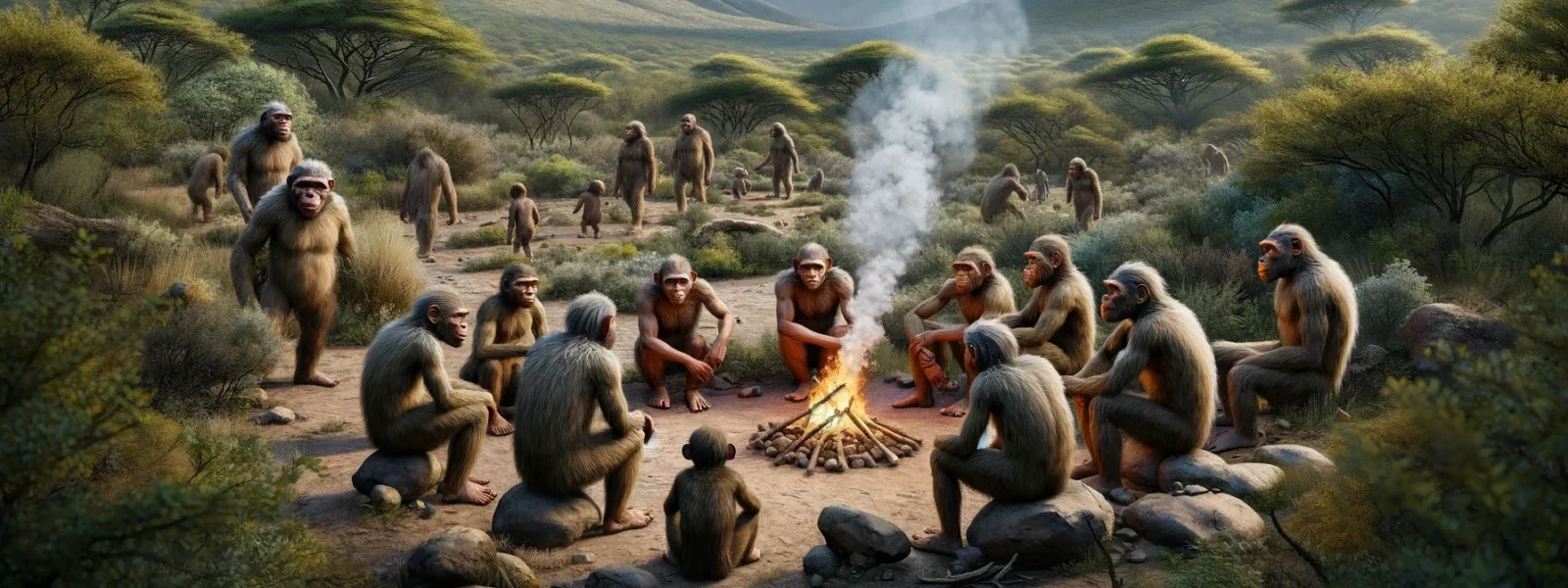
660,000 Generations Ago The Last Common Ancestor (LCA) of the Great Apes, a.k.a. the Hominidae family, marks a pivotal point in our evolutionary history, encompassing the origins of orangutans, gorillas, chimpanzees, and humans. This ancestor species, likely existing between 15 to 19 million years ago, represents the shared lineage from which all modern great apes

Emergence of the Great Apes (Great Apes LCA) Read More »

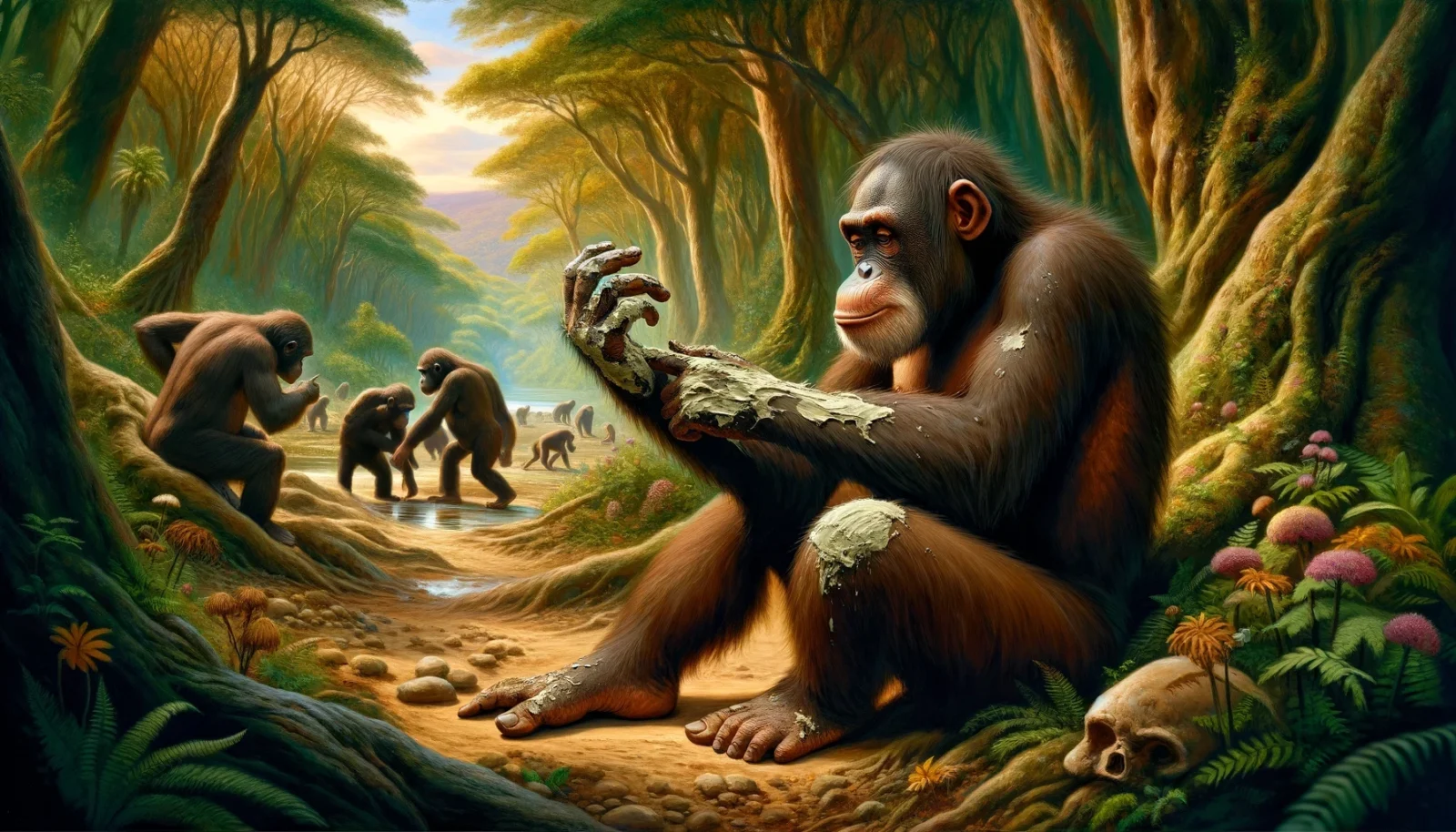
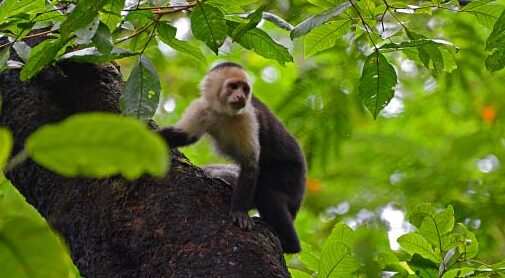
Panamacebus transitus: Earliest Known Monkey in the Americas

Discovered in 2016 in the Panama Canal area, Panamacebus transitus has been identified as the earliest known monkey to have reached the Americas, dating back approximately 21 million years. This find significantly alters our understanding of primate migration and geographical distribution during the Miocene epoch. This arrival in the Americas is a remarkable testament to

Panamacebus transitus: Earliest Known Monkey in the Americas Read More »

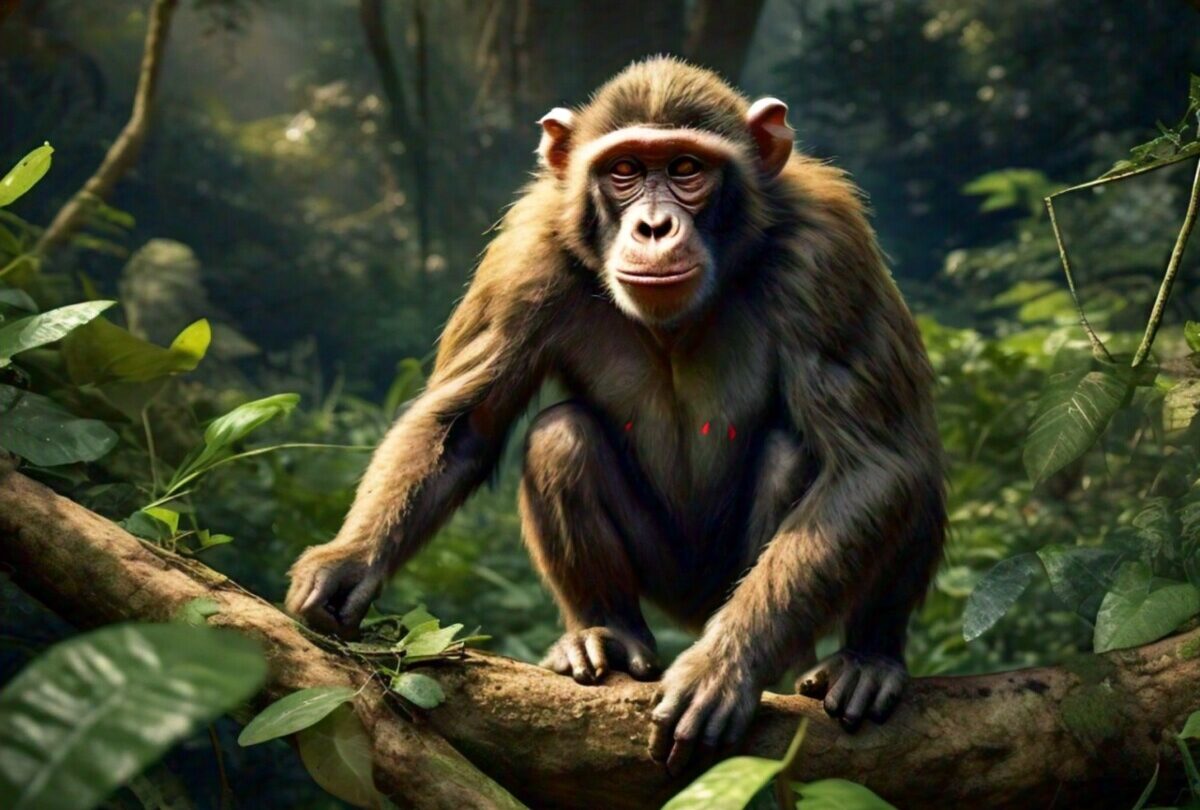
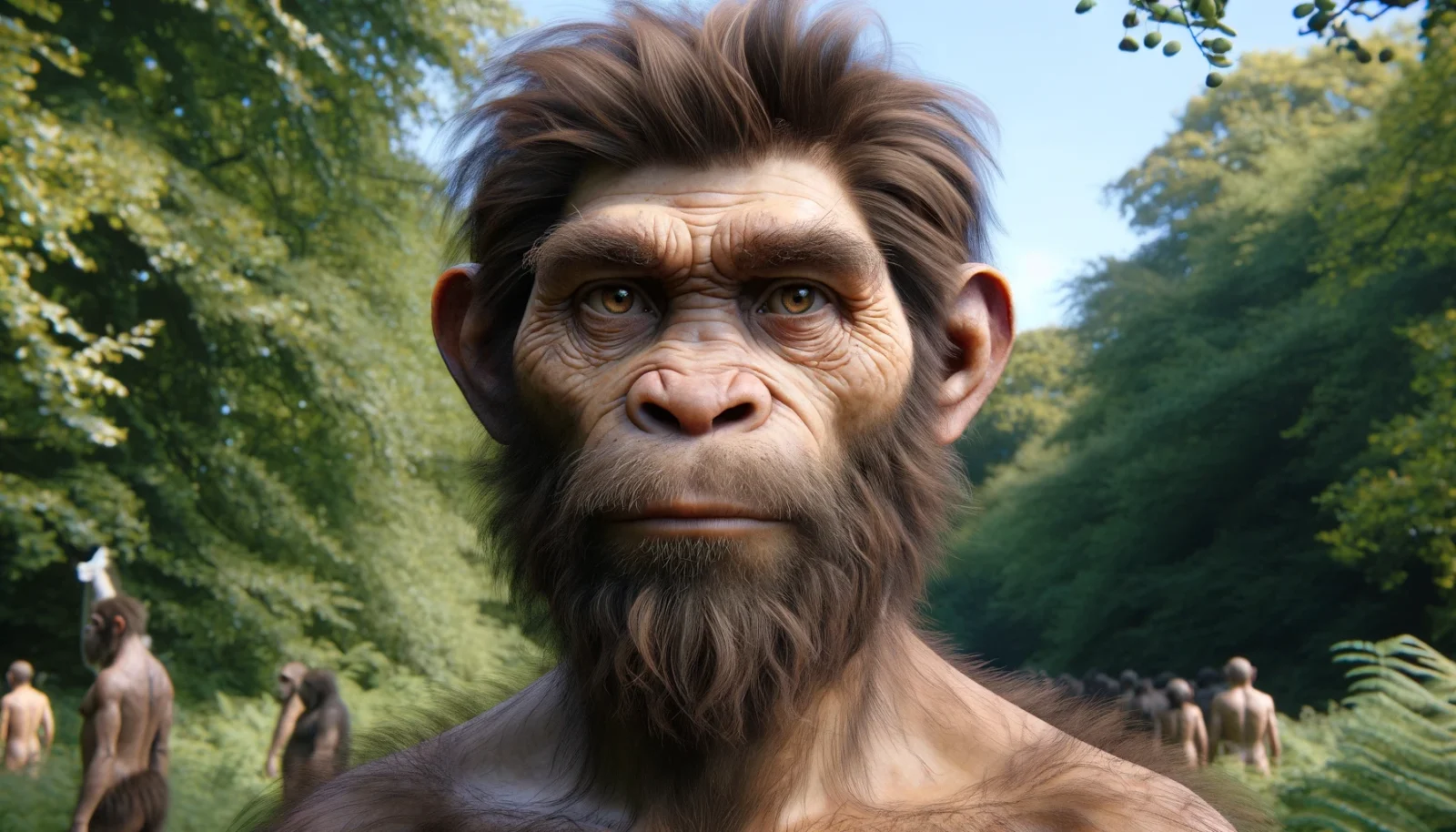
Homo antecessor: Earlier Modern Looks

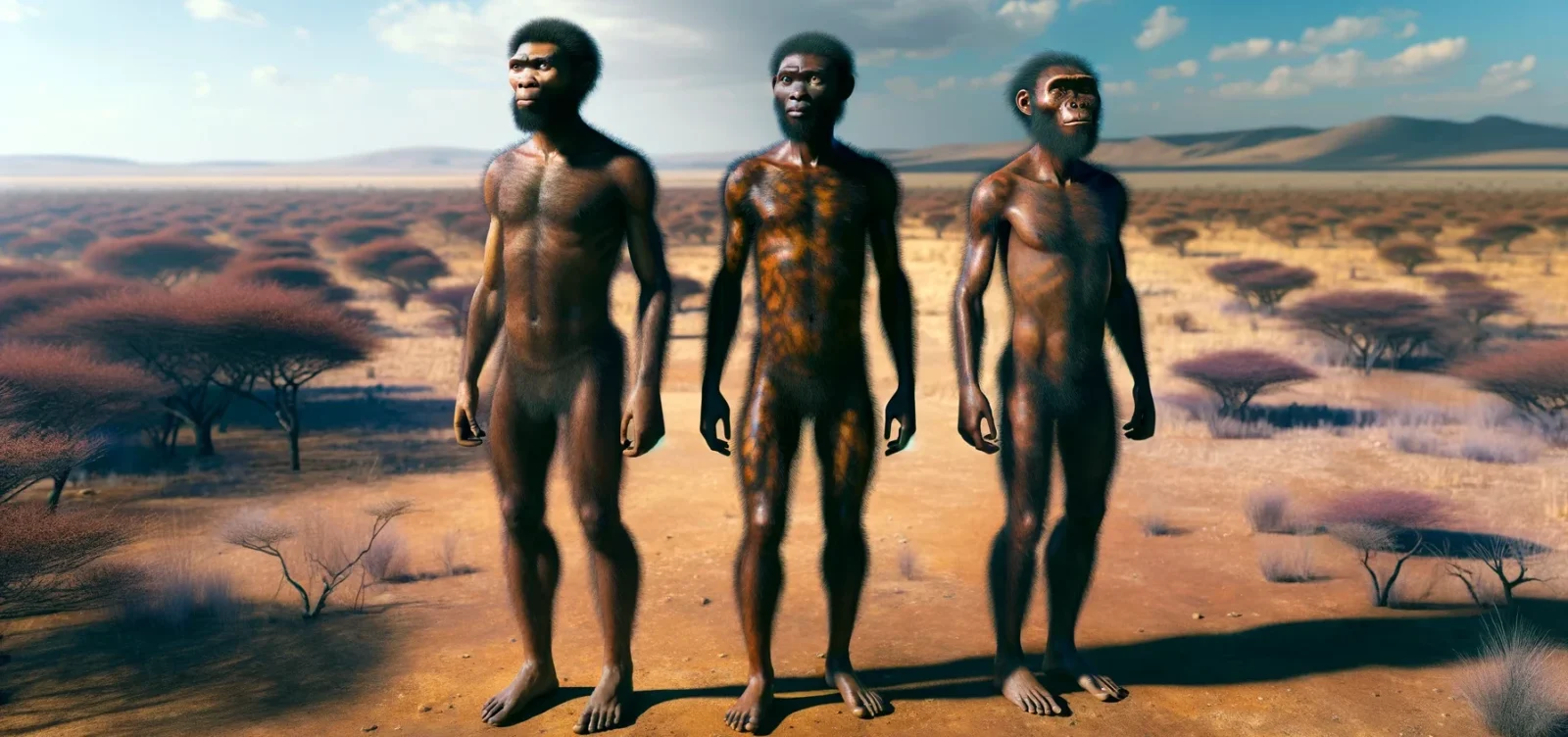
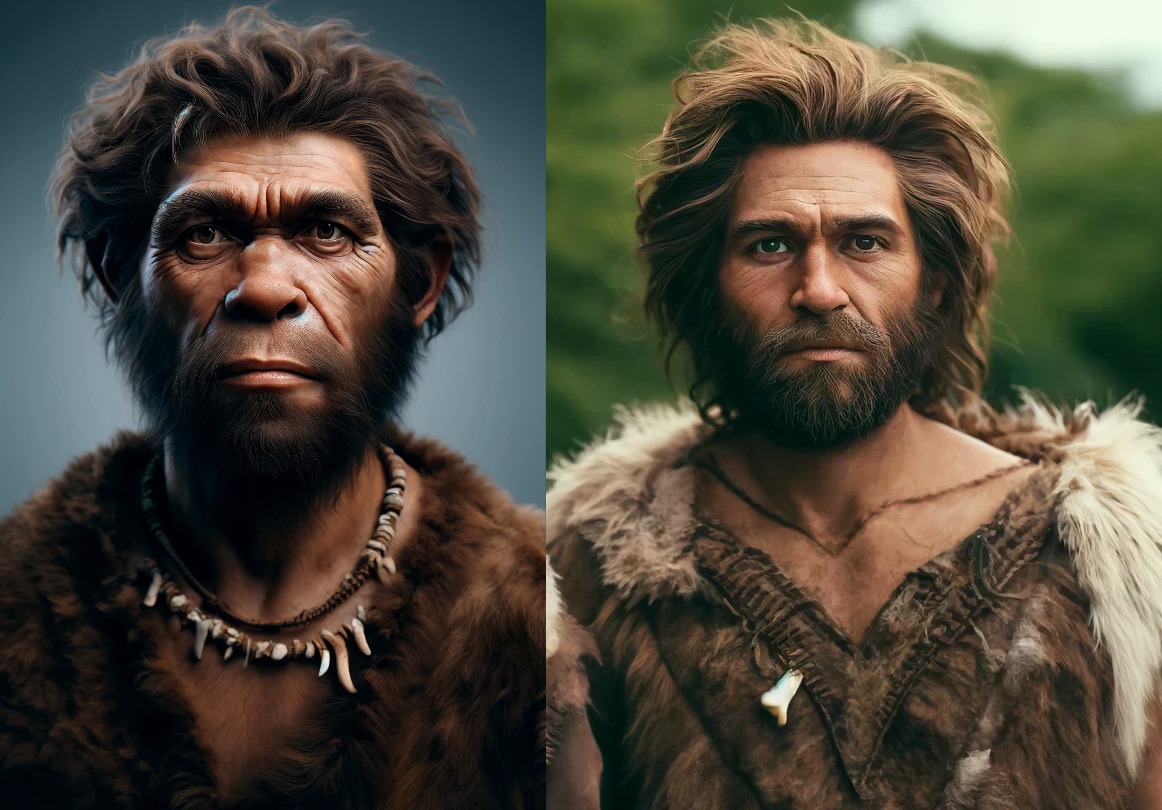
48,000 Generations Ago NSLCA Candidate: This ancient human species challenges traditional views by suggesting that some of our human ancestors bore a closer resemblance to modern humans than previously believed. Homo antecessor, which existed long before Homo sapiens and Homo heidelbergensis, displayed distinctly modern human-like features, including a flatter face and a more refined nose,

Homo antecessor: Earlier Modern Looks Read More »

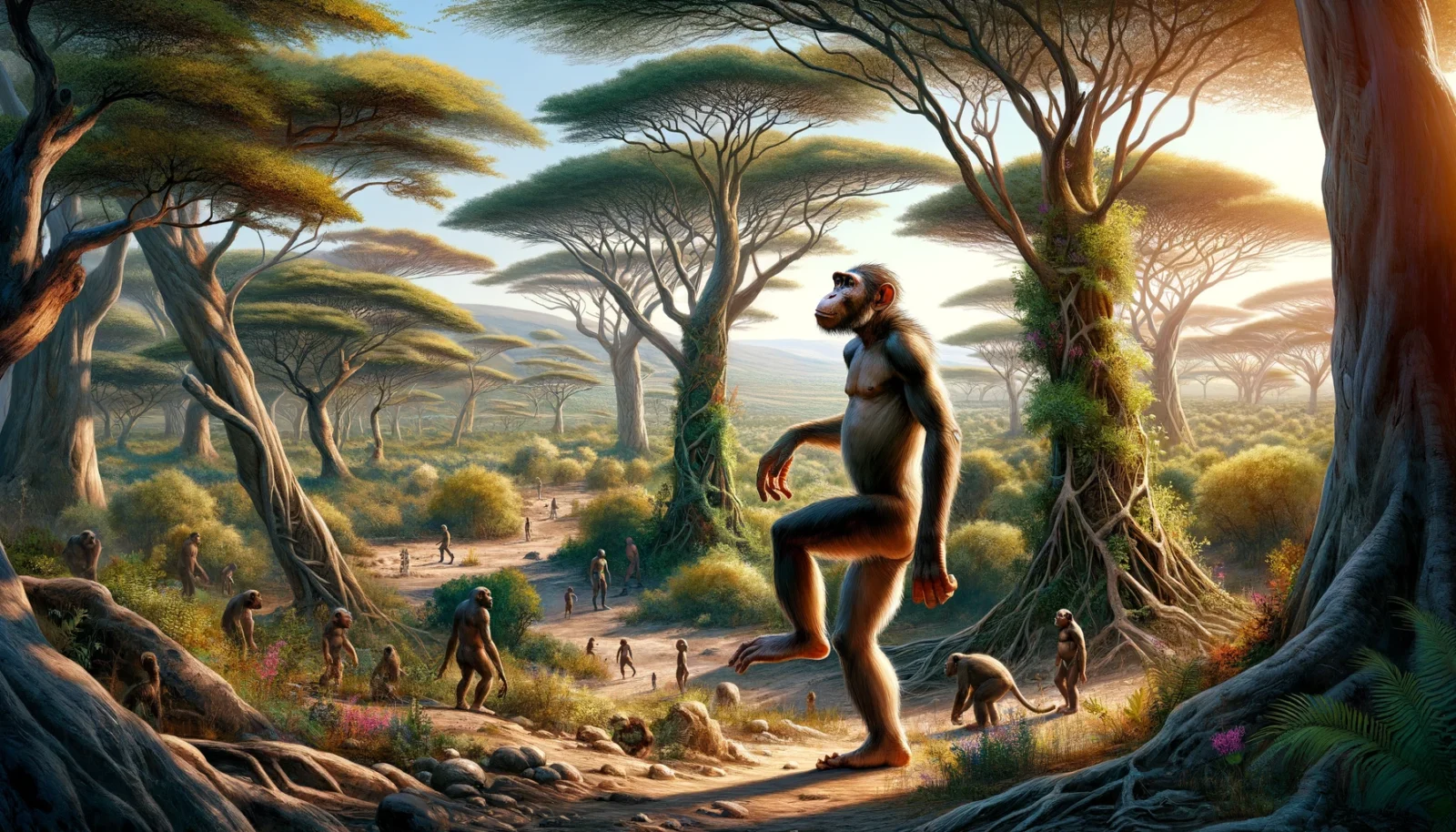
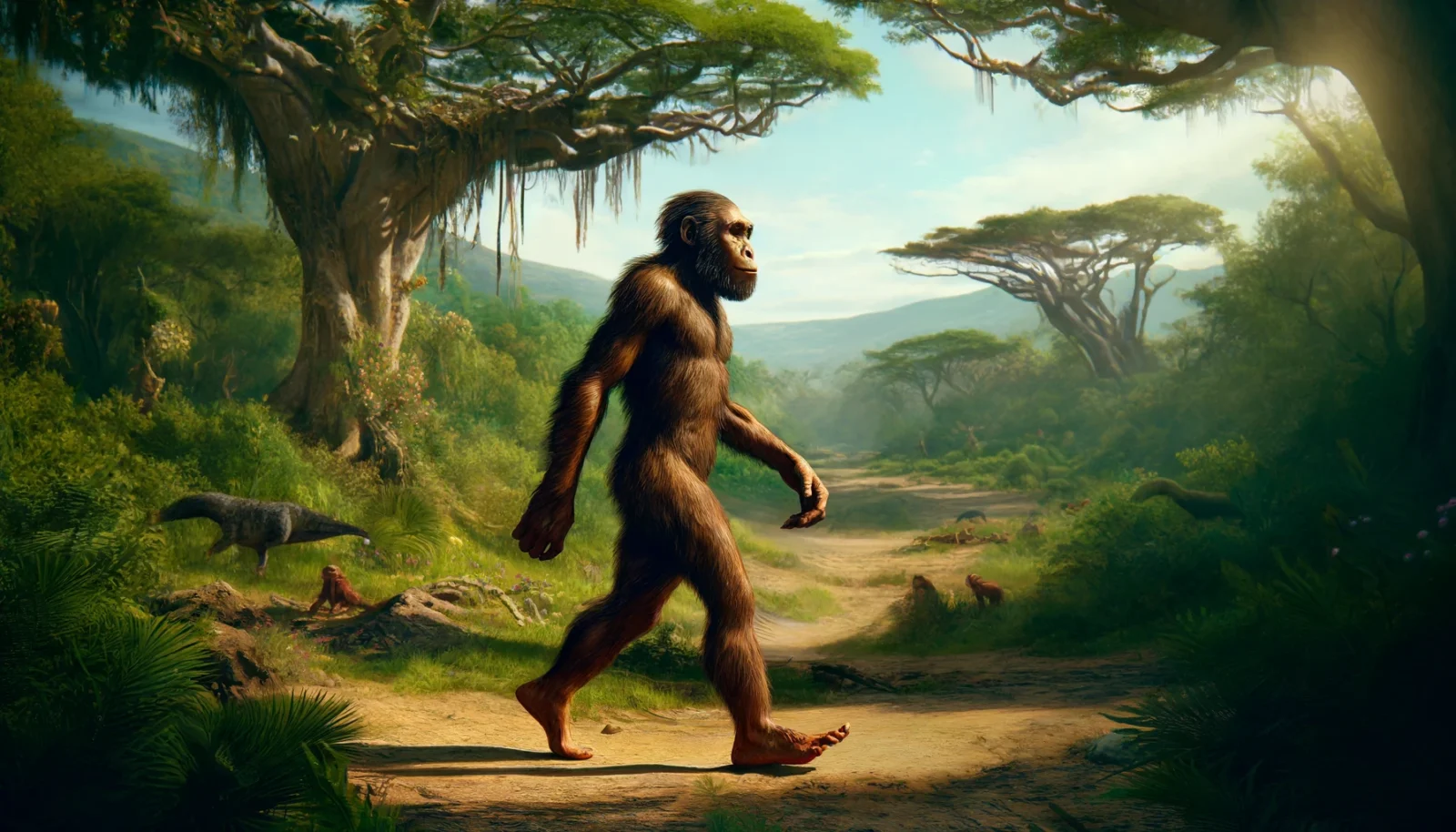
Echoes of Early Steps: The Laetoli Footprints

In the verdant landscapes of Laetoli, Tanzania, beneath a layer of volcanic ash from a nearby eruption, a remarkable story is preserved. Dating back 3.66 million years, a series of footprints capture a fleeting moment in time when early hominins walked across the wet ash. These footprints, attributed to Australopithecus afarensis, represent one of the

Echoes of Early Steps: The Laetoli Footprints Read More »

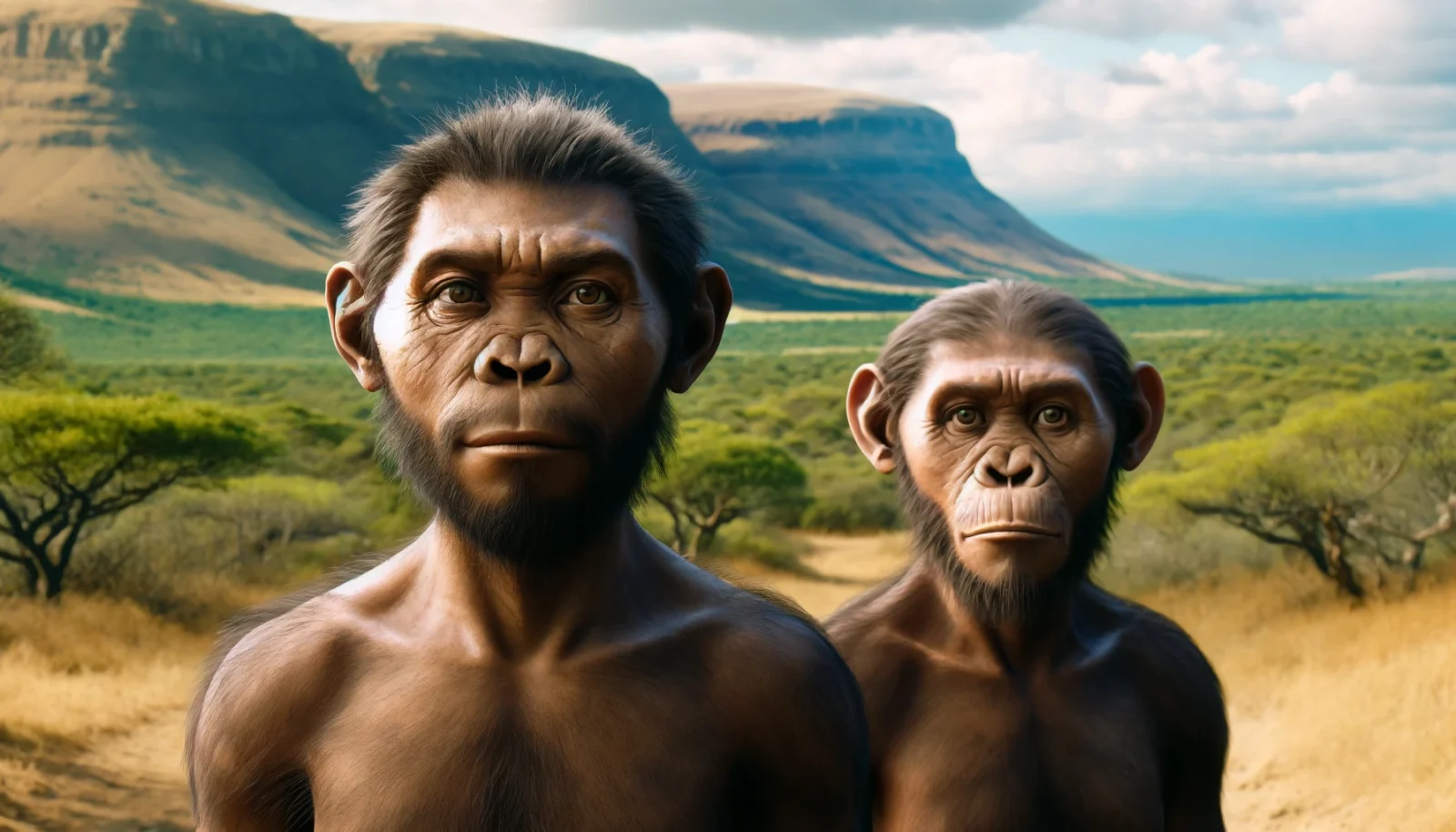
Homo naledi: A Likely Hybrid

Speculative branch of humans. Maybe a long lost hybrid: In the evolving tapestry of human history, the emergence of Homo naledi represents a captivating mystery that challenges traditional narratives of linear progression. Positioned within the intricate web of human evolution, Homo naledi could exemplify a complex branch woven from ancient threads. Imagine a scenario where

Homo naledi: A Likely Hybrid Read More »

Hominin World Population: 2 Million (maybe)

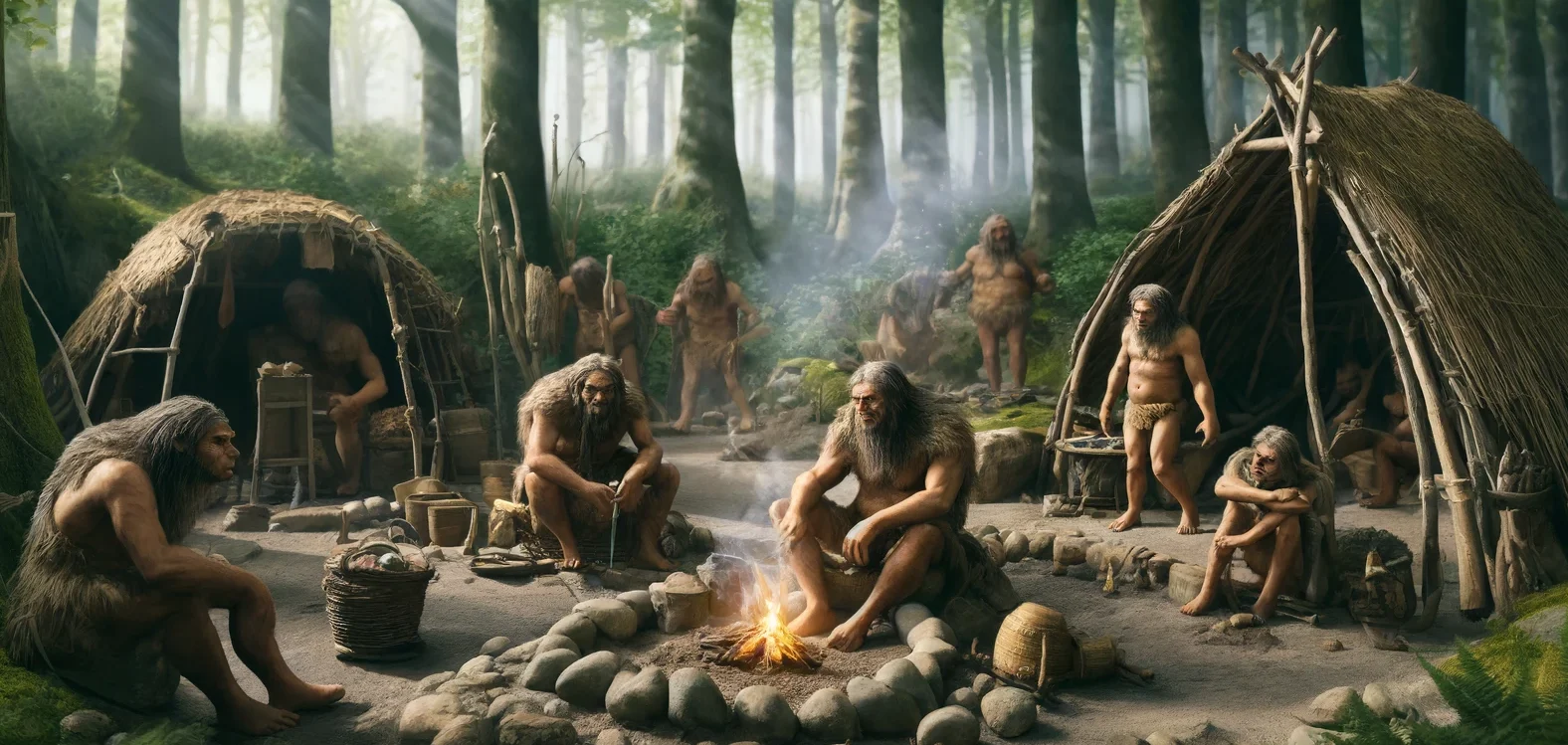
When Homo sapiens first emerged, their population in Africa was likely just a few hundred thousand, while the total hominin population, including other species like Neanderthals and Homo heidelbergensis, may have ranged from 1.1 to 2.1 million. During this period, Homo sapiens were primarily found in Africa, while other hominins occupied broader ranges across Eurasia,

Hominin World Population: 2 Million (maybe) Read More »

World Population: 1.5 Million

Cognitive Revolution By 70,000 BCE. Population range: 500,000 to 2.5 million. Given the uncertainties and lack of direct data, the following are speculative estimates. Africa-Middle East: 50-60% or 600,000 to 1 million people Africa, being the origin of modern humans, likely had the highest population density at this time, particularly in Sub-Saharan regions which were

World Population: 1.5 Million Read More »

Mexico: Guilá Naquitz (Agrarian)

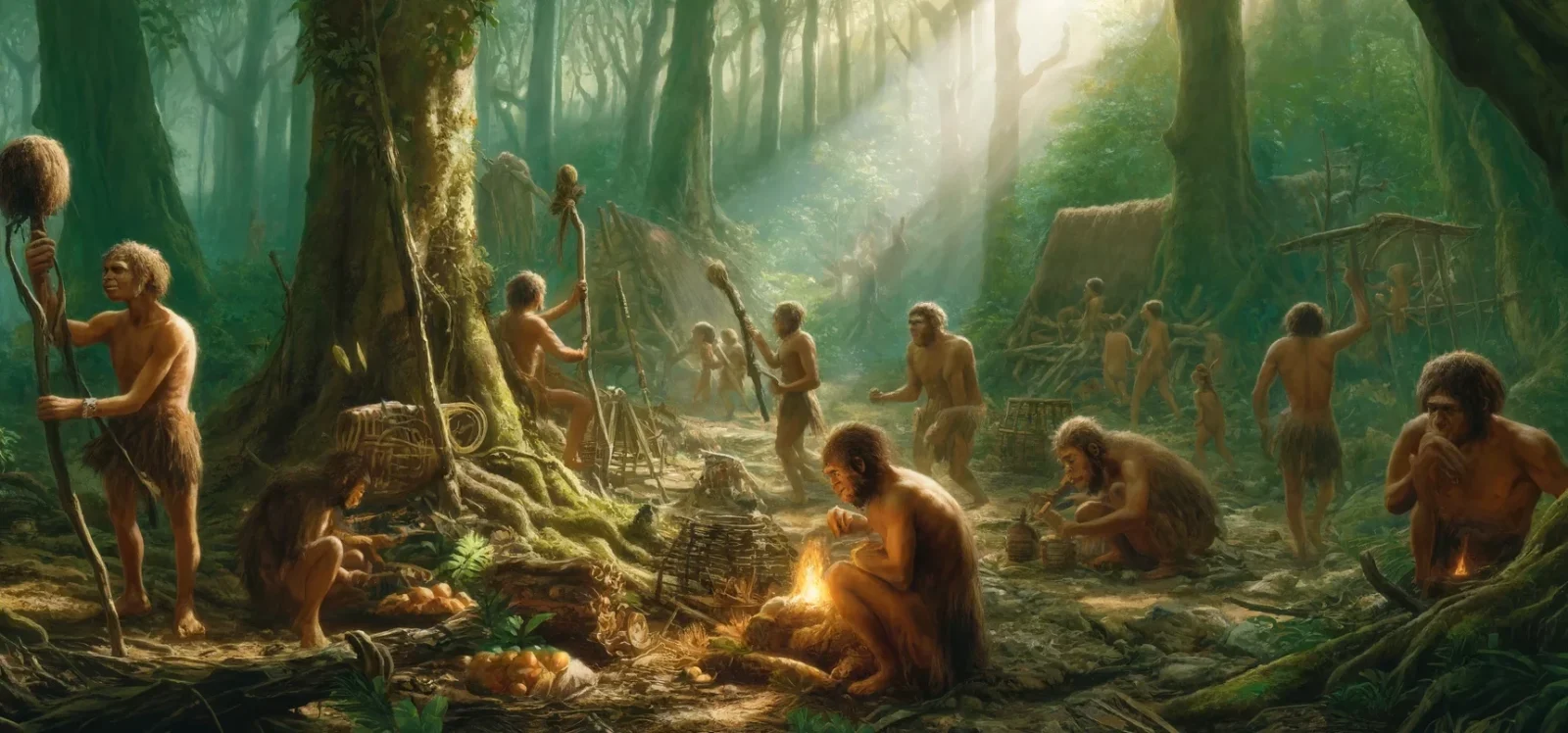
Earliest known agrarian society in the Americas zone: In Oaxaca, Mexico, the site of Guilá Naquitz provides evidence of early plant domestication, particularly of squash, around 8000 BCE, with subsequent developments including maize and beans. Imagined Image: An early agrarian society of Oaxaca, Mexico, circa 7900 BCE. It showcases small, temporary shelters, with indigenous people

Mexico: Guilá Naquitz (Agrarian) Read More »

Second Atmosphere: Carbon Dioxide & Nitrogen

Deep orange or reddish-brown atmosphere: The second atmosphere’s formation was crucial and occurred just before or alongside the formation of Earth’s oceans, which directly supported the evolution of organic molecules and prebiotic microenvironments. The second atmosphere began to develop around 4.5 to 4 billion years ago, as volcanic outgassing released gases trapped in the Earth’s

Second Atmosphere: Carbon Dioxide & Nitrogen Read More »

Scroll to Top