Explore Science-first Philosophy

Ideas

Oort Cloud

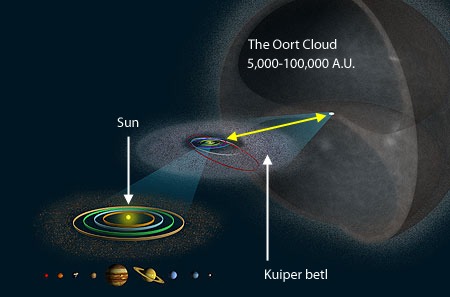
Rationally predicted, unconfirmed: The Oort Cloud is a theoretical vast sphere of icy objects believed to surround our solar system at distances ranging from about 2,000 to 100,000 astronomical units from the Sun. Conceived by the Dutch astronomer Jan Oort in 1950, this distant cloud is thought to be the source of long-period comets that […]

Oort Cloud Read More »

Black Holes Proposed

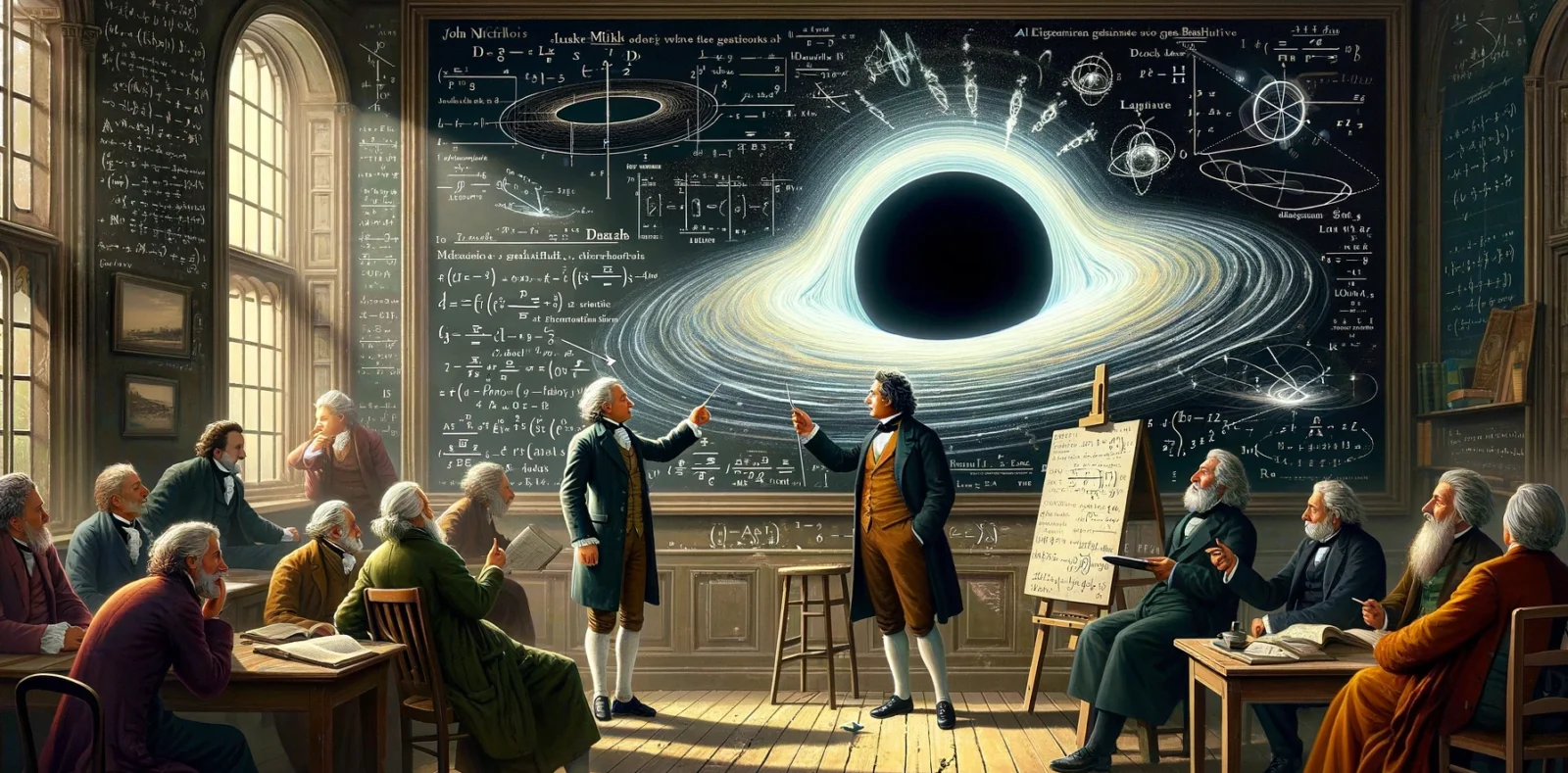
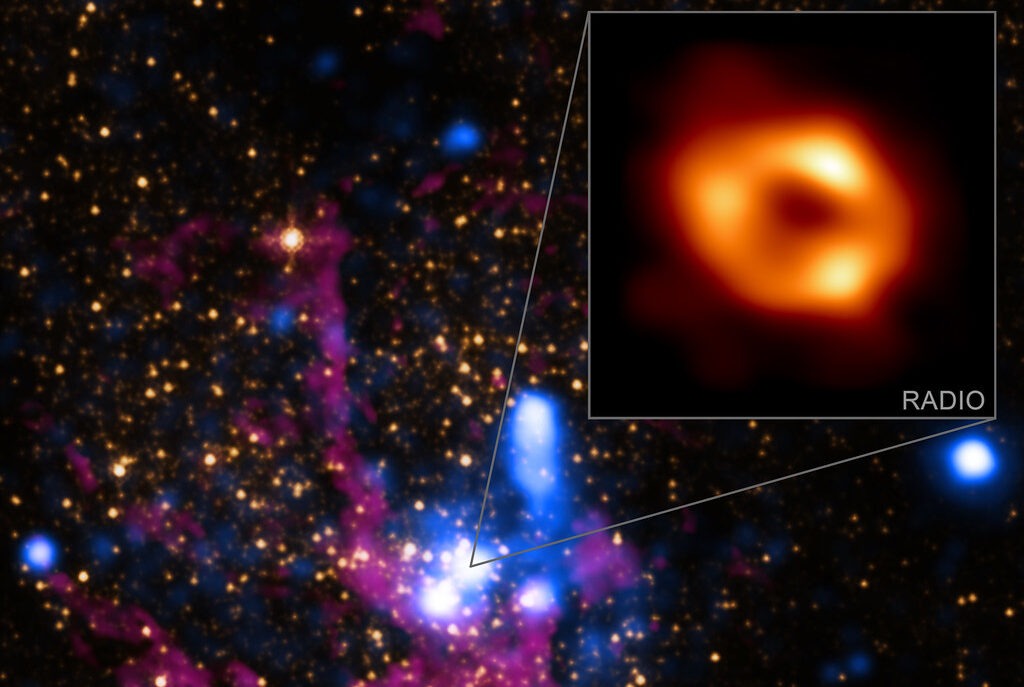
While black holes were first proposed in the 18th century, they were not seriously proposed until 1916 with Albert Einstein’s General Relativity. The concept of a “black hole” has its roots in the 18th century when John Michell and Pierre-Simon Laplace independently speculated about the existence of “dark stars” — celestial bodies whose gravity is

Black Holes Proposed Read More »

General Relativity

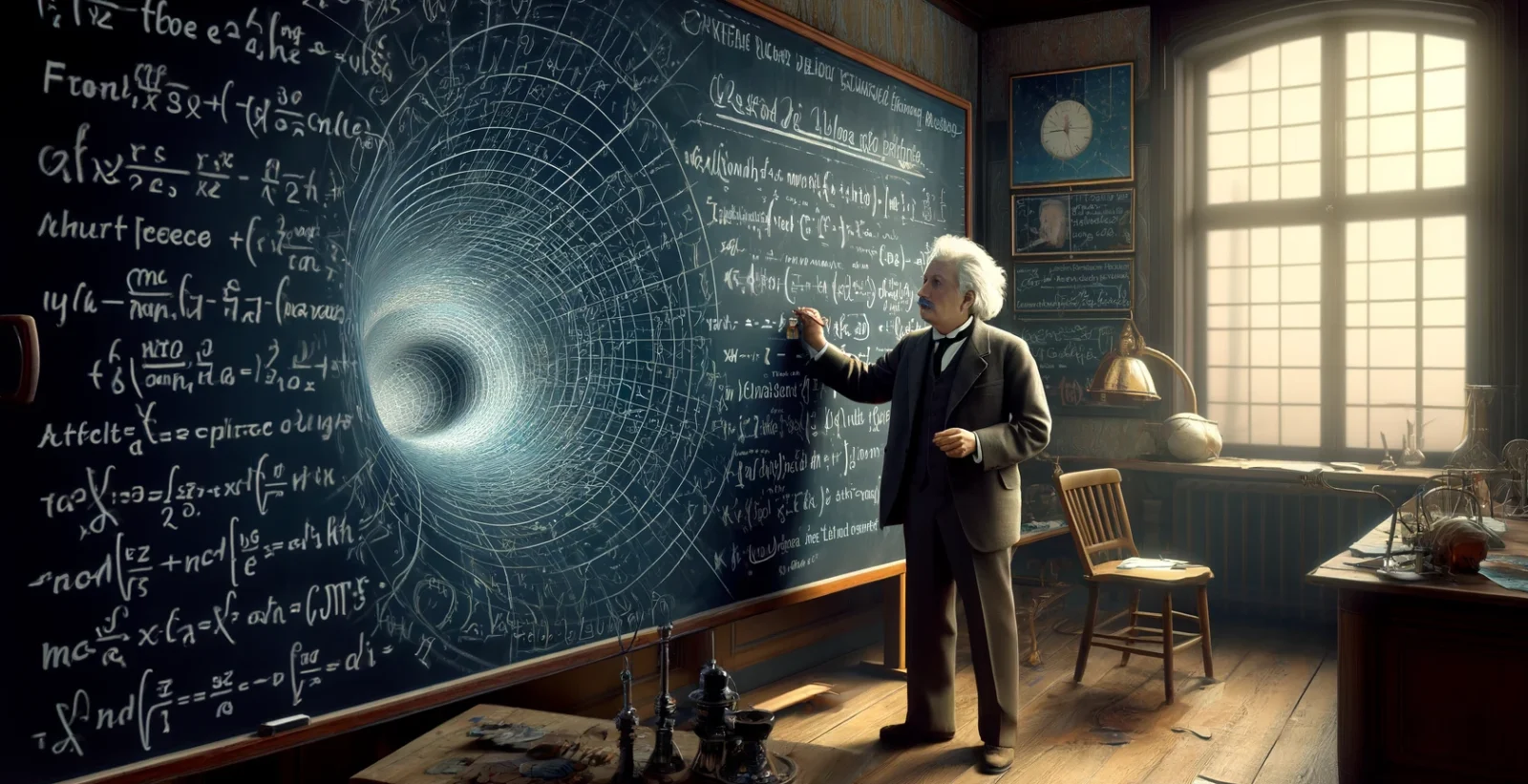
General Relativity incorporated gravity into the mix. It describes gravity not as a force, but as the curvature of spacetime caused by massive objects. According to General Relativity, the curvature of spacetime around an object like the Earth causes objects to fall towards its center, which we experience as gravity.  In November 1915, Einstein expanded

General Relativity Read More »

Special Relativity

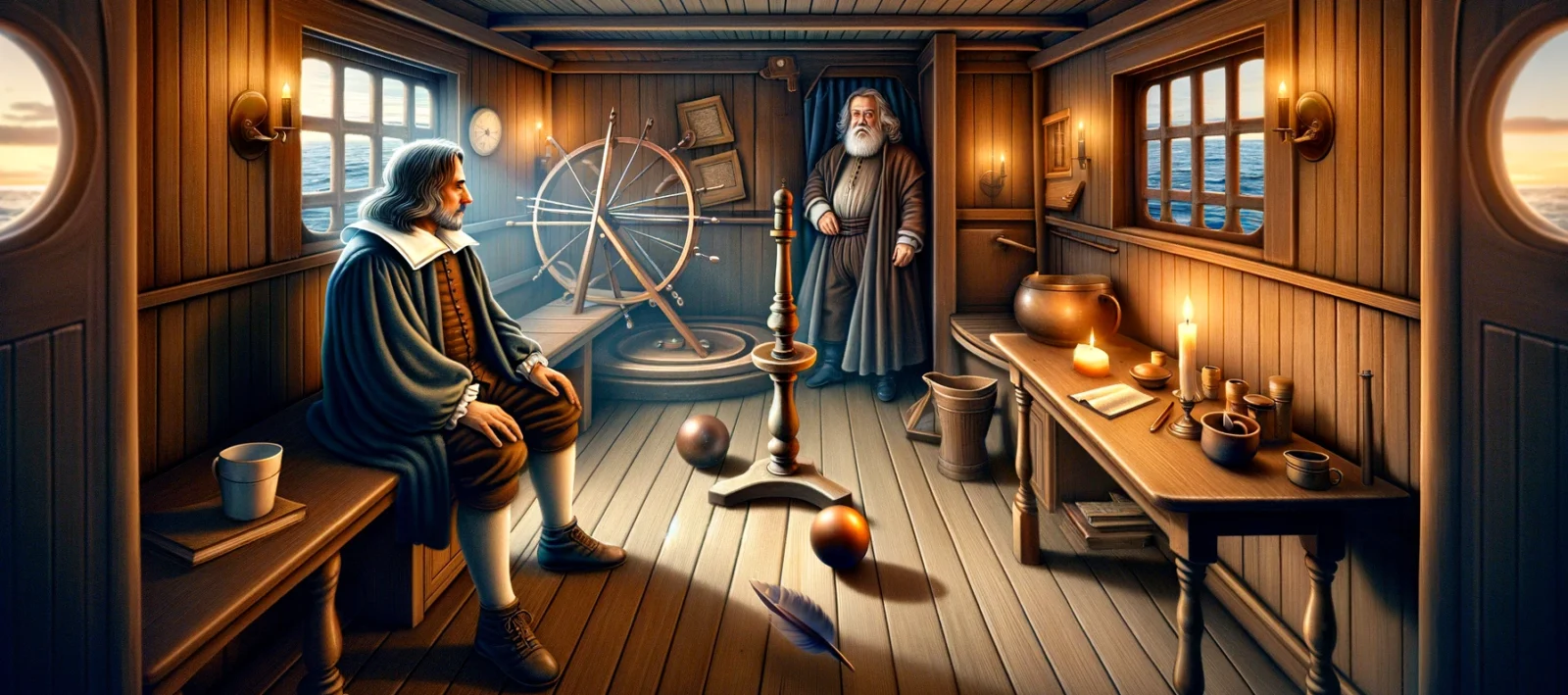
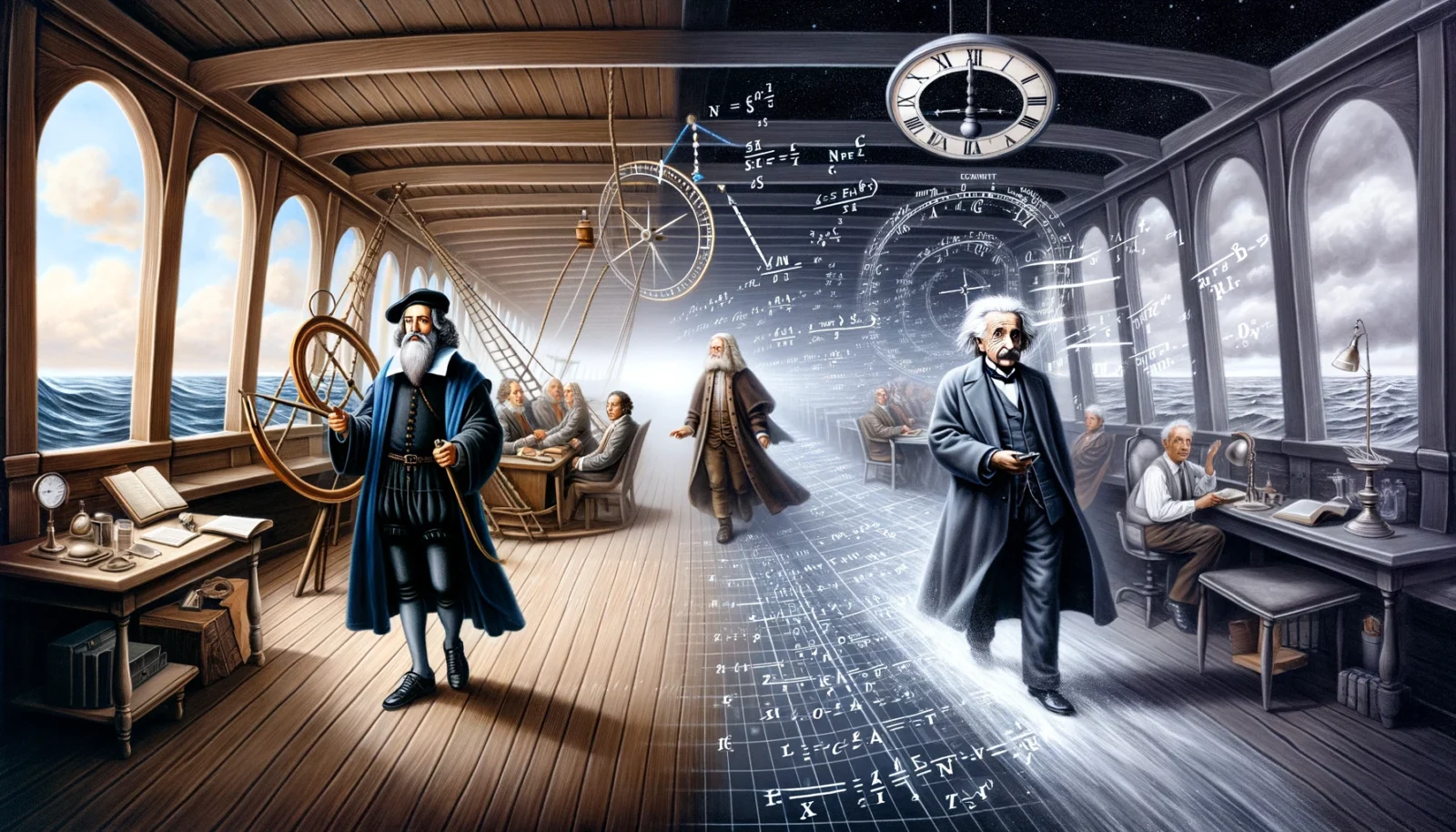
Special Relativity explains the relationship between space, time, mass, and energy. It shows that time and space are not separate entities but are connected as a single entity called spacetime. Additionally, it introduced the famous equation E=mc², which demonstrates that mass is engergy, energy is mass. They are equivalent and can be converted into each

Special Relativity Read More »

Cosmic Microwave Background (CMB)

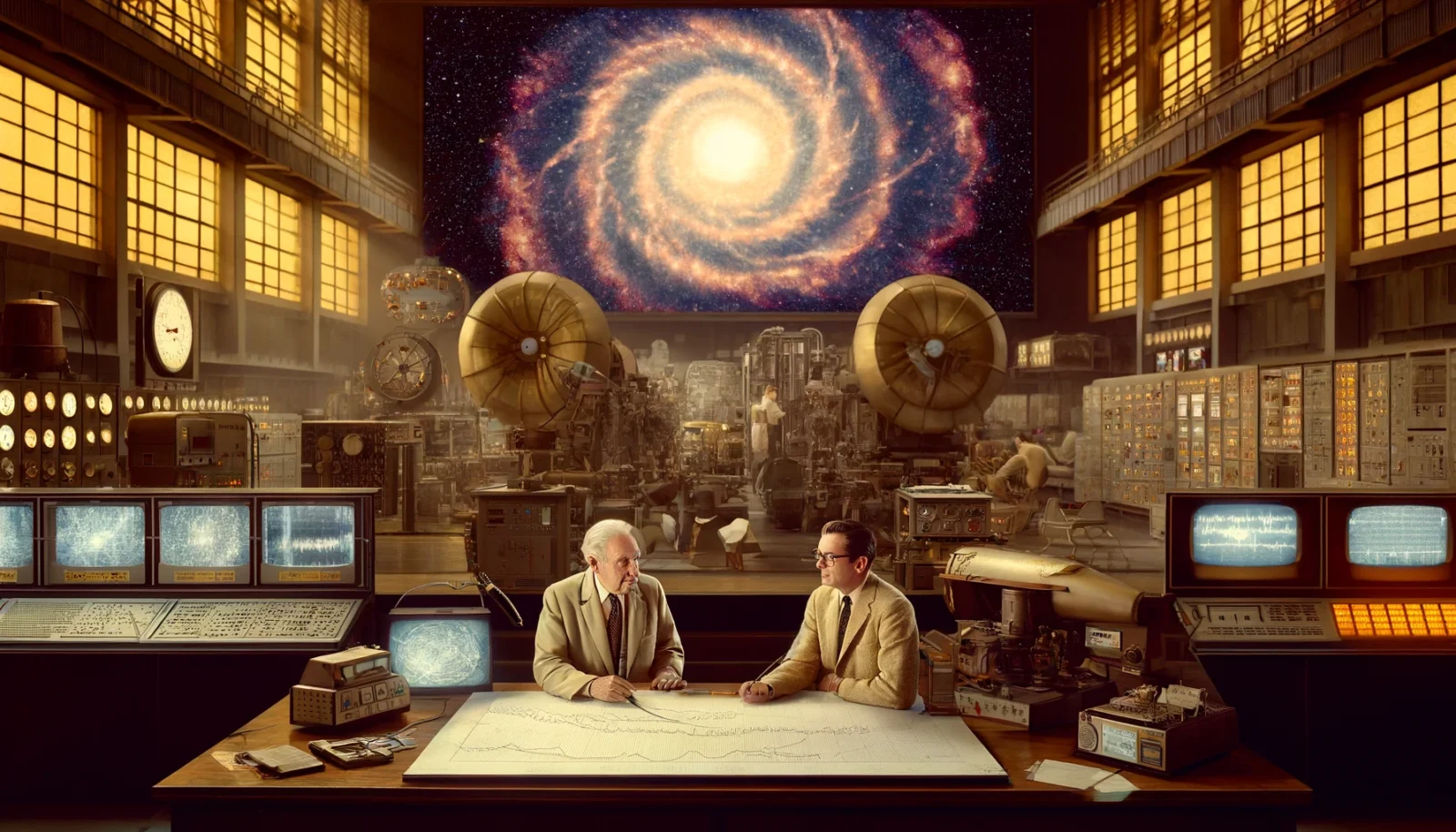
In 1965, Arno Penzias and Robert Wilson, two radio astronomers at Bell Telephone Laboratories, stumbled upon a mysterious and persistent background noise that pervaded their radio telescope. After much investigation and the elimination of potential terrestrial and instrumental sources, they concluded that this noise was cosmic in origin. Their findings, published on May 20, 1965,

Cosmic Microwave Background (CMB) Read More »

Galaxies Discovered! Doppler Effect used to measure distance!!

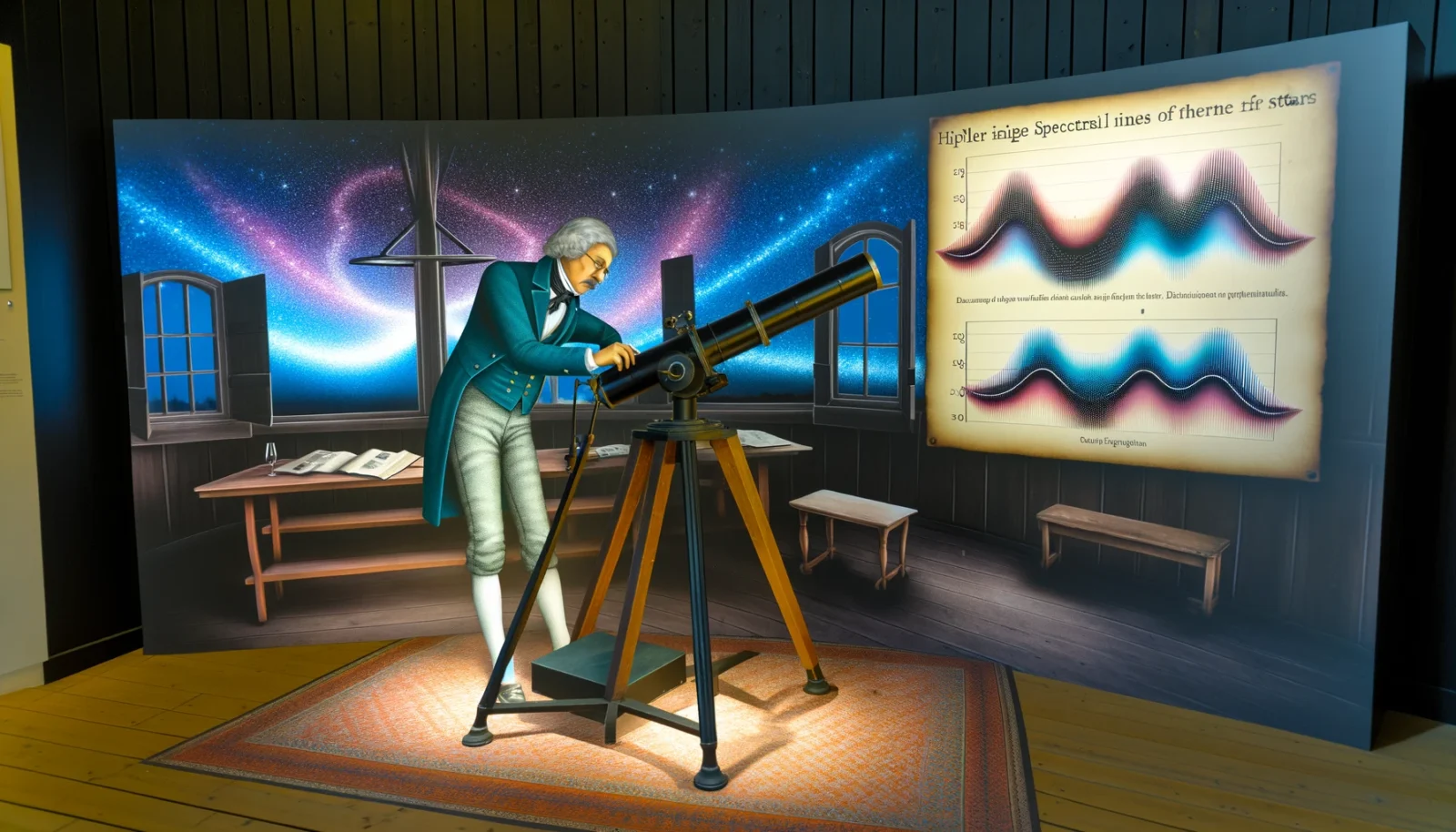
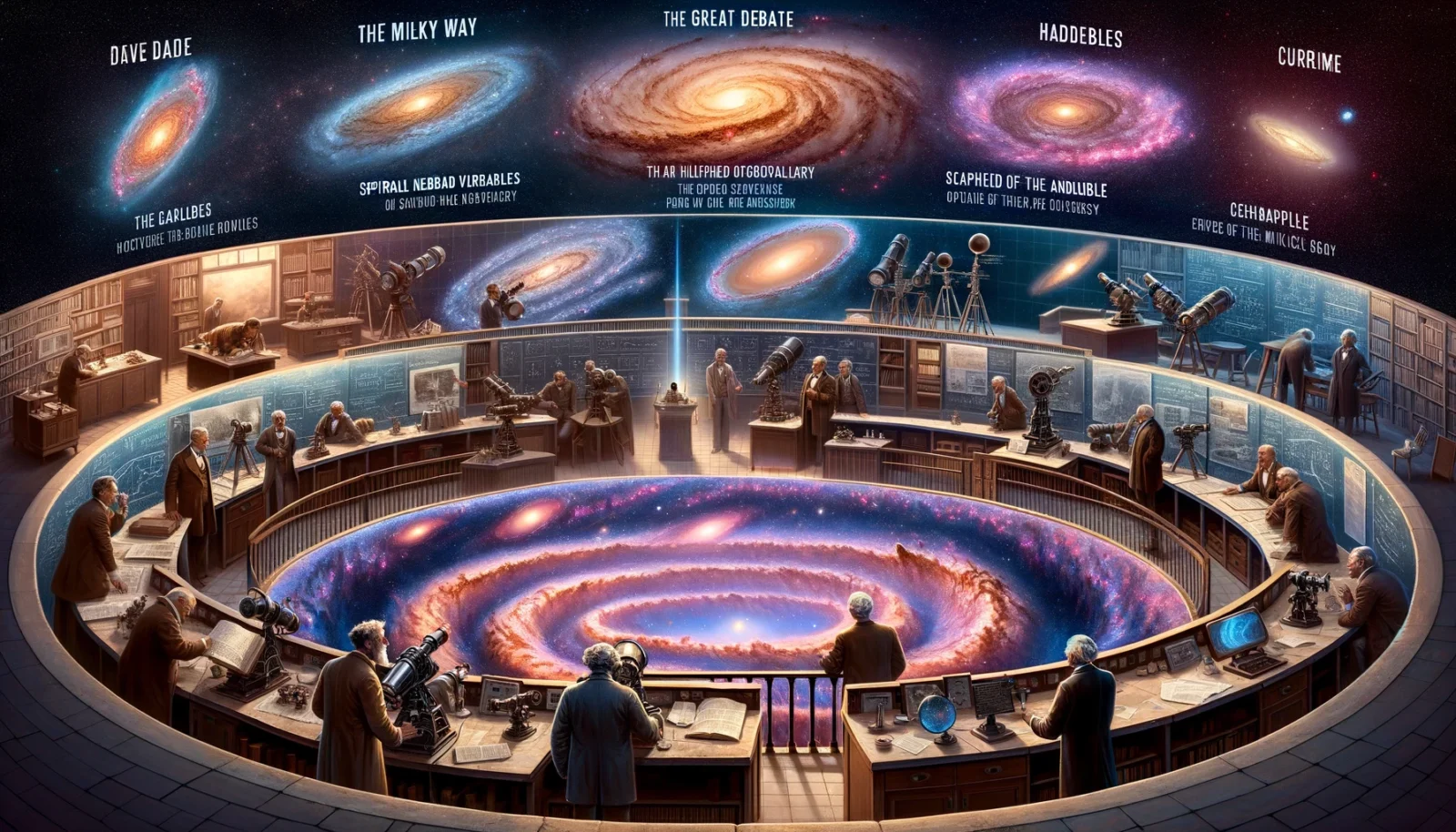
By 1929, an important time in cosmology, Edwin Hubble used the spiral nebulae data collected by Vesto Slipher from 1912 to 1925 to introduce the world to galaxies. Prior to the 20th century, astronomers debated whether spiral nebulae were merely gaseous clouds within the Milky Way, possibly forming solar systems. This view changed dramatically following

Galaxies Discovered! Doppler Effect used to measure distance!! Read More »

Holism

30 Phil, Chapter 3 Touchstone 8: Holism. Holism views things as a whole, emphasizing interconnectedness and interdependence, and values unity and synthesis. It is essential for fully understanding complex systems like living organisms and ecosystems. This notion of an underlying, unifying essence mirrors the intricacies of the natural world, where each element, though distinct, harmoniously contributes

Holism Read More »

Ontology

30 Phil, Chapter 3 Touchstone 7: Ontology. Ontology: When we’re alive, life feels endless, stretching beyond the horizon of our imagination. The realization that it must end is not easily accepted. We’re not just sentient beings; we are self-aware. For many, the notion that we cease to exist after death is unbearable. We can’t help

Ontology Read More »

Philosophy

30 Phil, Chapter 2 Touchstone 6: Philosophy. Philosophy is the systematic study of fundamental questions concerning existence, knowledge, values, and meaning. It’s a discipline guided by reason and the evaluation of evidence. A central question is “How should we live?” While there is a general agreement on overarching principles, as always, the devil is in the

Philosophy Read More »

Knowledge Framework

30 Phil, Chapter 2 Touchstone 5: Knowledge Framework. In philosophy, the study of knowledge is called epistemology. It’s important because knowledge describes reality, and understanding how we craft knowledge brings philosophical clarity. Each of us maintains a personal knowledge framework that arranges the knowledge we accumulate. You can think of it as a personalized dictionary. But

Knowledge Framework Read More »

Cultural Transmission

30 Phil, Chapter 1 Touchstone 4: Cultural Transmission. Cultural transmission, perhaps more than any other trait, sets humans apart from other animals. It’s the ability to pass behaviors, traditions, and knowledge to the next generation. Cultural transmission has likely been a feature of our direct-line hominin mind for millions of years. Returning to what we

Cultural Transmission Read More »

Evolution

30 Phil, Chapter 1 Touchstone 3: Evolution. In 1859, the naturalist Charles Darwin revolutionized the scientific world with his seminal publication, “On the Origin of Species.” In it he formulated his scientific theory of evolution by natural selection. The process by which new species arise is well-understood. It proposed that changes in species occur gradually over time. With each generation,

Evolution Read More »

Rediscovery: City of Catalhoyuk, circa 7100 BCE

The ancient site of Çatalhöyük was not continuously known through historical records and was rediscovered in the modern era. It was first excavated by James Mellaart in 1958, who conducted major excavations between 1961 and 1965. These excavations revealed a wealth of information about Neolithic life and brought significant attention to the site. Its discovery

Rediscovery: City of Catalhoyuk, circa 7100 BCE Read More »

wall, decay, plaster

Plaster Invented

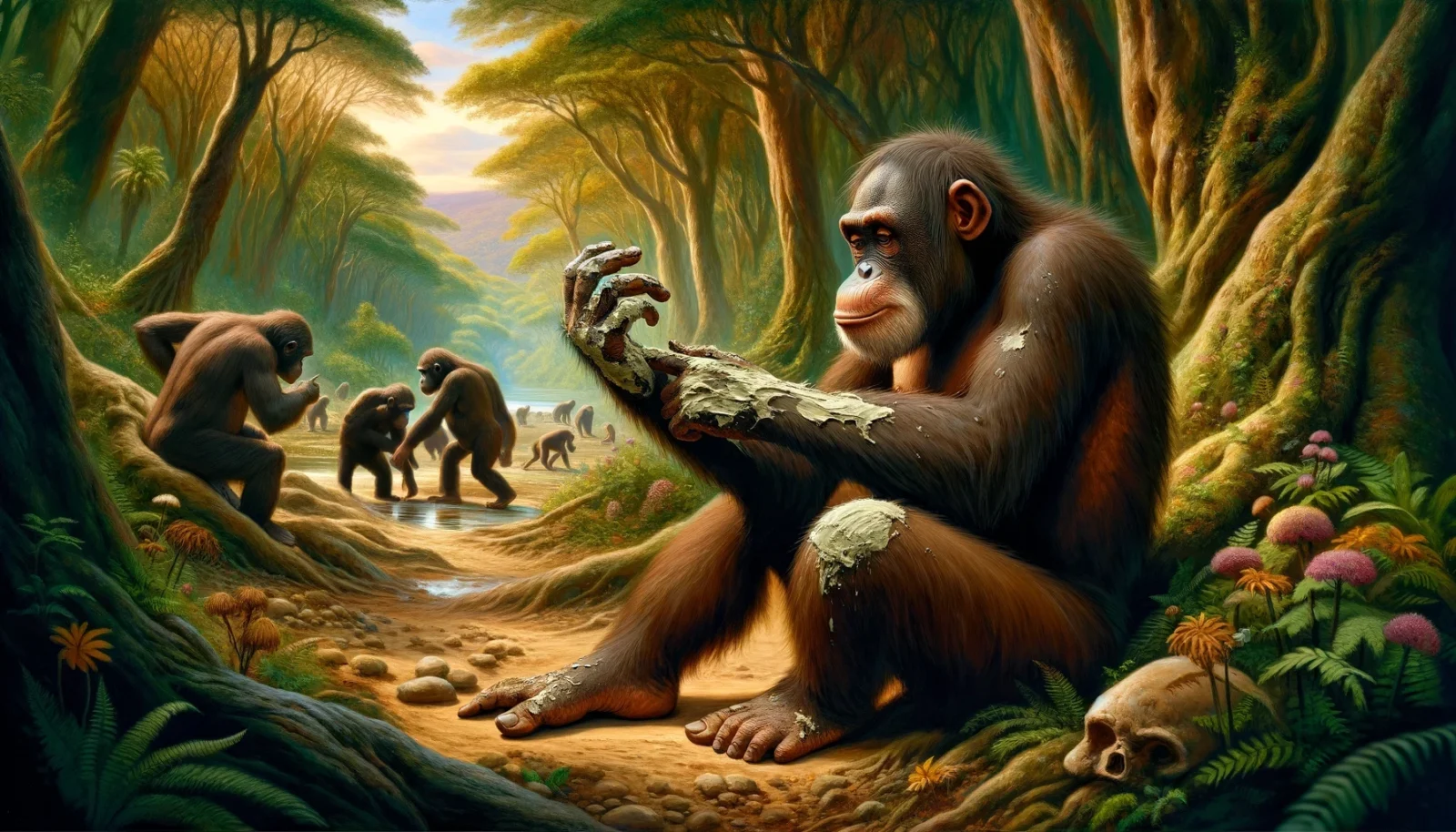
The earliest known use of plaster dates back to around 9000 BCE, with evidence from the ancient site of Çatalhöyük in modern-day Turkey. Here, Neolithic inhabitants utilized plaster made from lime to coat the floors, walls, and even ceilings of their mud-brick houses. This early application of plaster represents a significant technological innovation, indicating a

Plaster Invented Read More »

Scroll to Top