Explore Science-first Philosophy

Ideas

Cocoa powder and cocoa beans

Chocolate

In the tropical rainforests of Mesoamerica, the ancient Olmecs unlock the secrets of the cacao pod. By fermenting, roasting, and grinding the seeds, they create the bitter beverage chocolate. This divine elixir lays the foundation for chocolate’s enduring legacy, cherished by the Mayans and Aztecs as a ceremonial drink, a currency, and a medicine.

Chocolate Read More »

glass of beer, sausages and bread on the table

Beer, Ale, Wine

Who drank the first beer? Getting buzzed definitely has very deep historical roots. The earliest evidence of any fermented beverage is fruit-based, aka wine, and comes from the Jiahu site in China and dates back to around 7,000 BCE (9,000 years ago). In addition to fermented beverage residue in China, we have grain-based, aka beer/ale,

Beer, Ale, Wine Read More »

Bali Rice Fields

The Domestication of Rice

In the lush, fertile lands of the Yangtze River Valley in ancient China, early inhabitants achieved a milestone that would revolutionize human society: the domestication of rice. Around 8,000 BCE, these innovative communities began to cultivate wild rice, laying the groundwork for sedentary agriculture and complex civilizations. This agricultural breakthrough not only provided a stable

The Domestication of Rice Read More »

Discovery: Neanderthal Symbolic Thought

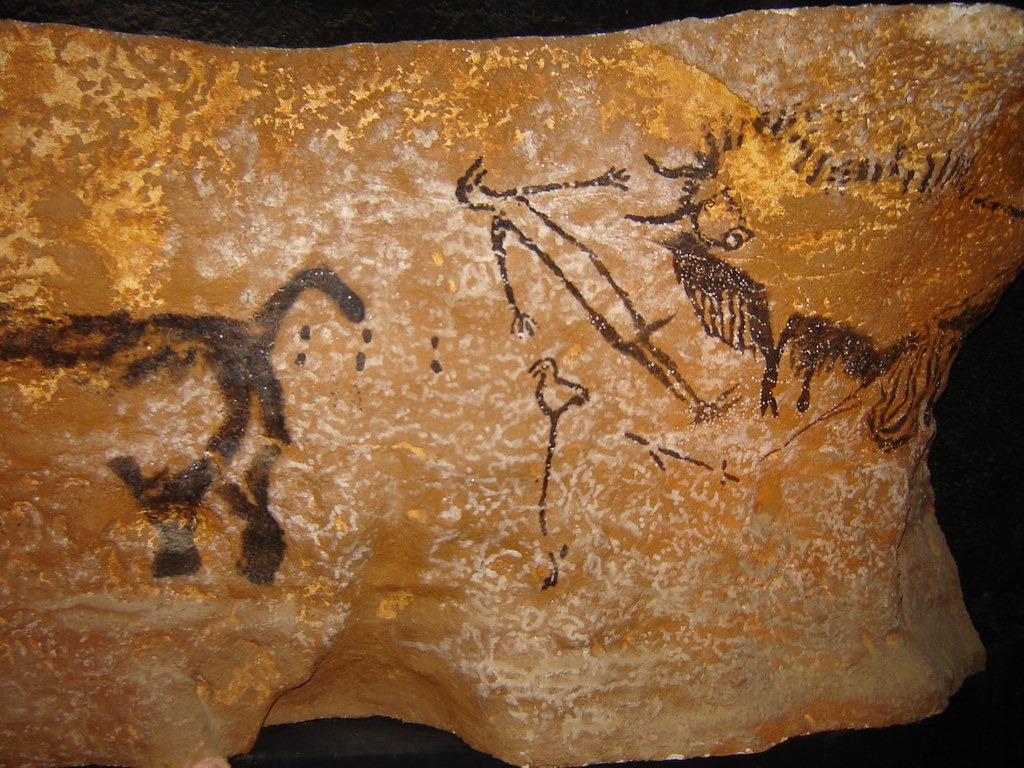
It’s clear: neanderthals created art. The discovery of cave paintings in Spain, dated to over 64,000 years ago, marked a profound shift in our understanding of Neanderthals. This corrected the longstanding perception that Neanderthals lacked symbolic thought and artistic expression. To learn more, check out Beyond Human Bias: Reassessing Neanderthal Intelligence.

Discovery: Neanderthal Symbolic Thought Read More »

geometry, mathematics, volume

The Invention of Calculus

Invented by Newton in the 1660s (pub. 1687) and independently by Leibniz in the 1680s (pub. 1684). Both built on Galileo’s popularizing the idea of the infinitesimal. Calculus, the mathematical study of continuous change, introduced the concepts of differentiation and integration, providing tools to model and analyze motion, growth, and the infinitesimal. Newton, working primarily

The Invention of Calculus Read More »

The Birth of Logic

In the vibrant intellectual climate of Ancient Greece, the 6th century BCE marks the embryonic stage of formal logic, attributed to the philosopher Thales of Miletus (around 624-546 BCE). Thales, recognized as the first of the Seven Sages of Greece, embarked on a quest that laid the foundational stones of logical thought. He shifted the

The Birth of Logic Read More »

Rediscovery of the Library of Ebla: circa 2350 BCE

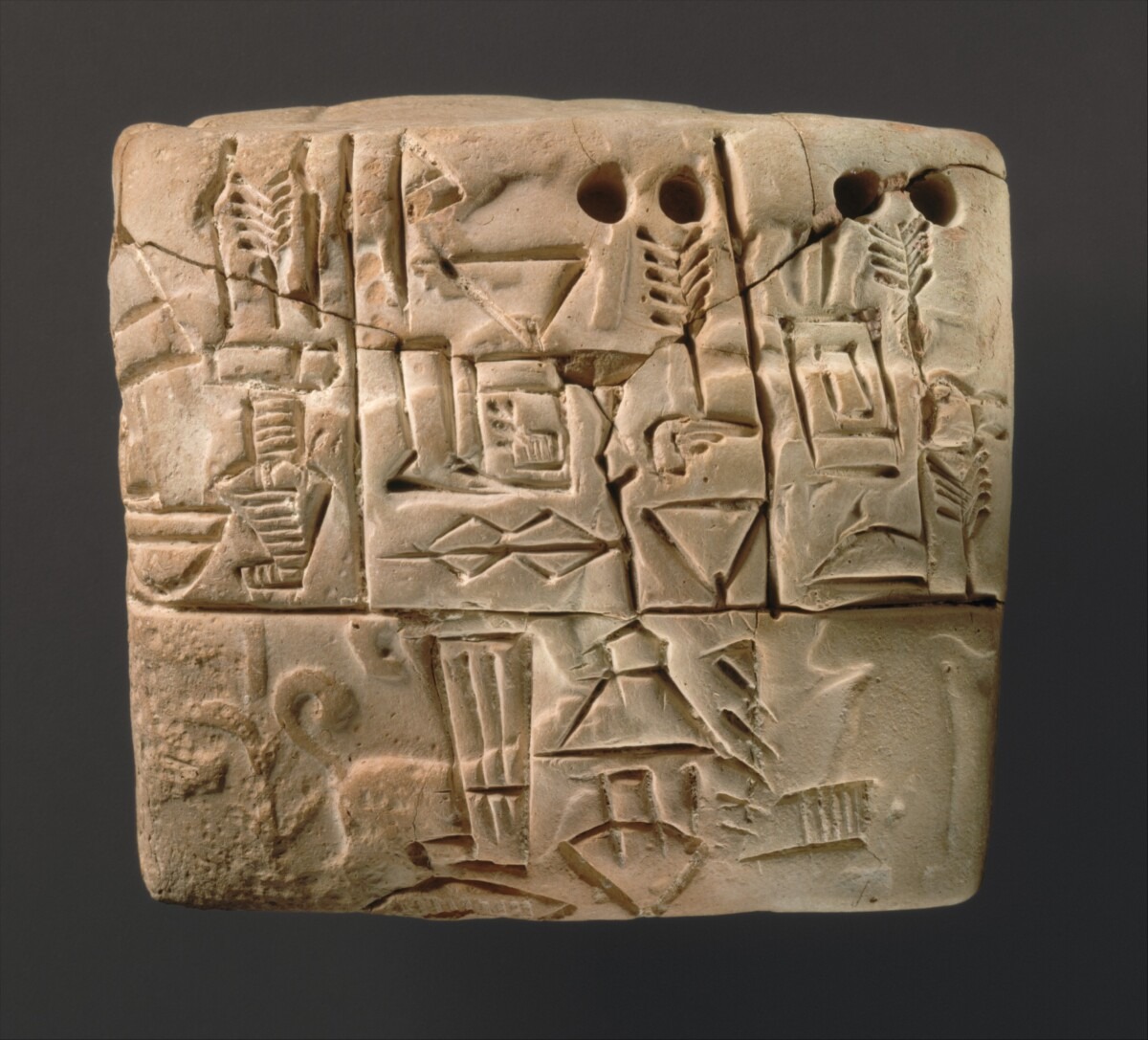
In 1975, Italian archaeologist Paolo Matthiae and his team unearthed the remarkable Library of Ebla at Tell Mardikh, Syria, revealing a trove of around 20,000 clay tablets and fragments. This discovery dramatically expanded our understanding of ancient Near Eastern civilizations, introducing Eblaite as a previously unknown Semitic language and providing unprecedented insights into the culture,

Rediscovery of the Library of Ebla: circa 2350 BCE Read More »

Hourglass on the Beach

Hourglass

Hourglasses, also known as sandglasses or sand timers, were first used in the 14th century, although it is unclear exactly when they were invented. The earliest written reference to an hourglass dates back to the early 14th century in Europe, but they may have been used earlier in other parts of the world. Hourglasses were

Hourglass Read More »

Realistic Earth Planet against the the star sky

Spherical Earth

The Greeks knew the Earth is spherical. For example, Pythagoras (570-495 BCE), Aristotle (384-322 BCE), and Euclid (circa 450 BCE) wrote about the Earth as a sphere. Eratosthenes (276-194 BCE) even calculated the circumference of the Earth to within 1%. He also wrote about the idea that India could be reached by sailing westward from

Spherical Earth Read More »

pathogen virus background

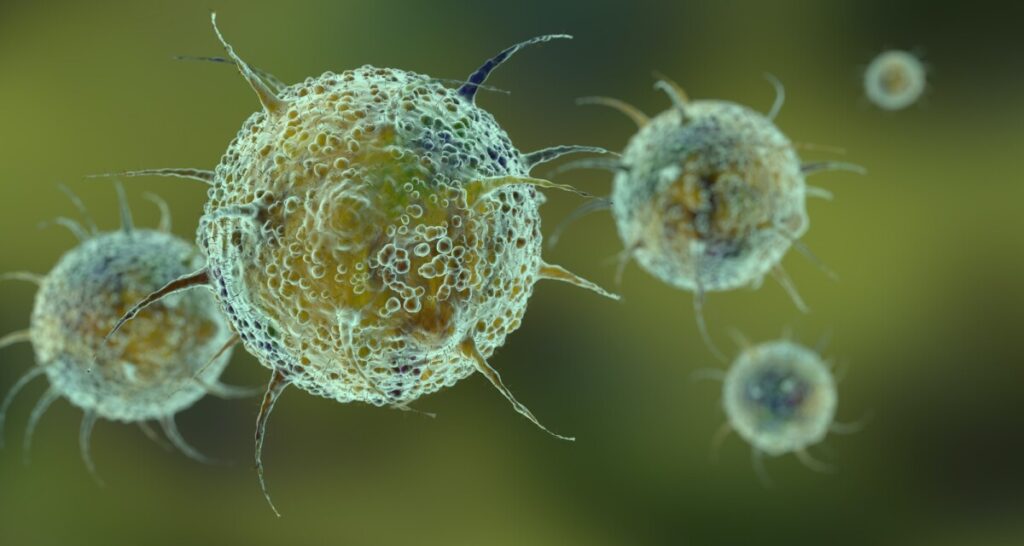
Electron Microscope = Nanoworld Discovered!

Starting in 1931 with the invention of the electron microscope, the nanoworld became visible to us. The nanoworld contains items as small in diameter as 1 micrometer (1 micron) to a diameter 1,000 times smaller, a diameter of 1 nanometer. The nanoworld includes the smallest single celled organisms, the smallest bacteria as well as viruses,

Electron Microscope = Nanoworld Discovered! Read More »

Scroll to Top