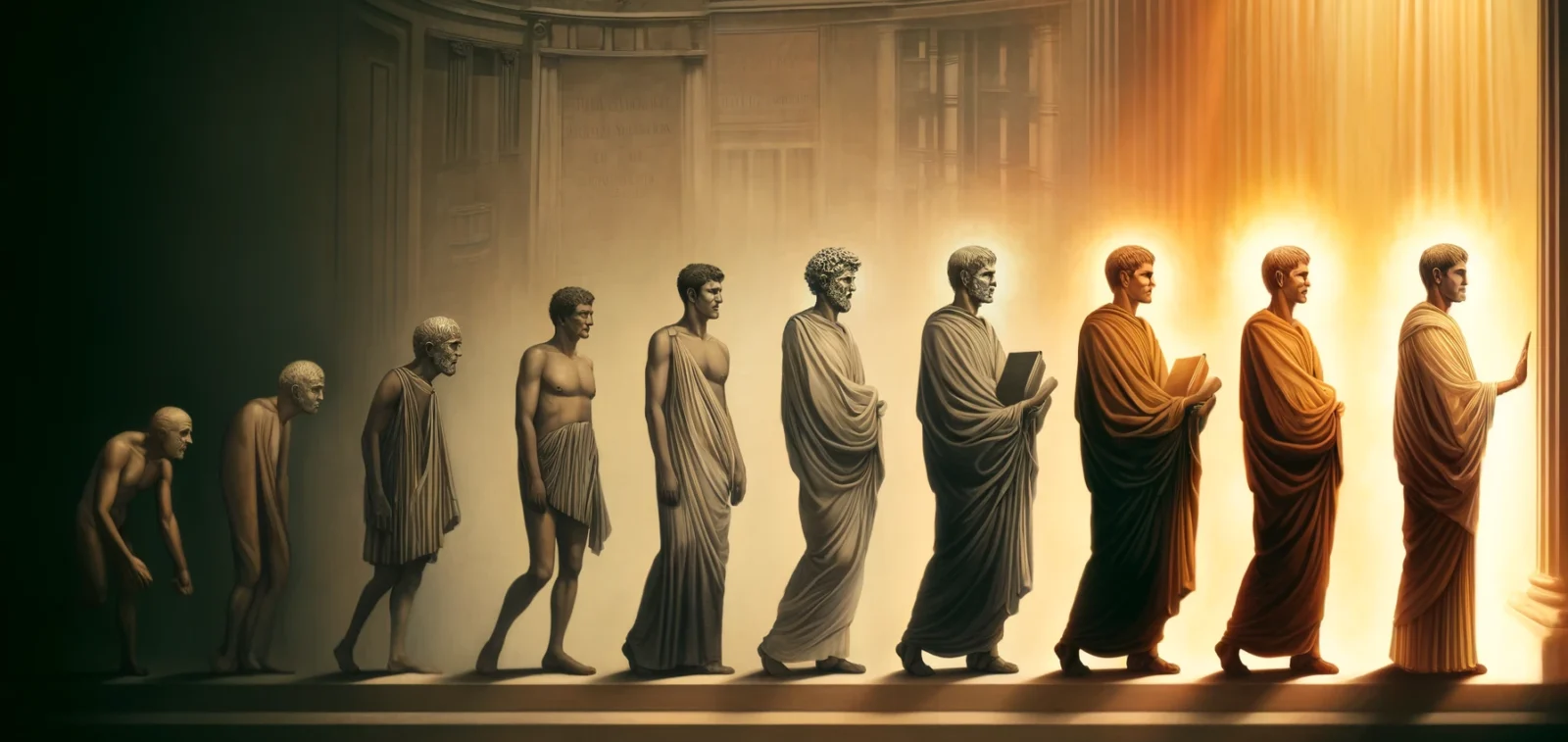
Epictetus (50-135 CE)
Epictetus taught that freedom begins by distinguishing what is within your control from what is not.
Epictetus (50-135 CE) Read More »


Epictetus taught that freedom begins by distinguishing what is within your control from what is not.
Epictetus (50-135 CE) Read More »
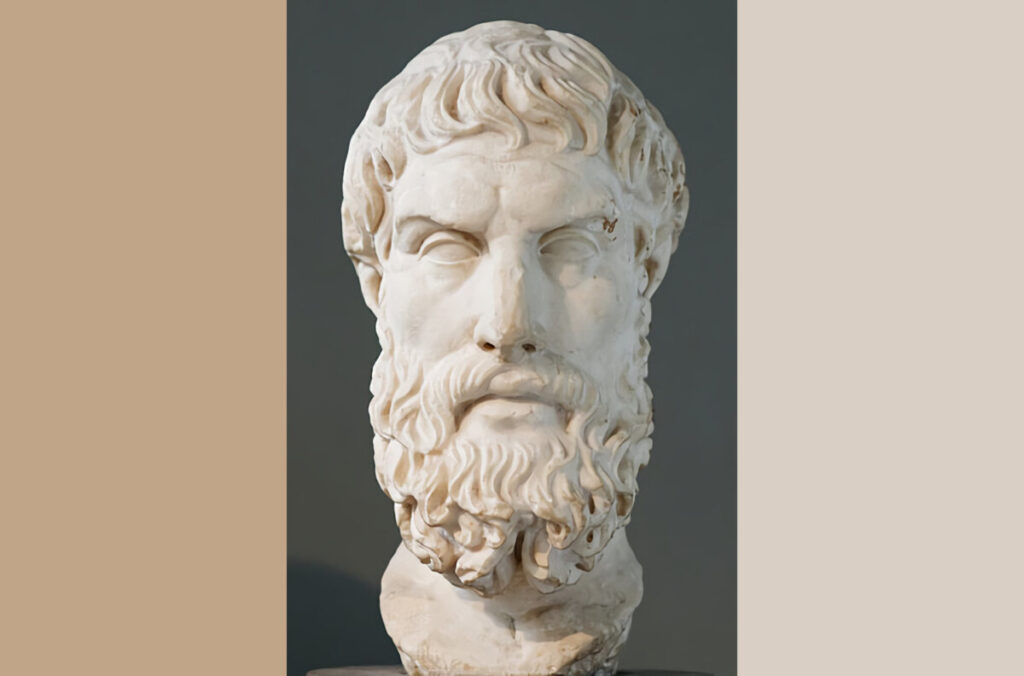
Live better by building a life of care, friendship, and shared dignity. Epicureanism reminds us that flourishing is not a solo project. The people around you shape your peace, your joy, and your moral life.
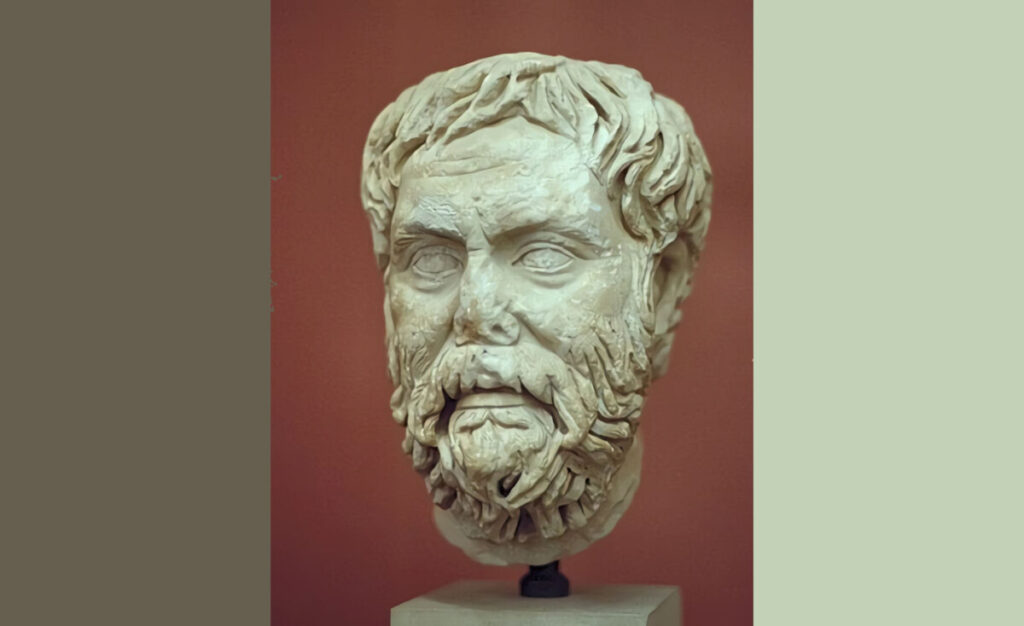
95 Generations Ago 30 Phil, Chapter 10: Pyrrho of Elis and Skepticism Pyrrho, the skeptic, believed no one knows anything. Everything can be questioned. The best approach is to keep an open mind. Like Socrates, Pyrrho himself left no writings. We know of his teachings through his students and later writers. Phrases that best represent
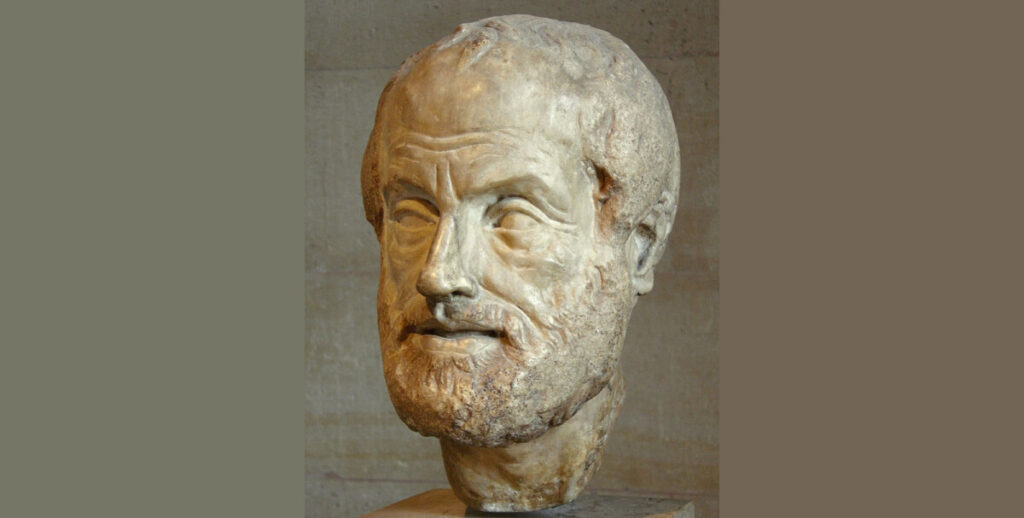
A strong mind can examine an idea without immediately believing or rejecting it. Understanding comes before judgment.
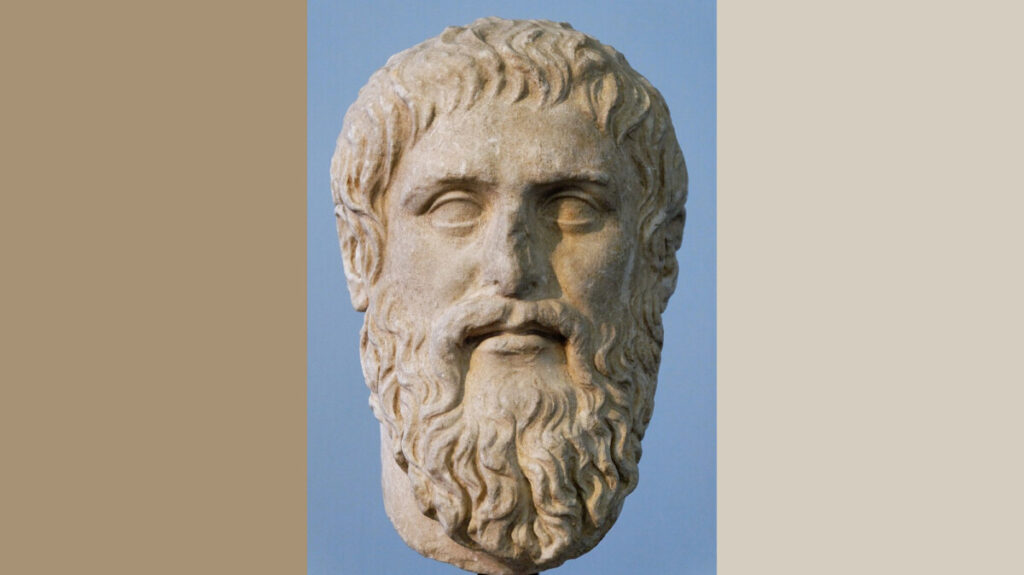
Plato reminds us that what we see is not always the whole story. Humans use abstract ideas, categories, and ideals to make sense of the changing world around us.
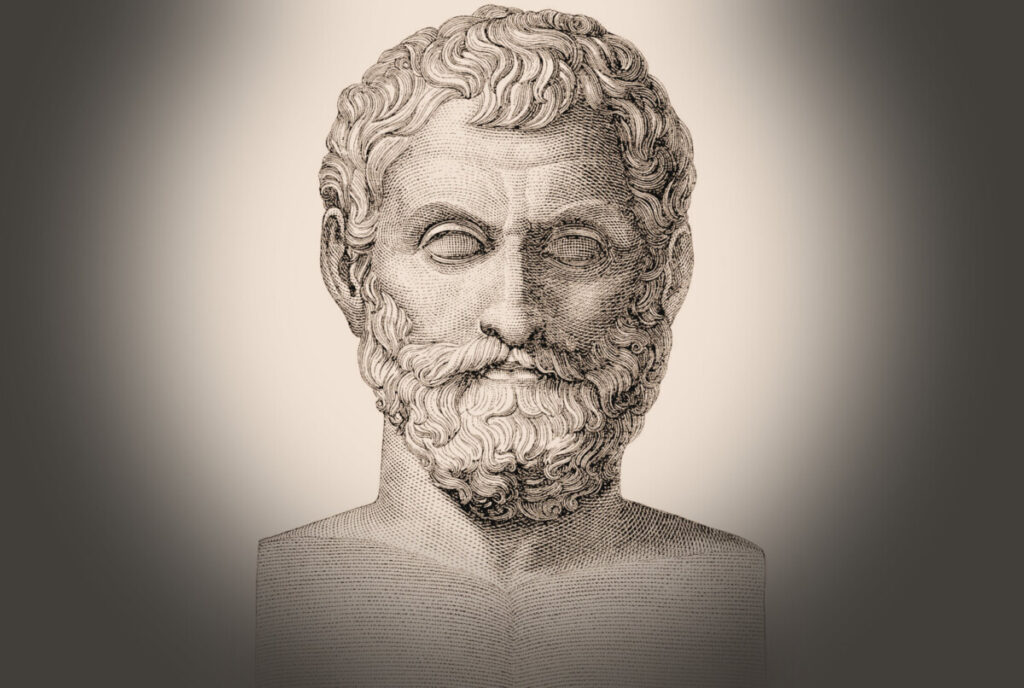
Think like Thales: before reaching for tradition, authority, or speculation, look to reality and ask what nature itself is telling you.

99 Generations Ago Socrates was a Greek philosopher and is frequently credited as the founder of Western philosophy. He left no writings, but his student Plato documented his philosophy. Some of my favorite translated sayings attributed to Socrates: Enjoy yourself — it’s later than you think. He who is not content with what they have
Socrates (469 – 399 BCE) Read More »
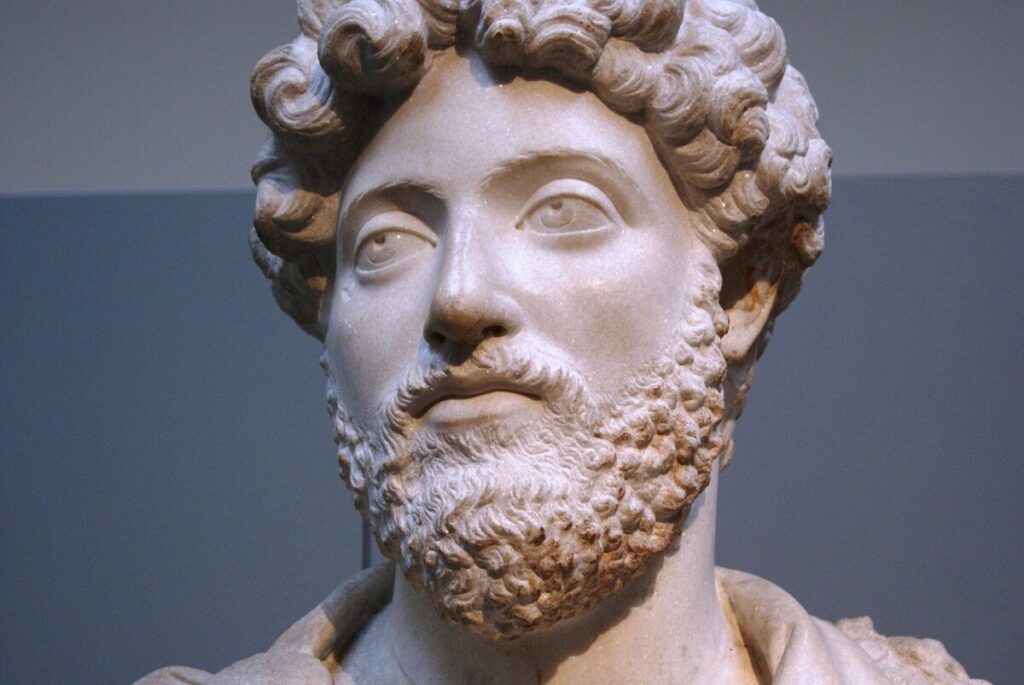
Stoicism is a philosophy of self-command centered on virtue while focusing your effort on what is yours to control.

Make goodness a normal part of your identity. Confucius taught that a better life begins when respect, duty, kindness, and self-discipline become normal habits.
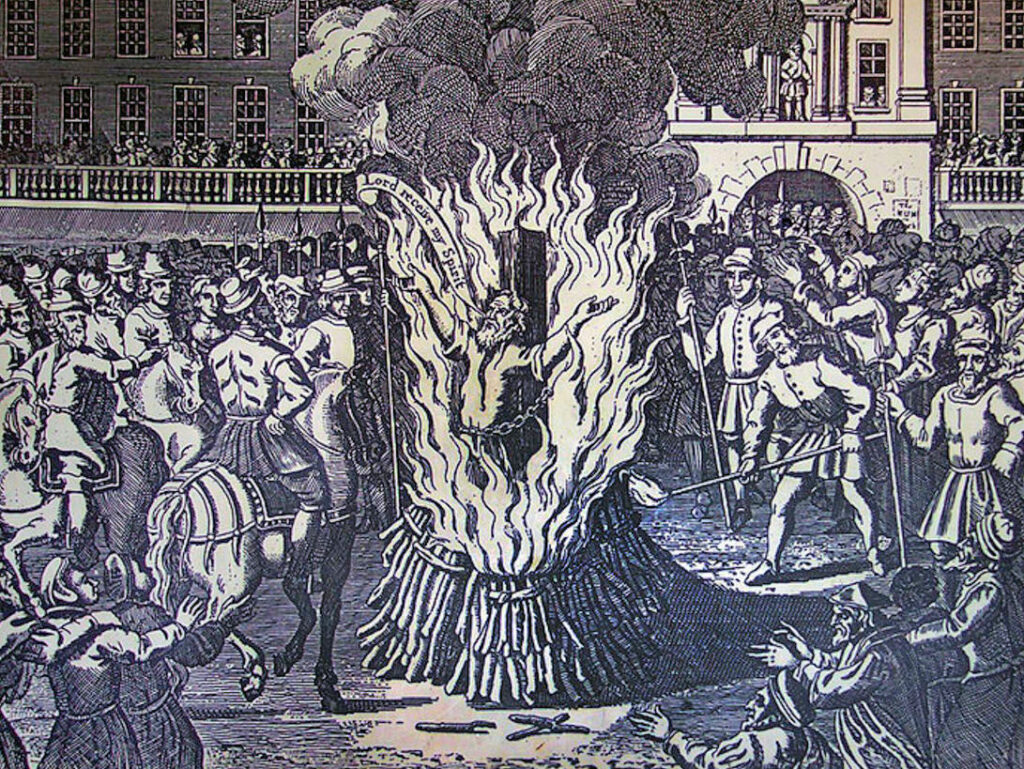
Bartholomew Legate was the last man burned at the stake in Smithfield where Roger Williams grew up. Just like Roger’s father, Bartholomew was in the clothing industry and may have interacted with Roger’s father at his shop. Either way, Roger Williams was about ten years old when Bartholomew was burned at the stake for simply
Bartholomew Legate Burned at the Stake Read More »