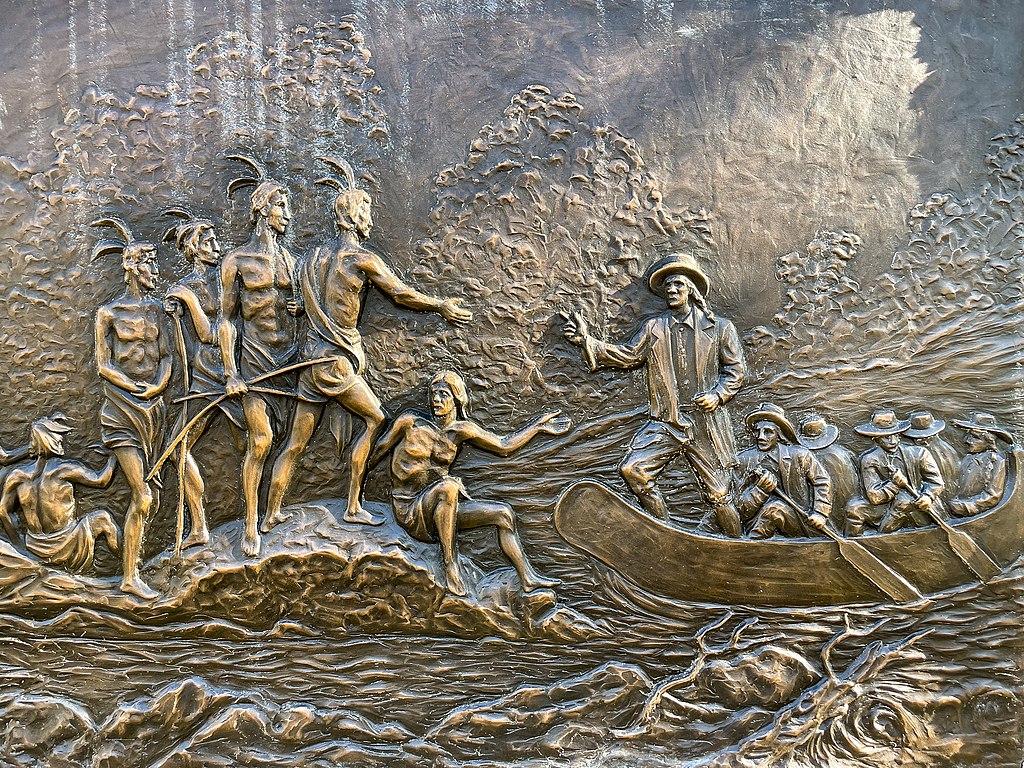
Roger Williams
Roger Williams lived in a world where religious conformity was normal, yet he combined law, theology, and experience to question the assumptions of his age.


Natural philosophy includes dividing ideas into empirical, rational, and irrational as well as understanding their philosophical context. Philosophical context includes understanding the timing of discoveries and rediscoveries as well as the philosophers behind them and their publications.
Roger Williams lived in a world where religious conformity was normal, yet he combined law, theology, and experience to question the assumptions of his age.
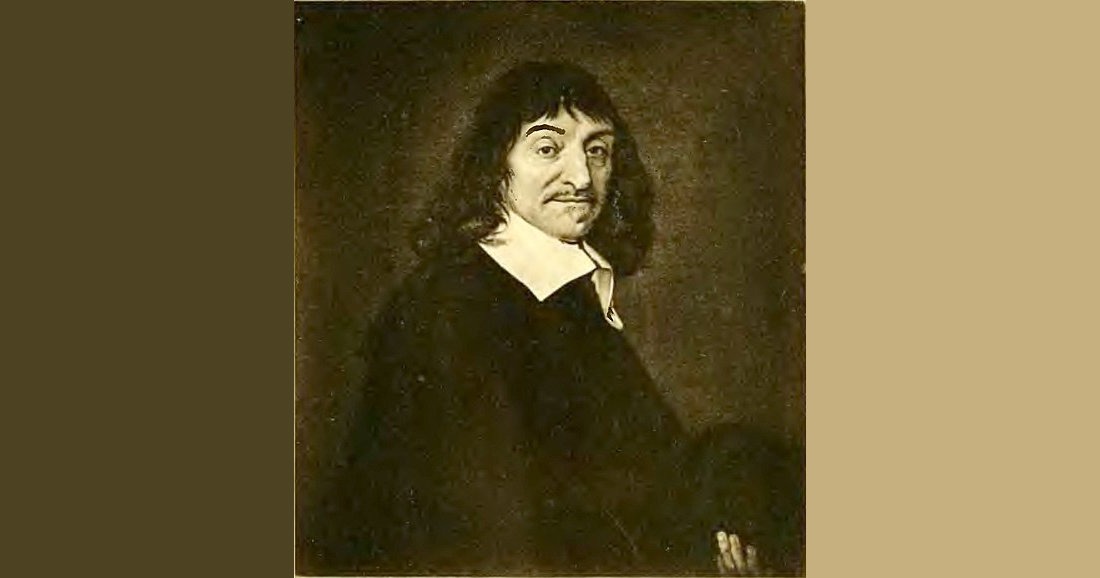
Descartes used disciplined doubt to strip uncertain knowledge away and rebuild from the certainty of conscious thought. His mind-body dualism then divided reality into thinking mind and physical matter.
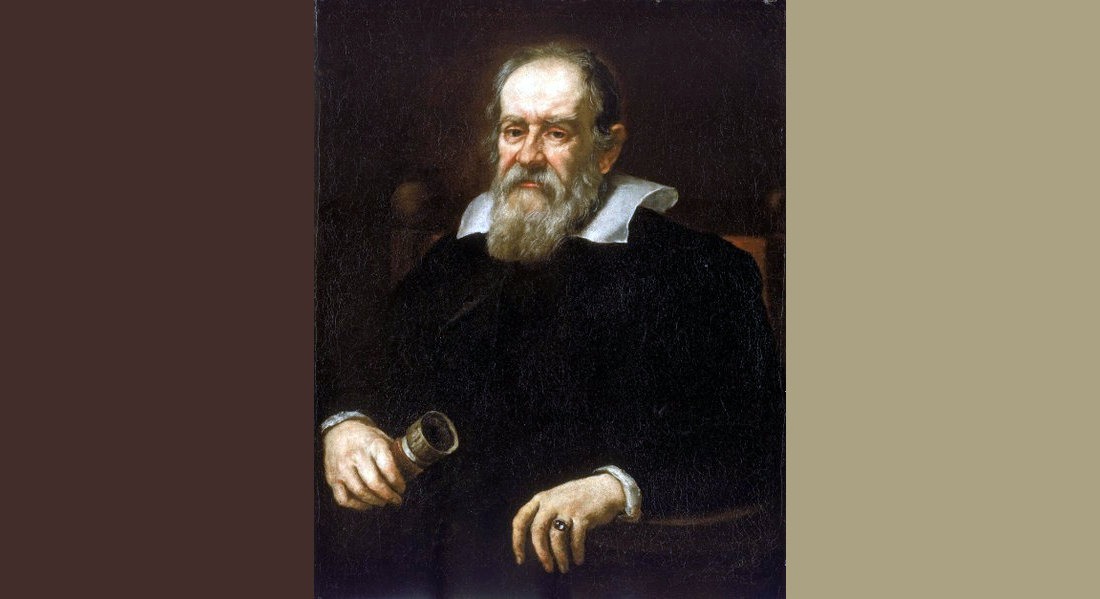
Galileo, the Father of Modern Physics, showed that careful observation and math could overturn ancient certainty.
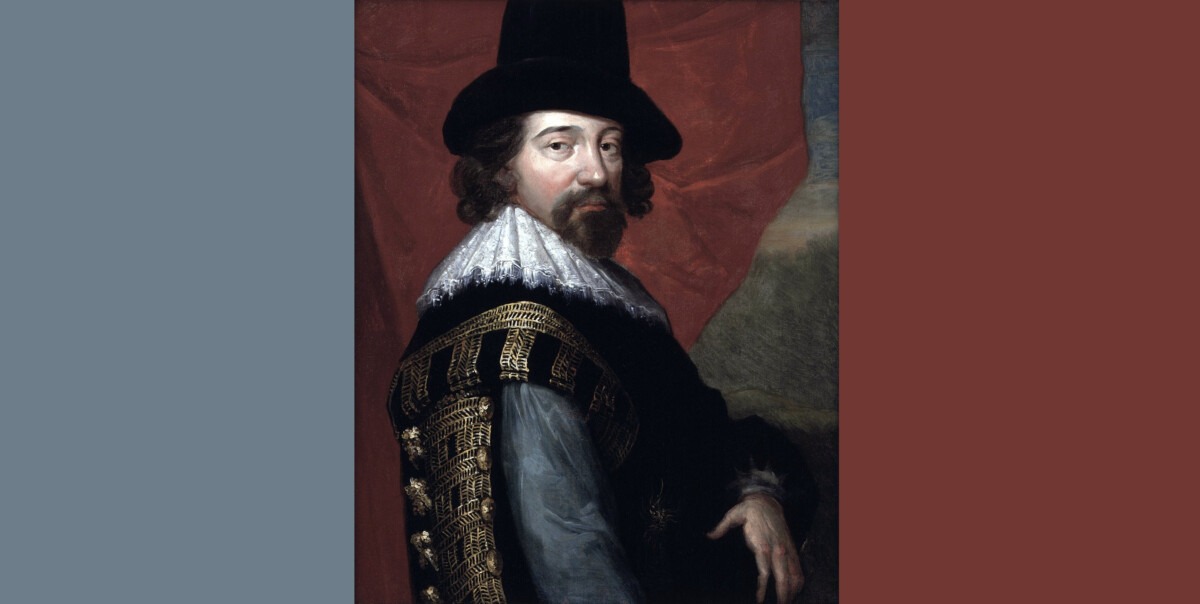
18 Generations Ago 30 Phil, Chapter 20: Francis Bacon and the Scientific Method Francis Bacon was born on January 22, 1561, in London to a prominent and influential family. The young Francis Bacon received a comprehensive education, attending the prestigious Trinity College, Cambridge, at the age of 12. Bacon is the Father of the Scientific
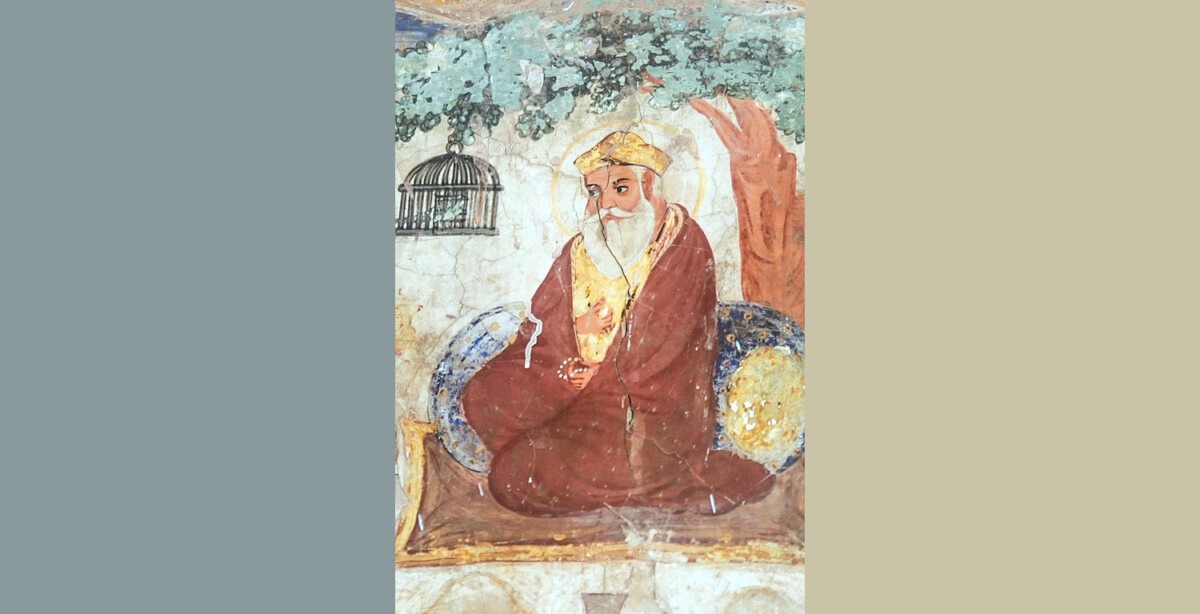
22 Generations Ago 30 Phil, Chapter 19: Guru Nanak and Sikhism Nanak was born in a village in Pakistan, on April 15, 1469. In 1499, at age 30, Nanak experienced a transformative spiritual event. While working as a storekeeper, he would often bathe in a nearby river. One fateful day, he submerged and remained missing
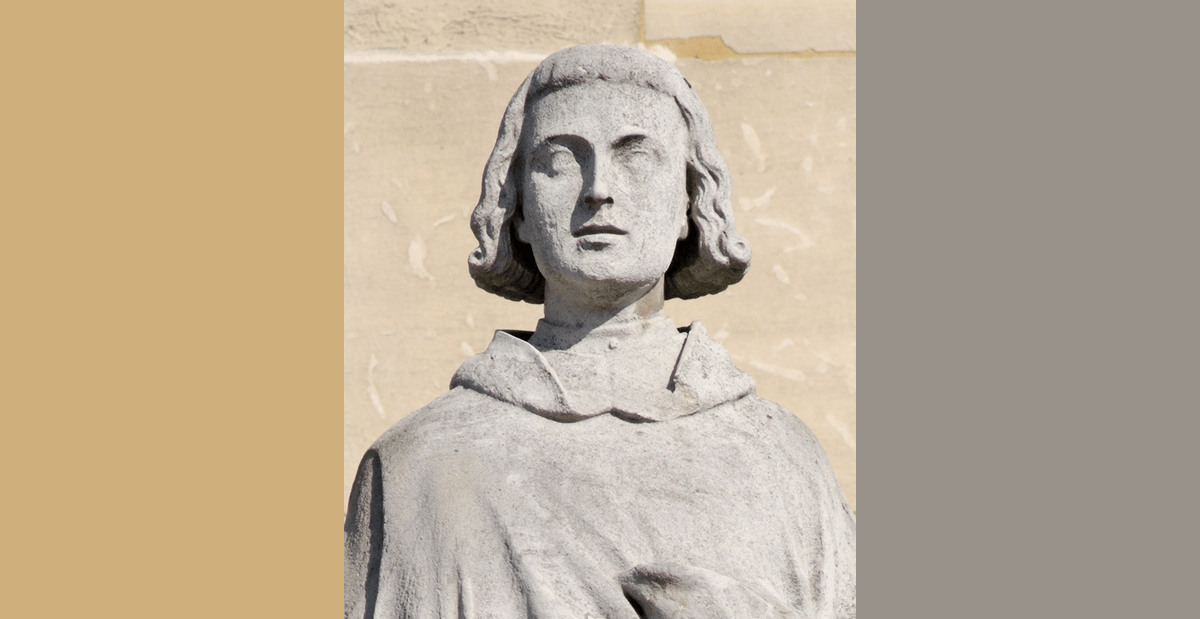
38 Generations Ago 30 Phil, Chapter 18: Peter Abelard and Universals Born in 1079 in Le Pallet, a small village in France, Peter Abelard hailed from a noble lineage. His father, a knight of the local lord, intended for his son to follow in his footsteps. Instead, Peter chose a path of knowledge. His brilliance
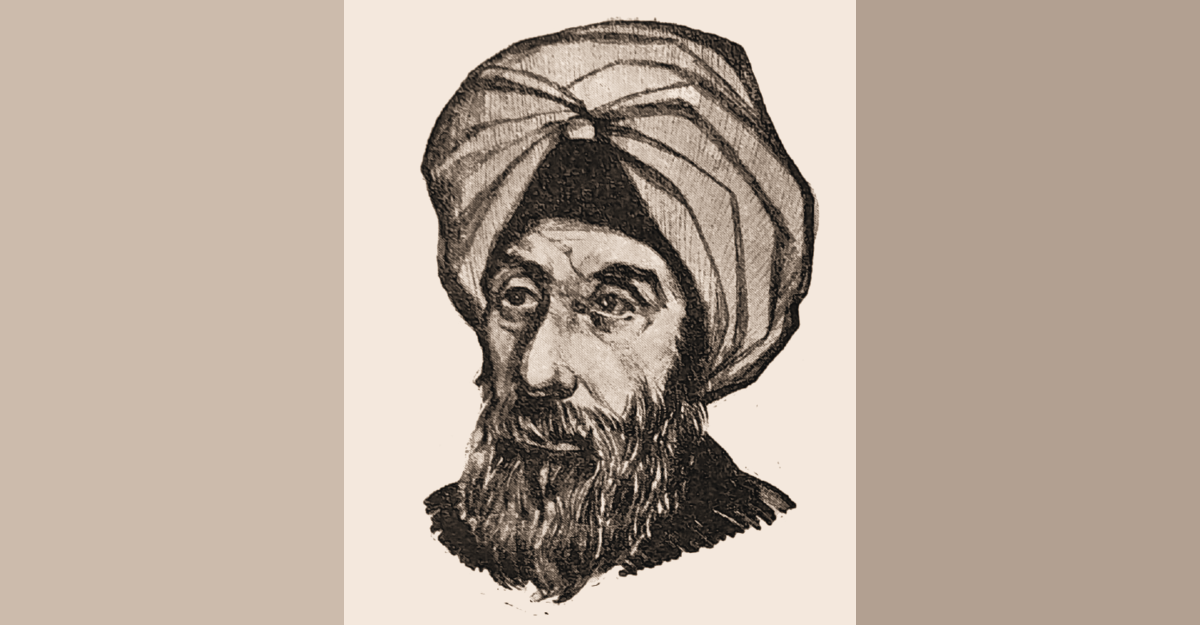
42 Generations Ago 30 Phil, Chapter 17: Alhazen and the Senses Alhazen was born in Basra around 965 CE, a city located in present-day Iraq. In his 30s, Alhazen faced the challenge of his life. He was “commissioned” to produce a solution for regulating the unpredictable and deadly flooding of the Nile. As he delved
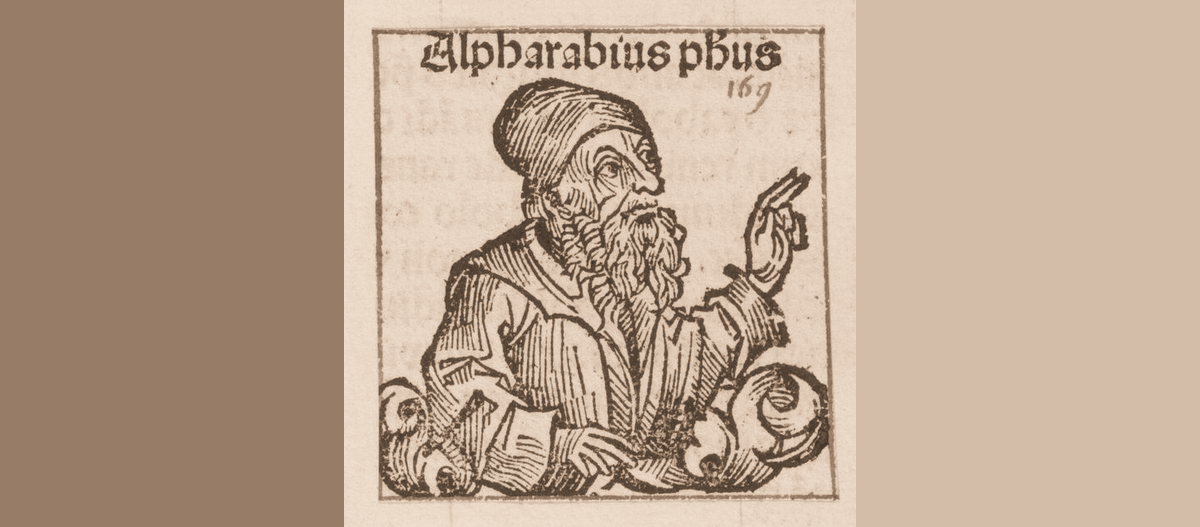
46 Generations Ago 30 Phil, Chapter 16: Al-Farabi and Intellect Al-Farabi was born along the Silk Road circa 872 CE in the city of Farab, in present-day Kazakhstan. Al-Farabi’ thought was rooted in Platonic and Aristotelian frameworks, yet it seamlessly wove in elements of Islamic thinking. He imagined an ideal society, steered by virtuous leaders
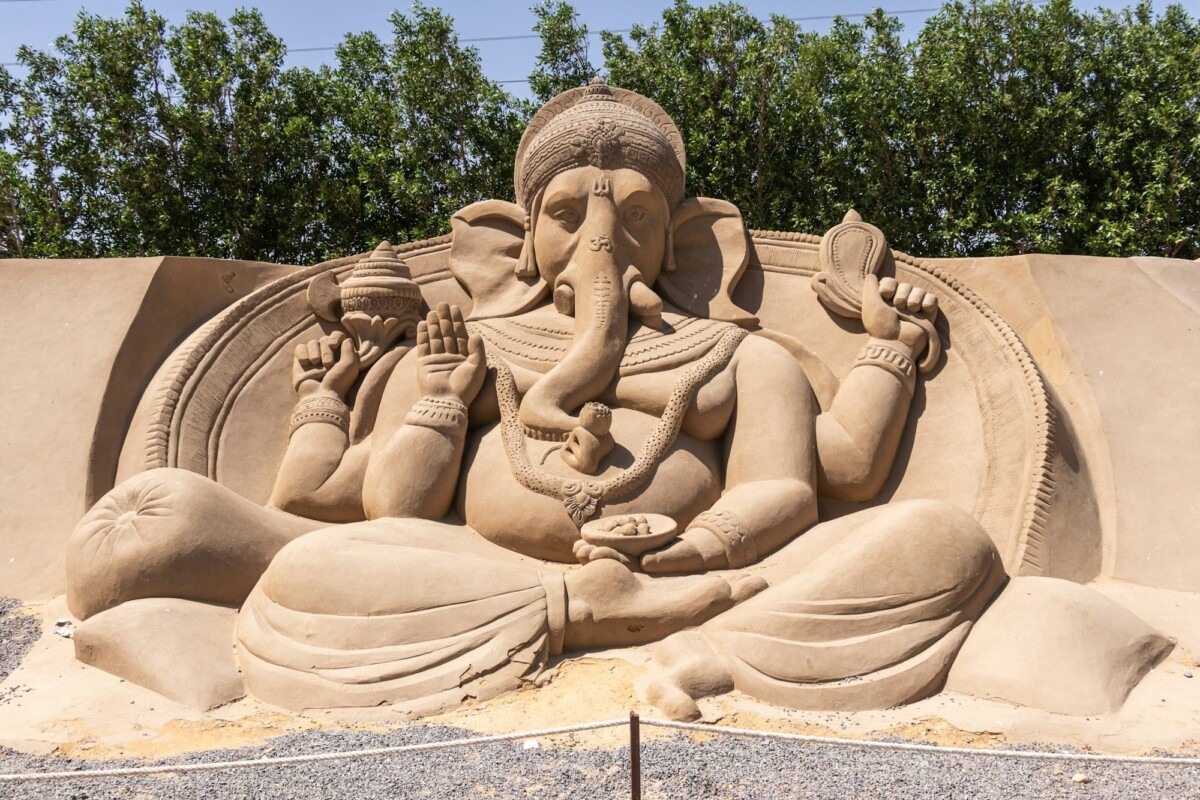
73 Generations Ago 30 Phil, Chapter 14: Badarayana and Karma Badarayana is the sage who wrote the Brahma Sutras. Badarayana is placed at circa 200 CE, but the truth is, we don’t know when he lived. In my research, I found dates ranging from the 4th century BCE to the 4th century CE . While
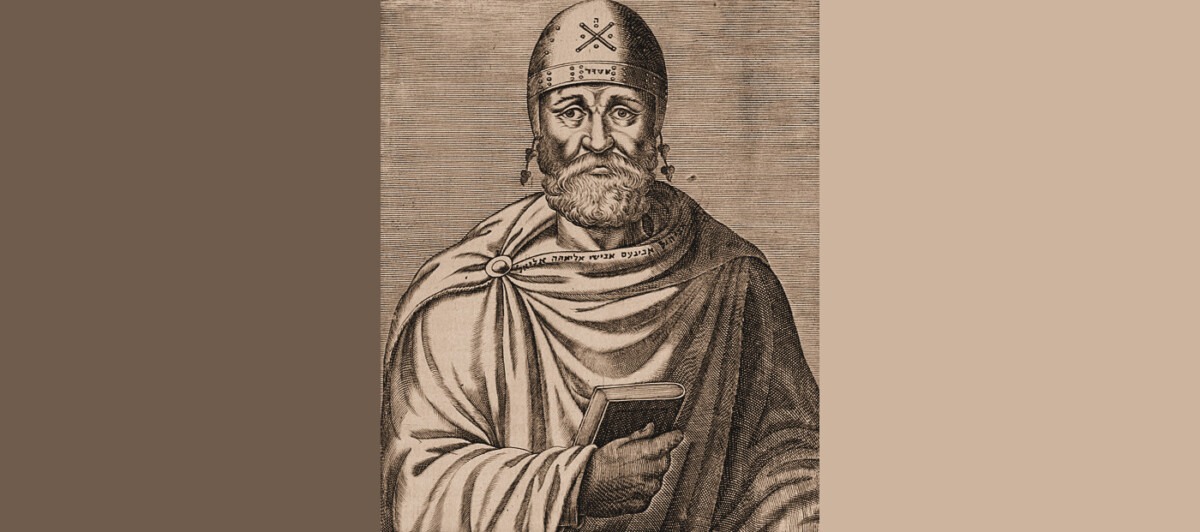
Philo shows how ideas cross cultures. He blended Jewish scripture with Greek philosophy, helping create an intellectual bridge between ancient traditions.
Philo of Alexandria Read More »
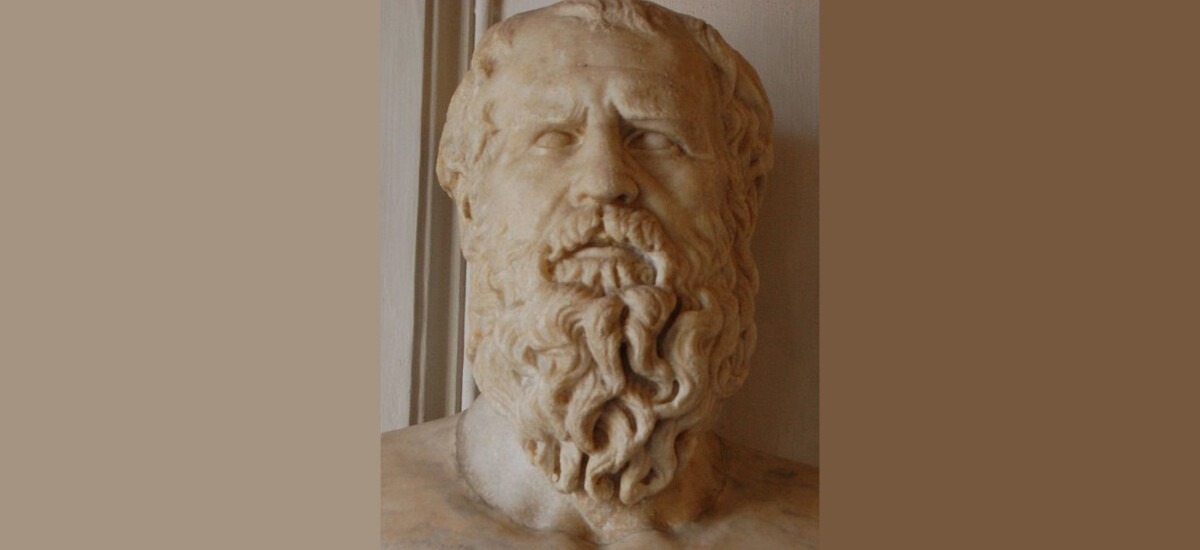
Heraclitus taught that reality exists in constant flux, held together by the tension of opposing forces—an insight that echoes Eastern impermanence and the balance of yin–yang.

The Buddha gave the world a practical lesson: spirituality is best practiced in this life, not the next. Enjoy today in all its shades of color.
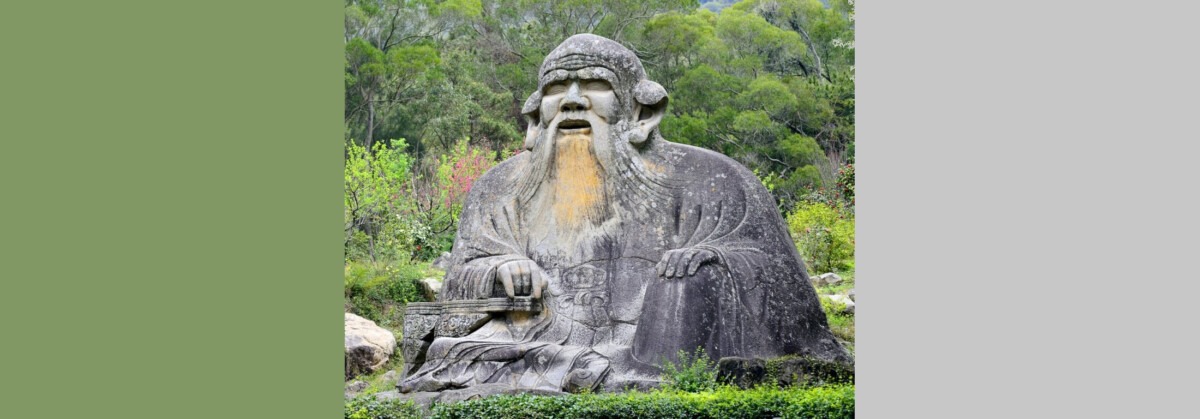
Laozi’s spirituality wants you to live with humility before the unknowable Dao: live gently, force less, and move in harmony with reality. Let people be who they are.
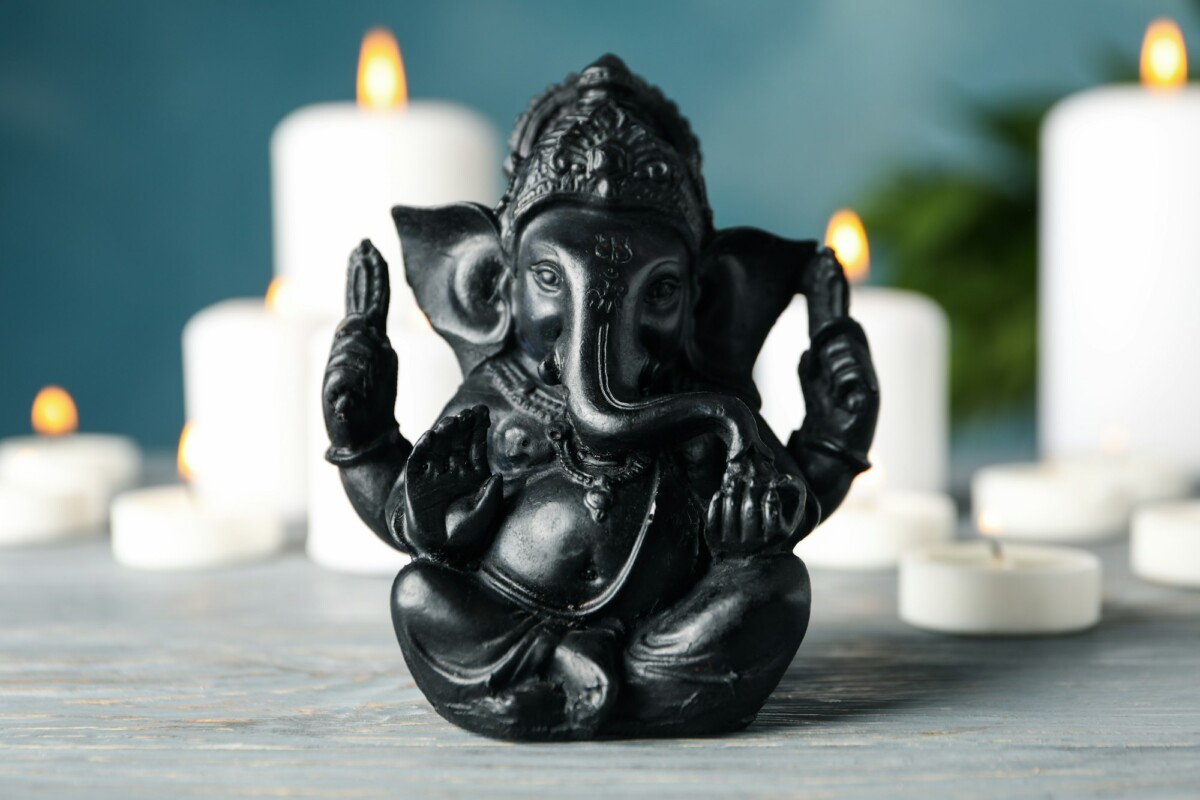
112 Generations Ago (from 2020 CE) 30 Phil, Chapter 3: Gargi and the Concept of Holism Gargi lived in India around 800 BCE, give or take a century, but we do not know her lifespan. We know about her from early Vedic Tradition, specifically from the early Vedas. Gargi is one of the earliest known
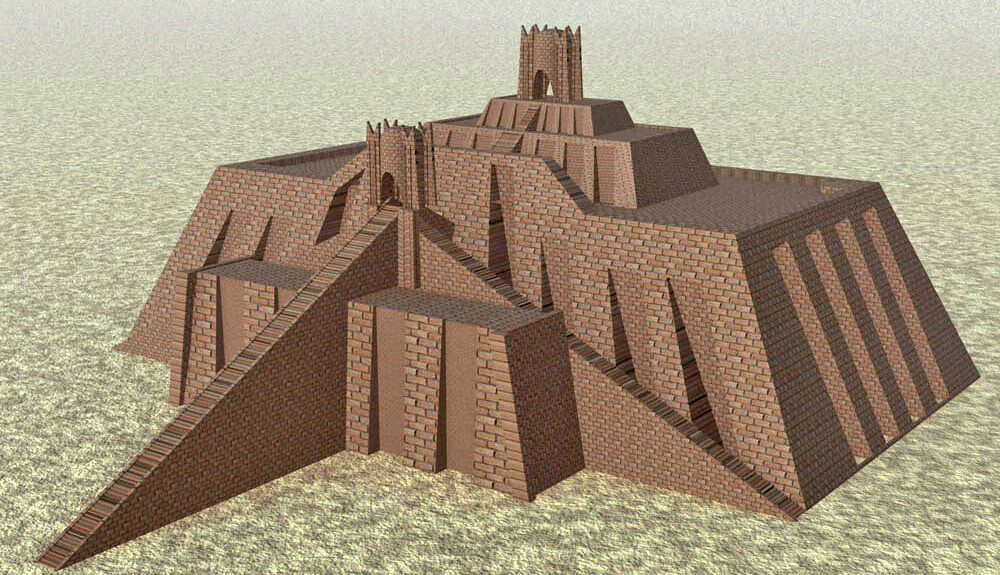
185 Generations Ago (from 2020 CE) 30 Phil, Chapter 2: Shuruppak and Paternal Wisdom Sumerian civilization consisted of over 30 city-states, among which Ur and Shuruppak were among the more prominent. We know about King Shuruppak from the Sumerian King List, an ancient text where he appears as the last king before a great flood.

In the tropical rainforests of Mesoamerica, the ancient Olmecs unlock the secrets of the cacao pod. By fermenting, roasting, and grinding the seeds, they create the bitter beverage chocolate. This divine elixir lays the foundation for chocolate’s enduring legacy, cherished by the Mayans and Aztecs as a ceremonial drink, a currency, and a medicine.

In the highlands of Mexico, the story of maize, or corn, begins with its ancestor, teosinte. Through centuries of selective breeding, Indigenous peoples transform this humble grass into corn.

In the Neolithic villages of Poland, milk, a nourishing gift from domesticated animals, is left to curdle, giving rise to the earliest form of cheese.
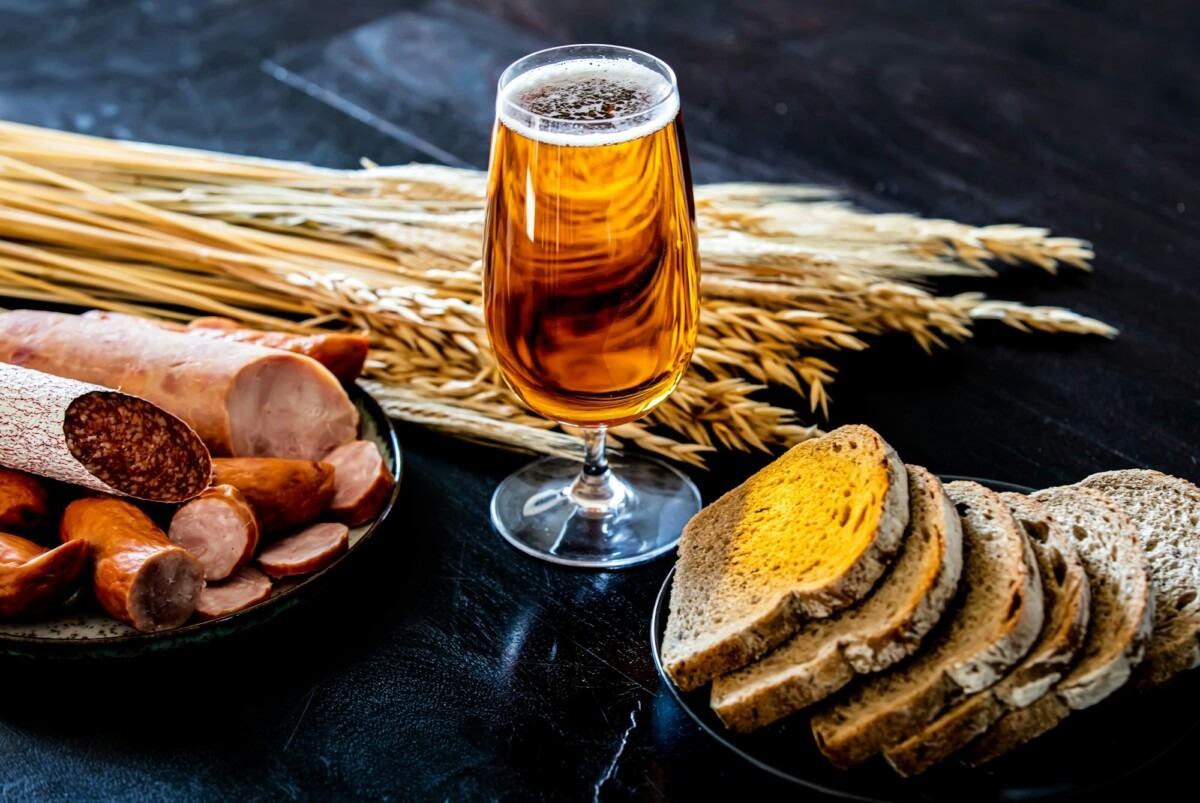
Who drank the first beer? Getting buzzed definitely has very deep historical roots. The earliest evidence of any fermented beverage is fruit-based, aka wine, and comes from the Jiahu site in China and dates back to around 7,000 BCE (9,000 years ago). In addition to fermented beverage residue in China, we have grain-based, aka beer/ale,
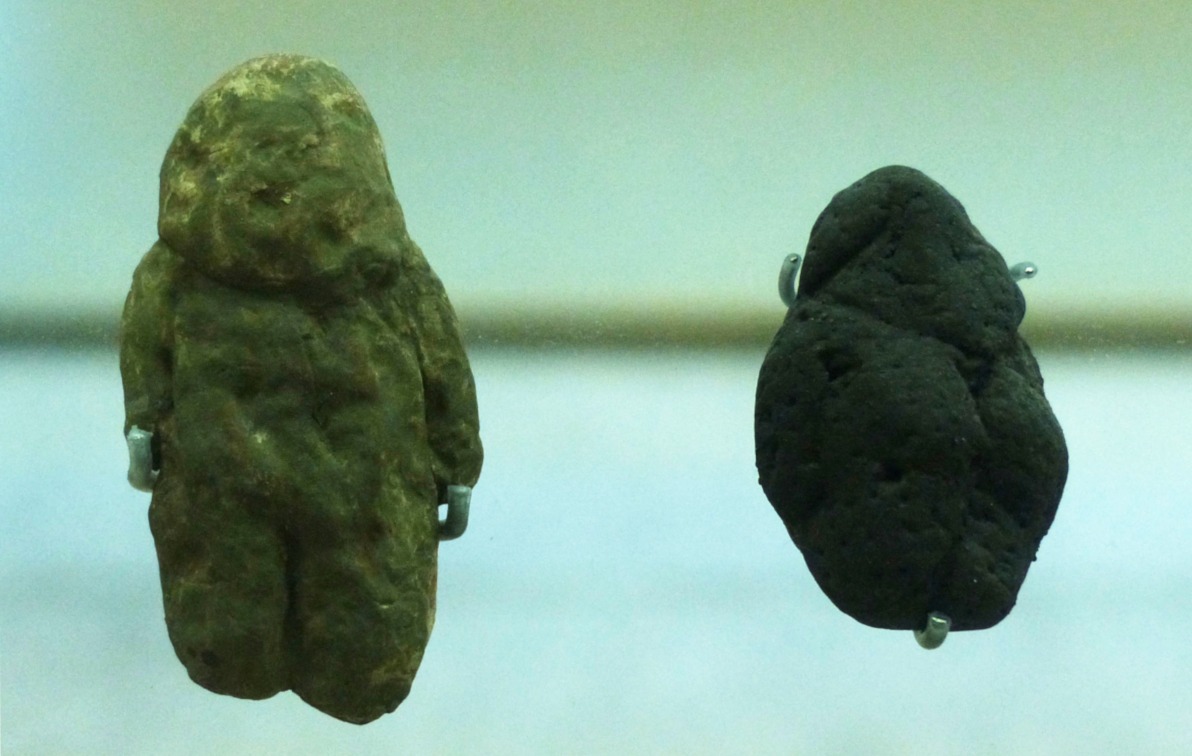
Found in Morocco, this natural pebble with human-like features is possibly the oldest known example of a figurine or representation of the human form.