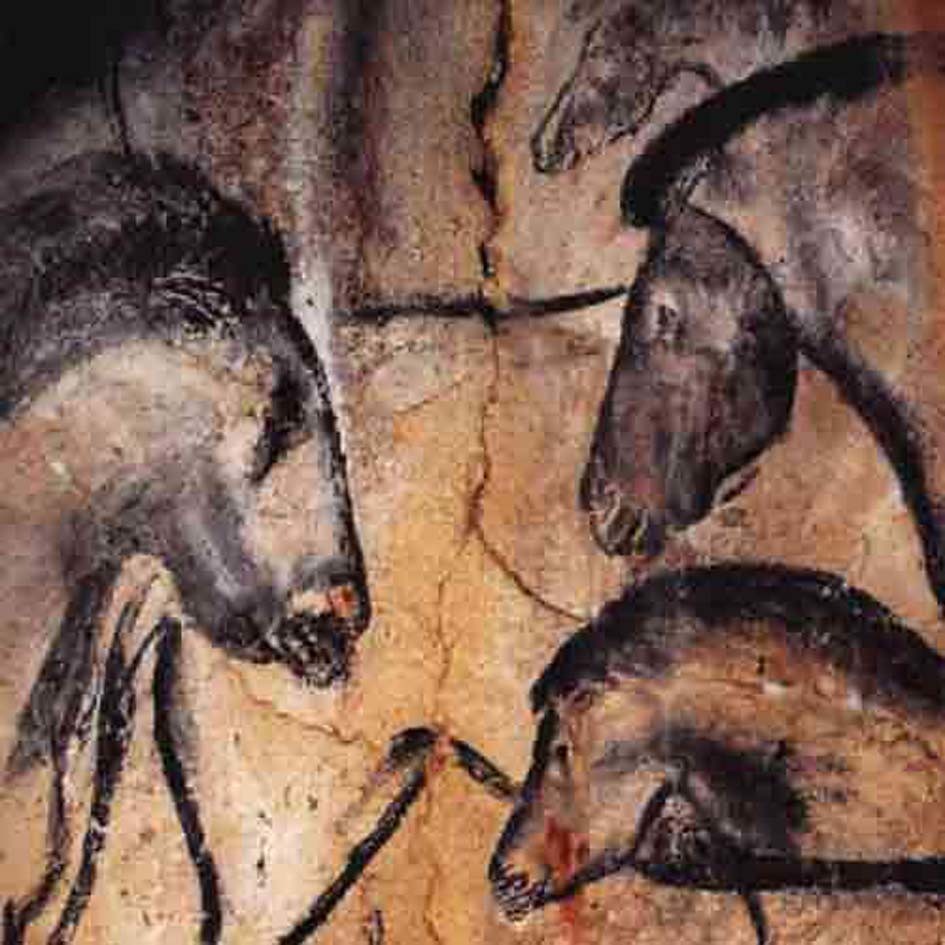
Chauvet Cave Paintings
Located in France, the cave contains hundreds of wall paintings of animals, abstract symbols, and hand prints.
Chauvet Cave Paintings Read More »


Natural philosophy includes dividing ideas into empirical, rational, and irrational as well as understanding their philosophical context. Philosophical context includes understanding the timing of discoveries and rediscoveries as well as the philosophers behind them and their publications.
Located in France, the cave contains hundreds of wall paintings of animals, abstract symbols, and hand prints.
Chauvet Cave Paintings Read More »
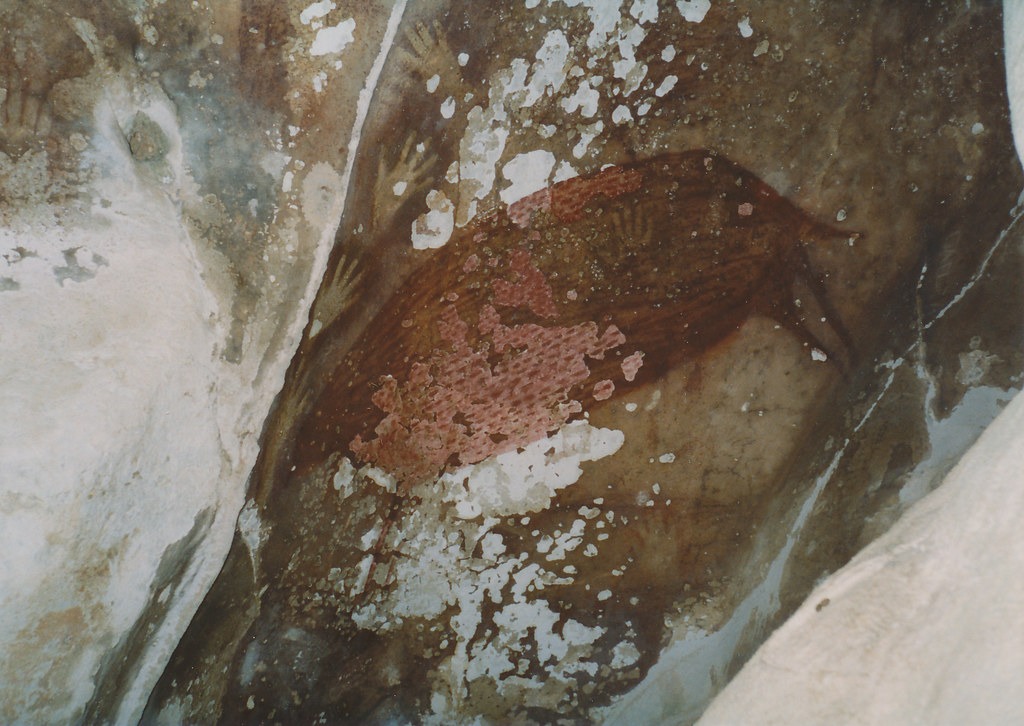
Discovered in Indonesia, these hand stencils and depictions of animals are among the oldest known figurative artworks.
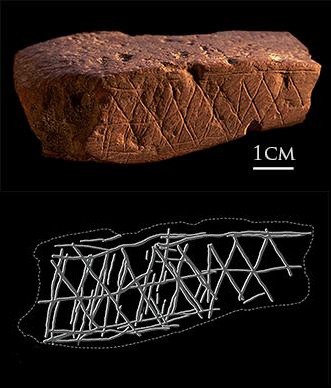
Earliest known symbol use in the Africa/Middle East zone. Located in South Africa, the cave contains engraved ochre pieces, which are among the earliest known forms of abstract art.
Blombos Cave Engravings Read More »
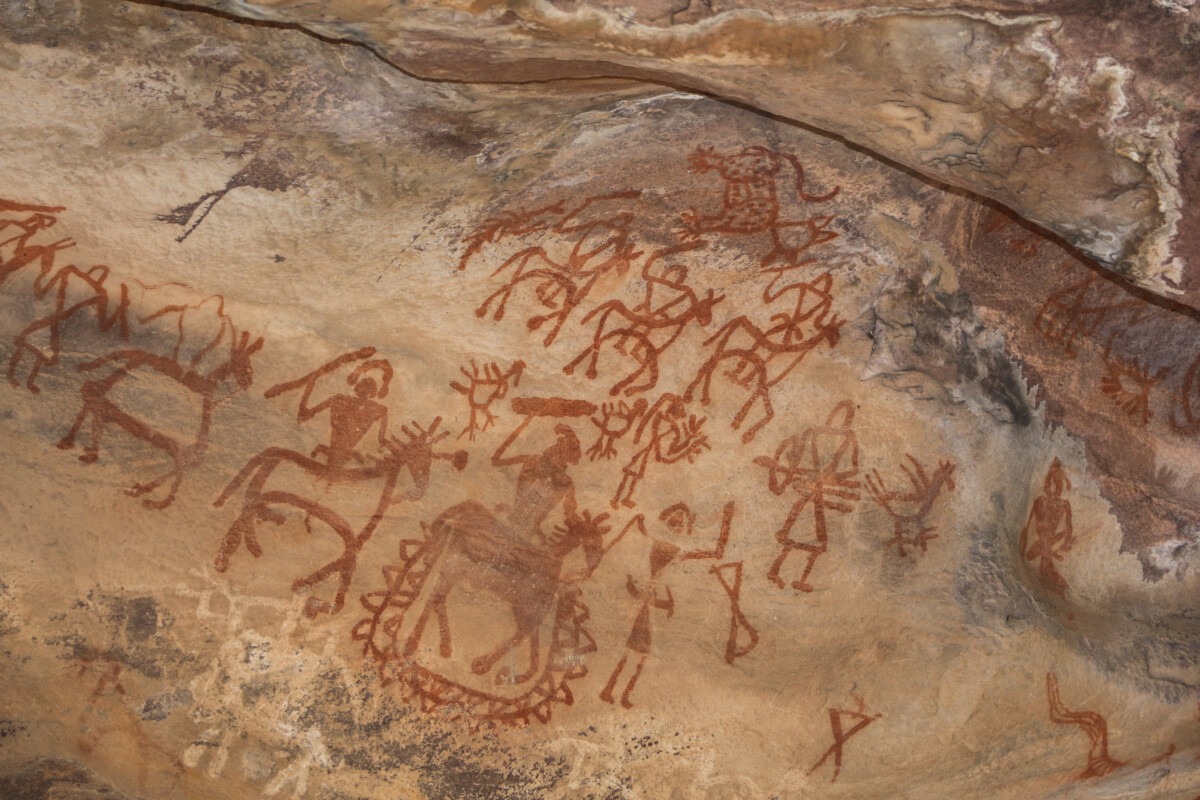
Found in central India, these cupules (circular hollows on rock surfaces) are among the earliest known forms of rock art. They were likely created by a species like Homo erectus or Homo heidelbergensis and not Homo sapiens. Homo sapiens are not known to be in India until around 40,000 years ago. Homo erectus is known
Bhimbetka Petroglyphs, Cupules Read More »

The groundbreaking discovery that humans were making bread 14,000 years ago, before the advent of agriculture, was published in 2018. Since grain is easy to grow, does this suggest agriculture might have started a few thousand years earlier? Under study, but the discovery of bread-making from around 14,000 years ago indeed suggests that humans were experimenting
Bread Making Pushed Back Read More »

Since grain is easy to grow, does this suggest agriculture might have started a few thousand years earlier? Under study, but the discovery of bread-making from around 14,000 years ago indeed suggests that humans were experimenting with grains before the widespread adoption of agriculture, which is traditionally dated to about 12,000 years ago with the
The Invention of Bread Read More »
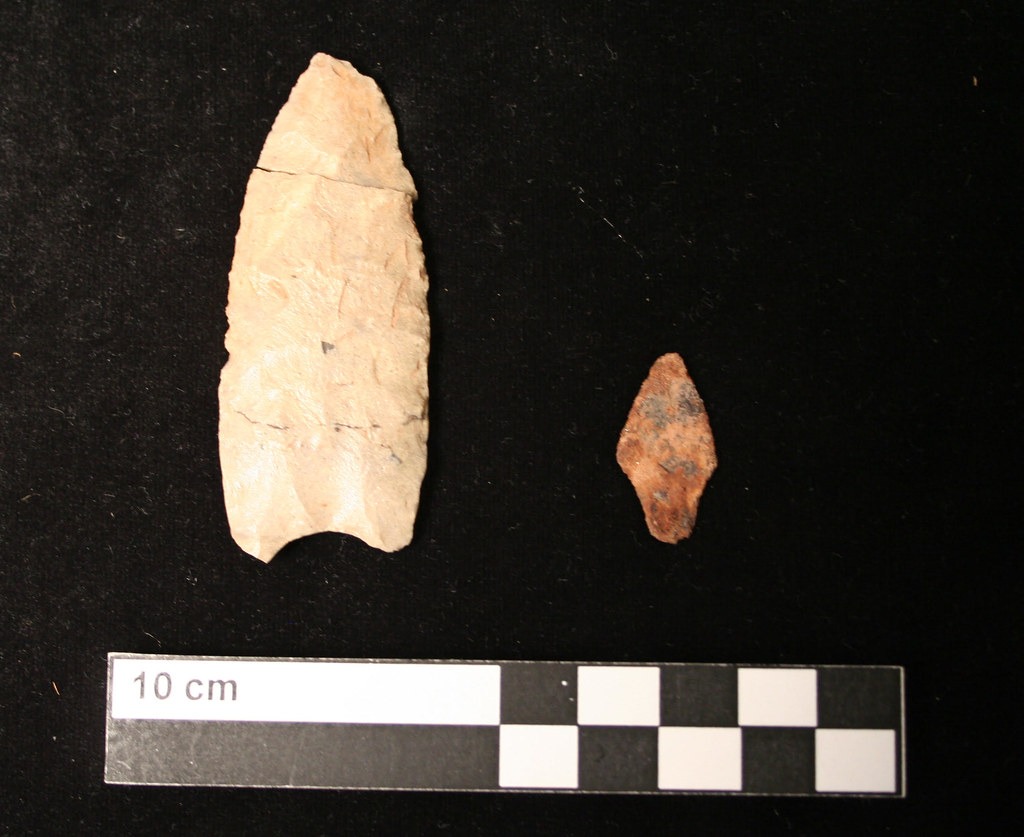
In what is now the United States, the Clovis culture, named after distinctive stone tools found near Clovis, New Mexico, represents one of the earliest known sophisticated societies in the Americas. Dating back to around 13,000 BCE, the Clovis people are believed to be among the first inhabitants of the continent, crossing the Bering Land
The Clovis Culture Read More »

In the lush, fertile lands of the Yangtze River Valley in ancient China, early inhabitants achieved a milestone that would revolutionize human society: the domestication of rice. Around 8,000 BCE, these innovative communities began to cultivate wild rice, laying the groundwork for sedentary agriculture and complex civilizations. This agricultural breakthrough not only provided a stable
The Domestication of Rice Read More »
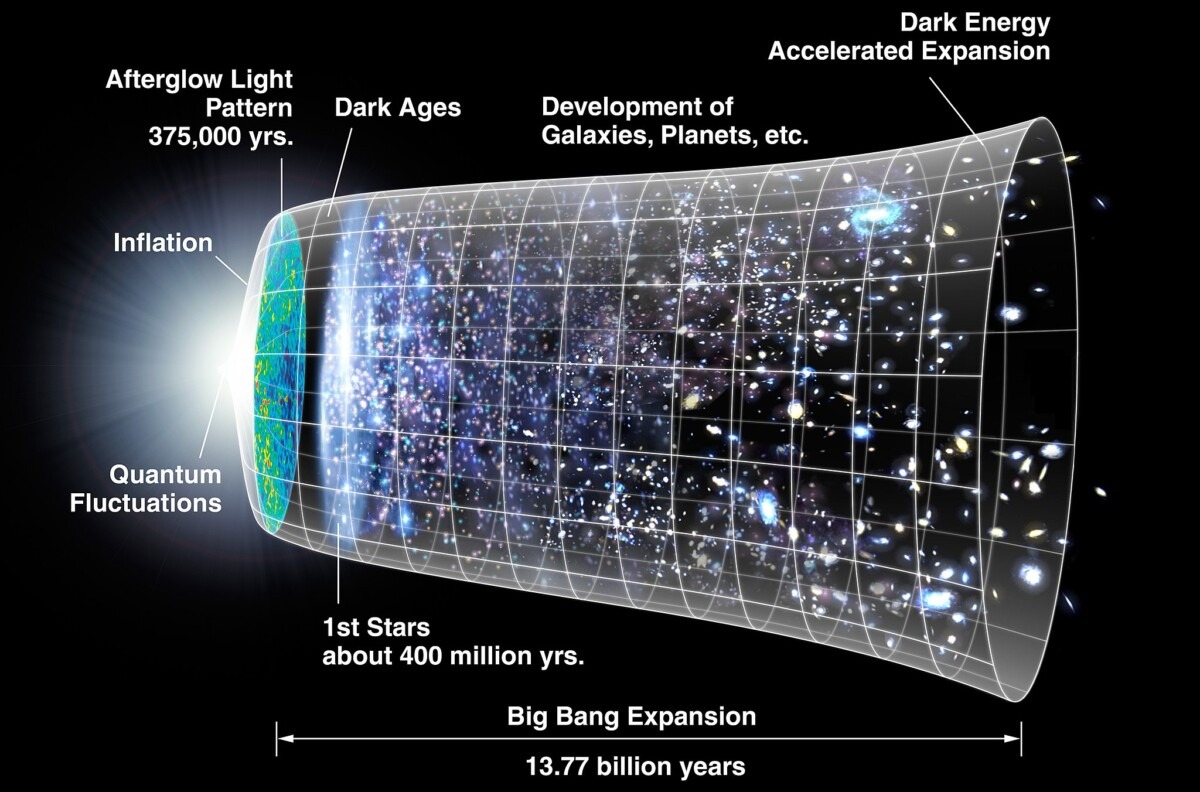
13.8 billion years ago, space itself began expanding and cooling, setting the stage for particles, atoms, stars, galaxies, planets, life, and us.
Big Bang Expansion Read More »
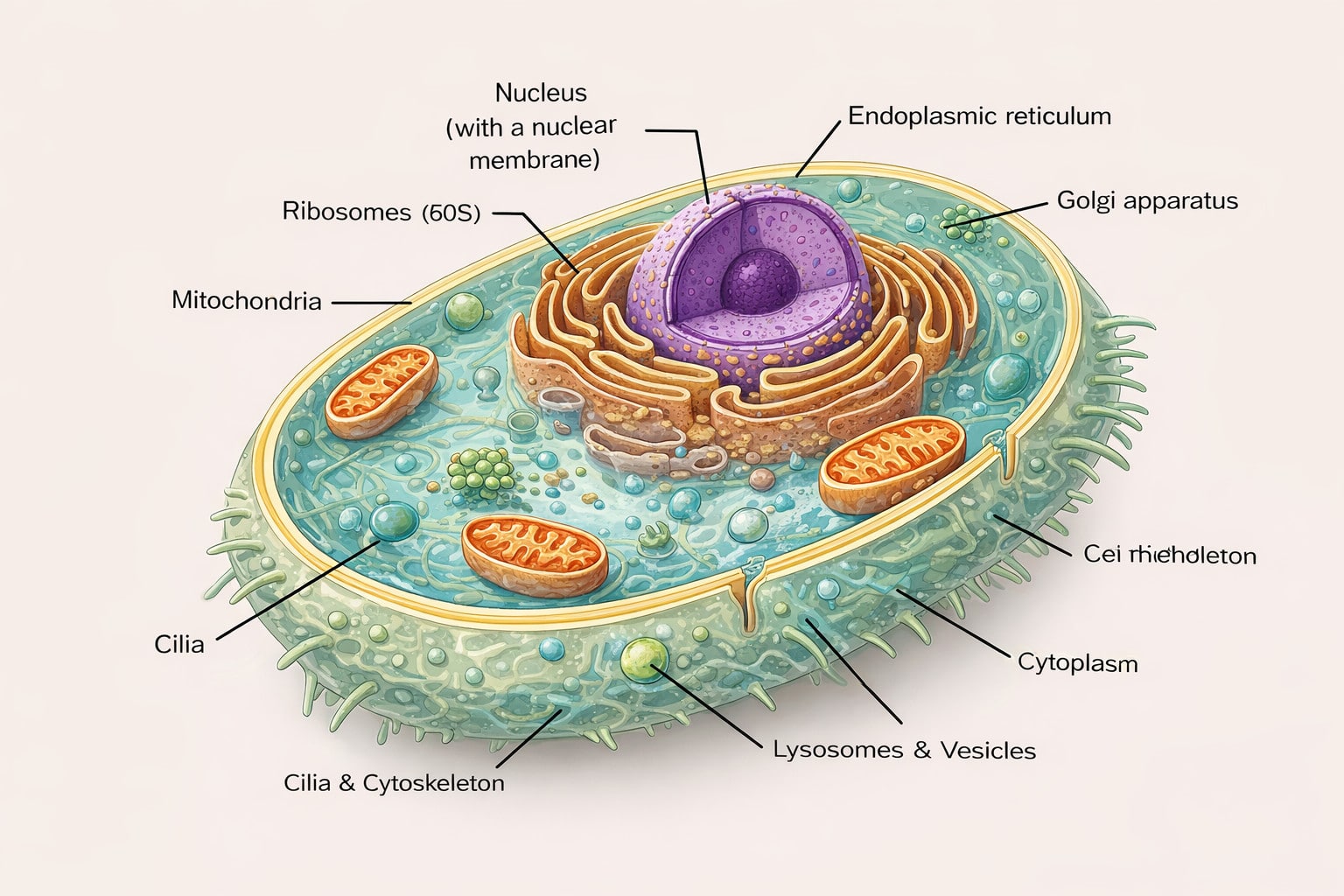
All life today are either Prokaryote or Eukaryote. Around 2 billion years ago, Eukaryotes evolved from Prokaryotes. The evolutionary leap to eukaryotes introduced cells with a nucleus and membrane-bound organelles, a complex architecture derived from prokaryotic predecessors through endosymbiosis. This process, crucial for eukaryotic evolution, involved the incorporation of prokaryotic cells into the cytoplasm of
The First True Eukaryotes Read More »

30 Phil, Chapter 17, Alhazen, Touchstone 42: Senses. How we perceive an external world starts to become clear about 1020 CE. Since Alhazen and his pioneering work around 1020 CE, we have made significant advancements in understanding our senses. Our direct impressions of the world. Prior to Alhazen, most people on Earth believed in strange
The Five Senses of Humans Read More »
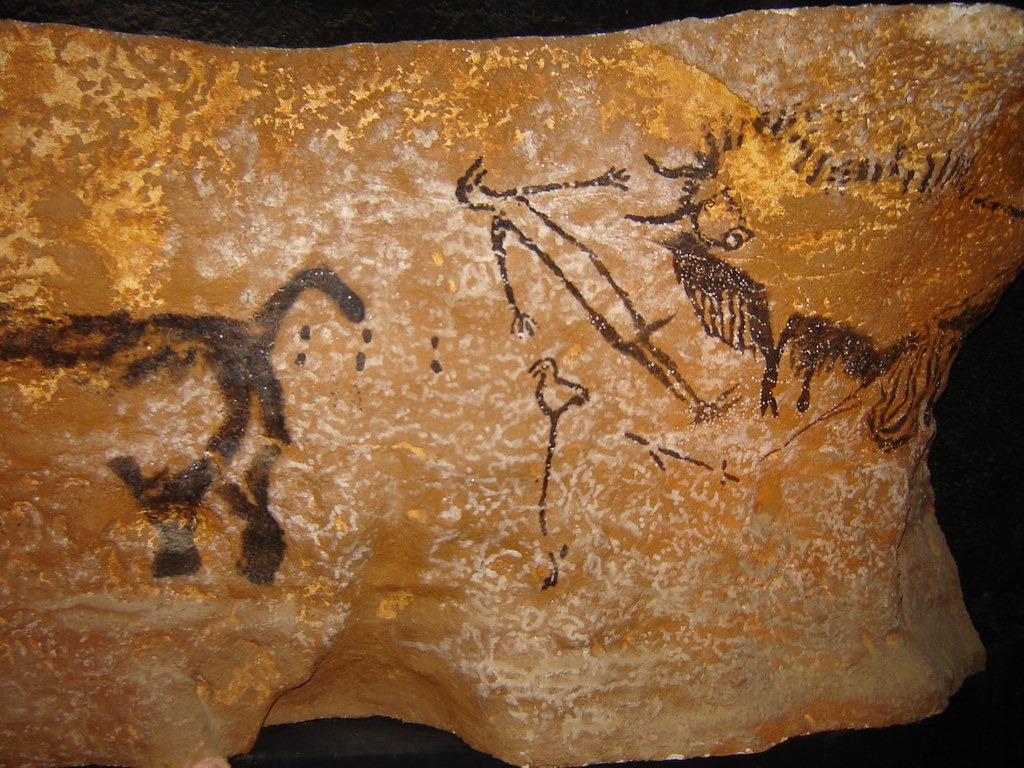
It’s clear: neanderthals created art. The discovery of cave paintings in Spain, dated to over 64,000 years ago, marked a profound shift in our understanding of Neanderthals. This corrected the longstanding perception that Neanderthals lacked symbolic thought and artistic expression. To learn more, check out Beyond Human Bias: Reassessing Neanderthal Intelligence.
Discovery: Neanderthal Symbolic Thought Read More »
Most scientists treat Neanderthals, Denisovans, and Homo sapiens as separate species that interbred, but the debate remains open.
Neanderthal Art: Symbolic Thought Read More »

Invented by Newton in the 1660s (pub. 1687) and independently by Leibniz in the 1680s (pub. 1684). Both built on Galileo’s popularizing the idea of the infinitesimal. Calculus, the mathematical study of continuous change, introduced the concepts of differentiation and integration, providing tools to model and analyze motion, growth, and the infinitesimal. Newton, working primarily
The Invention of Calculus Read More »

In the vibrant intellectual climate of Ancient Greece, the 6th century BCE marks the embryonic stage of formal logic, attributed to the philosopher Thales of Miletus (around 624-546 BCE). Thales, recognized as the first of the Seven Sages of Greece, embarked on a quest that laid the foundational stones of logical thought. He shifted the
The Birth of Logic Read More »
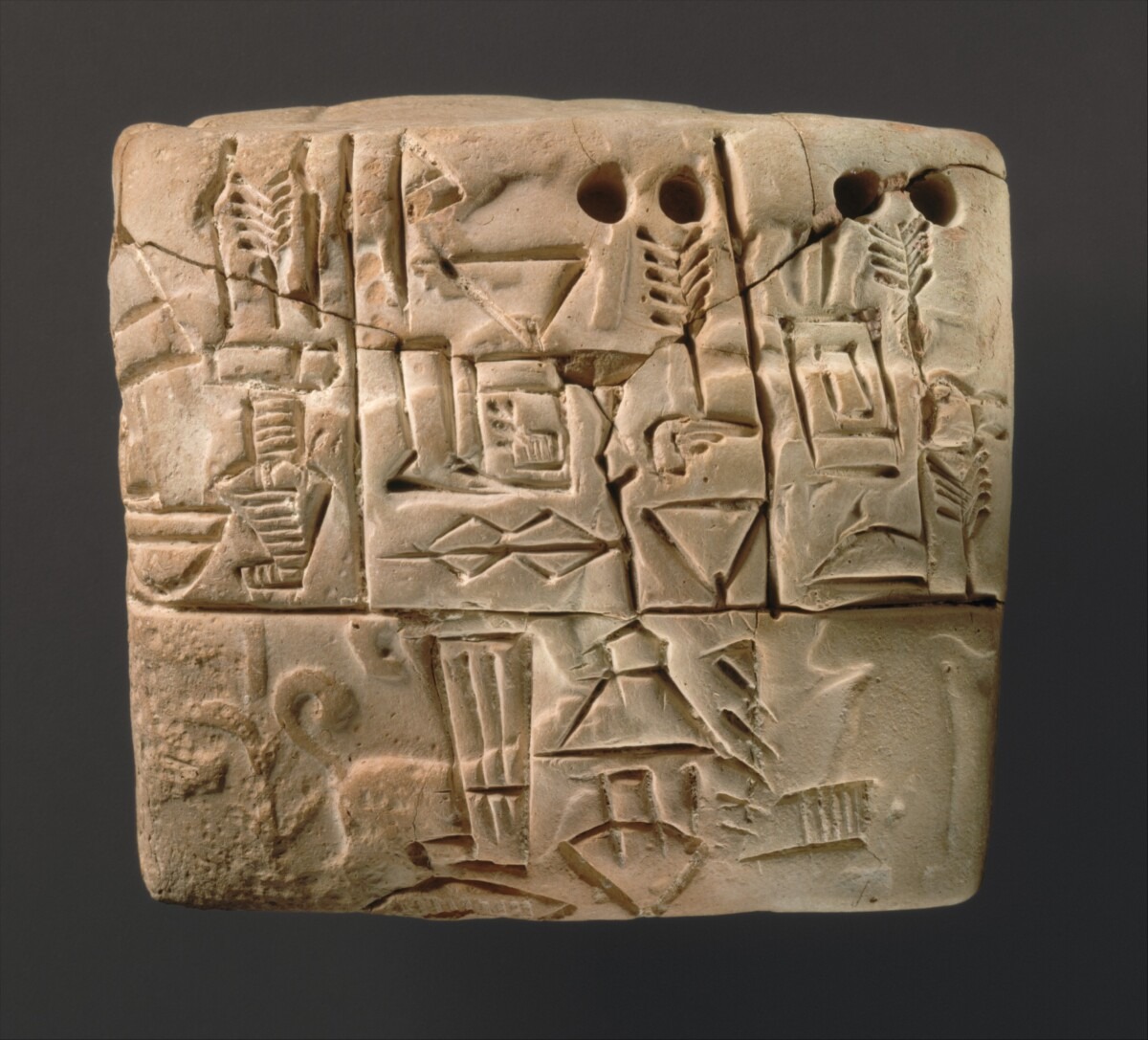
In 1975, Italian archaeologist Paolo Matthiae and his team unearthed the remarkable Library of Ebla at Tell Mardikh, Syria, revealing a trove of around 20,000 clay tablets and fragments. This discovery dramatically expanded our understanding of ancient Near Eastern civilizations, introducing Eblaite as a previously unknown Semitic language and providing unprecedented insights into the culture,
Rediscovery of the Library of Ebla: circa 2350 BCE Read More »
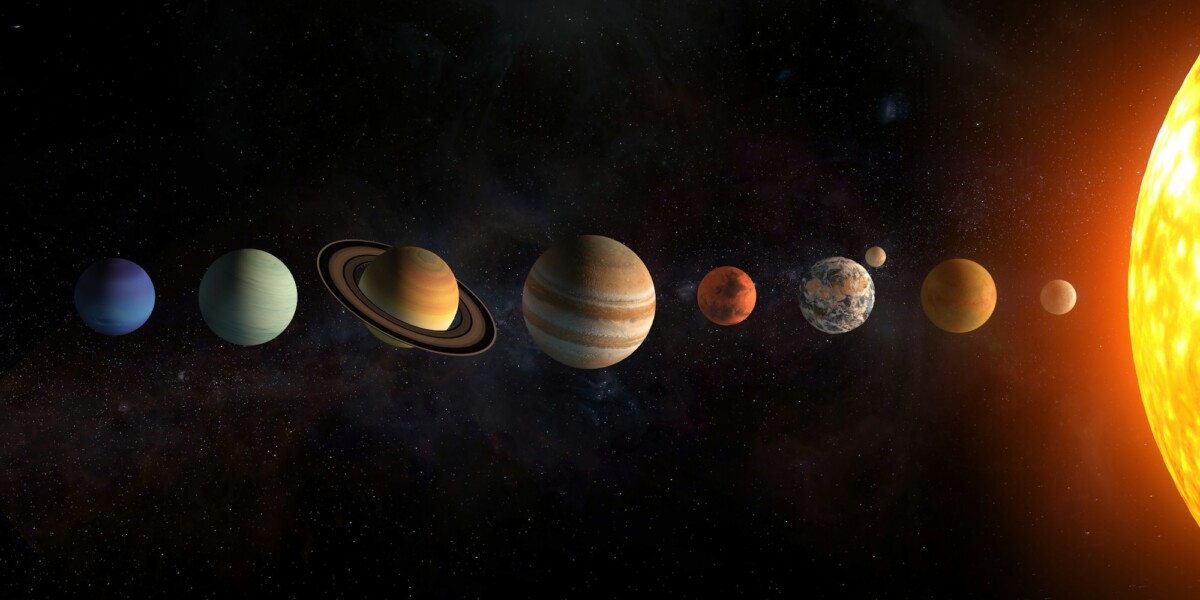
The Earth and the other planets formed 4.5 billion years ago from the same cosmic cloud—the primordial material which gave birth to the Sun. The dust and comets—the rocks—were composed largely of hydrogen, ice, carbon, and nitrogen.
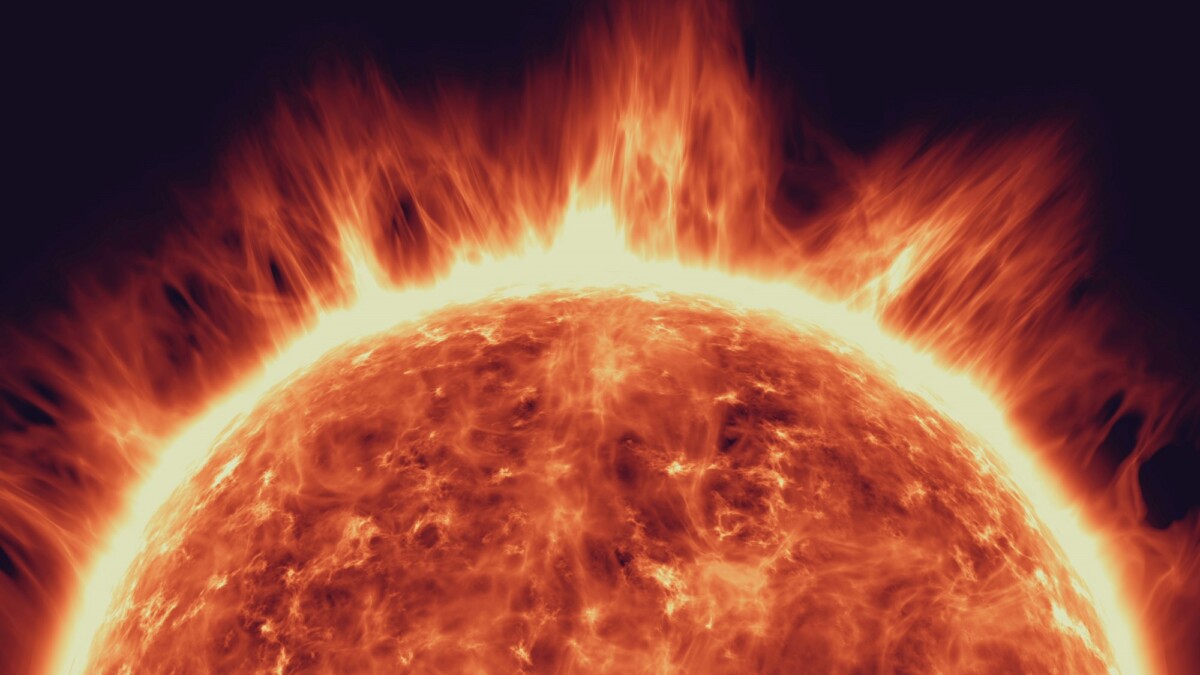
4.6 billion years ago, a cloud of gas and dust collapsed under the force of its own gravity to form our solar system.With the Sun at its center, glowing, the planets had not yet formed. The Sun, a G-type Population 1 star, shines brightly with a surface temperature of about 9,400 degrees, 5,500 Kelvin, and

Legacy: First 26 elements of the periodic table of elements. After a few hundred million years, gravity continued to play its part, drawing atoms into an intimate collapse, giving birth to the very first stars and galaxies. These first stars, known as Population III stars, were stellar giants: massive, hot, and short-lived; they burned for
Population III Stars: Heavier Elements Read More »

The image of the early universe that we see in the CMB reveals a time shrouded in darkness. During this era, the 17 known particles first started to combine to form the universe’s first atoms. Electrons, protons, and neutrons came together to create neutral hydrogen atoms, a process that allowed photons—or light—to traverse the cosmos