Weekly Insights for Thinkers

Philosophy

Natural philosophy includes dividing ideas into empirical, rational, and irrational as well as understanding their philosophical context. Philosophical context includes understanding the timing of discoveries and rediscoveries as well as the philosophers behind them and their publications.

City of Catalhoyuk

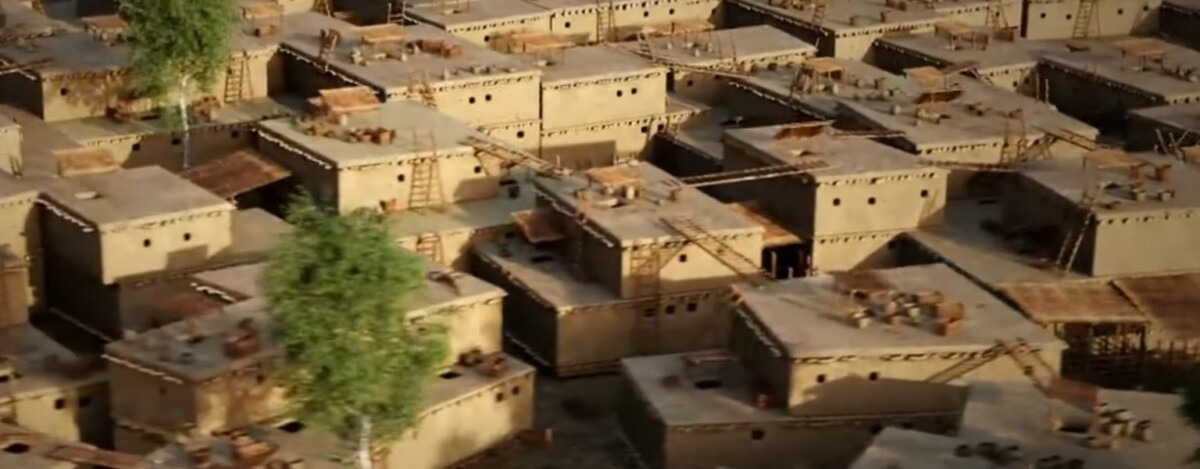
The city of Çatalhöyük was a very large Neolithic city in the southern Anatolia peninsula in modern day Turkey. The population of 5,000 to 10,000 lived in mudbrick buildings. Some of the larger buildings have ornate murals. A painting of the village, with the twin mountain peaks in the background is frequently cited as the

City of Catalhoyuk Read More »

Oldest Known Bracelet

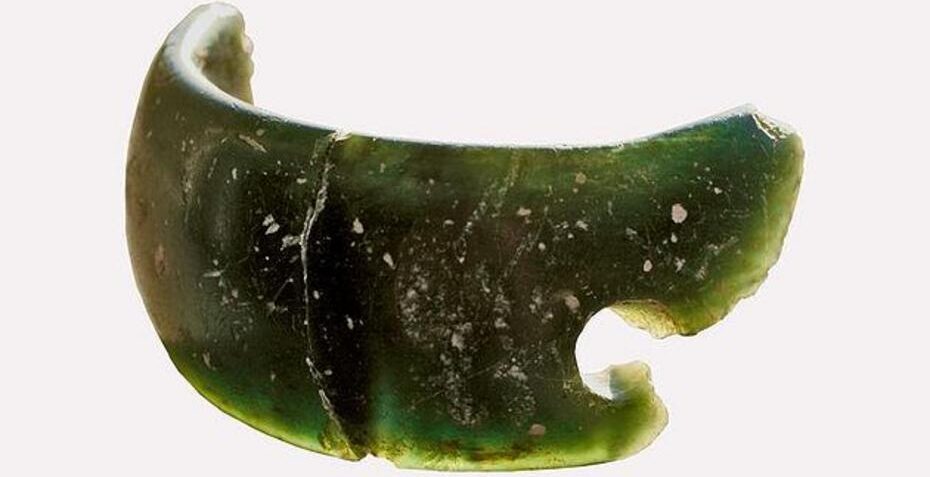
Denisovan: This bracelet dates from 70,000 to 40,000 BCE. It was discovered inside the Denisova Cave beside ancient human remains. The Denisova Cave is a cave located in Siberia, Russia. Other cave finds include woolly mammoth and woolly rhino bones. Scientists say there is evidence that the bracelet’s maker used a drill. This is the

Oldest Known Bracelet Read More »

Code of Hammurabi

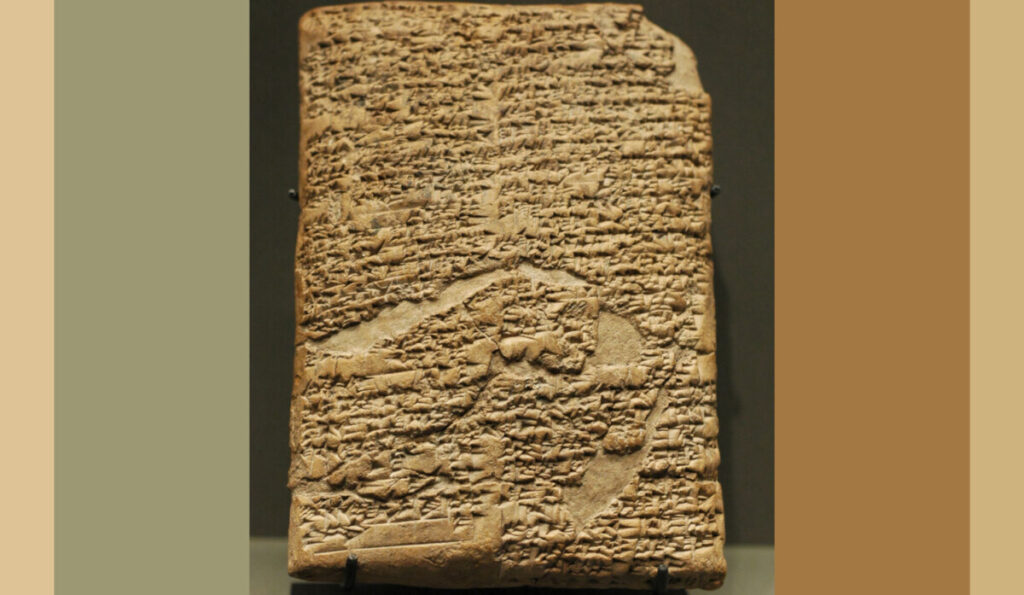
A set of about 300 legal laws written in stone from ancient Near East that withstood the test of time. Hammurabi, the sixth king of the First Dynasty of Babylonian, wrote it in cuneiform in the Old Babylonion dialect of Akkadian. The text itself was copied and studied by Mesopotamian scribes for over a millennium.

Code of Hammurabi Read More »

Eve: Haplogroup L

7,000 Generations Ago All humans today share a single grandma, circa 175,000 BCE. We know this because all humans alive today share our ancestor’s haplogroup L genes — from our X chromosome. She was one of many thousands of women living in eastern Africa. Many maternal lines survived for many generations but ultimately over time

Eve: Haplogroup L Read More »

Adam: Haplogroup A

11,000 Generations Ago All humans today share a single grandpa, circa 275,000 BCE. We know this because all humans alive today share our ancestor’s haplogroup A genes — from our Y chromosome. He was one of many thousands of men living in eastern Africa. Many paternal lines survived for many generations but ultimately over time

Adam: Haplogroup A Read More »

Oldest Surviving Spear

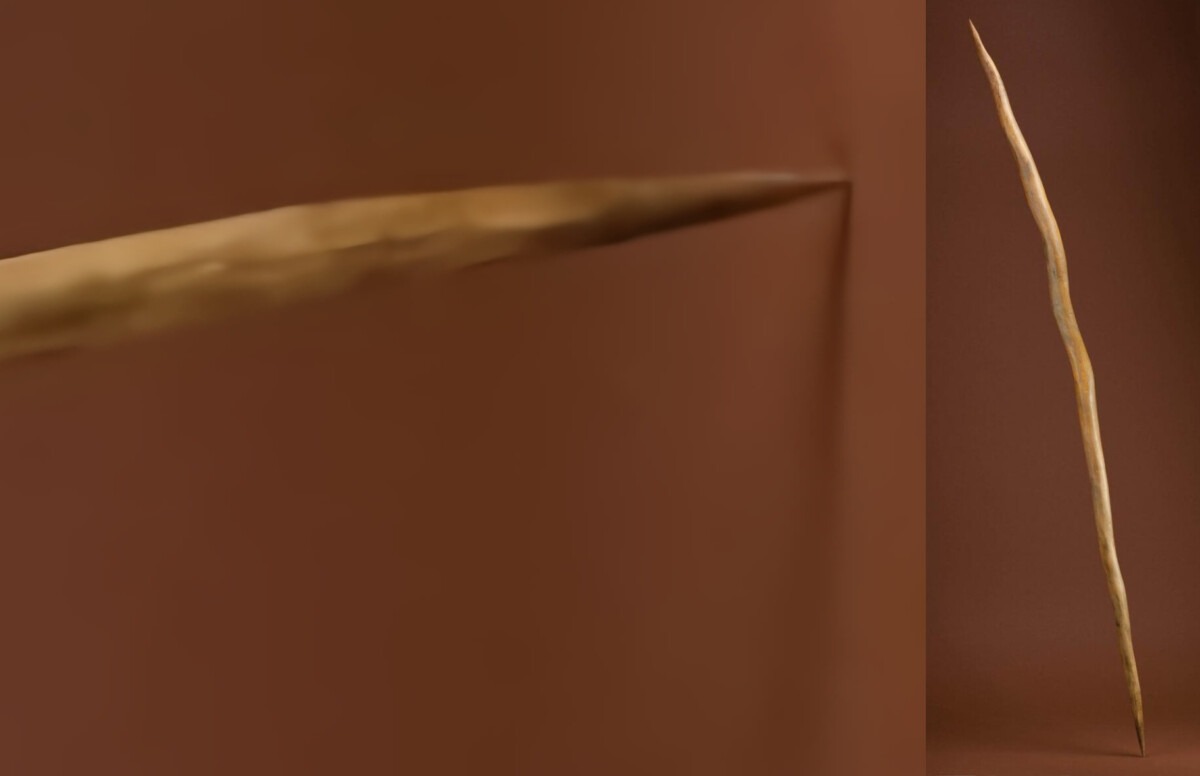
14,000 Generations Ago Homo heidelbergensis: Long spears made hunting large animals more safe. The oldest wooden spears found so far were found in Germany and dates to circa 400,000 BCE. In fact, they are currently the oldest known wooden artifacts. The find included 3 wooden spears, stone tools, and the butchered remains of more than

Oldest Surviving Spear Read More »

Hand Axe

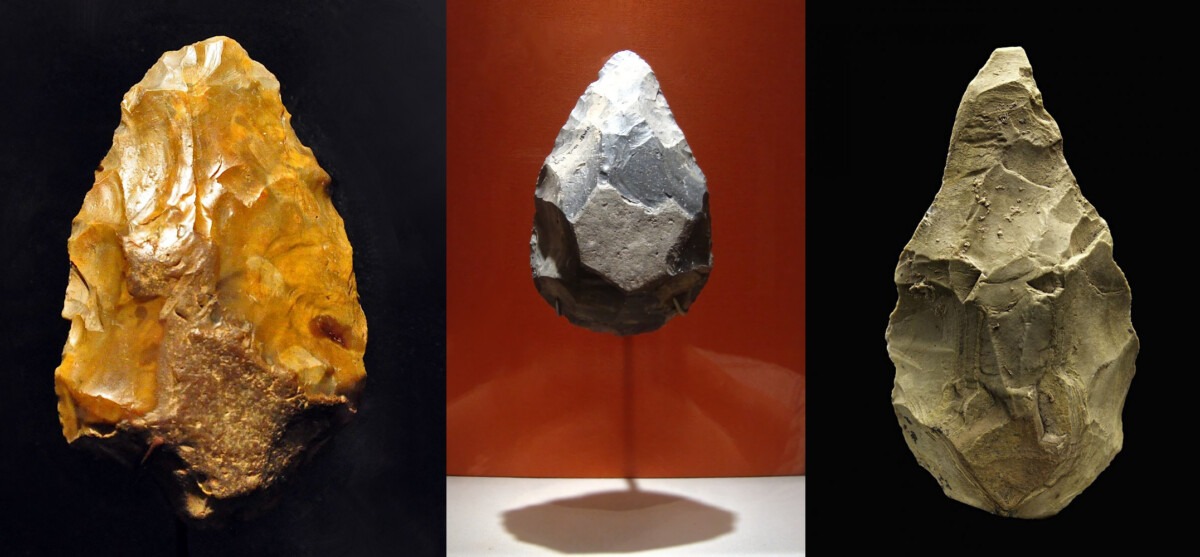
70,400 Generations Ago (from 2020 CE) By about 1.76 million BCE, early humans began to create hand axes. They would strike really large flakes, then continue to shape them around the edges. On the right, the hand axe pictured dates to circa 1.1 million BCE. It was found at Isampur, India.  

Hand Axe Read More »

Early Stone Tools

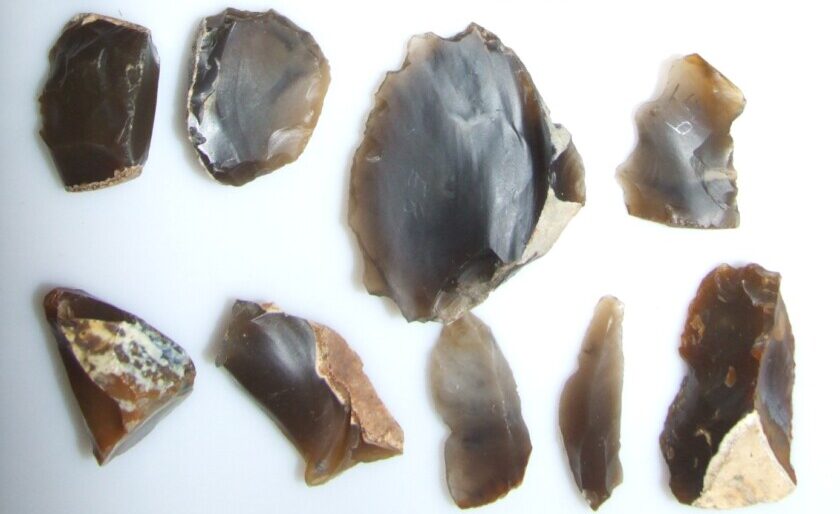
The earliest known stone tools date back to at least 3.3 million years ago. They are identified by their purposeful flaking patterns, sharp edges, and location with other more identifiable artifacts or fossils. They are then verified with microscopic analysis confirming repetitive use.

Early Stone Tools Read More »

Bone Flute

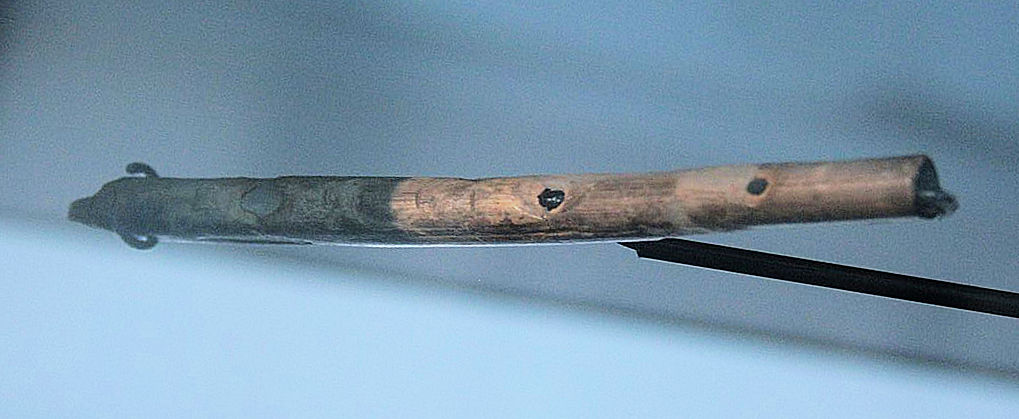
1,600 Generations Ago The oldest undisputed musical instrument is the Hohle Fels Flute discovered in the Hohle Fels cave in Germany’s Swabian Alb in 2008. The flute is made from a vulture’s wing bone perforated with five finger holes.

Bone Flute Read More »

Ramessos, CC BY-SA 3.0 , via Wikimedia Commons

Venus of Hohle Fels

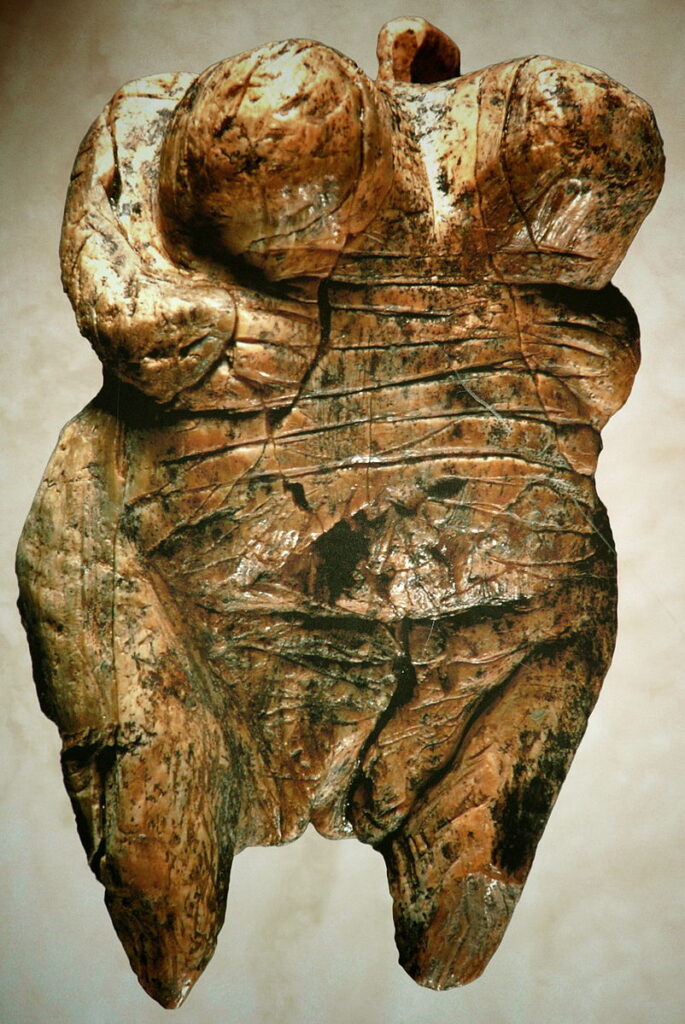
The Venus of Hohle Fels is a 2.4″ figurine made of wooly mammoth ivory that was unearthed in 2008 in Hohle Fels, a cave near Schelklingen, Germany. It was pieced together from six pieces found in a cluster, about 10 feet below ground, and about 60 feet from the cave entrance. The left arm and

Venus of Hohle Fels Read More »

Trevethy Quoit a Portal Dolmen in Cornwall

Neolithic Revolution

468 Generations Ago (from 2020 CE) The Neolithic Revolution is the earliest known Agricultural Revolution. It is very likely that humans practiced forms of agriculture earlier. How much earlier? Well, without evidence, we are guessing. For convenience, anthropologists label humans as hunter-gatherers prior to the Neolithic Revolution. The fact is that the current theory states

Neolithic Revolution Read More »

Scroll to Top